A gastro-pub dedicated to Italian brews.
- Address
- Via Solferino, 56, 20121 Milano MI, Italy
- Phone
- +39 02 659 7758
- Website
- baladin.it
- Directions
- Get directions
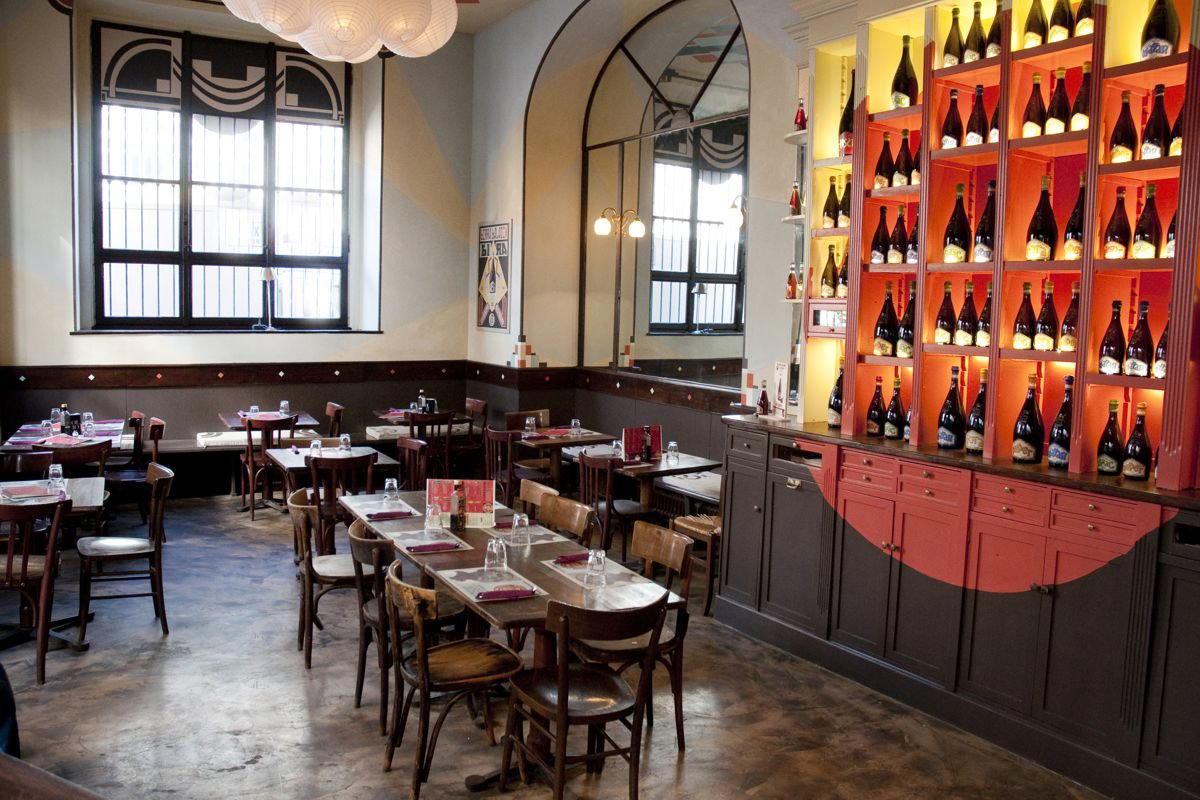
Via Solferino and the Architecture of the Brera Drink
Via Solferino runs through one of Milan's most coherent neighbourhoods, the Brera district, where nineteenth-century palazzi give way to independent bookshops, small galleries, and a hospitality scene that has resisted the homogenising pull of aperitivo chains better than almost anywhere else in the city. At number 56, Baladin Milano occupies a position in that fabric as a representative of the Italian craft beer movement's expansion from its Piedmontese origins into the urban north. The Baladin brand began in Piozzo, a village in the Cuneo province of Piedmont, and its evolution into a Milan outpost tracks a broader Italian story: artisanal producers who built credibility through product quality eventually testing whether that credibility could hold inside a larger city's more competitive, more distracted drinking culture.
The address alone places Baladin Milano in a specific conversation. Brera attracts a clientele that is design-literate and internationally aware, accustomed to venues where the physical environment is treated as a considered element rather than an afterthought. That expectation shapes how a space like this reads. The interior language of Baladin venues has historically leaned on warm materials, visible craft references, and a counter culture derived from the brewpub tradition rather than from the cocktail bar or the wine enoteca. In a neighbourhood where the competition includes carefully curated aperitivo spots and restaurants across multiple price tiers, the spatial identity of a venue carries as much weight as the liquid in the glass.
Space as Statement: Interior Logic in the Craft Beer Format
Across the broader craft beer bar category in Italian cities, the interior design question has settled into roughly two camps. One approach borrows from the industrial aesthetic: exposed ductwork, reclaimed timber, concrete surfaces, and tap walls that read as functional rather than decorative. The second, which Baladin has historically favoured in its flagship and satellite locations, is warmer and more narrative, drawing on materials and objects that reference the brewery's origins in a rural, agricultural Piedmont. Wood dominates. The lighting tends toward amber registers rather than the cooler tones associated with the cocktail bar world. Seating is typically arranged to support longer visits, conversations that develop over multiple rounds, rather than the quick-turnover logic of a standing aperitivo bar.
In the Brera context, that warmth reads as a deliberate counter-positioning. The district's more polished design establishments can trend toward the austere; a space that uses texture and material density differently creates its own atmospheric logic. The physical container, in this case, is itself an editorial statement about what kind of drinking this is meant to be: unhurried, product-focused, rooted in a tradition that predates the current craft beer boom by at least a decade.
Baladin in Its Competitive Set
Milan's premium restaurant tier, represented by addresses like Enrico Bartolini, Cracco in Galleria, Andrea Aprea, and Seta, operates in a different register entirely, one where tasting menus, sommelier programs, and Michelin recognition define the terms of competition. Baladin Milano does not compete in that bracket. Its comparable set is the specialist craft beverage venue: places where the depth of the product list, the staff's ability to guide through it, and the physical environment together justify the visit. That is a smaller and more specific niche than the general bar category, and it carries its own set of quality signals.
Nationally, Italy's most celebrated dining destinations, from Osteria Francescana in Modena to Uliassi in Senigallia and Piazza Duomo in Alba, have built their international profiles around a combination of product precision and spatial intelligence. The lesson those venues demonstrate is that serious hospitality, at any price point, requires coherence between what is served and the environment in which it is served. A craft beer destination in Brera is measured against that same expectation of coherence, even if the price tier is far more accessible.
For international travellers whose Italy itinerary includes stops at addresses such as Enoteca Pinchiorri in Florence, Le Calandre in Rubano, or Dal Pescatore in Runate, a Baladin visit represents a different kind of engagement with Italian drinking culture: less formal, more product-transparent, and rooted in a craft movement that the country took longer than its northern European neighbours to develop but has since approached with considerable seriousness. The same traveller who spends an evening at Reale in Castel di Sangro or Atelier Moessmer Norbert Niederkofler in Brunico might find a Baladin visit useful precisely because it operates on entirely different coordinates.
The Brera Address: Practical Orientation
Via Solferino 56 sits within comfortable walking distance of the Moscova metro stop on line M2, making it direct to reach from central Milan without navigating the city's more congested southern arteries. The Brera district itself rewards arrival on foot from the Pinacoteca di Brera side, which allows the neighbourhood's street-level character to accumulate before you arrive at the venue. Evenings in this part of Milan can fill quickly, particularly on weekdays when the area draws a post-work professional crowd alongside tourists who have been directed here by the neighbourhood's consistent reputation. Planning ahead, or arriving earlier in the evening service, is a sensible approach during the spring and autumn months when Milan's design and fashion calendar drives visitor volumes upward.
The Baladin network's identity is anchored in Piedmont, and that regional origin functions as a credential in a market where provenance matters. That positioning is not equivalent to the recognition structures of the Michelin world, exemplified by addresses like Quattro Passi in Marina del Cantone or Casa Perbellini 12 Apostoli in Verona, but it is its own form of institutional authority within its category. Internationally, the craft bar format has produced its own recognised destinations, from Le Bernardin in New York City to Lazy Bear in San Francisco, demonstrating that commitment to a specific product philosophy and a coherent environment can generate lasting reputations. That is the aspiration the format carries, and the Brera location tests how well it translates into Milan's particular version of that expectation. Also see Verso Capitaneo for a Milan creative dining comparison.
At a Glance
Comparable venues nearby, for context on price, style, and recognition.
| Venue | Cuisine | Price | Notes |
|---|---|---|---|
| Baladin MilanoThis venue — the venue you are viewing | Brera, Italian Craft Beer Gastropub | $$ | Not listed |
| Trattoria Milanese | Duomo, Traditional Milanese Trattoria | $$ | Not listed |
| Montesoprano Piazza XXIV Maggio | Not listed | $$ | Porta Ticinese - Conca Del Naviglio, Sicilian Meat & Grill |
| Fradiavolo Milano Isola | Isola, Modern Neapolitan Pizza | $$ | Not listed |
| Rosso Brera | Brera, Traditional Milanese Trattoria | $$$ | Not listed |
| La Bottega del Gelato Cardelli Marco | Artisanal Italian Gelato | $ | Not listed |
Continue exploring
More in Milan
Restaurants in Milan
Browse all →
Bars in Milan
Browse all →
Hotels in Milan
Browse all →
At a Glance
- Lively
- Trendy
- Industrial
- Casual Hangout
- After Work
- Late Night
- Open Kitchen
- Beer Program
- Natural Wine
- Local Sourcing
Hip and energetic pub atmosphere with a trendy basement speakeasy vibe.