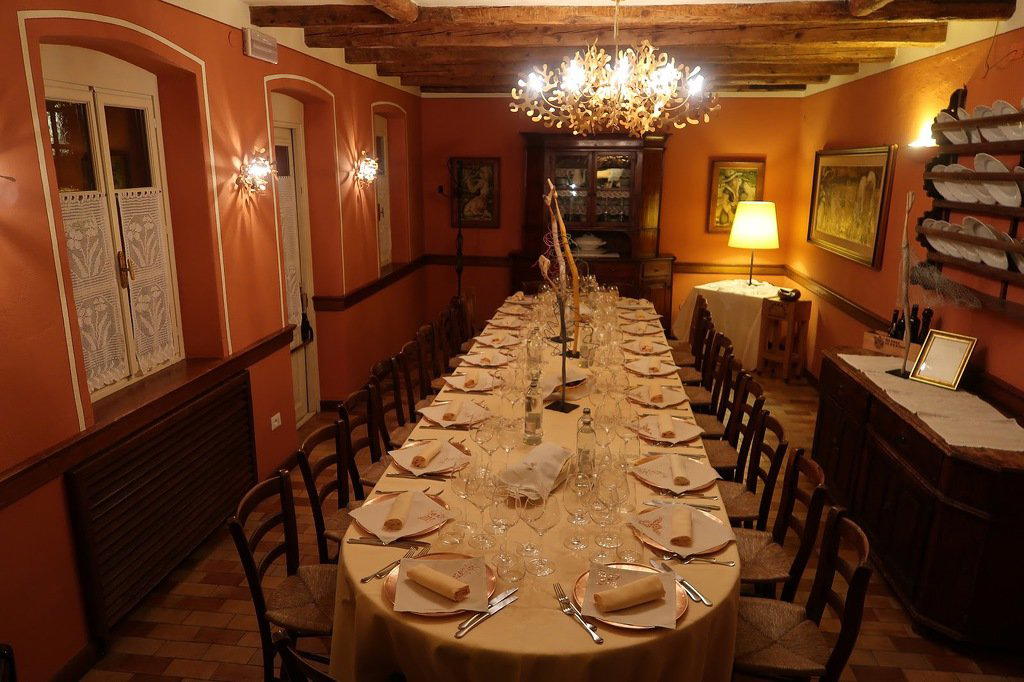
Osteria Campana d'Oro sits on Borgo Udine in the heart of Palmanova, the UNESCO-listed Renaissance fortress town of northeastern Italy. In a region where Friulian cooking draws from centuries of agricultural tradition, the osteria format places honest, locally rooted food at the centre of the meal. For visitors exploring the town's radial streets, it represents a grounded alternative to the region's more formal dining options.
Pearl is the En Primeur Club membership app — saves, bookings, and concierge access live there. Same editors, same standards.
- Address
- Borgo Udine, 27, 33057 Palmanova UD, Italy
- Phone
- +39432928719
- Website
- osteriacampanadoro.it
- Directions
- Get directions
 Saves & bookings on Pearl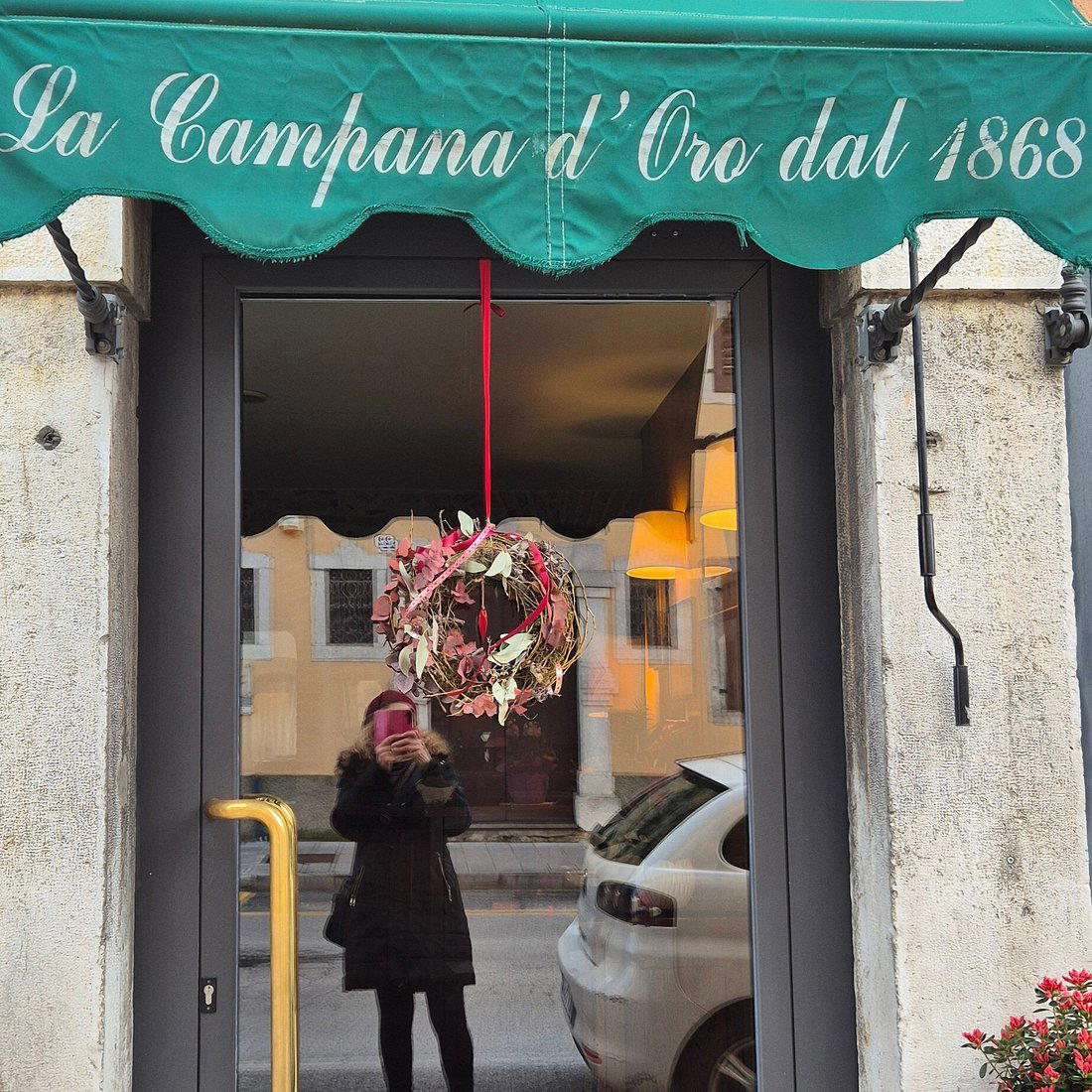
Dining Inside a Renaissance Fortress: The Friulian Osteria Tradition
Palmanova is not a city that rewards distraction. The UNESCO World Heritage Site was designed in 1593 as a nine-pointed star fortress by the Venetian Republic, and its geometry still organises everything within it: the streets radiate from a central hexagonal piazza, the ramparts remain intact, and the town's rhythm is slow, deliberate, and shaped by its architecture. Osteria Campana d'Oro, on Borgo Udine in the town's historic core, sits within that logic. The building's position on one of the six main radial streets means that approaching it on foot, the fortress's proportions frame the walk. You arrive having already absorbed the town's character.
This matters more than it might seem. In Friuli-Venezia Giulia, the osteria is not a branding exercise. It carries a specific cultural weight: a place where the food is regional, the wine is local, and the welcome is frank rather than performative. The format pre-dates the contemporary Italian restaurant as most visitors understand it, and in towns like Palmanova, where the visitor flow is modest compared to Venice or Udine, it has remained more legible. An osteria here is answerable to its community first.
Friuli's Agricultural Inheritance and What It Means on the Plate
The northeastern corner of Italy produces ingredients that appear on the menus of some of the country's most discussed restaurants. Atelier Moessmer Norbert Niederkofler in Brunico and Dal Pescatore in Runate both anchor their cooking in regional produce networks that have taken decades to build. The same agricultural logic applies further west, at Le Calandre in Rubano and Casa Perbellini 12 Apostoli in Verona, where the Po Valley's output shapes the menu's parameters. Italy's most decorated kitchens, from Enoteca Pinchiorri in Florence to Osteria Francescana in Modena and Piazza Duomo in Alba, have built international reputations on exactly this kind of territorial rootedness, translated into technically ambitious formats.
The osteria tradition operates on the same sourcing principle at a different register. Friuli-Venezia Giulia's larder is specific: San Daniele prosciutto from the hills above Udine, Montasio cheese produced across the regional plateau, white asparagus from Tavagnacco, and freshwater fish from the rivers that run south toward the Adriatic. The region's position between the Alps and the sea also brings central European influences into its cuisine. Goulash appears alongside polenta. Strucchi, sweet filled pasta, carries traces of Mitteleuropean pastry culture. For a kitchen working within this tradition, the sourcing question is never abstract; the answer is embedded in the geography.
Palmanova itself sits roughly 25 kilometres southeast of Udine, close enough to the regional capital's markets and supply networks to draw from them, and close enough to the Slovenian border that the influences on any serious Friulian table are layered rather than singular. The osteria format in this context is less a style choice than an honest accounting of where the food comes from.
Where Campana d'Oro Sits in the Town's Dining Structure
Palmanova's dining options reflect its scale: this is a town of around 5,600 residents, not a regional dining destination in the way that Udine or Trieste functions. What it offers is coherence. The restaurants that operate here serve a local clientele and occasional visitors drawn by the UNESCO designation, and they tend to price and format accordingly. Es Fum and Caffetteria Torinese represent other points in the town's eating map, each with a different relationship to the local rhythm.
Osteria Campana d'Oro occupies the osteria tier of that structure, which in practical terms means food that prioritises recognisable regional references over technical ambition. This is not a limitation. The osteria register has produced some of Italy's most lasting cooking: the format that gave Osteria Francescana in Modena its name continues to carry cultural authority precisely because it implies a particular set of values. At the level Campana d'Oro operates, those values translate into a dining experience shaped by direct Friulian hospitality rather than the kind of tasting-menu architecture you find at Enrico Bartolini in Milan, Uliassi in Senigallia, or Reale in Castel di Sangro.
Visitors arriving from larger Italian cities, or from international destinations that include Le Bernardin in New York City or Atomix in New York City as reference points, will find the register here deliberately different. The comparison with Da Vittorio in Brusaporto, La Pergola in Rome, or Quattro Passi in Marina del Cantone is instructive only in contrast: those are destination restaurants built around formal dining propositions. Campana d'Oro belongs to a different and equally valid category, one where the point is the region's cooking rather than the kitchen's interpretation of it.
Planning a Visit: Practical Considerations
Palmanova is accessible by road from Udine in under 30 minutes, and the town is compact enough that Borgo Udine, where the osteria is located, is a short walk from any point within the fortress walls. Visiting the town typically means arriving to see the fortifications and the central piazza before moving to lunch or dinner; the UNESCO site rewards a couple of hours on foot before settling into a meal. Because Palmanova draws a measured rather than mass-market visitor flow, dining here rarely requires the advance planning that restaurants in Udine or Trieste demand. That said, checking opening days before making the trip is advisable.
Comparable Venues
Comparable venues nearby, for context on price, style, and recognition.
| Venue | Cuisine | Price | Notes |
|---|---|---|---|
| Osteria Campana d'OroThis venue — the venue you are viewing | Traditional Friulian Osteria | $$ | Not listed |
| Caffetteria Torinese | Italian Caffetteria & Wine Bar | $$ | Piazza Grande |
| The Lido | Italian Lakeside Pizzeria & Beach Club | $$ | Cernobbio |
| Agli Artisti | Traditional Italian Seafood | $$ | historical center |
| La Botte | Traditional Italian Seafood & Pizza | $$ | Lignano Pineta |
| Trattoria Vittoria | Italian Seafood Trattoria | $$ | Grado |
Continue exploring
More in Palmanova
Restaurants in Palmanova
Browse all →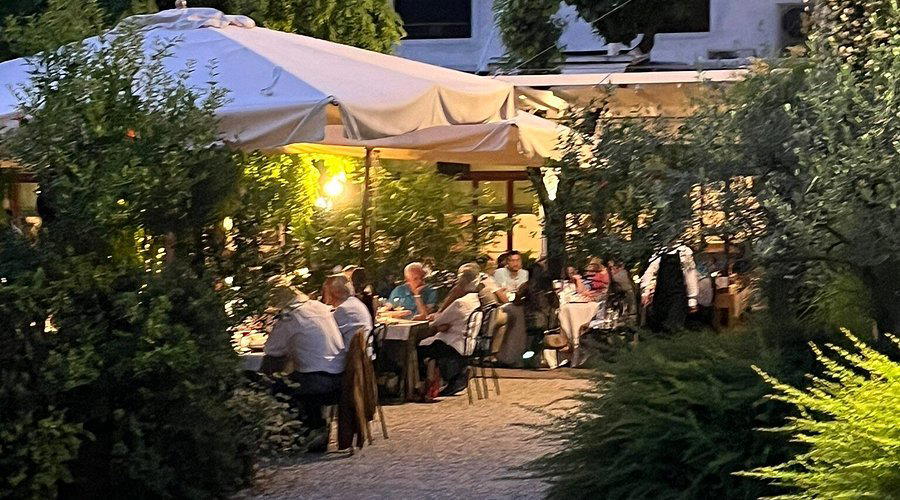
Bars in Palmanova
Browse all →
Hotels in Palmanova
Browse all →

At a Glance
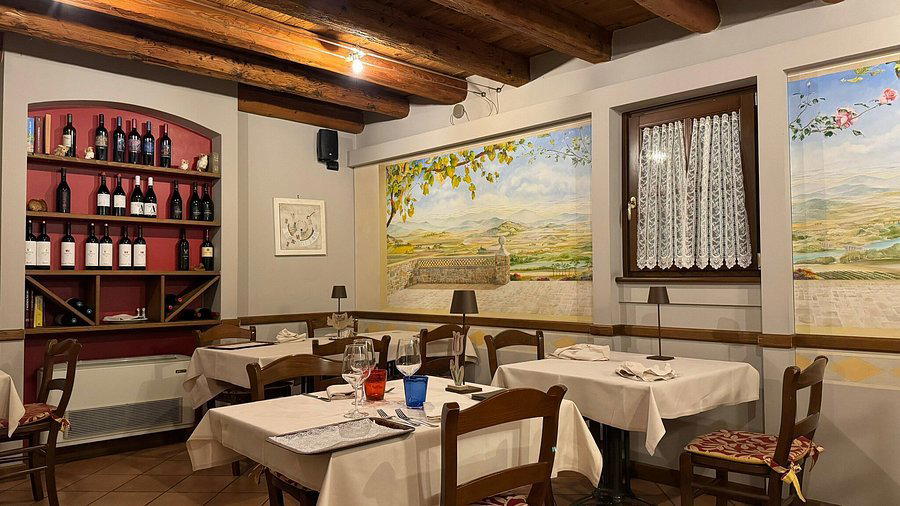
- Cozy
- Classic
- Rustic
- Family
- Group Dining
- Celebration
- Casual Hangout
- Standalone
- Extensive Wine List
- Local Sourcing
Current opening hours
- Monday
- 12–2 PM
- Tuesday
- Closed
- Wednesday
- 12–2 PM, 7:30–9:30 PM
- Thursday
- 12–2 PM, 7:30–9:30 PM
- Friday
- 12–2 PM, 7:30–9:30 PM
- Saturday
- 12–2 PM, 7:30–9:30 PM
- Sunday
- 12–2 PM
Hours can change for holidays and private events. Last verified .
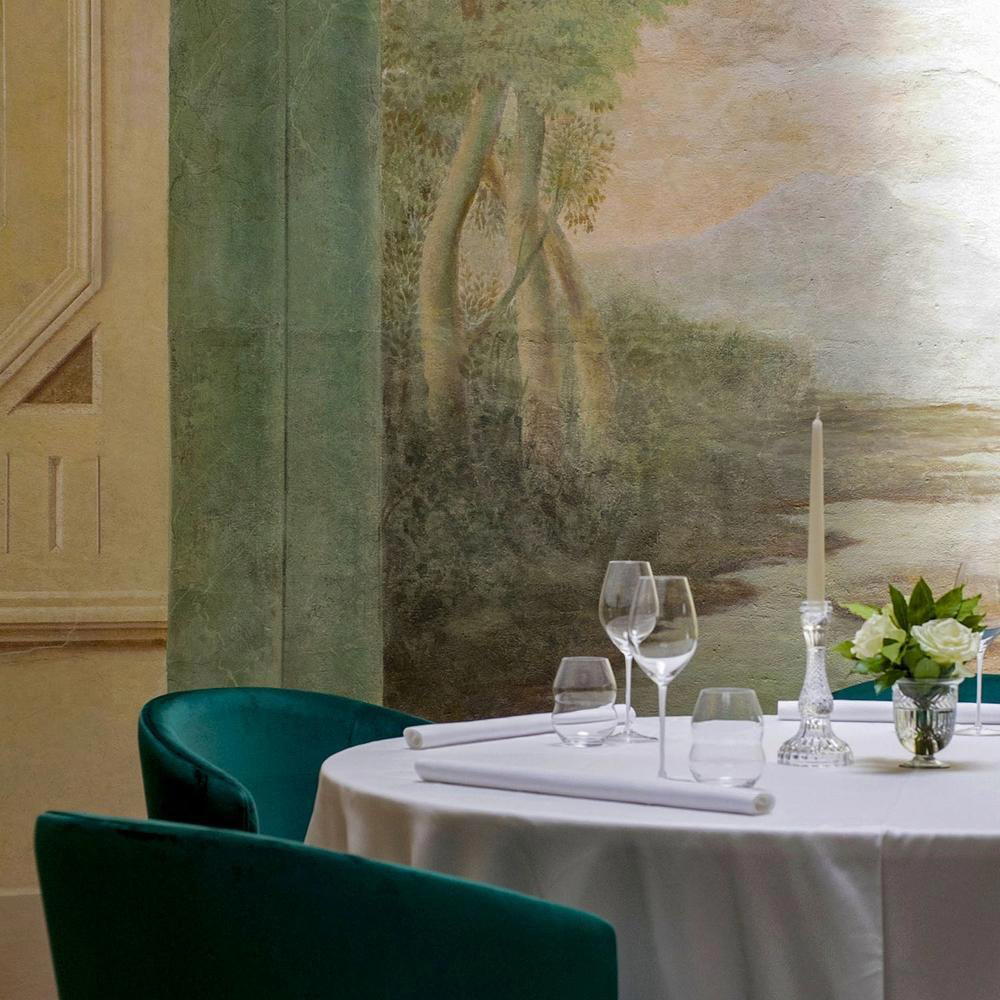
Cozy and welcoming with a traditional, local feel.