
1 Michelin Star
Our verdict
Es Fum holds a Michelin star inside the St. Regis Mardavall hotel on Mallorca's southwest coast, where chef Miguel Navarro — trained under Martín Berasategui — runs two creative tasting menus alongside à la carte and vegetarian options. The Mediterranean terrace, set against open sea views and framed by Miró sculptures, puts it in a different bracket from the island's resort dining mainstream.

Pearl is the En Primeur Club membership app — saves, bookings, and concierge access live there. Same editors, same standards.
- Address
- Carretera Palma-Andratx 19, Palmanova, 07181, Spain
- Phone
- +34 971 62 96 29
- Website
- restaurant-esfum.com
- Directions
- Get directions
- Booking
- Book on TheFork
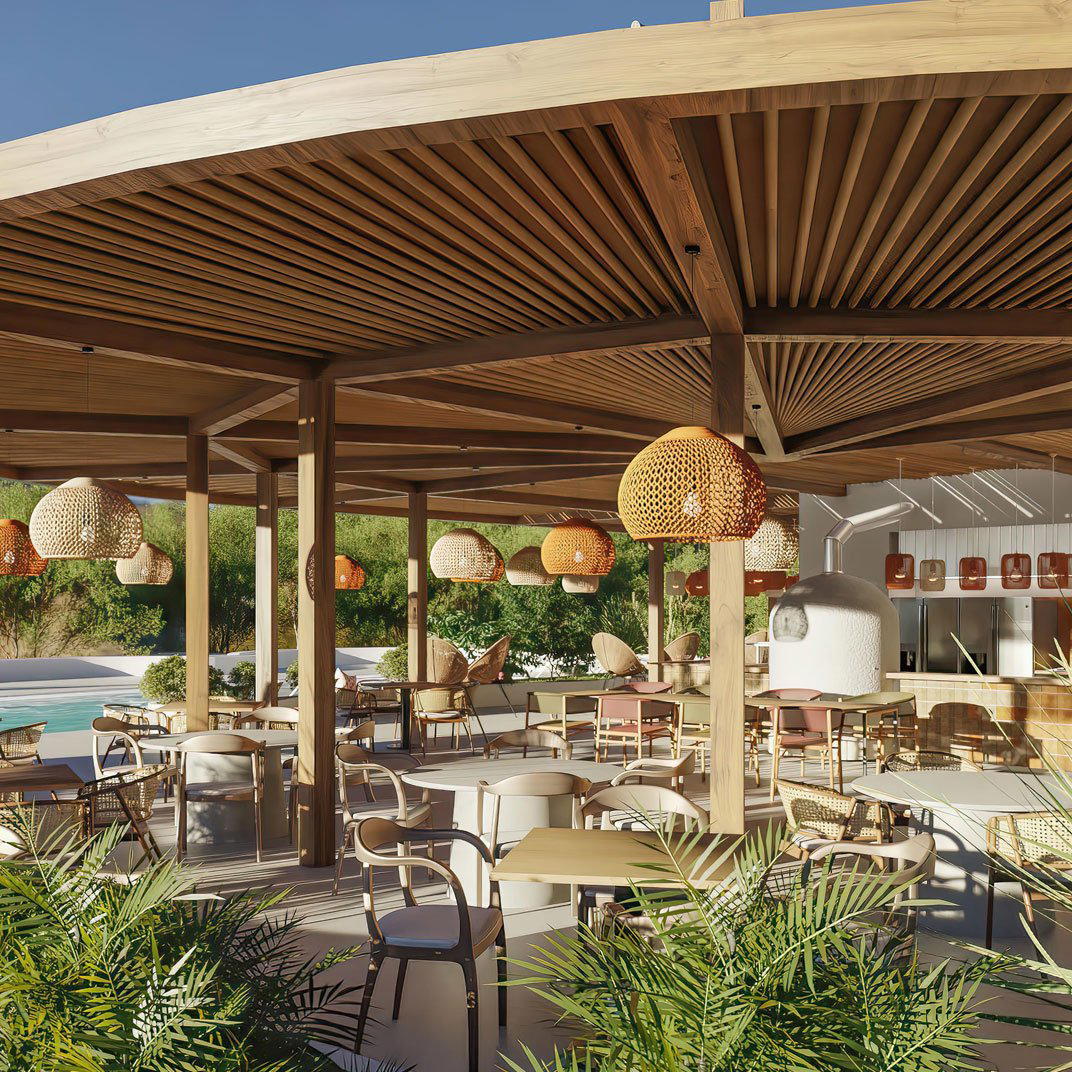
Where the Southwest Coast Sets the Table
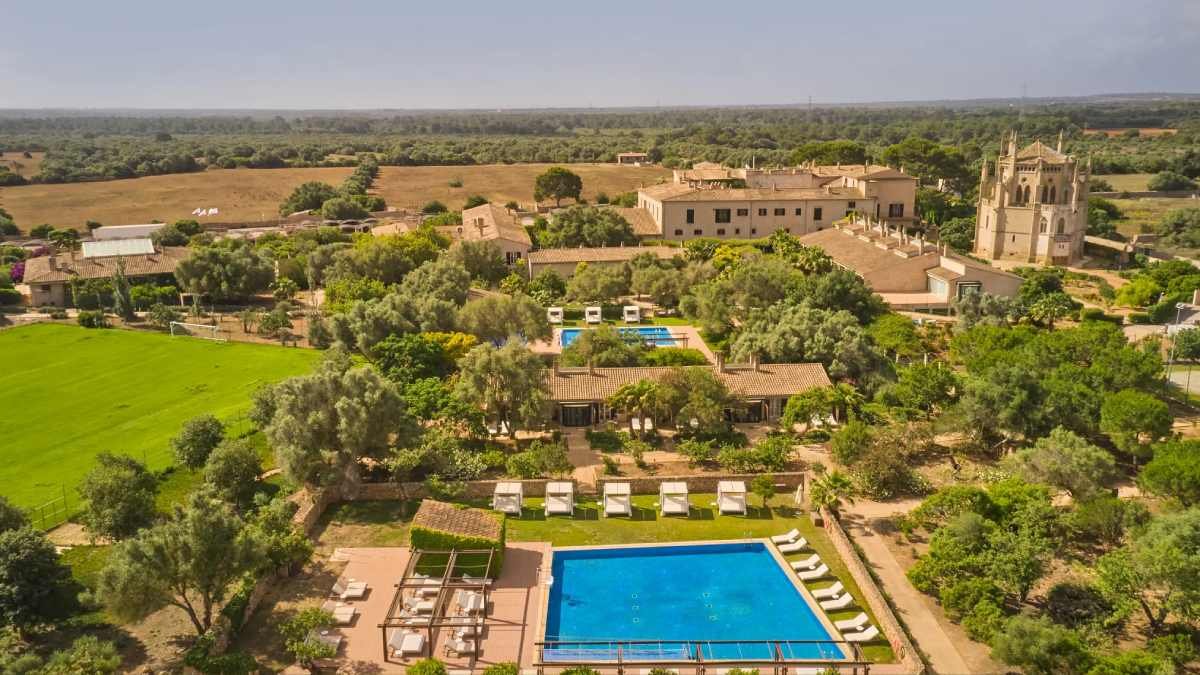
Mallorca's southwest corridor, running from Palma toward Andratx along the Carretera Palma-Andratx, has long attracted a different category of traveller than the island's busier eastern resorts. The coastline here is quieter, the properties more considered, and the dining options fewer but more deliberate. Es Fum sits inside the St. Regis Mardavall hotel at number 19 on that road, and its position — both geographical and culinary — reflects the character of the stretch it occupies. This is not a destination that competes for volume; it competes on precision.
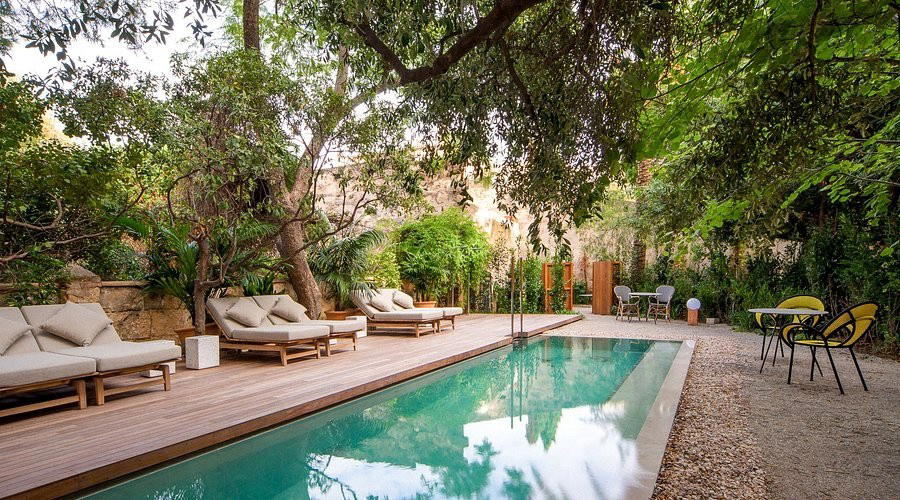
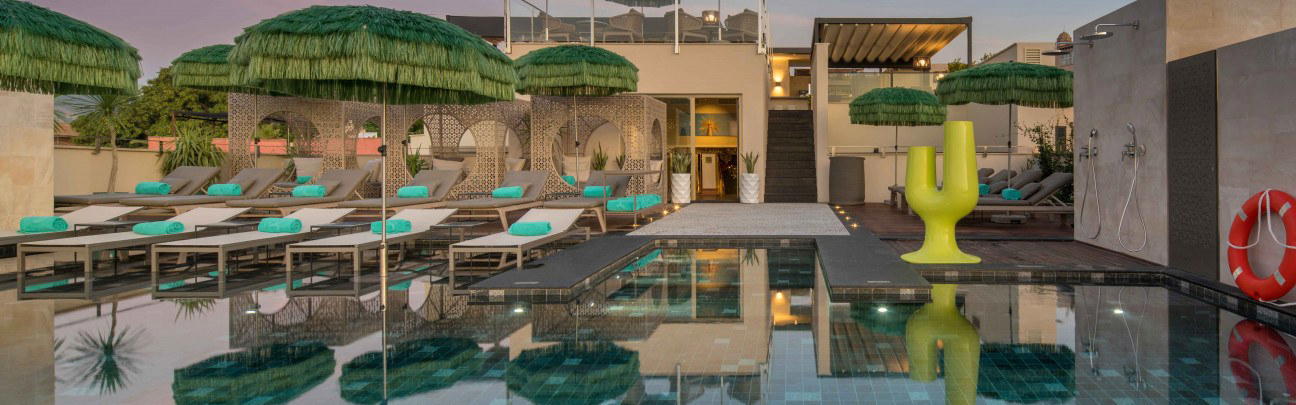
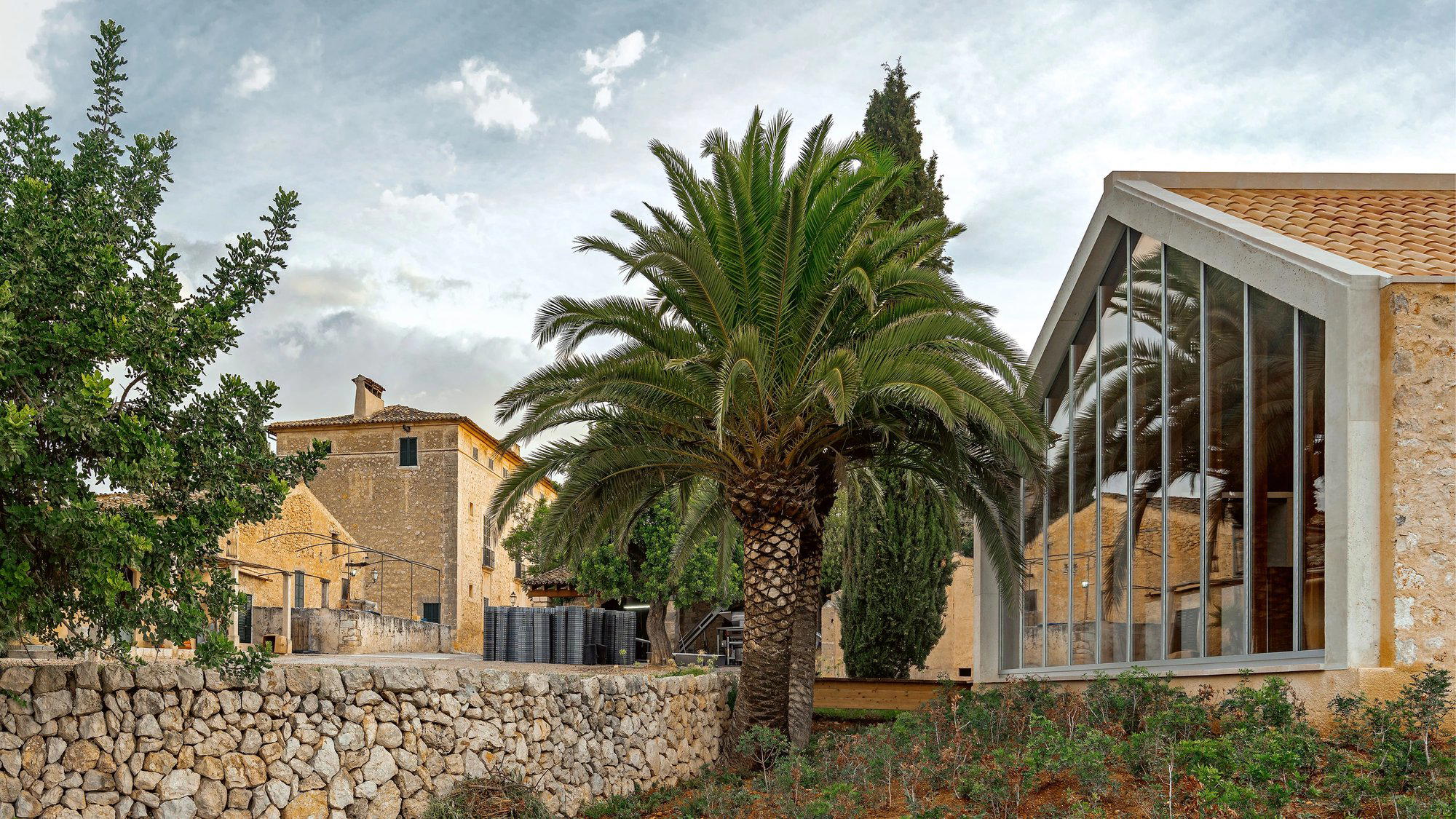
Approaching the terrace at dusk, the Mediterranean sits at the edge of everything: the light flattens across the water, sculptures punctuate the outdoor space, and works by Joan Miró appear inside the property, lending the setting a cultural weight that hotel restaurants in beach resorts rarely achieve. The effect is not decorative. It frames the kind of meal Es Fum is trying to deliver: one where the sourcing, the technique, and the setting reinforce each other rather than pulling in different directions.
The Ingredient Logic Behind Creative Cuisine
Spain's creative fine dining tradition has always maintained a close relationship with regional produce, even as the techniques applied to that produce have moved far from the traditional. The Basque school, from which chef Miguel Navarro draws direct lineage through his training under Martín Berasategui, developed its international reputation partly by insisting that technical ambition and ingredient integrity are not in tension. That inheritance shapes the sourcing orientation at Es Fum.
The Mediterranean context is not incidental. Mallorca sits at a confluence of fishing traditions, agricultural microclimates, and market rhythms that provide a distinct raw material base. The island's red prawns, caught in the cold deep waters off the Balearic shelf, are among the most sought-after shellfish in Spanish fine dining, a product that peers such as Quique Dacosta in Dénia and Ricard Camarena in València have long used as anchors for their Mediterranean menus. At Es Fum, Mediterranean red prawn rice appears on the Origen menu as one of the dishes that helped build the restaurant's reputation, a preparation that signals confidence in the local supply chain rather than reliance on imported prestige ingredients.
The Hamachi Es Fum, also on the Origen menu, introduces a different sourcing register: yellowtail is not a Balearic native, and its presence alongside local shellfish illustrates the way contemporary creative kitchens assemble ingredient narratives from multiple geographies while still anchoring the menu in a legible place identity. The smoke element in the dish connects to a broader Spanish technique tradition that runs from the Basque country through Catalonia, and positions the kitchen as one fluent in the wider national conversation, not just the local one.
For a broader view of where Es Fum sits within Spain's creative dining circuit, the comparison set is instructive. At the three-star level, Martín Berasategui in Lasarte-Oria, El Celler de Can Roca in Girona, Arzak in San Sebastián, Azurmendi in Larrabetzu, Cocina Hermanos Torres in Barcelona, and DiverXO in Madrid represent Spain's highest tier. Es Fum, with its Michelin one star awarded in 2024, operates in the tier below that ceiling, a meaningful position that, in Spain's dense fine dining market, still requires sustained technical output and a clear culinary identity to hold. One-star kitchens in the Balearics compete against a resort dining baseline that is generally more commercial, which makes the recognition more pointed: it signals a kitchen running at a level detached from the island's mainstream hospitality offer. Internationally, the creative register places Es Fum in conversation with restaurants like Alléno Paris au Pavillon Ledoyen and Arpège in Paris, where the hotel or institutional setting and strong ingredient philosophy similarly define the proposition.
Two Menus, Two Editorial Stances
The structure of the menu offer at Es Fum reflects a division that is becoming more common at this level of Spanish fine dining: one menu built from proven dishes, one built from recent development. The Origen menu functions as a kind of editorial position, a statement about which preparations have earned their permanence. The Recorrido menu operates differently, drawing on the chef's most recent travel and treating the kitchen as a place where external influence is actively processed rather than excluded. This is not a novel format in the wider context; Mugaritz in Errenteria and Aponiente in El Puerto de Santa María have long built menu structures around the tension between accumulated knowledge and ongoing research. What distinguishes the Es Fum approach is the transparency of that division: guests choose not just dishes but a mode of engagement with the kitchen's output.
A concise à la carte and a vegetarian menu complete the offer. The vegetarian option is not a side consideration at this level; kitchens carrying Michelin recognition are expected to apply the same technical rigour to plant-based preparation as to their primary menus, and the inclusion signals that Es Fum is building toward a broader audience within the fine dining bracket rather than treating the vegetarian diner as an afterthought.
Planning a Visit
Es Fum operates Wednesday through Sunday, with service from 7 PM to 10:30 PM, and is closed Monday and Tuesday. The format and price bracket, rated at €€€€, placing it at the top end of Mallorca's restaurant pricing, position it as a destination dinner rather than a casual evening out. Given the hotel address at Carretera Palma-Andratx 19, the most practical approach for visitors not staying at the St. Regis Mardavall is to arrange transport from Palma, which sits roughly ten kilometres to the northeast along the same coastal road. The terrace, with its Mediterranean backdrop and sculpture garden, is a significant part of the experience, so timing around sunset service makes environmental sense.
For those building a broader Mallorca dining itinerary, our full Palmanova restaurants guide provides additional context on the local scene. The area around the hotel also connects to Palmanova's wider hospitality offer, covered in our Palmanova hotels guide, our bars guide, our wineries guide, and our experiences guide. For those connecting Es Fum to a broader tour of Spain's creative fine dining circuit, Atrio in Cáceres offers another regional counterpoint to the metropolitan concentration of Spain's highest-starred tables.
Frequently asked questions
Is Es Fum more mid-range or high-end?
Pricing at Es Fum is listed as €€€€.
At-a-Glance Comparison
| Venue | Cuisine | Price | Awards |
|---|---|---|---|
| Es FumThis venue — the venue you are viewing | Modern Mediterranean Fusion | $150–200 | 1 Michelin Star |
| Aponiente | Progressive - Seafood, Creative | Not listed | Michelin 3 Star |
| Arzak | Modern Basque, Creative | Not listed | Michelin 3 Star |
| DiverXO | Progressive - Asian, Creative | Not listed | Michelin 3 Star |
| El Celler de Can Roca | Progressive Spanish, Creative | Not listed | Michelin 3 Star |
| Quique Dacosta | Creative | Not listed | Michelin 3 Star |
Recognition history
Dated appearances from independent guides and award organizations, with the underlying list record or original source where available.
Michelin 1 Star
Michelin
Full recognition history (3 entries)
Michelin 1 Star
Michelin
Michelin 1 Star
Michelin
Continue exploring
More in Palmanova
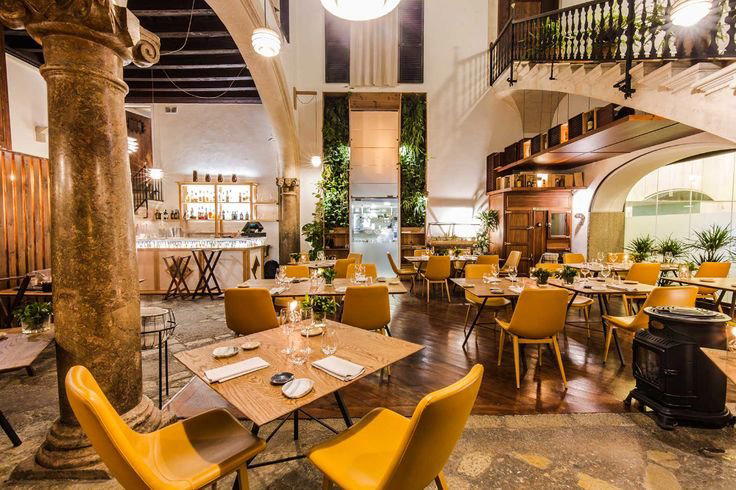
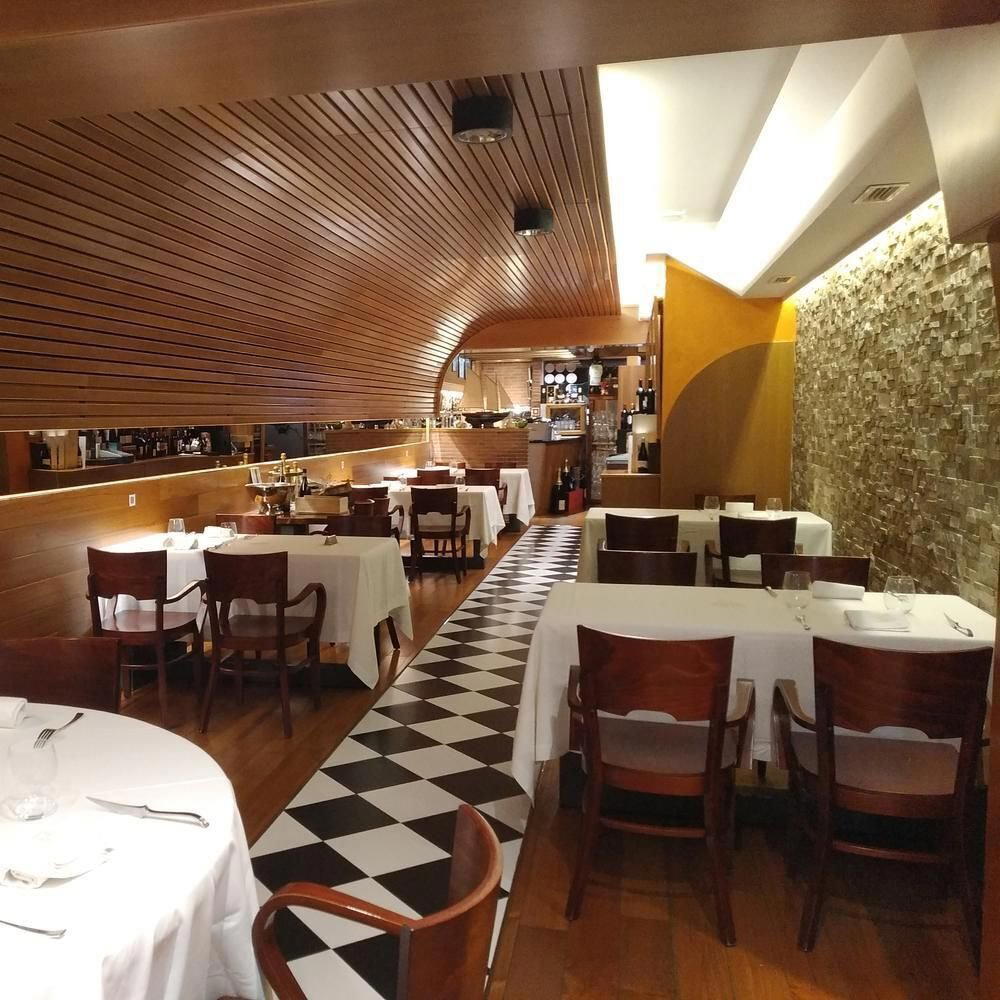
Restaurants in Palmanova
Browse all →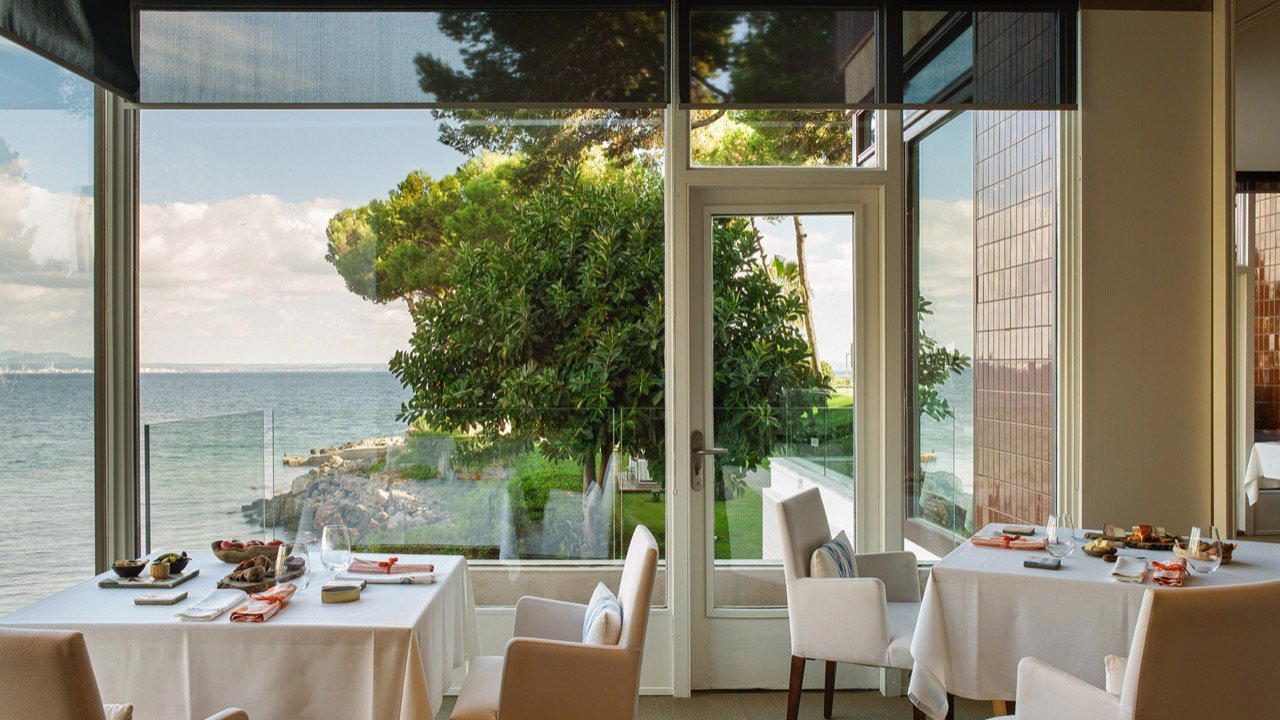
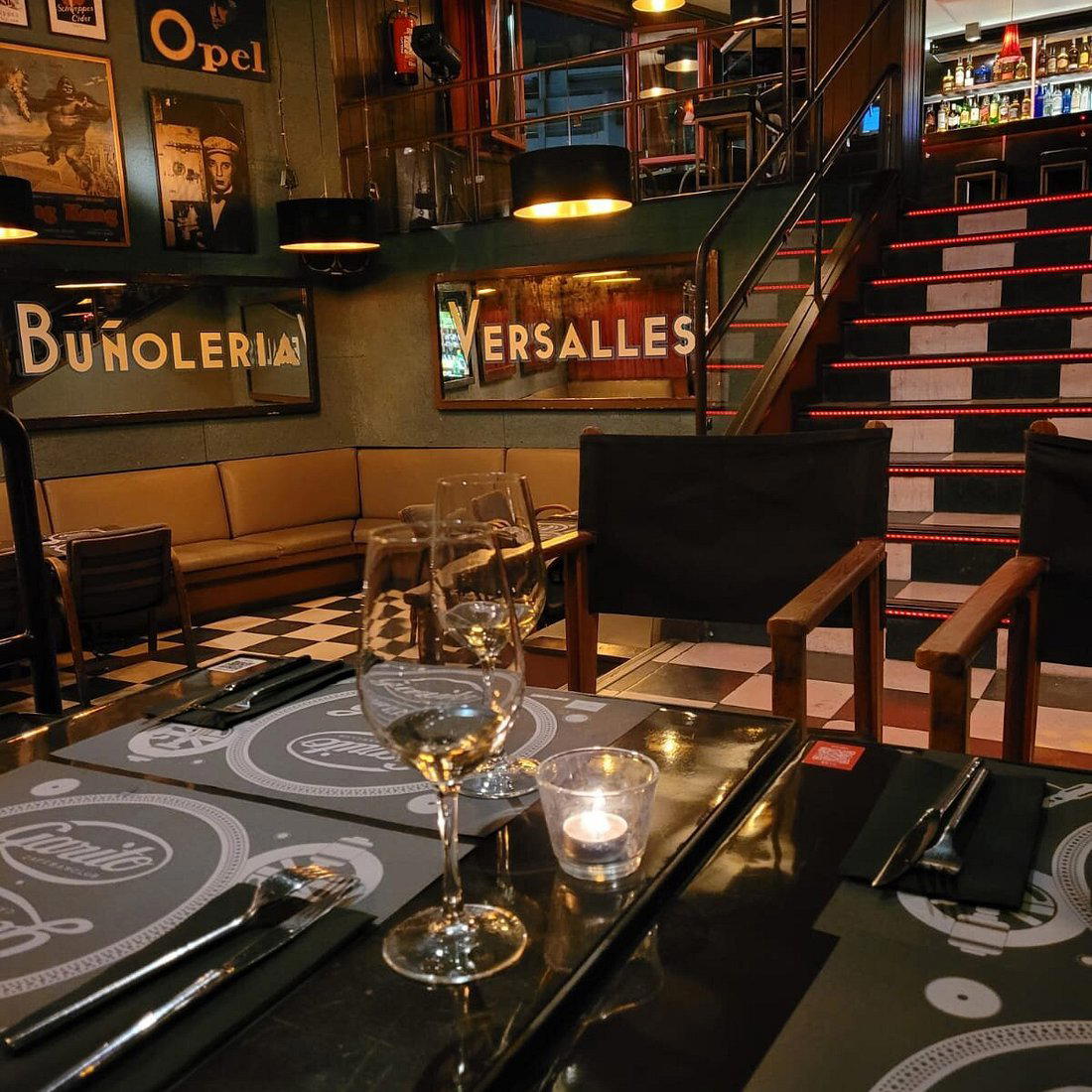
Bars in Palmanova
Browse all →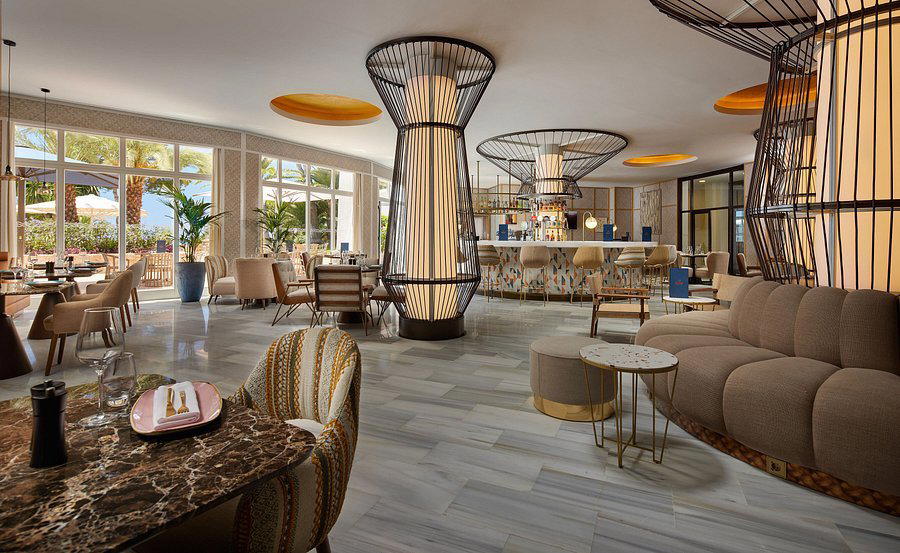
Hotels in Palmanova
Browse all →
Details
- Elegant
- Intimate
- Sophisticated
- Date Night
- Special Occasion
- Waterfront
- Terrace
- Extensive Wine List
- Sommelier Led
- Waterfront
- Tasting Menu
- A La Carte
- Vegetarian Friendly
- Vegan Options
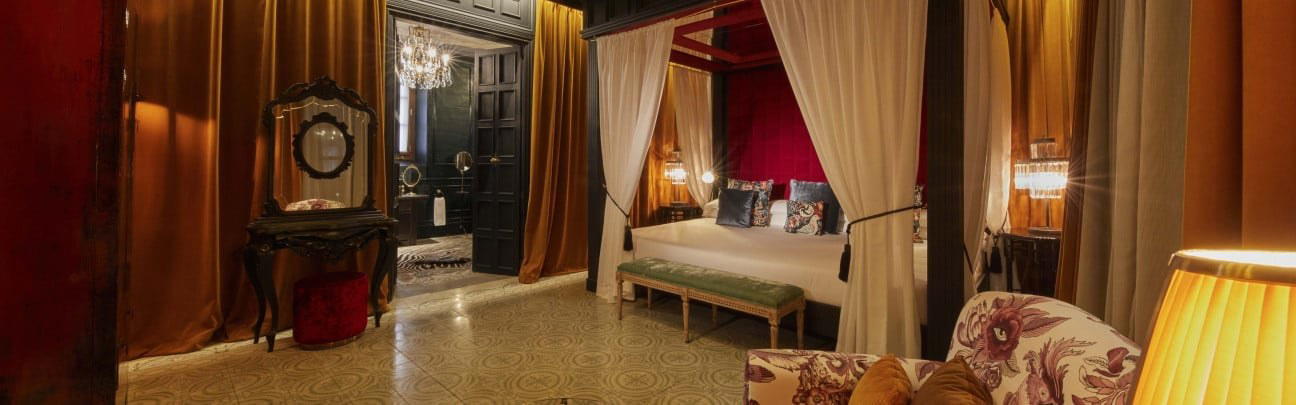
Elegant yet relaxed atmosphere with romantic terrace views of the Mediterranean, enhanced by dramatic sculptures and blush pink hues.