Osteria Brooklyn
On Myrtle Avenue in the Clinton Hill and Fort Greene corridor, Osteria Brooklyn brings Italian trattoria tradition to one of Brooklyn's most architecturally distinctive neighbourhoods. The address places it within walking distance of Pratt Institute and the brownstone blocks that define the area's character, making it a neighbourhood fixture rather than a destination import. For visitors and locals alike, it occupies the accessible end of Brooklyn's Italian dining register.
Pearl is the En Primeur Club membership app — saves, bookings, and concierge access live there. Same editors, same standards.
- Address
- 458 Myrtle Ave, Brooklyn, NY 11205
- Phone
- +16467509156
- Website
- osteriabrooklyn.com
- Directions
- Get directions
 Saves & bookings on Pearl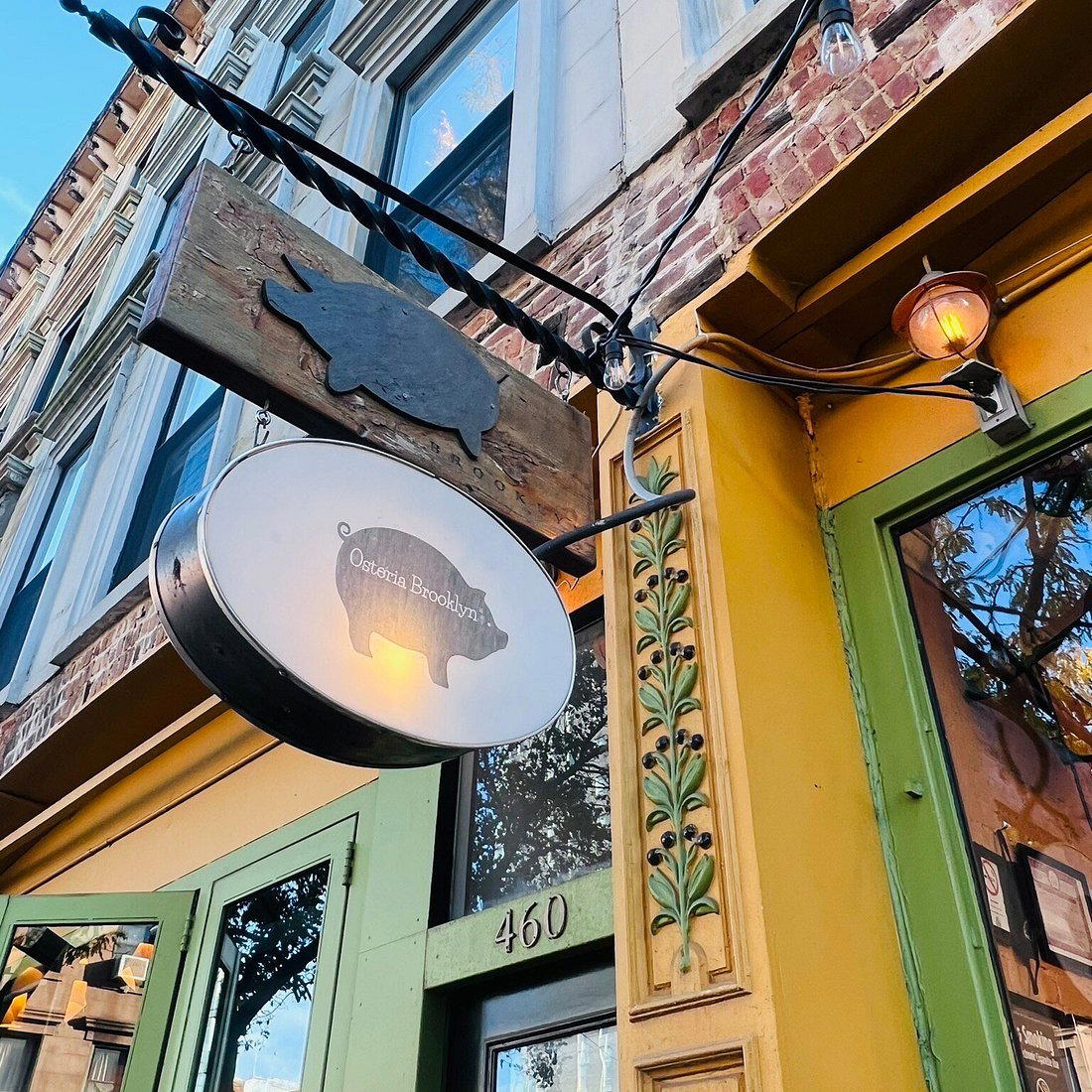
Myrtle Avenue and the Italian Table in Brooklyn
The stretch of Myrtle Avenue running through Clinton Hill and Fort Greene has, over the past decade, consolidated into one of Brooklyn's more coherent dining corridors. The neighbourhood sits between the brownstone density of Bedford-Stuyvesant to the east and the cultural institutions anchoring Fort Greene to the west, and its restaurant scene reflects that dual pull: unpretentious enough to serve the local community, considered enough to draw diners from across the borough. Within that context, the Italian osteria format fits naturally. It asks less of the diner than a tasting-menu counter, and more than a pizza-by-the-slice window. The format has a long history of landing well in neighbourhoods where the population skews educated, cost-conscious, and dining-literate, which describes Clinton Hill with reasonable accuracy.
Osteria Brooklyn sits at 458 Myrtle Ave, Brooklyn, NY 11205, a block address that places it in the middle of this activity rather than at its fringes. The osteria model, which in Italy historically referred to a simple inn serving wine and uncomplicated food, has been adapted in American cities to mean something slightly more ambitious: a mid-register Italian room where pasta is made with some care, the wine list extends beyond the house pour, and the kitchen signals competence without reaching for ceremony. New York has dozens of iterations of this format, from the older red-sauce rooms of Arthur Avenue in the Bronx to the more recent, pared-back Italian spots that have opened across Brooklyn and Lower Manhattan in the past decade.
Where Clinton Hill Sits in the Broader Brooklyn Dining Map
Brooklyn's dining geography has never been uniform. Williamsburg captured the early wave of destination restaurants in the borough; Carroll Gardens built a quieter Italian-American identity around its long-established community; and Park Slope developed a family-oriented, neighbourhood-first dining culture. Clinton Hill and Fort Greene occupy a different register. The area's connection to Pratt Institute brings a younger, arts-adjacent population, while the brownstone homeowners who have been in the neighbourhood for decades tend to support local businesses with consistent loyalty. That combination tends to produce restaurants with staying power, particularly in formats that prioritise regulars over one-time visitors.
The Italian osteria sits comfortably in that dynamic. It is a format that rewards repeat visits more than single-occasion dining: the menu is familiar enough to build habits around, and the pricing, at least in the Brooklyn context, tends to sit meaningfully below the tasting-menu tier that defines New York's most decorated Italian rooms. For comparison, the top end of New York's Italian dining currently runs through midtown and the Upper East Side, with multi-course formats and price points that push the experience firmly into special-occasion territory. Brooklyn's Italian rooms, by contrast, tend to operate on a more accessible model, where a full dinner with wine remains a plausible weeknight decision rather than a planned event.
The Osteria Format and What It Promises
Across New York's broader Italian category, the past decade has produced a clearer stratification. At one end sit the destination rooms: places where the chef's biography is part of the value proposition, the pasta is served in precise two-ounce portions, and a reservation requires planning weeks in advance. At the other end sit the neighbourhood workhorses, where the kitchen's ambition is calibrated to nightly volume. The osteria sits in the middle tier, historically defined by its focus on wine and simple, well-sourced food rather than elaboration. In the American context, that has translated into a format where house-made pasta, regional Italian wine selections, and a room designed for conversation rather than performance tend to define the proposition.
For a broader reference frame, New York's most recognised Italian-adjacent rooms, including celebrated French-influenced addresses like Le Bernardin and multi-star contemporaries like Per Se, operate at a scale and price tier entirely removed from what a neighbourhood osteria in Brooklyn is attempting to do. The comparison is instructive precisely because it is not a competition: they serve different needs, different occasions, and different expectations. Osteria Brooklyn's comparable set is the borough's own Italian middle tier, not the city's decorated rooms.
For readers exploring New York's wider dining range, our full New York City restaurants guide maps the city's scene across price points, neighbourhoods, and cuisine categories, including the Korean counter dining that has produced decorated addresses like Atomix and Jungsik New York, and the Japanese omakase tier represented by Masa. These operate as useful contrast points for understanding where a neighbourhood osteria positions itself in the city's full register.
The Brooklyn context also invites comparison with strong regional American rooms elsewhere in the country. Places like Blue Hill at Stone Barns in nearby Tarrytown, Lazy Bear in San Francisco, Alinea in Chicago, Emeril's in New Orleans, Providence in Los Angeles, Single Thread Farm in Healdsburg, The French Laundry in Napa, Addison in San Diego, The Inn at Little Washington, Bacchanalia in Atlanta, and internationally, 8½ Otto e Mezzo Bombana in Hong Kong and Alain Ducasse at Louis XV in Monte Carlo, all anchor the decorated end of the spectrum. The osteria format, by design, sits further down that axis, prioritising accessibility and neighbourhood integration over recognition and ceremony.
Planning Your Visit
- Address: 458 Myrtle Ave, Brooklyn, NY 11205
- Neighbourhood: Clinton Hill / Fort Greene, Brooklyn
- Getting there: The G train serves Clinton Hill and Bedford-Nostrand stations, both within walking distance of Myrtle Ave. The C train stops at Clinton-Washington Avs. Street parking is available but competitive during evening service.
- Leading timing: Weeknights tend to offer a more relaxed room than Friday and Saturday service, which draws a broader neighbourhood crowd.
- Booking: Contact details and current reservation availability should be confirmed directly with the venue, as hours and booking methods have not been independently verified for this listing.
Pricing, Compared
Comparable venues nearby, for context on price, style, and recognition.
| Venue | Cuisine | Price | Notes |
|---|---|---|---|
| Osteria BrooklynThis venue — the venue you are viewing | Not listed | $$$ | Not listed |
| Marcellino | Not listed | $$$ | SoHo-Little Italy-Hudson Square, Authentic Italian Wood-Fired Pizza and Pasta |
| Osteria Morini | Not listed | $$$ | SoHo-Little Italy-Hudson Square, Northern Italian Emilia-Romagna Trattoria |
| Morandi | West Village, Rustic Italian Trattoria | $$$ | Not listed |
| Barolo East | Not listed | $$$ | East Midtown-Turtle Bay, Northern Italian |
| Bar Rocco | Not listed | $$$ | Midtown-Times Square, Italian American Brasserie |
Continue exploring
More in New York City
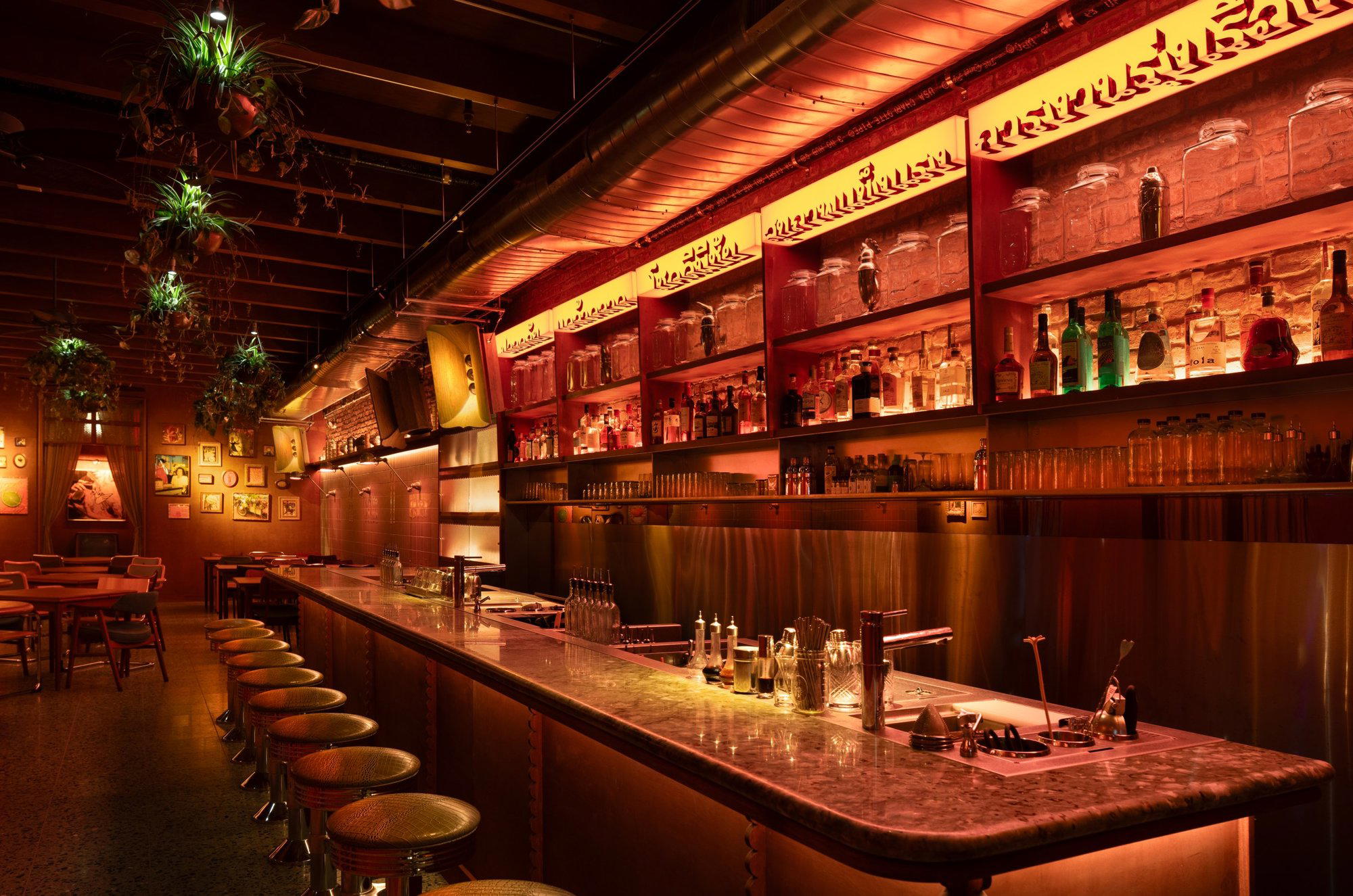
Restaurants in New York City
Browse all →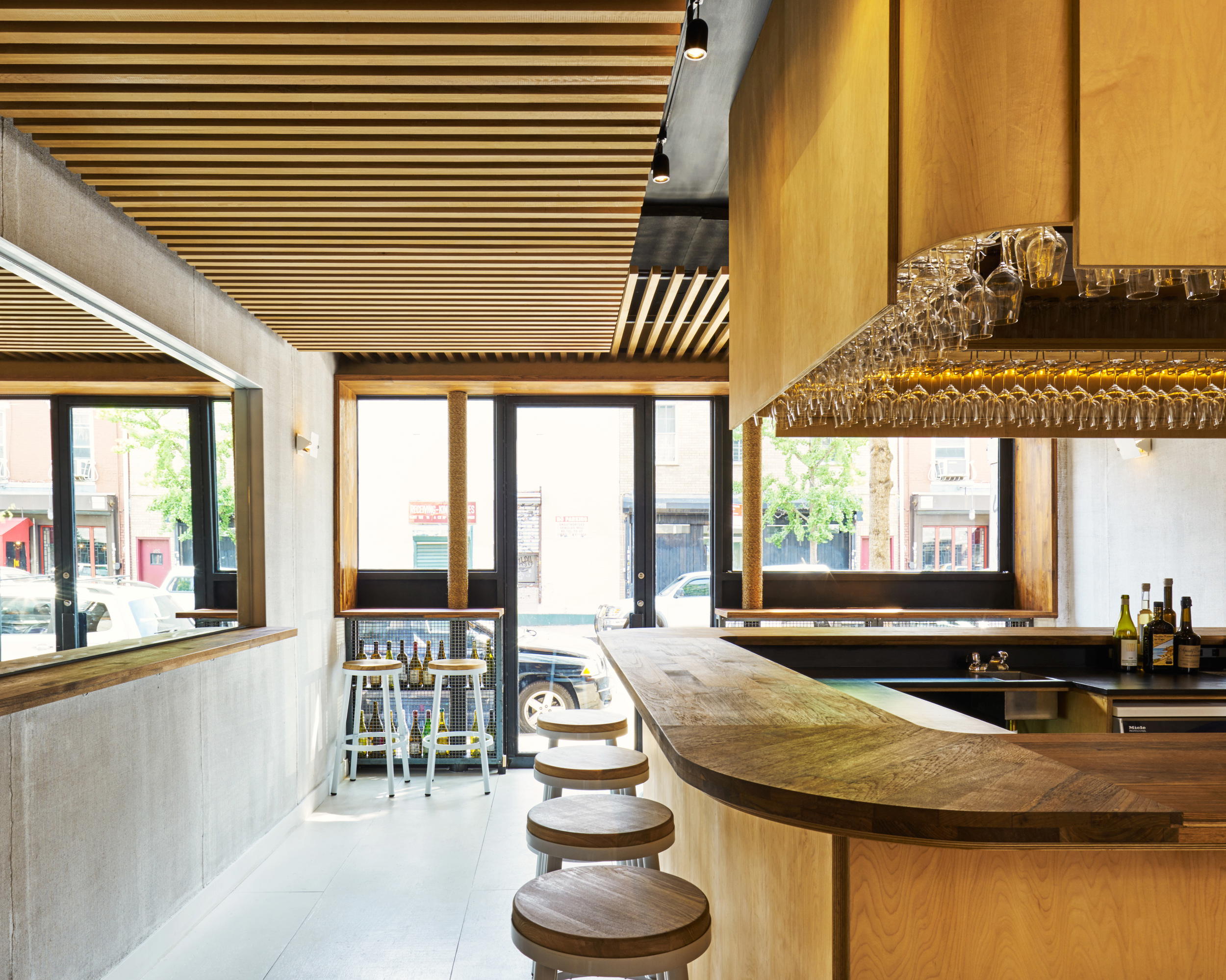
Bars in New York City
Browse all →
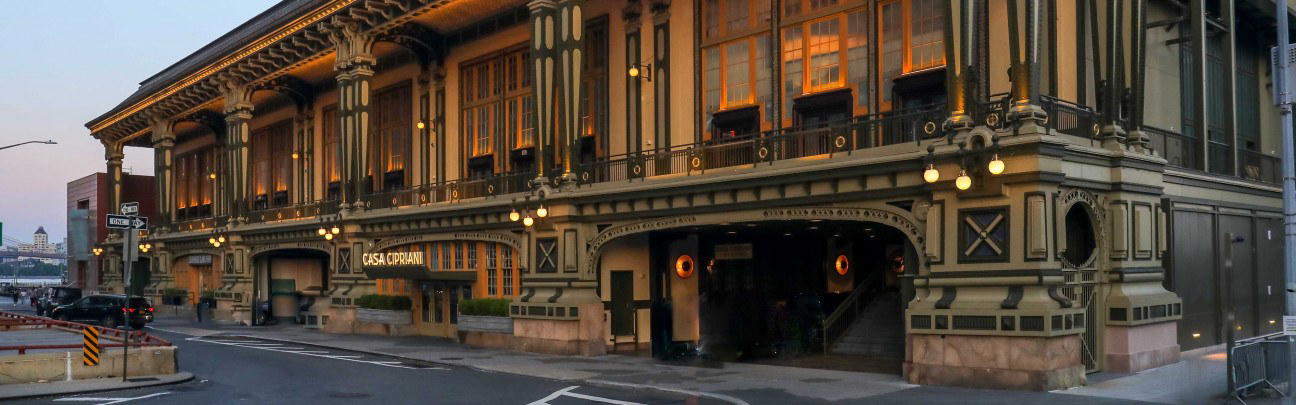
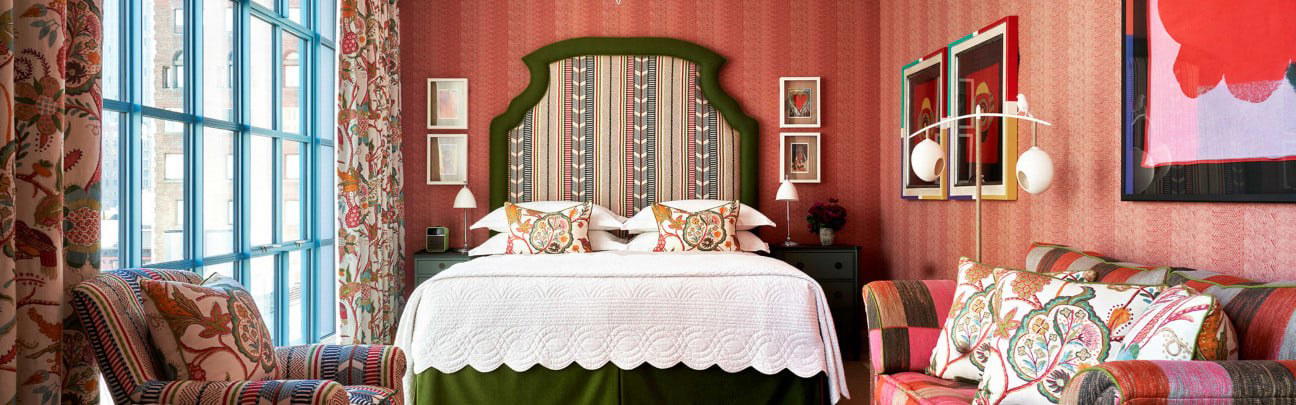
Hotels in New York City
Browse all →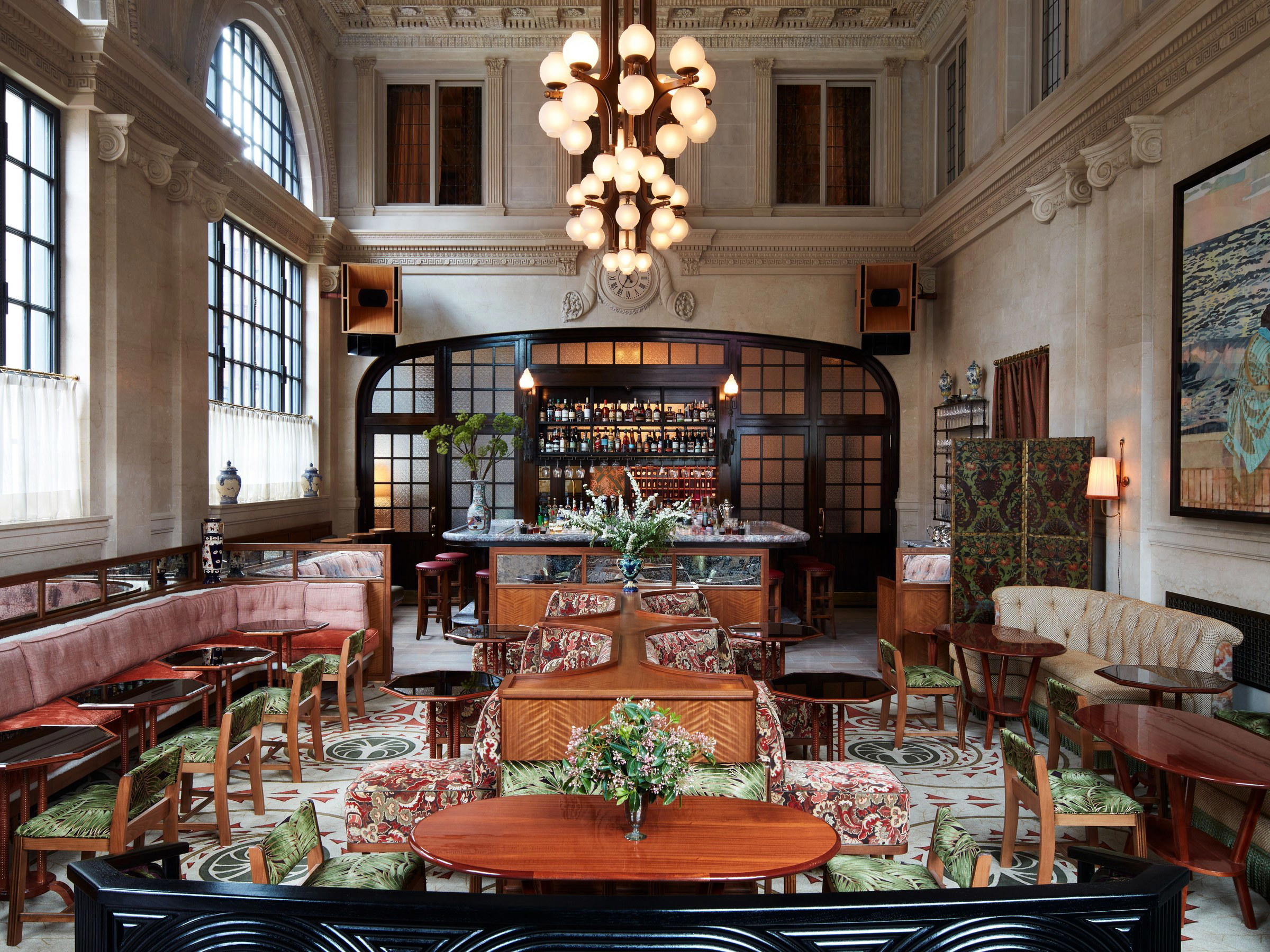






At a Glance
- Romantic
- Cozy
- Elegant
- Classic
- Date Night
- Special Occasion
- Casual Hangout
- Open Kitchen
- Standalone
- Extensive Wine List
- Craft Cocktails
- Local Sourcing
Current opening hours
- Monday
- 12–10 PM
- Tuesday
- 12–10 PM
- Wednesday
- 12–10 PM
- Thursday
- 12–10 PM
- Friday
- 12–10 PM
- Saturday
- 11:30 AM–10 PM
- Sunday
- 11:30 AM–10 PM
Hours can change for holidays and private events. Last verified .
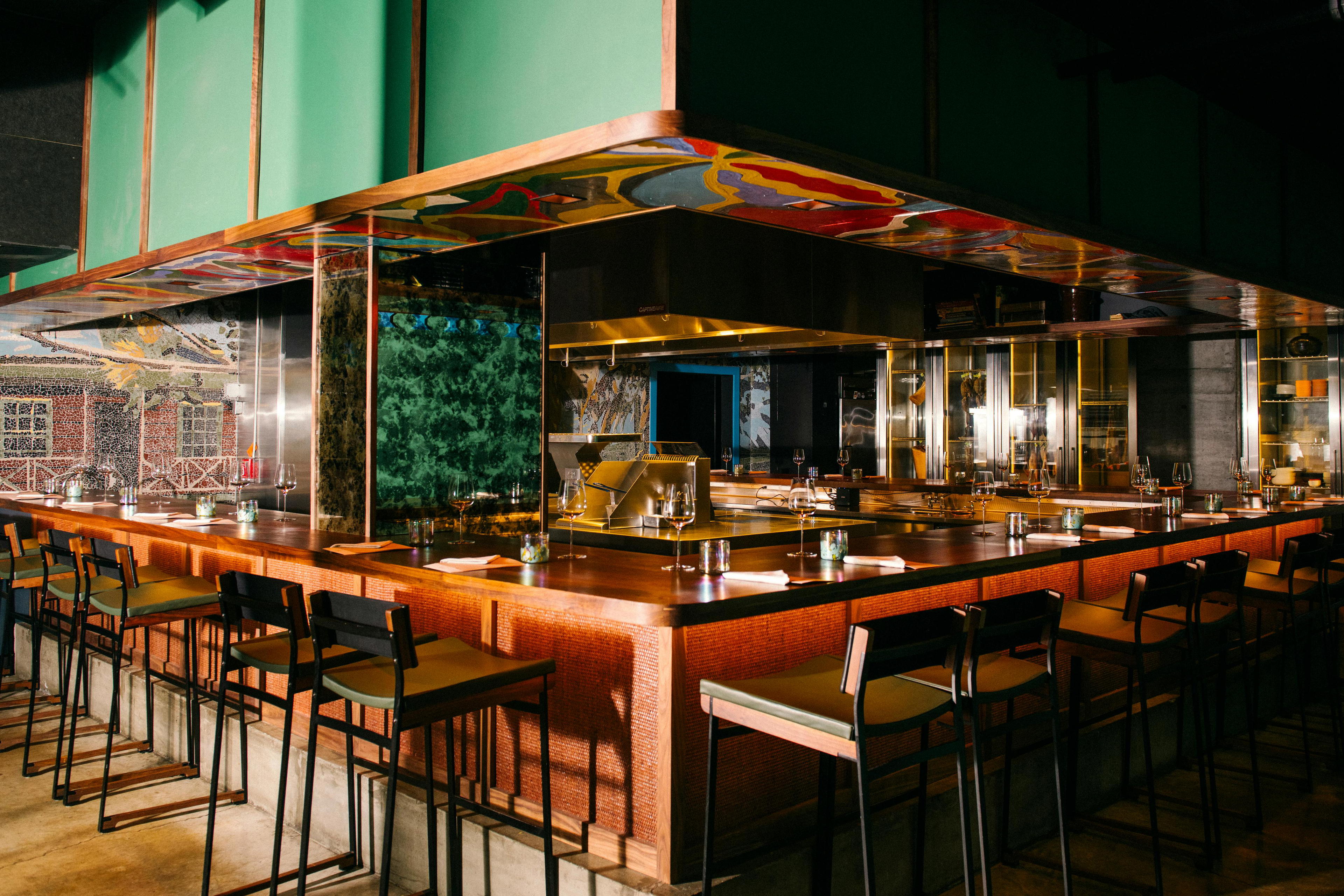
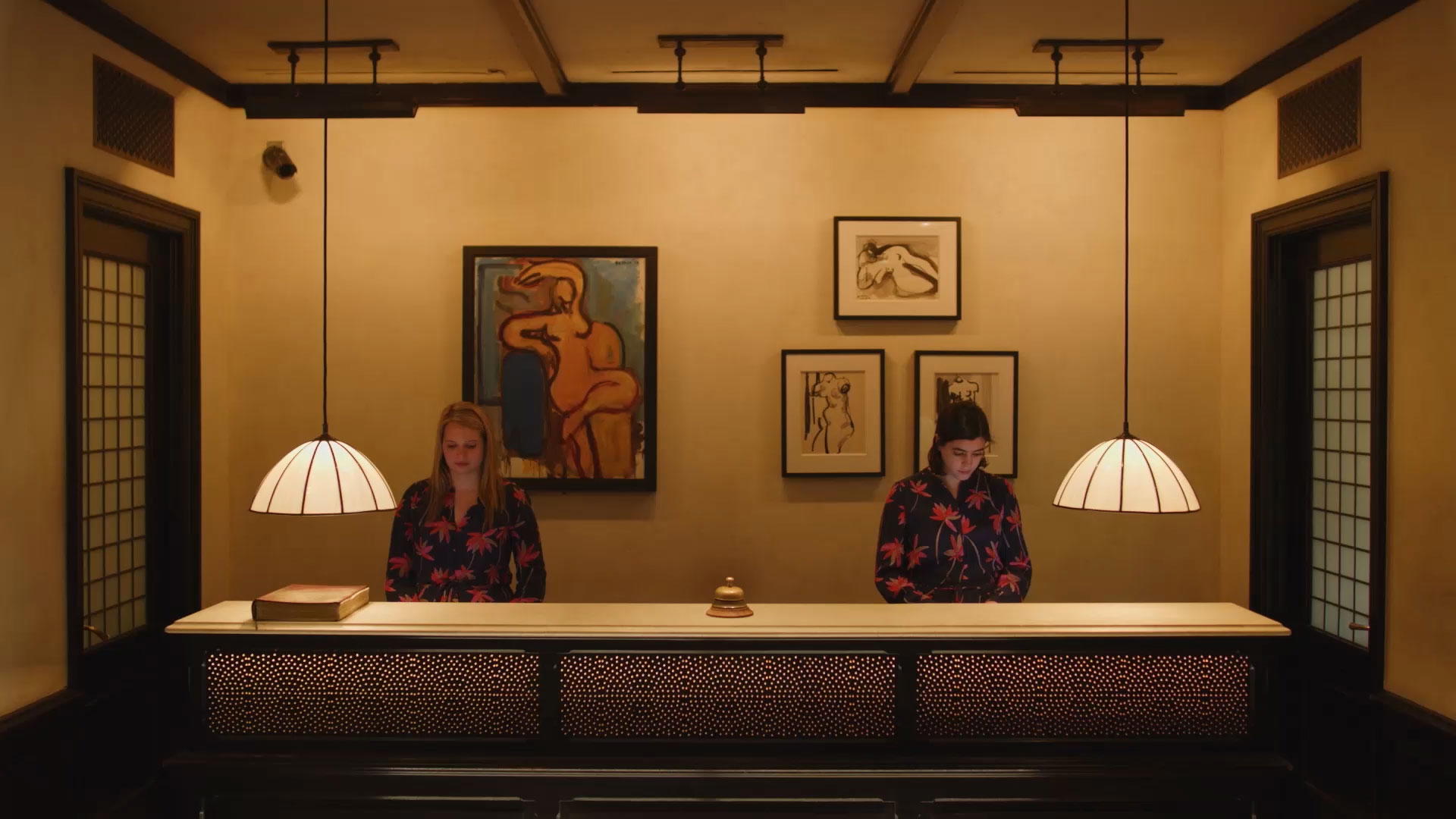
Warm and inviting with elegant bar seating wrapping around an open kitchen, allowing diners to watch chefs at work in an intimate setting.