Marcellino
On Mulberry Street in Manhattan's Little Italy, Marcellino occupies a stretch of New York that has been feeding Italian-American appetites since the neighborhood's immigrant heyday. The address situates it squarely in a dining corridor where red-sauce tradition and contemporary Italian cooking coexist within a few blocks, making it a useful reference point for anyone mapping the borough's Italian offer.
Pearl is the En Primeur Club membership app — saves, bookings, and concierge access live there. Same editors, same standards.
- Address
- 178 Mulberry St, New York, NY 10012
- Phone
- +16469984576
- Website
- marcellino-nyc.com
- Directions
- Get directions
 Saves & bookings on Pearl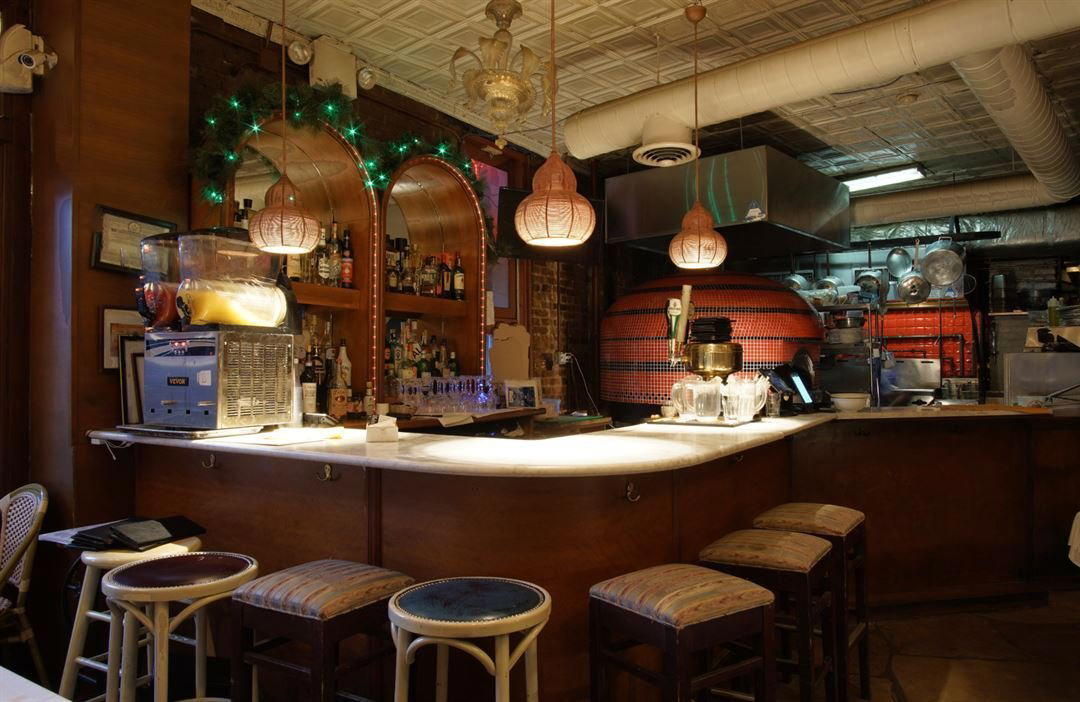
Mulberry Street and the Weight of Italian-American Tradition
Little Italy's dining identity has always been contested terrain. The neighborhood that once housed a dense Italian immigrant population has contracted over decades, absorbed on its edges by an expanding Chinatown and a gentrifying NoLIta. What remains on Mulberry Street is a corridor carrying the memory of that original community more than its active presence, a handful of restaurants that have held their ground across ownership changes, shifting rents, and the slow evolution of what New York diners expect from Italian cooking. Marcellino is a restaurant serving authentic Italian wood-fired pizza and pasta at 178 Mulberry St, New York, NY 10012. Marcellino, at 178 Mulberry Street, sits inside that history. Its address alone places it in a conversation about continuity, neighborhood identity, and whether the traditions associated with this block still carry culinary weight or have become primarily sentimental.
That question matters more now than it did a generation ago. New York's Italian dining offer has stratified sharply. At one end, multi-starred rooms like Le Bernardin and Per Se demonstrate what European fine-dining lineage looks like when transplanted into Manhattan's premium tier. At the other, neighborhood trattorias in Carroll Gardens, Arthur Avenue in the Bronx, and pockets of Queens serve the kind of table-cloth Italian cooking that Little Italy once monopolized. Mulberry Street now sits somewhere between those poles, trading on provenance as much as execution.
How a Meal Tends to Move in This Setting
The logic of Italian-American dining at its most coherent follows a sequence that predates the modern tasting menu format by generations. It is not the parade of precisely portioned courses familiar from the kind of progressive Korean cooking at Atomix or the Japanese discipline of Masa. Instead, the structure is looser, built around a progression from cold antipasti through pasta and into a secondi, with portions sized for sharing and the pace driven by the table rather than the kitchen.
That format has its own narrative arc. A meal beginning with cured meats, olives, and a simple bruschetta is establishing baseline, something to anchor the appetite and calibrate the table's appetite for the courses ahead. The pasta course, wherever it falls, is where Italian-American cooking reveals its technique most clearly. The ratio of sauce to pasta, the degree to which the starch has been allowed to finish cooking in the pan, the choice between fresh and dried formats: these details separate rote execution from genuine craft. A secondi of braises or grilled proteins arrives when the table has already committed to the meal's rhythm, and the quality of the progression at that point is usually decided by how well the kitchen has managed that earlier momentum. Dessert in this tradition is often a formality, tiramisu or cannoli performing their expected role, but a kitchen that takes the dessert course seriously enough to make it in-house rather than source it shifts the quality signal meaningfully.
This multi-course Italian structure, when handled with discipline, asks the diner to surrender pace control to the kitchen. It is a different compact from the on-demand ordering of a casual trattoria and a different experience from the hyper-choreographed tasting formats at places like Jungsik New York. The Little Italy iteration of this tradition tends to be more permissive, more negotiable at the table. That flexibility is either its character or its looseness, depending on what a diner brings to the room.
Little Italy in the Context of New York's Broader Dining Map
Positioning Mulberry Street Italian dining against New York's wider Italian and European offer requires some calibration. The benchmark restaurants in the city's premium European tier, including the rooms covered in our full New York City restaurants guide, operate under different assumptions about sourcing, staffing depth, and course architecture. But the reference points for Little Italy are not primarily those rooms. They are places like Blue Hill at Stone Barns in terms of what ingredient-led seriousness can look like in a New York-adjacent context, or Bacchanalia in Atlanta as a model of how regional American fine dining can honor tradition while maintaining critical rigor.
Globally, the Italian fine-dining benchmark that most clearly defines what the cuisine can achieve at the summit of its register is something like 8 1/2 Otto e Mezzo Bombana in Hong Kong, a three-Michelin-star Italian room operating outside Italy that demonstrates Italian cooking's capacity for technical ambition when resourced appropriately. Closer in spirit to the European white-tablecloth tradition is Alain Ducasse at Louis XV in Monte Carlo, a different cuisine but a shared assumption about the formal multi-course meal as a considered event. Little Italy operates in a different register from both, but understanding those reference points clarifies what the neighborhood's dining tradition is and is not attempting.
Placing Mulberry Street Against American Regional Comparisons
American cities outside New York have developed their own Italian-influenced dining cultures. Emeril's in New Orleans demonstrates how Southern American cooking and European influence can coexist in a single room. The progressive American tasting format at Lazy Bear in San Francisco and the modernist ambition of Alinea in Chicago represent how far American fine dining has moved from its European source material. On the other side, the farm-integration model at Single Thread Farm in Healdsburg and the institutional weight of The French Laundry in Napa define what sustained fine-dining ambition looks like in California. Providence in Los Angeles and Addison in San Diego extend that California premium tier southward. The Inn at Little Washington shows the same commitment in a mid-Atlantic context.
None of these directly compete with a Mulberry Street trattoria for the same diner occasion. But they collectively define what premium dining commitment looks like elsewhere in the country, which sharpens the question of what a visitor to 178 Mulberry Street is actually choosing: a meal, a neighborhood, a piece of New York history, or some combination of all three.
Planning a Visit
Mulberry Street between Broome and Grand Streets is most manageable on foot from the Canal Street subway stations (J, Z, 6, N, Q, R, W lines) or via a short walk from Spring Street. The neighborhood is compact enough that a visit to Marcellino can anchor a wider exploration of the area, including the remaining Italian specialty shops and the northern edge of Chinatown. For visitors arriving from Midtown or the Financial District, the commute is under twenty minutes by train. Reservations are recommended, and the restaurant is open Mon through Thu and Sun from 12 PM to 11 PM, and Fri and Sat from 12 PM to 12 AM.
Budget and Context
Comparable venues nearby, for context on price, style, and recognition.
| Venue | Price | Notes |
|---|---|---|
| MarcellinoThis venue — the venue you are viewing | $$$ | Not listed |
| Mezzaluna | $$$ | Upper East Side-Carnegie Hill, Classic Italian Trattoria |
| Allegretto al Forno | $$$ | Williamsburg, Southern Italian Neapolitan Pizza & Small Plates |
| See No Evil Slice | $$$ | Midtown Manhattan, Neapolitan Pizza with Italian Small Plates |
| Palma | $$$ | West Village, Organic Italian with Housemade Pasta |
| Osteria 57 | $$$ | West Village, Italian Seafood & Vegetarian |
Continue exploring
More in New York City
Restaurants in New York City
Browse all →
Bars in New York City
Browse all →
Hotels in New York City
Browse all →






At a Glance
- Cozy
- Classic
- Family
- Group Dining
- Open Kitchen
- Extensive Wine List
Current opening hours
- Monday
- 12–11 PM
- Tuesday
- 12–11 PM
- Wednesday
- 12–11 PM
- Thursday
- 12–11 PM
- Friday
- 12 PM–12 AM
- Saturday
- 12 PM–12 AM
- Sunday
- 12–11 PM
Hours can change for holidays and private events. Last verified .
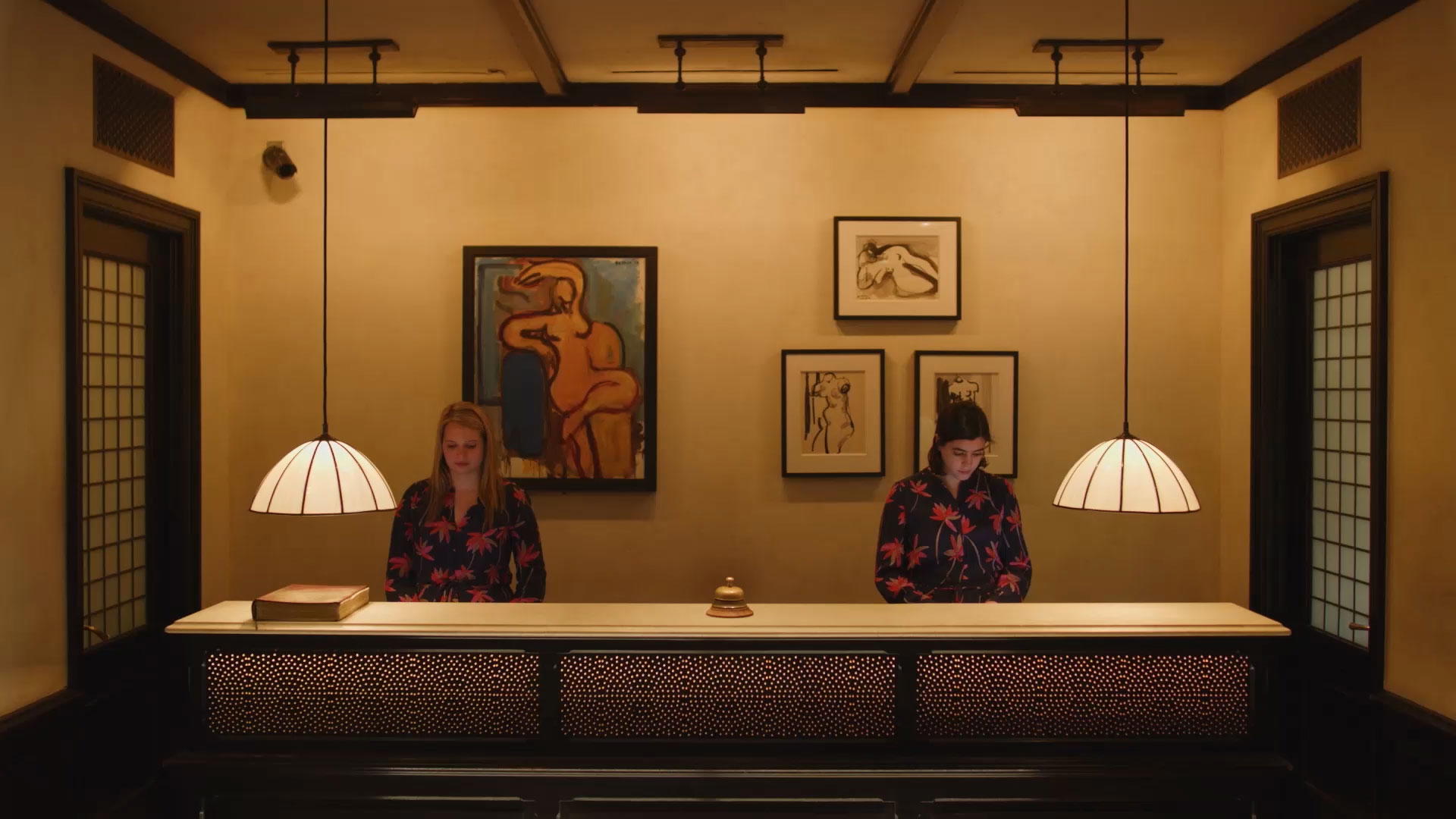
Cozy and welcoming classic space with warm atmosphere.