Bar Rocco
Our verdict
Bar Rocco brings Italian-American cooking into a New York City context where the category runs from red-sauce institution to Michelin-chased tasting counter. The room draws regulars as much as first-timers, and the kitchen operates in a register that prioritizes familiarity over spectacle. For those tracking the city's Italian dining scene, it sits in a tier defined by consistency and neighborhood loyalty rather than awards-cycle noise.

Pearl is the En Primeur Club membership app, where members save venues, book tables and use the concierge.

The menu
What to order
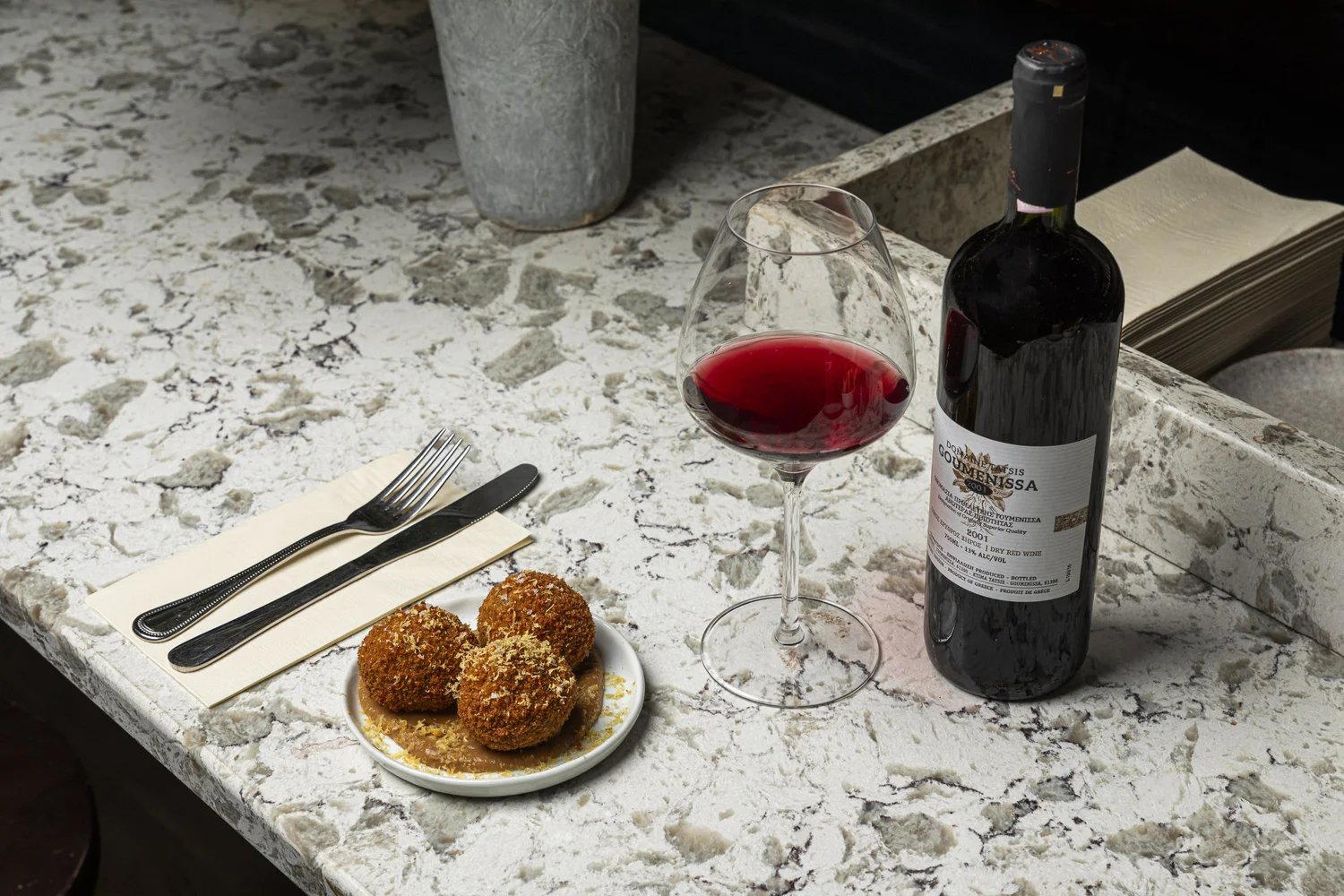
- His Mama's Meatballs with Parmigiano and Pepperoncini
- Oysters Rocco-Feller
- Pappardelle Genovese with 24-hour Smoked Short Rib Ragu
- Hester Street Home Fries
The Pull of the Regular
New York's Italian restaurants divide, roughly, into two camps: the ones that perform Italianness for visitors and the ones that quietly serve the same faces every week. Bar Rocco reads as the latter type. The name itself signals something unpretentious, a bar first, a kitchen second, the kind of framing that has always attracted a certain New York diner who prefers to be fed well rather than impressed formally. In a city where Italian dining ranges from the checked-tablecloth comfort of long-standing Greenwich Village rooms to the Burgundy-referencing tasting menus of the upper brackets, the bar-forward Italian format occupies a specific and durable niche.
That niche has deepened since the mid-2010s, when a wave of Italian openings shifted the conversation away from white-tablecloth formality. Places like Via Carota rewired expectations around what a serious Italian kitchen could look like without the ceremony, and Altro Paradiso demonstrated that a well-considered Italian wine list and a short, rotating menu could generate the kind of loyalty that tasting-menu formats typically command. Bar Rocco operates in that gravitational field, Italian, New York-calibrated, and oriented around repeat visits rather than destination occasions.
What the Regulars Know
The restaurants that accumulate regulars in New York share certain traits: consistency across service styles, a menu with enough anchor dishes to reward loyalty without becoming static, and a room that functions as well at the bar as it does at a table. Italian-format bars in the city have historically been good at all three. The model is not new, it traces a line from old-school Manhattan Italian-American rooms through the current generation of lower-key trattorias, but it has become more consciously edited over the past decade.
For regulars at places like Bar Rocco, the calculus is different from that of a destination diner. The question is not whether the kitchen can surprise on a single visit, but whether it holds up across twenty. That means paying attention to things a first-timer might overlook: how the pasta water is managed on a busy Tuesday, whether the wine list turns over intelligently across seasons, how the staff handles a table that orders nothing but small plates and a carafe. These are the metrics of the habitual diner, and they favor venues that prioritize operational discipline over theatrical gestures.
Italian-American cooking in New York has its own internal hierarchy. At the top of the formal bracket sit rooms like Ai Fiori, which prices and positions against French-influenced fine dining peers. At the other end, the red-sauce institution persists in outer boroughs and in romanticized Manhattan outposts. The middle ground, comfortable, wine-forward, ingredient-attentive, is where Bar Rocco operates, alongside a cohort that includes Babbo and Ammazzacaffè. In that tier, the differentiator is not a single signature dish or a famous chef name but the cumulative weight of repeated good meals.
Italian Cooking, New York Tempo
Italian cuisine in New York has always adapted to local tempo rather than importing Italian rhythm wholesale. The long lunches of northern Italy have no real equivalent here; New York's Italian kitchens tend to compress service, tighten menus, and calibrate portion sizes to a diner who may be eating in two acts, a drink and a bite at the bar, then a full sit-down, rather than one sustained performance. The bar format accelerates that further. A well-run Italian bar kitchen in New York produces food that works at counter speed: things that don't suffer from a ten-minute wait, dishes that work as both snacks and proper eating, pastas that can be plated fast without losing texture.
This format has proved durable across American cities with strong Italian-American dining cultures. Internationally, the conversation around Italian cooking in non-Italian contexts has sharpened considerably, with rooms like 8 1/2 Otto e Mezzo Bombana in Hong Kong and cenci in Kyoto demonstrating how Italian technique translates into radically different urban contexts. New York's version of that adaptation is its own thing, louder, less ceremonial, more compressed, and Bar Rocco is a local expression of it.
Placing Bar Rocco in the New York Scene
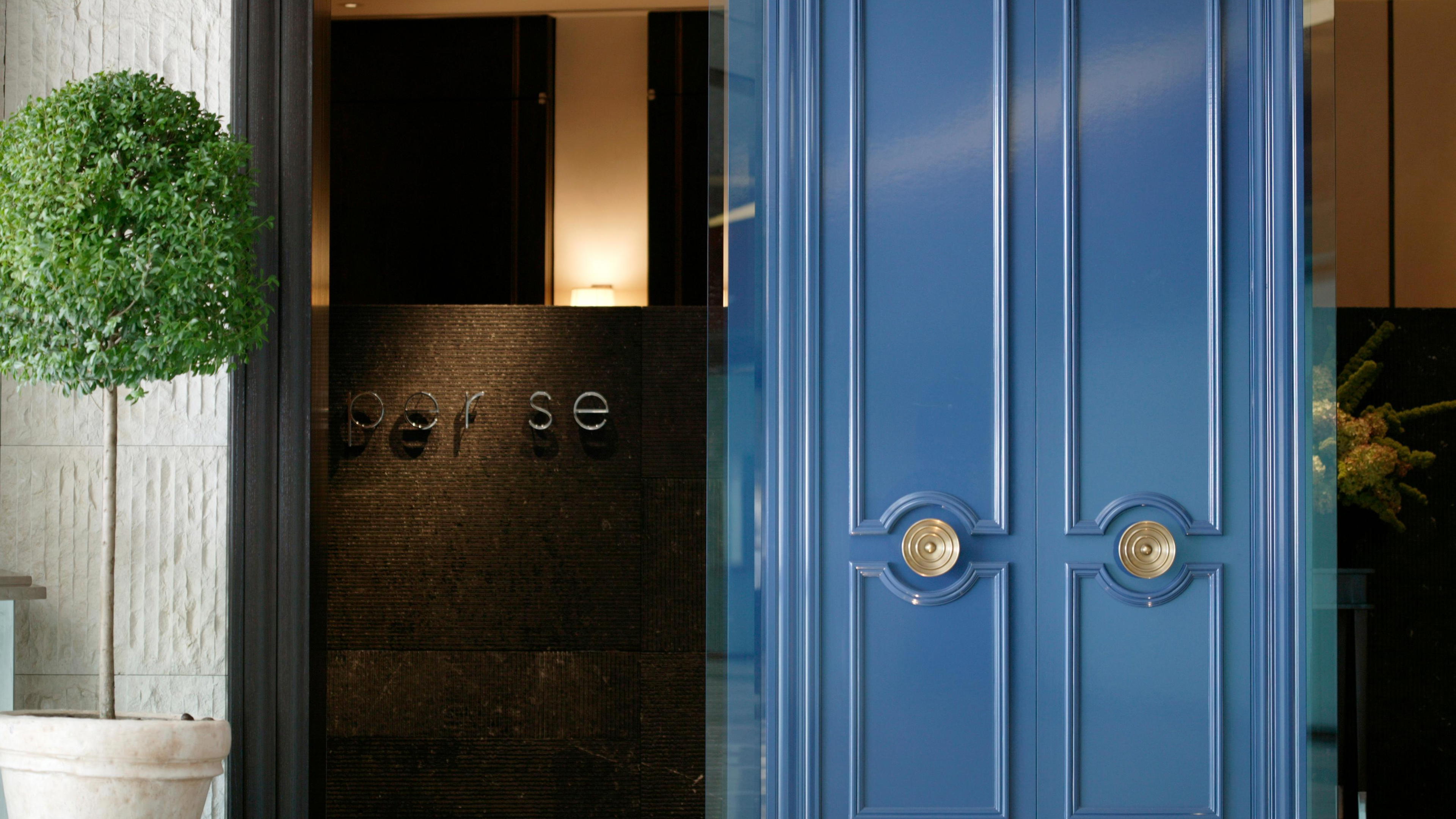
New York's wider fine-dining circuit, anchored by French and contemporary American rooms like Le Bernardin, Per Se, and a new generation of Korean-influenced tasting counters including Atomix and Jungsik, sets a high ceiling for what the city expects from any serious kitchen. Italian-format restaurants exist somewhat apart from that circuit, judged by different criteria and drawing a different kind of loyalty. The comparison set for Bar Rocco is not Masa or Per Se; it's the cluster of mid-to-upper-casual Italian rooms that have built regular followings without chasing the awards cycle.
For readers tracking the broader American fine-dining map, the Italian bar format in New York is one data point among many. Across the country, kitchens operating in completely different registers, Alinea in Chicago, The French Laundry in Napa, Blue Hill at Stone Barns in Tarrytown, Lazy Bear in San Francisco, Providence in Los Angeles, Single Thread Farm in Healdsburg, Addison in San Diego, Emeril's in New Orleans, The Inn at Little Washington, and Bacchanalia in Atlanta, represent a different tier and a different intention entirely. Bar Rocco is not in competition with that cohort. It is doing something smaller and, for its regulars, more necessary: feeding them well on a Wednesday without requiring a reservation six weeks out or a three-hour commitment.
For a broader view of where Bar Rocco sits within the city's dining options, our full New York City restaurants guide maps the Italian scene alongside every other major category.
Know Before You Go
- Cuisine: Italian
- City: New York City, New York
- Format: Bar-forward Italian; suited to counter dining and casual table service
- Timing: Mid-week visits typically carry less competition for bar seats than Friday or Saturday service
- Peer context: Operates in the mid-to-upper-casual Italian tier alongside Via Carota, Altro Paradiso, and Babbo
Frequently asked questions
What style of cooking does Bar Rocco do?
How does Bar Rocco differ from New York's other Italian restaurants?
Bar Rocco sits in the segment of New York City Italian dining that prioritises local regulars over destination-dining theatre, a distinction that separates it from the red-sauce tourist rooms of the outer boroughs and the showpiece Italian tasting menus in Midtown. Its Italian cuisine is positioned for repeat engagement rather than one-time occasion, which shapes everything from menu structure to service pacing. In a city where Italian cooking spans from three-Michelin-star abstraction to corner-counter red sauce, Bar Rocco occupies the credible middle ground that locals return to.
What should I eat at Bar Rocco?
Bar Rocco's Italian menu is built around anchor dishes that reward repeat visits rather than one-off novelty. In a New York Italian room that pitches to regulars over tourists, the safest approach is to ask your server what has been on the menu longest, those dishes tend to define the kitchen's identity. Specific current dishes are best confirmed directly with the restaurant before visiting.
Can I walk in to Bar Rocco?
Bar Rocco does not publish real-time reservation data, so walk-in availability depends on the night and season. New York Italian restaurants that attract a loyal local following tend to fill mid-week as reliably as weekends. Contacting the venue directly ahead of your visit is the practical way to secure a seat.
What's the defining dish or idea at Bar Rocco?
The defining idea at Bar Rocco is Italian cooking adapted to New York tempo rather than Italian rhythm, shorter, sharper service that keeps the cuisine intact without importing the extended cadence of a Roman or Milanese meal. In a city where most Italian rooms either perform nostalgia or chase trend cycles, that consistency of approach is itself the signature.
Is eating at Bar Rocco worth the cost?
Bar Rocco's price range is not publicly listed, which means value is best assessed relative to what New York City Italian dining typically costs at comparable neighbourhood-focused rooms. Restaurants in this category in NYC generally run from mid-range to moderately expensive per head. The stronger question is consistency across visits, which is where it earns its reputation among regulars rather than on occasion-dining value alone.
Cuisine and Recognition
Comparable venues nearby, for context on price, style, and recognition.
| Venue | Cuisine | Price | Awards | Notes |
|---|---|---|---|---|
| Bar RoccoThis venue (the venue you are viewing) | Italian American Brasserie | $30–50 | Not listed | Not listed |
| La Masseria | Authentic Puglian Italian | $50–100 | Wine Spectator Award of Excellence | Midtown-Times Square |
| Altesi | Tuscan-Inspired Italian | $50–100 | Not listed | Upper East Side-Carnegie Hill |
| Arte Cafe | Upscale Italian with Artisanal Pizzas | $50–100 | Not listed | Upper West Side-Lincoln Square |
| BOTTINO | Modern Tuscan Italian | $50–100 | Not listed | Chelsea-Hudson Yards |
| Sant Ambroeus Lafayette | Modern Milanese Italian | $50–100 | Not listed | SoHo-Little Italy-Hudson Square |