Morandi
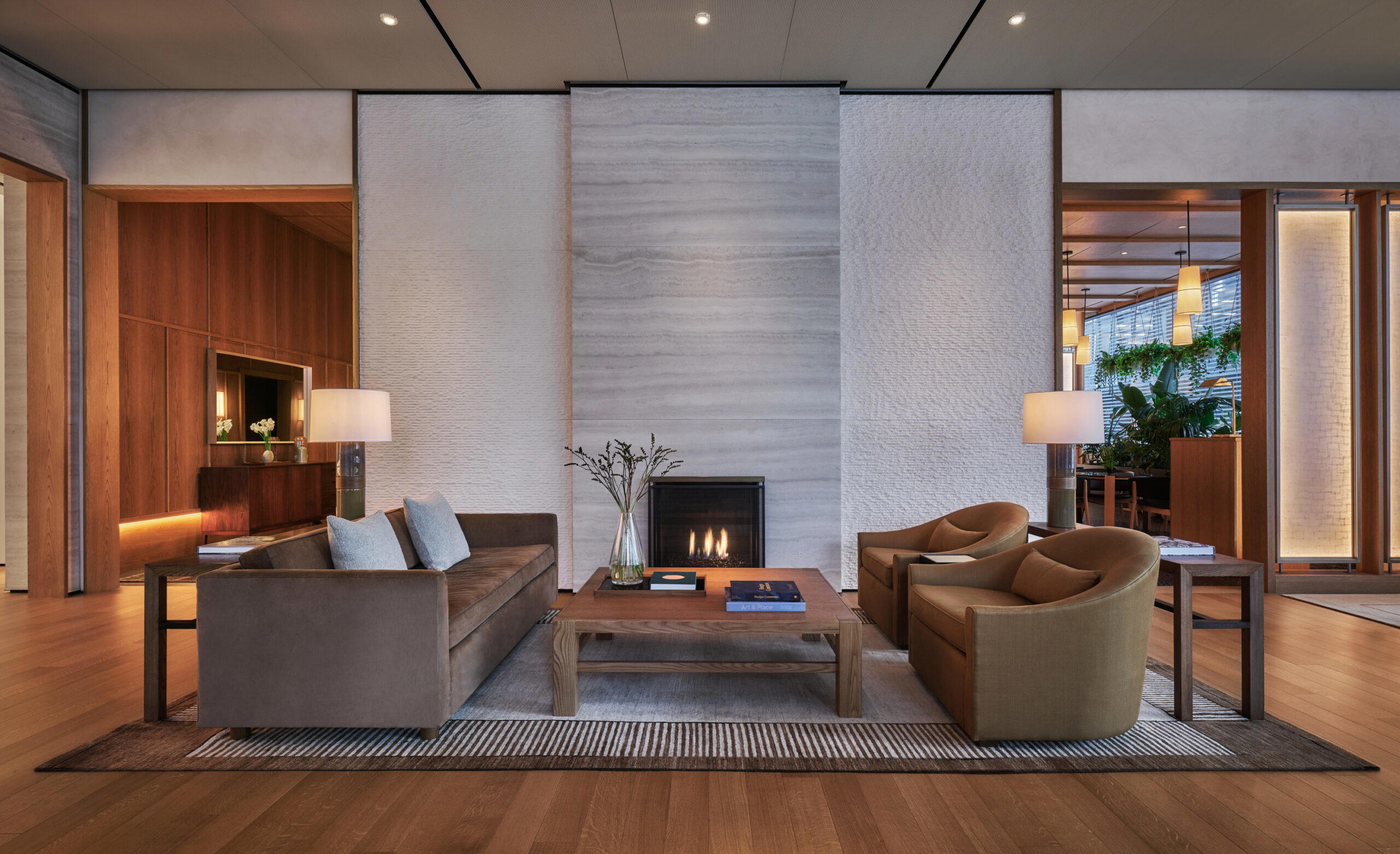
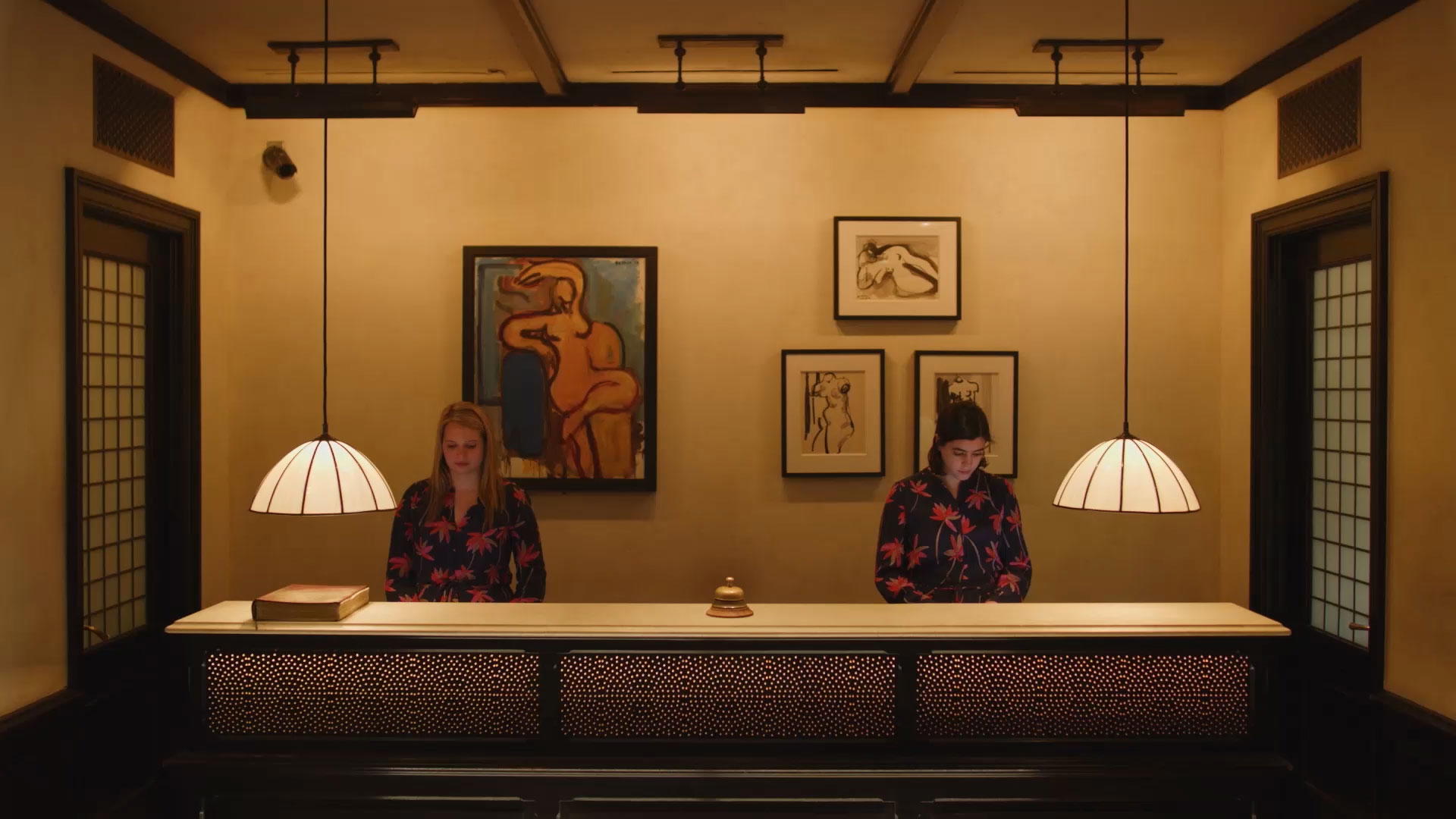
Morandi on Waverly Place in Greenwich Village has anchored the West Village's Italian dining scene since the mid-2000s, offering a convivial room that suits occasion meals without demanding the formality of Midtown's tasting-menu tier. The address places it at the centre of one of New York's most walkable neighbourhoods, with a dining format that rewards unhurried evenings and returns well to the question of where to mark a personal milestone.
Pearl is the En Primeur Club membership app — saves, bookings, and concierge access live there. Same editors, same standards.
- Address
- 211 Waverly Pl, New York, NY 10014
- Phone
- +12126277575
- Website
- morandiny.com
- Directions
- Get directions
 Saves & bookings on Pearl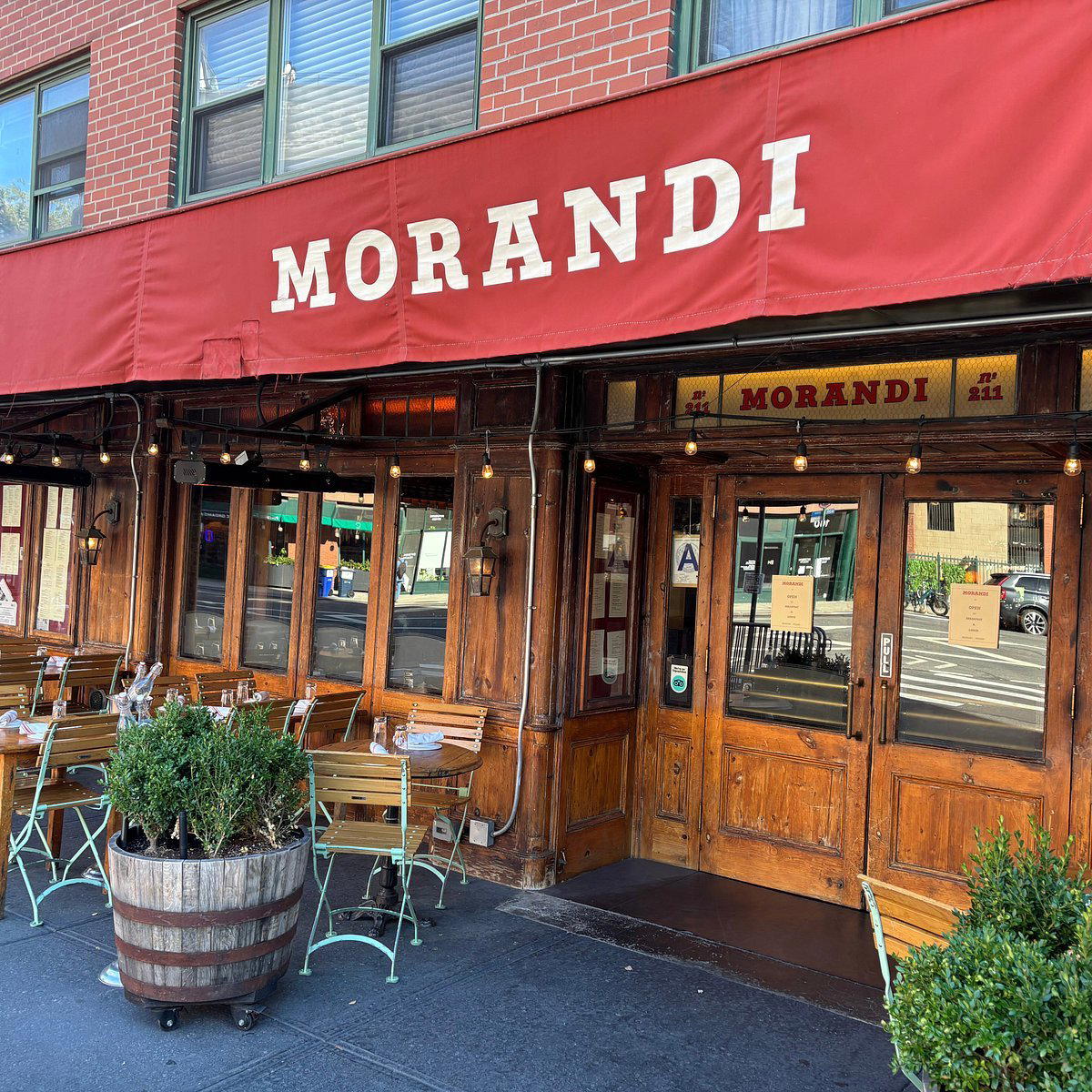
A West Village Italian in the Business of Marking Occasions
Greenwich Village has long been the neighbourhood New Yorkers choose when the occasion calls for atmosphere over spectacle. Unlike the Midtown corridor where Le Bernardin and Per Se operate in an explicitly special-occasion register built around prix-fixe formality and five-figure wine lists, the Village's better Italian rooms occupy a different tier: restaurants where the occasion is real but the evening doesn't require rehearsal. Morandi, at 211 Waverly Place, serves rustic Italian trattoria cooking in the West Village at 211 Waverly Pl, New York, NY 10014.
The Waverly Place address matters in ways that are easy to understate. The block sits at the intersection of several of the Village's most residential streets, giving the surrounding blocks a density of pre-war brownstones and a pedestrian pace that Midtown simply doesn't replicate. Restaurants in this part of the Village tend to draw from a narrower geographic radius than destination rooms further north: locals celebrating anniversaries, friends gathering for birthdays, couples choosing somewhere they've been meaning to try for months. That constituency shapes what a place needs to do, and it shapes it differently from what Masa or Atomix need to do in their respective registers.
The Italian Trattoria Format and Why It Persists
Italian-American and Italian-leaning dining in New York has split in recent decades into two increasingly distinct categories. On one side sit the red-sauce institutions of older immigrant neighbourhoods, operating on volume and familiarity. On the other are the more recent wave of ingredient-focused Italian rooms drawing on northern Italian traditions, with an emphasis on pasta made in-house, wine programs leaning toward regional Italian producers, and interiors that reference a rustic-but-considered European aesthetic. Morandi belongs to the latter category, and the trattoria format it represents has proven durable in the Village precisely because it fits the neighbourhood's occasion-dining logic without requiring the formal orchestration of a tasting-menu room.
For comparison: a celebratory dinner at Jungsik New York demands a specific kind of engagement with progressive Korean cuisine, pre-selected courses, and a price point that signals the meal as notable in an explicit way. Morandi's format offers a different kind of occasion signal: the warm room, the carafe of wine, the pasta arriving at the table in a genuinely convivial atmosphere. Neither is wrong; they serve different versions of the same impulse to mark time with a good meal.
Occasion Dining in the Village: Where Morandi Sits
Within the West Village and Greenwich Village dining market, the occasion-dining tier breaks down by format and price. At the leading end are rooms with active tasting menus or strong destination credentials. Below that is a mid-tier of well-established neighbourhood restaurants where the food is taken seriously but the format remains a la carte and the energy is hospitable rather than ceremonious. Morandi sits in that mid-tier, alongside a handful of other long-running addresses that have survived the neighbourhood's rapid turnover by providing something reliable.
Reliability is underrated as a credential in New York dining. The city's restaurant industry loses a significant percentage of its openings within the first three years, and this is especially true in high-rent neighbourhoods like the West Village. An Italian restaurant that holds its address on Waverly Place across multiple years builds a kind of implicit trust with the neighbourhood that newer openings cannot manufacture. For occasion dining in particular, that trust matters: you do not want to discover on the night of your anniversary that the restaurant you booked has changed direction, changed ownership, or simply declined.
For readers planning milestone meals across the country, the occasion-dining question presents itself differently in different cities. Blue Hill at Stone Barns in Tarrytown positions celebration through the agricultural narrative as much as the food itself. The Inn at Little Washington in Washington builds occasion from theatrical immersion. Bacchanalia in Atlanta operates as Atlanta's most deliberate fine-dining room. What the Village's Italian mid-tier offers is something closer to the European model of the neighbourhood bistro: the occasion built not from choreography but from accumulated familiarity, good wine, and a room that holds conversation rather than interrupting it.
Planning a Meal at Morandi
The surrounding blocks offer post-dinner options for walks through one of Manhattan's more architecturally preserved areas.
Those planning occasion meals across a wider sweep of American dining should note that the Village Italian format Morandi represents occupies a different tier from the destination rooms covered in depth elsewhere in EP Club's coverage. For readers calibrating ambition and budget across a trip that includes New York, reference points like Alinea in Chicago, The French Laundry in Napa, Single Thread Farm in Healdsburg, Lazy Bear in San Francisco, Providence in Los Angeles, Addison in San Diego, and Emeril's in New Orleans establish the upper tier of American dining ambition. Morandi occupies a different register: more accessible, more local in character, and designed for a kind of meal where ease of atmosphere counts for as much as formal achievement.
International points of comparison for the occasion-dining reader include 8 1/2 Otto e Mezzo Bombana in Hong Kong and Alain Ducasse at Louis XV in Monte Carlo, both of which demonstrate how the Italian dining tradition travels across contexts and price tiers globally.
What It’s Closest To
Comparable venues nearby, for context on price, style, and recognition.
| Venue | Cuisine | Price | Notes |
|---|---|---|---|
| MorandiThis venue — the venue you are viewing | Rustic Italian Trattoria | $$$ | Not listed |
| San Carlo Osteria Piemonte | Piedmontese Italian Osteria | $$$ | SoHo-Little Italy-Hudson Square |
| Barolo East | Northern Italian | $$$ | East Midtown-Turtle Bay |
| Serafina Always | Northern Italian Trattoria | $$$ | Upper East Side-Carnegie Hill |
| SUNGOLD | Italian Wood-Fired Pizza and Pasta | $$$ | Williamsburg |
| Barbaresco | Piedmontese Italian Trattoria | $$$ | Upper East Side-Carnegie Hill |
Continue exploring
More in New York City
Restaurants in New York City
Browse all →
Bars in New York City
Browse all →
Hotels in New York City
Browse all →






At a Glance
- Lively
- Rustic
- Classic
- Elegant
- Well Known
- Date Night
- Group Dining
- Casual Hangout
- Brunch
- Standalone
- Craft Cocktails
- Local Sourcing
Current opening hours
- Monday
- 8:30–11:30 AM, 12–4:30 PM, 5–10 PM
- Tuesday
- 8:30–11:30 AM, 12–4:30 PM, 5–10 PM
- Wednesday
- 8:30–11:30 AM, 12–4:30 PM, 5–10 PM
- Thursday
- 8:30–11:30 AM, 12–4:30 PM, 5–11 PM
- Friday
- 8:30–11:30 AM, 12–4:30 PM, 5–11 PM
- Saturday
- 11 AM–4:30 PM, 5–11 PM
- Sunday
- 11 AM–4:30 PM, 5–10 PM
Hours can change for holidays and private events. Last verified .