Osteria Morini
Osteria Morini on Lafayette Street brings Emilia-Romagna's tradition of long, convivial meals to SoHo, framing Italian dining as a deliberate ritual rather than a quick pass through a tasting format. The kitchen draws on northern Italian technique, slow braises, hand-rolled pasta, and regional wine pairings, positioning it in the mid-to-upper tier of New York's serious Italian dining scene, distinct from the city's tasting-menu circuit.
- Address
- 218 Lafayette St, New York, NY 10012
- Phone
- +1 212 965 8777
- Website
- osteriamorini.com
- Directions
- Get directions
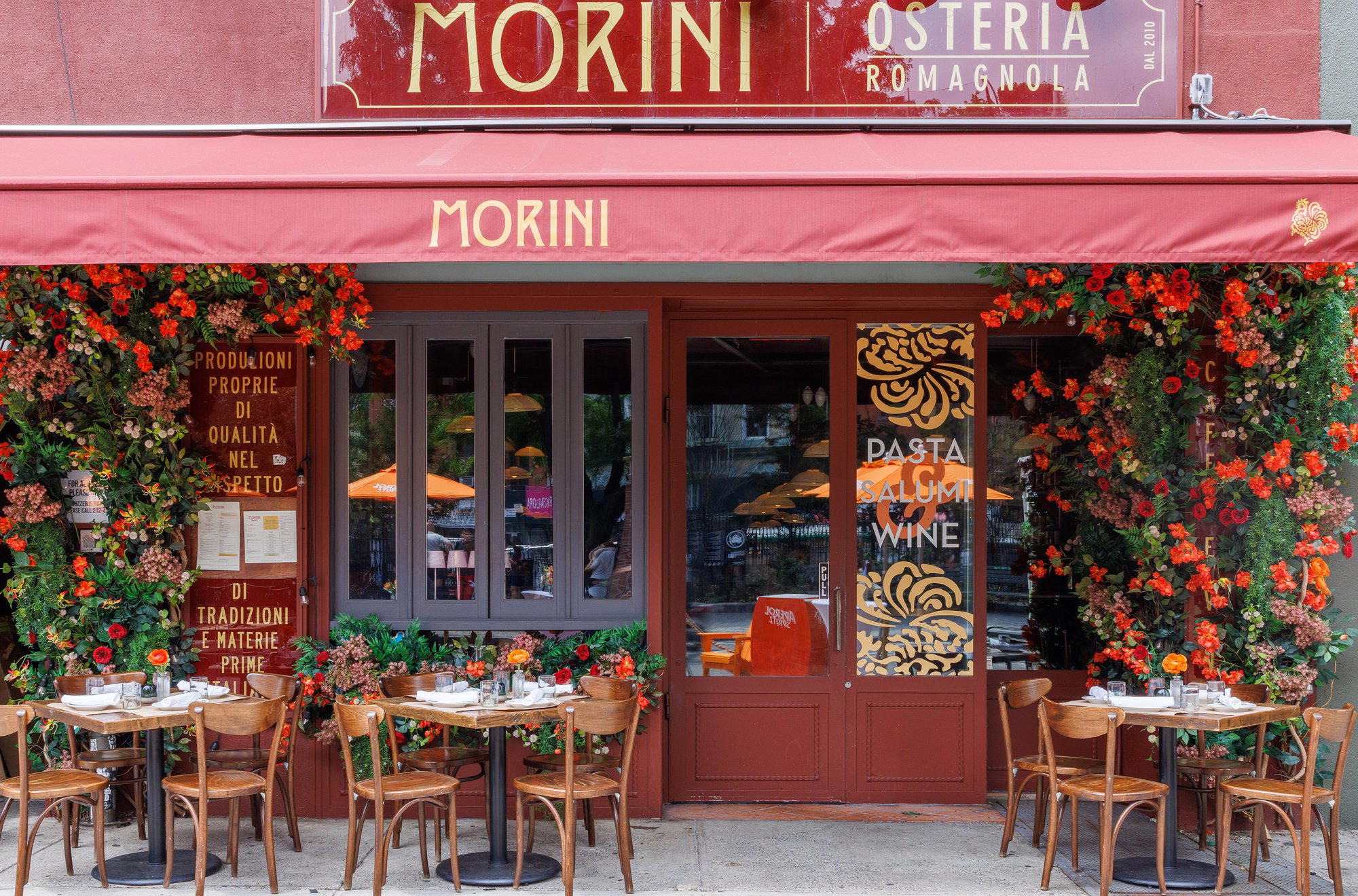
The Rhythm of Lafayette Street
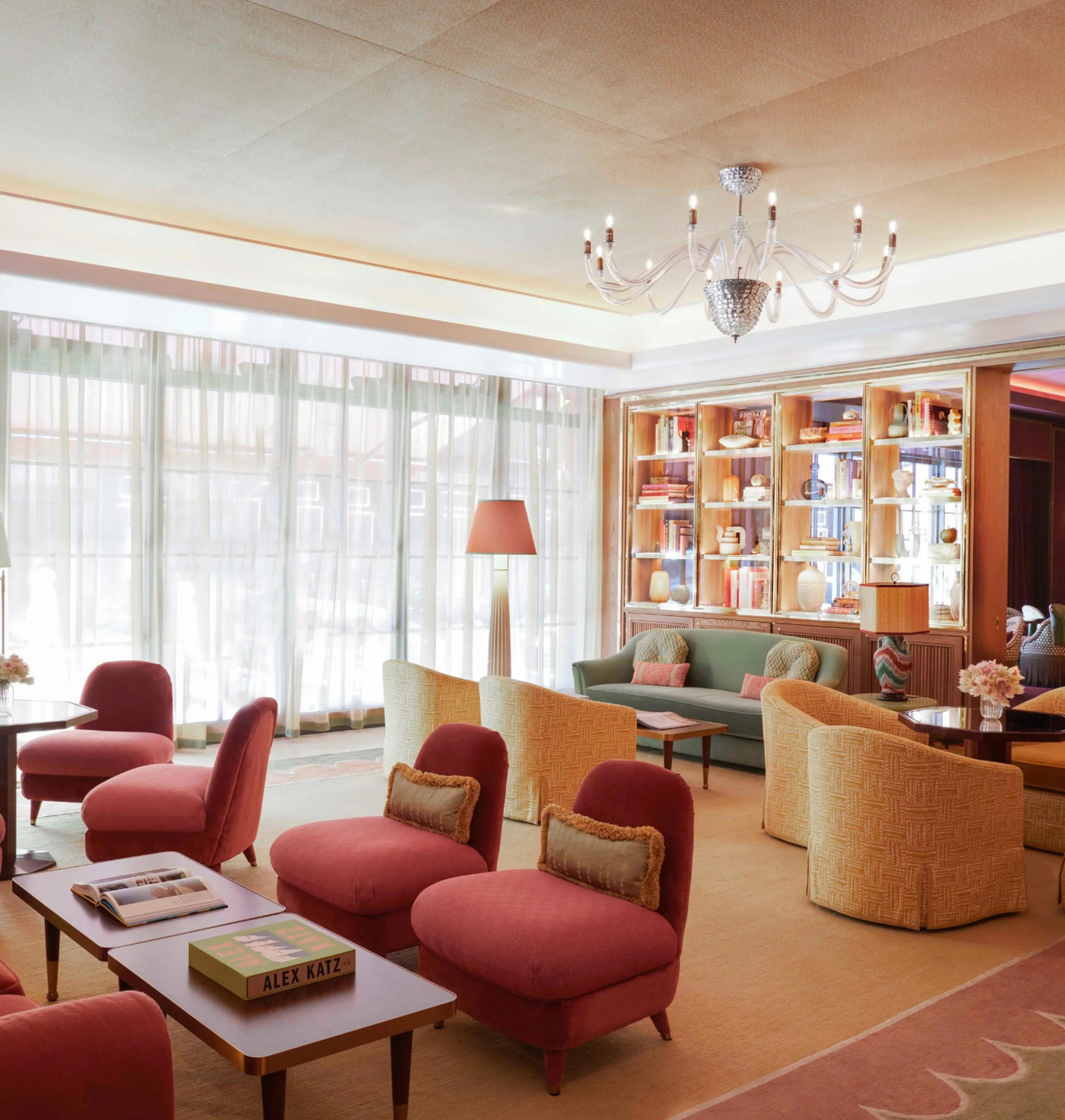
SoHo has a particular way of absorbing its restaurants. The cast-iron facades and wide sidewalks create a neighbourhood where dining rooms can feel either like sets or like genuine rooms, and Osteria Morini, at 218 Lafayette Street, reads as the latter. The space carries the warmth of a northern Italian trattoria scaled up for a Manhattan block: exposed brick, wood surfaces, and the ambient noise of a room that fills early and stays full. You arrive to a room shaped by the Bolognese model of eating, where the meal is a social event with its own pace.
That distinction matters in a city where the dominant luxury dining formats, the tasting menus and omakase counters that define places like Masa or Per Se, place the kitchen in total control of the meal's pace and sequence, tend to dominate the conversation about serious food. Osteria Morini operates from a different set of assumptions: the diner chooses, the meal breathes, and the occasion is built from ordering decisions rather than surrendered to a fixed progression.
Emilia-Romagna as Reference Point
Italian regional cuisine in New York has often been flattened into a generic pan-Italian idiom, where dishes from Campania, Liguria, and Lombardy share menus without much acknowledgement of provenance. Osteria Morini draws a harder line, anchoring its identity in Emilia-Romagna, the northern region that gave the world Parmigiano-Reggiano, prosciutto di Parma, mortadella, and, most relevantly here, the tradition of hand-rolled egg pasta in formats like tagliatelle, tortellini, and maltagliati.
That regional specificity puts the restaurant in a distinct position within New York's Italian dining tier. The comparison set is not the white-tablecloth Italian-American room serving veal marsala, nor is it the aggressively modern Italian kitchen reinterpreting tradition through Michelin-oriented precision. It sits closer to the trattoria model that has made restaurants like Frasca Food and Wine in Boulder, another American room seriously committed to a specific Italian region, earn sustained critical attention. The discipline of staying within a regional framework is itself an editorial statement about what Italian cooking can be when it is not trying to be everything at once.
Emilia-Romagna is also, crucially, a wine region. Lambrusco, long misunderstood in the American market as a sweet, low-stakes sparkling red, has undergone a critical rehabilitation: the dry, méthode ancestrale versions from producers around Modena and Reggio Emilia now appear on serious wine lists, and they are structurally well-suited to the fatty, pork-forward cooking of the region. A kitchen committed to this geography creates the conditions for a wine program that can make an actual argument rather than simply offering familiar Italian labels.
The Dining Ritual: How a Meal Here Actually Works
The structure of a meal at the restaurant follows the Italian grammar of antipasto, primo, secondo, and dolce, a sequence that most American restaurants nominally acknowledge but rarely enforce. Here, the progression is the point. The antipasto course, cured meats, pickled vegetables, preserved fish, functions as a genuine opener rather than a token gesture, setting the salt and acid register for what follows.
The primo, in the Emilian tradition, is pasta, and it is where the kitchen's technical commitment is most legible. Hand-rolled pasta requires daily labour and a kitchen that treats it as a central discipline rather than a flourish. The distinction between a pasta course made from fresh egg dough rolled to order and one assembled from pre-made sheets is immediately apparent in texture: the former holds sauce differently, carries more egg flavour, and changes temperature in a way that affects when you should eat it. This is the kind of detail that separates a kitchen treating regional cooking seriously from one invoking it decoratively.
Secondo, typically a braise or a roast built around the pork, game, and beef traditions of the Po Valley, asks for a different pace of eating. These are dishes designed for colder months and longer tables, and the SoHo room's energy accommodates both. The meal is not rushed toward a signature showpiece; it builds incrementally, in the way that the region's cooking culture intends.
For diners accustomed to the controlled choreography of New York's tasting-menu rooms, the kind of experience you find at Eleven Madison Park or Atomix, the shift to an à la carte format with this much regional intentionality can feel disorienting at first. Decisions matter. Ordering well means following the Italian logic of the menu rather than treating every section as optional. A meal that moves from salumi to a pasta primo to a braised secondo is a different proposition than one that skips the middle or conflates appetisers with mains. The room and the kitchen both reward the full sequence.
This approach to the meal as a structured ritual, rather than a series of interchangeable dishes, is what distinguishes the restaurant from the casual end of the Italian market and connects it to the tradition of serious regional Italian dining. It is the same logic that animates Blue Hill at Stone Barns in its commitment to a governing framework, even if the cuisines and formats differ entirely.
Where It Sits in New York's Italian Scene
New York's Italian dining tier has several distinct registers. At the formal end, white-tablecloth rooms with Italian wine programs and service codes borrowed from the French tradition. At the casual end, neighbourhood red-sauce spots that compete on value and familiarity. In between, a smaller cohort of restaurants that take a specific Italian regional tradition seriously enough to organise their menus, wine lists, and kitchen priorities around it.
The restaurant occupies that middle tier, which is not a compromise position, it is a specific editorial choice about what kind of restaurant to be. The SoHo address places it alongside a dining neighbourhood that has trended toward style-forward rooms, which makes the commitment to Emilian substance more pointed.
Planning Your Visit
The restaurant is located at 218 Lafayette Street in SoHo. The restaurant is priced at about $60 per person, and reservations are recommended.
A Pricing-First Comparison
Comparable venues nearby, for context on price, style, and recognition.
| Venue | Cuisine | Price | Notes |
|---|---|---|---|
| Osteria MoriniThis venue — the venue you are viewing | Not listed | $$$ | Not listed |
| Gjelina | Greenwich Village, Coastal Italian | $$$ | Not listed |
| Buco | Not listed | $$$ | Greenwich Village, Rustic Italian-Mediterranean |
| Giardino D'Oro | Not listed | $$$ | Financial District-Battery Park City, Fine Dining Italian |
| AlMar | Not listed | $$$ | Downtown Brooklyn-DUMBO-Boerum Hill, Authentic Italian |
| BOTTINO | Not listed | $$$ | Chelsea-Hudson Yards, Modern Tuscan Italian |
Continue exploring
More in New York City
Restaurants in New York City
Browse all →
Bars in New York City
Browse all →
Hotels in New York City
Browse all →





At a Glance
- Rustic
- Cozy
- Lively
- Date Night
- Group Dining
- Brunch
- Open Kitchen
- Extensive Wine List
Classic Italian rustic with wood tables, beams, and convivial atmosphere.