Osteria all'Organetto occupies a corner of Piazza Corrubbio in Verona's Veronetta quarter, placing it squarely within the neighbourhood trattoria tradition that survives on regulars rather than tourist traffic. Against Verona's higher-end creative and contemporary tables, it represents the city's more grounded register: a place where the cooking is rooted in regional habit and the room reads as local before it reads as destination.
Pearl is the En Primeur Club membership app — saves, bookings, and concierge access live there. Same editors, same standards.
- Address
- Piazza Corrubbio, 30, 37123 Verona VR, Italy
- Phone
- +39452592939
- Website
- quandoo.it
- Directions
- Get directions
 Saves & bookings on Pearl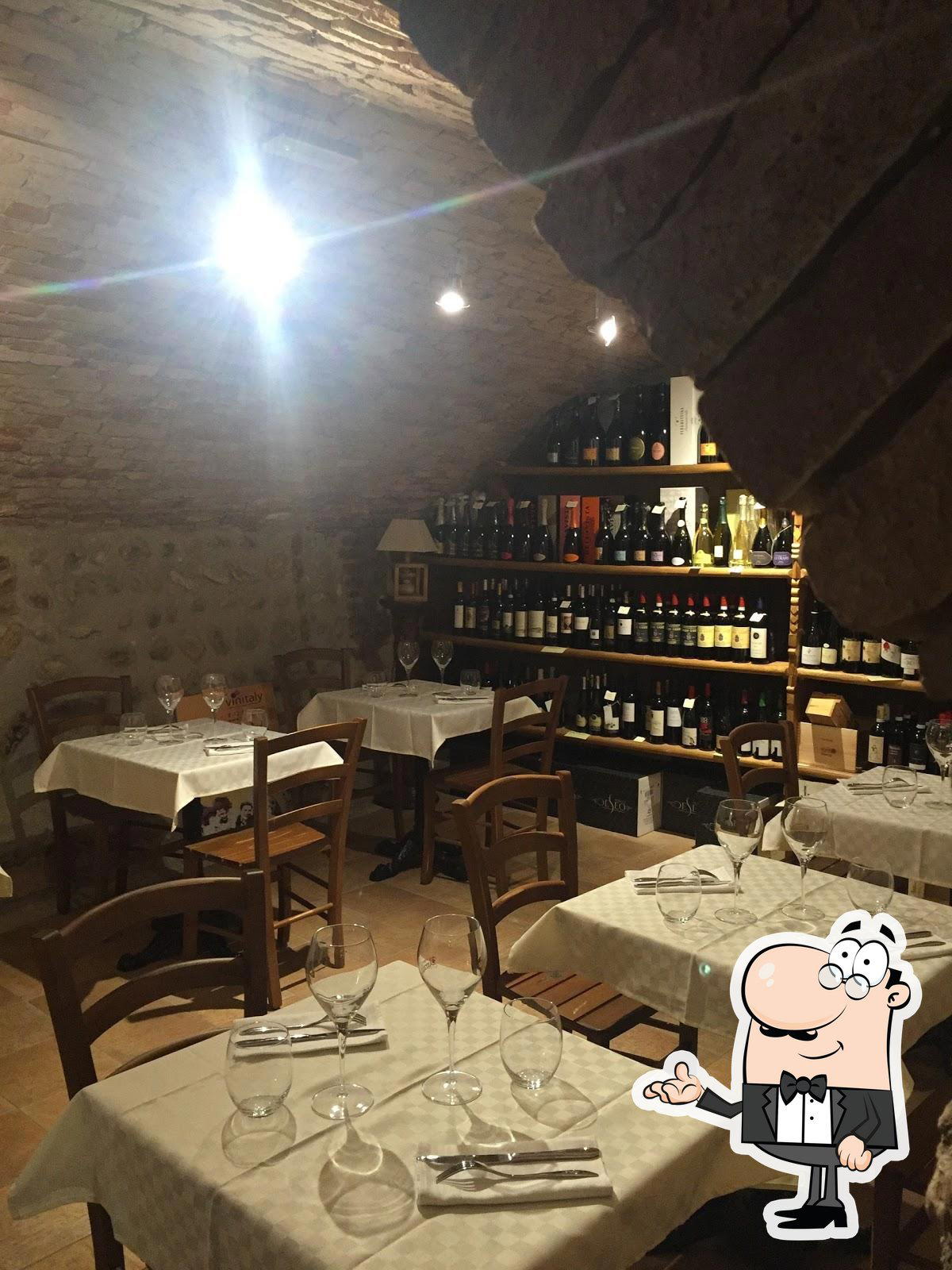
A Square That Still Belongs to the Neighbourhood
Piazza Corrubbio sits on the east bank of the Adige, in the part of Verona that guidebooks often overlook. The Veronetta district, bounded roughly by the river to the west and the hill of San Pietro to the east, developed as a working-class and student quarter, and it retains that texture in ways the centro storico around the Arena no longer does. Arriving at the piazza on foot from Ponte Navi, you pass laundry lines and neighbourhood bars before the square opens up. Osteria all'Organetto is positioned within that fabric, and that positioning matters more to the experience than any single item on the plate.
The osteria format in the Veneto has always been neighbourhood-anchored by definition: a room that serves wine and food to people who live nearby, without the theatrical distance of a tasting menu or the ceremony of a full-service ristorante. Verona's osterie once populated nearly every quarter, but attrition, rising rents in the centre, tourism economics near the Arena, generational shifts in ownership, has thinned the field considerably. The ones that persist in residential squares like Piazza Corrubbio tend to do so on the strength of repeat custom rather than discovery traffic, which shapes everything from the pace of service to the way the room feels on a Tuesday evening versus a Friday.
Where It Sits in Verona's Dining Map
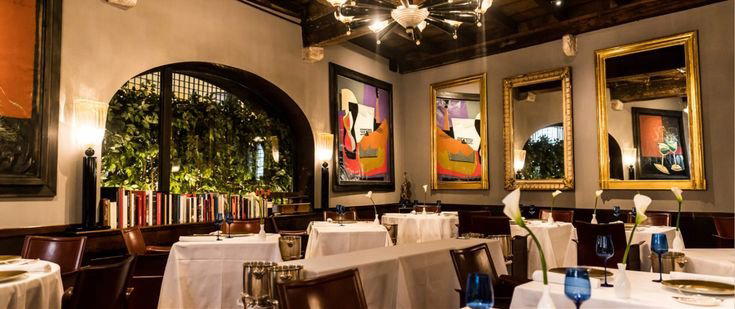
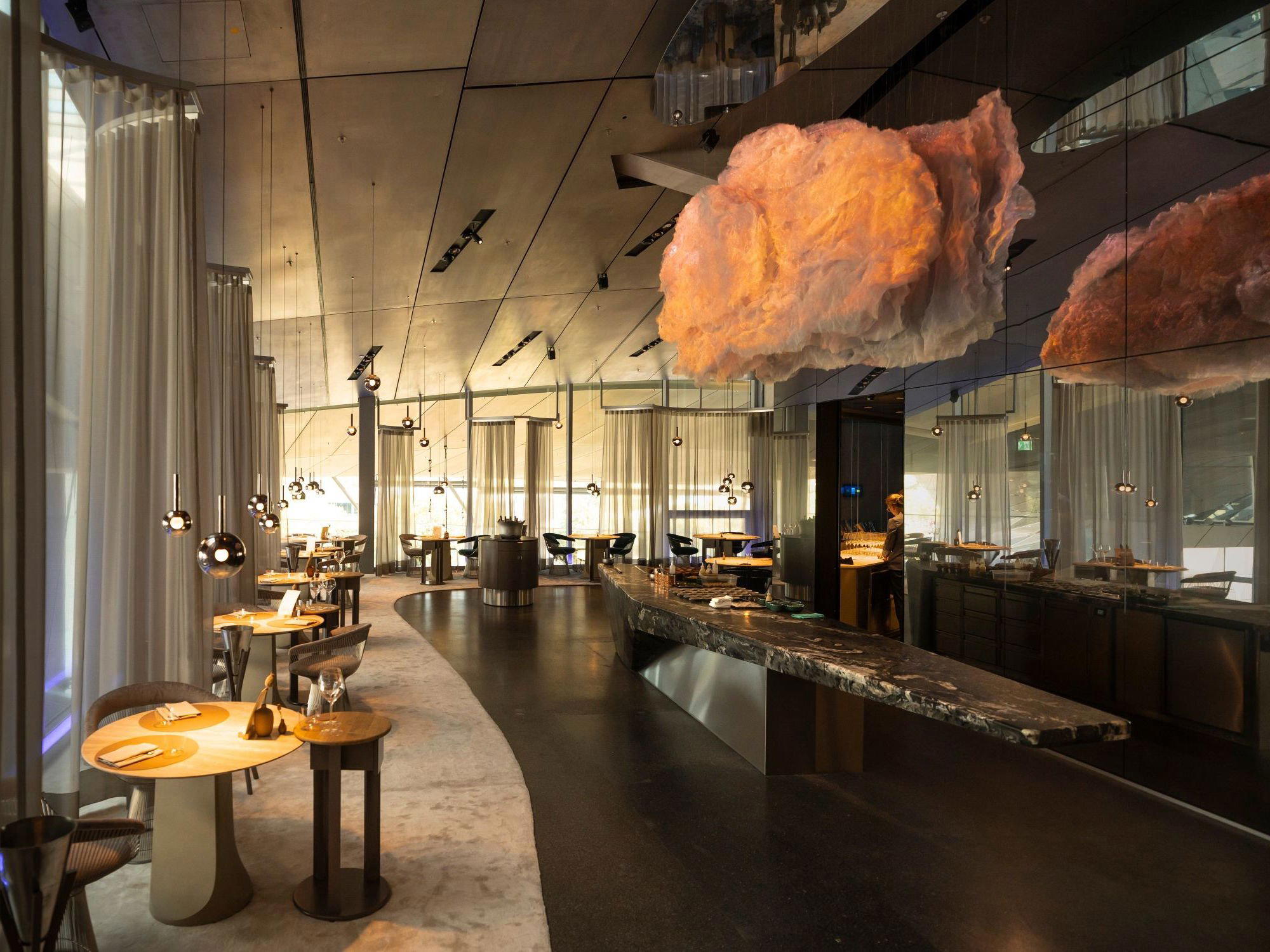
Verona's restaurant offer covers a wide spread. At the leading end, Casa Perbellini 12 Apostoli and Il Desco operate in the creative and Italian contemporary registers at the €€€€ price tier, A step below, Iris Ristorante occupies the contemporary middle ground. The traditional Venetian end is served by places like Al Bersagliere at the accessible € tier, while seafood-forward trattorias such as Al Capitan della Cittadella fill the €€€ bracket. Osteria all'Organetto reads against this comparable set as a neighbourhood-register venue: not competing for fine dining recognition, but also not positioned in the budget trattoria tier that relies on volume and tourist footfall.
That middle positioning, genuinely local in character, grounded in regional cooking habit, operating in a square that doesn't draw passing trade, places it in a different conversation from the Verona venues that appear regularly in international press.
The Osteria Tradition and What It Asks of the Room
The osteria as a format carries specific obligations that distinguish it from the trattoria and the ristorante in Italian dining culture. Historically, an osteria was primarily a wine-serving establishment where food played a secondary or supporting role; over the twentieth century, the lines blurred, and today the term covers everything from refined neighbourhood restaurants to simple rooms with a handwritten menu on a chalkboard. What the format signals, when used honestly, is an emphasis on convivial ease over ceremony, on local and seasonal ingredient logic over constructed tasting progressions, and on wine as a central organising principle rather than an afterthought.
Northern Italy's broader osteria tradition, which runs from the Piedmontese model celebrated at places like Osteria Francescana in Modena down to genuinely simple rooms in market towns, shows how elastic the term has become. The more useful comparison for a Veronetta address like Organetto is the cluster of neighbourhood osterie in cities like Bologna, Padova, and Treviso that have maintained a residential customer base precisely because they avoided rebranding upward. Those venues share a particular atmosphere: tables that turn at a pace set by conversation rather than a reservation system, carafe wine priced for daily drinking, and a menu that shifts with what arrived at the market that morning.
Veneto Cooking at This Register
The Veneto's culinary identity is often flattened in international coverage into a shortlist of risotto, bigoli, and baccalà, but the regional cooking tradition is considerably more granular than that summary suggests. Verona specifically sits at the intersection of several microregional influences: the lake culture of Garda to the west, the plains of the Po to the south, and the Alpine foothills to the north. Seasonal vegetables from the area around Bovolone and Isola della Scala's celebrated riso Vialone Nano shape what appears in kitchens at this price register in ways that more internationally oriented restaurants tend to bypass in favour of constructed modernism.
An osteria in Veronetta, operating for a local clientele, draws from that seasonal and regional logic by practical necessity. The customer base notices when the risotto changes with the season; it is not an affectation but a baseline expectation. That dynamic distinguishes this category of venue from the fine dining addresses, however accomplished, that line up alongside it in any city guide. Dal Pescatore in Runate, Le Calandre in Rubano, and Piazza Duomo in Alba each show how northern Italian produce performs when routed through a more technically ambitious kitchen. Osteria all'Organetto is a different proposition: the interest is in seeing what regional cooking looks like at its most direct.
Planning a Visit
Piazza Corrubbio is reachable on foot from the city centre, cross the Adige at Ponte Navi or Ponte Aleardi and the square is a short walk east through Veronetta. Because the venue draws from a neighbourhood base rather than a tourist circuit, timing matters: midweek visits tend to reflect the room's habitual character most clearly, while weekend evenings can run busy enough to warrant planning ahead. As with most osterie operating in this register across northern Italy, the format works well when approached without the time pressure of an onwards reservation, the rhythm of the room rewards a slower pace.
The Verona dining scene, taken in full, offers a compelling range from osteria-register neighbourhood eating through to the technically ambitious creativity at venues with international recognition. For a broader itinerary around Italian dining, consider addresses across the country: Enoteca Pinchiorri in Florence, Enrico Bartolini in Milan, Uliassi in Senigallia, Reale in Castel di Sangro, Quattro Passi in Marina del Cantone, and Atelier Moessmer Norbert Niederkofler in Brunico. Le Bernardin in New York City and Atomix in New York City offer a useful calibration point for how different national traditions operate at their respective upper registers.
The Quick Read
Comparable venues nearby, for context on price, style, and recognition.
| Venue | Cuisine | Price | Notes |
|---|---|---|---|
| Osteria all'OrganettoThis venue — the venue you are viewing | Not listed | $$ | Not listed |
| Trattoria Antonio e Rita | Not listed | $$ | S. Michele, Sicilian Seafood Trattoria |
| Ristorante Torcolo | Not listed | $$$ | Citta' Antica, Traditional Veronese Cuisine |
| HOTPOT Restaurant Chuangjieli å·è¡éèç«é | Cittadella, Sichuan Hotpot | $$ | Not listed |
| Pane e Vino | Not listed | $$ | Citta' Antica, Traditional Veronese Trattoria |
| Café Carducci | Veronetta, Historic Italian Café-Bistro | $$ | Not listed |
Continue exploring
More in Verona
Restaurants in Verona
Browse all →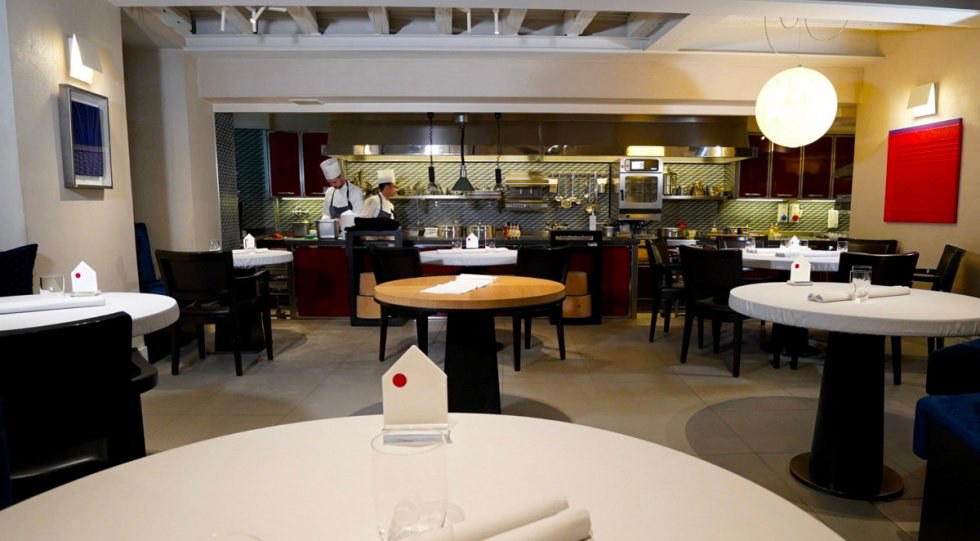
Bars in Verona
Browse all →
Hotels in Verona
Browse all →

At a Glance
- Cozy
- Classic
- Intimate
- Rustic
- Date Night
- Casual Hangout
- Group Dining
- Historic Building
- Standalone
- Local Sourcing
Current opening hours
- Monday
- 9 AM–3 PM, 5–11 PM
- Tuesday
- 9 AM–3 PM, 5–11 PM
- Wednesday
- 9 AM–3 PM, 5–11 PM
- Thursday
- 9 AM–3 PM, 5–11 PM
- Friday
- 9 AM–3 PM, 5–11 PM
- Saturday
- 9 AM–3 PM, 5–11 PM
- Sunday
- 9 AM–4 PM
Hours can change for holidays and private events. Last verified .
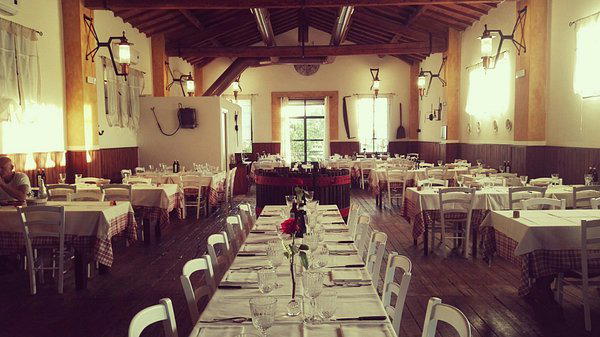
Soft lighting and serene atmosphere with the warmth of a classic Italian tavern, blending traditional osteria charm with contemporary sensibility.