
A Bib Gourmand-recognised trattoria in Verona's Borgo Filippi district, Al Bersagliere trades in the kind of Venetian cooking that regional restaurants spend decades trying to get right: bigoli with duck, pastissada de caval, and grappa-laced gelato, served in a room dense with mid-century memorabilia and a wine cellar that predates most of Verona's dining scene by seven centuries.
Pearl is the En Primeur Club membership app — saves, bookings, and concierge access live there. Same editors, same standards.
- Address
- Via Dietro Pallone, 1, 37121 Verona VR, Italy
- Phone
- +39 045 800 4824
- Website
- trattoriaalbersagliere.it
- Directions
- Get directions
 Saves & bookings on Pearl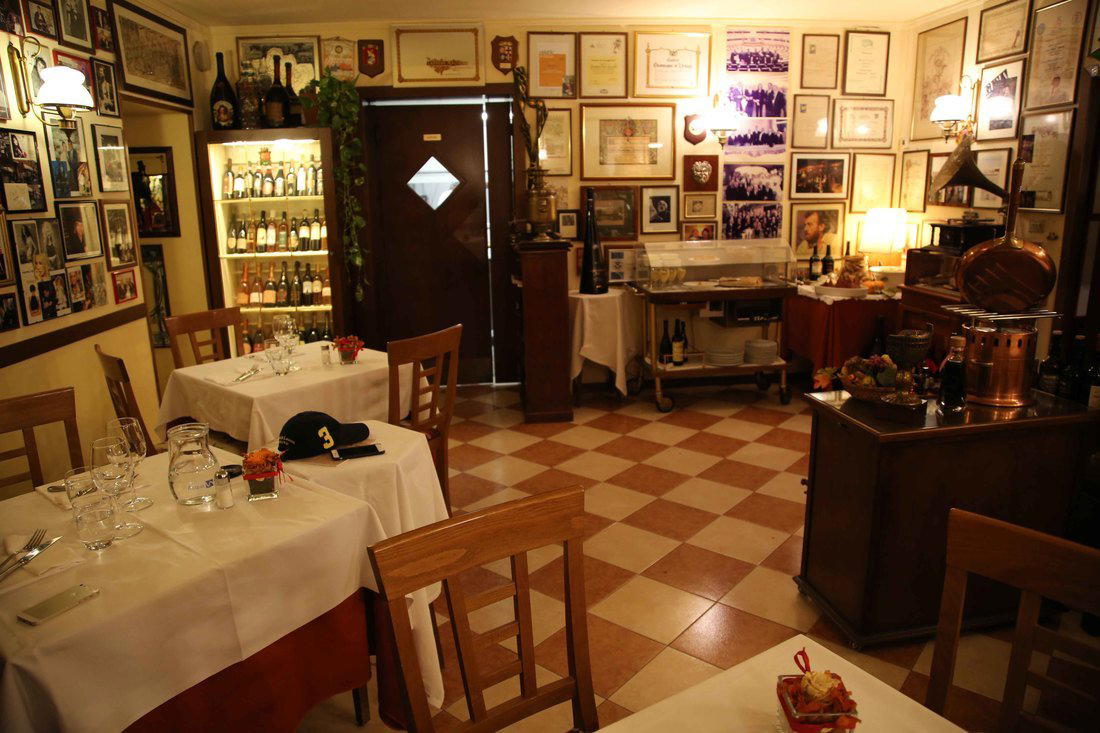
Where the Veneto's Cooking Traditions Hold Their Ground
Verona's dining scene has changed in familiar ways over the past decade. At the leading, tasting-menu restaurants like Casa Perbellini 12 Apostoli and Il Desco compete for Michelin stars and destination-diner attention, while a newer wave of fusion-leaning bistros and contemporary rooms addresses a younger crowd. The middle tier, where old-school Venetian cooking survives without renovation or rebranding, is under greater pressure. Al Bersagliere, on Via Dietro Pallone in the Borgo Filippi district, sits squarely in that tier and has held its position for long enough to earn Michelin Bib Gourmand recognition in both 2024 and 2025.
The Bib Gourmand designation signals food that Michelin considers worth a detour at a price that does not require a tasting-menu budget. Al Bersagliere's moderate price point puts it at the more accessible end of Verona's recognised restaurants, making it a rare point of overlap between serious culinary credibility and everyday spending. For a regional trattoria carrying the weight of decades of local expectations, that is not an easy balance to maintain.
The Room as an Argument for Continuity
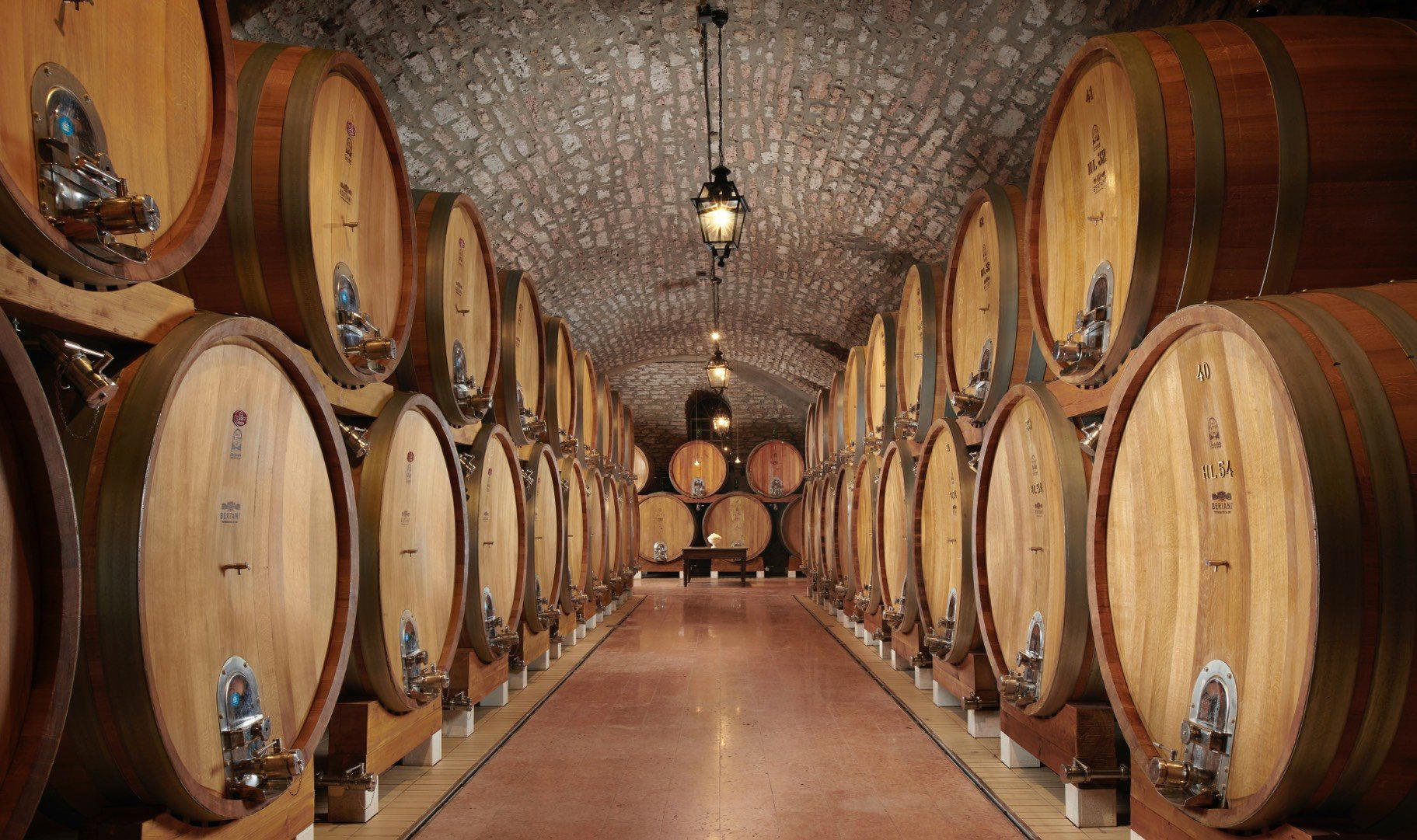
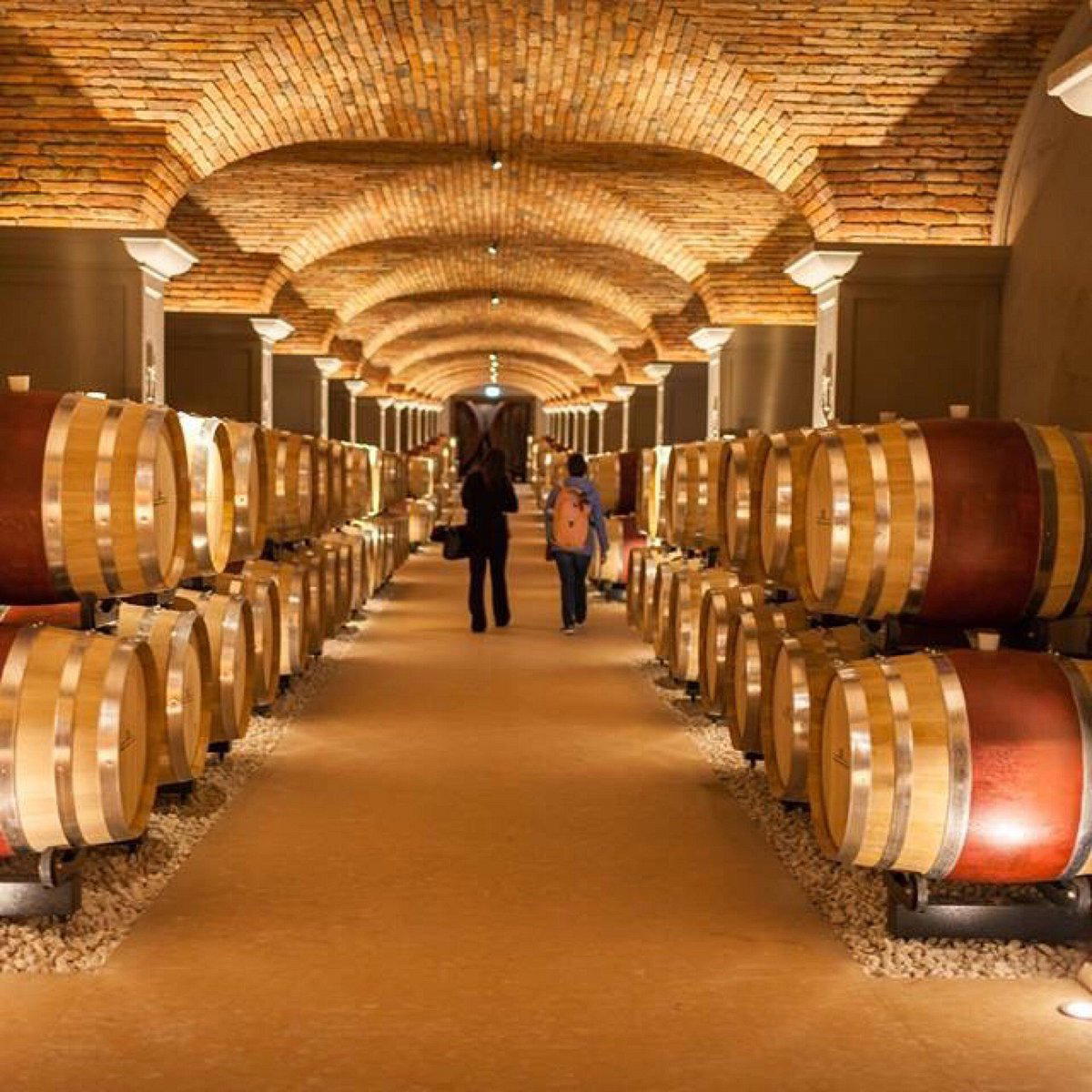
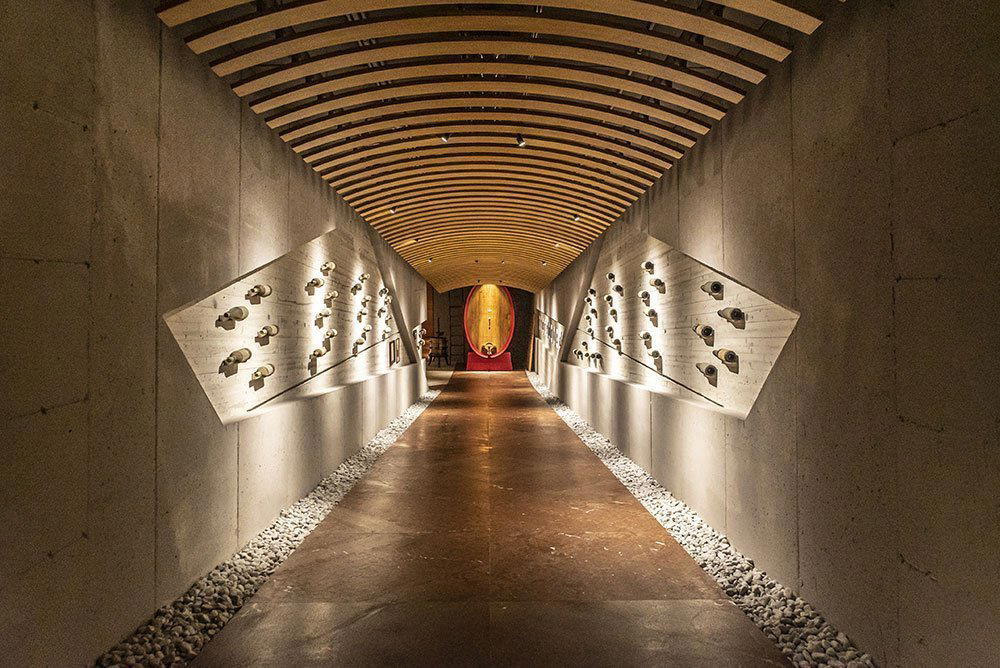
Walking into Al Bersagliere, the physical environment makes its own editorial case before a dish arrives. The room holds a jukebox and a 1960s coffee machine among its collected memorabilia, objects that function less as decoration and more as evidence of restraint. There is a version of this aesthetic that tips into theme-park nostalgia, and a version where the accumulation of decades simply becomes the room's texture. Al Bersagliere lands in the latter category. The density of the space, combined with a wine cellar whose oldest sections date to the early 13th century, gives the restaurant a physical depth that purpose-built vintage rooms cannot replicate.
That wine cellar is worth understanding in context. Verona sits at the convergence of several of Italy's most commercially significant wine zones. Amarone della Valpolicella, the region's richest and most age-worthy red, is produced in the hills directly west of the city, and the cellar at the restaurant focuses specifically on Verona-region labels with Amarone as its centrepiece. Guests can visit the cellar. Alongside the wine list, the restaurant maintains a broad spirits selection, which reflects the Venetian tradition of grappa as a working digestivo rather than an occasional indulgence, and connects directly to one of the kitchen's signature preparations.
Venetian Cooking in Its Regional Register
The Veneto's culinary traditions are more internally varied than they appear from outside Italy. Venice's cicheti culture, the seafood-heavy cooking of the lagoon, the Germanic-inflected meat dishes of the Dolomite foothills, and the inland river valleys' pasta traditions all operate under the same regional umbrella but taste quite different on the plate. Verona's position as an inland city, connected to agriculture rather than coastline, pushes its trattoria cooking toward braised meats, slow-cooked ragù, and the kinds of dishes that reward a cold evening rather than a summer terrace. Restaurants like Al Capitan della Cittadella, which takes a seafood angle, occupy a different part of this spectrum.
At the restaurant, the kitchen's declared specialities read as a direct expression of the inland Venetian register. Bigoli pasta, the thick whole-wheat spaghetti that is the Veneto's most distinctive pasta format, appears with duck rather than the sardine-and-onion preparation more commonly associated with Venetian celebrations. Duck bigoli is the kind of dish that separates kitchens serious about the tradition from those producing a marketable approximation: the pasta needs a weight and porosity that absorbs the sauce without becoming sodden, and the ragu needs long enough on the heat to break down without losing the bird's character entirely.
Pastissada de caval, the horsemeat stew that Verona has claimed as its own since at least the medieval period, is the dish most likely to polarise non-Italian visitors and most likely to satisfy those who came specifically to eat as Veronese residents eat. It is slow-cooked with wine, vegetables, and spices in a preparation that the city traces back centuries, and it appears on fewer and fewer menus as the ingredient becomes harder to source and less easy to explain to international guests. Its presence at the restaurant is less a quirk of the menu and more a statement of intent about which traditions the restaurant considers worth preserving.
The closing note of a meal here, gelato spiritoso flavoured with grappa, links the wine cellar's spirits selection to the kitchen. Grappa-inflected desserts sit at a difficult intersection of sweetness and heat that requires calibration, and the dish's continued appearance as a house signature suggests a preparation that has found its proportions over time. The restaurant operates from the source, without adaptation for external audiences.
Where Al Bersagliere Sits in the Wider Italian Picture
Italy's most decorated restaurants operate at an entirely different register. Three-Michelin-star kitchens like Osteria Francescana in Modena or multi-starred addresses like Enrico Bartolini in Milan, Le Calandre in Rubano, Enoteca Pinchiorri in Florence, and Atelier Moessmer Norbert Niederkofler in Brunico or the long-running Dal Pescatore in Runate work from a different ambition entirely. The restaurant is not competing in that conversation. Its Bib Gourmand marks it as a restaurant the Michelin guide considers an honest address for well-made regional food at fair prices, a smaller but not lesser category.4 out of 5 across 905 reviews.
What the Bib Gourmand does not capture is the specificity of place that makes the restaurant worth a visit beyond its value credentials. A restaurant with a 13th-century wine cellar, horsemeat stew on the menu, and a jukebox from the same era as the coffee machine is making a particular set of choices about what it is and what it refuses to become. In a city where the fine-dining tier and the contemporary-casual tier are both well served, that clarity of position carries its own weight.
Planning a Visit
The restaurant is located at Via Dietro Pallone 1 in Verona's Borgo Filippi neighbourhood, within walking distance of the city centre. Given its Bib Gourmand recognition and the relatively compact size typical of Veronese trattorias of this vintage, advance reservations are advisable, particularly for dinner and at weekends. The wine cellar visit is available to guests and provides additional context for the Amarone-focused list.
At-a-Glance Comparison
Comparable venues nearby, for context on price, style, and recognition.
| Venue | Cuisine | Price | Awards | Notes |
|---|---|---|---|---|
| Al BersagliereThis venue — the venue you are viewing | Traditional Veronese Trattoria | $$ | Bib Gourmand | Not listed |
| Locanda 4 Cuochi | Modern Italian Trattoria | $$ | Michelin Plate | Citta' Antica |
| Filia Ristorante | Modern Italian Fine Dining with Seafood | $$$$ | Michelin Plate | Borgo Trento |
| Osteria Mondo d'Oro | Modern Italian Osteria | $$ | Bib Gourmand | Citta' Antica |
| Corte San Mattia | Italian Farm-to-Table Agriturismo | $$ | Not listed | Valdonega |
| Antica Bottega Del Vino | Traditional Veronese Osteria | $$$ | Not listed | Citta' Antica |
Recognition history
Dated appearances from independent guides and award organizations, with the underlying list record or original source where available.
Michelin Bib Gourmand
Michelin
Michelin Bib Gourmand
Michelin
Michelin Bib Gourmand
Michelin
Continue exploring
More in Verona
Restaurants in Verona
Browse all →
Bars in Verona
Browse all →
Hotels in Verona
Browse all →
At a Glance
- Classic
- Historic
- Cozy
- Intimate
- Business Dinner
- Date Night
- Group Dining
- Historic Building
- Wine Cellar
- Extensive Wine List
Current opening hours
- Monday
- Closed
- Tuesday
- 12–2 PM, 7:15–9:45 PM
- Wednesday
- 12–2 PM, 7:15–9:45 PM
- Thursday
- 12–2 PM, 7:15–9:45 PM
- Friday
- 12–2 PM, 7:15–9:45 PM
- Saturday
- 12–2 PM, 7:15–9:45 PM
- Sunday
- Closed
Hours can change for holidays and private events. Last verified .
Cozy, nostalgic atmosphere with memorabilia, '50s design elements, and a folk, family-run feel in a historic setting.