
One of Verona's most durable addresses for traditional Veronese cooking, Ristorante Torcolo has operated near the Roman Arena since the 1930s under the Barca family. It occupies a distinct position in the city's dining scene: a working trattoria-style restaurant committed to regional recipes at a time when many peers have shifted toward modern reinterpretation. For visitors seeking honest Veronese cuisine in a historically grounded setting, it remains a clear reference point.
Pearl is the En Primeur Club membership app — saves, bookings, and concierge access live there. Same editors, same standards.
- Address
- Via Carlo Cattaneo, 11, 37121 Verona VR, Italy
- Phone
- +39 045 803 3730
- Website
- ristorantetorcolo.it
- Directions
- Get directions
 Saves & bookings on Pearl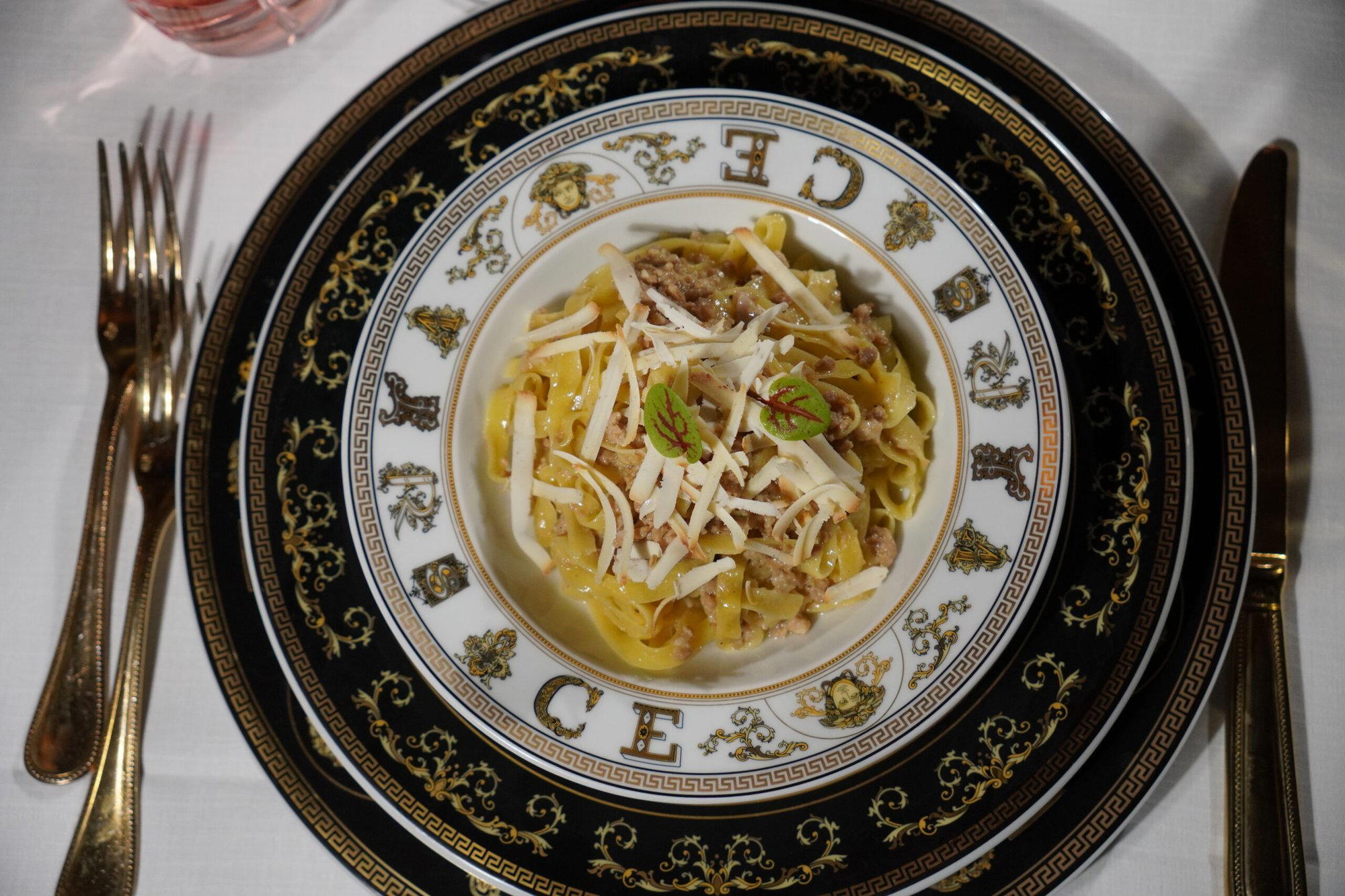
On the Edge of the Arena, Where Verona Eats Like It Always Has
The area immediately surrounding Verona's Roman Arena is, by any measure, the city's most trafficked dining corridor. Restaurants along Piazza Bra and the adjacent streets have long catered to a high volume of tourists, and the commercial pressure that creates is visible in the number of generic menus and laminated photographs that line the route. Via Carlo Cattaneo runs just off that circuit, close enough to the Arena to place Ristorante Torcolo in the heart of the centro storico, but set back enough that it has historically attracted a different kind of clientele: residents, regulars, and visitors who come specifically for the food rather than the address.
That geographical distinction matters more than it might first appear. In Italian cities where tourism has reshaped the restaurant economy, proximity to a major monument is often a commercial variable that works against culinary seriousness. The restaurants that endure as genuine local references tend to occupy side streets, inner courtyards, or just-off-the-main-drag addresses that require a small degree of deliberate navigation. Torcolo's position on Via Carlo Cattaneo fits that pattern precisely.
Nine Decades of Veronese Cooking
A restaurant that has been operating since the 1930s occupies a different category than one that has simply been open for a long time. In Verona, as elsewhere in northern Italy, the early twentieth century produced a specific style of family-run restaurant: tables close together, menus anchored to the regional repertoire, and a continuity of management that treats institutional memory as a form of quality control. Ristorante Torcolo belongs to that tradition. The Barca family has run the restaurant across multiple generations, and the family's tenure as Veronese restaurateurs extends beyond Torcolo itself.
That longevity positions Torcolo differently from its immediate neighbours in the Verona dining scene. Casa Perbellini 12 Apostoli and Il Desco operate at the city's creative and contemporary end, with tasting menus and the infrastructure of modern fine dining. Iris Ristorante and Al Capitan della Cittadella occupy the contemporary middle ground. Torcolo's comparable set sits closer to Al Bersagliere, which also works within the Venetian and Veronese trattoria tradition, and to addresses like Trattoria al Pompiere, which holds to a similar register of regional, unpretentious cooking at moderate prices.
What Veronese Cuisine Actually Means Here
Veronese cooking draws from the broader Veneto tradition but has its own emphases. The city sits at the intersection of Alpine, Lombard, and lake-district influences, and the regional table reflects that geography: freshwater fish from Lake Garda to the west, game and cured meats from the surrounding hills, risotto preparations that lean toward the minerally restrained end of the Veneto spectrum, and the use of local olive oil (from the Garda shoreline) in ways that distinguish Veronese cooking from more butter-heavy Venetian preparations further east.
Pasta formats like bigoli and gnocchi appear across the Veronese repertoire, as does the use of horse meat, which remains a historically significant protein in the region and appears on menus at trattorie of Torcolo's generation more consistently than at newer restaurants that have opted to remove it. Bollito misto, the slow-cooked mixed meats typical of the wider Po Valley, also belongs to this tradition. Restaurants that have maintained the full Veronese canon across decades offer a kind of documentary function: they preserve dishes and preparations that more fashion-conscious kitchens have quietly dropped.
Italy's most decorated restaurants, from Osteria Francescana in Modena to Le Calandre in Rubano, have built their reputations on reinterpreting regional traditions through a contemporary lens. That approach produces important work. But it also makes the restaurants that simply maintain the source material more valuable as reference points, not less. When Dal Pescatore in Runate or Enoteca Pinchiorri in Florence represent the pinnacle of their respective regional traditions through technique and ambition, the counterpoint is places like Torcolo, where the same regional dishes appear in their working, everyday form.
Where Torcolo Sits in the Verona Dining Sequence
Verona's restaurant scene is compact enough that most visitors with several days in the city can move across multiple tiers without difficulty. The case for including Torcolo in that sequence is specific: it covers ground that the city's more formal or creative restaurants do not. A meal at Il Desco or Casa Perbellini 12 Apostoli tells you something about what Verona's most ambitious chefs are doing with northern Italian cooking in the current moment. A meal at Torcolo tells you something about what that cooking looked like before it became subject to reinterpretation.
That distinction is not a quality judgment in favour of either register. It is a map of what the city's dining scene actually contains, and how to use it. For visitors building an itinerary around Verona, the full Verona restaurants guide covers the scene across all price tiers and styles.
Planning a Visit
Torcolo's address on Via Carlo Cattaneo places it within easy walking distance of the Arena, the Piazza delle Erbe, and the Castelvecchio, making it a natural anchor for a midday or early evening meal during a day in the centro storico. The restaurant's proximity to the Arena also means that on opera nights, the surrounding streets fill quickly and tables at nearby restaurants turn over on a compressed timeline. Visiting outside of Arena di Verona performance evenings, which run across the summer season, generally allows a more relaxed meal. Bookings and dietary requirements are best confirmed directly with the restaurant.
Compared to the region's most internationally visible restaurants such as Enrico Bartolini in Milan or Atelier Moessmer Norbert Niederkofler in Brunico, which require significant advance booking and command significantly higher price points, Torcolo operates at the accessible end of the trattoria register. Its price positioning, consistent with the €€ bracket occupied by comparable Veronese trattorie, places it among the city's more approachable options for traditional cooking without the premium attached to Verona's creative or fine dining tier.
The Minimal Set
Comparable venues nearby, for context on price, style, and recognition.
| Venue | Cuisine | Price | Notes |
|---|---|---|---|
| Ristorante TorcoloThis venue — the venue you are viewing | Not listed | $$$ | Not listed |
| Ristorante Ponte Pietra | Citta' Antica, Modern Regional Italian | $$$ | Not listed |
| Antica Torretta | Not listed | $$$$ | Citta' Antica, Contemporary Italian Fine Dining with Seafood Focus |
| Antica Bottega Del Vino | Not listed | $$$ | Citta' Antica, Traditional Veronese Osteria |
| Pane e Vino | Not listed | $$ | Citta' Antica, Traditional Veronese Trattoria |
| Arche | Not listed | $$$ | Citta' Antica, Modern Veronese with Fish Specialties |
Recognition history
Dated appearances from independent guides and award organizations, with the underlying list record or original source where available.
Star Wine List
Star Wine List
Continue exploring
More in Verona
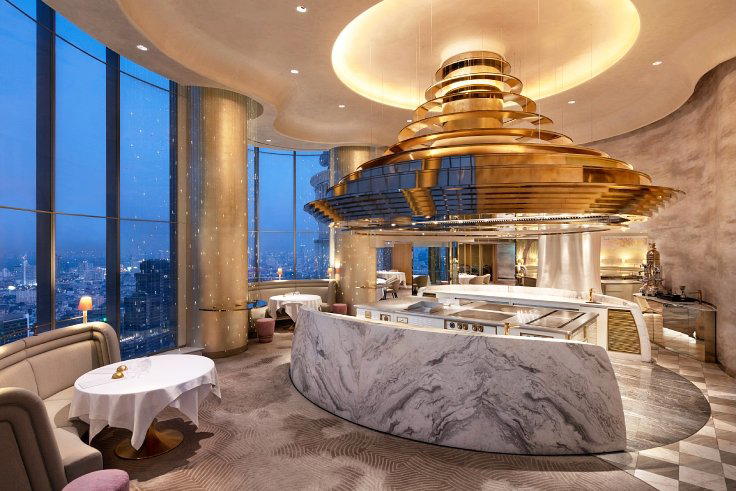
Restaurants in Verona
Browse all →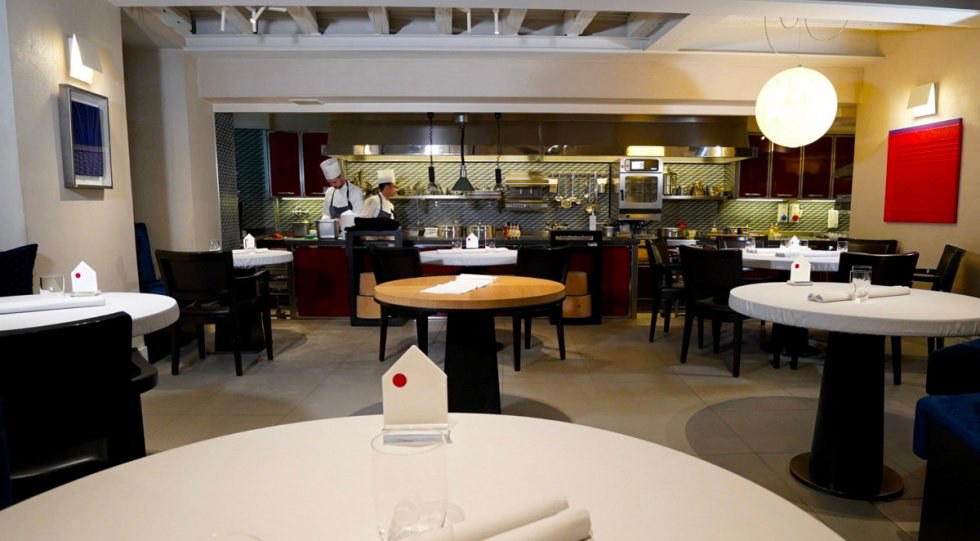
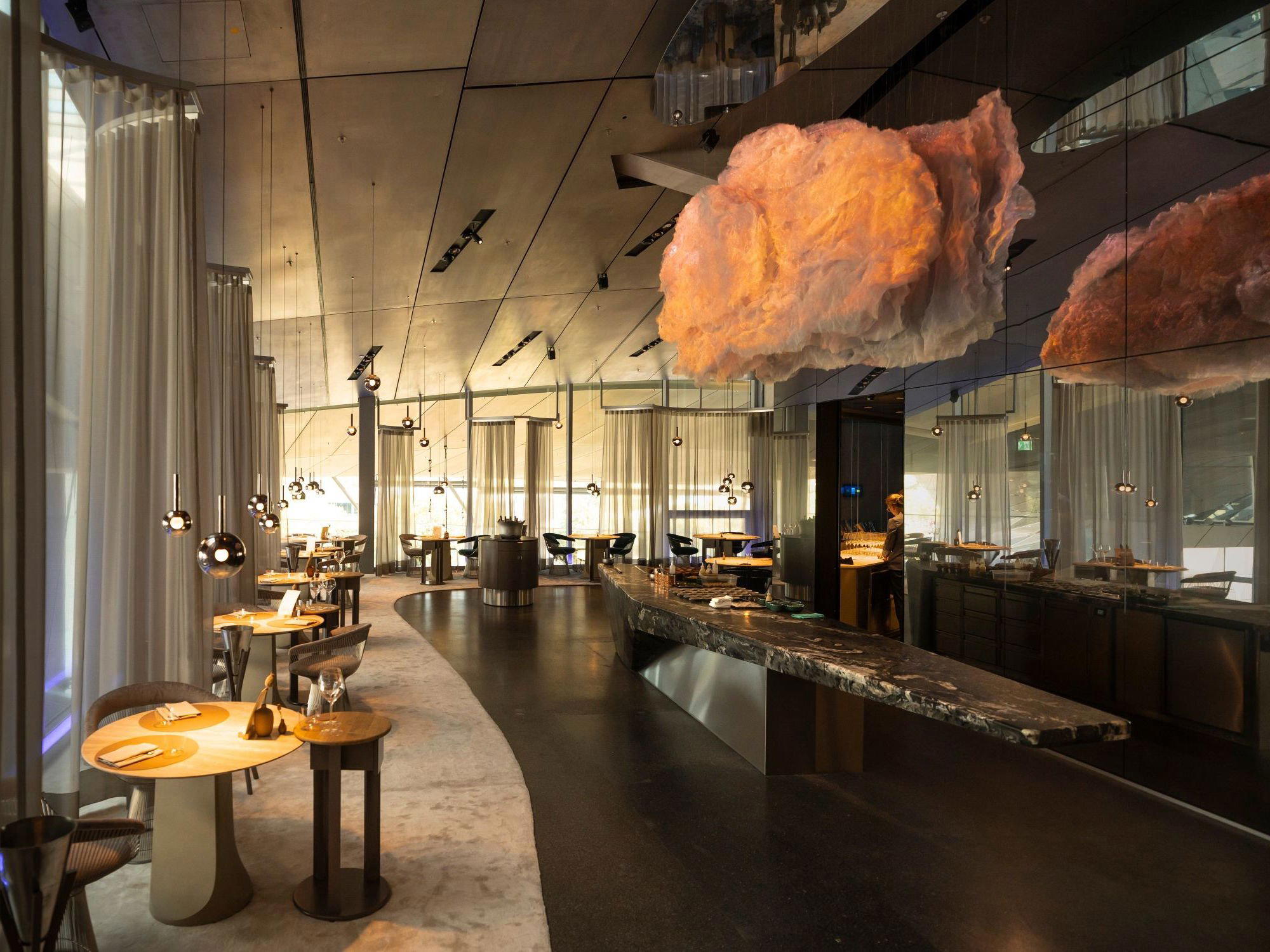
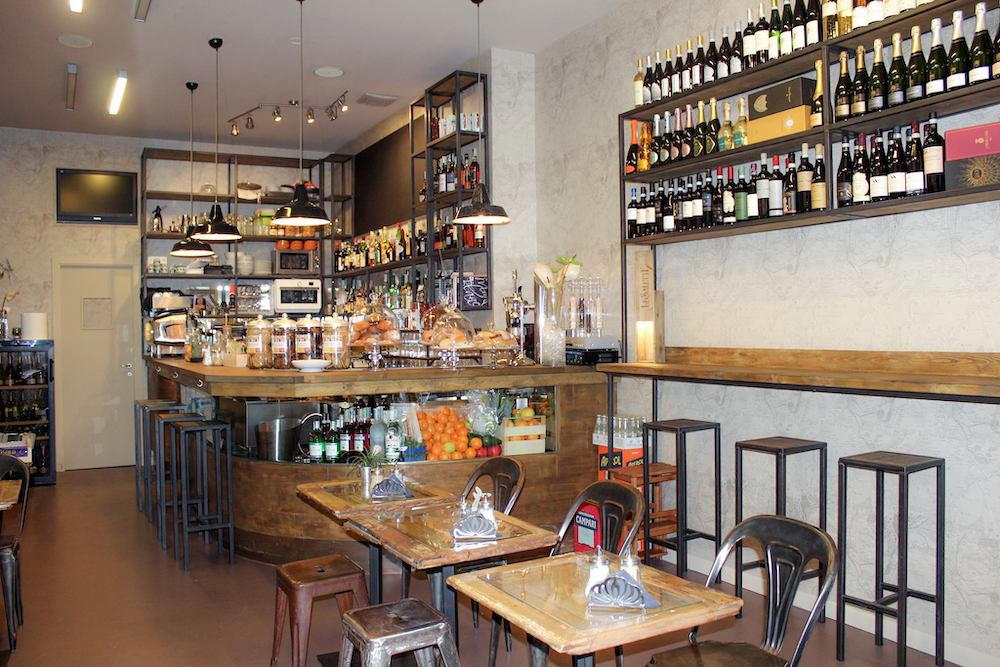
Bars in Verona
Browse all →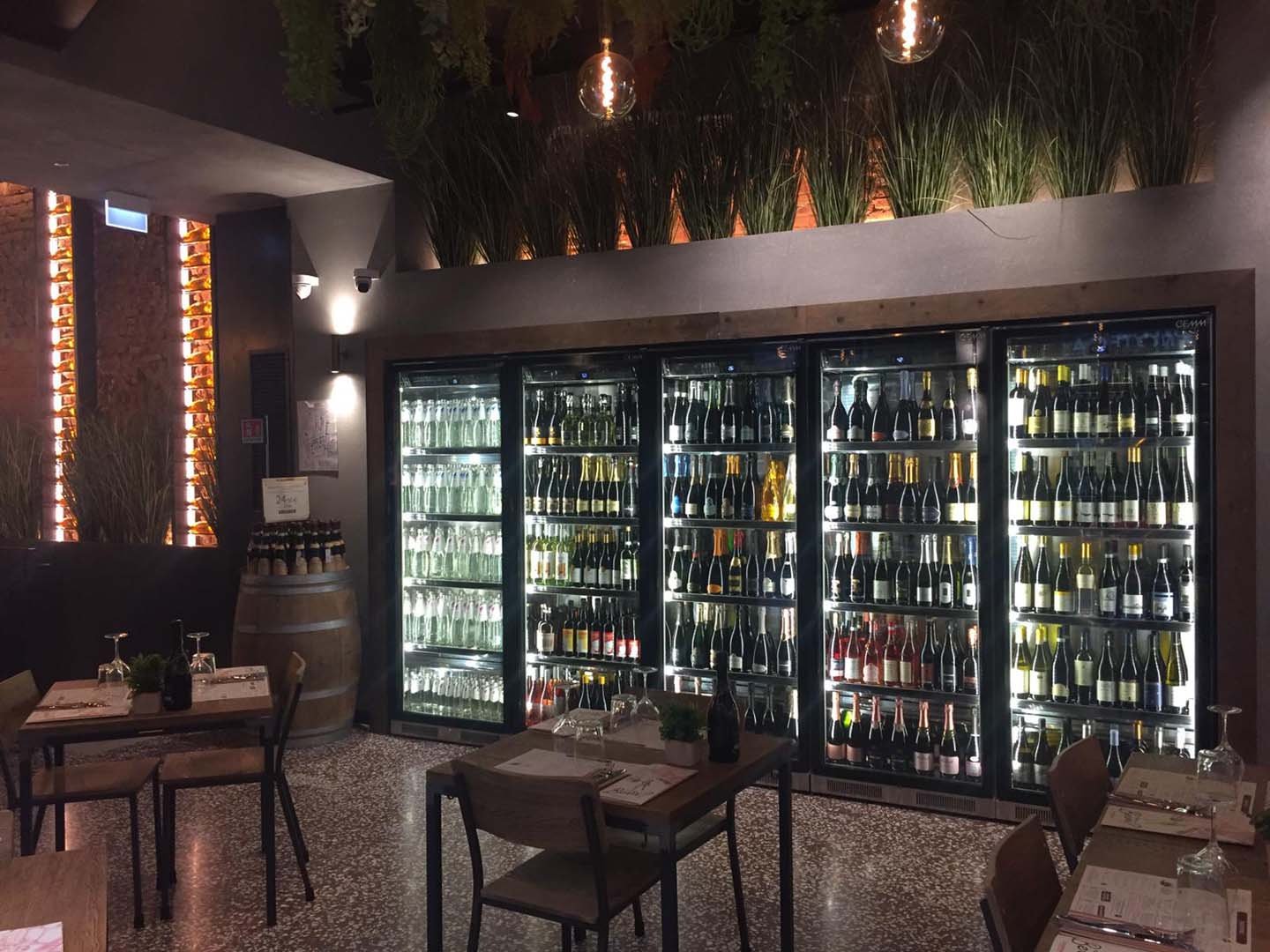
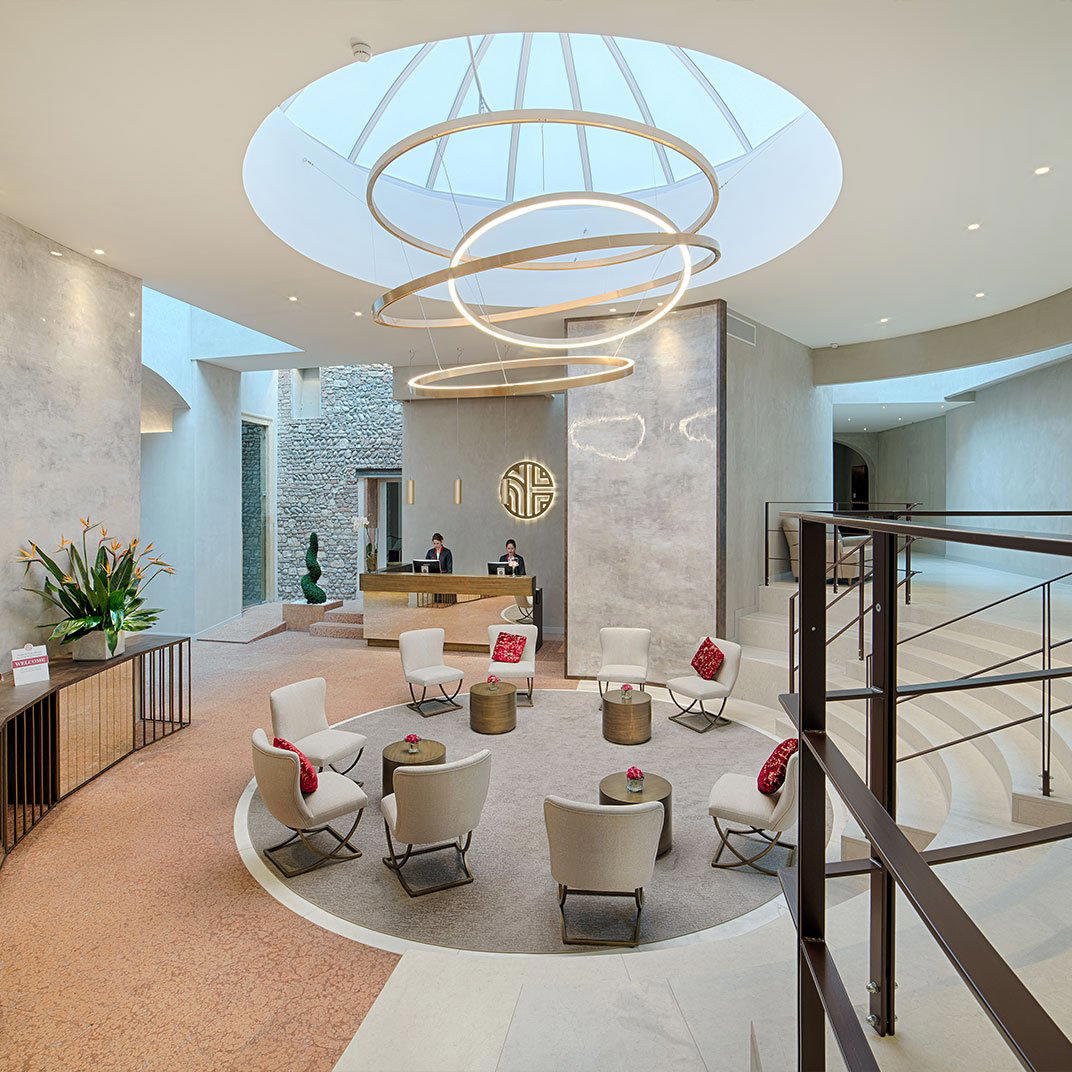
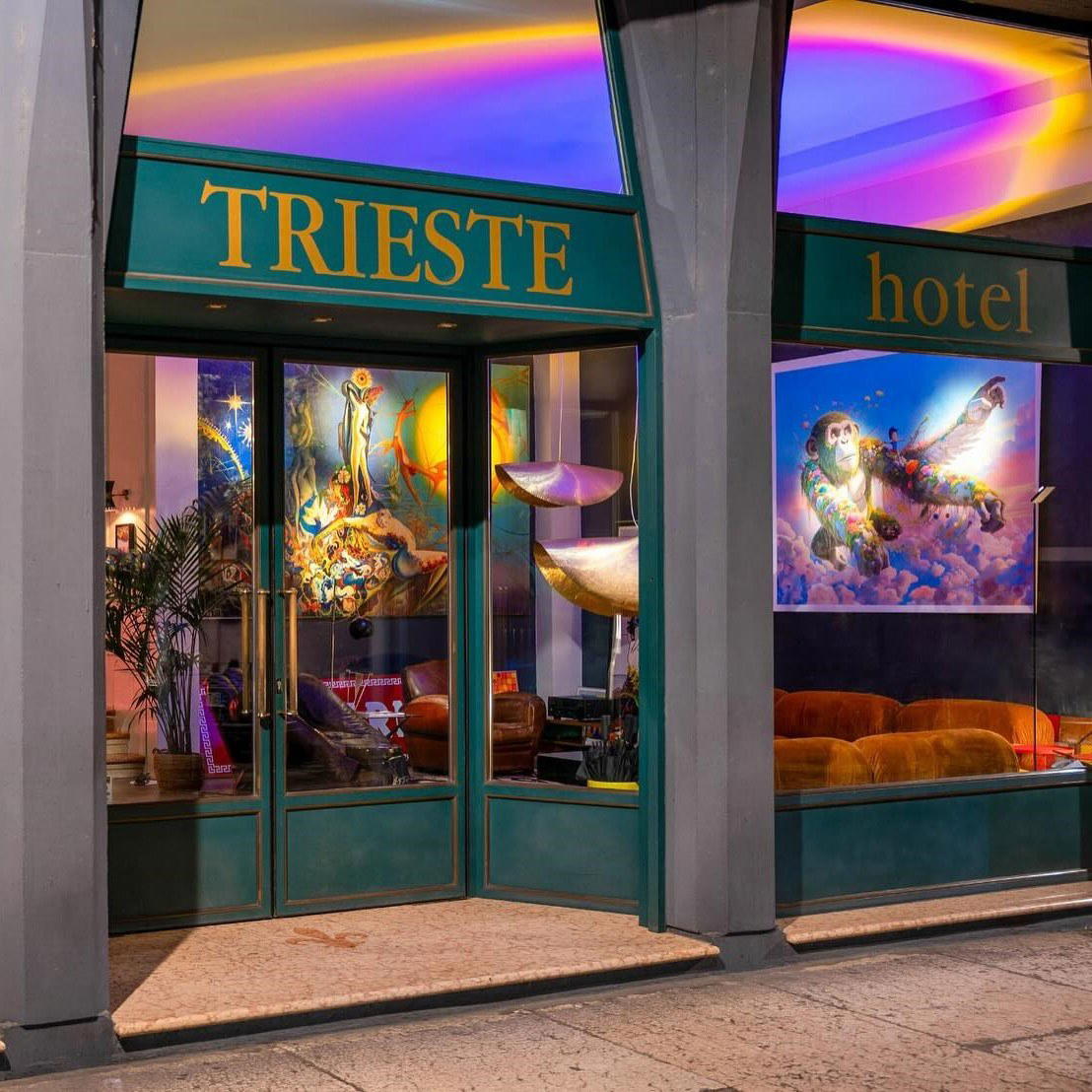
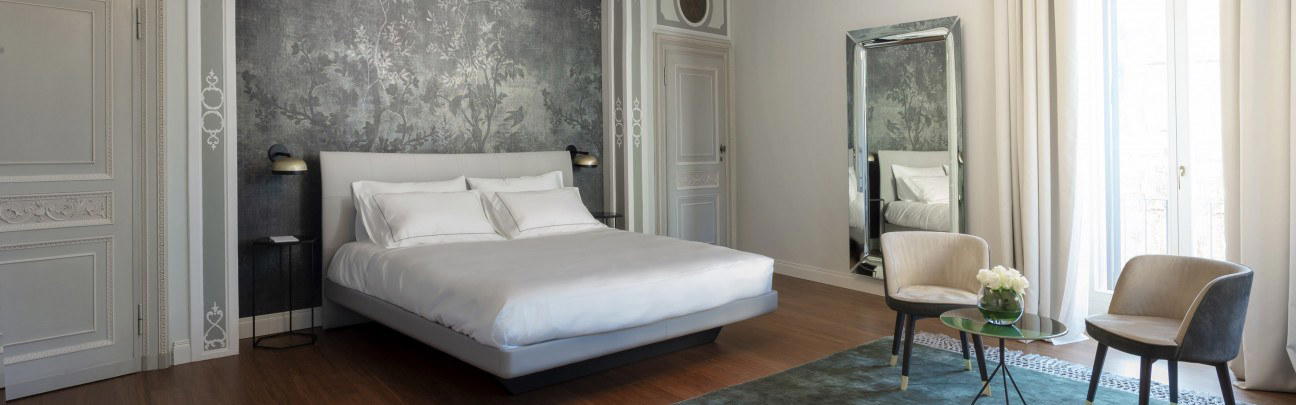
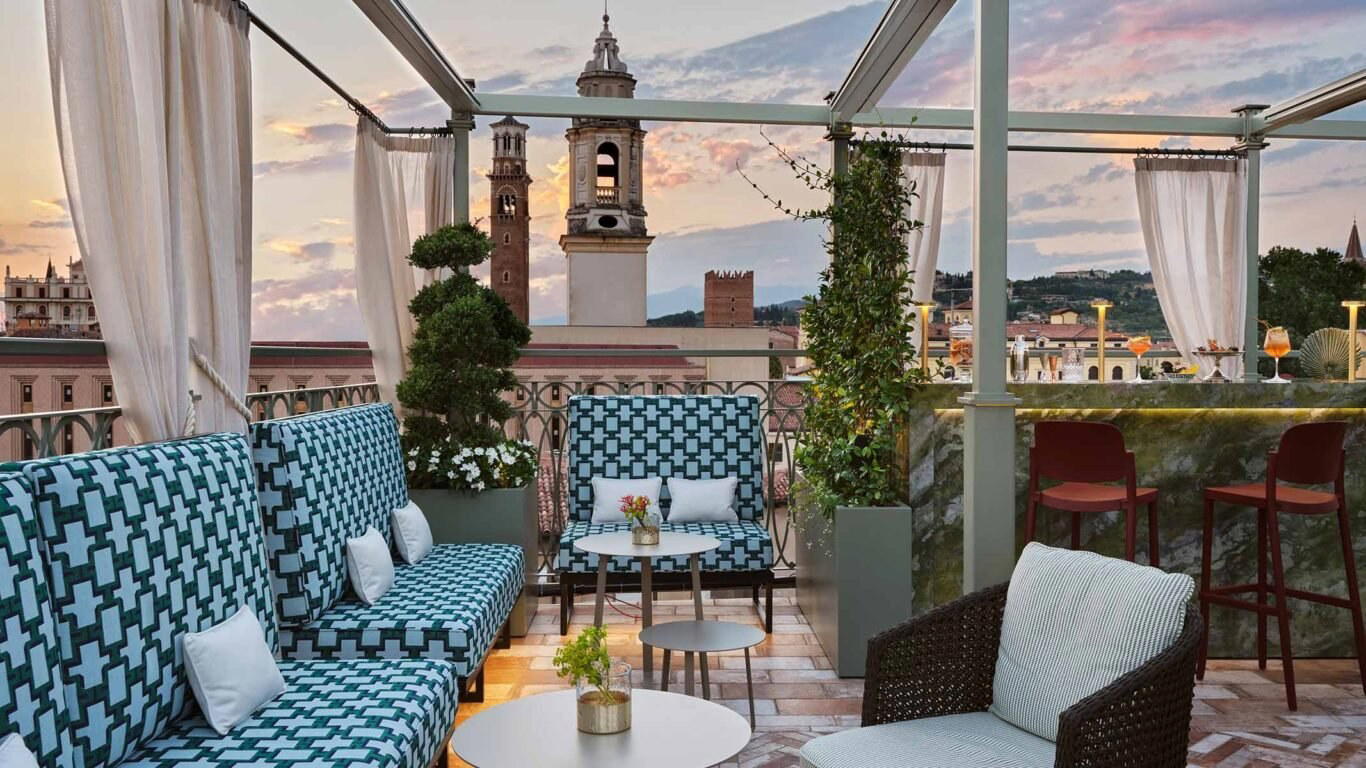
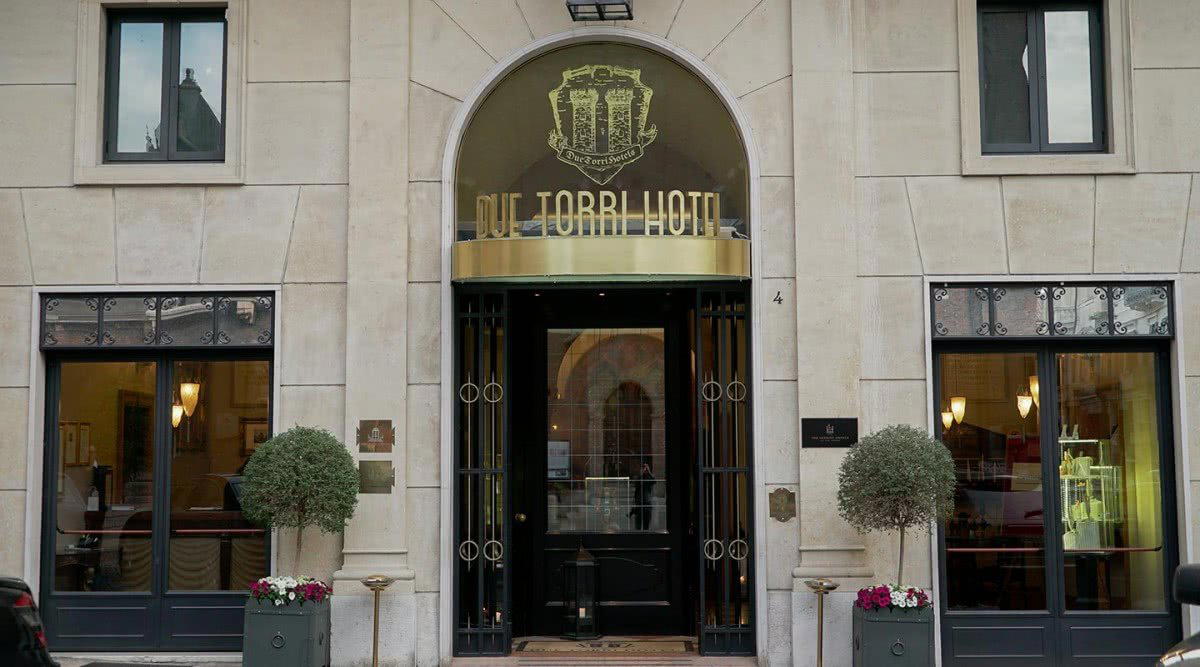
Hotels in Verona
Browse all →
At a Glance
- Elegant
- Romantic
- Classic
- Sophisticated
- Date Night
- Group Dining
- Family
- Celebration
- Special Occasion
- Standalone
- Historic Building
- Extensive Wine List
- Sommelier Led
- Local Sourcing
Current opening hours
- Monday
- 12–2:30 PM, 7–10:30 PM
- Tuesday
- 12–2:30 PM, 7–10:30 PM
- Wednesday
- 12–2:30 PM, 7–10:30 PM
- Thursday
- 12–2:30 PM, 7–10:30 PM
- Friday
- 12–2:30 PM, 7–10:30 PM
- Saturday
- 12–2:30 PM, 7–10:30 PM
- Sunday
- 12–2:30 PM, 7–10:30 PM
Hours can change for holidays and private events. Last verified .
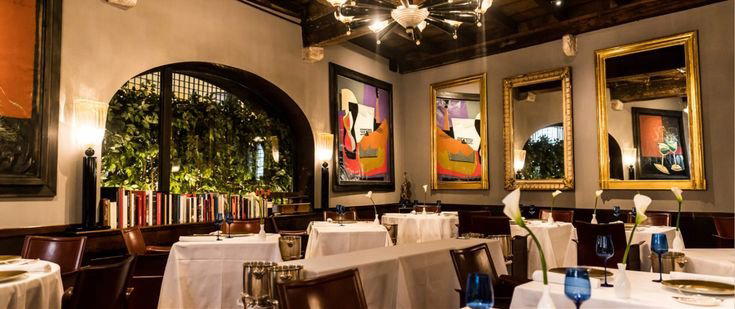
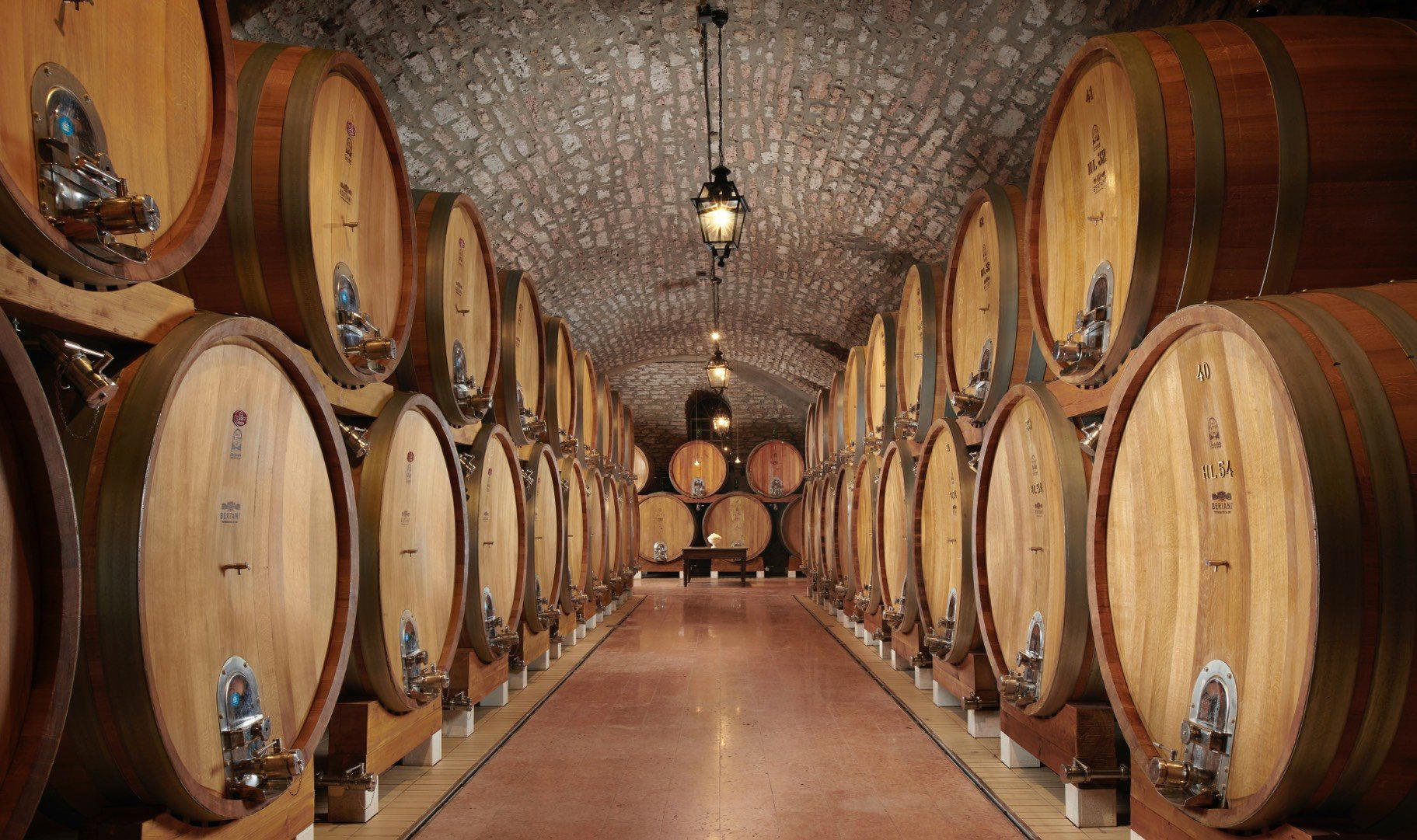
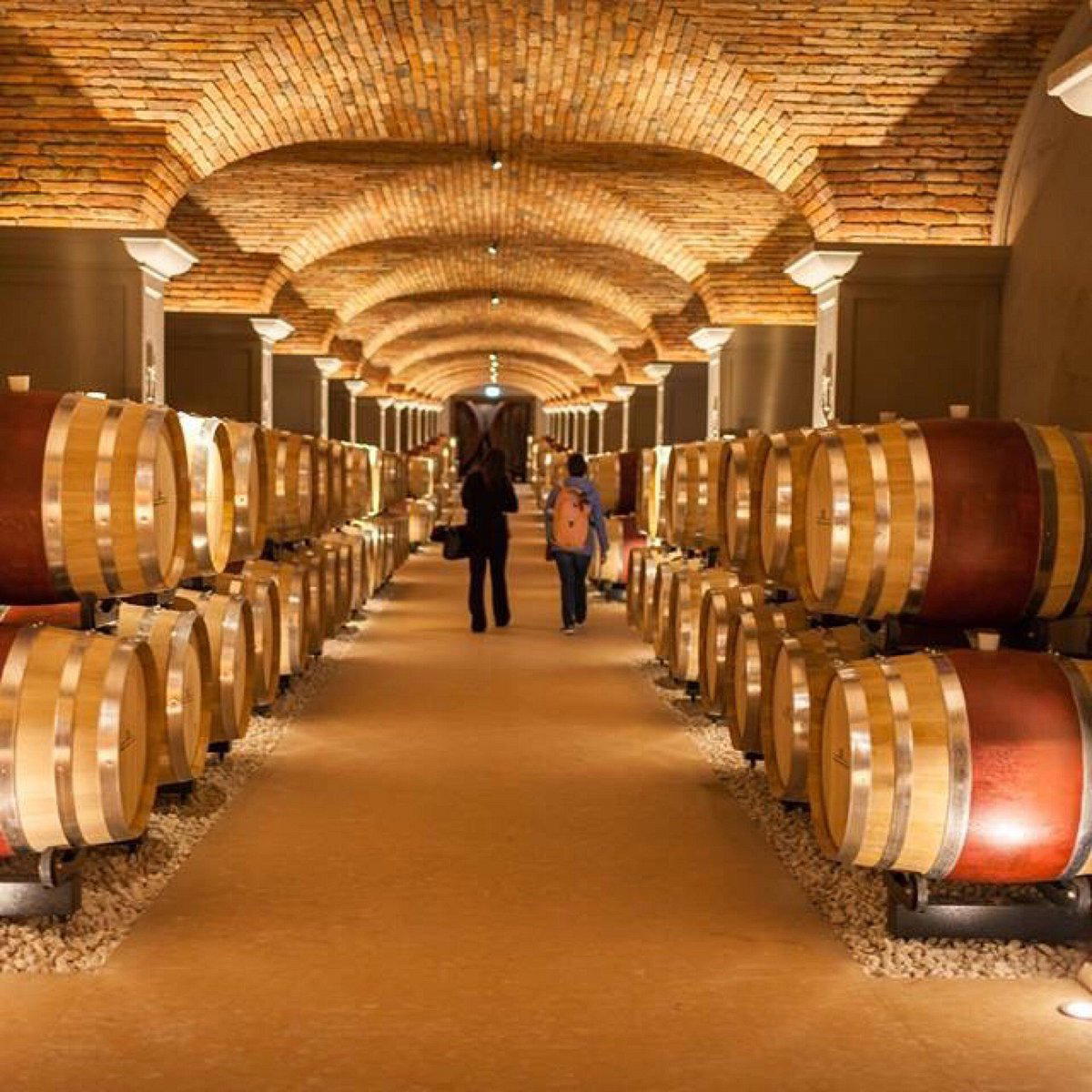
Warm, relaxing atmosphere with refined décor featuring Versace tableware and abundant decorative elements; some guests find it slightly kitsch or baroque with plastic flowers, but the overall effect is pleasant and inviting with warm colors and attentive service.