

Michelin Bib Gourmand · Tabelog 100 #87
Our verdict
A Michelin Bib Gourmand soba shop in Nishi-Azabu that channels the unhurried rhythms of Edo-era soba culture into a modern evening format. Weeknight prix fixe menus pair seasonal soba with sake and small appetisers, while the old-style snack tensui, tempura soba served without the soba, signals a kitchen with a real sense of culinary history.

Pearl is the En Primeur Club membership app, where members save venues, book tables and use the concierge.
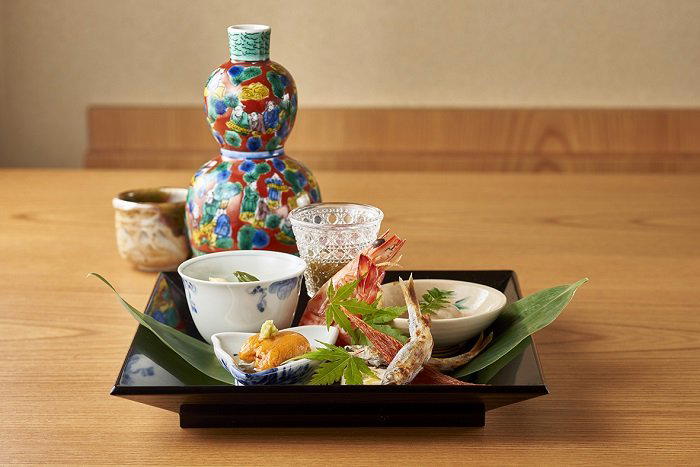
The Soba Shop as a Social Institution
The soba shop occupies a particular position in Tokyo's food culture that has no clean equivalent elsewhere. In the Edo period, these shops functioned as neighbourhood anchors, places where merchants, craftsmen, and residents gathered not just to eat, but to pause, drink, and talk. The format was never about speed alone. Sake came first, followed by small plates, and the soba arrived last, completing a rhythm that turned a simple meal into a structured social event. That sequence, and the relaxed authority it carries, is exactly what Osobano Kouga imports into its Nishi-Azabu setting.
The shop holds a Michelin Bib Gourmand (2024), the guide's designation for places offering cooking of notable quality at a price that doesn't require a corporate expense account. At the ¥ price tier, it sits at a considerable distance from the ¥¥¥¥ world of kaiseki counters and omakase rooms in the same neighbourhood orbit. That gap is part of the point. The Bib Gourmand recognition at this price level signals that the kitchen is doing something that demands attention on its own terms, independent of spectacle or ceremony.
What Edo Popular Culture Actually Means on a Plate
In Tokyo's soba conversation, the word Edo is used frequently and not always with precision. Applied carelessly, it becomes a vague gesture toward authenticity. At Osobano Kouga, it refers to something more specific: the culture of the commoner soba shop, where the food was seasonal, the snacks were unpretentious, and the relationship with the customer was warm rather than formal. This is distinct from the more austere buckwheat-focused tradition of soba specialists who treat the grain as a near-meditative subject.
The presence of tensui on the menu is the clearest marker of that lineage. Tensui is tempura soba with the soba removed, the tempura and its broth served as a standalone snack, an old-fashioned order that most modern soba shops have retired entirely. Its inclusion here is a deliberate citation of Edo soba culture, not a gimmick, and it tells you something about the kitchen's relationship with historical form. Shops like Akasaka Sunaba and Azabukawakamian approach the same tradition with their own emphases; Osobano Kouga's evening prix fixe format distinguishes it within that peer group.
The Ritual of the Evening Meal
The evening format at Osobano Kouga is worth understanding before you arrive. The prix fixe presentation is structured to encourage lingering: sake first, small appetisers of vegetable or fish depending on what the season and the day's market have produced, and then soba as the final course. This is the traditional soba shop sequence, but applied deliberately and without apology to a dinner setting. It asks something of the diner, namely, patience, and rewards it with a meal that has a clear arc.
This pacing stands in contrast to the way most Western dining cultures position pasta or noodles: as a main event, often shared or preceded by only a quick starter. In the Japanese soba shop tradition, the noodle is a conclusion, a kind of reset after flavour. Arriving with that expectation recalibrates how the meal reads. The sake is not a preamble to be rushed through; it is part of the meal's formal structure.
Comparable evening soba experiences in Tokyo include Edosoba Hosokawa and Hamacho Kaneko, both of which treat the noodle with similar seriousness. What distinguishes the Osobano Kouga format is its explicit framing around Edo popular culture and the inclusion of historically rooted snacks like tensui, which positions it closer to a living archive of the form than a contemporary reinterpretation.
Nishi-Azabu as Context
The Nishi-Azabu address matters. The area around the Nishi-Azabu Intersection is one of Tokyo's more quietly expensive pockets: gallery spaces, low-key omakase counters, wine bars that don't announce themselves from the street. A single-cuisine soba shop at the ¥ price point in this neighbourhood creates a deliberate contrast with its surroundings. The high-end kaiseki tradition of nearby establishments, the kind of ¥¥¥¥ precision cooking represented elsewhere in Tokyo by Hamadaya, is not Osobano Kouga's reference point. Its reference points are older and more democratic.
That positioning is what gives the Bib Gourmand recognition additional weight here. In a neighbourhood where expense is frequently mistaken for quality, a Michelin designation at the ¥ tier is a specific kind of editorial statement about where genuine cooking is actually happening.
Soba Across Japan: Where Osobano Kouga Sits
Tokyo's soba tradition is geographically specific. Buckwheat noodle culture developed in the Kanto region partly because the climate suited buckwheat cultivation and partly because the dense urban population of Edo created demand for fast, cheap, nourishing food. Outside of Tokyo, the soba conversation shifts significantly. In Kyoto, Chikuyuan Taro no Atsumori operates in a kaiseki-adjacent register that reflects the city's different relationship with grain and presentation. In Osaka, Ayamedo approaches the category from its own regional angle.
For the wider Japan dining picture, EP Club's guides cover restaurants across the country: HAJIME in Osaka, Gion Sasaki in Kyoto, akordu in Nara, Goh in Fukuoka, 1000 in Yokohama, and 6 in Okinawa. Each operates in a distinct regional tradition; the contrast with Osobano Kouga's deliberately populist Edo framing is instructive.
Know Before You Go
- Address: 2 Chome-14-5 Nishiazabu, Minato City, Tokyo 106-0031, Japan
- Price range: ¥ (accessible; Michelin Bib Gourmand pricing)
- Awards: Michelin Bib Gourmand 2024
- Evening format: Prix fixe; sake, appetisers, and soba in sequence, plan to linger
- Nearest landmark: Nishi-Azabu Intersection, Minato City
- Booking: Contact details not publicly listed; check directly via search or local concierge
Frequently asked questions
Is Osobano Kouga suitable for children?
Tokyo's traditional soba shops are generally inclusive environments, the Edo popular culture model was never exclusionary by design. At the ¥ price tier, the financial barrier is low, and soba as a cuisine is approachable for most palates. That said, the evening prix fixe format, built around sake pairings and a slow, structured pace, is oriented toward adult diners who want to take their time. Families with younger children may find the pacing and the sake-forward structure less suitable for an early dinner than the format suggests.
What should I expect atmosphere-wise at Osobano Kouga?
The atmosphere is deliberately rooted in the Edo soba shop tradition: warm rather than formal, unhurried rather than efficient, neighbourhood-facing rather than destination-driven. For a Nishi-Azabu address, where the surrounding venues often operate in a more guarded register, this is a notable tonal shift. The evening prix fixe format sets a specific pace, this is not a counter where you sit, eat, and leave quickly. Arrive with time to spare and the expectation of a full, structured evening.
What should I order at Osobano Kouga?
The Michelin Bib Gourmand recognition (2024) covers the kitchen's output broadly, but the detail most worth noting is the tensui: tempura soba served without the soba, a historically specific Edo-era snack that most contemporary soba shops have quietly dropped. It is the order that most clearly signals the kitchen's relationship with its own tradition. Beyond that, the seasonal soba and daily appetisers of vegetable or fish reflect what the market offers at a given time, which means the menu shifts. The prix fixe structure takes the decision largely out of your hands in the evenings, which is consistent with how the format is designed to work.
For more on Tokyo's dining scene at every price tier, see our full Tokyo restaurants guide. EP Club also covers hotels, bars, wineries, and experiences across the city.
Awards and Standing
| Venue | Cuisine | Price | Awards | Notes |
|---|---|---|---|---|
| Osobano KougaThis venue (the venue you are viewing) | Authentic Handmade Soba | $50–100 | Michelin Bib Gourmand · Tabelog 100 #87 | Not listed |
| Harutaka | Edo-Style Omakase Sushi | $200–300 | 3 Michelin Stars · World's 50 Best #76 | Sushi |
| RyuGin | Modern Kaiseki | $500+ | 3 Michelin Stars · World's 50 Best #41 | Kaiseki, Japanese |
| L'Effervescence | Modern French with Japanese Influences | $200–300 | 3 Michelin Stars · World's 50 Best #69 | French |
| HOMMAGE | Modern French with Japanese Influences | $150–200 | 2 Michelin Stars · World's 50 Best #78 | Innovtive French, French |
| MAZ | Innovative Peruvian-Japanese Fusion | $150–200 | 2 Michelin Stars · World's 50 Best #28 | Innovative |
Recognition history
Dated appearances from independent guides and award organizations, with the underlying list record or original source where available.
Michelin Bib Gourmand
Michelin
Tabelog 100 #87 · No. 87
Tabelog · Tabelog 100 - Soba - EAST - 2025
Full recognition history (3 entries)
Michelin Bib Gourmand
Michelin
Continue exploring
More in Tokyo
Restaurants in Tokyo
All restaurants in Tokyo →









Details
- Minimalist
- Intimate
- Elegant
- Cozy
- Date Night
- Solo
- Special Occasion
- Open Kitchen
- Sake Program
- Local Sourcing
- A La Carte
- Counter Dining
- Sake
Current opening hours
- Monday
- 11:30 AM–2:30 PM, 5:15–7:45 PM
- Tuesday
- Closed
- Wednesday
- Closed
- Thursday
- 11:30 AM–2:30 PM, 5:15–7:45 PM
- Friday
- 11:30 AM–2:30 PM, 5:15–7:45 PM
- Saturday
- 11:30 AM–2:30 PM, 5:15–7:45 PM
- Sunday
- 11:30 AM–2:30 PM, 5:15–7:45 PM
Hours can change for holidays and private events. Hours as of .
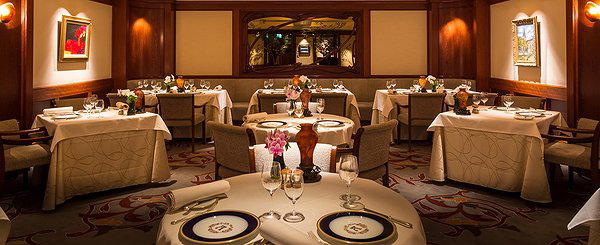
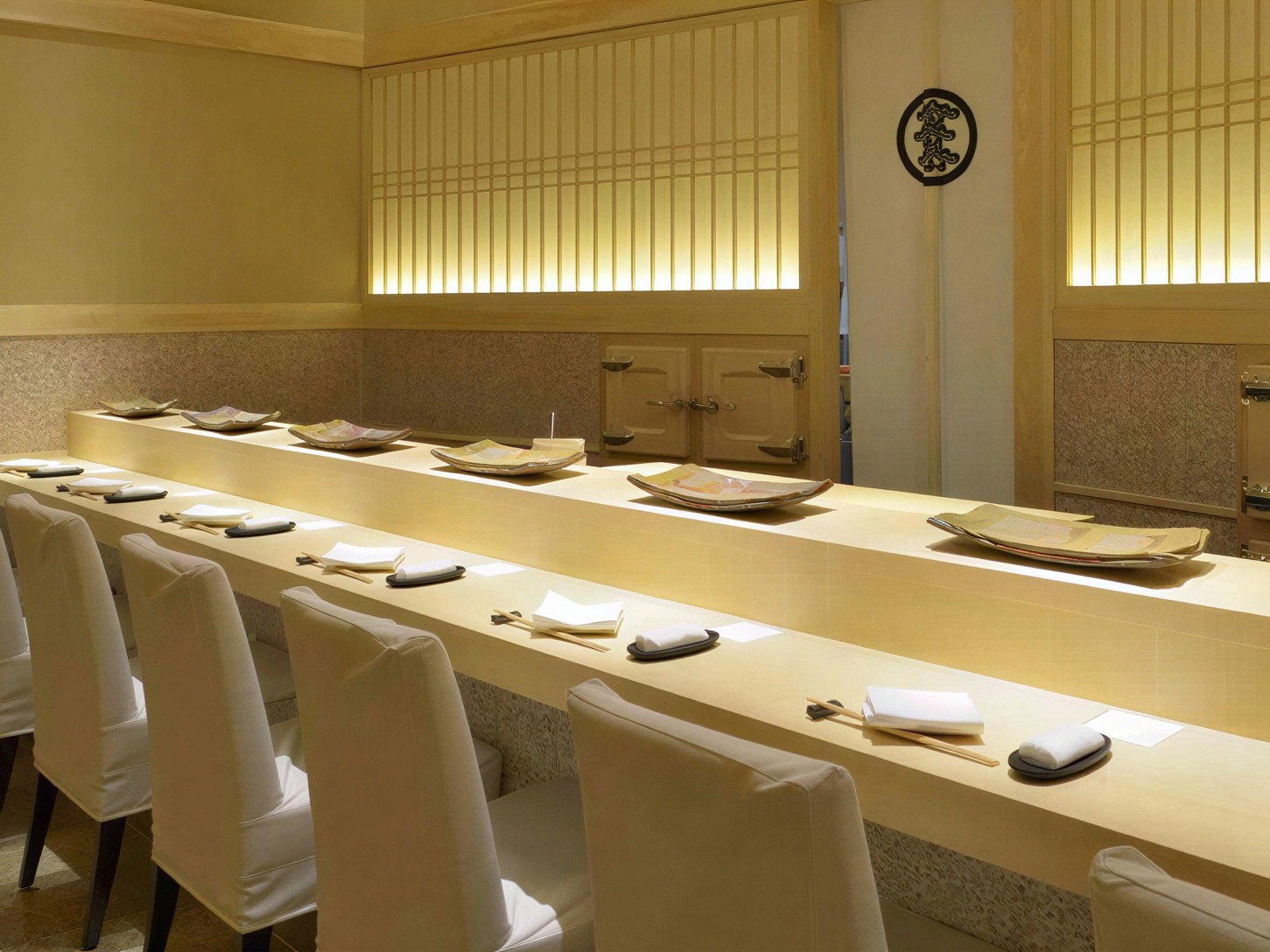
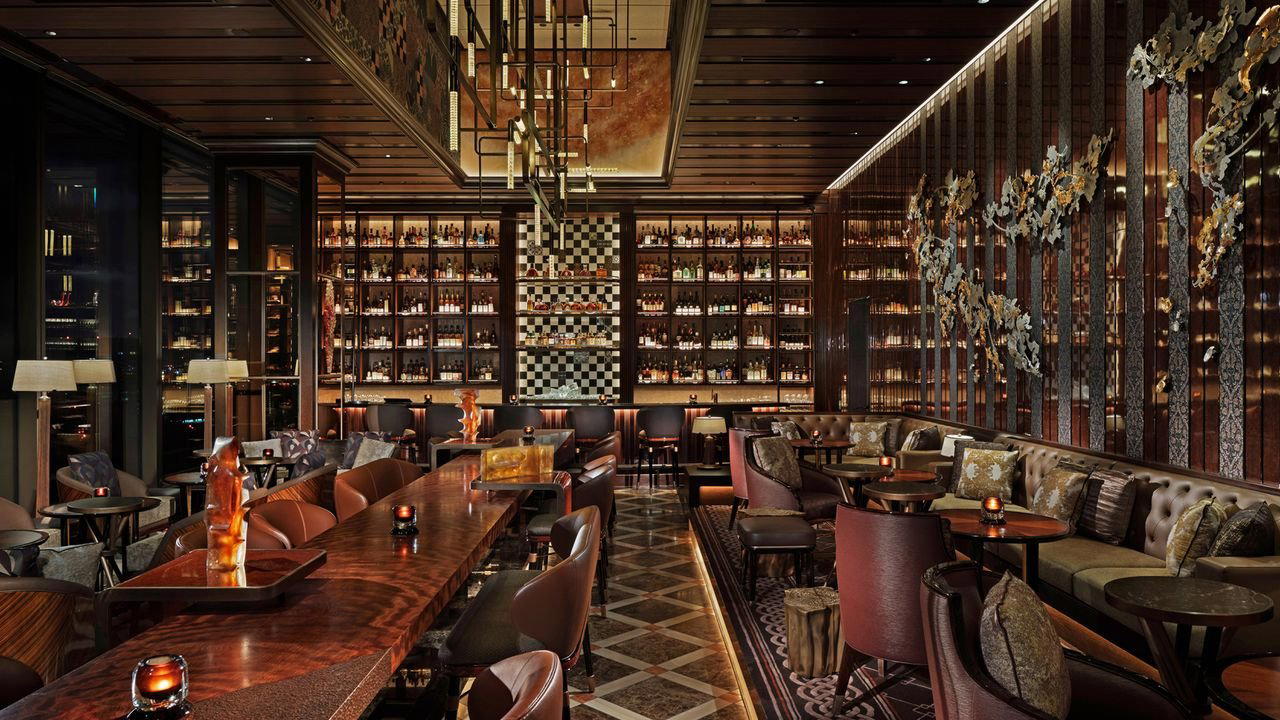
Warm wood, soft lighting, and uncluttered lines create a tranquil, intimate atmosphere.