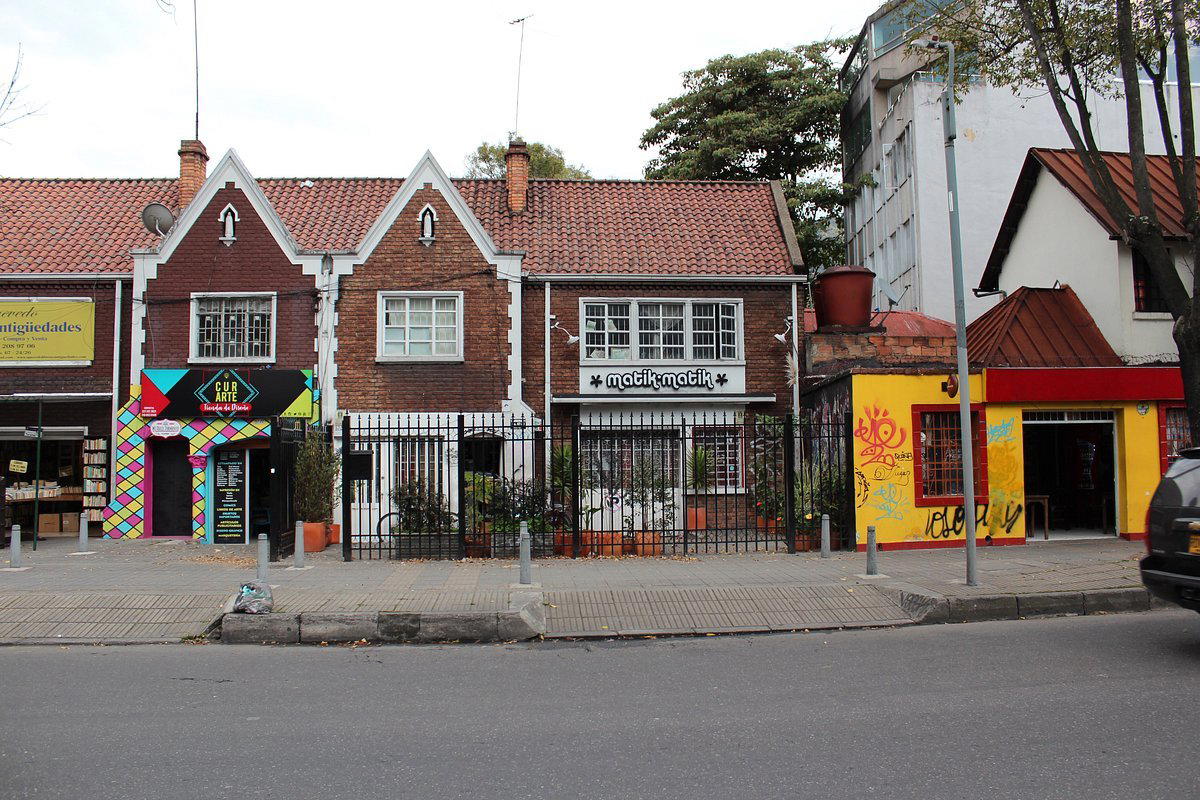
Restaurante Armadillo occupies a corner of Chapinero Alto, one of Bogotá's most culinarily active neighbourhoods, where the city's modern dining conversation plays out across a dense cluster of serious kitchens. The address on Cra. 5 places it within walking distance of several of the capital's reference-point restaurants, making it a logical anchor for a considered evening in the zona rosa corridor.
Pearl is the En Primeur Club membership app — saves, bookings, and concierge access live there. Same editors, same standards.
- Address
- Cra. 5 #71A-05, Chapinero, Bogotá, Cundinamarca, Colombia
- Phone
- +573152539963
- Website
- restaurantesmonserrate.com
- Directions
- Get directions
 Saves & bookings on Pearl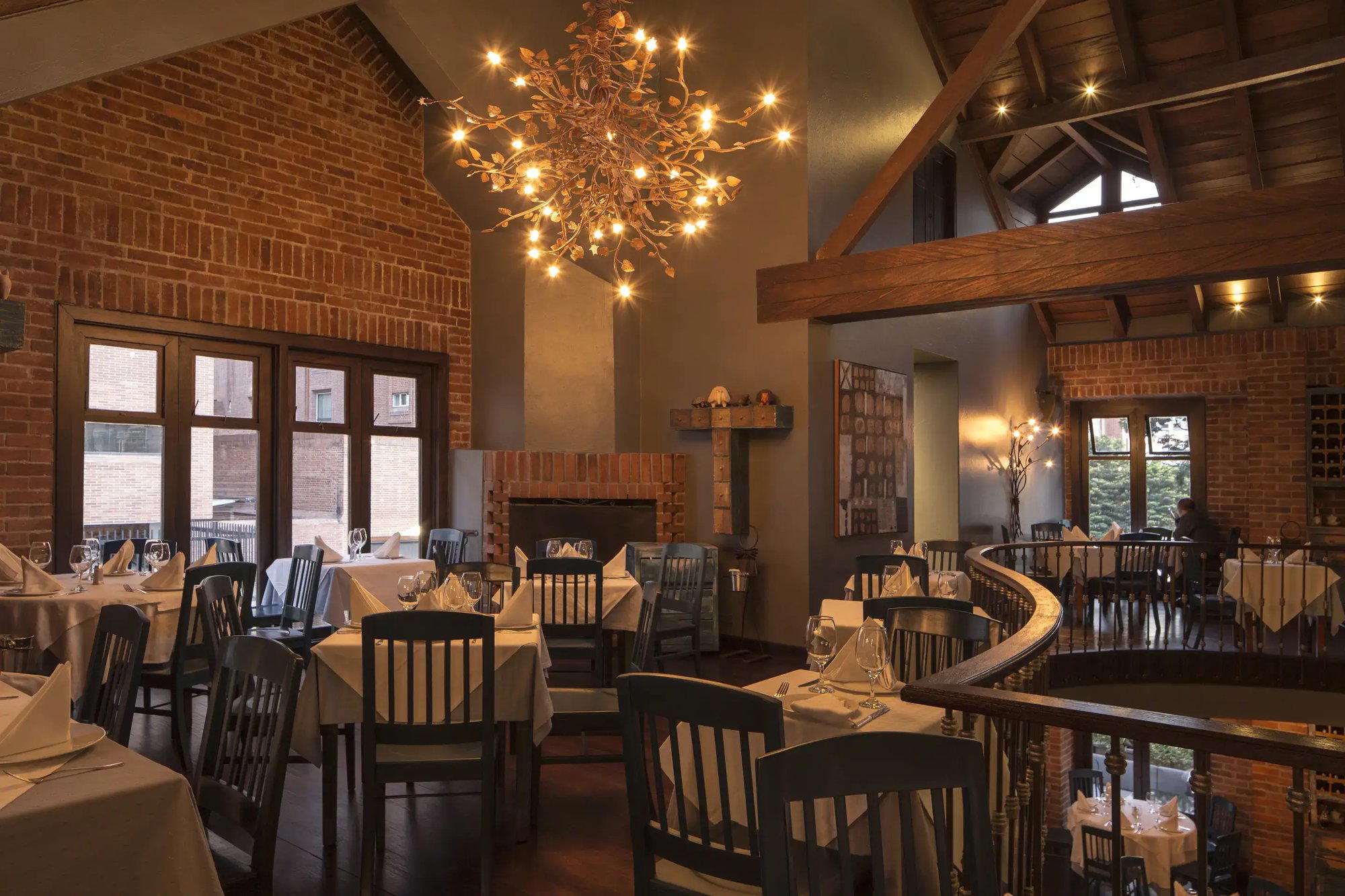
Chapinero Alto and the Neighbourhood It Belongs To
Bogotá's dining geography has consolidated around a handful of corridors, and Chapinero Alto is the one that draws serious attention. The stretch along and around Cra. 5 has become a testing ground for what Colombian cooking looks like when chefs work with both technical precision and local ingredient depth. Restaurante Armadillo sits inside that conversation, at Cra. 5 #71A-05, in a part of the city where the competition is close enough that quality is self-enforcing. Neighbours in the immediate radius include operations that have drawn international press, which means an address here carries implicit expectation.
The neighbourhood itself rewards the kind of itinerary that treats dining as the primary event rather than an interlude. Chapinero Alto is walkable between venues in a way that few Bogotá zones are, and the concentration of kitchens gives a visitor genuine choice at different price registers and format types. Armadillo's position on this block places it alongside, and in direct comparison with, operations like El Chato (Modern Colombian) and Leo (Modern Colombian), both of which have built durable reputations around Colombian ingredient sovereignty. That address defines the tier Armadillo operates within, even before a single dish arrives.
The Wine Angle: What a Cellar Signals in This Market
In Bogotá's current restaurant moment, wine program depth has become one of the clearer differentiators between casual neighbourhood spots and serious dining destinations. Colombia imports all of its wine, which means every bottle on a Bogotá list has absorbed freight costs, import duties, and the logistical complexity of altitude storage. A kitchen that invests in a thoughtful cellar is making a statement about its intended customer and its understanding of the full meal. At the tier Armadillo occupies in Chapinero Alto, the expectation is that the wine list reflects the food direction and shows evidence of deliberate choices.
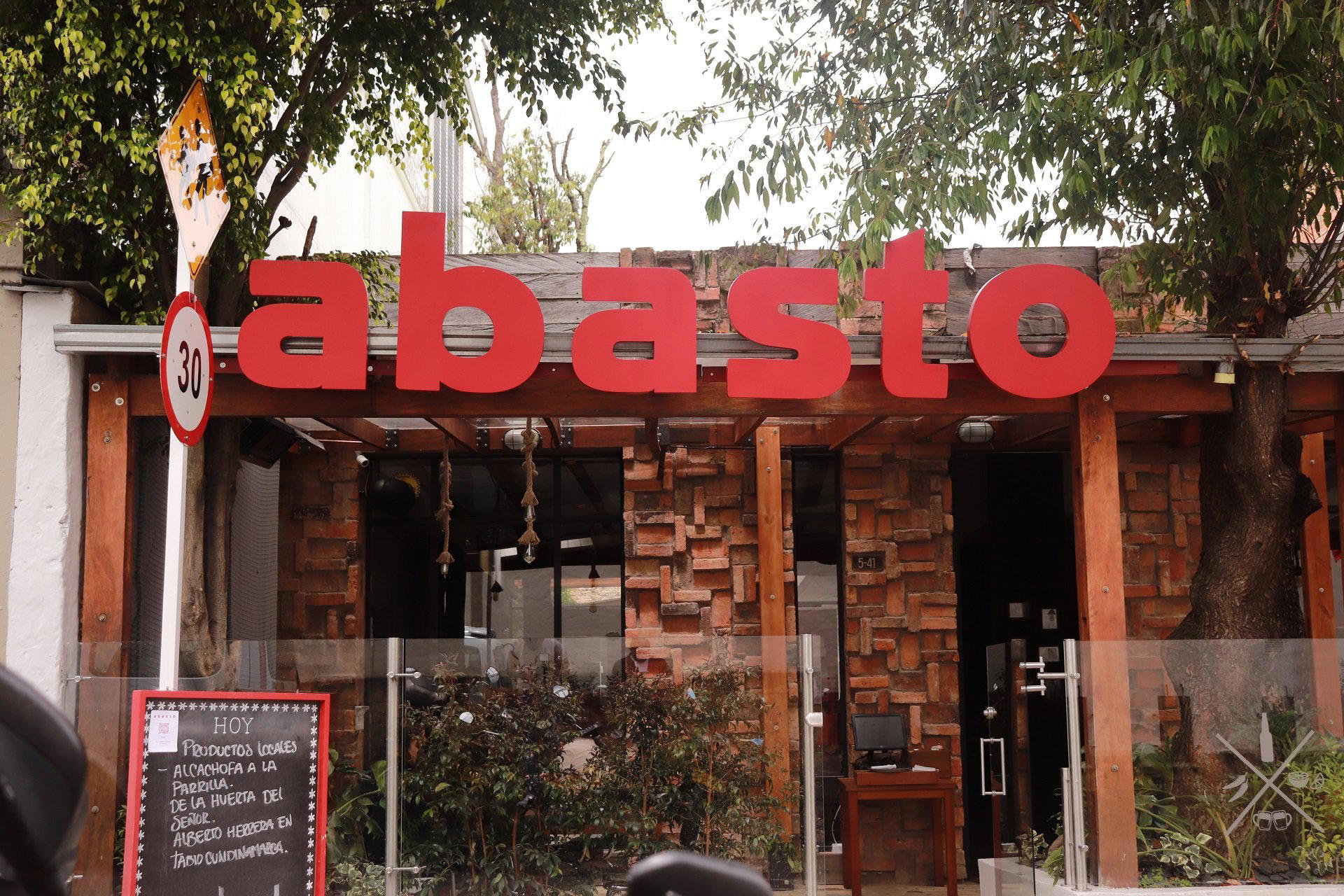
Across Bogotá's better kitchens, sommelier culture has matured considerably over the past decade. Restaurants at the level of Afluente and Abasto Quinta Camacho have demonstrated that Colombian diners are willing to follow a strong recommendation into less familiar territory, whether that means a natural wine from a small Mendoza producer or an old-vine Chenin Blanc from South Africa. That shift in diner trust has encouraged kitchens to take more risk with their lists, and restaurants that have kept pace with that shift read as more sophisticated than those still anchored to recognisable label safety. How a restaurant's wine program sits within that continuum tells you a great deal about where the kitchen sees itself.
For visitors approaching Armadillo from a wine-first orientation, the practical advice that applies here is simple: arrive with a question rather than a preference. Ask the person running the floor what they are drinking at the moment, or what pairs with whatever the kitchen is producing at this point in the season. That kind of engagement consistently yields better results in Colombian restaurants than pointing at a familiar appellation.
Where Armadillo Fits in the Bogotá Modern Colombian Field
The modern Colombian cooking movement that has given Bogotá international credibility over the past fifteen years is now mature enough to have internal distinctions. There is a difference between restaurants that use Colombian ingredients as a talking point and those that have built genuine sourcing infrastructure around regional producers, indigenous varieties, and altitude-specific cultivation. The latter group produces food that cannot be replicated in another city because the supply chain itself is a form of creative constraint. Chapinero Alto, as a corridor, skews toward this more committed approach.
Among the comparison set, Debora Restaurante has built a reputation around a particular kind of refined intimacy, while El Chato operates at a format scale that allows for more experimental iteration. Armadillo's positioning on Cra. 5 suggests an operation calibrated for the same informed diner who moves between these addresses and brings considered expectations to each one. That diner is also likely to have eaten well in other Colombian cities.
For context outside Colombia, Bogotá's better restaurants follow a path Lima traced a decade earlier, when a cluster of technically serious kitchens began attracting international visitors specifically for the food. The reference points diners use to calibrate that kind of scene, operations like Le Bernardin in New York City or Atomix in New York City, help frame what technical precision at the highest level looks like, which in turn sharpens the evaluation of what Bogotá's most serious kitchens are doing.
Planning a Visit: Practical Considerations
Chapinero Alto functions leading as an evening destination rather than a lunch zone, with the neighbourhood's better restaurants tend to be busiest on weekend evenings. Booking ahead for Armadillo is advisable, particularly on Thursday through Saturday. The address on Cra. 5 is accessible by taxi and ride services from anywhere in the city.
Certain holiday periods can tighten availability across the area. Planning around those windows, or booking well in advance if traveling during them, applies across the Chapinero Alto tier. Visitors who are building a broader Colombia itinerary that extends to the coast might also consider how Bogotá's more formal restaurant register contrasts with what is available at venues like Andrés Carne de Res in Chia or coastal spots in Cartagena such as LA BRIOCHE Bocagrande.
Chapinero Alto is one of several zones covered, alongside the Macarena neighbourhood and the broader Usaquén strip, which allows for comparison across the city's distinct dining characters.
At-a-Glance Comparison
Comparable venues nearby, for context on price, style, and recognition.
| Venue | Cuisine | Price | Notes |
|---|---|---|---|
| Restaurante ArmadilloThis venue — the venue you are viewing | Californian-Colombian Fusion | $$$$ | Not listed |
| Deraíz | Vegan Colombian Fusion | $$$ | Granada |
| Mesa Franca | Modern Colombian Bistronomy | $$$ | Chapinero Norte |
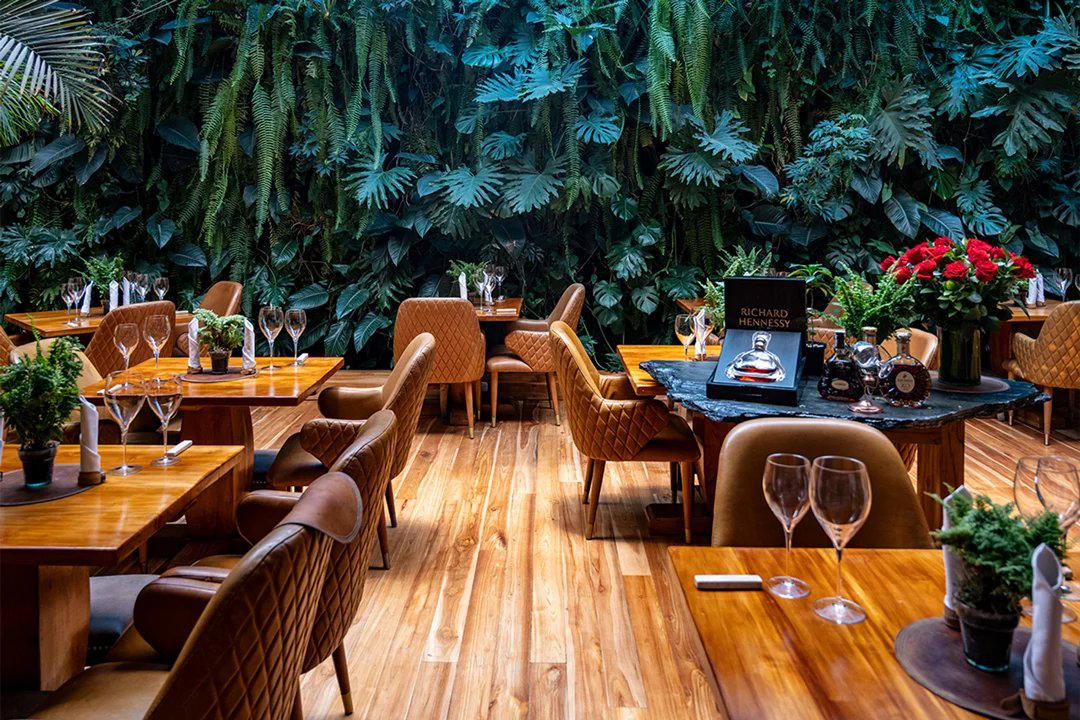
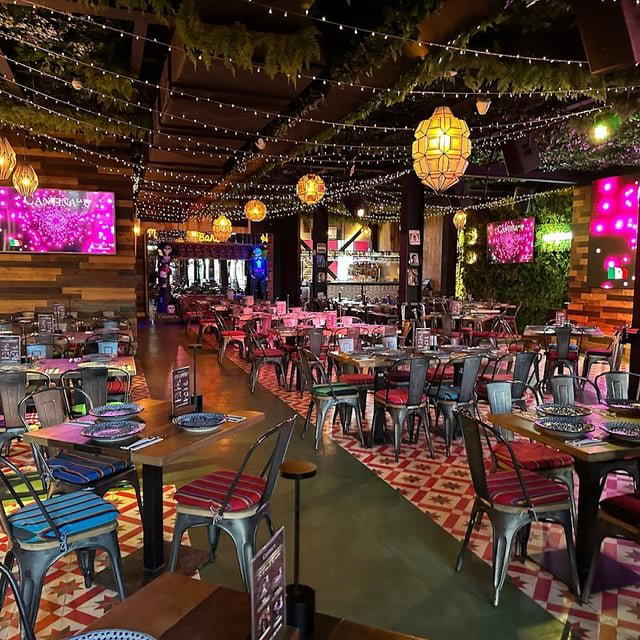
| Cantina La 15 Bogotá | Modern Mexican Cantina | $$$ | La Cabrera |
| Prudencia | Modern Colombian Fine Dining | $$$ | La Concordia |
| Piazza by Storia D'Amore Calle 93 Bogotá | Authentic Italian Fine Dining | $$$$ | Chico Norte |
At a Glance
- Cozy
- Sophisticated
- Business Dinner
- Special Occasion
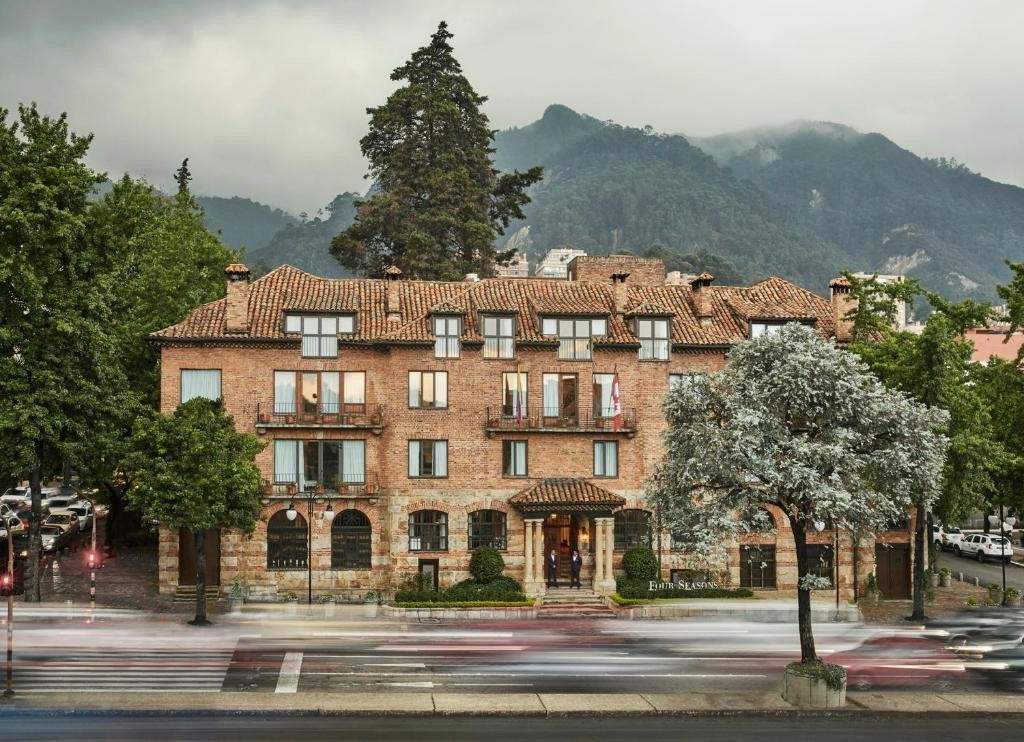
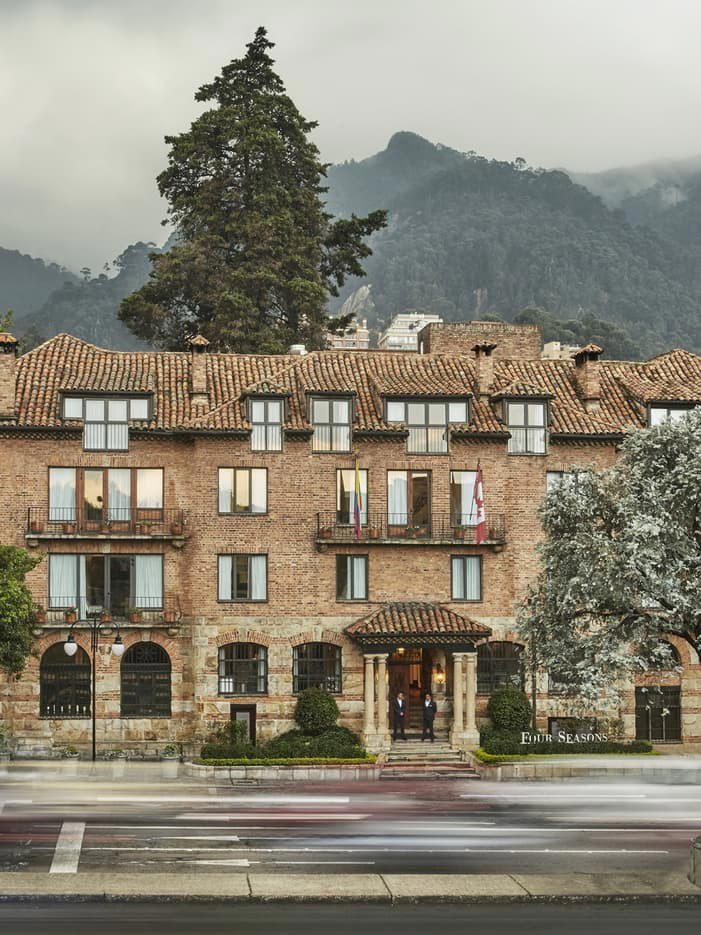
- Historic Building
- Local Sourcing
Current opening hours
- Monday
- 12–10 PM
- Tuesday
- 12–10 PM
- Wednesday
- 12–10 PM
- Thursday
- 12–10 PM
- Friday
- 12–10 PM
- Saturday
- 12–10 PM
- Sunday
- Closed
Hours can change for holidays and private events. Last verified .
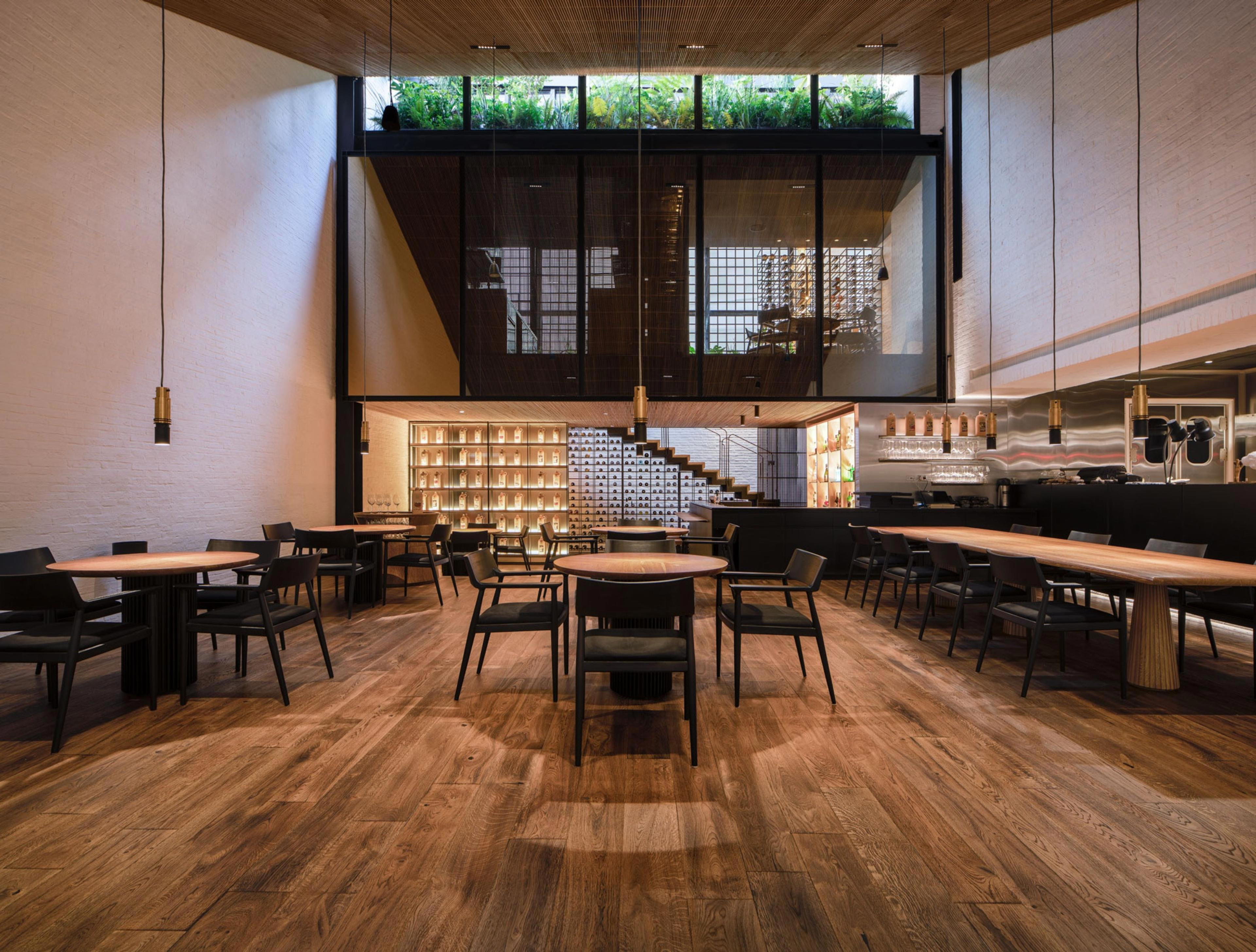
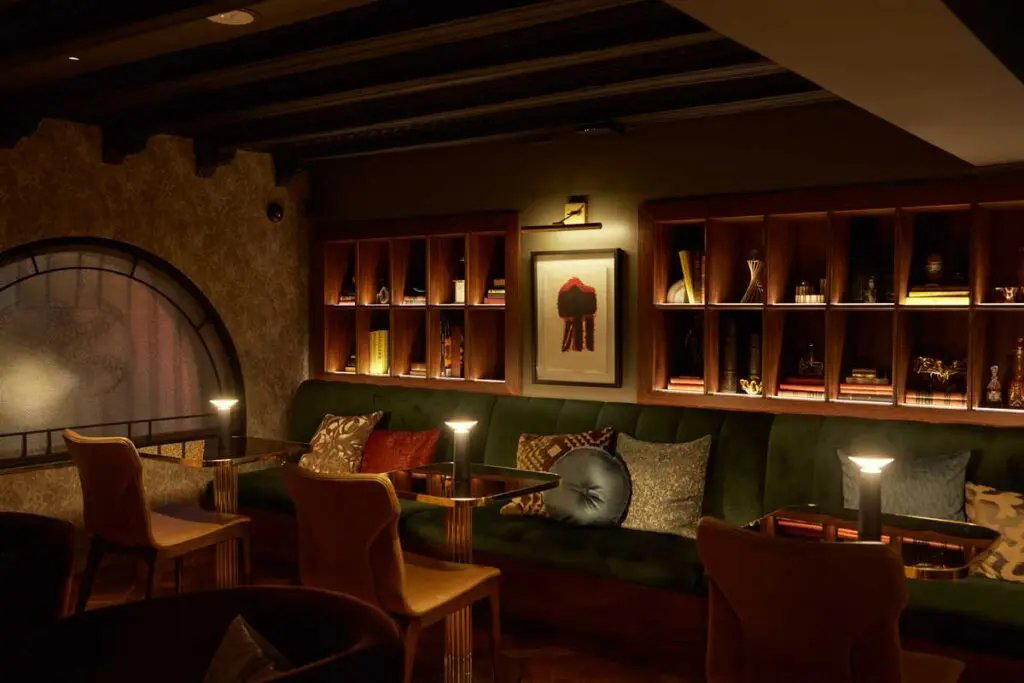
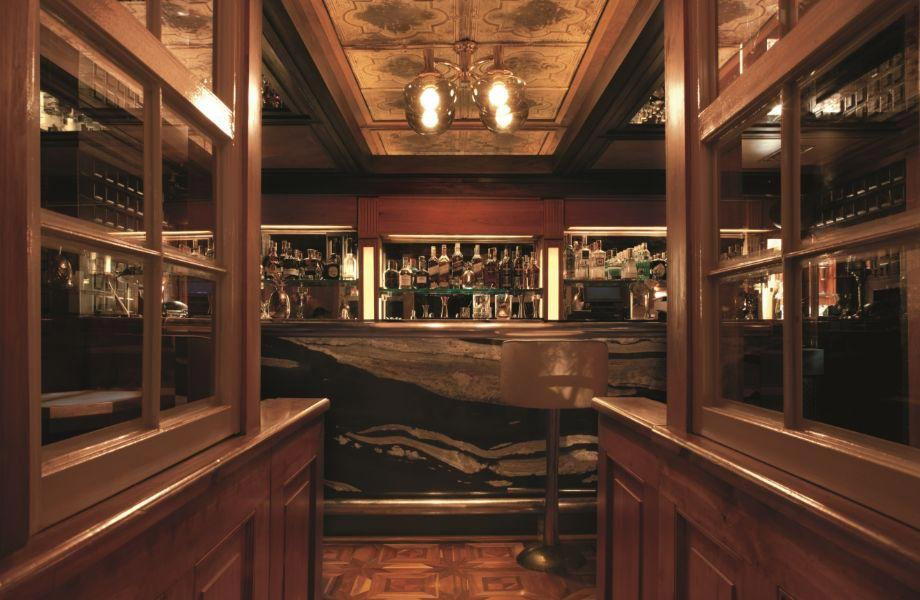
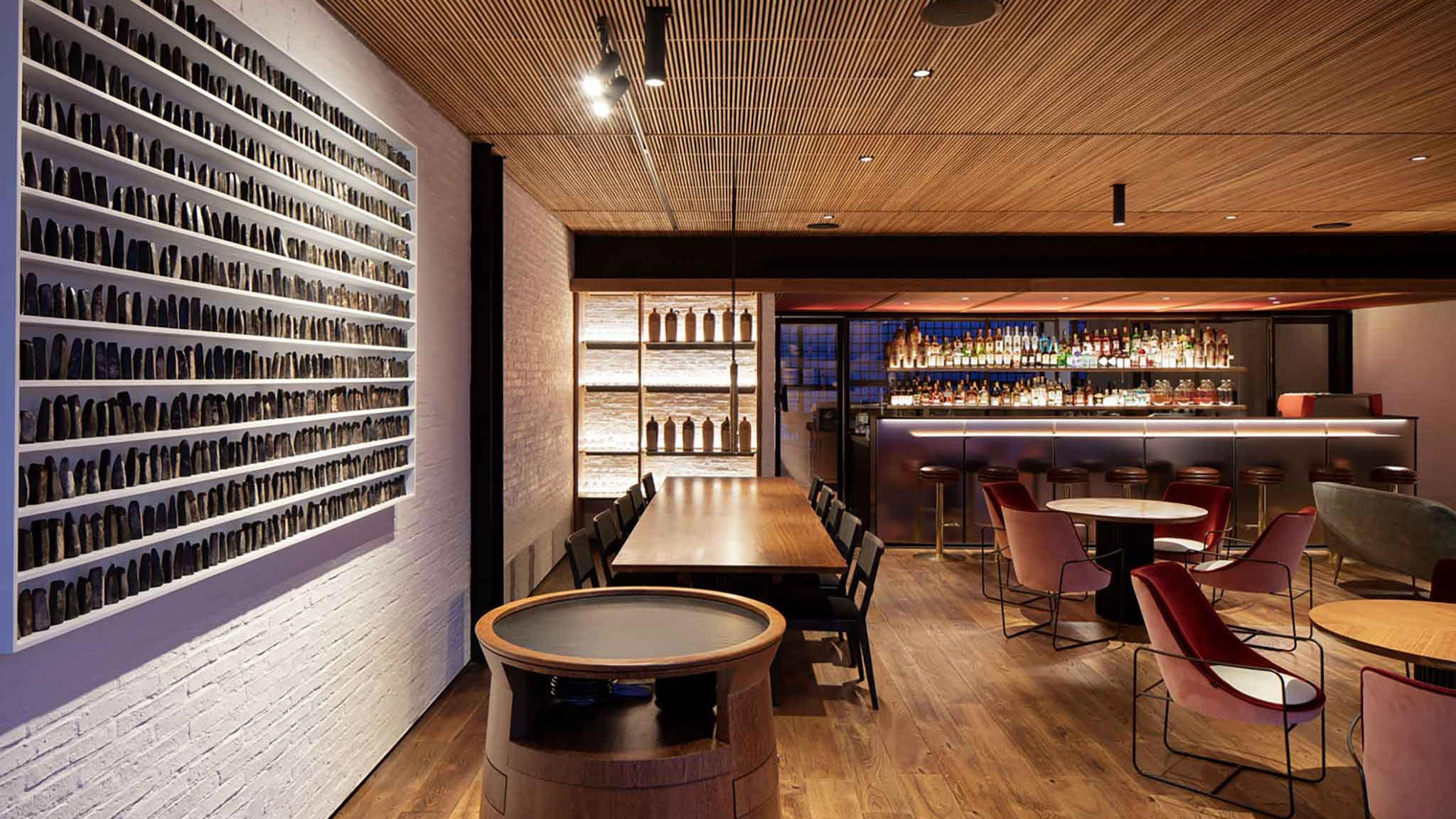
Warm and cozy atmosphere highlighted by a wood fireplace and attentive service.