
Tabelog 100 #36
Our verdict
Oribe brings Kanagawa’s soba culture into a small house-restaurant setting in Yurigaoka, Ninomiya, with Tabelog 100 Soba EAST selection in 2025, 2024, and 2022 giving it a clear quality signal. The appeal is not luxury theater, but the disciplined sourcing logic behind buckwheat noodles, Japanese cooking, sake, and a compact room built for focused meals.

Pearl is the En Primeur Club membership app, where members save venues, book tables and use the concierge.
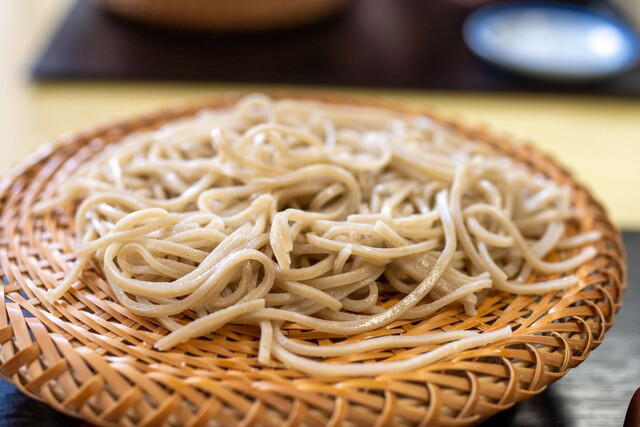
Approaching a restaurant for soba changes the frame before the first bowl arrives. The cues are smaller, quieter, and more local than the polished counters of major-city dining: a Naka-gun setting, a focused meal, and a cuisine whose quality depends on grain, water, timing, and handwork rather than spectacle. In Naka-gun’s dining landscape, that matters. Soba is not merely a noodle category in Japan; it is an ingredient argument, with buckwheat freshness, milling style, noodle thickness, dipping broth, and seasonal temperature all affecting the meal.
Oribe belongs to that specialist tradition. Its Tabelog recognition in 2025 puts it inside a group of soba houses that draw attention beyond immediate neighbourhood demand. That recognition is useful because soba excellence can be hard for visitors to read from the outside. Luxury dining often announces itself through counters, wine cellars, and long menus. Serious soba is more restrained: the signal is consistency, ingredient handling, and repeat local confidence.
Kanagawa soba, judged by grain discipline rather than dining-room drama
The ingredient story begins with buckwheat. Soba rewards freshness and punishes indifference; flour aroma fades, dough texture shifts quickly, and over-handling turns a clean noodle into something dull. A good soba room therefore operates with a different rhythm from a broad Japanese restaurant. The kitchen’s attention sits on ratios, cut, boil time, water shock, broth concentration, and the way accompaniments support rather than crowd the noodle.
That is why a Naka-gun address can matter in this category. The area has its own pattern: compact restaurants serving residents, day visitors, and diners moving through the local area. In that setting, a soba house selected for Tabelog recognition has to compete on repeatable craft rather than novelty. The comparison within Naka-gun is telling. Kuni Yoshi sits in a different local lane, while Massaman Thai Kitchen occupies another everyday tier. Oribe’s role is different: a specialist Japanese meal where the central value sits in the noodle and its supporting dishes, not in luxury sequencing.
Japanese cuisine appears alongside soba here, placing the meal in a familiar soba-ya tradition: noodles can be the anchor, but the table may also move through supporting Japanese dishes before finishing with soba. The format suits diners who understand that the climax of a soba meal can be quiet. The point is not excess; it is whether the buckwheat, broth, and final texture make sense together.
A focused restaurant format changes how the meal feels
The scale of a soba meal matters. Soba loses its edge when restaurants chase volume, because boiling, rinsing, and serving have to land in a tight window. A focused format gives the kitchen more control over pacing, especially when the menu’s credibility depends on texture at the moment of serving.
The setting also tells visitors what not to expect. This is not a hotel dining room, not a department-store restaurant floor, and not the kind of urban counter where the performance is part of the bill. The mood is closer to local confidence: a restrained Japanese meal shaped around soba rather than spectacle. For travelers, that modesty is the point. Japan’s serious food culture is often found in narrow categories, and soba is one of the clearest examples because the craft is legible without ceremony.
Planning should be simple and flexible. In practice, a recognized soba house rewards good timing and a clear sense of purpose more than elaborate strategy. The listed spend is moderate, with both lunch and dinner shown at JPY 2,000 - JPY 2,999. Those details are part of the local-restaurant reality in Japan: arrive prepared, keep the party size sensible, and treat the meal as a focused stop rather than an open-ended evening.
Where it fits in a Naka-gun food itinerary
For travelers building a route through Naka-gun, this is a category-specific address rather than an all-purpose recommendation. Choose it when soba is the reason for the meal. The Tabelog recognition makes it credible for diners who plan around regional Japanese specialties, while the moderate spend keeps it outside the rarefied destination-dining tier. That distinction is useful: not every serious meal in Japan needs to be expensive, and soba is one of the cuisines where technical confidence can appear in a restrained, local format.
It also pairs naturally with a broader Naka-gun itinerary. Diners comparing local options can start with our full Naka-gun restaurants guide, then widen the plan through our full Naka-gun hotels guide, our full Naka-gun bars guide, our full Naka-gun wineries guide, and our full Naka-gun experiences guide. For a wider Japan dining map, compare specialist formats and regional categories through other dining rooms in Naka-gun and beyond, from compact Japanese counters to casual neighborhood restaurants and ingredient-led regional addresses.
The editorial read is simple: Oribe is for diners who care about soba as an ingredient-led craft, not as a side dish to a larger restaurant concept. Its recognition gives visitors a reason to make the detour, but the meal’s appeal depends on understanding the category. Expect a compact Japanese soba address where the value lies in grain, technique, and timing.
Frequently asked questions
Is Oribe a family-friendly restaurant?
Oribe is in Naka-gun, with lunch and dinner priced at JPY 2,000 - JPY 2,999. Its soba and Japanese cuisine focus makes it best suited to diners looking for a straightforward, category-led meal.
How would you describe the vibe at Oribe?
Oribe reads as a focused soba and Japanese cuisine address rather than a formal destination-dining room. Its Tabelog 2025 recognition reinforces the sense of a no-frills specialist restaurant.
Is Oribe expensive?
Pricing at Oribe is listed as JPY 2,000 - JPY 2,999 for both dinner and lunch.
What is Oribe known for?
Oribe is known for soba and Japanese cuisine in Naka-gun, with Tabelog recognition in 2025 and a listed score of 3.69.
A Quick Peer Check
Comparable venues by cuisine and price in the same metro.
| Venue | Cuisine | Price | Awards | Notes |
|---|---|---|---|---|
| OribeThis venue (the venue you are viewing) | Traditional Soba (Buckwheat Noodles) | $20–30 | Tabelog 100 #36 | Not listed |
| Kuni Yoshi | Traditional Japanese Unagi (eel) restaurant | $20–30 | Tabelog 100 #11 | Oiso-machi |
| Massaman Thai Kitchen | Authentic Thai & Curry House | $20–30 | Tabelog 100 #61 | Oiso Town, Naka District |
| Boteyan (ぼてやん多奈加) | Okonomiyaki & Yakisoba | $10–20 | Tabelog 100 #94 | Toyama Station area |
| ごころ | Handmade Sanuki Udon | Not listed | Not listed | Niseko Hirafu |
| 千畳敷センター | Japanese Seaside Seafood | Not listed | Not listed | 深浦町 |
Recognition history
Dated appearances from independent guides and award organizations, with the underlying list record or original source where available.
Tabelog 100 #36 · No. 36
Tabelog · Tabelog 100 - Soba - EAST - 2025
Continue exploring
More in Naka-gun
Restaurants in Naka-gun
All restaurants in Naka-gun →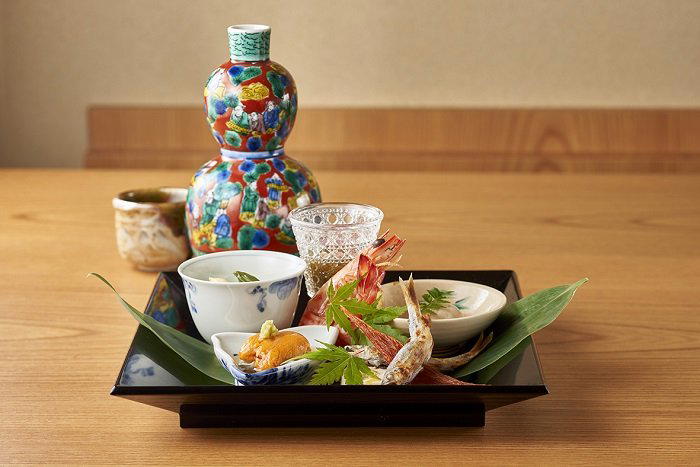

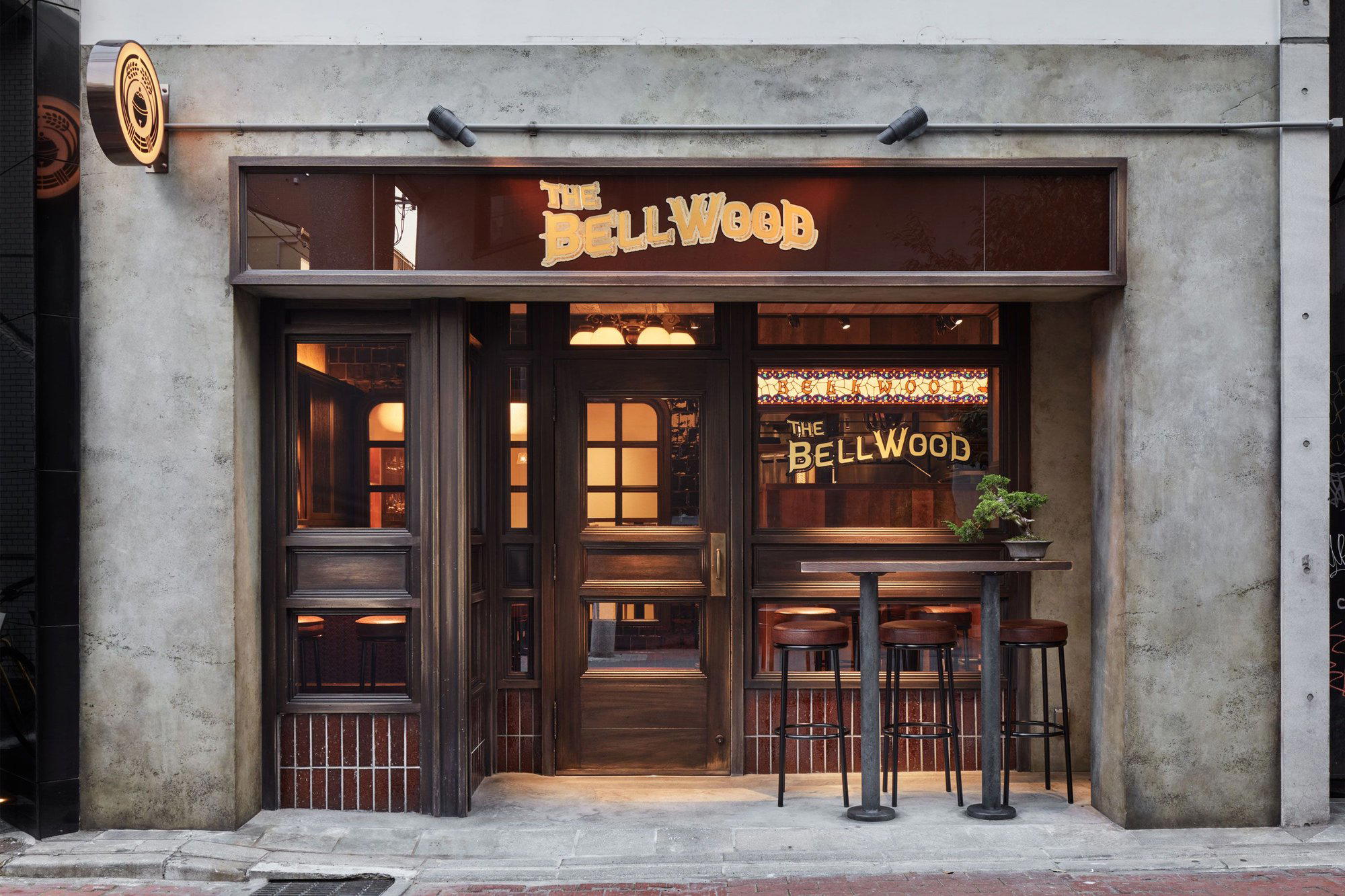
Bars in Naka-gun
Browse all →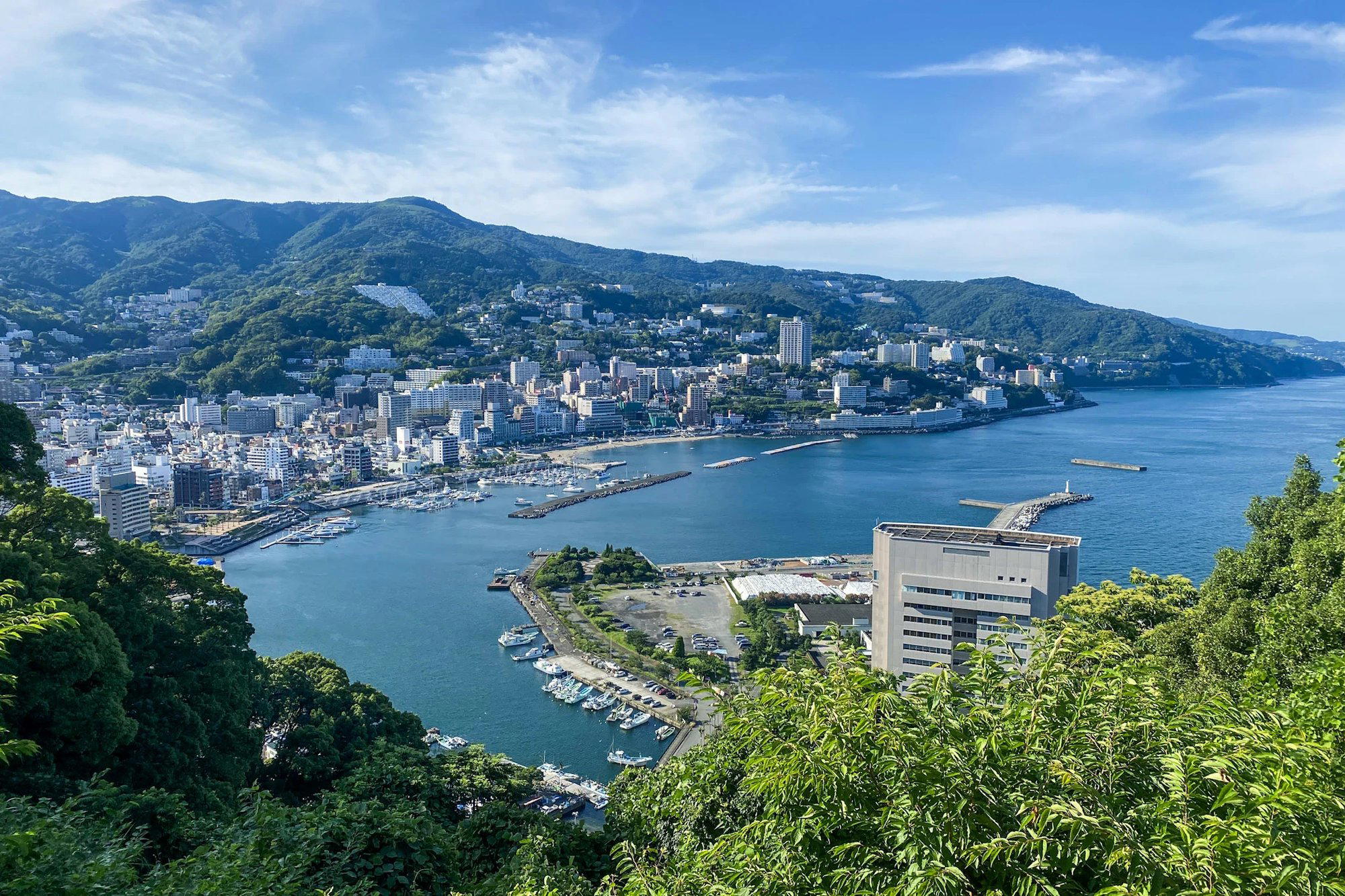
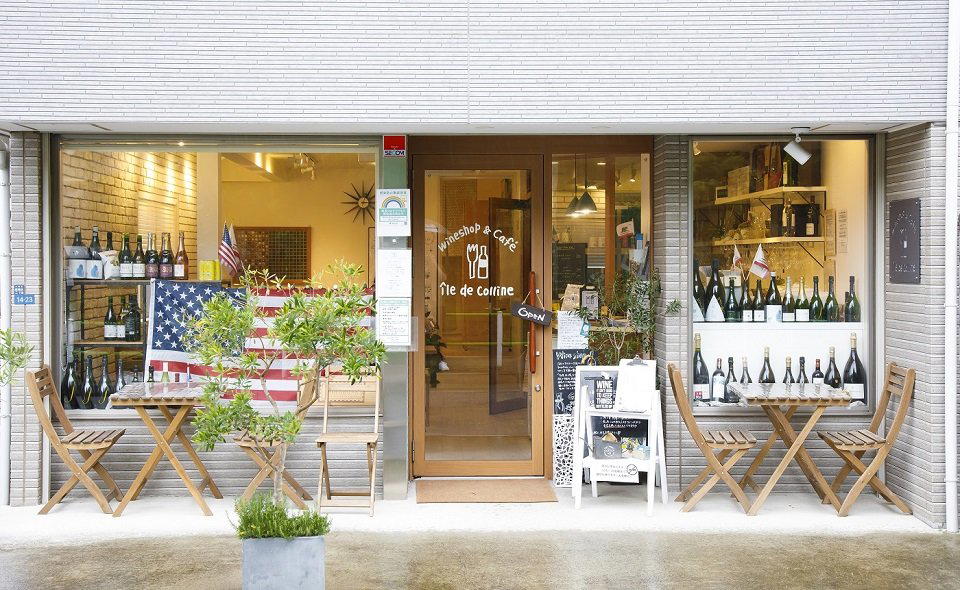
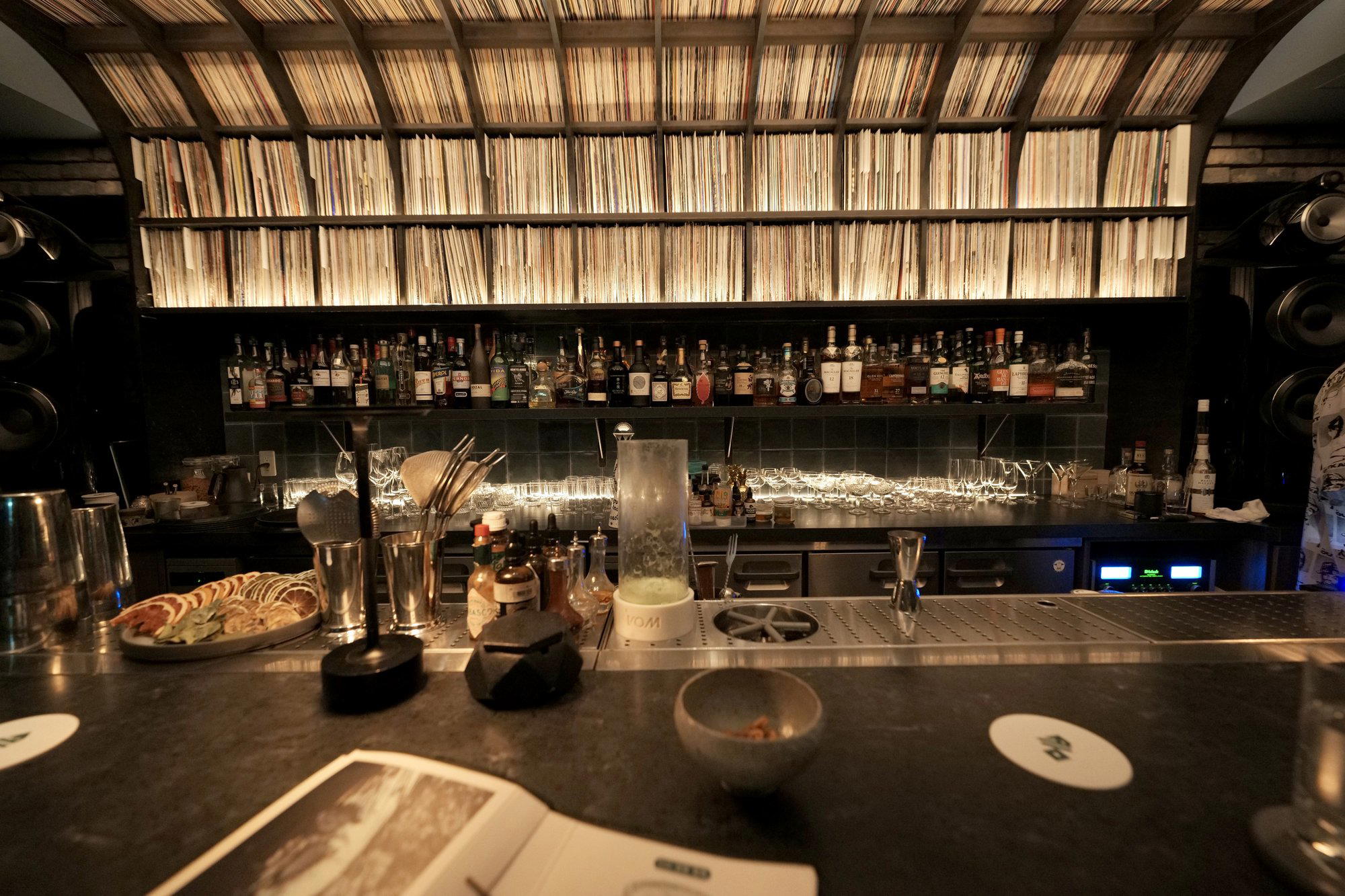

Hotels in Naka-gun
Browse all →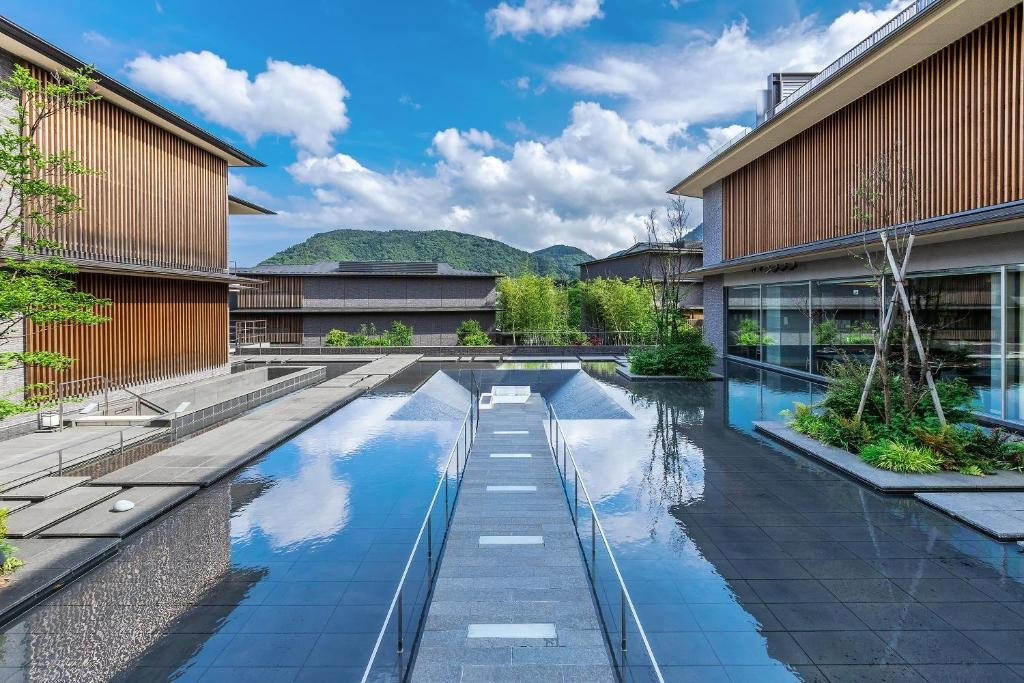
Wineries in Naka-gun
Browse all →
Details
- Quiet
- Cozy
- Classic
- Casual Hangout
- Group Dining
- Solo
- Family
- Standalone
- Sake Program
- A La Carte
- Sake
Current opening hours
- Monday
- 11 AM–2 PM, 5–7 PM
- Tuesday
- 11 AM–2 PM, 5–7 PM
- Wednesday
- 11 AM–2 PM, 5–7 PM
- Thursday
- Closed
- Friday
- 11 AM–2 PM, 5–7 PM
- Saturday
- 11 AM–2 PM, 5–7 PM
- Sunday
- 11 AM–2 PM, 5–7 PM
Hours can change for holidays and private events. Hours as of .
A small, non-smoking house restaurant on a quiet hill in a residential neighborhood, with a simple, relaxing interior suited to unhurried soba meals with friends.