
Tabelog 100 #11
Our verdict
Kuni Yoshi puts Oiso’s eel tradition into a small, reservation-only house-restaurant format, with Tabelog 100 Unagi selections in 2019, 2022, and 2024 giving it a clear signal among Japan’s specialist unagi rooms. The draw is not novelty but discipline: a narrow category, limited seating, private-room options, and a drinks list that treats sake and wine as serious companions to eel.

Pearl is the En Primeur Club membership app, where members save venues, book tables and use the concierge.
The menu
What to order
- Unagi kabayaki
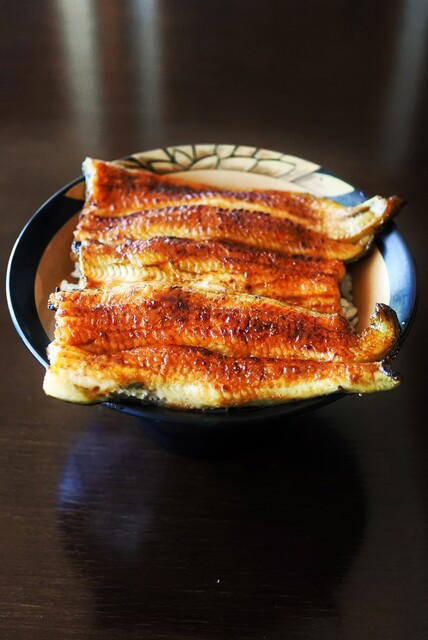
- Unaju (grilled eel over rice)
- Hitsu-mabushi style eel rice
Approaching an eel house in Naka-gun is unlike arriving at a city tasting counter. The pace slows before the meal: Naka-gun streets and the domestic scale of a local restaurant rather than a room built for theatre. That setting matters. Unagi depends on timing, sourcing, and heat management, and the small rooms that handle it well often feel closer to craft workshops than restaurants chasing breadth.
Kuni Yoshi fits that category: an unagi specialist in Naka-gun with recognition in Tabelog’s Unagi 100 selection for 2024. That signal is useful because eel reputation is often local, conservative, and slow to move. A restaurant does not need a long menu to make its case; it needs consistency in a dish whose quality depends on ingredient condition, preparation sequence, and service at the right moment.
Naka-gun's eel table is about sourcing discipline, not menu sprawl
Japanese unagi dining carries a sharper ingredient logic than many visitors expect. The central question is not how many preparations appear, but how the eel is handled before the grill and how tightly the kitchen controls its rhythm. In eastern Japan, tradition generally prizes a two-stage approach that softens and seasons the eel before final grilling, making texture and timing as important as sauce. Specialist rooms can therefore feel severe beside broader Japanese restaurants: the category rewards repetition, restraint, and a narrow margin for error.
Kuni Yoshi’s appeal is its refusal to dilute that proposition. The category is listed plainly as unagi, and the recognition sits inside Tabelog’s dedicated eel selection rather than a general restaurant ranking. For a reader comparing Naka-gun meals, this is a different decision from a casual local lunch at Massaman Thai Kitchen or other dining rooms in the area. The point is not range. It is whether the meal should revolve around a single ingredient treated with the seriousness usually reserved for sushi rice, soba, or tempura oil.
The local-restaurant format also changes the social temperature. Kuni Yoshi reads as a focused address rather than a counter-only urban model, and that practical character supports the food’s argument: eel is not a background order here, it is the reason to go. For diners who value a narrow brief, that concentration is part of the draw.
Recognition places it among Japan's serious unagi specialists
Tabelog’s Hyakumeiten lists matter in Japan because they identify depth within narrow categories. A place selected for Unagi 100 is judged against other eel specialists, not French tasting menus or sushi counters. Kuni Yoshi’s 2024 appearance provides a current external signal in a field where regulars are exacting and quality changes are noticed quickly. That is more meaningful than vague word of mouth alone.
The price tier reinforces the point. Dinner is listed at JPY 15,000 - JPY 19,999, while lunch is listed at JPY 10,000 - JPY 14,999, making this a planned meal rather than a casual stop. Compared with other local peers such as 天一坊, Caraway, nico, or Kamaage Udon Senmon Ten Moto, this occupies a specialist bracket. The useful comparison is not which meal is more charming; it is whether the reader wants a low-cost local bite or a focused unagi sitting where price, recognition, and category discipline align.
Drinks and pacing should be treated as part of the same specialist frame. Unagi has enough richness, sauce, and rice to make the table feel complete without needing a broad menu around it. That does not make the restaurant a bar or a modern reinvention. It simply keeps attention on the central question: whether the eel itself can carry the meal.
For broader planning, the local dining map is thin enough that specialist venues carry more weight. The full Naka-gun restaurants guide is the natural place to compare formats, while lodging, drinking, wine, and activity planning sit separately in the Naka-gun hotels guide, Naka-gun bars guide, Naka-gun wineries guide, and Naka-gun experiences guide. Naka-gun rewards this segmentation: eating well here is less about chasing density and more about choosing a reason for the journey.
Who should make the trip
This suits diners who already understand unagi as a specialist meal, not a flexible Japanese dinner with something for everyone. The focused culinary brief makes it better for a quiet lunch or evening meal than a long, lively night. Families can consider it if children are comfortable with an ingredient-led meal at this price level, but the format suits patient diners more than restless tables.
The wider Japan restaurant map offers contrast. Beef-led meals, charcoal-grill counters, café stops, contemporary rooms, curry specialists, hamburger shops, and Japanese-adjacent addresses abroad all answer different cravings. Even within Naka-gun, casual meals and specialist meals operate on different wavelengths. Kuni Yoshi belongs in the latter camp: a place to choose when the point is not variety, but concentration.
The editorial read is simple: Kuni Yoshi is for the diner who wants eel treated as the whole subject. Its Tabelog Unagi 100 recognition in 2024 provides the external signal, the listed price bracket supplies the planning cue, and the Naka-gun setting gives the meal a quieter frame than the major-city specialist circuit. In a region where many meals are casual, this is the planned one.
Frequently asked questions
Is Kuni Yoshi child-friendly?
Kuni Yoshi in Naka-gun is best understood as a focused unagi meal rather than a casual drop-in format. The category and price range make it more suited to diners comfortable with a specialist meal. Check the venue's official channels for the latest details.
Is Kuni Yoshi better for a quiet night or a lively one?
Kuni Yoshi fits a quiet meal far better than a lively one. It reads as a focused unagi specialist in Naka-gun rather than a late-night room.
What's the price range at Kuni Yoshi?
Pricing at Kuni Yoshi is listed as Dinner: JPY 15,000 - JPY 19,999; Lunch: JPY 10,000 - JPY 14,999.
What time does Kuni Yoshi open and close?
Current opening hours are not specified here. Check the venue's official channels for the latest schedule before visiting.
What part of town is Kuni Yoshi in?
Naka-gun.
What's the standout thing about Kuni Yoshi?
Its defining credential is Tabelog 100 Unagi 2024. Add the unagi focus in Naka-gun, and the restaurant’s appeal is clear: concentration rather than range.
Fast Comparison
Comparable venues by cuisine and price in the same metro.
| Venue | Cuisine | Price | Awards | Notes |
|---|---|---|---|---|
| Kuni YoshiThis venue (the venue you are viewing) | Traditional Japanese Unagi (eel) restaurant | $20–30 | Tabelog 100 #11 | Not listed |
| Oribe | Traditional Soba (Buckwheat Noodles) | $20–30 | Tabelog 100 #36 | Ninomiya Town, Naka District |
| Massaman Thai Kitchen | Authentic Thai & Curry House | $20–30 | Tabelog 100 #61 | Oiso Town, Naka District |
| Takehara | Traditional Tuna Specialist | $10–20 | Not listed | Katsuura |
| Kaneko Hannosuke (金子半之助) | Edo-style Tempura Rice Bowls (Tendon) | $10–20 | Not listed | Nihonbashi |
| Menya Agosuke | Japanese Ramen | $10–20 | Tabelog 100 #82 | Shimomonzen, Joetsu |
Recognition history
Dated appearances from independent guides and award organizations, with the underlying list record or original source where available.
Tabelog 100 #11 · No. 11
Tabelog · Tabelog 100 - Unagi - 2024
Continue exploring
More in Naka-gun
Restaurants in Naka-gun
All restaurants in Naka-gun →



Bars in Naka-gun
Browse all →






Details
- Classic
- Quiet
- Cozy
- Solo
- Family
- Casual Hangout
- Standalone
- A La Carte
- Pescatarian Friendly
Current opening hours
- Monday
- 11:30 AM–2 PM, 5–6 PM
- Tuesday
- 11:30 AM–2 PM, 5–6 PM
- Wednesday
- Closed
- Thursday
- Closed
- Friday
- 11:30 AM–2 PM, 5–6 PM
- Saturday
- 11:30 AM–2 PM, 5–6:30 PM
- Sunday
- 11:30 AM–2 PM, 5–6:30 PM
Hours can change for holidays and private events. Last verified .