Our verdict
On a stretch of O'Reilly street that has become one of Havana's more consequential dining corridors, O'Reilly 304 draws a crowd that mixes locals with travelers who've done their research. The address has become shorthand in Centro Habana conversations about where the city's independent restaurant scene has arrived — casual in setting, serious in intent, and worth the effort of finding a seat.

Pearl is the En Primeur Club membership app — saves, bookings, and concierge access live there. Same editors, same standards.
- Address
- 4JQW+QM5, O'Reilly, La Habana, Cuba
- Phone
- +5378630206
- Hours
- Daily 12 PM–12 AM
- Website
- facebook.com
- Directions
- Get directions
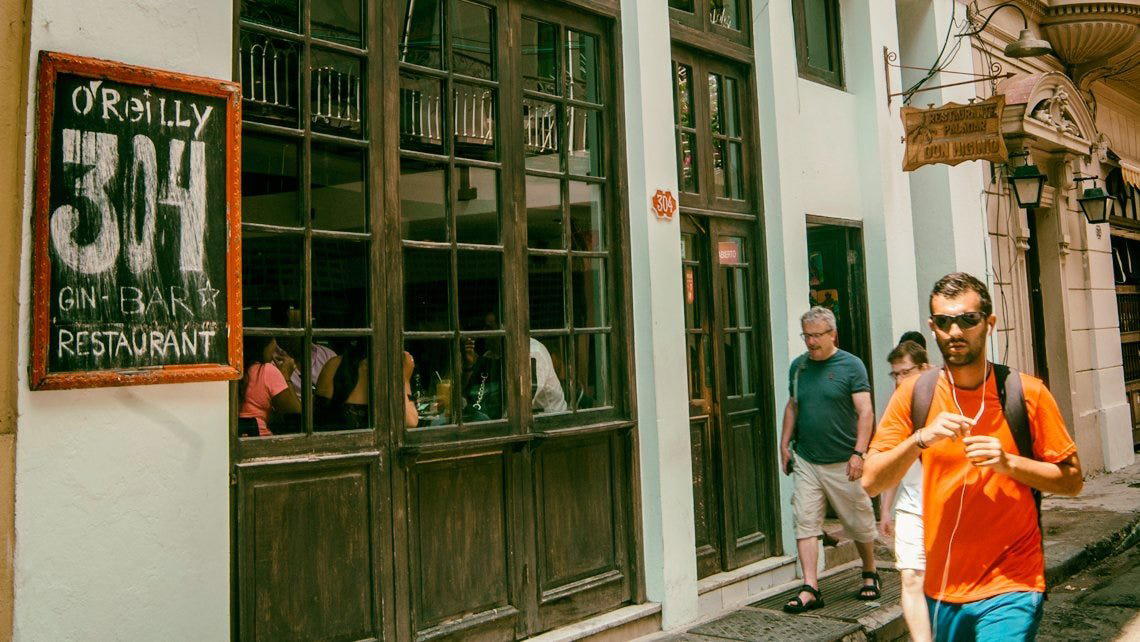
The Street That Rewrote Havana's Dining Logic
O'Reilly street in Old Havana operates differently from the tourist-facing plazas a few blocks south. The restaurants here built their reputations without the gravitational pull of Cathedral Square or the Malecón view, which means they had to earn their crowds through the food itself. O'Reilly 304 sits inside that dynamic: an address on a pedestrian stretch that has, over the past decade, become the clearest indicator of where Havana's private restaurant sector — the paladares — chose to plant its flag when it had real ambition to express.
The broader shift matters for context. Cuba's economic opening in the 2010s allowed private citizens to operate restaurants beyond the original four-table limit, and the O'Reilly corridor absorbed much of the energy that followed. Comparing the street now to what it was before that liberalization is roughly equivalent to comparing Williamsburg before and after its restaurant wave, or the Marais before it became the Marais, accelerated, concentrated, and in some places genuinely good. O'Reilly 304 arrived in that window and has maintained a presence in the conversations that Havana food travelers have been having ever since.
How the Meal Unfolds
The ritual of eating at a well-regarded Havana paladar follows a particular pace that visitors used to reservation-driven tasting menus elsewhere would do well to recalibrate around. Time operates differently here, not sloppily, but without the stage-managed precision of, say, Atomix in New York City or Alinea in Chicago. The meal is an event in itself, not a transaction between courses. Tables are held, conversation is expected, and the kitchen's rhythm reflects a Cuban relationship with hospitality that treats the diner as a guest rather than a booking unit.
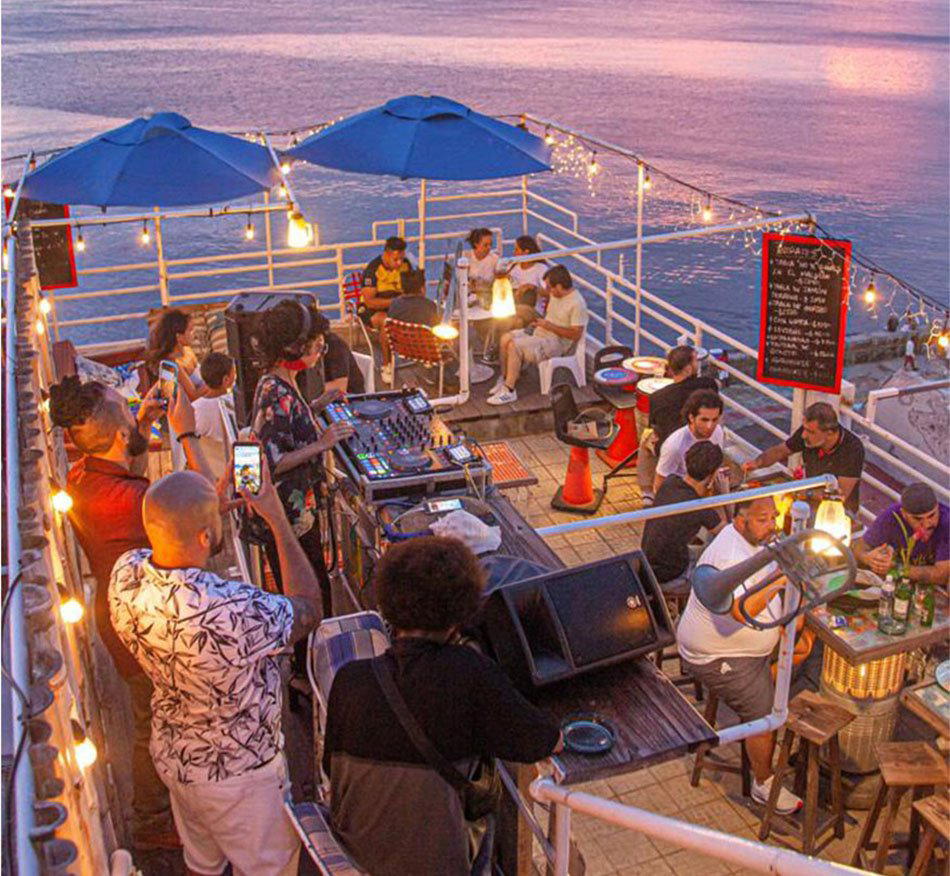
At O'Reilly 304 specifically, the physical environment reinforces this: the rooftop format characteristic of this block places diners above street noise with enough open air to make the pacing feel natural rather than slow. The setting is not decorative in the hotel-terrace sense, it's functional and unpretentious, which in Havana is its own kind of statement. Properties like Cabaret Tropicana in Ciudad De La Habana have long occupied the spectacle end of the spectrum; O'Reilly 304 operates at the opposite register, where the experience is conversation and food rather than performance.
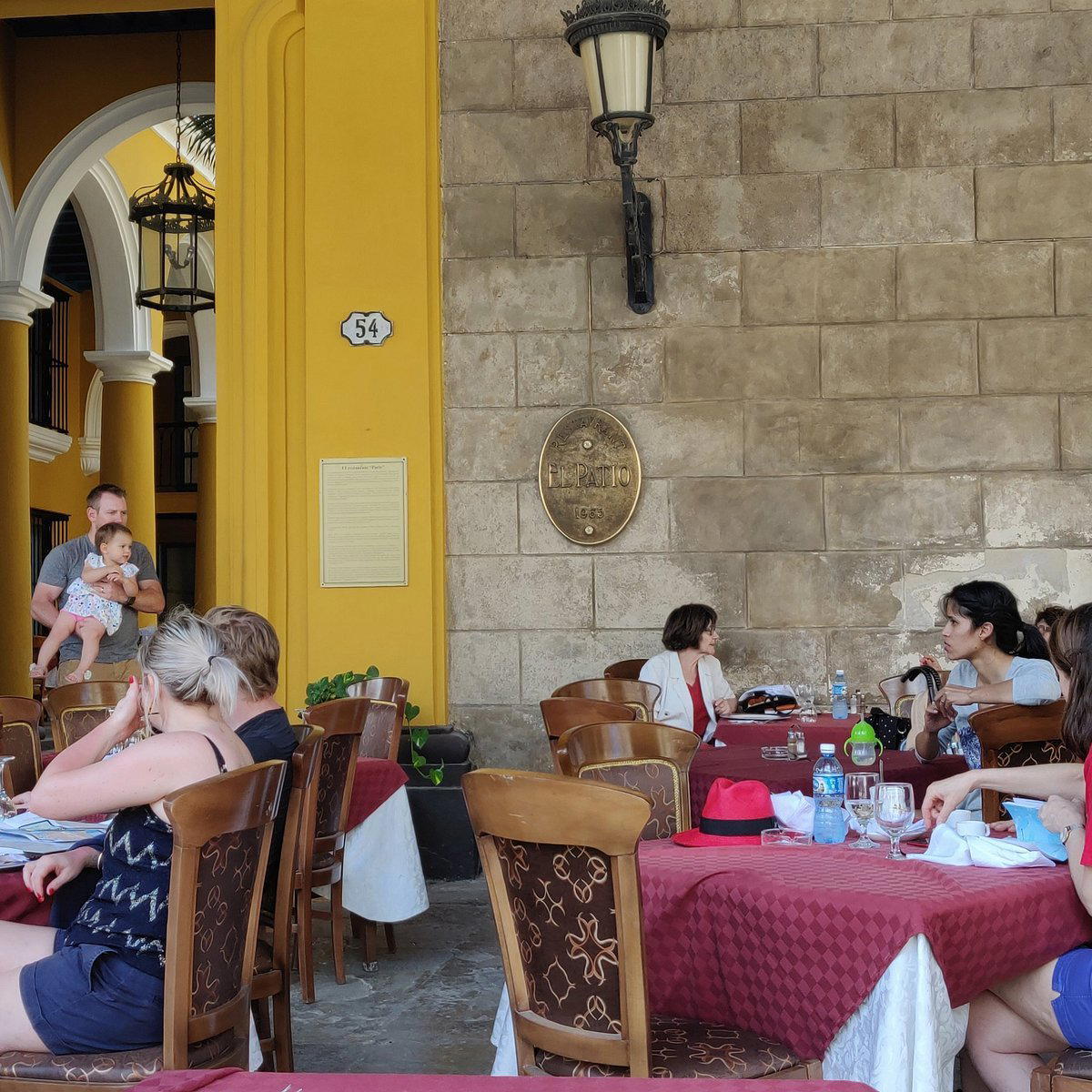
The pacing also reflects a Cuban kitchen logic that differs from high-volume tourist operations around the old city squares. Where a place like El Patio draws on location and colonial architecture to drive footfall, the O'Reilly corridor venues depend on word-of-mouth, which means they tend to be more careful about what reaches the table and when.
Reading the Menu in Context
Cuban cuisine in the paladar era has undergone a compression: the constraints of ingredient supply have pushed creative operators toward doing a few things well rather than sprawling menus that rely on import chains. This is not a limitation to apologize for, it's the condition under which Havana's leading independent kitchens have developed genuine discipline. The comparison set here is less the resort buffet and more the ingredient-constrained regional cooking of places like Restaurante San José in Trinidad, where the menu reflects what's available rather than what would photograph well for a global audience.
O'Reilly 304 operates within those same constraints. The kitchen works with what the local supply chain makes possible, which on any given day shapes what the menu looks like in practice. For visitors accustomed to the consistency guarantees of a place like Le Bernardin in New York City or Alain Ducasse at Louis XV in Monte Carlo, this variability is not a flaw, it's the honest condition of eating in Havana, and O'Reilly 304 is among the addresses where that condition produces something worth eating.
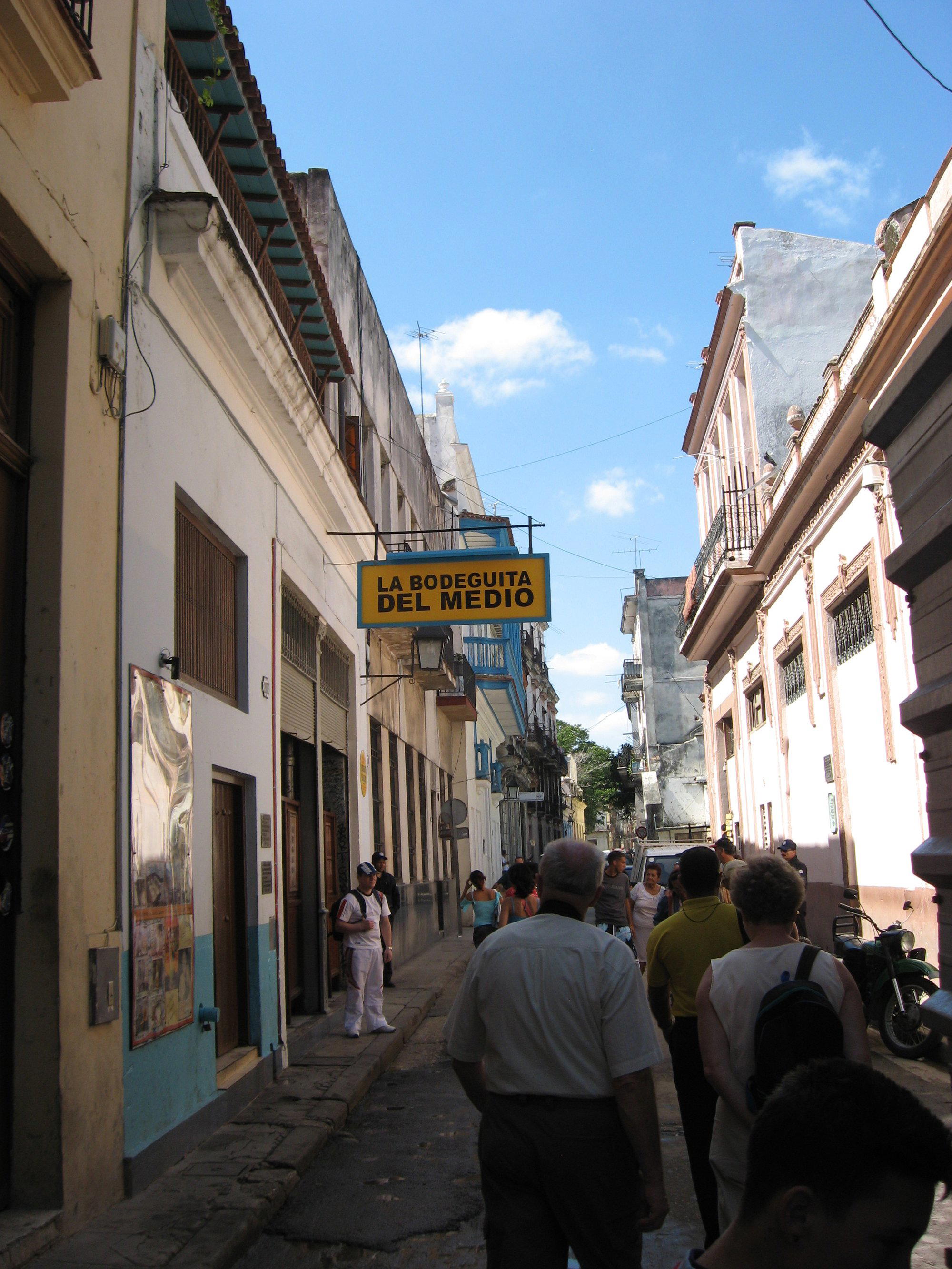
The O'Reilly corridor as a whole skews toward Cuban interpretations with some international influence, a pattern visible across the street's better paladares and distinct from the more purely traditional fare at places like La Bodeguita Del Medio, which has operated in a different register for decades. Nearby El del Frente and El Chanchullero offer useful points of comparison for the range the street covers, from casual bar food to more composed plates. Beirut, also in the area, adds a further international note to what has become a genuinely pluralist block.
Where O'Reilly 304 Sits in Havana's Wider Dining Structure
Havana's private restaurant scene now runs from the casual peso-lunch operations favored by locals to the full-production paladares that have attracted international press. O'Reilly 304 occupies the mid-to-upper tier of that range without positioning itself as a prestige destination in the way that La Guarida, which has hosted foreign heads of state and appeared in a significant number of international travel features, has done. That's a different calculation, La Guarida trades on cinematic history and grand colonial architecture; O'Reilly 304 operates on the logic of the street it's on, which is more quotidian and more current.
For travelers working through Havana's restaurant options with any seriousness, the O'Reilly corridor is a necessary stop. La Esperanza in Playa covers the residential neighborhood paladar category; the Vedado addresses cover their own character. Old Havana's O'Reilly stretch is the one that most directly reflects what happened when Cuban hospitality talent had access to a street, a consistent flow of informed visitors, and the freedom to operate at something approaching full creative capacity. Our full Havana restaurants guide maps the full range across neighborhoods and formats for those planning a longer stay.
The practical reality of dining here involves arriving without rigid time expectations, accepting that menu items will reflect daily availability, and understanding that the rooftop format means a degree of weather dependency during Havana's wet season, which runs roughly May through October. Cash in Cuban currency remains the operational standard across most private restaurants in Old Havana; the O'Reilly paladares are no exception. Reservations, where taken, are typically handled informally, by phone or in person the same day, which positions O'Reilly 304 differently from the advance-booking culture of a place like Lazy Bear in San Francisco or 8½ Otto e Mezzo Bombana in Hong Kong. That informality is not a gap in service, it's the format, and approaching it on those terms produces a better meal.
Frequently asked questions
What's O'Reilly 304's location?
O'Reilly 304 is located at 4JQW+QM5, O'Reilly, La Habana, Cuba, Havana.
How does O'Reilly 304 compare to other paladares in Old Havana?
O'Reilly 304 sits within the cluster of private restaurants that defines the O'Reilly corridor in Old Havana, a stretch widely regarded among Havana's more operator-dense dining addresses rather than the tourist-plaza circuit further south. Cuba's paladar regulations have produced a tiered scene — from peso-lunch spots to full-production private restaurants — and O'Reilly 304's location places it in the mid-to-upper tier of that corridor. Without a current published awards record, its standing is best gauged by the company it keeps on the street rather than by formal critical recognition.
What's the must-try dish at O'Reilly 304?
O'Reilly 304 operates within Havana's ingredient-supply reality, meaning the menu shifts with what the market delivers on a given day rather than running fixed signatures. The smarter approach is to ask what arrived fresh that morning — across the O'Reilly corridor, operators who work with daily availability rather than against it tend to produce more consistent results. Treat the server's recommendation as your ordering guide.
Do they take walk-ins at O'Reilly 304?
Walk-ins are the standard mode of entry on the O'Reilly corridor, and O'Reilly 304 on Havana's O'Reilly street follows that pattern, particularly outside peak tourist season. During high-traffic periods, arriving before the main lunch or dinner rush is the practical hedge — the street draws enough foot traffic that early tables fill faster than late ones. No phone or online booking channel is publicly listed for this address.
Cuisine and Awards Snapshot
Comparable venues nearby, for context on price, style, and recognition.
| Venue | Cuisine | Price | Notes |
|---|---|---|---|
| O'Reilly 304This venue — the venue you are viewing | Creative Latin Fusion Tapas | $10–20 | Not listed |
| La Bodeguita Del Medio | Traditional Cuban Creole | Not listed | Old Havana |
| Union Francesa | Cuban and International in Historic Vedado Building | $20–30 | Vedado |
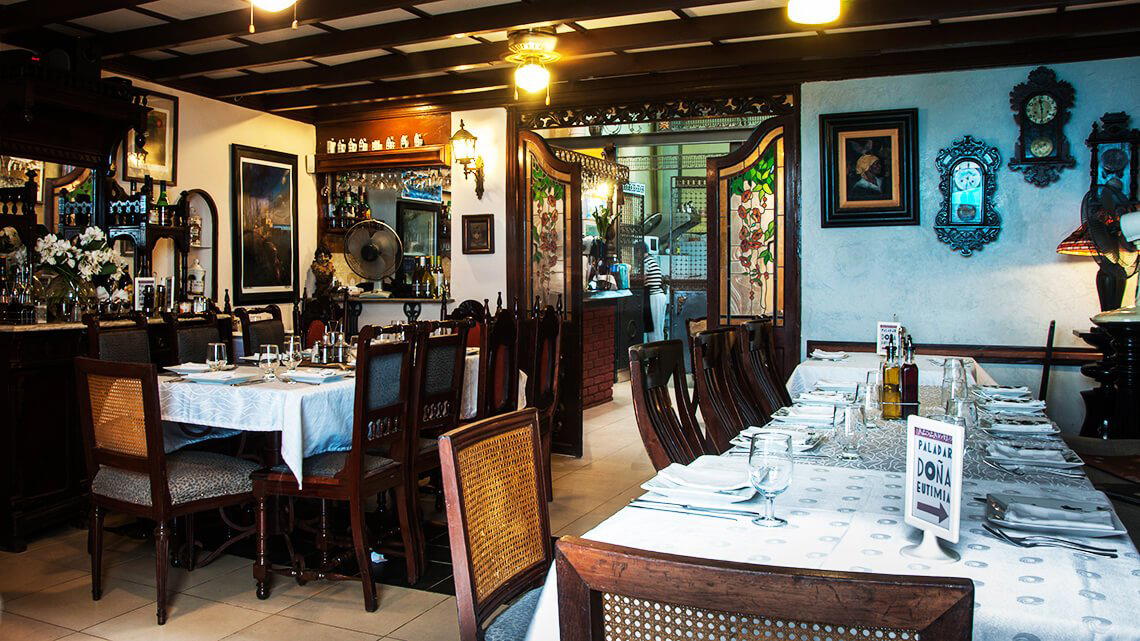
| Paladar Doña Eutimia | Traditional Cuban Criolla | $10–20 | Habana Vieja |
| La Cocina de Esteban | Cuban Caribbean with Spanish influences | $10–20 | Vedado |
| El Chanchullero | Cuban Tapas | $1–10 | Old Havana, Plaza del Cristo |
Continue exploring
More in Havana
Restaurants in Havana
Browse all →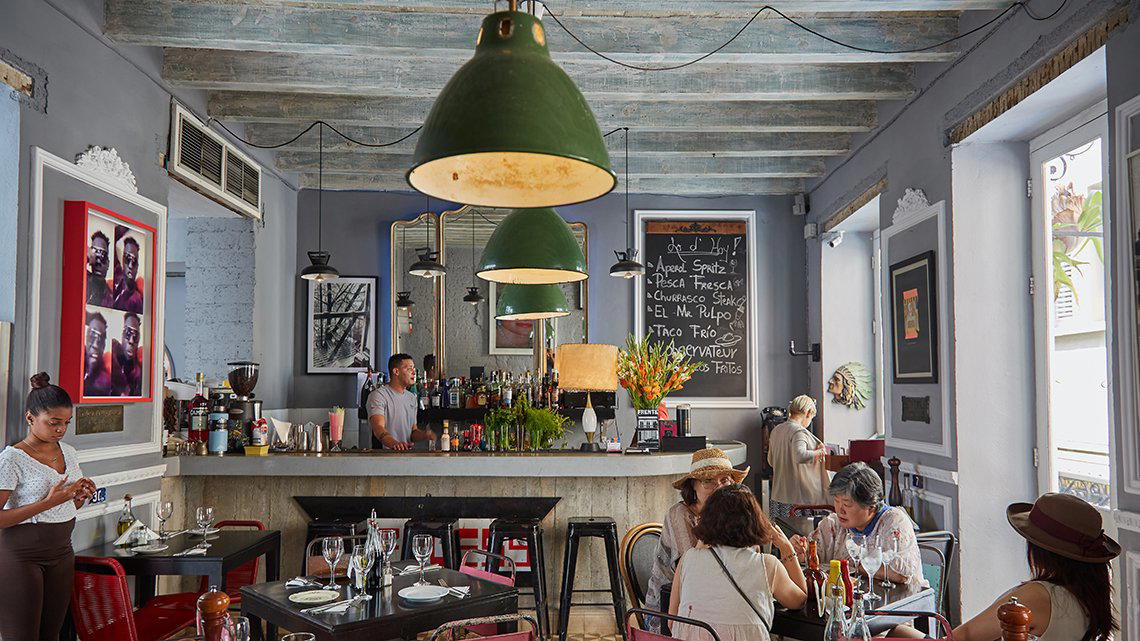
Bars in Havana
Browse all →
Hotels in Havana
Browse all →
Wineries in Havana
Browse all →
Details
- Trendy
- Lively
- Intimate
- Casual Hangout
- Group Dining
- Date Night
- Late Night
- Live Music
- Historic Building
- Standalone
- Craft Cocktails
- Small Plates
- A La Carte
- Gin Based Cocktails
- Creative Cocktails
- Vegetarian Friendly
- Vegan Options
- Gluten Free Options
Current opening hours
- Monday
- 12 PM–12 AM
- Tuesday
- 12 PM–12 AM
- Wednesday
- 12 PM–12 AM
- Thursday
- 12 PM–12 AM
- Friday
- 12 PM–12 AM
- Saturday
- 12 PM–12 AM
- Sunday
- 12 PM–12 AM
Hours can change for holidays and private events. Last verified .