Cabaret Tropicana
Our verdict
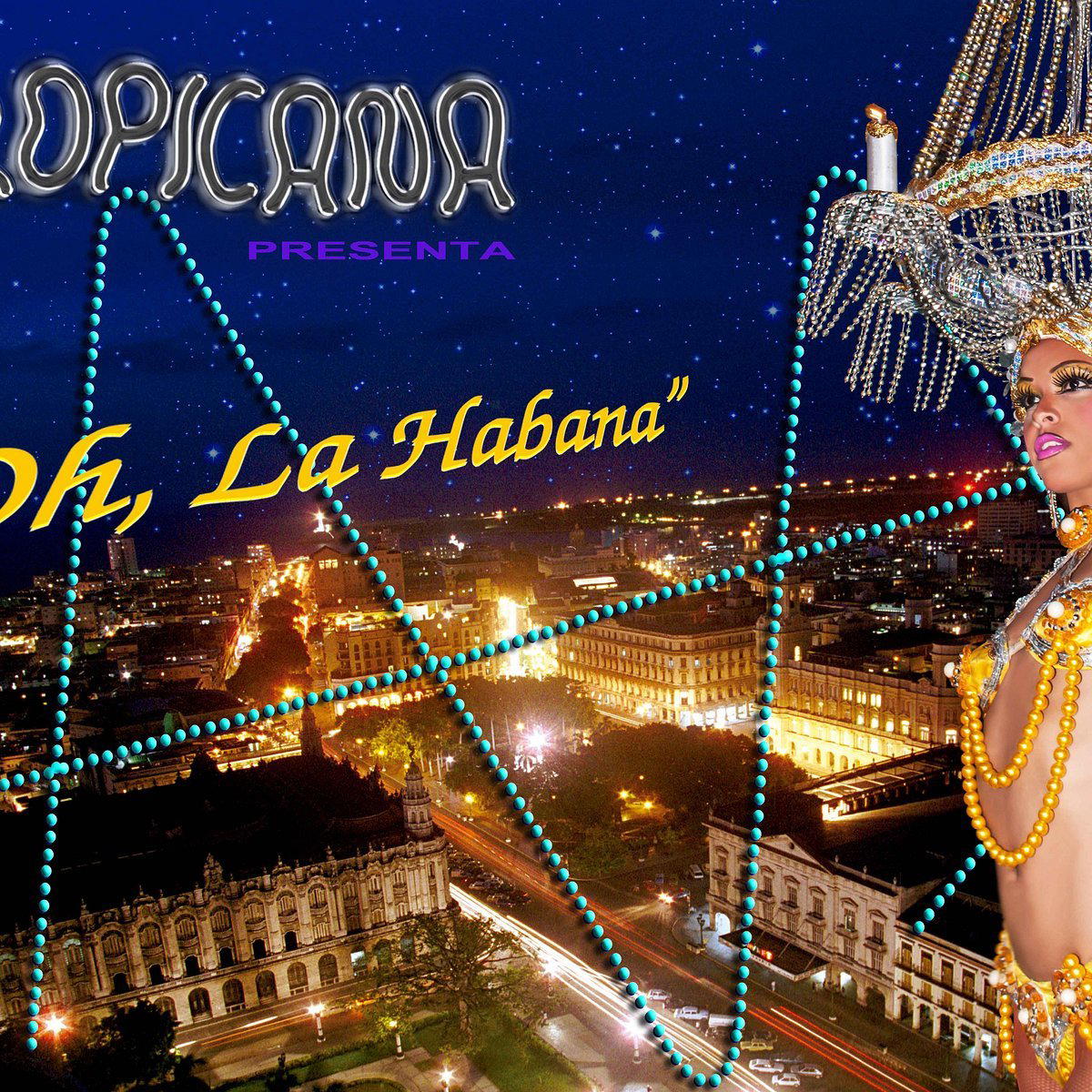
Few entertainment venues in the Caribbean carry the historical weight of Cabaret Tropicana, an open-air spectacle in Havana's Marianao district that has staged elaborate song-and-dance productions since 1939. The format belongs to a tradition of mid-century Latin cabaret that has largely disappeared elsewhere, making this one of the few remaining places where that scale of production survives in its original setting.

Pearl is the En Primeur Club membership app — saves, bookings, and concierge access live there. Same editors, same standards.
- Address
- Linea del Ferrocarril y Calle 72 (Marianao), Ciudad De La Habana, La Habana
- Directions
- Get directions
The menu
What to order
- Paella
- Cuban National Cuisine
Where the Open Sky Is Part of the Performance
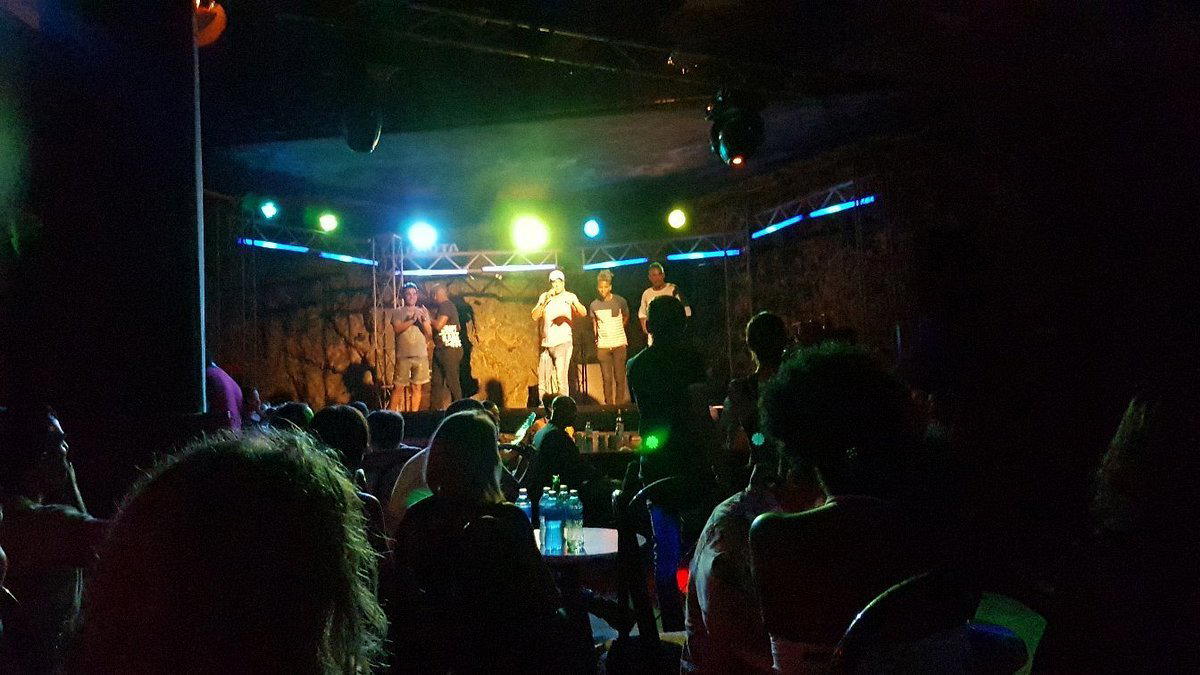
Havana's entertainment scene divides roughly into two registers: the intimate, smoke-worn salsa clubs in Centro Habana where tourists rarely outnumber locals, and the large-format cabaret tradition that reached its commercial and artistic peak in the pre-revolutionary 1950s. Cabaret Tropicana occupies the second register with a completeness that few surviving venues anywhere in Latin America can match. Situated in the Marianao district along the old rail line at Linea del Ferrocarril y Calle 72, the venue operates under a canopy of royal palms that have been integral to the production design since the cabaret opened in 1939. The trees are not backdrop; they are architecture. Spotlights are rigged into the upper canopy, and the effect on a clear Havana night, where the light fractures through the fronds and descends onto the stage below, is the result of deliberate stagecraft developed across eight decades of continuous performance.
That continuity is the detail worth pausing on. Most of the mid-century Latin cabaret circuit that made cities like Havana and Buenos Aires synonymous with theatrical nightlife collapsed or transformed beyond recognition between the 1960s and 1980s. Tropicana did not. The 1959 revolution nationalised the operation, but the format, the scale, the outdoor staging, and the emphasis on elaborate costuming survived the transition. What visitors arrive to today is, in historical terms, a largely uninterrupted performance tradition spanning more than eighty years — a fact that places the venue in a genuinely rare category when compared against peer entertainment formats globally.
The Production Format and What It Represents
The show format at Tropicana is rooted in the Afro-Cuban performance tradition: rumba, cha-cha-cha, and Afrocuban ritual dance are primary structural elements, combined with the big-band orchestration and choreographic scale that defined 1950s Latin cabaret at its commercial height. This is not a preserved museum piece in the way that term usually implies stiffness or detachment. The performers are trained through Cuban state arts institutions, and the costumes, often featuring elaborate headdresses and sequin work, are produced locally and updated seasonally. The production crew tends to be large by any contemporary entertainment standard.
The closer comparison is the large-scale revue format — productions that treat the stage, the outdoor space, and the audience seating as a single designed environment. In that framing, Tropicana belongs to a category that venues like Le Bernardin in New York City or Lazy Bear in San Francisco inhabit from a culinary direction: places where the totality of the experience, not any single element, is the deliberate product.
Havana's Broader Entertainment Context
Understanding Tropicana requires understanding where it sits within Havana's current hospitality infrastructure. The city's dining and nightlife scene has diversified considerably since 2010, when expanded licensing for private restaurants (paladares) generated a wave of independently operated venues that now constitute their own distinct tier. Operations like La Esperanza in Playa represent that private-operator category, where the cooking is personal and the room intimate. At the opposite end of the scale, state-operated venues like Tropicana function less as dining establishments and more as cultural infrastructure, maintained partly for their historical significance and partly for the hard-currency revenue that international tourism generates.
This context matters for setting expectations. The food and drink service at large cabaret venues of this type is not the primary reason to attend, and visitors who arrive expecting the ingredient focus of, say, Atelier Moessmer Norbert Niederkofler in Brunico or the produce-driven rigour of Quique Dacosta in Dénia will be comparing across incompatible categories. The drink service supports the show; it does not compete with or complement it in any gastronomic sense. Mojitos and rum-based cocktails are standard, and their quality reflects Cuban rum production, which is considerable, rather than any particular bar program at the venue itself.
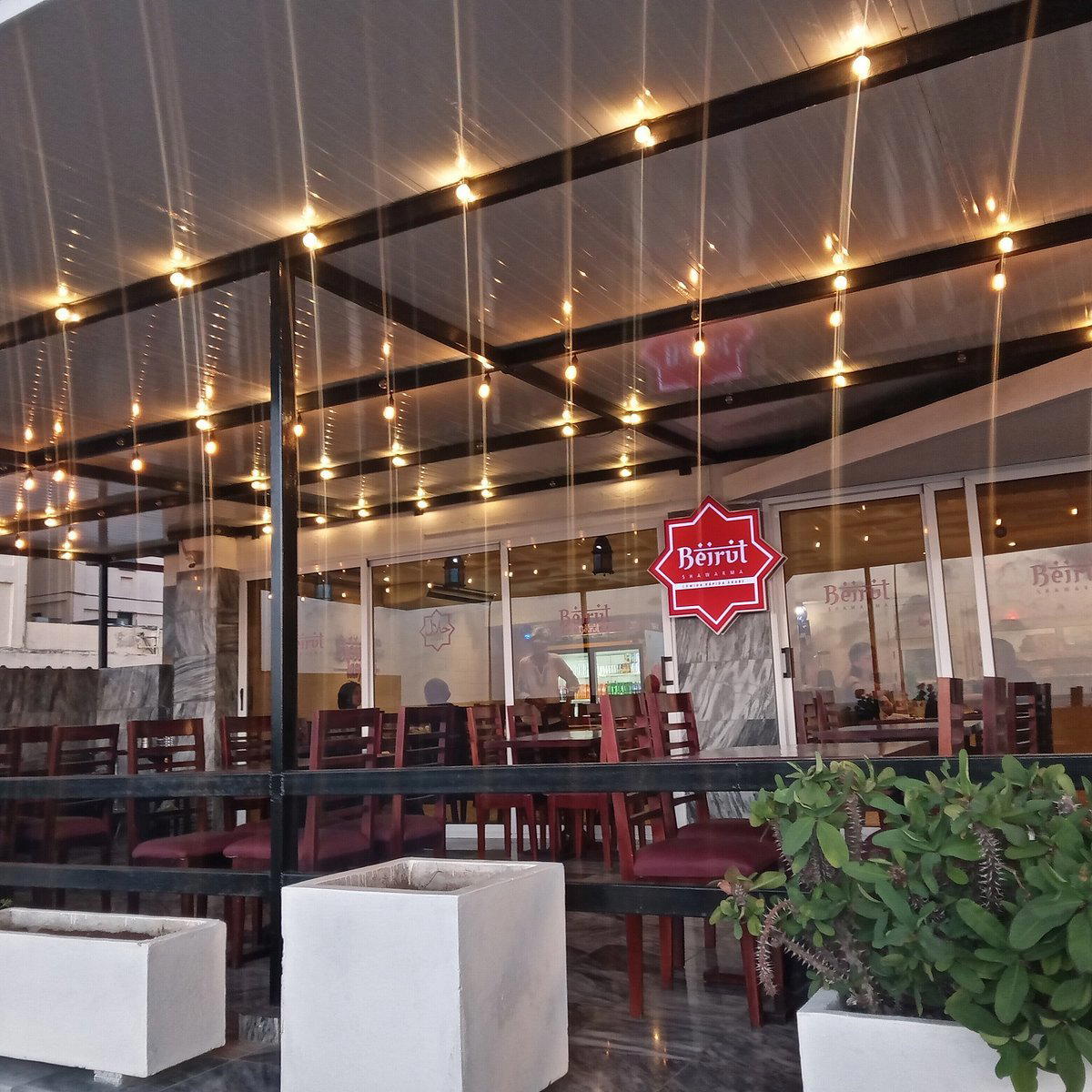
Havana's paladar scene, accessible through our full Ciudad De La Habana restaurants guide, offers the city's more considered cooking. Beirut in Havana represents one point in that constellation. Tropicana exists outside that culinary conversation entirely, which is not a criticism, it is a category distinction that prevents false comparisons.
Scale, Sourcing, and the Cuban Supply Reality
The editorial angle of ingredient sourcing applies to Tropicana not through the lens of a chef's foraging relationships or a wine director's producer list, but through the more fundamental question of how large-scale Cuban entertainment venues operate within the country's supply constraints. Cuba's dual-currency economy and import restrictions have historically shaped what any high-volume venue can reliably serve. Rum is the one category where supply quality and consistency are genuinely strong: Cuban producers like Havana Club and Santiago de Cuba operate at a standard that holds up against Caribbean peers, and the mojito served at Tropicana draws on that foundation. Food service at venues of this scale tends toward items that can be sourced and prepared consistently across large covers, which in the Cuban context means a reliance on domestic staples: rice, black beans, pork, and plantain, prepared straightforwardly.
For visitors planning an evening around Tropicana specifically, the most coherent approach is to treat the show as the primary event and arrange dining separately, either before at a paladar in Vedado or Miramar, or after in Centro Habana. This is how most Havana regulars structure the evening, and it reflects an honest assessment of where Tropicana's strengths actually lie. Restaurants like Restaurante San José in Trinidad illustrate the kind of setting where food takes precedence; Tropicana is emphatically not that setting.
Planning an Evening in Marianao
Tropicana's location in Marianao, roughly six kilometres southwest of Vedado, means it sits outside the central tourist circuit and requires deliberate transport planning. Taxis from Vedado or Old Havana are the practical option; the journey takes fifteen to twenty minutes depending on traffic. The venue's scale means it receives coach groups alongside independent visitors, and the experience of the crowd is part of the atmosphere rather than a distraction from it, the cabaret tradition was always a public, collective form of entertainment, not an intimate one.
The show runs on a seasonal calendar with more frequent performances during peak visitor months. Advance booking through a hotel concierge or licensed tour operator is the standard method for international visitors, and it is the practical recommendation regardless of season, since tour groups regularly block significant portions of available seating on high-demand nights. Dress tends toward smart-casual among the international crowd; the Cuban tradition for this kind of venue skews more formal, and that contrast is visible in any given audience.
For those building a broader Havana itinerary that includes serious dining alongside cultural programming, the city's paladar tier and the Tropicana represent genuinely different propositions that complement rather than substitute for each other. The evening at Tropicana is the kind of experience that only Havana, among Caribbean cities, can still deliver at this scale and in this setting. The rest of the itinerary is where the cooking gets done.
Frequently asked questions
Can I bring kids to Cabaret Tropicana?
Tropicana's show format, rooted in Afro-Cuban performance tradition including rumba and ritual dance, is theatrical rather than adult-club in tone. That said, the venue operates as a late-night cabaret in Marianao and the programming runs well into the evening. Families with older children or teenagers generally attend without issue, but the late start time makes it impractical for young children.
What's the vibe at Cabaret Tropicana?
The setting is an open-air stage in Marianao, about six kilometres southwest of Vedado, which means the performance happens under the sky rather than inside a sealed room. The production draws on Afro-Cuban dance traditions, live orchestras, and large-scale choreography. It sits closer to the register of a European grand cabaret than to a Havana salsa club — formal, structured, and oriented around the stage rather than the bar.
How does Tropicana's Marianao location affect the experience compared to Havana's central nightlife?
Tropicana sits at Línea del Ferrocarril y Calle 72 in Marianao, placing it well outside Centro Habana and Vedado where most visitors spend their evenings. The distance means arriving independently requires a taxi or pre-arranged transport, and the neighbourhood itself offers little else by way of dining or pre-show options. Most visitors build the evening around Tropicana as a standalone event rather than pairing it with a restaurant or bar crawl in the city centre.
What do regulars order at Cabaret Tropicana?
Tickets to the Tropicana show typically include a drinks package, and rum-based cocktails, particularly daiquiris and Cuba libres, are the standard accompaniment. Given Cuba's supply constraints, the beverage selection reflects what's available domestically rather than a curated cocktail programme. The focus here is the stage, not the menu.
What's the address for Cabaret Tropicana?
Cabaret Tropicana is located at Linea del Ferrocarril y Calle 72 (Marianao), Ciudad De La Habana, La Habana, Ciudad De La Habana.
Do I need a reservation for Cabaret Tropicana?
Advance booking is advisable, particularly during peak tourism periods. Tour operators based in Vedado and Habana Vieja sell packages that include transport to the Marianao location, which is the most practical option given the venue sits outside the central tourist circuit. Walking in on the night is possible during quieter periods but carries the risk of sold-out seating in the main sections.
What's the standout thing about Cabaret Tropicana?
The open-air stage format, operating through Havana's warm months under an unenclosed sky, gives Tropicana a production quality that no indoor venue in Cuba replicates at the same scale. The show has been running in some form since 1939, making it one of the longest-continuously-operating cabaret productions in the Caribbean. That continuity, through revolution and economic blockade, is the credential the venue carries.
Comparable Spots, Quickly
| Venue | Cuisine | Price | Awards | Notes |
|---|---|---|---|---|
| Cabaret TropicanaThis venue — the venue you are viewing | Cuban Cabaret Dining & Entertainment | $50–100 | Not listed | Not listed |
| La Guarida | Modern Caribbean | $30–50 | Not listed | Cuban |
| Beirut | Lebanese Fusion Rooftop | Not listed | Not listed | Not listed |
| La Cocina de Esteban | Cuban Caribbean with Spanish influences | $10–20 | Not listed | Not listed |
| La Paila Fonda | Authentic Cuban BBQ & Paladar | $10–20 | Diners, Drive-Ins and Dives Featured Restaurant | Not listed |
| Union Francesa | Cuban and International in Historic Vedado Building | $20–30 | Not listed | Not listed |
Continue exploring
More in Ciudad De La Habana
Restaurants in Ciudad De La Habana
Browse all →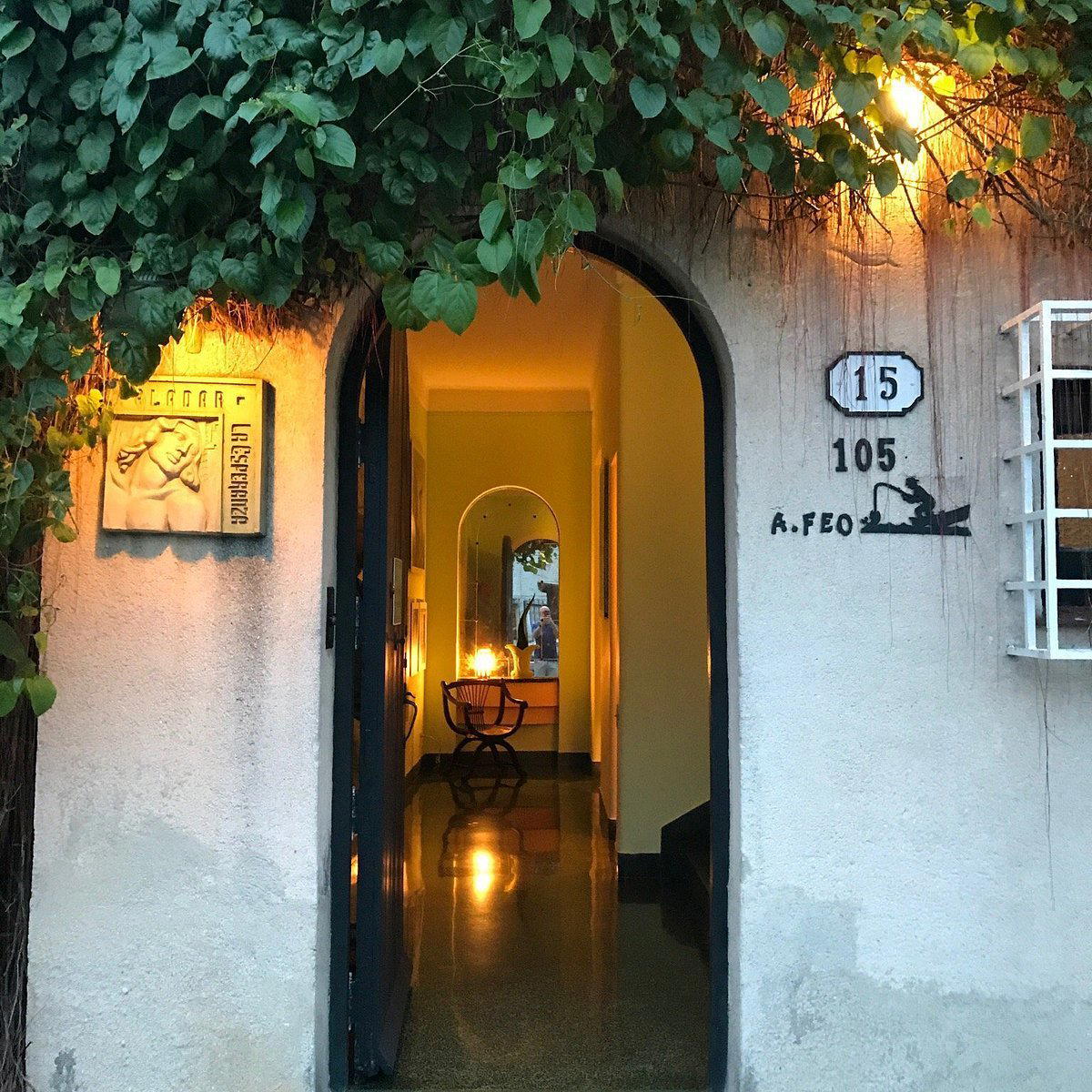
Bars in Ciudad De La Habana
Browse all →
Hotels in Ciudad De La Habana
Browse all →
Wineries in Ciudad De La Habana
Browse all →
Details
- Well Known
- Lively
- Elegant
- Bohemian
- Scenic
- Celebration
- Special Occasion
- Late Night
- Group Dining
- Live Music
- Garden
- Historic Building
- Beer Program
- Garden
- A La Carte
- Set Menu
- Rum
- Cocktails
Lively outdoor tropical setting with tall palm trees interspersed among dining tables, colorful native rhythms and costumes, chandeliered dining areas, and an energetic nightclub atmosphere.