El Patio occupies one of Havana's most architecturally commanding addresses, facing Plaza de la Catedral in the heart of Old Havana. The setting places it squarely within the tourist-facing tier of Havana dining, where colonial architecture and location do significant work. Visitors consistently flag the courtyard experience and traditional Cuban cooking as the primary draws.
Pearl is the En Primeur Club membership app — saves, bookings, and concierge access live there. Same editors, same standards.
- Address
- Plaza de la Catedral, 54 San Ignacio, La Habana 10100, Cuba
- Phone
- +5378618504
- Directions
- Get directions
 Saves & bookings on Pearl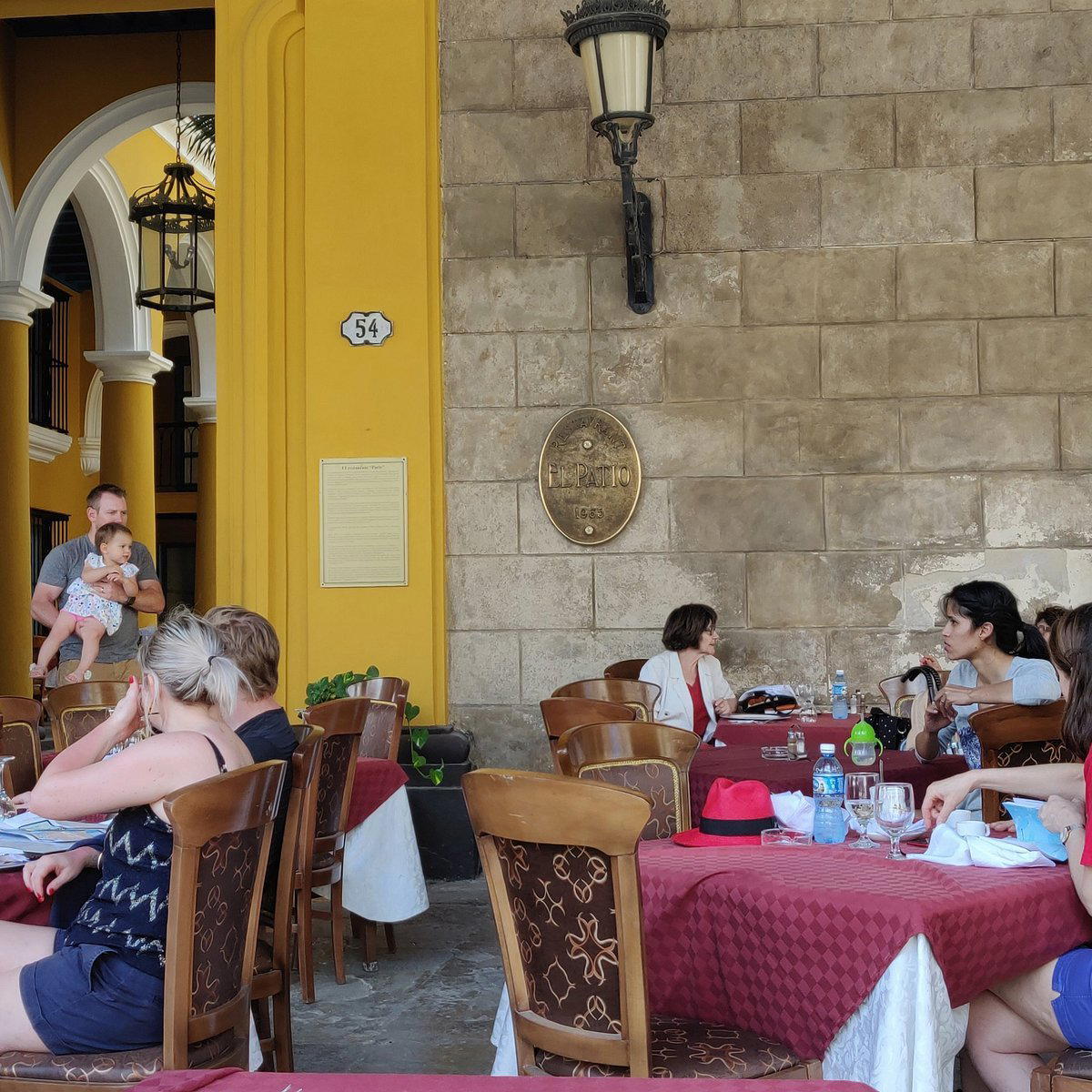
A Colonial Courtyard in the Centre of Old Havana's Dining Debate
Plaza de la Catedral is the kind of address that does half the work before a dish arrives. The square is Old Havana's most photographed corner, framed by 18th-century baroque architecture and the slow foot traffic of visitors who have been walking the cobblestones since morning. El Patio sits directly on this square at 54 San Ignacio, occupying a colonial mansion whose interior courtyard, open to the sky, shaded by palms, edged with ironwork balconies, represents the physical archetype of what most visitors picture when they imagine dining in Havana. The building sets a tone that the kitchen then has to meet, or not.
That tension between setting and substance is the central question at every prominent Old Havana address. Havana's dining scene has split into at least two distinct registers over the past decade: the paladares, privately owned restaurants that have driven the city's most ambitious cooking since licensing reforms opened space for independent operators, and the state-affiliated or prominently located establishments where the real estate premium is part of the product. El Patio belongs to the second category, and understanding that distinction helps calibrate expectations before you sit down.
The Setting as the Offer
Few dining rooms in Cuba deploy architecture as directly as a courtyard-centred format does. The experience of arriving through a colonial entrance, crossing into open air, and settling at a table under a Havana sky is not incidental to El Patio's appeal, it is the primary offer. This is a pattern seen at similarly positioned venues across the Caribbean and Latin America: in cities where colonial infrastructure survived, particularly trafficked restaurants are often the ones that figured out how to put a table inside a significant building rather than necessarily the ones that built one coherent culinary program.
That said, the front-of-house experience at addresses like this one carries real weight. In a city where service culture has historically been shaped by state-sector employment norms rather than the tip-driven incentive structures common elsewhere, a dining room operating at high tourist volume in a marquee location requires deliberate coordination between floor staff and kitchen to function smoothly. Visitors who have written at length about El Patio consistently mention the courtyard atmosphere and the quality of live music, a standard feature of dining in this part of Havana, alongside the more variable experience of the food itself. Traditional Cuban cooking, here as elsewhere in the city, tends toward rice, black beans, roasted pork, and seafood prepared in relatively direct styles. The genre rewards fresh ingredients and timing more than technical complexity.
Positioning Among Havana's Options
Old Havana's dining corridor runs from particularly tourist-facing addresses on the main squares down through narrower streets where paladares like El Chanchullero and El del Frente operate with more independence and, often, more kitchen ambition. The comparison is instructive rather than dismissive: different formats serve different purposes. A visitor who wants to eat in a colonial courtyard with live son cubano and a classic ropa vieja is looking for something categorically different from one seeking the kind of creative Cuban cooking that paladares have been developing since the sector opened. The restaurant addresses the former appetite.
The neighbourhood comparable set also includes La Bodeguita Del Medio, which operates on a similar logic of location-as-product, and Beirut, which takes a different approach to the question of what an Old Havana restaurant can offer. Further afield, La Cocina de Esteban represents the more intimate, home-cooking-led end of the spectrum. In Playa, La Esperanza demonstrates what a residential-neighbourhood paladar can achieve when separated from the tourist-facing pressures of the historic centre.
For context further afield in Cuba, Restaurante San José in Trinidad shows how colonial-setting dining operates in a smaller city where the competitive dynamics are different, and the Cabaret Tropicana in Ciudad De La Habana sits at the other end of the experience-led spectrum entirely.
What the Team Dynamic Produces
In restaurants where the setting absorbs a significant share of the guest's attention, the collaboration between front-of-house and kitchen matters in a specific way: the floor team has to translate a physical experience into a meal that feels coherent with it. At the restaurant, where the courtyard and the music are substantial draws in their own right, the dining service functions as the connective tissue between what the building promises and what the kitchen delivers. Guest accounts suggest that the staff are attentive to the volume and pace typical of a high-traffic tourist location, which differs meaningfully from the more personalised service rhythm at smaller paladares. At venues operating at similar scale internationally, from Emeril's in New Orleans to Dal Pescatore in Runate, the relationship between a storied address and consistent service execution is a recurring challenge that defines the guest experience more than any single dish.
The contrast with precision-focused collaborative dining formats elsewhere is sharp. Restaurants like Atomix in New York City, HAJIME in Osaka, or Le Bernardin in New York City build their team dynamic around tightly choreographed service protocols and deep menu knowledge. The restaurant operates in a different register entirely, one where the primary choreography is between the physical space, the live music, and the steady flow of guests, a different discipline, but a discipline nonetheless. Similarly, Reale in Castel di Sangro, Atelier Moessmer Norbert Niederkofler in Brunico, Quattro Passi in Marina del Cantone, and Lazy Bear in San Francisco each demonstrate how team coordination shapes experience at high-attention addresses, even when the format is utterly different.
Planning Your Visit
The restaurant is located directly on Plaza de la Catedral at 54 San Ignacio in Old Havana, making it among the more straightforwardly findable addresses in the city, the square itself is a natural endpoint for any walking route through the historic centre. Given its position on one of Havana's most visited squares, the restaurant operates at high foot traffic, particularly through midday and the early evening. Visitors who want a table in the courtyard rather than inside the colonial building itself should plan to arrive early or communicate the preference clearly on arrival. Payment arrangements in Havana remain subject to currency considerations specific to Cuba, and travellers should confirm current accepted payment methods before dining, as these conditions have shifted repeatedly in recent years. One practical approach is to arrive on foot from Plaza de la Catedral.
Budget Reality Check
Comparable venues nearby, for context on price, style, and recognition.
| Venue | Cuisine | Price | Notes |
|---|---|---|---|
| El PatioThis venue — the venue you are viewing | Habana Vieja, Traditional Cuban | $$ | Not listed |
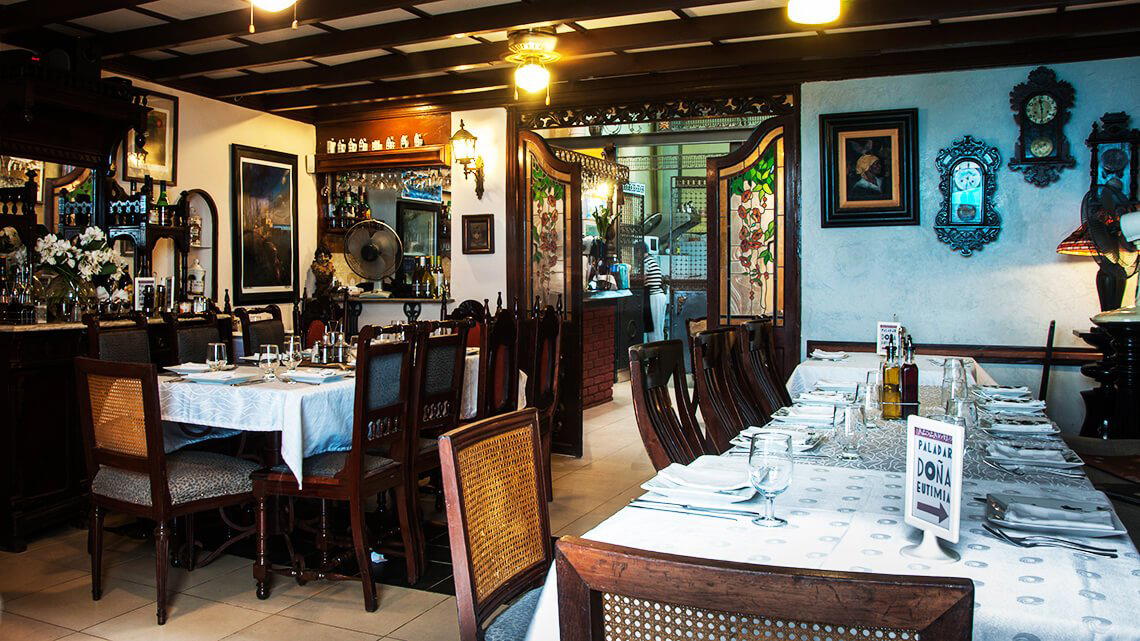
| Paladar Doña Eutimia | Habana Vieja, Traditional Cuban Criolla | $$ | Not listed |
| La Bodeguita Del Medio | Old Havana, Traditional Cuban Creole | $$ | Not listed |
| La Cocina de Esteban | Not listed | $$ | Vedado, Cuban Caribbean with Spanish influences |
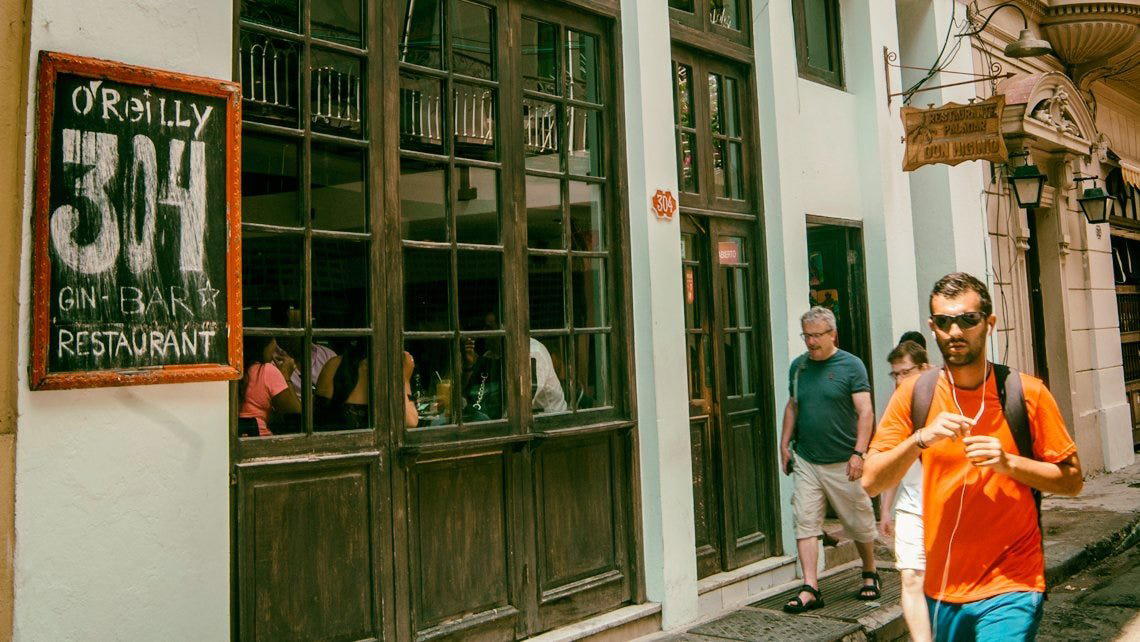
| O'Reilly 304 | Old Havana, Creative Latin Fusion Tapas | $$ | Not listed |
| El del Frente | Habana Vieja, Modern Cuban | $$ | Not listed |
Continue exploring
More in Havana
Restaurants in Havana
Browse all →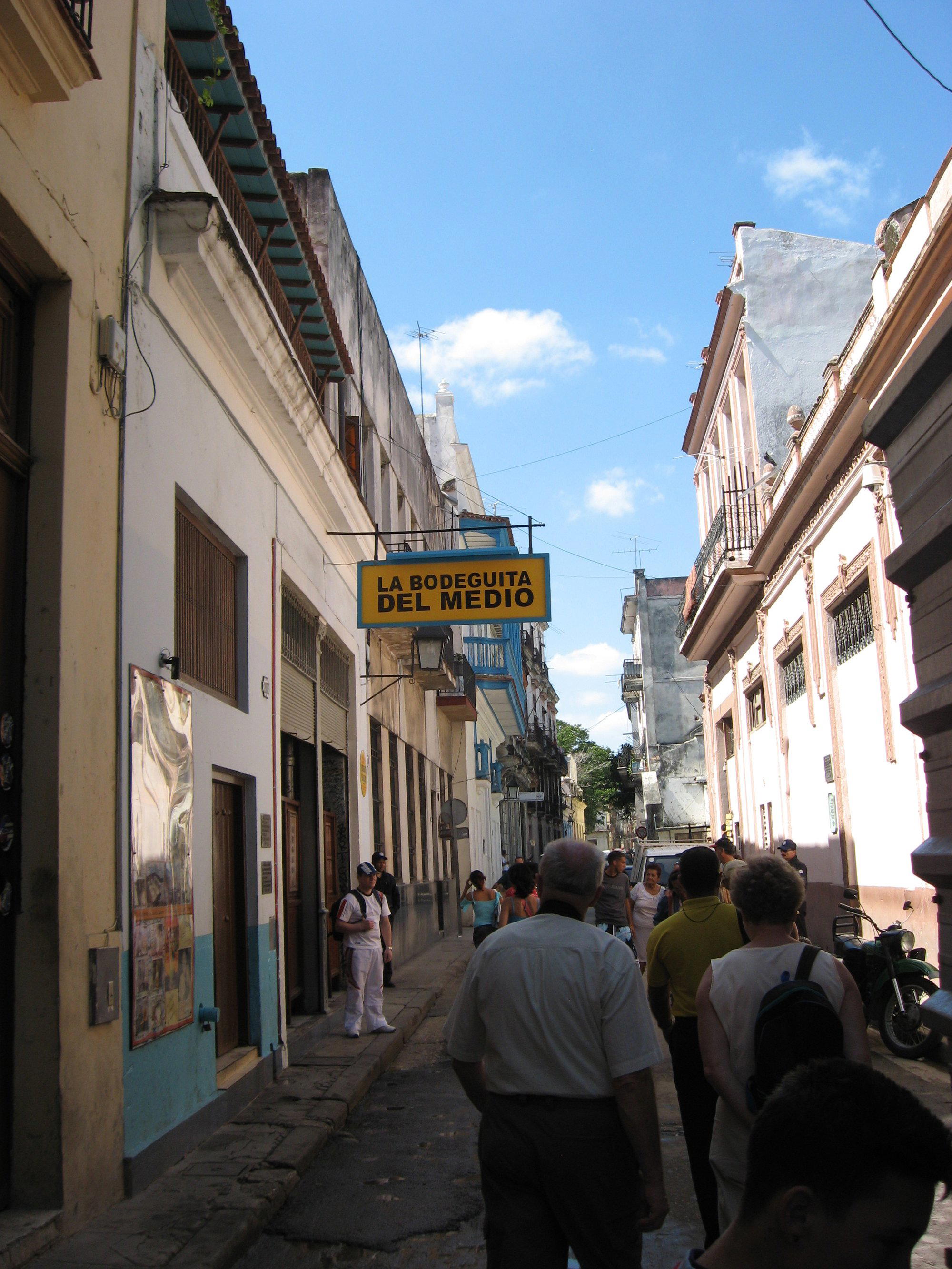
Bars in Havana
Browse all →
Hotels in Havana
Browse all →
Wineries in Havana
Browse all →
At a Glance
- Lively
- Well Known
- Rustic
- Casual Hangout
- Special Occasion
- Live Music
- Terrace
- Historic Building
- Craft Cocktails
- Street Scene
Current opening hours
- Monday
- 10 AM–11:30 PM
- Tuesday
- 10 AM–11:30 PM
- Wednesday
- 10 AM–11:30 PM
- Thursday
- 10 AM–11:30 PM
- Friday
- 10 AM–11:30 PM
- Saturday
- 10 AM–11:30 PM
- Sunday
- 10 AM–11:30 PM
Hours can change for holidays and private events. Last verified .
Lively atmosphere with live traditional Cuban music on a beautiful colonial terrace overlooking the plaza.