Our verdict
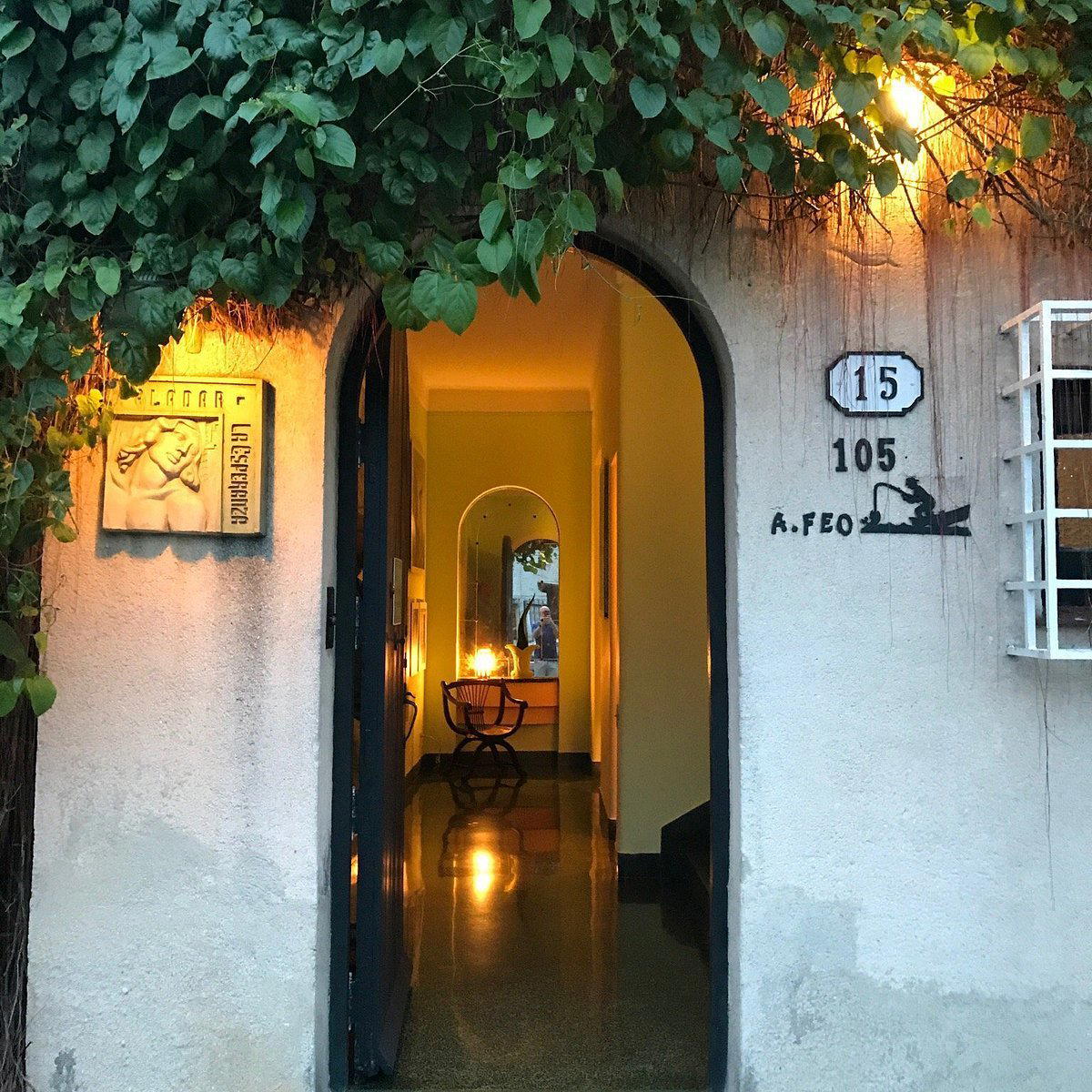
La Esperanza serves authentic Cuban at 105 Calle 16 in Playa, with dinner and late-night service in a casual, upscale-casual setting.

Pearl is the En Primeur Club membership app — saves, bookings, and concierge access live there. Same editors, same standards.
- Address
- 105 Calle 16, La Habana, Cuba
- Phone
- +5372024361
- Hours
- Mon–Sat 7–11 PMSun Closed
- Directions
- Get directions
The menu
What to order
- Pollo Luna de Miel
- Rum Chicken
- Octopus Carpaccio
- Lamb Stew
Playa, Havana, and the Politics of a Home-Cooked Table
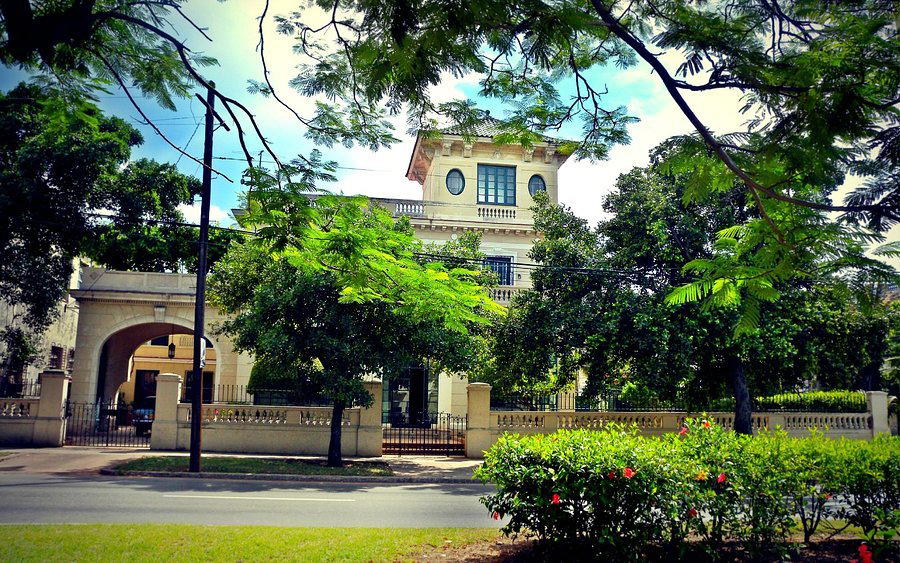
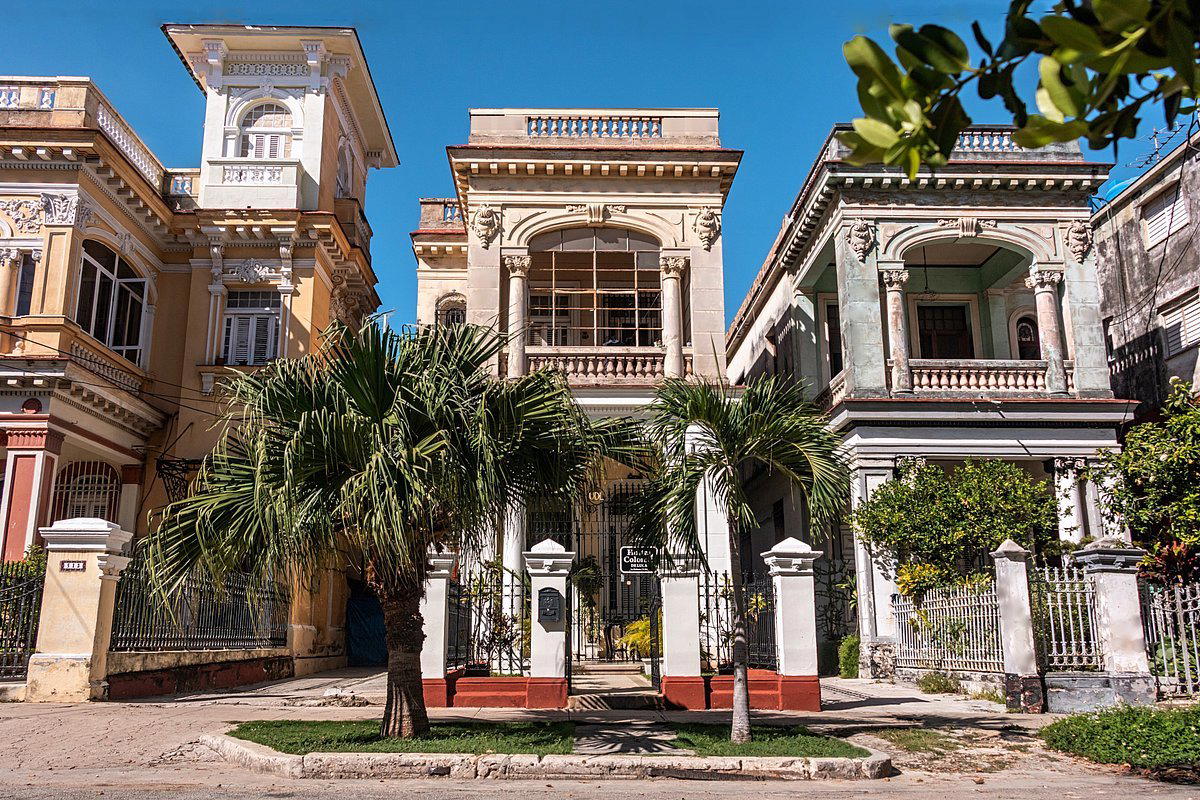
The Playa municipality sits west of Havana's colonial core, and its residential streets carry a different register from the tourist circuits around the Malecón or Plaza Vieja. On Calle 16, La Esperanza occupies a converted family home whose street-facing windows and low ambient noise signal something closer to a private dining room than a restaurant in any conventional sense. Approaching it, you are not walking into a hospitality operation with a formal entrance sequence; you are walking into someone's house, which in Havana's paladar tradition is precisely the point. Cuba's licensed private restaurants have operated out of residential properties since the 1990s reforms, and the format carries a culinary logic that differs sharply from state-run dining: the supply chain is personal, the sourcing is improvised, and what arrives at the table reflects what was available at the market that morning rather than a fixed seasonal menu designed months in advance.
Where the Food Comes From, and Why That Matters in Havana
Ingredient sourcing in Havana's private dining sector is not a marketing position; it is a structural reality. Cuba's dual-currency legacy and ongoing supply constraints mean that paladar kitchens do not operate with the predictability of a continental European brigade. Produce arrives through a patchwork of agromercados (agricultural markets), direct relationships with small-scale growers, and whatever the informal networks of Havana's residential neighbourhoods yield on a given week. This is not artisanal storytelling for the benefit of foreign visitors; it is the actual condition under which home-based restaurants here have always worked.
That context matters when reading a table like La Esperanza's. Cuban home cooking draws on a Creole foundation — a culinary tradition shaped by Spanish, African, and Caribbean influences that centres on slow-cooked proteins, root vegetables such as yuca, malanga, and boniato, rice and beans in many forms, and pork in preparations ranging from roast to stewed. The paladar format at its most interesting brings this tradition into a domestic setting where the cook's personal relationships with suppliers become the filter through which those ingredients pass. At its least interesting, the same format produces generic ropa vieja and congri for tour groups. The distinction between those outcomes lies almost entirely in the sourcing discipline and cooking confidence behind the kitchen.
La Esperanza sits on Calle 16 in Playa, a neighbourhood that does not attract heavy foot traffic from Havana's main visitor corridors. That address alone places it in a specific subset of Havana's paladar scene: the neighbourhood operators that rely on return guests, word-of-mouth, and a smaller rotating pool of visitors willing to go looking rather than stumbling in. That dynamic, common to residential-district restaurants in cities from Lisbon to Buenos Aires, tends to produce kitchens that cook for a known audience rather than an anonymous one, and the menus that result from that condition tend to be more coherent. For context on how Cuba's other private dining addresses fit into this picture, see our full Playa restaurants guide.
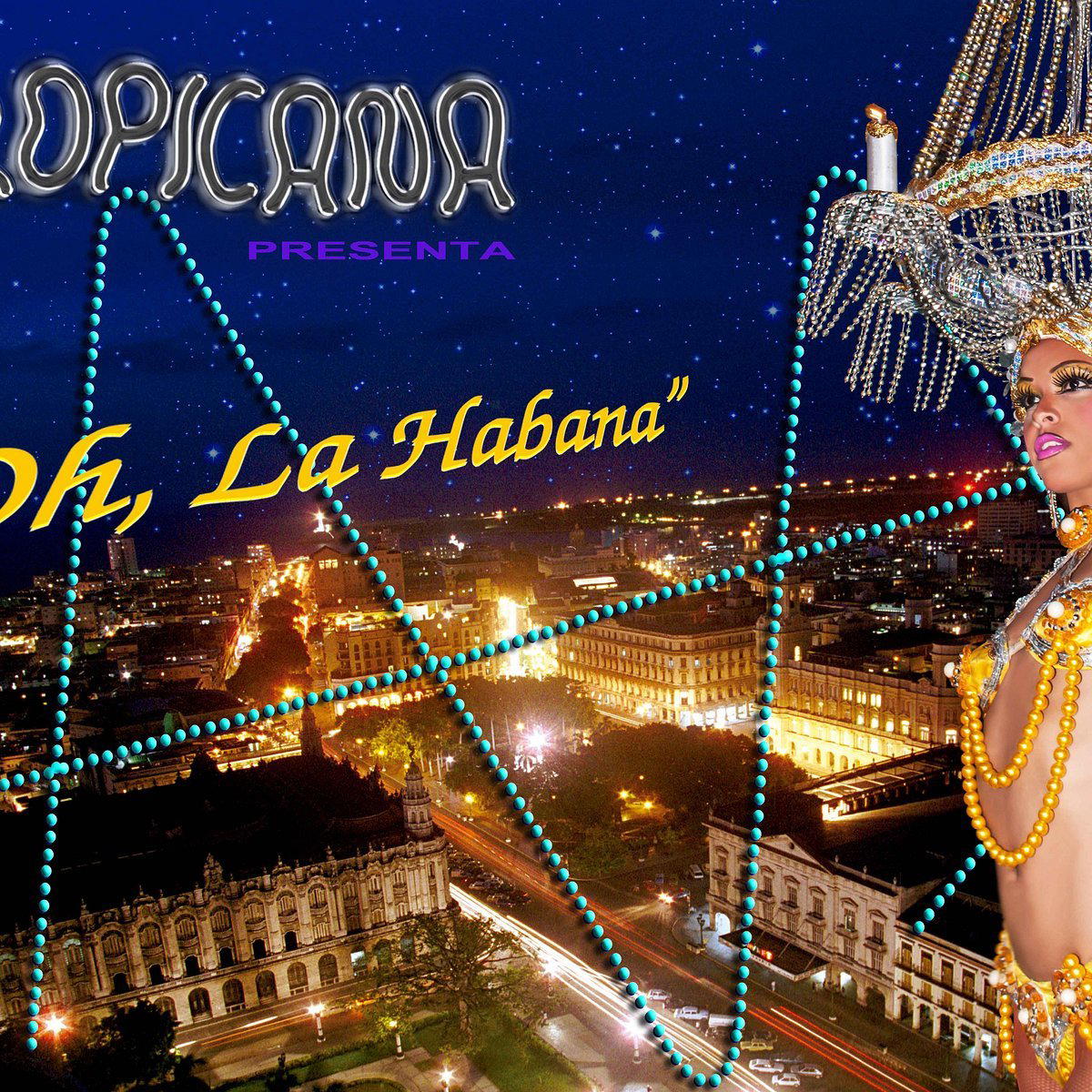
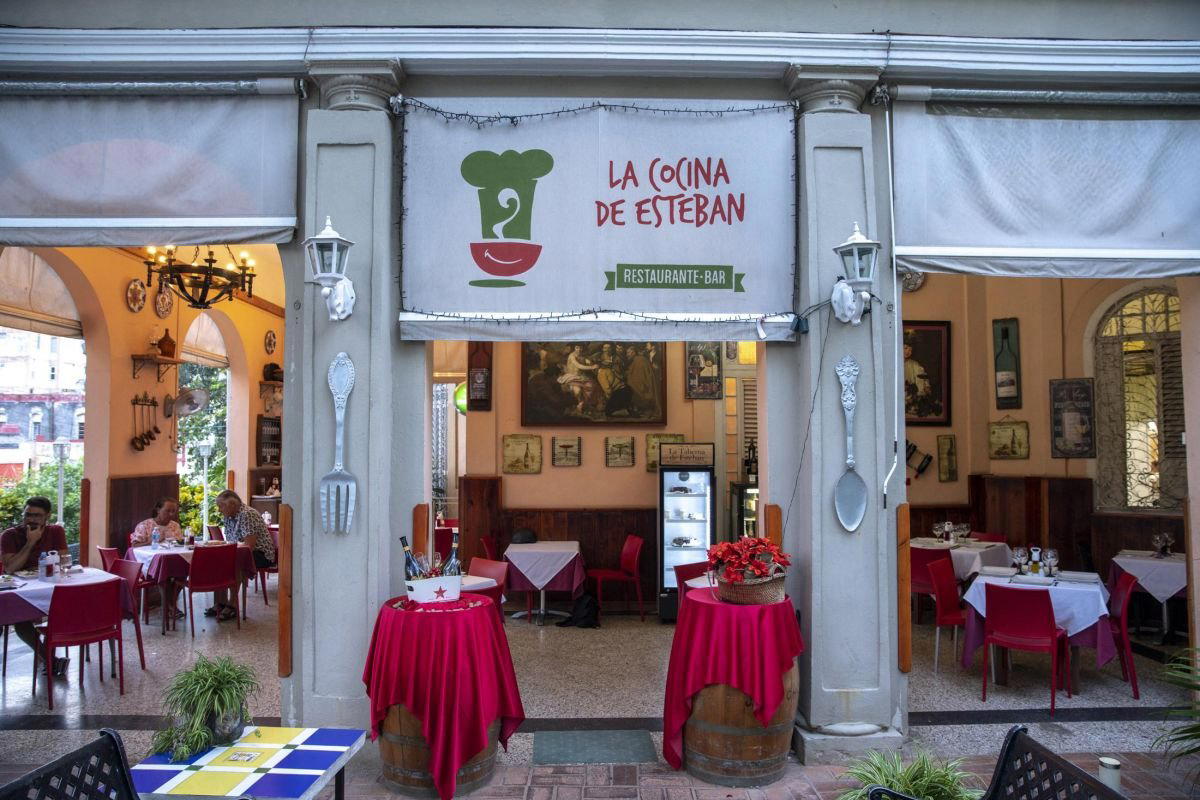
Havana's better-known paladares have moved upmarket in recent years. La Guarida, in Centro Habana, operates with a level of international press recognition that has shifted its pricing and clientele well above the mid-tier. La Cocina de Esteban represents another approach to Havana's private dining tradition, as does the more performance-oriented Cabaret Tropicana for visitors seeking a broader cultural programme. In Trinidad, Restaurante San José demonstrates how the Cuban home-restaurant format travels to smaller cities. La Esperanza occupies a residential-neighbourhood position that differs from all of these: less theatrically staged than the city-centre names, and rooted in a part of Havana where the gap between kitchen and dining room is deliberately narrow.
Comparing this format to internationally recognised addresses such as Le Bernardin in New York, Atomix, or Arpège in Paris is not a like-for-like exercise, but the underlying question those restaurants and La Esperanza share is the same: how tightly does the kitchen control its ingredients, and how honestly does that show up on the plate? Ingredient-led cooking at Aponiente or Atelier Crenn carries different infrastructure and ambition, but the discipline of working with what is available and making that constraint a strength rather than a limitation is a shared logic across the spectrum. The paladar format in Havana makes that constraint visible in a way that more resourced kitchens can afford to conceal.
The Dining Room and What to Expect at the Table
The converted-home format means the dining room at La Esperanza is small, and the atmosphere is closer to the domestic than the formal. Rooms in this type of Havana paladar typically seat between ten and thirty guests across a combination of ground-floor spaces, sometimes extending to garden areas or interior courtyards. The physical setting — ceiling fans, period furniture, framed photographs, tiled floors, is not decorative strategy; it is the house as it was before it became a restaurant, which in Playa's residential fabric means mid-century Cuban domestic architecture with the proportions and patina that entails.
Cuban hospitality in this format does not separate service from ownership in the way a formal restaurant brigade would. The people running the room are frequently the same people connected to the kitchen, and conversation at the table tends to be genuine rather than scripted. That informality is part of what visitors from more formalized dining cultures, whether arriving from a tasting-menu counter at Lazy Bear in San Francisco or a grand European house like Louis XV in Monte Carlo, find either disorienting or exactly what they came for. There is no middle register here.
Planning a Visit: What You Need to Know
La Esperanza is at 105 Calle 16 in Playa. The address places it roughly twenty minutes from Havana Vieja by taxi, and the Playa municipality is most efficiently reached from central Havana by metered state taxi or by one of the classic American car taxis that operate on fixed tourist routes. Phone and website contact details are not publicly listed, and the most reliable way to secure a table is through your hotel concierge or a local hospitality contact in Havana, which is standard practice for residential paladares that do not maintain online booking infrastructure. Arriving without a reservation at a venue of this type and format is not advisable; the small capacity and private-house nature of the operation means walk-in seats are rarely available. Cuba's cash economy means carrying convertible currency is practical; card infrastructure at Playa paladares is inconsistent at leading.
Frequently asked questions
Does La Esperanza work for a family meal?
The converted-home format at 105 Calle 16 in Playa lends itself to group dining more naturally than a formal restaurant would. The domestic scale of the rooms means seating is limited, so a large party should confirm space in advance. The atmosphere is closer to a family dining room than a commercial floor, which tends to suit multigenerational groups.
What's the overall feel of La Esperanza?
La Esperanza occupies a residential building in Playa, roughly twenty minutes west of Havana Vieja, and the interior reflects that: personal, small-scale, and domestic rather than designed. It sits in a neighbourhood that Havana residents use, not a tourist corridor, which shapes the pace and register of service. The experience reads as a dinner at someone's home rather than a curated restaurant concept.
How does La Esperanza's location in Playa differ from Havana's main dining district?
Playa sits west of Havana's colonial core and outside the tourist circuits concentrated around Havana Vieja and Centro Habana, where most internationally recognised paladares are found. The address at 105 Calle 16 places La Esperanza in a residential municipality used primarily by Havana residents, which affects everything from the clientele to the operating rhythm. For visitors, the twenty-minute taxi ride from Havana Vieja is the entry cost to dining in a context that does not orient itself around tourism.
What do regulars order at La Esperanza?
In the broader Havana private-dining context, this means Cuban staples — fish, pork, black beans, rice — prepared according to what the market yields rather than a fixed printed card. Asking the host what arrived that day is standard practice.
What's the address for La Esperanza?
La Esperanza is located at 105 Calle 16, La Habana, Cuba, Playa.
Is La Esperanza reservation-only?
Given its small converted-home format in Playa, walking in without prior contact carries real risk of finding the dining room full or unprepared. No phone or website is publicly listed for La Esperanza, which means bookings typically come through hotel concierges, guesthouse hosts, or local intermediaries who maintain direct contact. Arriving unannounced is not the norm for Havana paladares at this scale.
What has La Esperanza built its reputation on?
La Esperanza is positioned within Havana's paladar tier — private home restaurants that emerged from Cuba's economic reforms in the 1990s — and its standing rests on the residential dining format it represents in the Playa municipality rather than on documented awards or international press recognition.
Side-by-Side Snapshot
Comparable venues nearby, for context on price, style, and recognition.
| Venue | Cuisine | Price | Notes |
|---|---|---|---|
| La EsperanzaThis venue — the venue you are viewing | Authentic Cuban | $10–20 | Not listed |
| La Bodeguita Del Medio | Traditional Cuban Creole | Not listed | Old Havana |
| Union Francesa | Cuban and International in Historic Vedado Building | $20–30 | Vedado |
| Beirut | Lebanese Fusion Rooftop | Not listed | La Habana Vieja |
| El del Frente | Modern Cuban | $10–20 | Habana Vieja |
| O'Reilly 304 | Creative Latin Fusion Tapas | $10–20 | Old Havana |
Continue exploring
More in Playa
Restaurants in Playa
Browse all →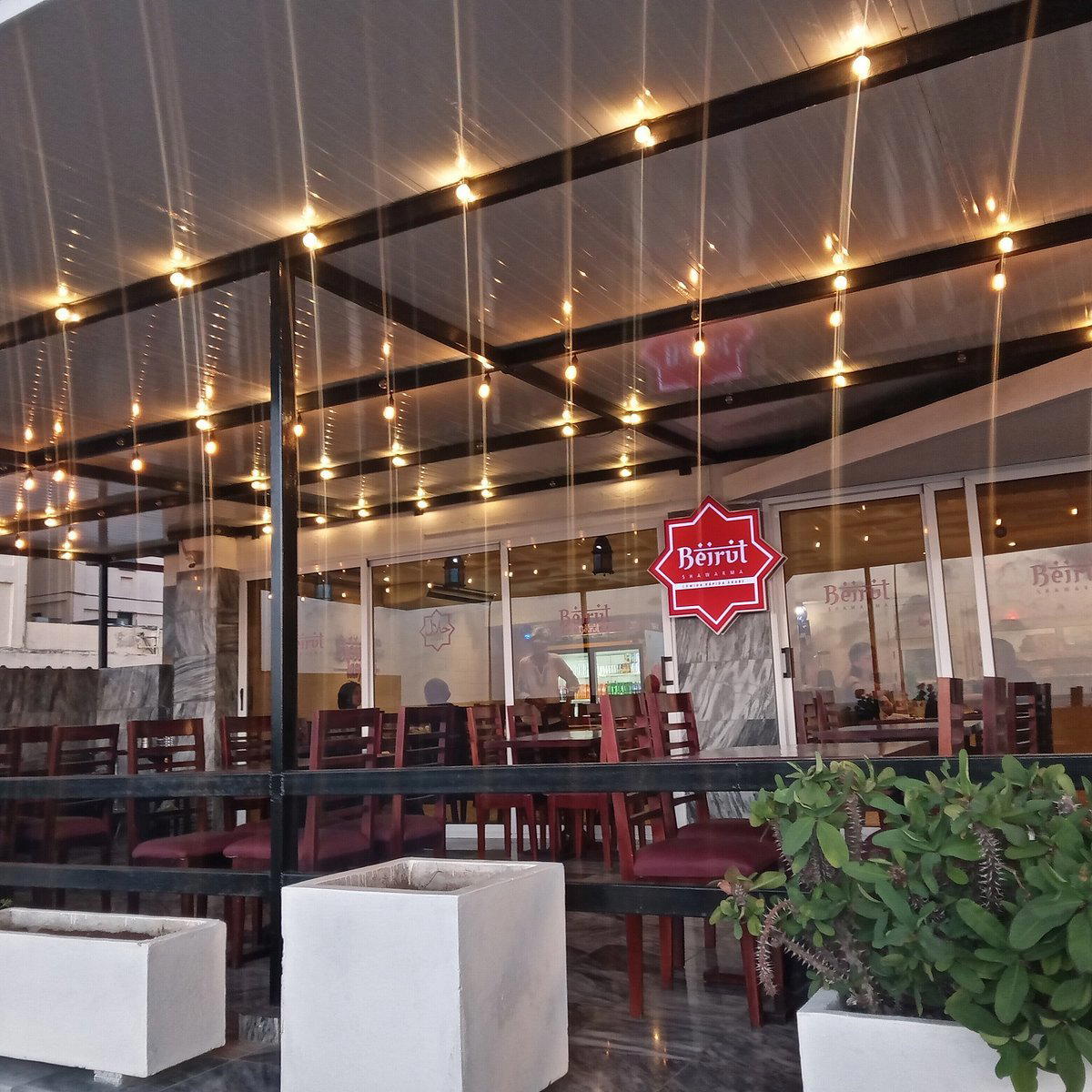
Bars in Playa
Browse all →
Hotels in Playa
Browse all →
Wineries in Playa
Browse all →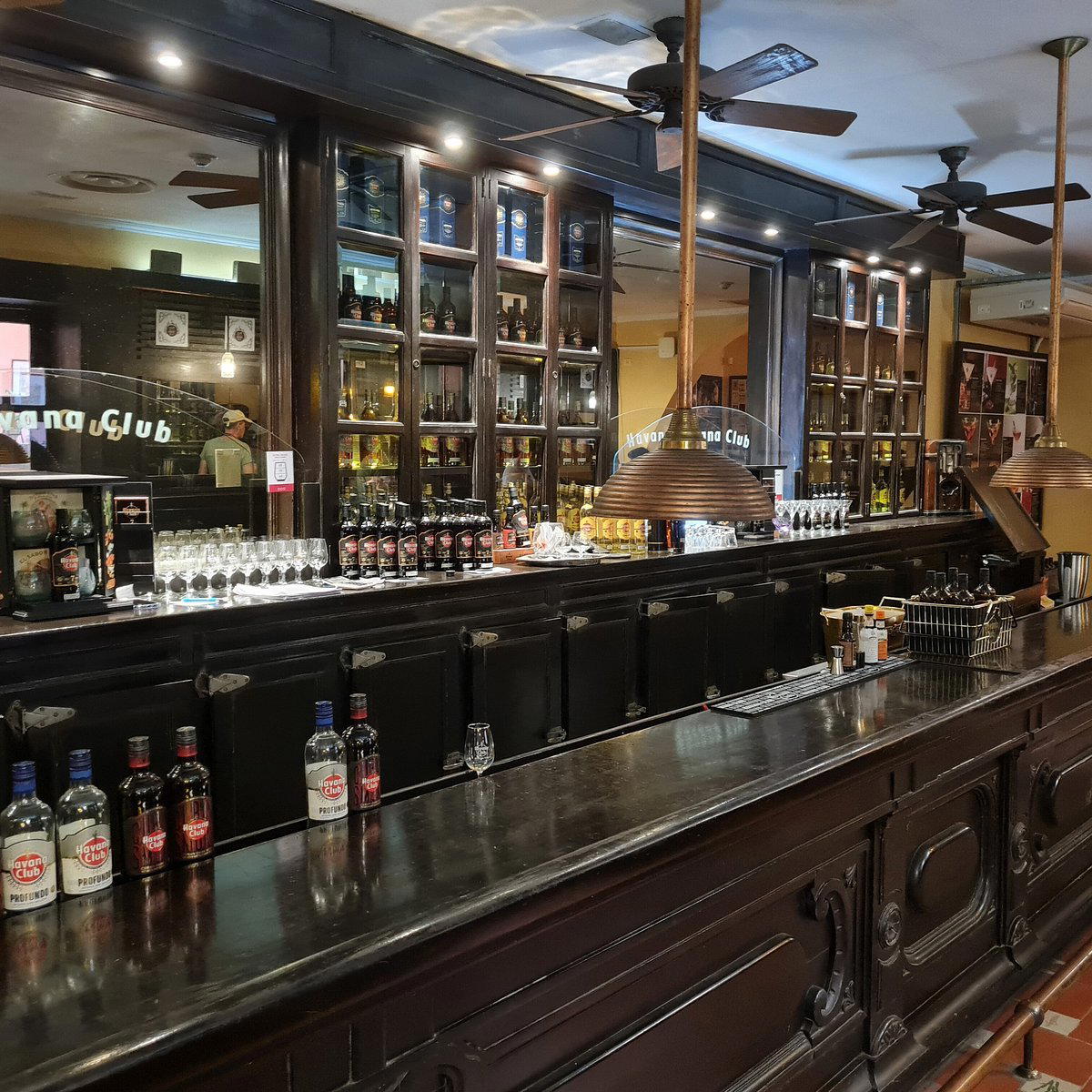
Details
- Classic
- Intimate
- Cozy
- Elegant
- Date Night
- Group Dining
- Special Occasion
- Casual Hangout
- Private Dining
- Historic Building
- Standalone
- Craft Cocktails
- A La Carte
- Mojito
- Daiquiri
- Vegetarian Friendly
Current opening hours
- Monday
- 7–11 PM
- Tuesday
- 7–11 PM
- Wednesday
- 7–11 PM
- Thursday
- 7–11 PM
- Friday
- 7–11 PM
- Saturday
- 7–11 PM
- Sunday
- Closed
Hours can change for holidays and private events. Last verified .
Warm and nostalgic with early-to-mid 20th century decor and memorabilia throughout the house, creating a placid and intimate atmosphere that evokes a home dinner party.