Few addresses in Old Havana carry as much cultural freight as La Bodeguita Del Medio on Empedrado Street. The bar-restaurant occupies the intersection of Cuban food tradition and literary mythology, drawing visitors and locals alike to its wall-scrawled interior for mojitos and creole cooking. It is less a restaurant to be evaluated than a phenomenon to be understood.
Pearl is the En Primeur Club membership app — saves, bookings, and concierge access live there. Same editors, same standards.
- Address
- 4JRX+847, Empedrado, La Habana, Cuba
- Phone
- +5378671374
- Directions
- Get directions
 Saves & bookings on Pearl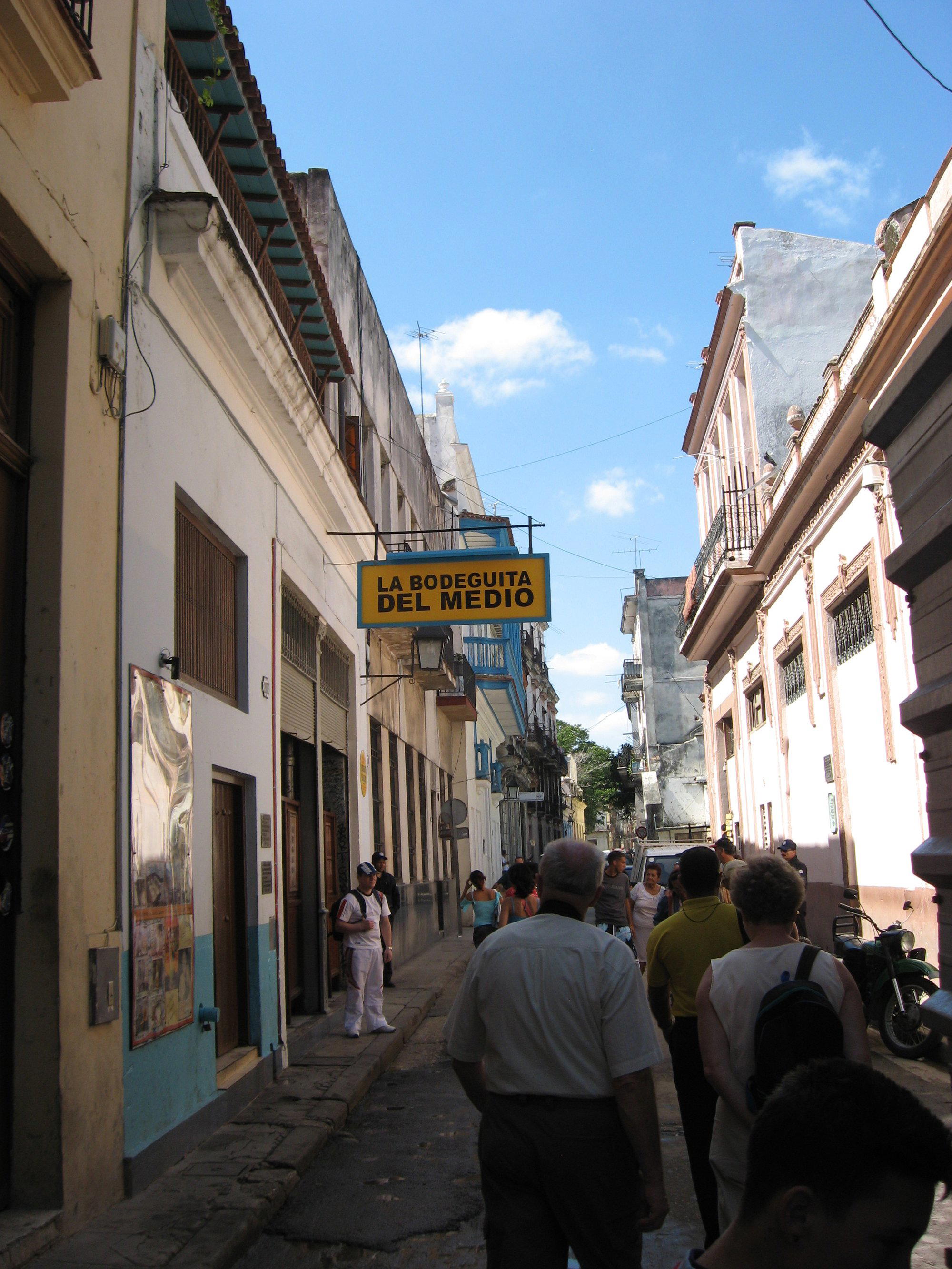
What Empedrado Street Tells You Before You Walk In
Old Havana operates on a logic of accumulated meaning. Streets that look unremarkable by international standards carry decades of political history, artistic production, and social ritual in their stonework and painted facades. Empedrado, the narrow colonial-era street running through the heart of Habana Vieja, is one of those streets, and La Bodeguita Del Medio sits on it as both a product of that history and, increasingly, a contributor to its mythology. The exterior gives little away: a modest doorway, hand-lettered signage, a doorframe worn smooth by the passage of visitors over many decades. What the street does signal is that you are in the part of Havana where the city's self-image is most concentrated, and where the gap between tourist infrastructure and living Cuban culture is narrowest.
The Room and What It Represents
Inside, the walls do most of the talking, literally. La Bodeguita's interior surfaces are covered in signatures, dedications, and graffiti left by visitors spanning generations. This is not a design decision implemented by a branding team; it is a social practice that accumulated organically and has continued long enough to become the venue's most recognisable feature. Among the names often cited in association with the bar is Ernest Hemingway, though Havana scholars have long debated how frequently he actually visited relative to El Floridita, which he appeared to prefer. That contested attribution matters because it illustrates something true about La Bodeguita more broadly: its reputation operates somewhat independently of verifiable fact, sustained by the weight of repetition and the human appetite for literary mythology.
The room itself is small and rarely quiet. Tables fill quickly in the evening hours, and the bar area generates consistent noise from the mojito-making that has become the venue's signature activity. For visitors accustomed to the controlled atmospheres of premium restaurants in cities like New York or Hong Kong, places like Le Bernardin in New York City or Amber in Hong Kong, La Bodeguita operates in a different register entirely. The noise and compression are not design failures; they are the actual product.
Cuban Creole Cooking and Where It Comes From
The food at La Bodeguita belongs to the tradition of comida criolla, the Cuban creole canon that developed over centuries of Spanish colonial influence, African culinary heritage, and the agricultural realities of a Caribbean island economy. Understanding what arrives at the table requires some literacy in that tradition. Ropa vieja, shredded beef braised long and slow with tomato, peppers, and olives, is the kind of dish that makes sense only when you understand that Cuban cooking historically treated tough cuts and extended cooking times not as limitations but as the conditions under which flavour is extracted. The same logic applies to black beans cooked with sofrito, or plantains prepared in ways that turn a starchy staple into something with genuine textural range.
Sourcing question in Cuban cooking is inseparable from the political economy of the island. Cuba's agricultural system has operated under significant constraint since the US trade embargo took hold in the early 1960s, and the Special Period of the 1990s, following the collapse of Soviet subsidies, pushed Cuban food culture toward radical self-sufficiency. Urban agriculture programmes, rooftop gardens, and state-managed supply chains all became part of how Havana's restaurants and households sourced ingredients during that period. That history shapes what arrives on Cuban plates in ways that have no equivalent in other Caribbean food traditions. Pork remains central because pig farming survived supply disruptions that affected other proteins. Root vegetables appear frequently because they store well and grow reliably in Cuban soil. The creole kitchen, in other words, was not assembled from abundance; it was refined under pressure, and its flavours carry that discipline.
For visitors comparing Havana's food scene across multiple restaurants, La Cocina de Esteban and El Patio offer the comida criolla tradition in different registers. La Esperanza in Playa works in a more intimate paladares format. Beirut and El Chanchullero sit toward the casual end of Old Havana's dining options. El del Frente skews younger in audience and tone.
The Mojito Question
Cuba's most exported cocktail has a documented origin story that most bartenders outside the island have never engaged with closely. The mojito, white rum, lime, sugar, mint, soda, is frequently traced to Havana's bar culture of the 1930s and 1940s, with La Bodeguita among the venues most associated with its popularisation. What gets lost in the tourist retelling is that the drink's character depends almost entirely on ingredient quality: the cut of the lime, the condition of the mint, the sweetness profile of the sugar. At La Bodeguita, the mojitos are made at volume, which means the process is rapid and consistent rather than finely calibrated. This is not a criticism of the bar so much as an honest account of what high-throughput cocktail service looks like. Visitors seeking slower, more technique-focused bar work will find it elsewhere in Havana. Visitors seeking the original context in which the drink became a cultural export will find that here, or at least a credible approximation of it.
Planning a Visit: What to Know Before You Go
La Bodeguita Del Medio sits on Empedrado in Havana, Cuba, and serves Traditional Cuban Creole in a casual setting. The venue draws significant foot traffic from the surrounding tourist infrastructure, which means early evenings fill quickly and the bar area can reach capacity during peak hours. Visitors travelling outside the July-August peak and the December holiday period will generally find the room more manageable, though the venue rarely reaches anything approaching quiet. Given Cuba's evolving connectivity limitations for international visitors, pre-trip research and printed address information remains useful. Arrival timing and flexibility matter more than advance reservation. Comparable cultural and entertainment experiences in Havana include Cabaret Tropicana in Ciudad De La Habana, which operates in a different scale and register, and Restaurante San José in Trinidad for those extending their Cuba itinerary beyond the capital.
The difference is one of scale and access: Havana's food infrastructure operates under constraints that make direct quality comparisons with Alinea in Chicago or Alain Ducasse at Louis XV in Monte Carlo largely beside the point.
Comparison Snapshot
Comparable venues nearby, for context on price, style, and recognition.
| Venue | Cuisine | Price | Notes |
|---|---|---|---|
| La Bodeguita Del MedioThis venue — the venue you are viewing | Traditional Cuban Creole | $$ | Not listed |
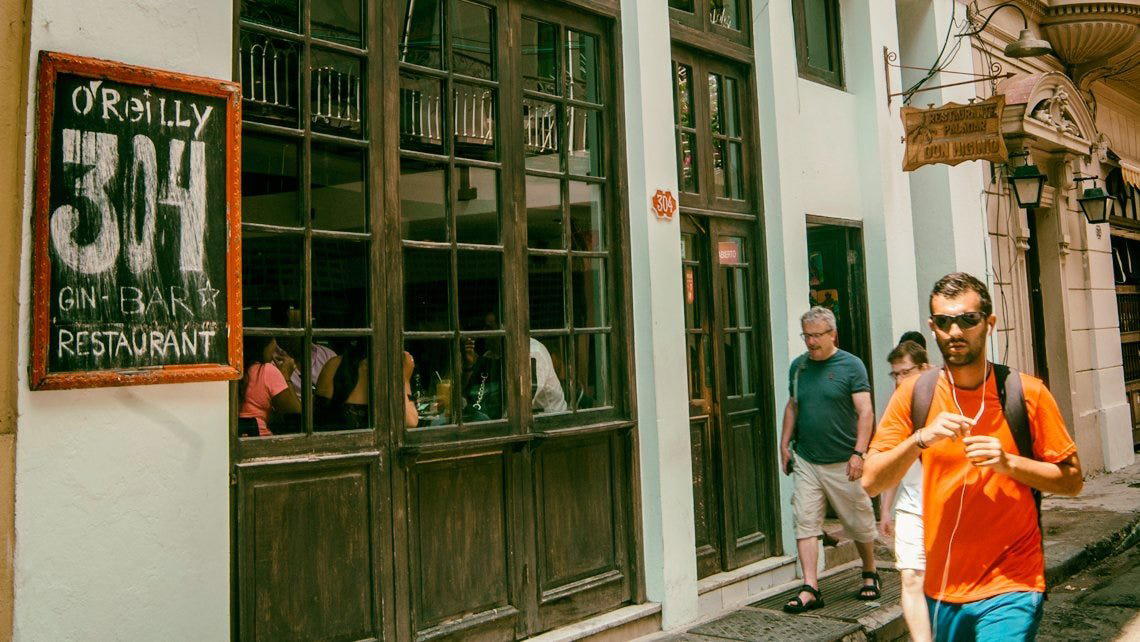
| O'Reilly 304 | Creative Latin Fusion Tapas | $$ | Old Havana |
| El Patio | Traditional Cuban | $$ | Habana Vieja |
| Beirut | Lebanese Fusion Rooftop | $$ | La Habana Vieja |
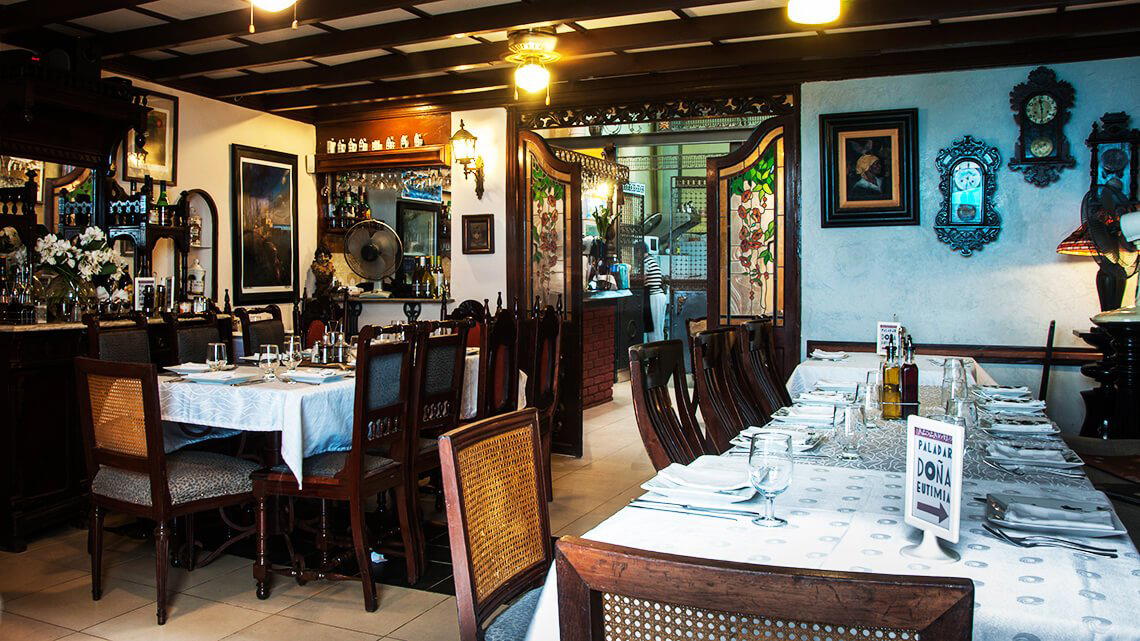
| Paladar Doña Eutimia | Traditional Cuban Criolla | $$ | Habana Vieja |
| El del Frente | Modern Cuban | $$ | Habana Vieja |
Continue exploring
More in Havana
Restaurants in Havana
Browse all →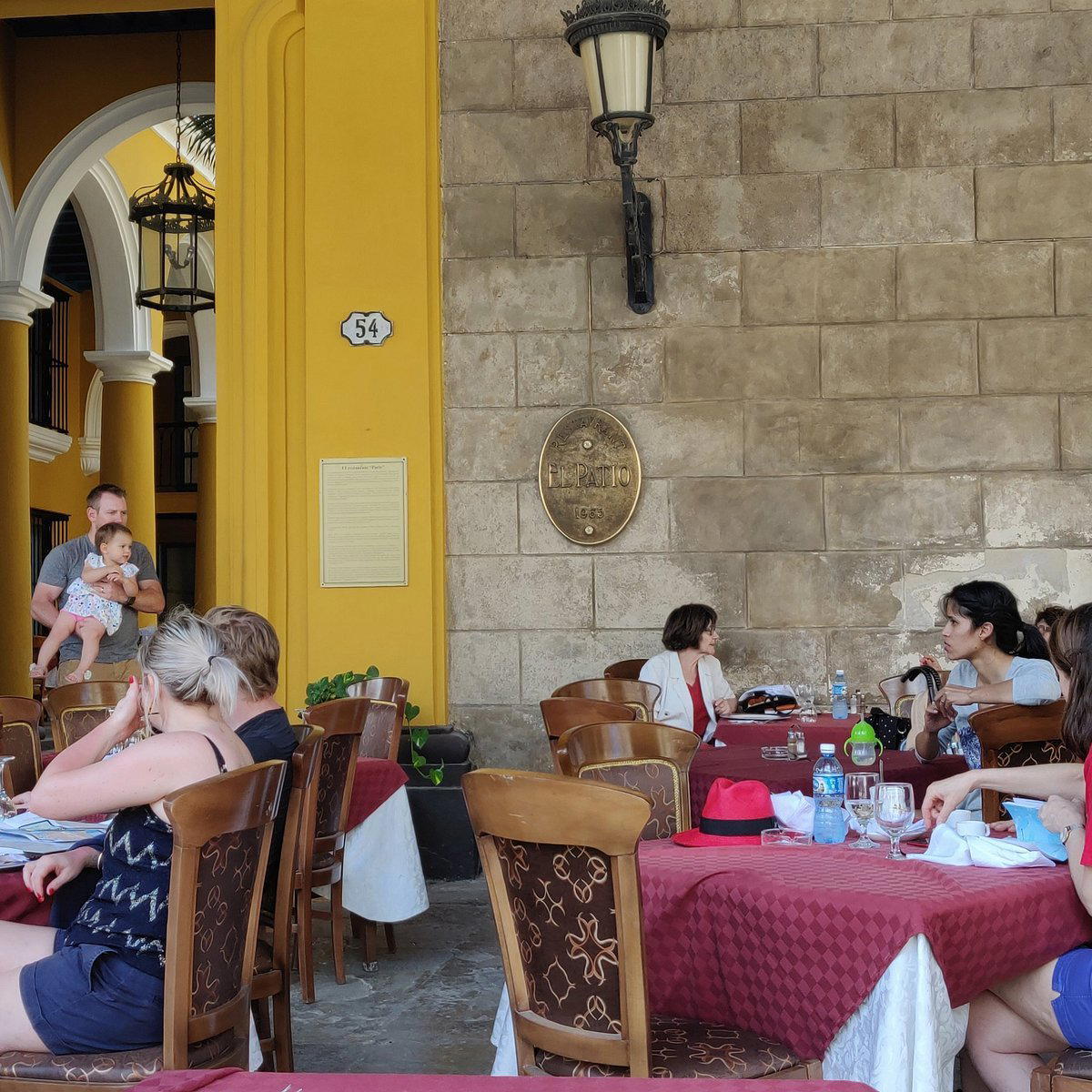
Bars in Havana
Browse all →
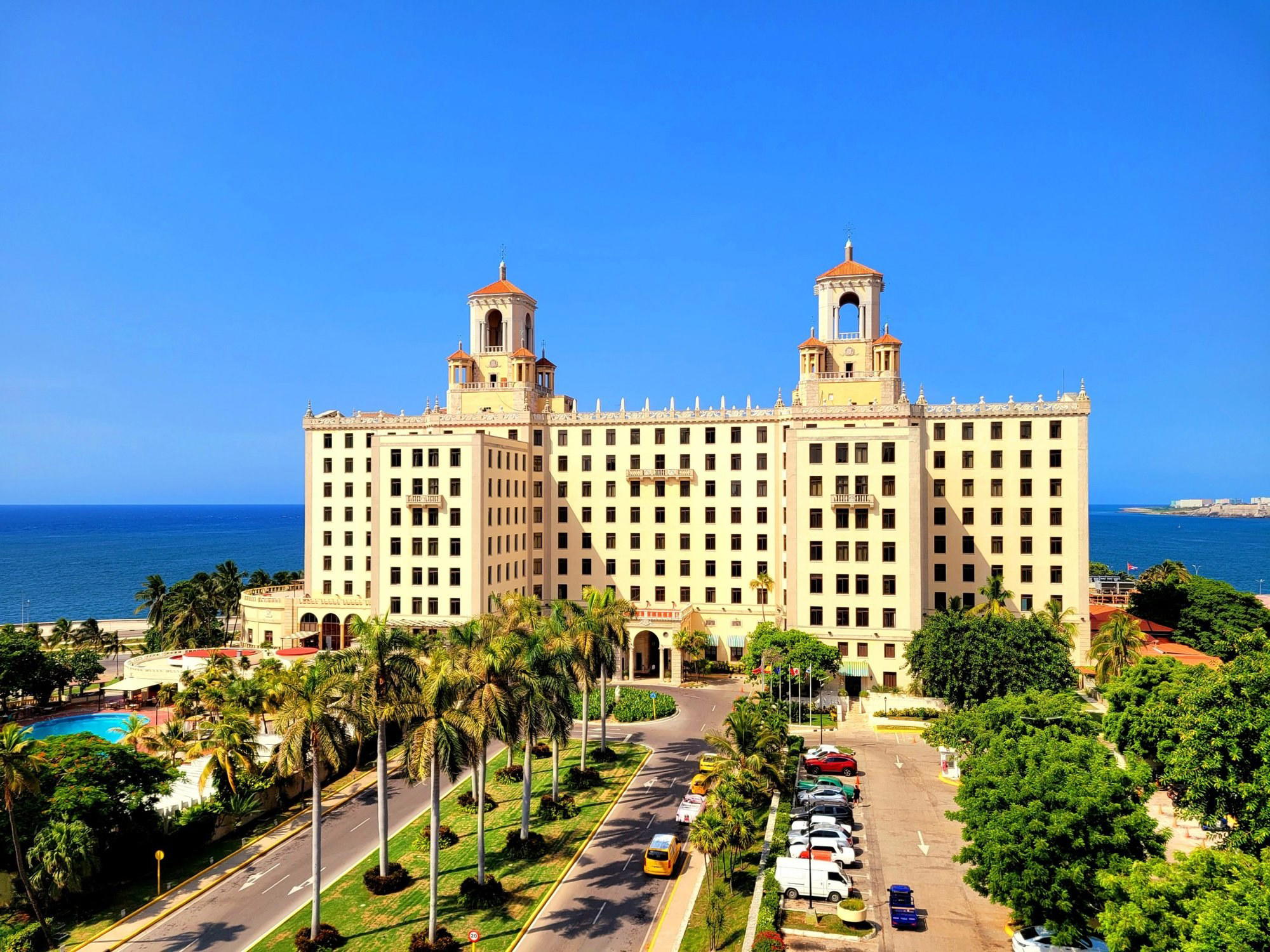
Hotels in Havana
Browse all →
Wineries in Havana
Browse all →
At a Glance
- Lively
- Well Known
- Historic
- Casual Hangout
- Late Night
- Live Music
- Historic Building
- Craft Cocktails
Current opening hours
- Monday
- 10:30 AM–10:30 PM
- Tuesday
- 10:30 AM–10:30 PM
- Wednesday
- 10:30 AM–10:30 PM
- Thursday
- 10:30 AM–10:30 PM
- Friday
- 10:30 AM–10:30 PM
- Saturday
- 10:30 AM–10:30 PM
- Sunday
- 10:30 AM–11:30 PM
Hours can change for holidays and private events. Last verified .
Lively and festive atmosphere with traditional Cuban music from live bands, warm historic charm, and walls adorned with photos and signatures.