Our verdict
Positioned on Calle 17 in Vedado, Union Francesa operates within a neighbourhood defined more by residential Havana than the tourist circuit of Old Havana's paladares.

Pearl is the En Primeur Club membership app — saves, bookings, and concierge access live there. Same editors, same standards.
- Address
- 4JJ2+P8Q, Calle 17, La Habana, Cuba
- Hours
- Daily 12 PM–12 AM
- Website
- lahavane.net
- Directions
- Get directions
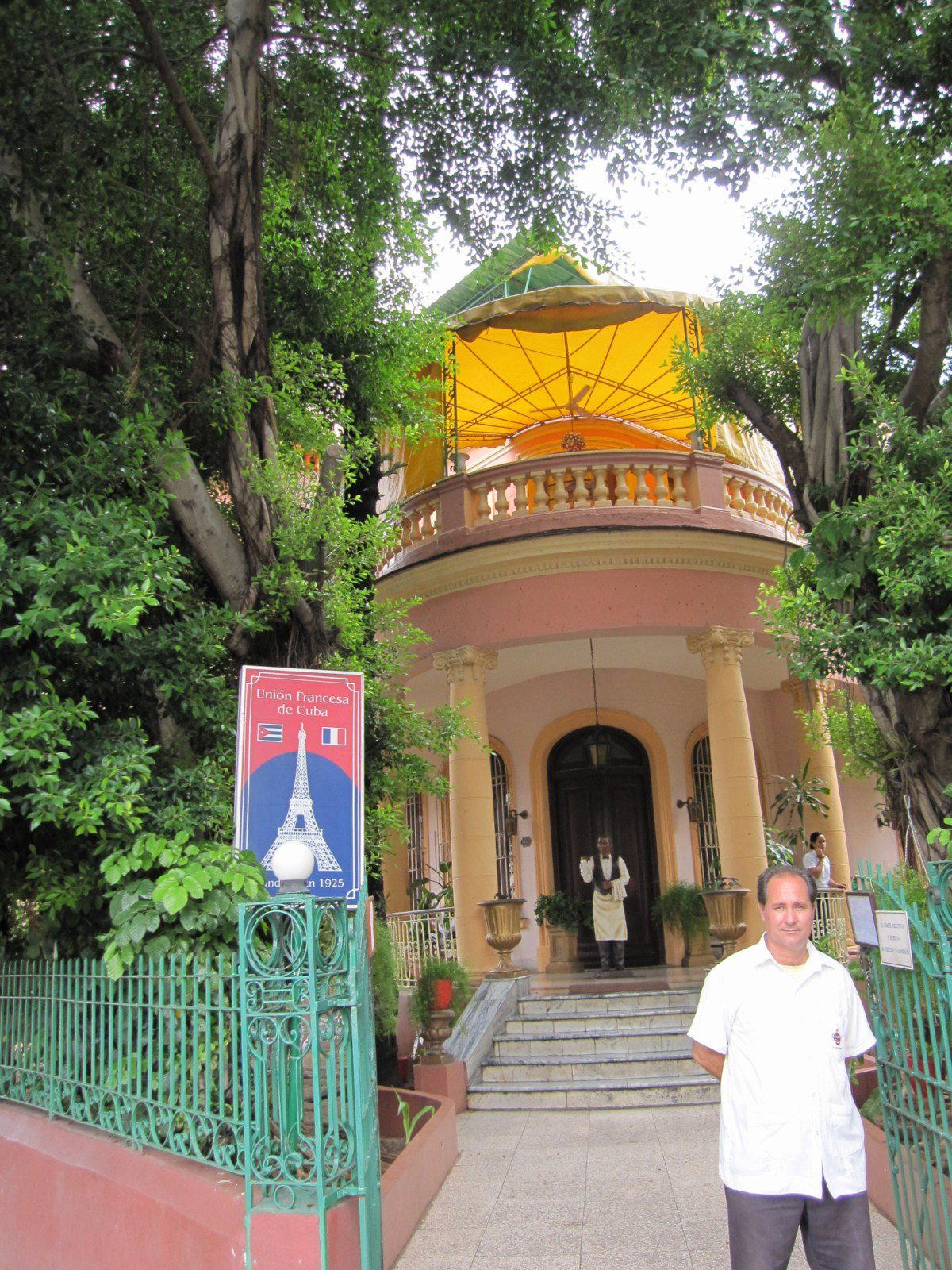
Vedado's Quiet Weight
Havana's dining conversation defaults to Old Havana. The colonial streets around the cathedral and the Malecón waterfront anchor most visitor itineraries, and the paladares that cluster there, from the high-ceilinged drama of La Bodeguita Del Medio to the neighbourhood warmth of El Chanchullero, have shaped international expectations of what eating in Cuba looks like. Vedado operates on a different register. The neighbourhood's grid of wide avenues, mid-century apartment blocks, and embassy buildings carries a civic seriousness that the tourist centre rarely projects. Restaurants here address a local and professional Havana rather than a transient one, and the experience tends to reflect that orientation.
Union Francesa sits on Calle 17 inside this quarter. The address alone signals something about audience and intent. Calle 17 runs through the heart of Vedado, well clear of the heritage-trail geography that funnels visitors toward El Patio and the cathedral square. Getting here from the old city requires a decision, not just a walk, and that friction filters the room toward people who came specifically rather than people who wandered past.
How Vedado Shapes the Experience
The logic of a neighbourhood shapes a restaurant in ways that menus do not fully capture. In Vedado, that logic is residential and institutional. The area's dining culture developed partly around the professional and intellectual class that populated it through the mid-twentieth century, and partly around the embassies and cultural institutions that gave it an internationalist character distinct from the rest of the city. That combination, local gravity and outward-facing formality, is embedded in how restaurants here position themselves relative to the more performative paladar culture of Old Havana.
Havana's paladar scene has matured considerably since the sector was broadened in the 2010s. Operations like La Bodeguita Del Medio and the atmospheric upper-floor dining at La Guarida have international recognition and price points to match. But a parallel tier of Vedado restaurants operates with less international visibility and, often, a more grounded sense of purpose. Union Francesa belongs to the geography of that tier, where the dining room serves the neighbourhood as much as it serves visitors passing through.
For travellers extending their Havana time beyond the standard two or three days in the old city, Vedado offers a corrective. The restaurants here do not perform Havana for outsiders in the way that colonial-centre venues sometimes do. The architecture, the street rhythm, and the clientele all belong to a version of the city that functions at its own pace. La Esperanza in Playa, the westward-adjacent municipality, demonstrates a similar principle: paladar dining outside the tourist core tends to feel more anchored to actual Havana life than its old-city counterparts.
The French Reference in a Cuban Context
The name Union Francesa carries a specific historical charge in Havana. French influence in Cuba runs deeper than most visitors recognise. The eastern provinces absorbed significant waves of Haitian and French migration in the nineteenth century, and Havana's bourgeois culture through the first half of the twentieth century drew heavily on French social and culinary models. The Unión Francesa de Cuba, the city's Franco-Cuban association, has occupied Vedado for generations, giving the name a local institutional resonance that distinguishes it from mere branding.
That context matters for understanding what kind of venue this is and what it is likely to signal to Havana residents. Restaurants operating under names with deep local institutional associations in this city tend to be embedded in a different social network than newly opened paladares chasing international lists. The comparison is not flattering or unflattering in either direction; it describes different functions. For the reader trying to calibrate expectations, the parallel would be eating at a long-standing cultural club restaurant in Beirut versus a chef-driven newcomer, or understanding how Restaurante San José in Trinidad relates to that colonial city's civic fabric rather than its tourist infrastructure.
Havana's premium paladar tier clusters around a recognisable set of characteristics: colonial or modernist architecture deployed as atmosphere, international-facing menus that use Cuban ingredients as a foundation, and price points aimed at visitors paying in freely convertible currency. La Guarida is the reference case; its rooftop setting and film-set interiors have made it a benchmark for this format across the Caribbean. Venues like El del Frente and Beirut occupy adjacent positions in Old Havana's dining map.
Union Francesa, by address and historical association, sits outside that cluster. For visitors who have spent time at places like Cabaret Tropicana in Ciudad de la Habana, the longer arc of Havana's social institutions will feel familiar; Union Francesa belongs to that longer arc rather than the post-2010 liberalisation wave.
Beyond Cuba, there is a wider argument about what neighbourhood embeddedness does for a restaurant's character. The kind of specificity that makes Quattro Passi in Marina del Cantone feel rooted in the Amalfi coast's fishing culture, rather than generically Italian, operates by the same logic. A restaurant that serves a genuine local constituency rather than an itinerant one tends to develop a different kind of coherence over time.
Planning Your Visit
Calle 17 in Vedado is accessible by taxi from Old Havana in under twenty minutes under normal conditions, and the neighbourhood is walkable from the Hotel Nacional and other Vedado accommodation. Given the limited publicly available information about booking methods, hours, and current format for Union Francesa, visiting as a walk-in during mid-evening, when Vedado restaurants typically reach their natural service rhythm, is a reasonable approach. Havana's restaurant infrastructure remains variable in terms of online presence; verifying current operation by asking at your accommodation or through a local guide is more reliable than assuming web-based booking is available. For a broader orientation to where Union Francesa sits within the city's dining options, the full Havana restaurants guide provides the necessary context.
Frequently asked questions
How do I find Union Francesa?
Union Francesa is located at 4JJ2+P8Q, Calle 17, La Habana, Cuba, Havana.
How does Union Francesa's Vedado location compare to Old Havana dining for first-time visitors to Cuba?
Calle 17 in Vedado sits roughly twenty minutes by taxi from Old Havana's cathedral district, placing Union Francesa outside the zone where most first-time visitors concentrate their dining. That distance is also the point: Vedado operates on a residential and institutional logic that produces a different atmosphere from the colonial-courtyard paladar model dominant in the historic centre. For travellers already based in Vedado or the Miramar corridor, the Calle 17 address is a practical anchor rather than a detour.
What's the must-try dish at Union Francesa?
No confirmed menu has been formally documented for Union Francesa, and the cuisine type is not on public record. Given the venue's name and the documented French influence in Cuban culinary history — particularly through eastern Cuba's Haitian-French migration routes — a French-informed approach to local ingredients is plausible context, but ordering specifics should be confirmed on arrival or through current local sources in Havana.
Is Union Francesa reservation-only?
No confirmed booking policy has been established for Union Francesa. Across Havana's paladar sector more broadly, walk-in availability varies significantly by day and season, and phone contact details are not on public record. Travellers staying in Vedado — within walking distance of the Calle 17 address — are better positioned to check in person than those coming from Old Havana.
What has Union Francesa built its reputation on?
Union Francesa's positioning within Vedado's civic and social fabric appears central to how the venue is understood locally. The Calle 17 address places it in a neighbourhood defined by institutional weight rather than tourist infrastructure, which sets it apart from the architecture-led, internationally facing paladares that dominate Havana's premium dining conversation.
The Essentials
| Venue | Cuisine | Price | Awards | Notes |
|---|---|---|---|---|
| Union FrancesaThis venue — the venue you are viewing | Cuban and International in Historic Vedado Building | $20–30 | Not listed | Not listed |
| La Guarida | Modern Caribbean | $30–50 | Not listed | Cuban |
| Beirut | Lebanese Fusion Rooftop | Not listed | Not listed | Not listed |
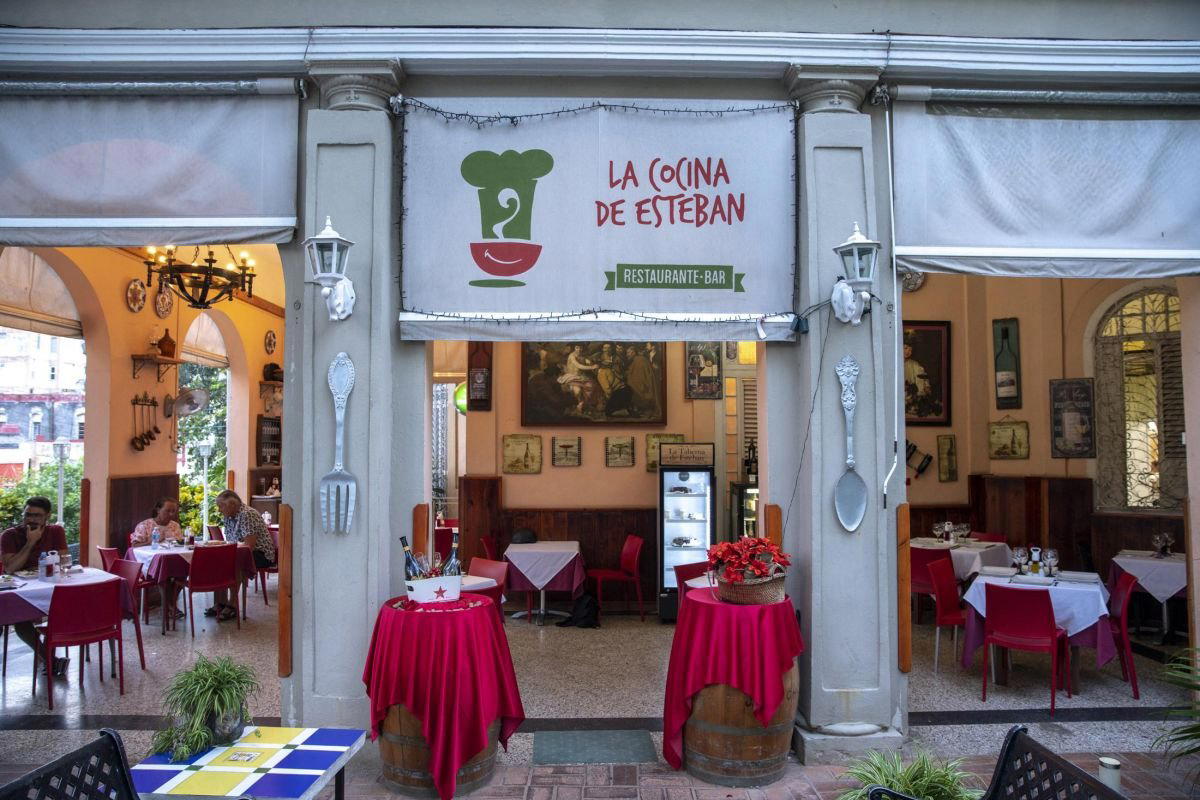
| La Cocina de Esteban | Cuban Caribbean with Spanish influences | $10–20 | Not listed | Not listed |
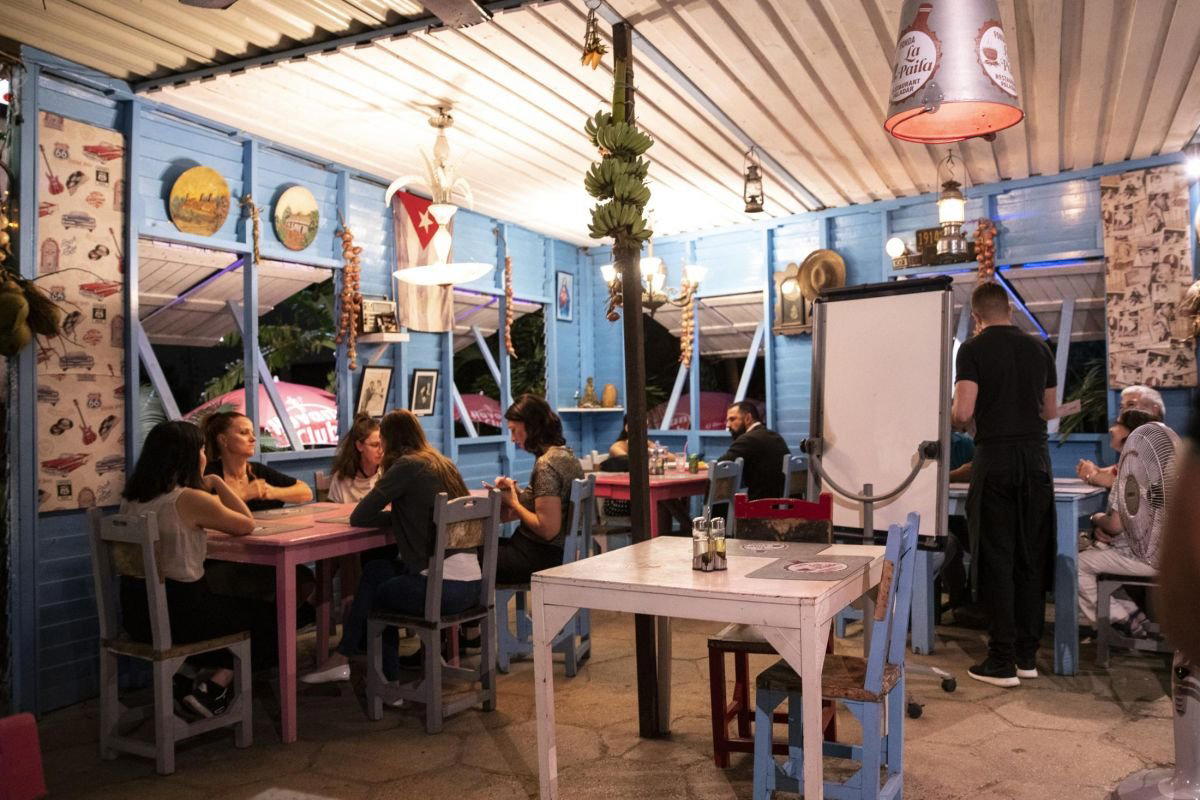
| La Paila Fonda | Authentic Cuban BBQ & Paladar | $10–20 | Diners, Drive-Ins and Dives Featured Restaurant | Not listed |
| Paladar Doña Eutimia | Traditional Cuban Criolla | $10–20 | Not listed | Not listed |
Continue exploring
More in Havana
Restaurants in Havana
Browse all →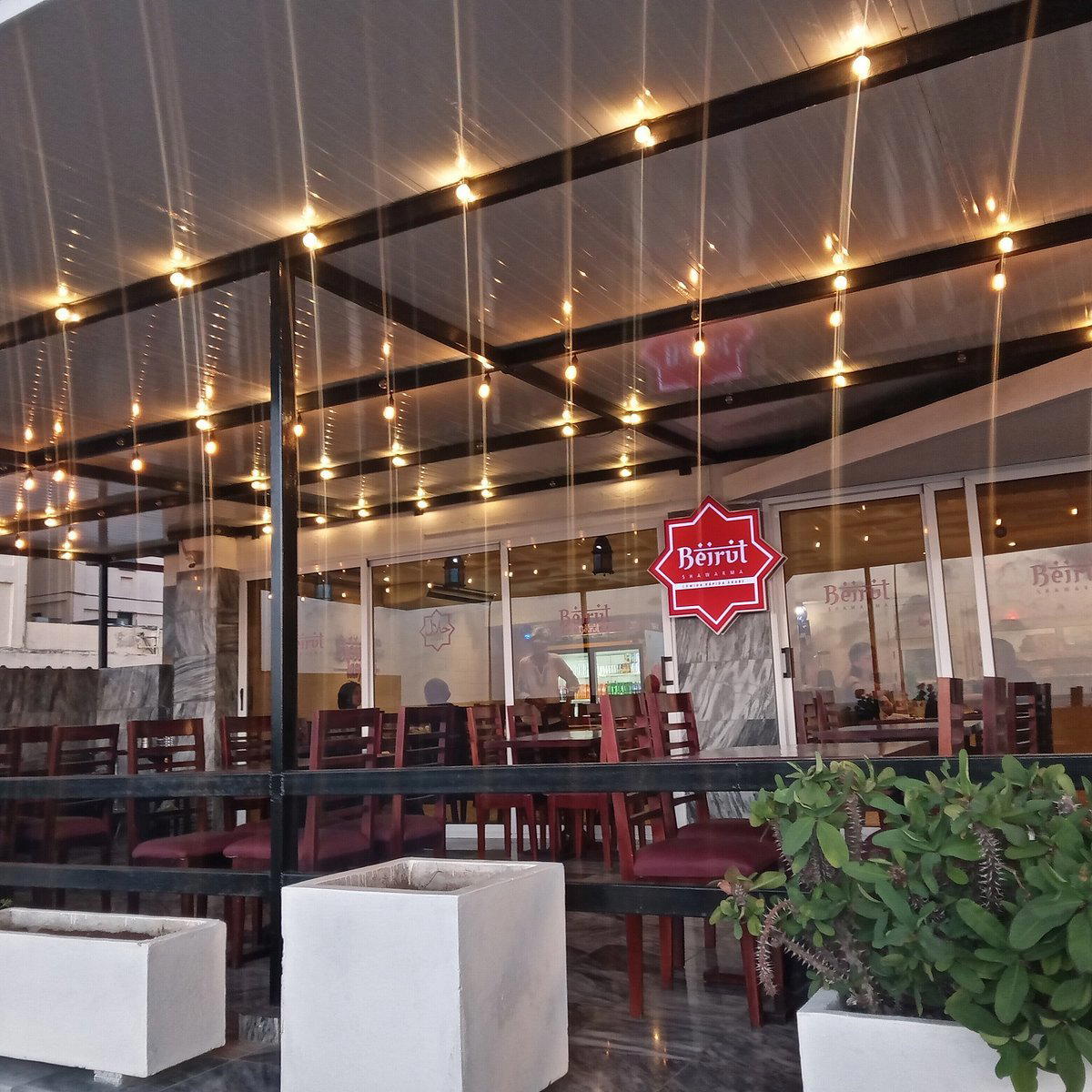
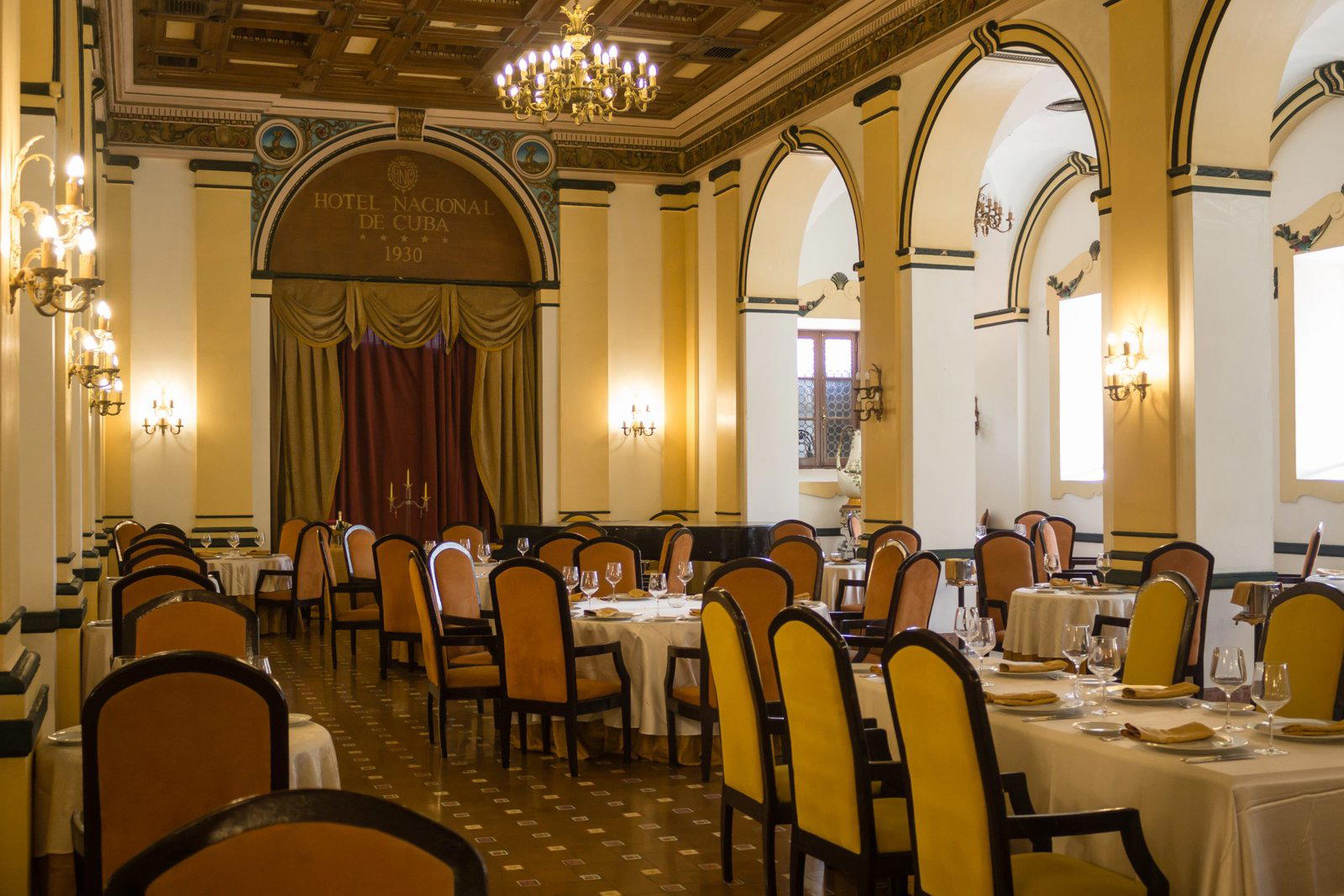
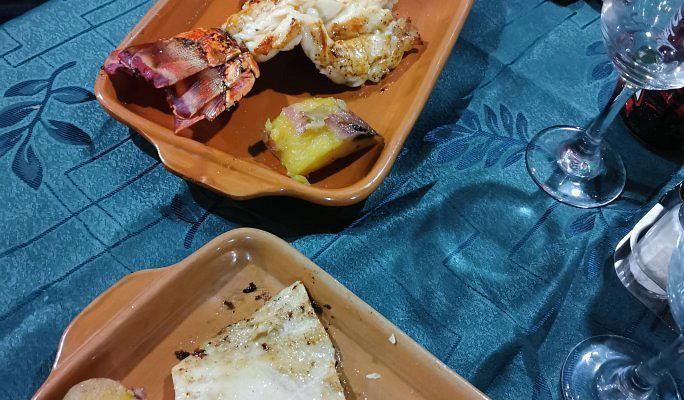
Bars in Havana
Browse all →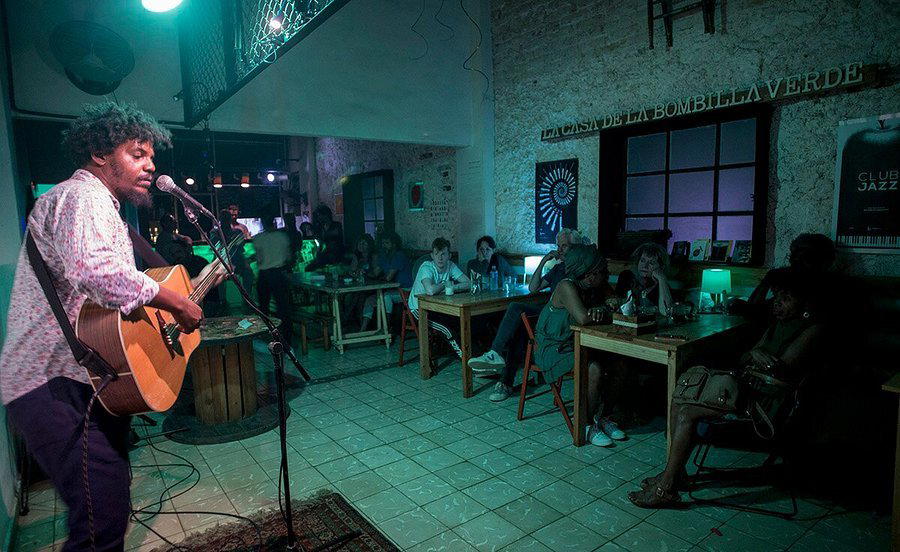
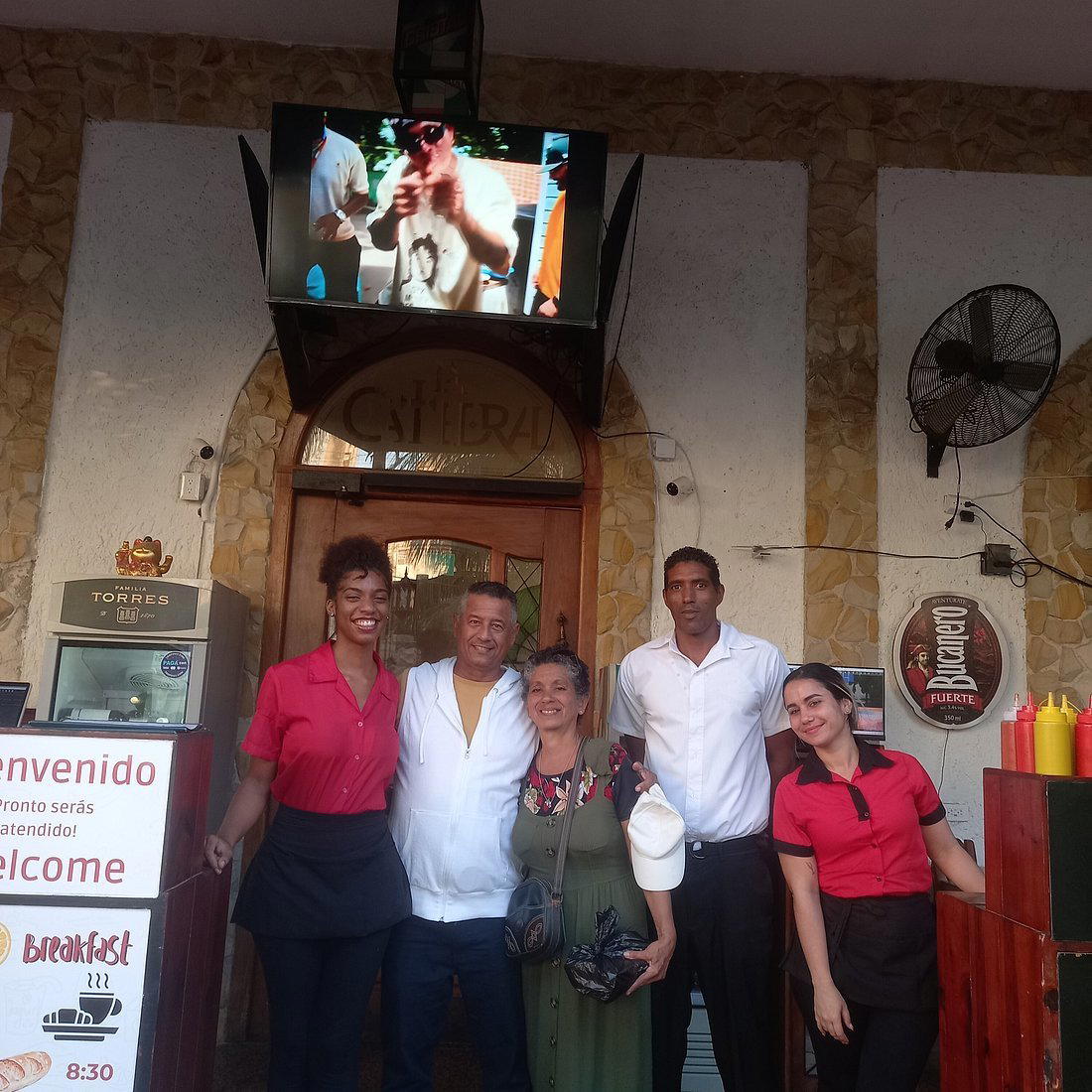
Hotels in Havana
Browse all →
Wineries in Havana
Browse all →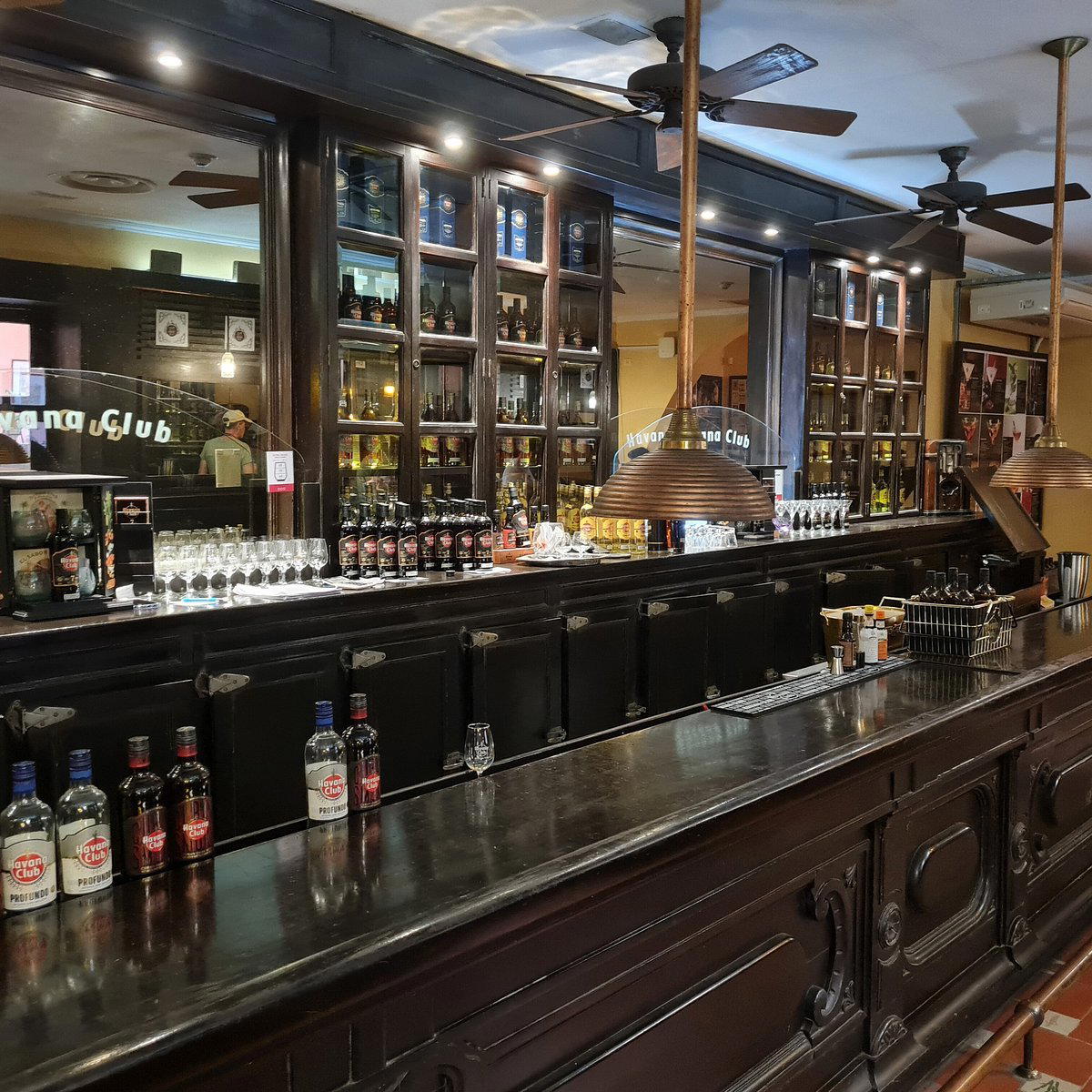
Details
- Classic
- Cozy
- Historic
- Family
- Casual Hangout
- Historic Building
- Terrace
- Live Music
- Craft Cocktails
- Street Scene
- A La Carte
- Prix Fixe
- Cocktails
Current opening hours
- Monday
- 12 PM–12 AM
- Tuesday
- 12 PM–12 AM
- Wednesday
- 12 PM–12 AM
- Thursday
- 12 PM–12 AM
- Friday
- 12 PM–12 AM
- Saturday
- 12 PM–12 AM
- Sunday
- 12 PM–12 AM
Hours can change for holidays and private events. Last verified .
Cozy and calm atmosphere in a beautiful old artsy building with quiet cafe vibes and rooftop terrace.