The address alone locates it within the storied waterfront corridor that defines the Cuban capital's hospitality character, where the harbour's salt air and the weight of colonial architecture set conditions no interior designer can fully replicate.
Pearl is the En Primeur Club membership app — saves, bookings, and concierge access live there. Same editors, same standards.
- Address
- Avenida del Puerto 262, Havana
- Website
- havana-club.com
- Directions
- Get directions
 Saves & bookings on Pearl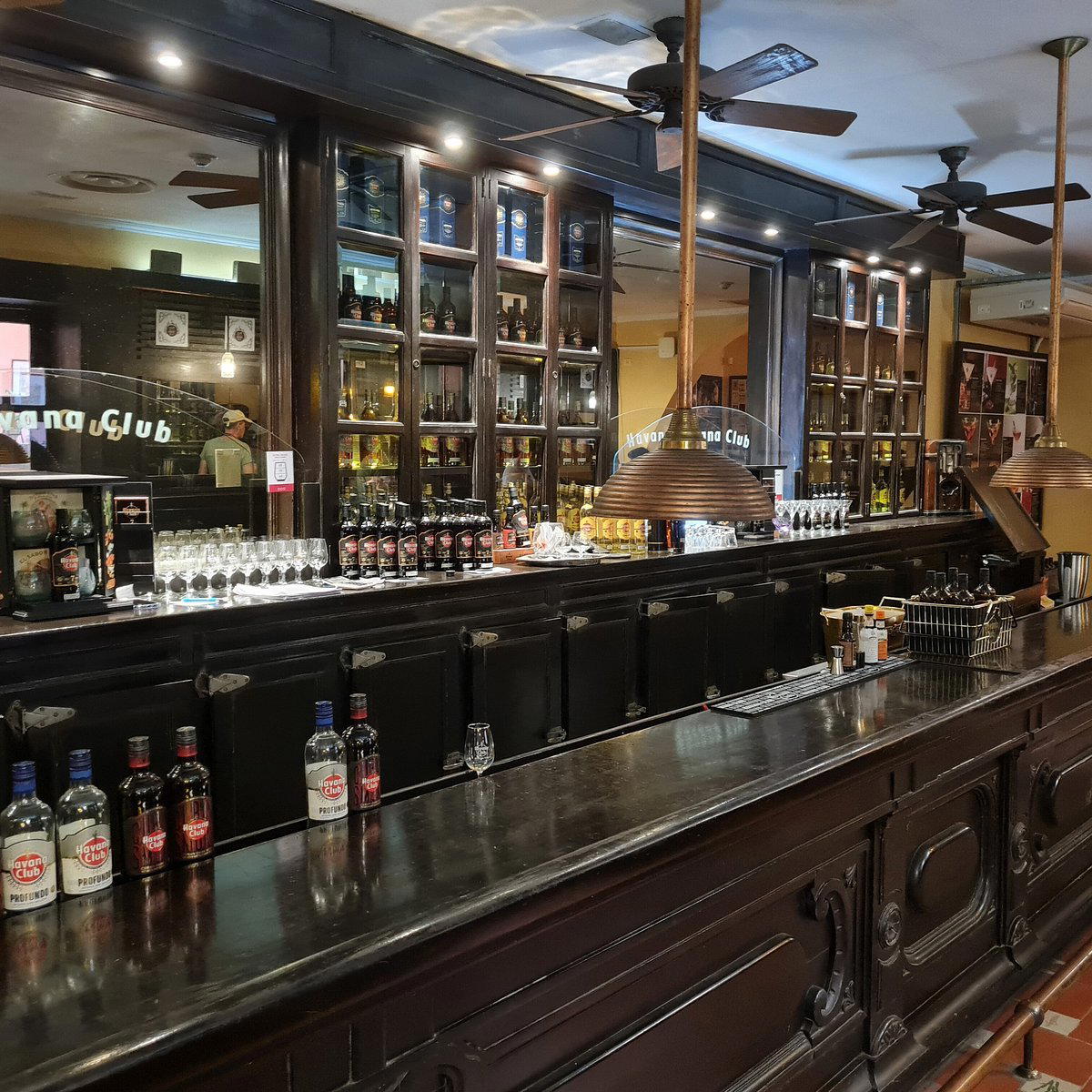
The Waterfront Condition
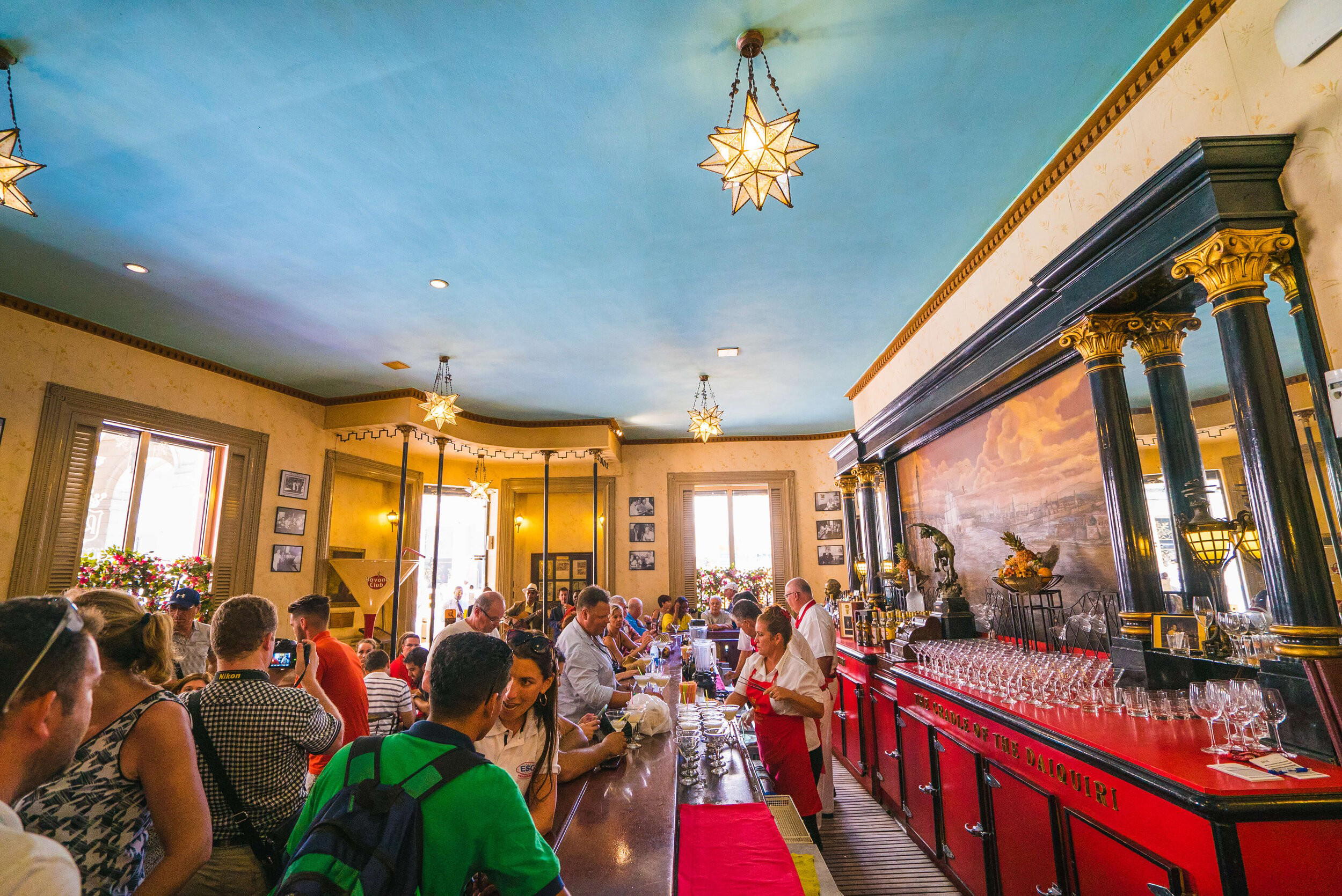
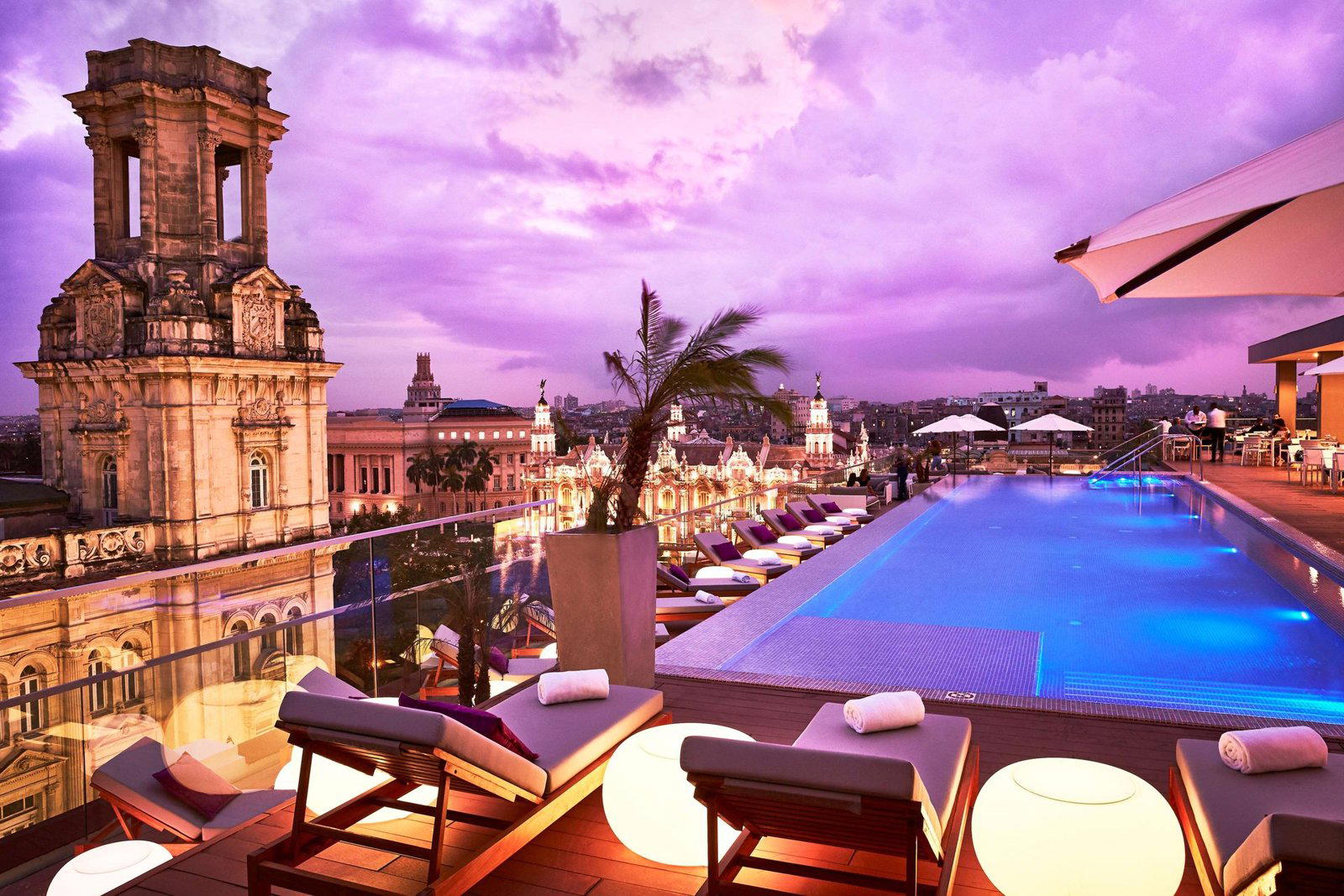
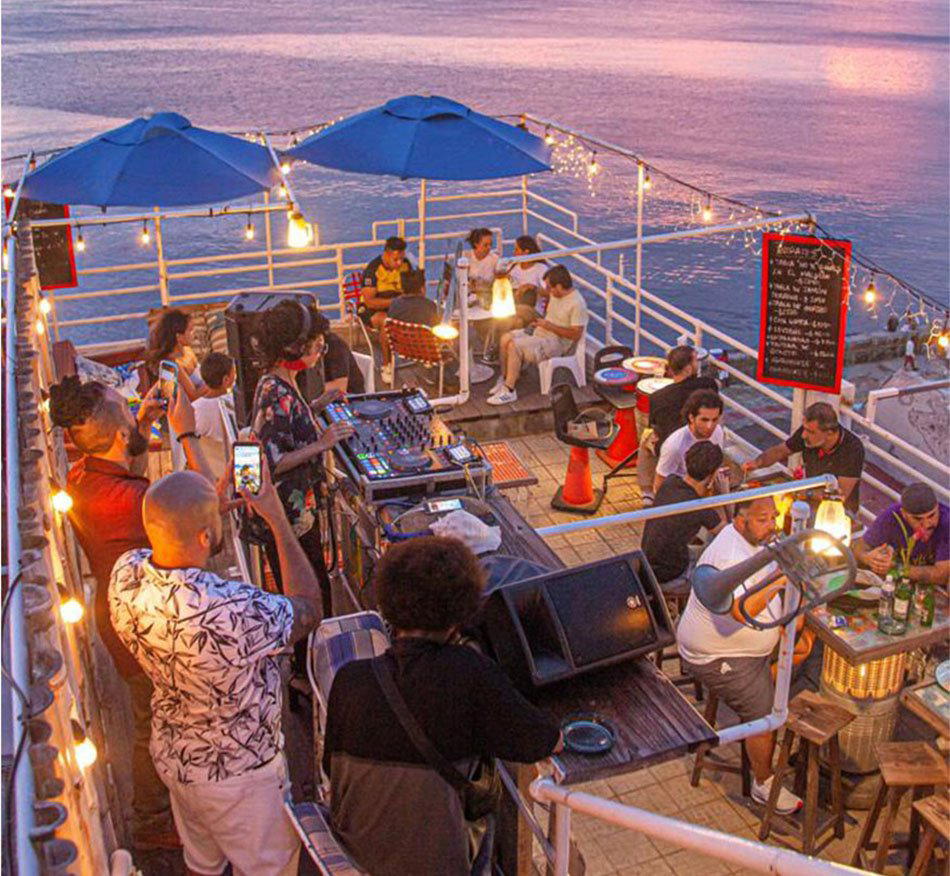
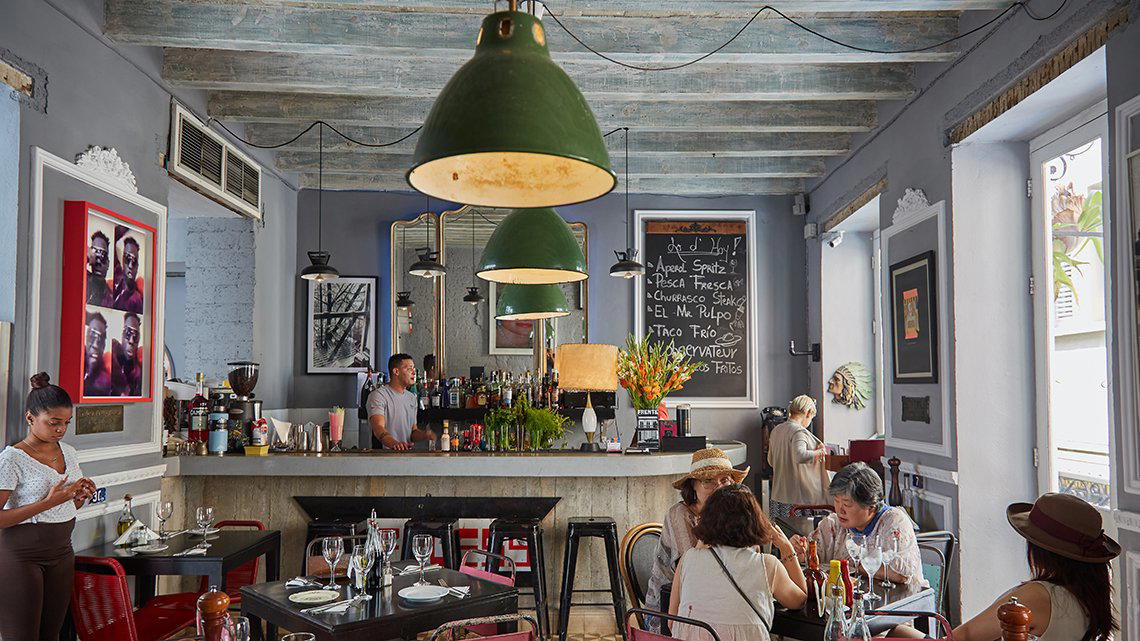
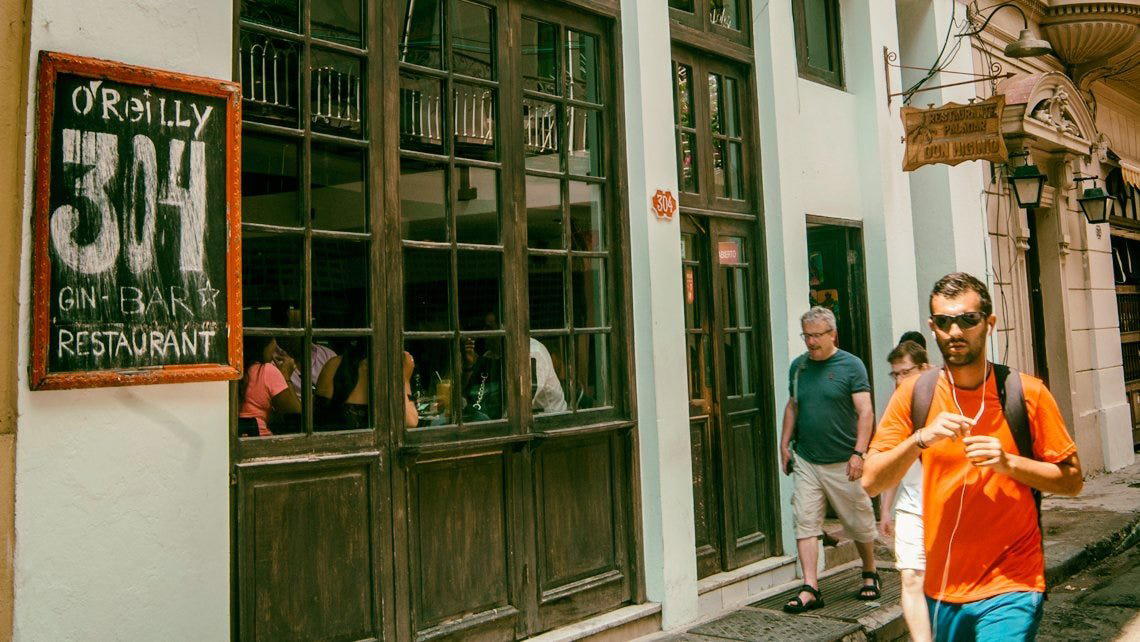
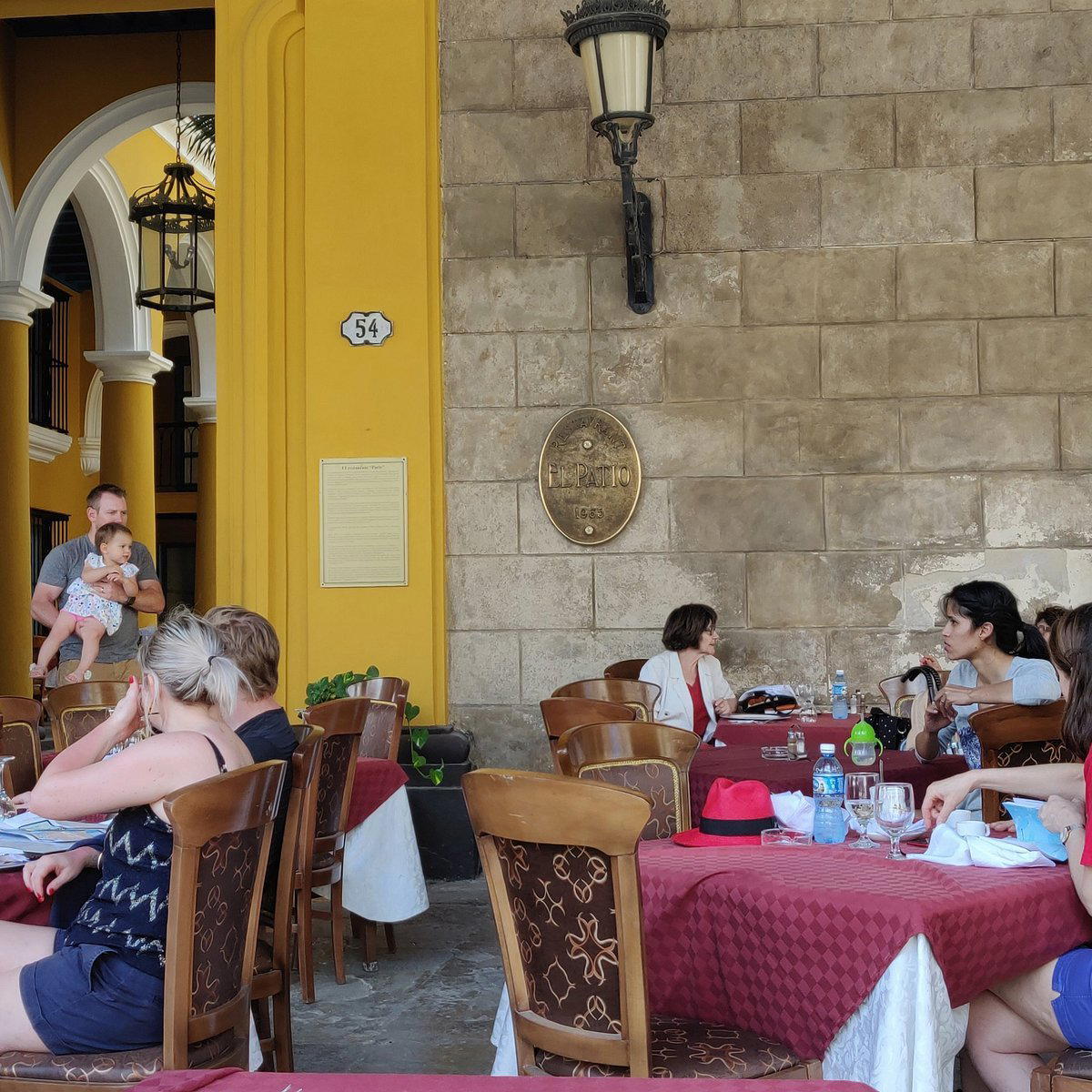
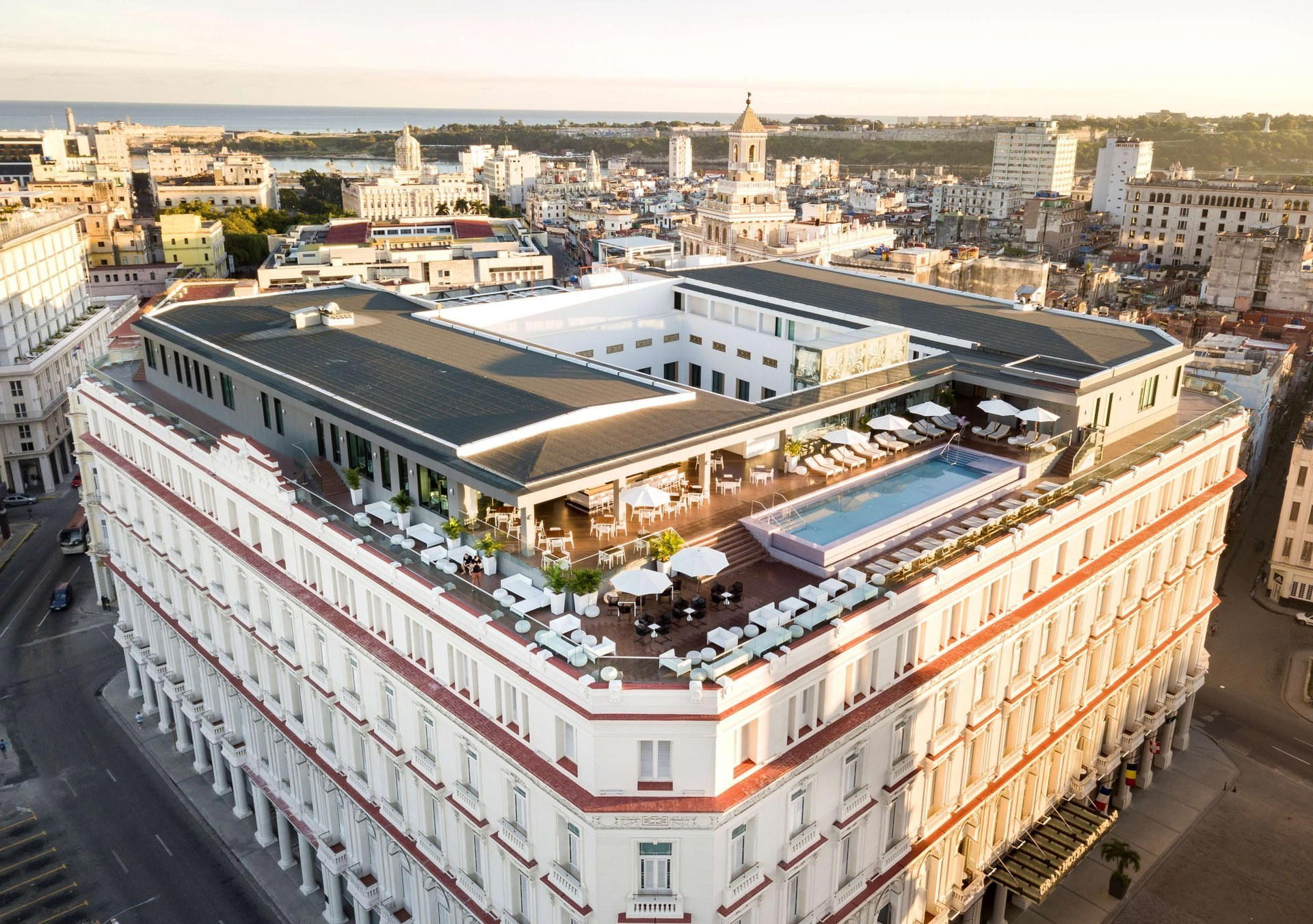
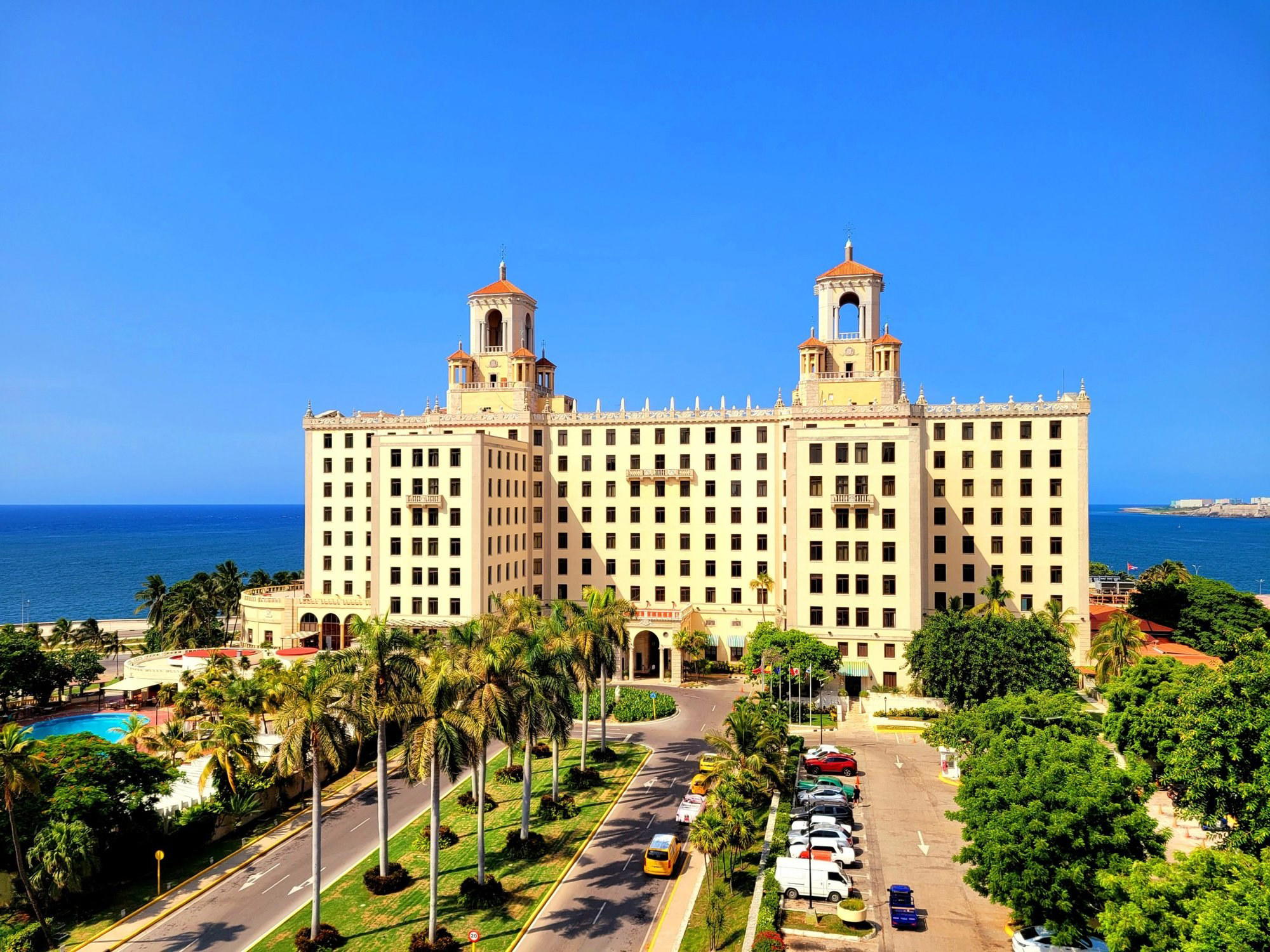
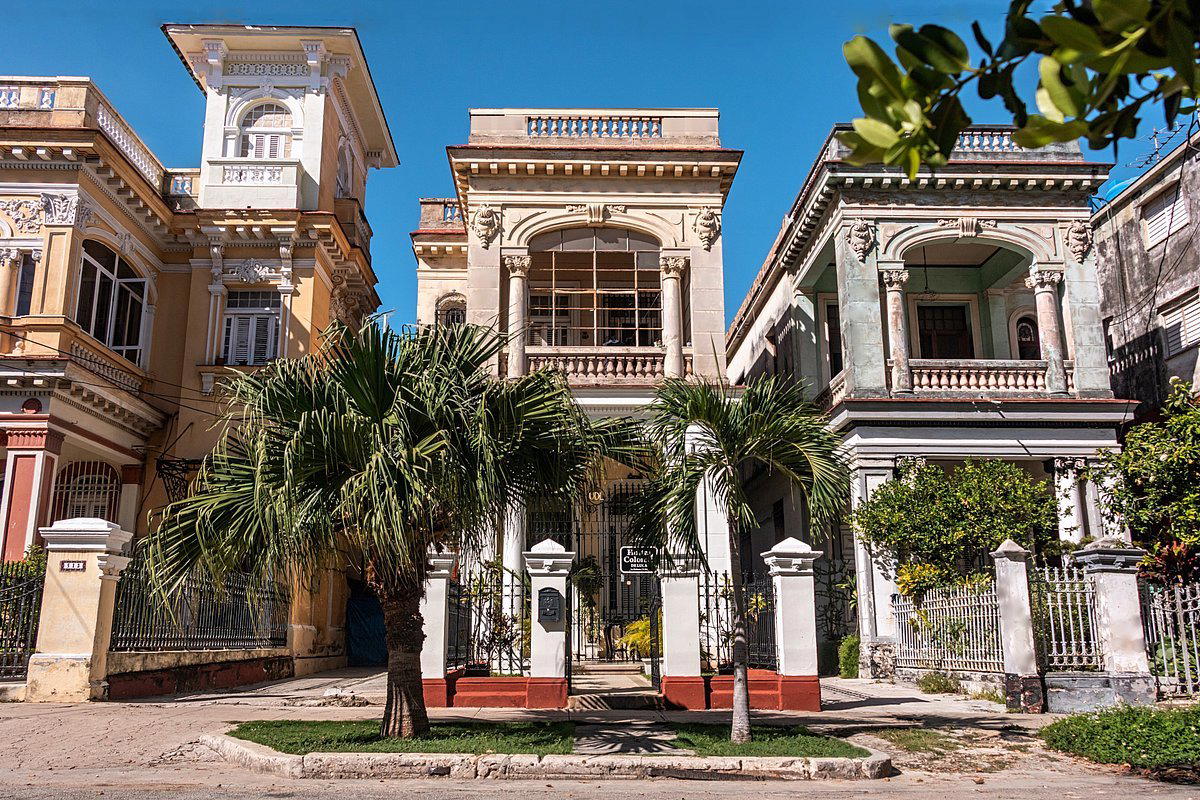
There is a particular quality to Havana's Malecón-adjacent addresses that has no precise equivalent elsewhere in the Caribbean. The harbour at Avenida del Puerto carries a humidity that softens sound, a salt-forward atmosphere that layers itself over everything, and a visual backdrop of weathered colonial facades whose colours have faded into something that looks, depending on the light, either melancholy or magnificent. Havana Club sits on that corridor at number 262, and the address is not incidental to the experience. The physical environment at this stretch of the waterfront is itself an argument, for the city's particular brand of atmospheric density, for the way Havana's hospitality has always been inseparable from its geography.
This is a city where the air carries information. The proximity to the sea, the afternoon heat, the stone and plaster of the surrounding buildings: these are the conditions into which any serious venue at this address must position itself. Visitors arriving from the city's interior districts, passing through the older streets of Habana Vieja, arrive at the port corridor already primed by context. That context is the terroir, in the broadest sense of the word, and it matters as much here as soil composition matters to a Burgundian winemaker.
In the context of Havana's hospitality scene, that kind of recognition carries specific weight. Cuba's tourism infrastructure has operated under structural constraints for decades, supply chain limitations, restricted import access, the broader economic pressures that shape what any venue can realistically source and serve. A prestige-tier rating in this environment signals a different kind of achievement than the same rating earned in a city with unrestricted access to global supply networks.
What they share is the expectation that the venue has done something worth travelling for. At Havana Club, that something is rooted in place in ways that venues in more transient hospitality cities rarely manage.
Havana's Hospitality Tradition: The Broader Frame
Old Havana's reputation as a hospitality destination has always been complicated by its political and economic situation. The city draws a certain kind of traveller: one who accepts that the experience will be shaped by conditions outside any venue's control, and who finds meaning in that negotiation. The waterfront corridor, in particular, has historically housed venues that serve as much as gathering points, for locals, for long-term visitors, for the kind of international presence that Havana has attracted since the mid-twentieth century, as they are destination dining or drinking experiences.
That gathering-point function distinguishes the Havana waterfront from, say, the winery districts of Paso Robles, where Adelaida Vineyards or Alban Vineyards each operate within a clearly defined production and tasting tradition, or the Willamette Valley appellation logic that shapes venues like Adelsheim Vineyard in Newberg. In those contexts, terroir is soil, elevation, and varietal selection. In Havana, terroir is also political history, architectural inheritance, and the particular texture of a city that has been simultaneously preserved and strained by its circumstances. Havana Club sits within that tradition, not merely as a venue but as a participant in it.
Placing Havana Club in Its Competitive Set
Havana's upper tier of venues operates differently from peer cities in the Caribbean and Latin America. Where Santo Domingo or San Juan have seen significant international hospitality investment in the past decade, Havana's scene has developed more organically, shaped by the constraints and opportunities specific to Cuba. The venues that have emerged at the prestige level tend to be those that have found ways to work with local supply, to foreground what Cuba actually produces rather than attempting to replicate international formats from imported components.
For context from the broader EP Club-rated world, properties like Alpha Omega Winery in Rutherford or Accendo Cellars in St. Helena operate in Napa, where the prestige tier is crowded and defined partly by production volume and allocation access. Havana's prestige tier is defined by different pressures entirely, which makes the designation at Avenida del Puerto 262 a more singular marker.
The Role of Place in What Gets Served
Across the Caribbean and further afield, particularly serious venues have increasingly moved toward a model where geography is both constraint and creative driver. Andrew Murray Vineyards in Los Olivos built a Rhône-varietal program around what the Santa Barbara County climate could actually sustain. Albert Boxler in Niedermorschwihr operates at the intersection of Alsatian terroir specificity and generational knowledge. Aldo Conterno in Monforte d'Alba built a Barolo identity around the geology of a specific corner of Piedmont. In each case, the venue's identity is inseparable from its location's physical properties.
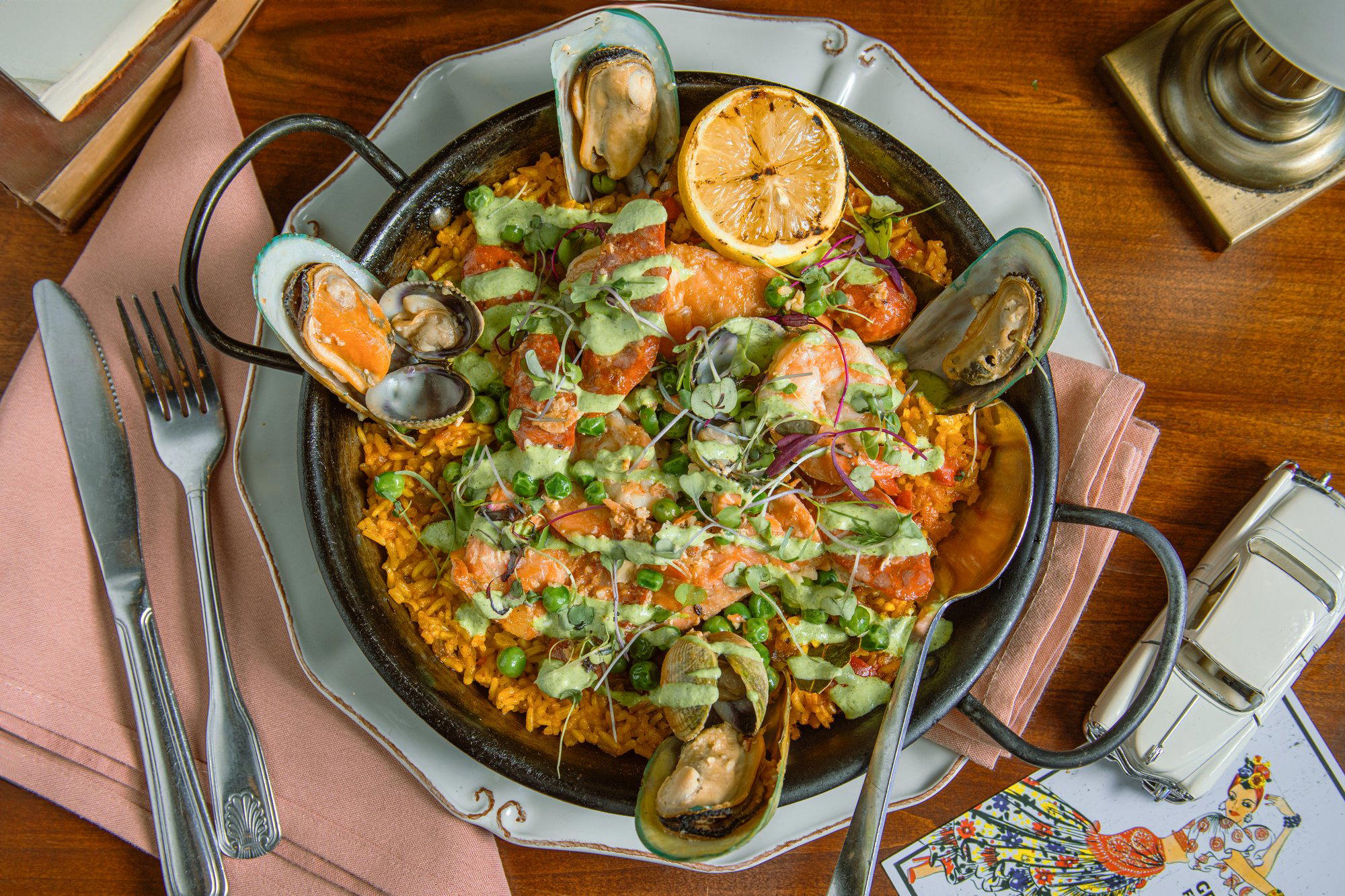
That principle applies in Havana with equal force, even where the medium is not wine. The city's production traditions, rum, coffee, tobacco in its cured forms, the particular preparations that have developed over centuries of Caribbean and Spanish culinary exchange, are as rooted in their local conditions as any appellation system. The waterfront address at the winery places it in direct relationship with those conditions. Venues at comparable addresses in Old Havana that ignore that relationship tend to read as exercises in nostalgia tourism. Those that engage with it operate at a different register entirely.
Planning a Visit
The winery is located at Avenida del Puerto 262, on the harbour-facing edge of Habana Vieja. The address is walkable from most of the old city's major points of interest, and the waterfront position means orientation is relatively direct: the sea is your landmark. Travellers visiting from further afield should factor in the logistics of Havana itself. Specific booking methods, current hours, and pricing should be verified directly before visiting, as Havana's hospitality infrastructure can shift with less advance notice than comparable cities.
For those building a wider itinerary, the waterfront corridor connects naturally to the city's broader colonial heritage, and the old port area repays time spent on foot. Havana operates on a rhythm that rewards patience over efficiency, arriving at Avenida del Puerto with an hour to absorb the harbour light before any specific appointment is not wasted time.
Further Reference: EP Club-Rated Venues by Region
For readers comparing rated properties, the following offer useful reference points across different terroir traditions: Aberlour in Aberlour for Scottish production heritage, Alexander Valley Vineyards in Geyserville for northern California appellation context, All Saints Estate in Rutherglen for Australian fortified traditions, Amrut in Bengaluru for South Asian production in non-traditional spirits terroir, and Angove Family Winemakers in Renmark for South Australian scale and longevity. Each illustrates the principle that prestige-tier recognition is always earned within the specific constraints and advantages of place.
At a Glance
- Celebration
- Historic Building
- Cuba DOP
Tropical, humid warehouses with stacked oak barrels fostering accelerated maturation in Cuba's warm climate.