Havana's Malecón seafront promenade is less a destination than a state of mind — the city's outdoor living room, where rum flows from passing bottles and the conversation runs until sunrise. For visitors who read the scene carefully, it frames every bar and spirits experience in the Cuban capital, functioning as the baseline against which Havana's more curated drinking culture measures itself.

Pearl is the En Primeur Club membership app — saves, bookings, and concierge access live there. Same editors, same standards.
- Address
- Havana, Cuba
- Directions
- Get directions
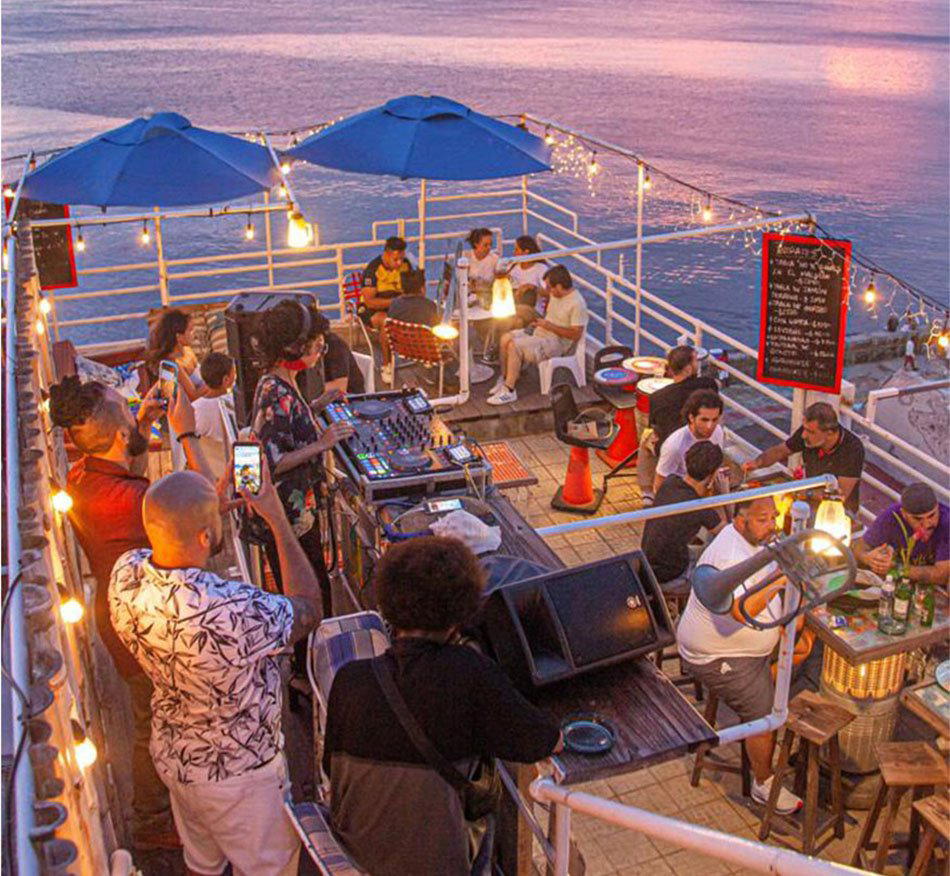
The Promenade That Sets the Standard
There is a particular quality of light that arrives on Havana's Malecón in the late afternoon, when the Atlantic catches the declining sun and the sea wall turns the colour of old bronze. Long before the city's bars open their doors in earnest, the promenade is already operating as a drinking venue of its own kind: rum circulates freely, music spills from open windows above, and the social grammar is loose enough to pull strangers into conversation without introduction. This is the baseline of Cuban drinking culture, and understanding it is the first step to appreciating what distinguishes Havana's more curated spirits experiences from the spontaneous street-level scene the Malecón has sustained for generations.
The eight-kilometre seafront stretch runs from the mouth of Havana Harbour westward through Centro Habana and into Vedado, and the character of the drinking scene shifts with the neighbourhood. Closer to the harbour, the crowd skews local, the rum is unmixed, and the pace is unhurried in a way that has nothing to do with leisure and everything to do with the rhythm of the city. Further west, the Vedado end draws a more mixed crowd, and the proximity to hotel bars introduces a different register — more deliberate, more architectural in its approach to cocktails.
Rum, Context, and the Back-Bar Question
Cuban spirits culture is, at its foundation, a rum culture, and the Malecón is where that culture expresses itself without editorial intervention. But the promenade's informal genius throws into sharp relief what Havana's serious bar programs are attempting to do indoors. The city's better-stocked venues are building back bars with genuine depth — aged Cuban rums in expressions that rarely circulate outside the island, plus a growing cohort of bartenders who are sourcing internationally despite the import constraints that shape the market.
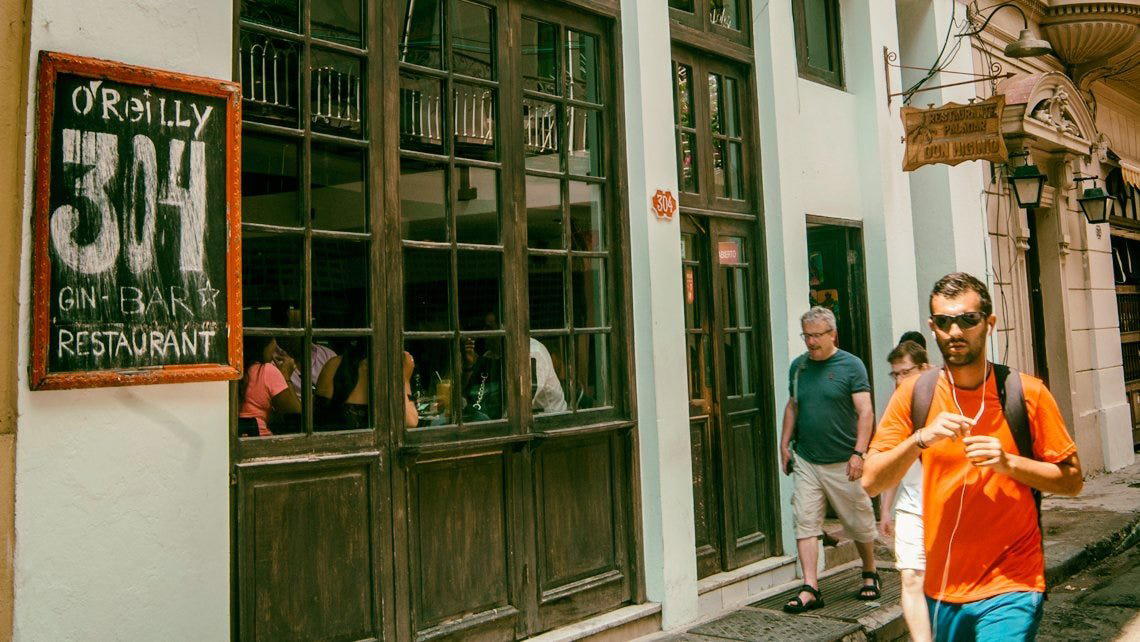
For context on what that depth looks like in practice, Floridita operates from the other end of the register entirely: a formally structured bar with a documented lineage to the daiquiri's popularisation, where the spirits list is curated around a specific canonical cocktail tradition. The contrast matters because it illustrates how differently Havana's drinking spaces interpret the same raw material. O'Reilly 304 sits in a more contemporary register, with a bar program that reflects the post-2010 wave of paladares and private enterprise that shifted the city's hospitality expectations.
Elsewhere in the city, La Casa de La Bombilla Verde and La Gruta occupy distinct positions in Havana's drinking geography, the former associated with a neighbourhood character that resists the tourist circuit, the latter operating with a different spatial logic altogether. Each represents a variation on the same underlying question any serious bar in Havana must answer: how do you build a spirits program with depth and consistency in a market shaped by import restrictions, economic volatility, and a domestic rum industry that produces both everyday pour and serious aged expressions?
How Havana's Bar Scene Compares Internationally
The question of curated spirits programs in constrained markets is not unique to Cuba, and placing Havana's bar culture in a wider frame is instructive. Bar Leather Apron in Honolulu operates a technically precise program in a market similarly shaped by geography and import logistics. Kumiko in Chicago takes a different approach, building its back bar around Japanese spirits and a specific philosophy of restraint that informs every element of the format. Jewel of the South in New Orleans draws on a regional spirits tradition with documented historical roots, much as Havana's leading bars draw on Cuban rum's particular provenance.
The comparison set extends further: Julep in Houston built its identity around American whiskey depth and regional specificity. Superbueno in New York City reframes Caribbean spirits through a contemporary Latin American lens. The Parlour in Frankfurt on the Main operates a back bar with a breadth of selection that reflects the European spirits market's particular freedoms. 1806 in Melbourne has built its reputation on rare and vintage bottle depth rather than on a single spirits category. What these venues share is a commitment to curation as an editorial act, the back bar as argument, not inventory. That is the standard against which Havana's serious drinking establishments are increasingly being measured.
Reading the Scene Before You Book
Visitors approaching the Malecón for the first time should understand that the promenade itself does not take reservations, has no menu, and closes only when the weather makes the sea wall untenable. It is the city's most accessible drinking experience by design. The formal bar experiences that the broader Havana scene offers, including the venues listed in our full Havana guide, sit in deliberate contrast to this spontaneity, and the contrast is part of what makes them worth seeking out.
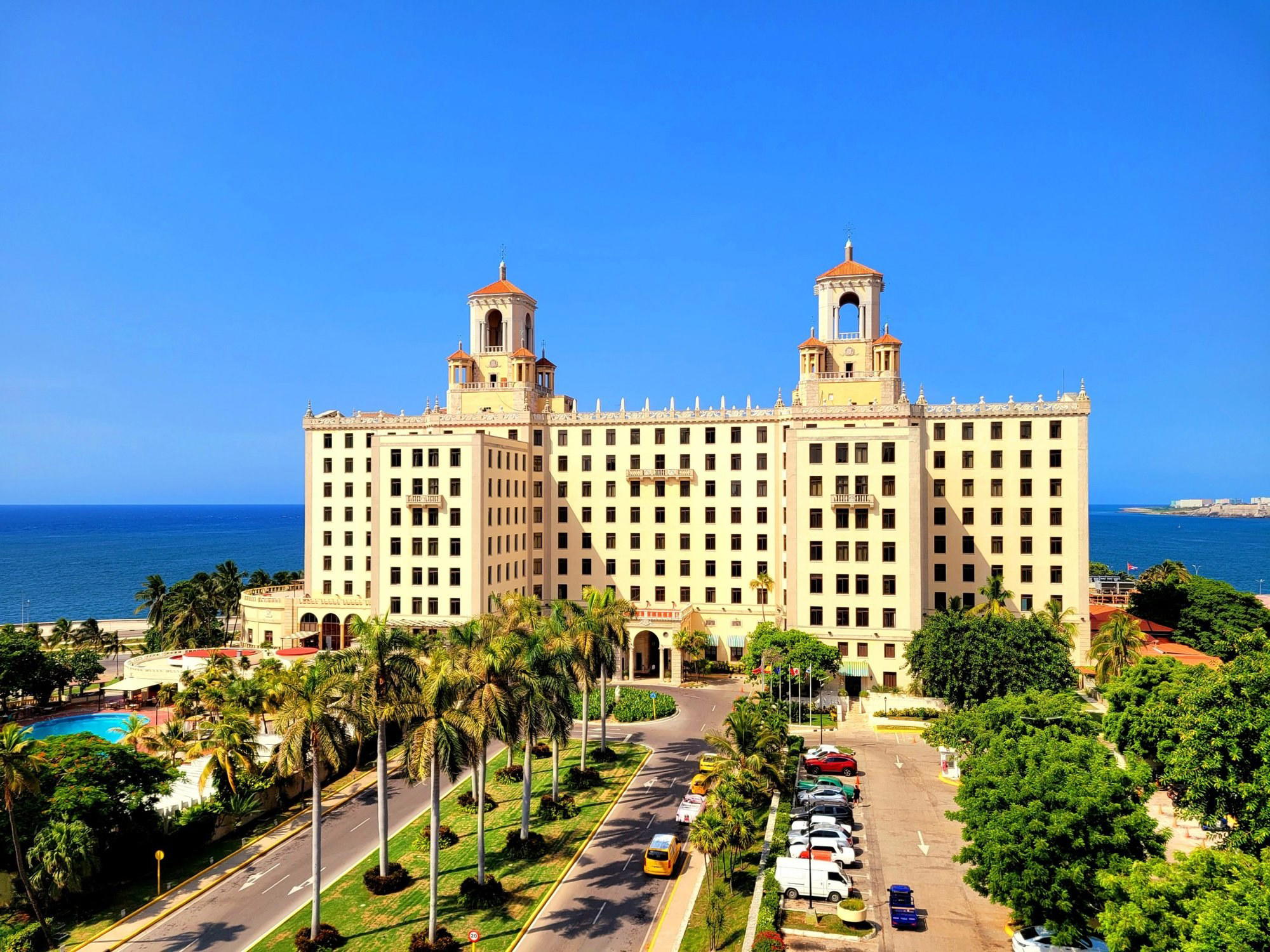
Practically speaking, the Malecón is most animated from late afternoon through midnight, with the stretch between the Hotel Nacional and the tunnel entrance to Miramar drawing the densest crowds on weekend evenings. The promenade's orientation means the sunset view faces roughly northwest, making the western sections of Vedado more photogenic in the early evening. Currency logistics in Havana remain a significant planning consideration: cash in Cuban pesos is the operational currency for most local transactions, and the formal bar scene operates on a different economic register than the street. Arriving with cash prepared and a realistic understanding of the two-tier pricing reality that shapes most visitor experiences in the city will save time and friction.
The broader lesson of the Malecón is atmospheric rather than logistical. It is the city's most honest expression of what Cuban drinking culture actually is at its foundation, and spending time with it before entering the more constructed environments of Havana's formal bars recalibrates expectations in useful ways. The rum you drink on the sea wall, poured from an unmarked bottle by someone you met six minutes ago, is not a lesser version of the aged expressions behind a polished back bar, it is a different argument about what spirits are for.
Planning Your Visit
The Malecón promenade runs along the northern coastline of Havana and is accessible from multiple points across Centro Habana and Vedado. No booking is required, and there is no admission cost. Currency exchange at official CADECA bureaux before arriving on the promenade will make informal transactions easier. Visitors planning to combine the promenade with formal bar experiences should allow at least two evenings, one for the street-level scene, one for a seated program at a venue with a curated spirits selection. For a mapped overview of where Havana's bar scene concentrates, the EP Club Havana guide provides neighbourhood-level detail.
A Pricing-First Comparison
| Venue | Price | Awards |
|---|---|---|
| MaleconThis venue — the venue you are viewing | $10–20 | Not listed |
| Floridita | $10–20 | World's 50 Best #40 |
| La Gruta | $10–20 | Not listed |
| La Casa de La Bombilla Verde | $1–10 | Not listed |
Continue exploring
More in Havana
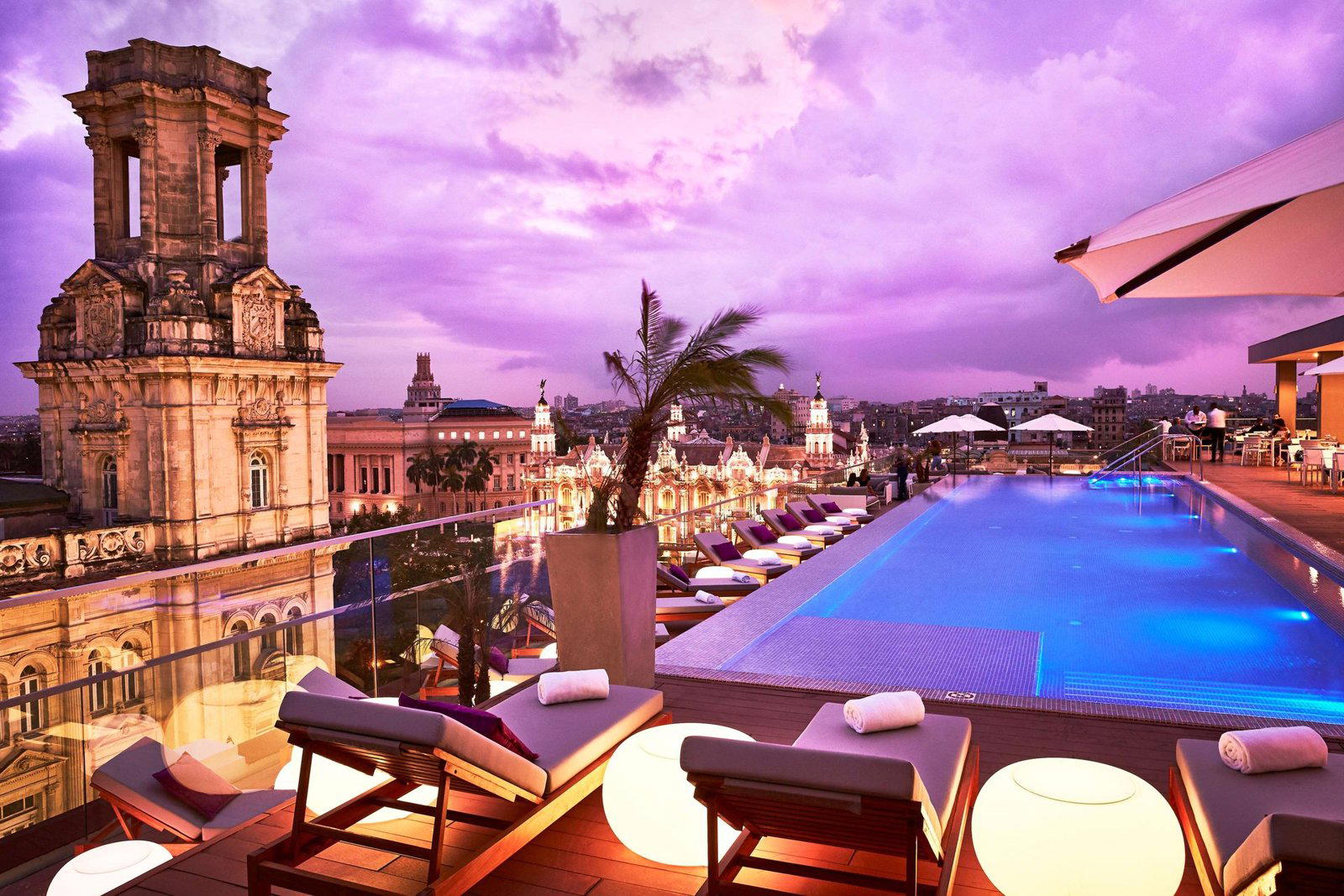
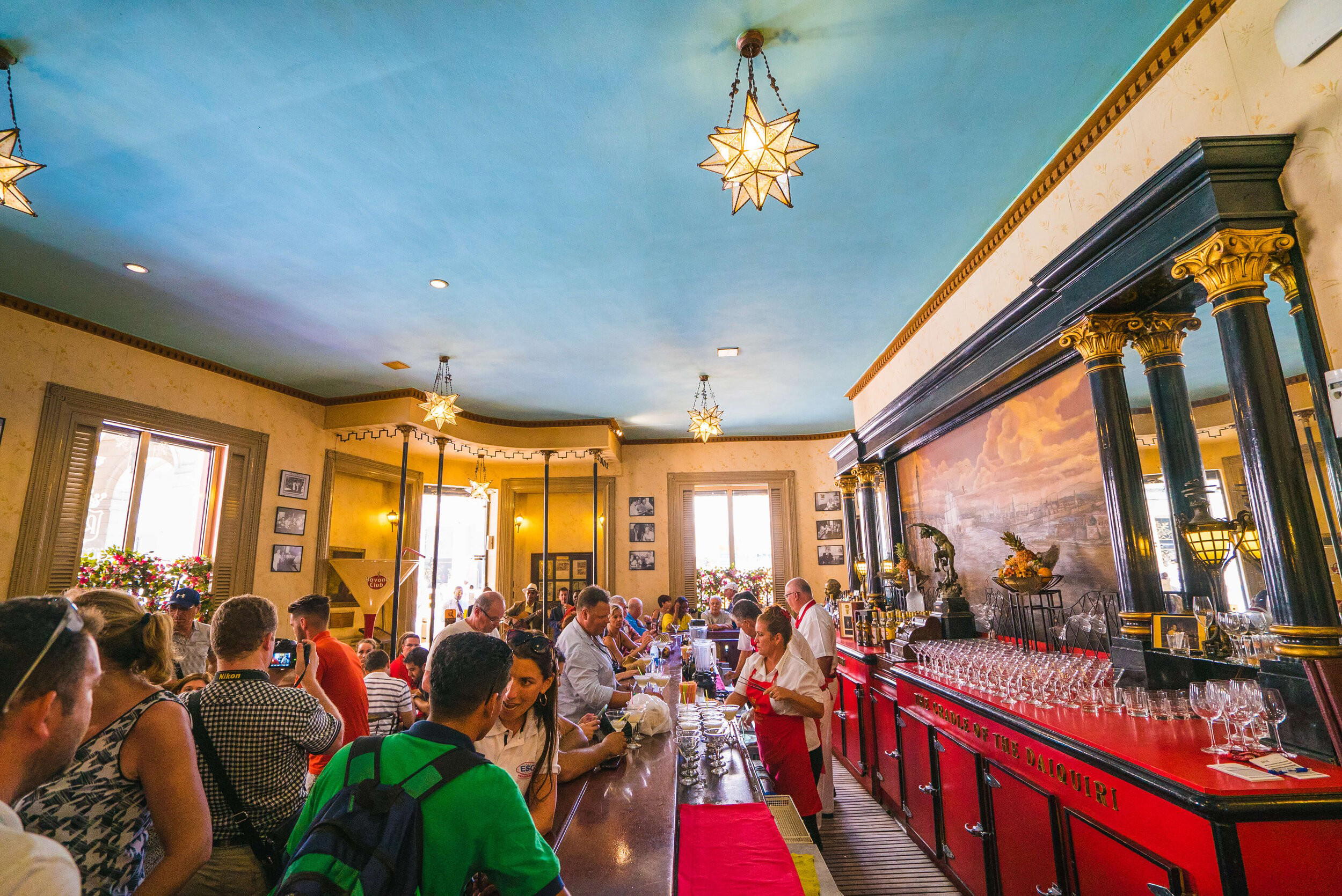
Bars in Havana
Browse all →
Restaurants in Havana
Browse all →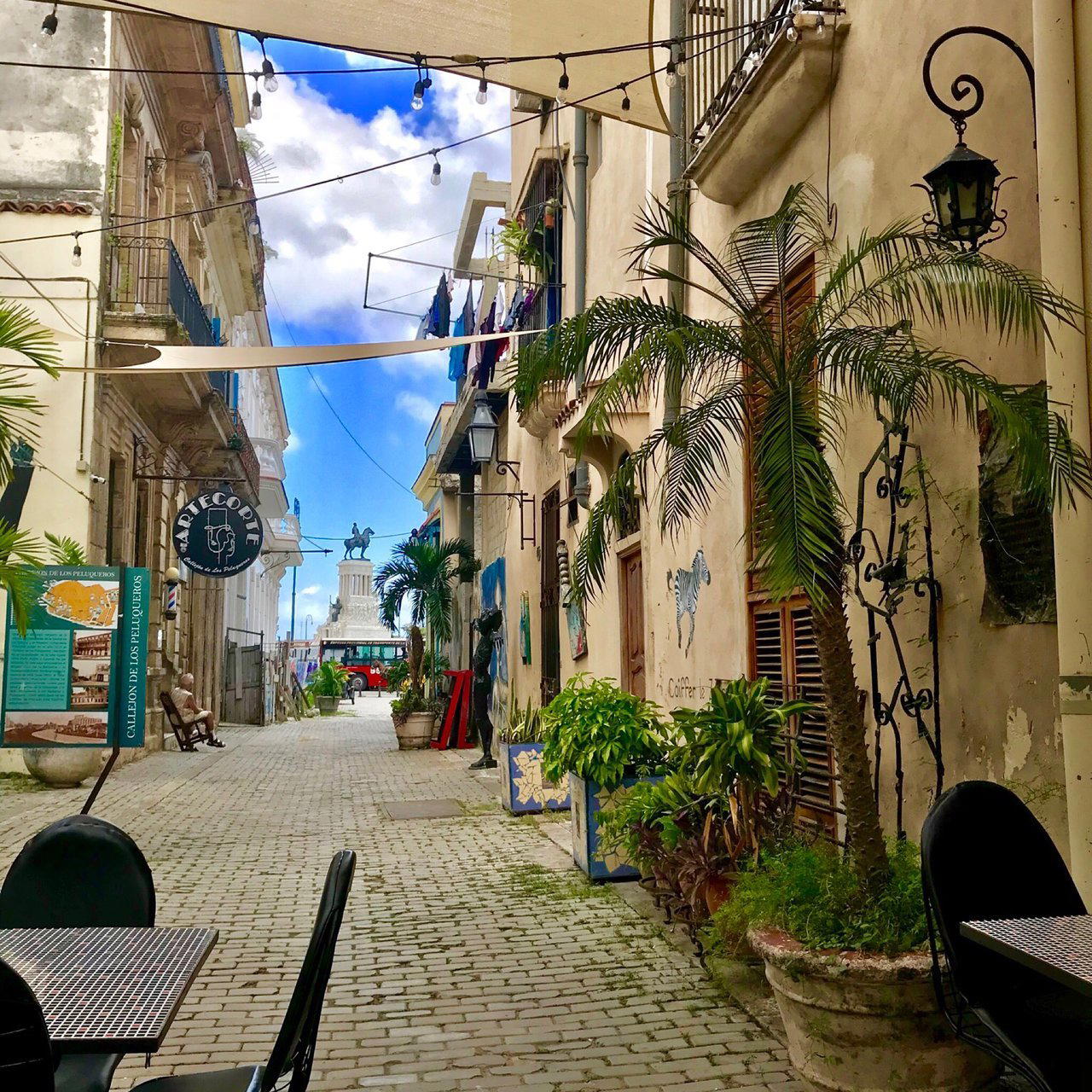
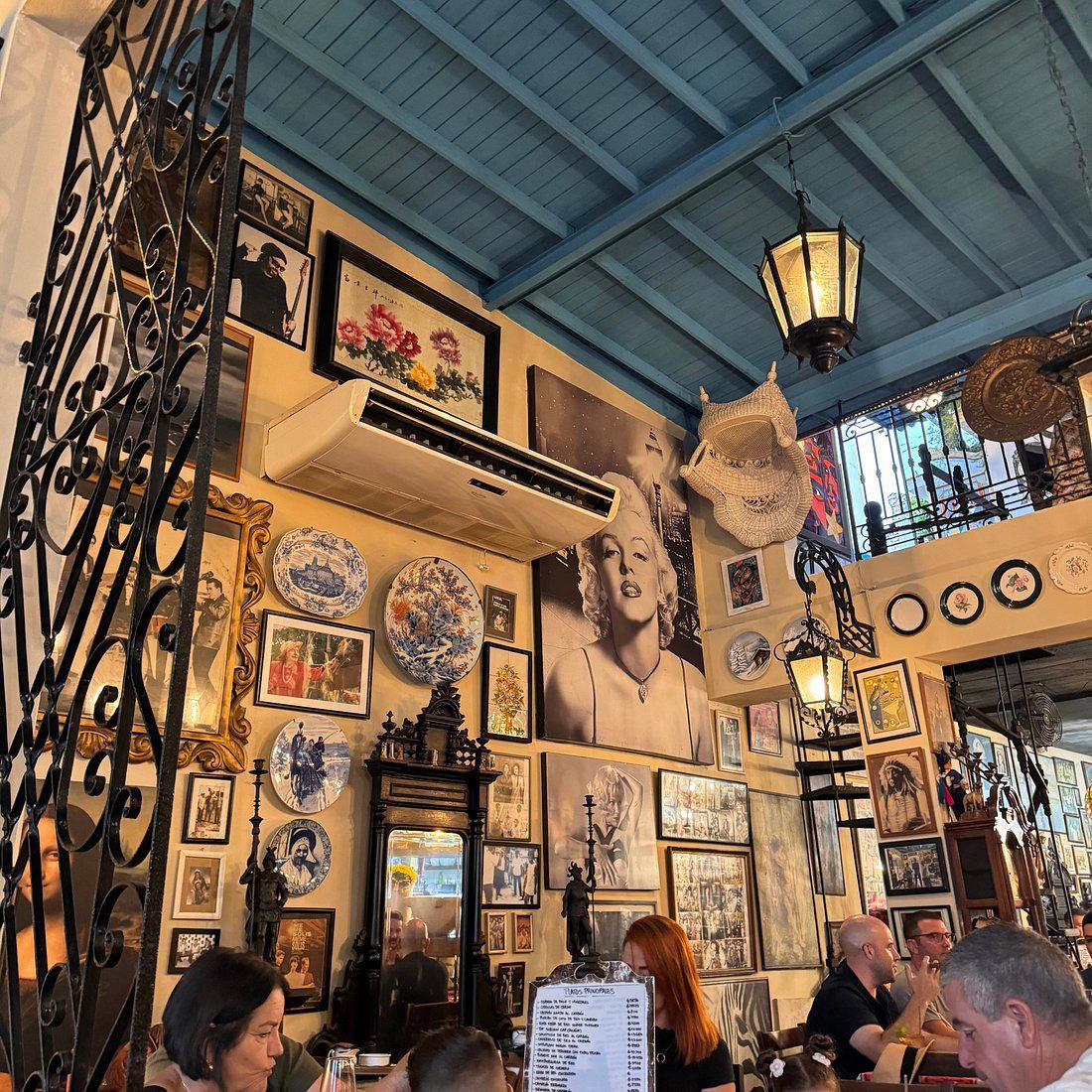
Hotels in Havana
Browse all →
Wineries in Havana
Browse all →
Malecon
The drinks
- Craft cocktails
- Classic cocktails
Signature drinks: Mojito, Daiquiri, House Cocktails.
Details
- Romantic
- Lively
- Scenic
- Well Known
- Date Night
- Group Outing
- Casual Hangout
- Celebration
- Rooftop
- Waterfront
- Live Music
- Panoramic View
- Outdoor Terrace
- Standing Room
- Lounge Seating
- Classic Cocktails
- Rum
- Craft Cocktails
- Waterfront
Lively oceanfront setting with local art installations, sunset views over the Malecón, and energetic rooftop atmosphere enhanced by live performances and themed events.