A Havana address that takes its name from the Lebanese capital, Beirut operates in a city where ingredient sourcing shapes every plate, and where the gap between what a kitchen can obtain and what it can imagine defines the cooking. In a paladares scene built on improvisation and local supply chains, this is a restaurant worth understanding on its own terms before you visit.
Pearl is the En Primeur Club membership app — saves, bookings, and concierge access live there. Same editors, same standards.
- Address
- 4HRX+GGX, La Habana, Cuba
- Phone
- +53 7 8315883
- Directions
- Get directions
 Saves & bookings on Pearl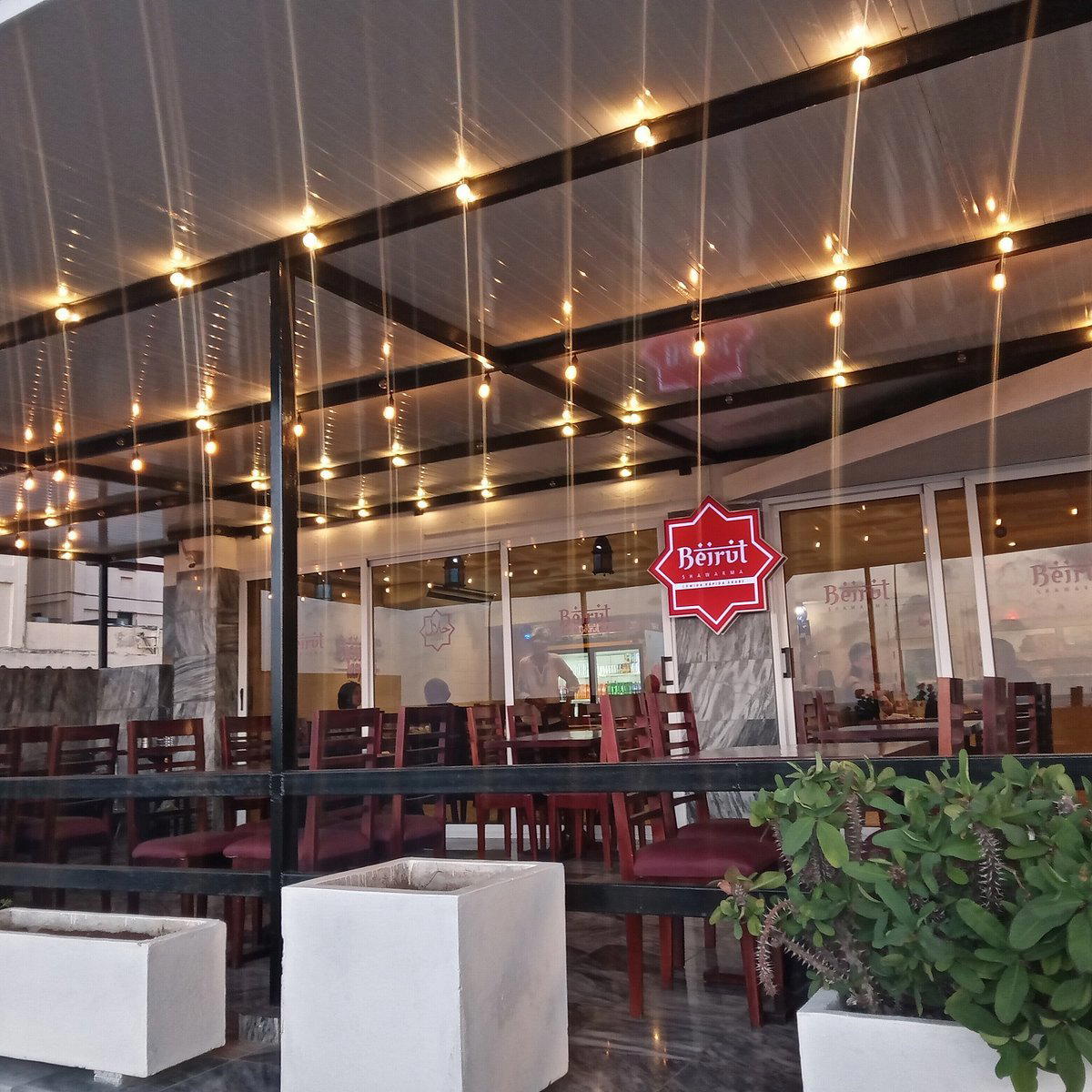
What Havana's Supply Constraints Tell You About a Restaurant Like Beirut
Walking into any Havana restaurant involves a quiet negotiation with scarcity. The paladares that have defined the city's private dining scene since the 1990s reforms operate in a procurement environment unlike anywhere else in the Caribbean: no integrated wholesale supply chains, no reliable imported pantry staples, and a domestic agriculture system that delivers inconsistently even in season. What a kitchen does with that reality is one revealing thing about it. Beirut is a Lebanese Fusion Rooftop restaurant at 4HRX+GGX, La Habana, Cuba. Before asking what's on the menu, it helps to ask what the menu was even able to be.
The Logic of Sourcing in a Paladares City
Cuban private restaurants have, over the past decade, developed sourcing strategies that range from market-stall improvisation to informal supplier networks cultivated over years. Well-regarded kitchens in Havana, places like La Cocina de Esteban and El Chanchullero, have built reputations partly because of how they handle the unpredictability of Cuban supply. Pork, black beans, plantains, root vegetables, and certain fresh herbs are the reliable backbone. Seafood, despite the island's coastline, is less consistent than outsiders expect, and imported proteins remain largely out of reach for restaurants operating without state hotel infrastructure. A restaurant operating under a name as globally freighted as Beirut carries an implicit question: does the kitchen attempt Middle Eastern culinary references within this procurement reality, or does the name function more as identity marker than culinary program? That question shapes everything about how to read this restaurant.
Setting and Atmosphere
The address associated with Beirut places it within Havana's urban fabric, in a city where dining environments range from crumbling-colonial grandeur to deliberately stripped-back neighbourhood rooms. Havana's restaurant scene has increasingly split between venues that lean into theatrical heritage settings and those that operate in quieter, less performative spaces. The latter often prove more instructive about where the city's private dining is actually going. Without detailed interior data on Beirut specifically, what the Havana paladares tradition generally offers at this tier is a room shaped more by what the operator could acquire and assemble than by a design brief, which, in practice, can produce spaces with more character than purpose-built dining rooms elsewhere. Context matters here: this is a city where resourcefulness reads as authenticity, not compromise. For those exploring Havana's dining scene more broadly, El Patio and La Bodeguita Del Medio represent the heritage-setting end of the spectrum, while El del Frente offers a useful point of comparison for newer, more contemporary-format operations.
Where Ingredient Sourcing Becomes the Story
Across the broader Caribbean and Latin American dining scene, ingredient-led cooking has become a dominant editorial framing, but in Cuba, sourcing is not a philosophy, it is a structural fact. Kitchens do not choose to work with local, seasonal produce as a statement of intent; they do so because the alternative is not available. This creates a different kind of discipline than you find at, say, Atelier Moessmer Norbert Niederkofler in Brunico, where a rigorous regional sourcing program is a deliberate artistic constraint layered on top of access. In Havana, the constraint is the starting point. A kitchen that produces coherent, considered food within those conditions is demonstrating something meaningful about technique and adaptability, regardless of whether the name above the door signals Cuban or any other culinary tradition. Internationally, restaurants at the hyperlocal sourcing end of the spectrum, from Reale in Castel di Sangro to Lazy Bear in San Francisco, have made territorial sourcing a selling point. In Havana, it is simply the operating condition. That difference is worth holding onto when assessing any restaurant in the city.
Beirut in the Context of Havana's Broader Private Dining Scene
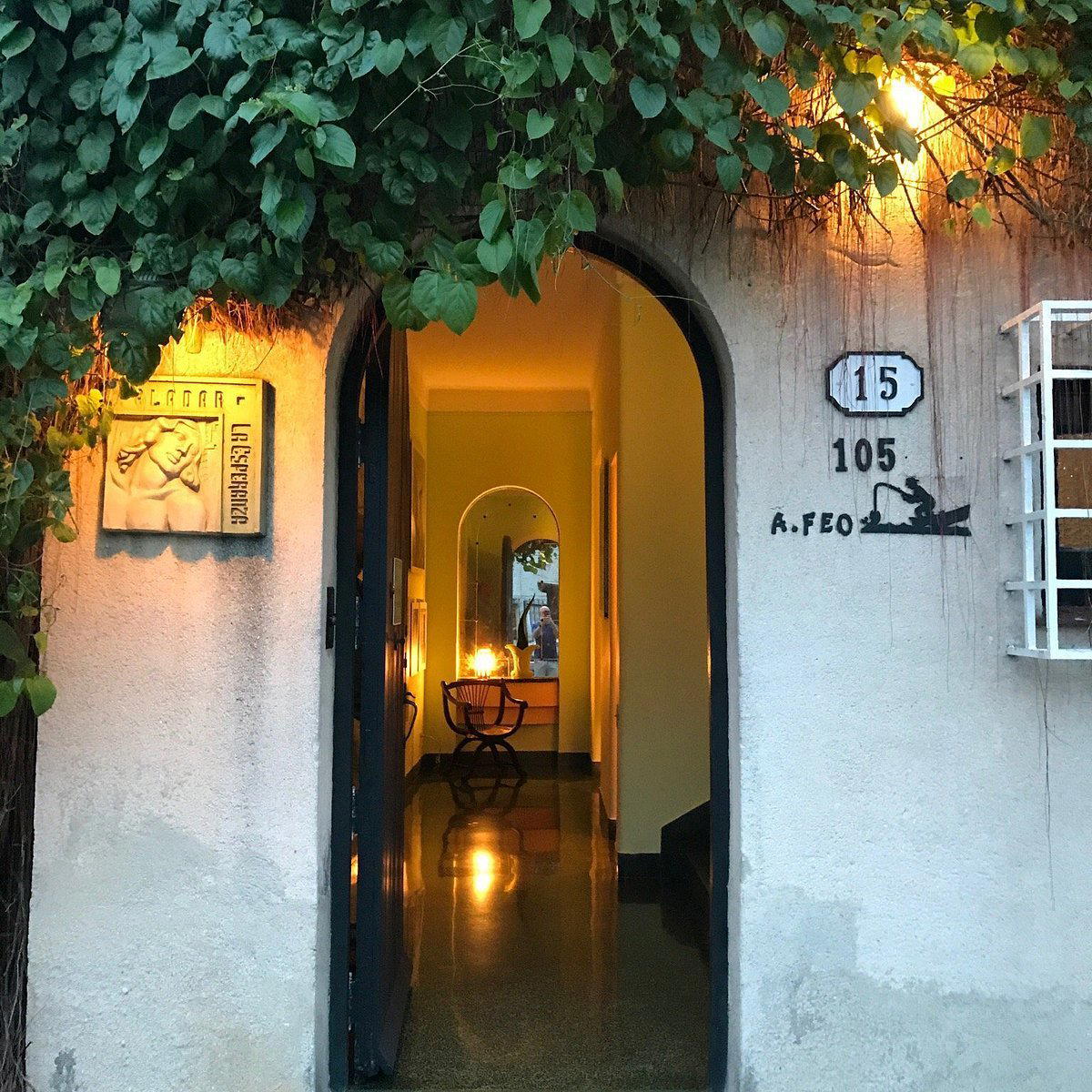
Havana's paladares occupy a competitive set defined less by price tier, pricing across the private restaurant sector remains compressed relative to comparable Caribbean destinations, and more by neighborhood, format, and the particular ingenuity of each kitchen. Particularly referenced names tend to cluster around Centro Habana and Vedado, where foreign visitors and Cuban professionals intersect most reliably. Restaurants like La Esperanza in Playa have demonstrated that strong reputations can be built in less central locations, which suggests the Havana dining scene rewards discovery rather than proximity to the tourist core. Beyond Havana, Cuba's private dining scene extends to places like Restaurante San José in Trinidad, though the depth of competition and range of cooking remains most concentrated in the capital. For visitors building a dining itinerary,
What to Know Before You Go
Cuba's restaurant sector operates with limited digital infrastructure. Phone numbers and websites for paladares change frequently, and booking through international reservation platforms is not standard practice across the sector. Beirut is recommended for reservations and is open daily from 12 PM to 12 AM. The address reference point places Beirut within Havana, and the city's taxi and bicitaxi networks make most central addresses accessible without significant logistical planning. Currency considerations in Cuba remain relevant for any visitor: the dual-currency legacy and ongoing monetary adjustments mean that pricing intelligence gathered before departure may not reflect conditions on arrival. For regional context and thematic comparison, the entertainment and dining experiences around Cabaret Tropicana in Ciudad De La Habana illustrate the range of experiences the city offers across different formats and price points. Internationally, the gap in information infrastructure between a Cuban paladar and highly documented restaurants like Le Bernardin in New York City, Atomix, or HAJIME in Osaka is significant.
Comparison Snapshot
Comparable venues nearby, for context on price, style, and recognition.
| Venue | Cuisine | Price | Notes |
|---|---|---|---|
| BeirutThis venue — the venue you are viewing | Lebanese Fusion Rooftop | $$ | Not listed |
| El Patio | Traditional Cuban | $$ | Habana Vieja |
| O'Reilly 304 | Creative Latin Fusion Tapas | $$ | Old Havana |
| Union Francesa | Cuban and International in Historic Vedado Building | $$ | Vedado |
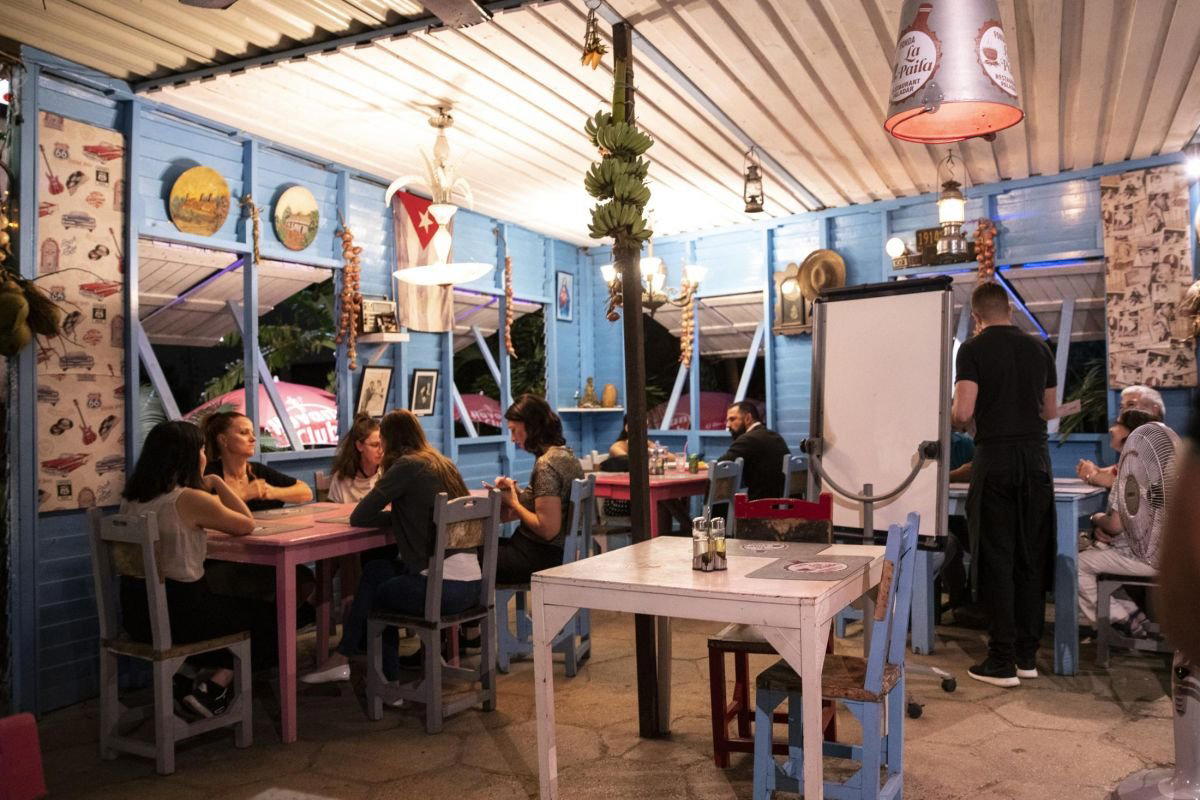
| La Paila Fonda | Authentic Cuban BBQ & Paladar | $ | Vedado |
| La Bodeguita Del Medio | Traditional Cuban Creole | $$ | Old Havana |
Continue exploring
More in Havana
Restaurants in Havana
Browse all →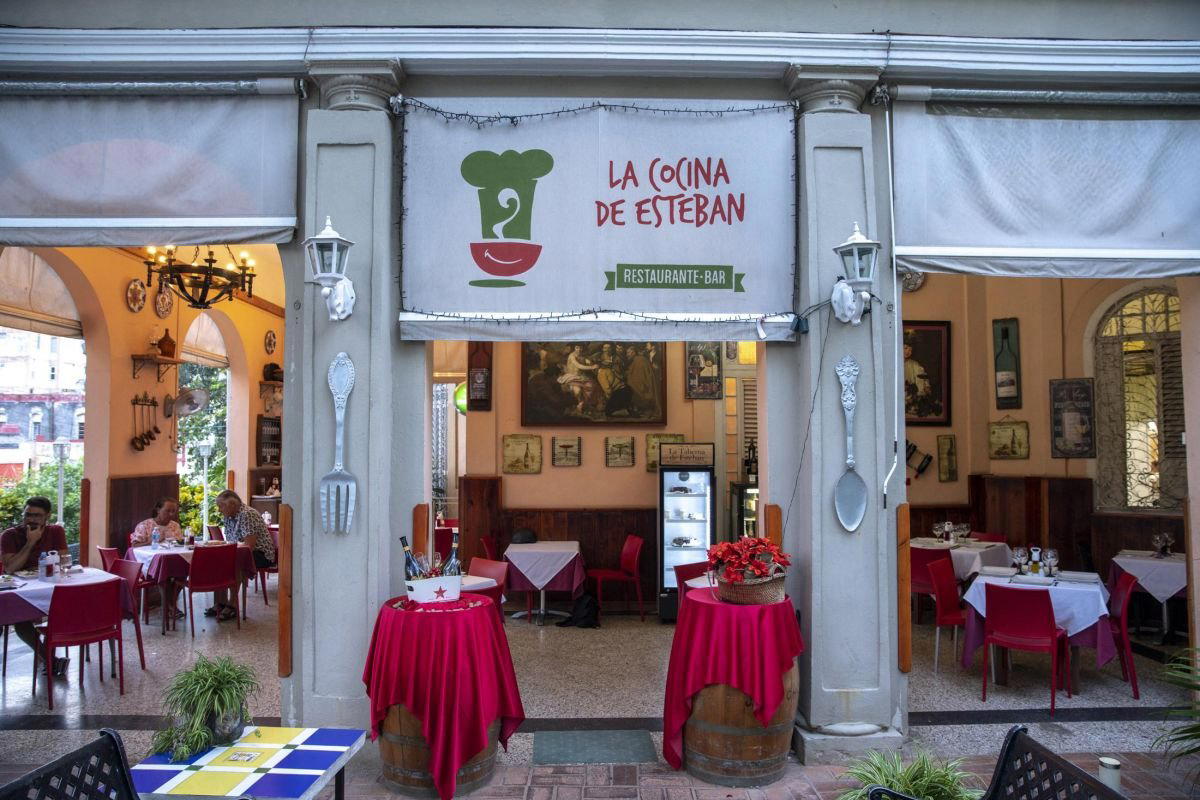
Bars in Havana
Browse all →
Hotels in Havana
Browse all →
Wineries in Havana
Browse all →
At a Glance
- Lively
- Trendy
- Casual Hangout
- Group Dining
- Rooftop
- Craft Cocktails
- Street Scene
Current opening hours
- Monday
- 12 PM–12 AM
- Tuesday
- 12 PM–12 AM
- Wednesday
- 12 PM–12 AM
- Thursday
- 12 PM–12 AM
- Friday
- 12 PM–12 AM
- Saturday
- 12 PM–12 AM
- Sunday
- 12 PM–12 AM
Hours can change for holidays and private events. Last verified .
Energetic rooftop atmosphere with hip, lively vibes.