Our verdict
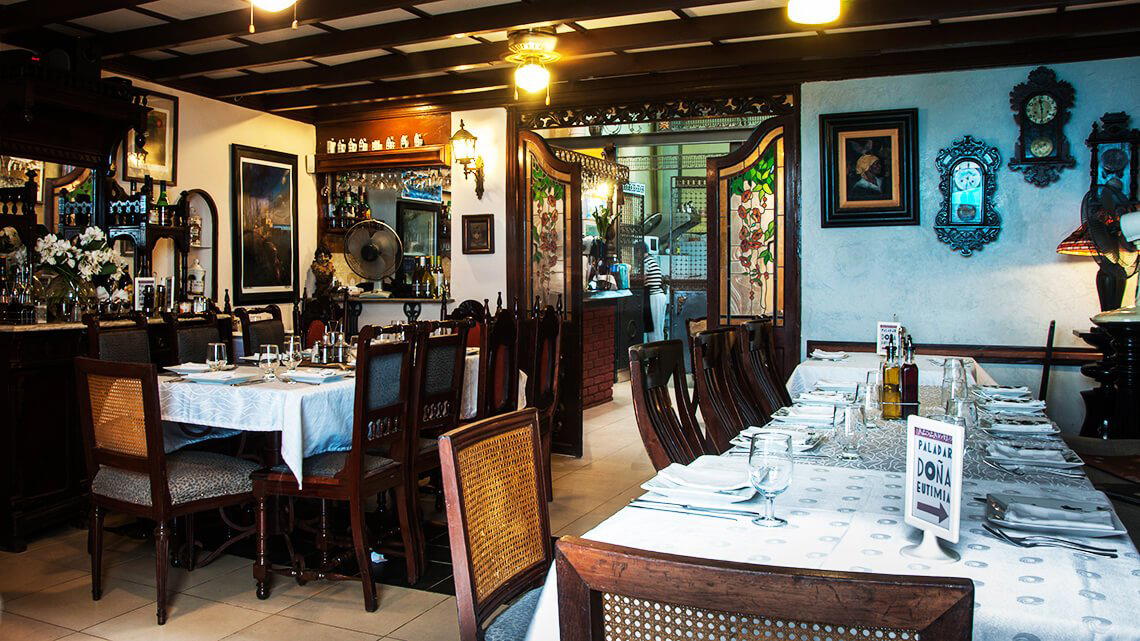
On a narrow alley off Plaza de la Catedral, Paladar Doña Eutimia has become one of Havana's most referenced addresses for Cuban home cooking. The menu reads as a document of the island's culinary traditions, from ropa vieja to the kind of black beans that take a full day to prepare correctly. Bookings fill quickly, and the alley setting adds a layer of context that the food itself earns.

Pearl is the En Primeur Club membership app — saves, bookings, and concierge access live there. Same editors, same standards.
- Address
- 60-C, Callejon del Chorro, La Habana, Cuba
- Phone
- +53 7 8013332
- Hours
- Daily 12–10 PM
- Directions
- Get directions
The menu
What to order
- Frituras de malanga
- Tostones rellenos
- Picadillo a la habanera
- Ropa vieja
A Callejón, a Kitchen, and What Cuban Home Cooking Actually Looks Like
Callejón del Chorro is one of those Havana passages that rewards the visitor who arrives on foot and without a schedule. The lane runs off the southwest corner of Plaza de la Catedral, which is itself one of the most photographed squares in the Caribbean, and the foot traffic thins the moment you turn the corner. Paladar Doña Eutimia sits along this stretch, occupying a modest address that gives no outward signal of the reputation it has accumulated. In a city where paladares — privately owned restaurants that emerged from Cuba's economic liberalization — have proliferated across Habana Vieja, this particular address has held attention for longer than most, and for reasons that connect directly to the food rather than to décor or spectacle.
The paladar format itself is worth understanding as context. Cuban private restaurants began operating under strict capacity and menu restrictions before those rules were gradually loosened from the 1990s onward. What remained constant, even as the rules shifted, was the domestic scale: these are restaurants that function as extensions of Cuban household cooking rather than as institutions attempting European or international reference points. At Doña Eutimia, that domestic register is explicit in the menu's structure. The dishes on offer are not ambitious in the modernist sense. They are ambitious in a different direction, toward accuracy, toward the specific flavors of Cuban comida criolla as it has been cooked in private homes for generations, and toward the kind of consistency that is actually harder to maintain than novelty.
How the Menu Is Structured, and What That Tells You
Cuban comida criolla follows a logic that differs from what visitors accustomed to European restaurant menus might expect. The backbone is protein prepared with sofrito, the base of onion, garlic, tomato, and pepper that appears across the Caribbean and Latin America in varying forms, and paired with rice, black beans, and plantain in configurations that seem simple until you eat a version that has been prepared with care versus one that has not. The separation between those two outcomes is significant, and it is what the menu at Doña Eutimia is asking you to notice.
Ropa vieja, the shredded braised beef dish that is arguably Cuba's most recognized national plate, appears here and functions as a useful reference point for the kitchen's approach. The dish has roots shared across the Caribbean and Spanish-speaking world, but the Cuban version tends toward a drier, more textured result than its Venezuelan or Puerto Rican relatives, with the tomato-pepper base asserting itself without becoming a sauce. A version prepared correctly is a test of patience in the kitchen, not of technique in any flashy sense. The menu's other pillars, including picadillo, lechón, and preparations built around the island's fish and shellfish supply, follow the same structural principle: Cuban pantry, Cuban method, the kind of cooking that rewards repetition and precision over experimentation.
This is a meaningfully different editorial stance from what you encounter at, say, the more theatrical end of Havana's dining scene, or at high-concept addresses like Le Bernardin in New York City or Atomix in New York City, where the menu is itself a constructed argument about cuisine. Doña Eutimia's menu is not making an argument. It is making a record, of what Cuban cooking tastes like when it is done without modification for tourist expectation, and without the self-conscious elevation that has changed the character of some of Havana's more prominent paladares.
Placing Doña Eutimia in Havana's Paladar Tier
Havana's private restaurant scene has stratified considerably over the past decade. At one end sit addresses like La Guarida, which occupies a crumbling mansion in Centro Habana and has hosted international celebrities and heads of state, operating at a price and profile that positions it against restaurants in other capital cities. At the other end are neighborhood spots where the cooking is direct but unremarkable. Doña Eutimia operates in the middle of that range, with a reputation built on editorial and word-of-mouth visibility rather than on ceremony or price signaling.
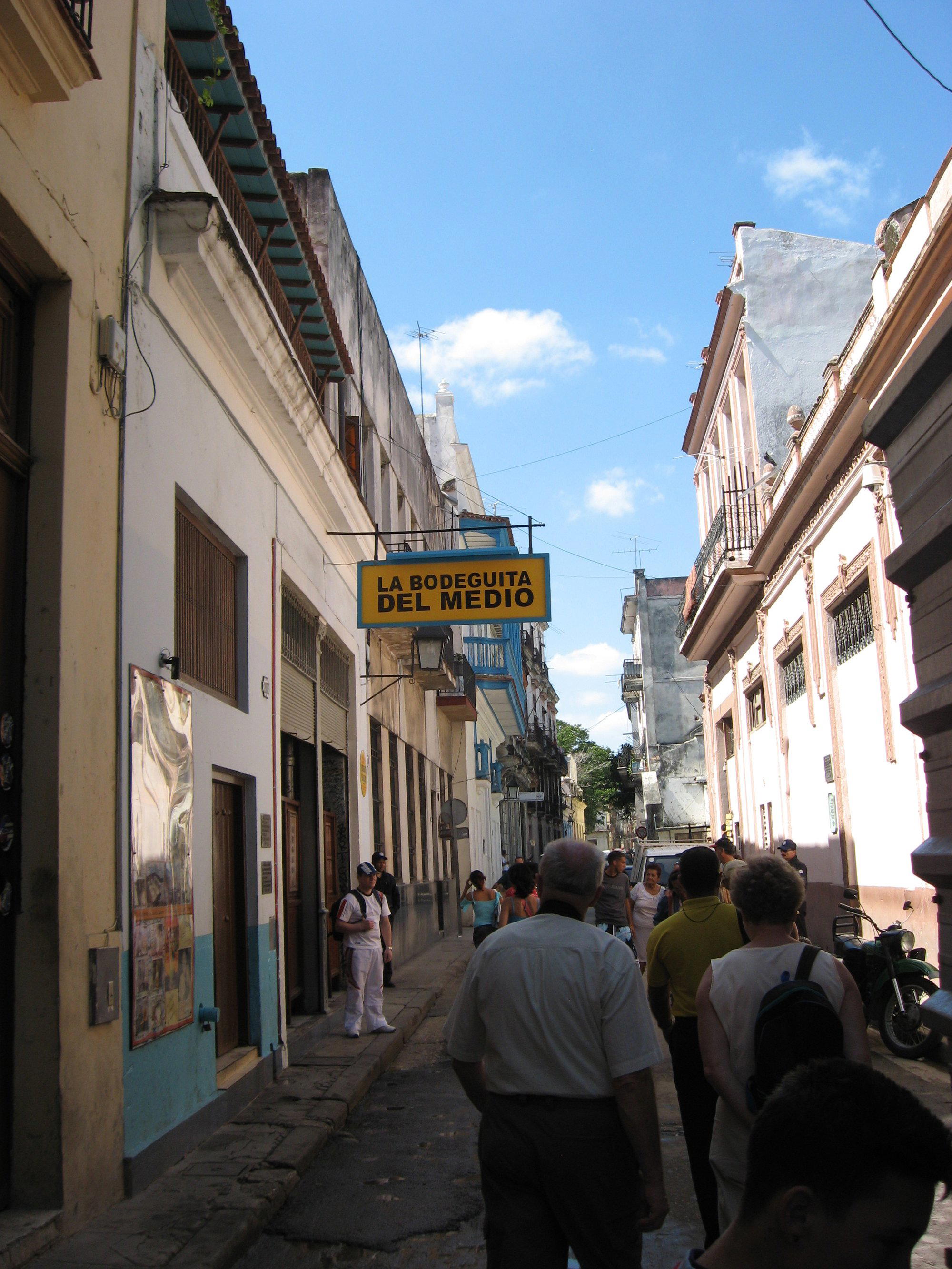
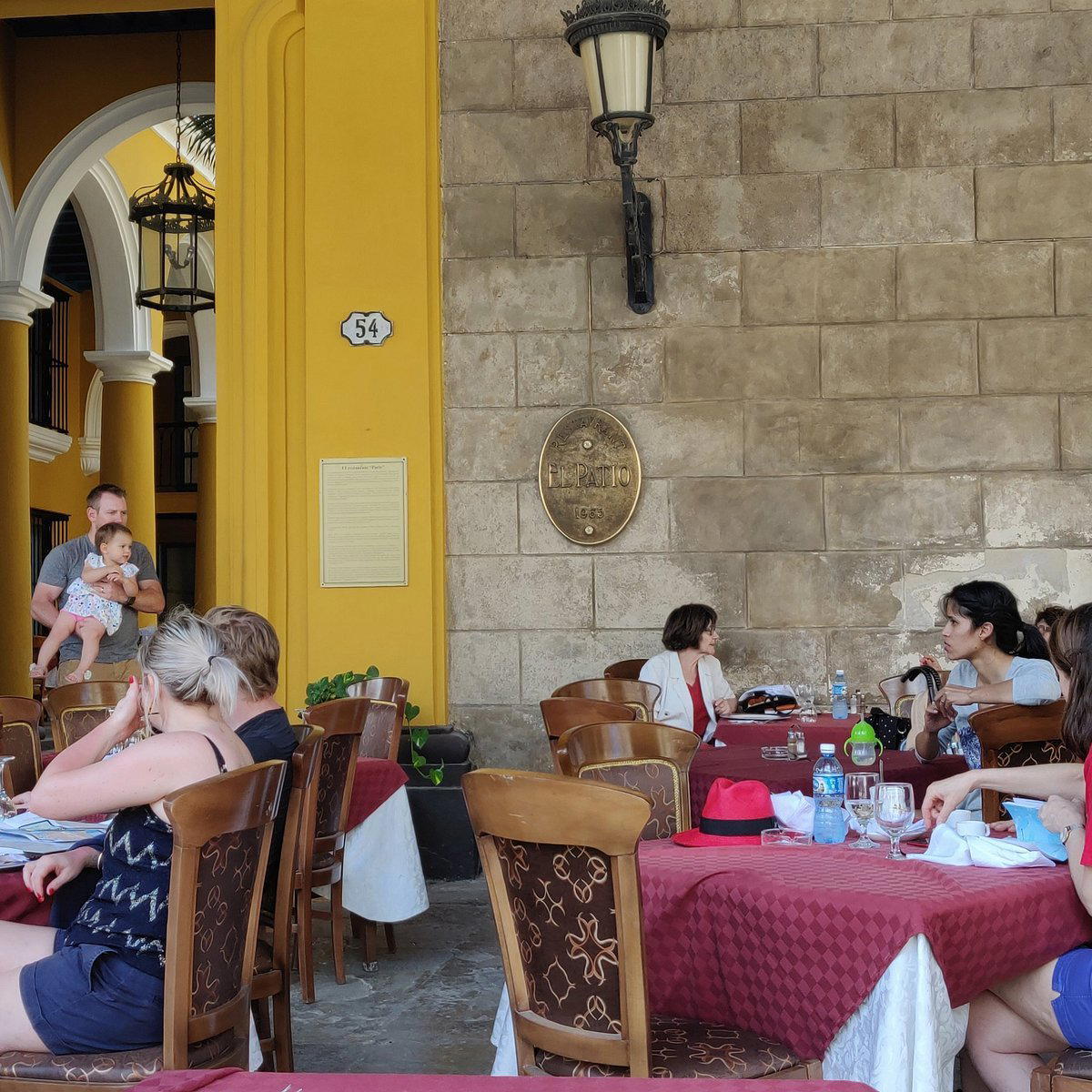
Visitors comparing options in Habana Vieja will also consider El Patio, which trades on its Plaza de la Catedral location, or La Bodeguita Del Medio, whose fame has long since outpaced its food. For something with more edge and a younger energy, El Chanchullero offers a different register entirely. El del Frente draws a creative crowd. Beirut sits in a different culinary category altogether. Each of those addresses reflects a distinct strand of what Havana's private dining has become. Doña Eutimia's strand is the one most directly connected to Cuban domestic cooking as a tradition worth preserving and eating, not as a backdrop for something else.
For context across Cuba more broadly, La Esperanza in Playa and Restaurante San José in Trinidad each represent regional takes on the paladar format. The contrast is instructive: Cuban home cooking looks and tastes different depending on whether you are in Havana, Trinidad, or the western suburbs, and understanding that range adds dimension to any single meal.
Planning Your Visit
The alley location at 60-C Callejón del Chorro, off Plaza de la Catedral in Habana Vieja, is direct to reach on foot from most accommodation in the old city. The narrow passage means seating is limited and the physical space does not absorb overflow. This is not a restaurant where arriving without a plan tends to work. Havana's paladar booking infrastructure is less formalized than in cities with OpenTable or equivalent systems, historically, bookings have been made by phone or through hotel concierges, and visitors should verify current booking protocols on arrival or through their accommodation, as conditions in Cuba shift with some regularity.
Timing matters more here than at a large-format restaurant. Lunch service tends to be slightly less pressured than dinner, and the midday light along the callejón, falling across the stone paving, gives the setting a quality that changes after dark. Currency and payment norms in Havana have also shifted through recent years; arriving with cash in the appropriate form and confirming local payment expectations in advance is part of any sensible planning for dining in the city.
For anyone building a broader Havana itinerary, the full Havana restaurants guide maps the city's dining options across neighborhoods and formats. If the evening extends beyond dinner, Cabaret Tropicana in Ciudad de La Habana represents a completely different kind of Cuban evening, one that has nothing to do with food and everything to do with spectacle.
Frequently asked questions
Where do I go for Paladar Doña Eutimia?
Paladar Doña Eutimia is located at 60-C, Callejon del Chorro, La Habana, Cuba, Havana.
Is Paladar Doña Eutimia a good option for visitors wanting authentic Cuban cooking rather than tourist-facing restaurants in Havana?
Doña Eutimia sits in Havana's private restaurant tier — paladares operating under Cuban law as family-run or small commercial enterprises, distinct from the state-run dining that shaped the city's earlier reputation. Its address at 60-C Callejón del Chorro in Habana Vieja places it within a neighbourhood of genuine local foot traffic, not a sanitised tourist corridor. The menu follows comida criolla logic: protein-centred plates, rice, beans, and seasonal accompaniments rooted in Cuban domestic cooking rather than adapted for foreign palates.
What dish is Paladar Doña Eutimia famous for?
Doña Eutimia is consistently cited among Havana's paladar circuit for its ropa vieja, the shredded braised beef that anchors comida criolla across Cuba. The kitchen applies a home-style approach rather than a modernised interpretation, which is precisely why visitors return: the dish tastes like something cooked in a Havana household, not engineered for tourists. Given the alley setting at 60-C Callejón del Chorro, the context reinforces that domestic register.
How far ahead should I plan for Paladar Doña Eutimia?
Doña Eutimia occupies a small space inside Callejón del Chorro, off Plaza de la Catedral in Habana Vieja, which limits covers considerably. During high-traffic travel periods, tables fill quickly and walk-in chances diminish. Reserving at least two to three days in advance is prudent; for peak season visits, a week ahead is a safer margin.
Recognition Snapshot
Comparable venues nearby, for context on price, style, and recognition.
| Venue | Cuisine | Price | Notes |
|---|---|---|---|
| Paladar Doña EutimiaThis venue — the venue you are viewing | Traditional Cuban Criolla | $10–20 | Not listed |
| El Patio | Traditional Cuban | $10–20 | Habana Vieja |
| La Bodeguita Del Medio | Traditional Cuban Creole | Not listed | Old Havana |
| El Chanchullero | Cuban Tapas | $1–10 | Old Havana, Plaza del Cristo |
| Union Francesa | Cuban and International in Historic Vedado Building | $20–30 | Vedado |
| La Guarida | Modern Caribbean | $30–50 | downtown Havana |
Continue exploring
More in Havana
Restaurants in Havana
Browse all →
Bars in Havana
Browse all →
Hotels in Havana
Browse all →
Wineries in Havana
Browse all →
Details
- Cozy
- Rustic
- Intimate
- Date Night
- Casual Hangout
- Special Occasion
- Historic Building
- Terrace
- Courtyard
- Craft Cocktails
- Street Scene
- A La Carte
- Mojito
- Vegetarian Friendly
- Vegan Options
- Gluten Free Options
Current opening hours
- Monday
- 12–10 PM
- Tuesday
- 12–10 PM
- Wednesday
- 12–10 PM
- Thursday
- 12–10 PM
- Friday
- 12–10 PM
- Saturday
- 12–10 PM
- Sunday
- 12–10 PM
Hours can change for holidays and private events. Last verified .
Cozy and familial atmosphere blending modern and traditional elements in a charming alley setting with warm service.