Casa Lilly occupies a address on Avenida de los Presidentes in Havana's Vedado district, placing it within one of the city's most architecturally layered residential corridors. As a paladares-style venue in a neighbourhood that has quietly become a reference point for Havana's private dining scene, it represents the broader shift in Cuban hospitality away from state-run formats toward independently operated tables with distinct character.

Pearl is the En Primeur Club membership app, where members save venues, book tables and use the concierge.
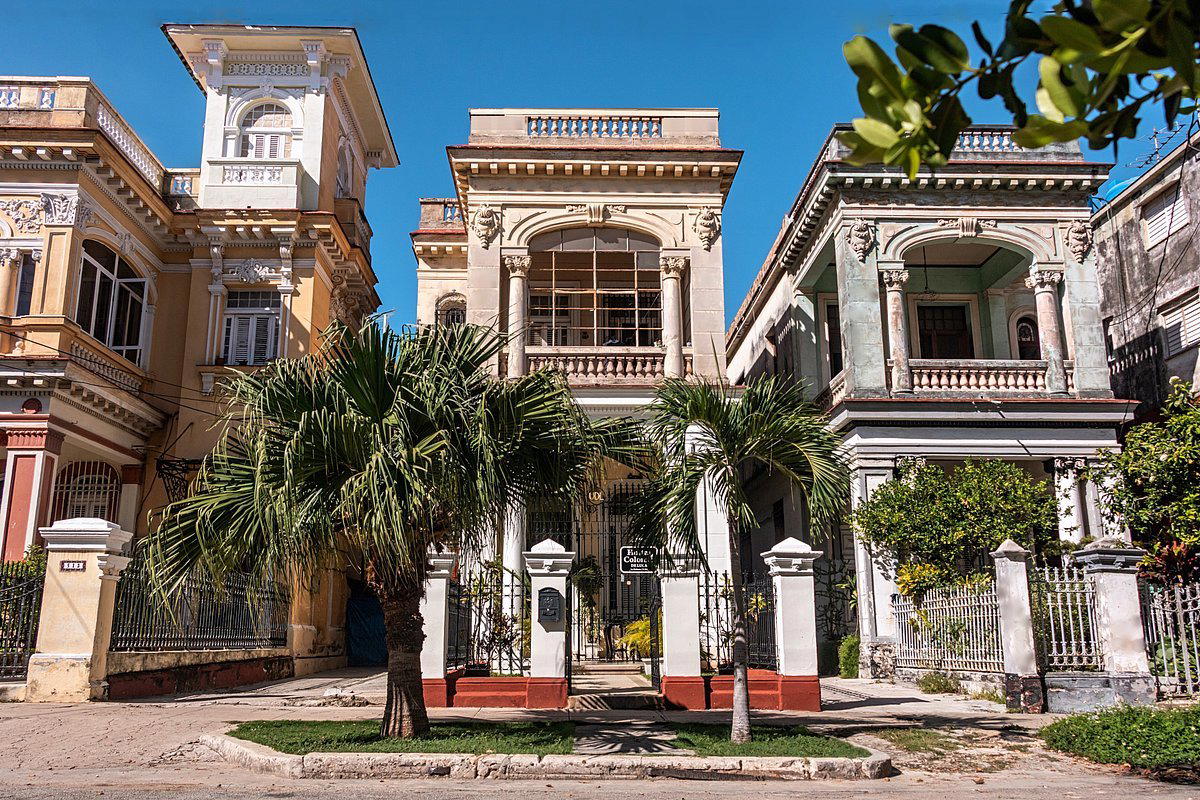
Avenida de los Presidentes and the Private Dining Shift
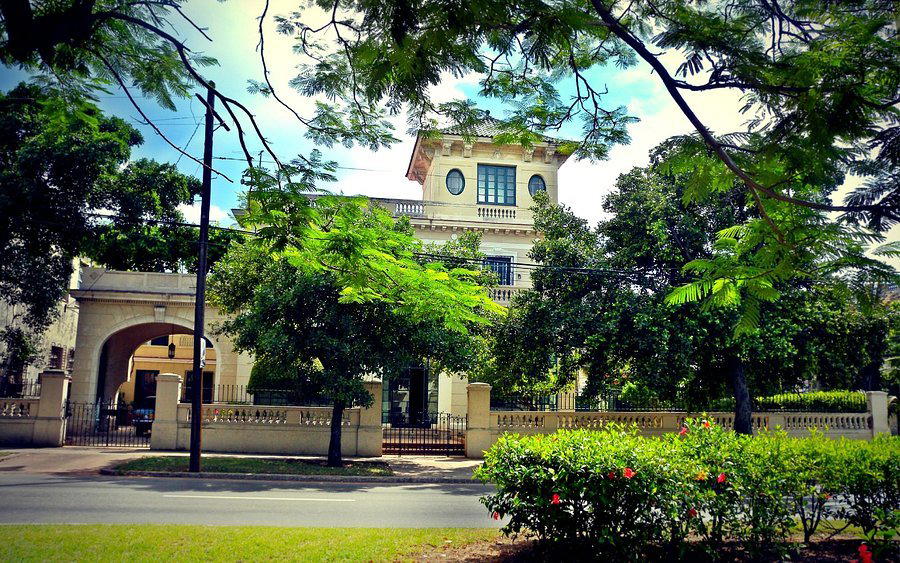
Vedado's Avenida de los Presidentes, the wide, monument-lined boulevard that runs north toward the Malecón, has become one of Havana's more reliable addresses for private dining that operates outside the state-run infrastructure. The street's Belle Époque and mid-century residential fabric provides the physical context for a growing number of paladares: family-operated restaurants that emerged legally following Cuba's economic reforms of the 1990s and expanded significantly after further liberalisation in the 2010s. Casa Lilly sits on this boulevard at number 301, in the 10400 postal district, and is part of that broader pattern rather than an exception to it.
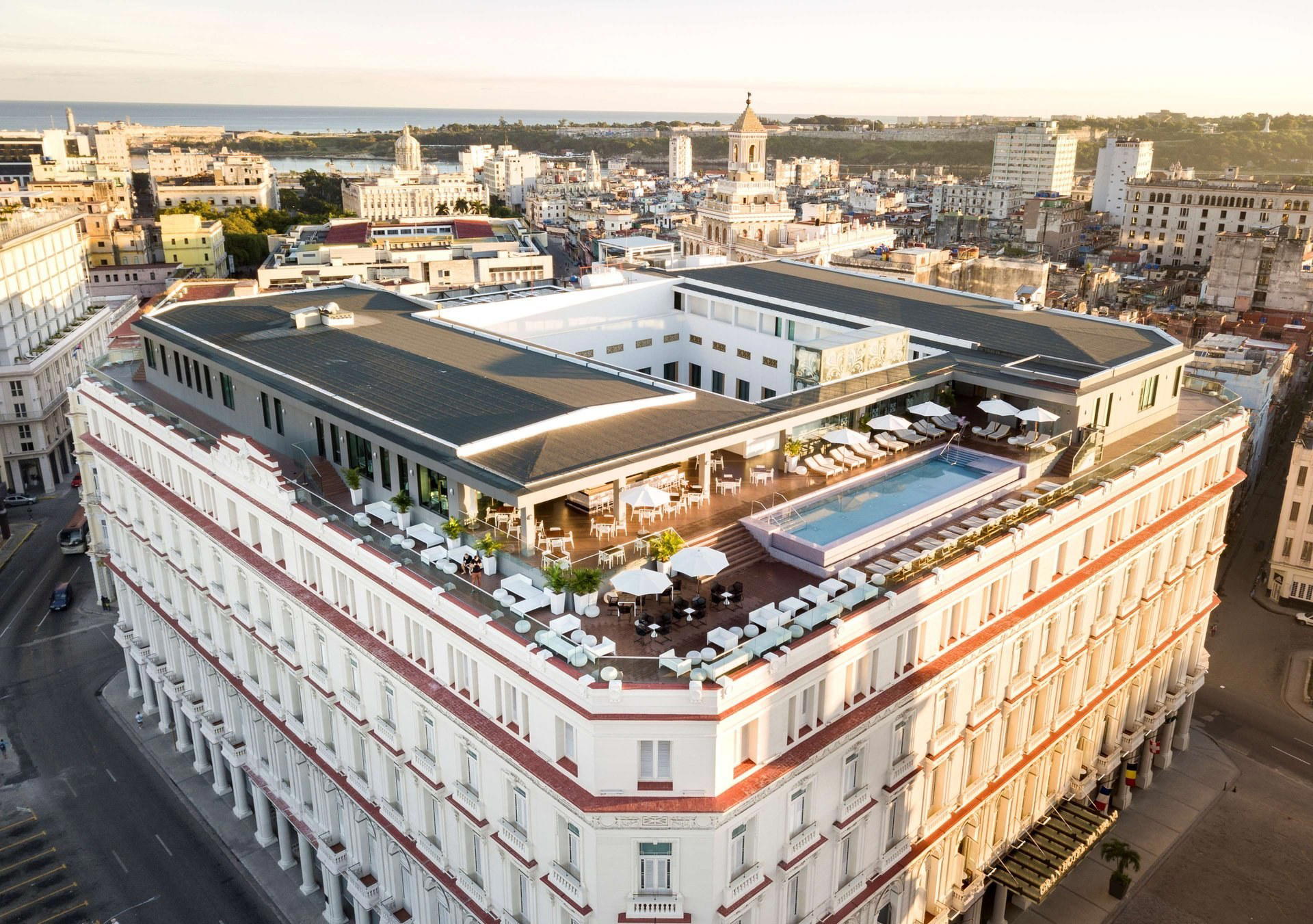
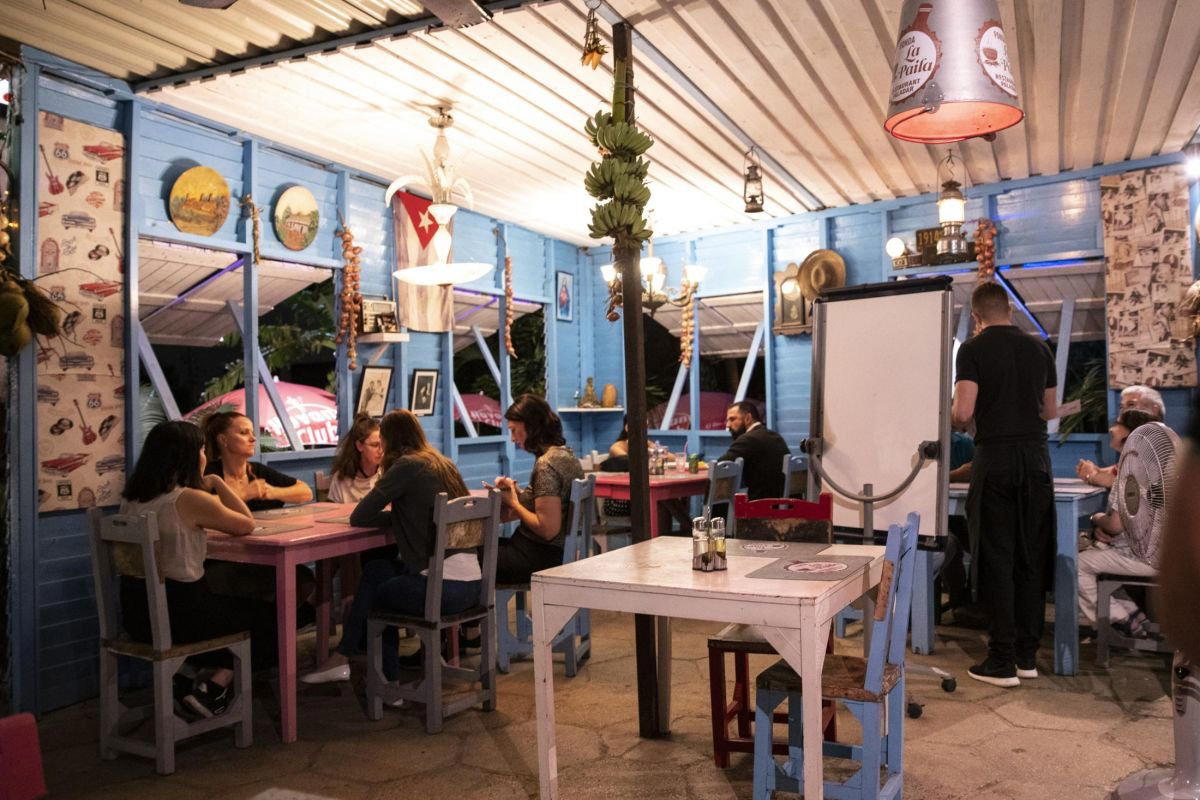
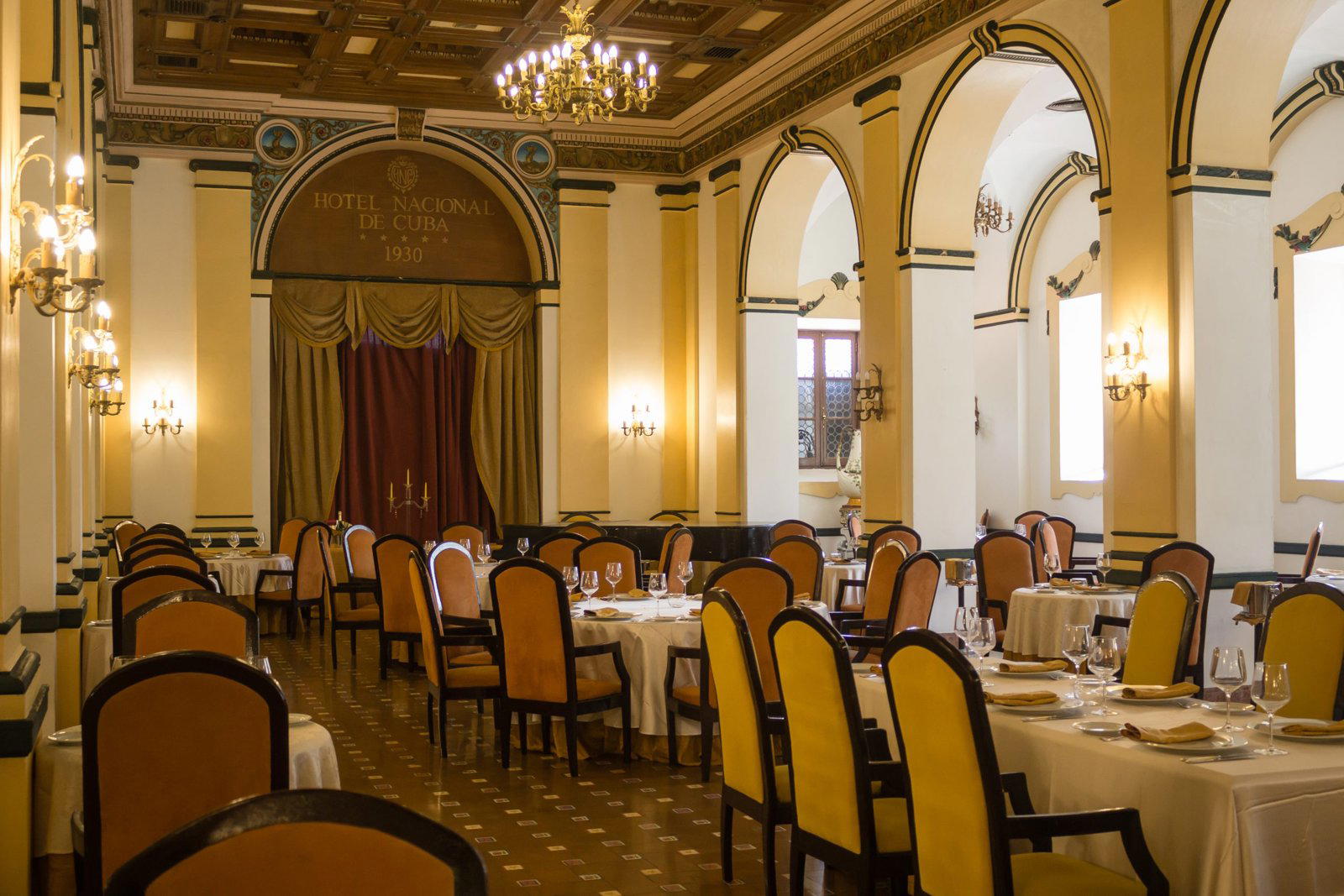
The paladar format matters here because it shapes expectations before you arrive. Unlike the large hotel dining rooms at properties such as the Gran Hotel Manzana Kempinski La Habana or the Hotel Nacional de Cuba, which operate on institutional scale with set service rhythms, paladares in Vedado typically function from converted residential interiors, high-ceilinged rooms, tiled floors, family furniture repurposed as dining furniture. The scale is domestic. The pace is set by the household, not a floor manager with a section plan.
Where Casa Lilly Sits in Havana's Dining Spectrum
Havana's private restaurant scene has fragmented into several tiers over the past decade. At the upper end, a handful of paladares have developed reputations that draw international travel press, command prices comparable to mid-range European restaurants, and operate with waiting lists. Below that sits a much larger middle band of neighbourhood venues where the cooking is Cuban home-style, the pricing reflects local economics, and the clientele is a mix of residents and visitors who have moved away from tourist-facing state restaurants.
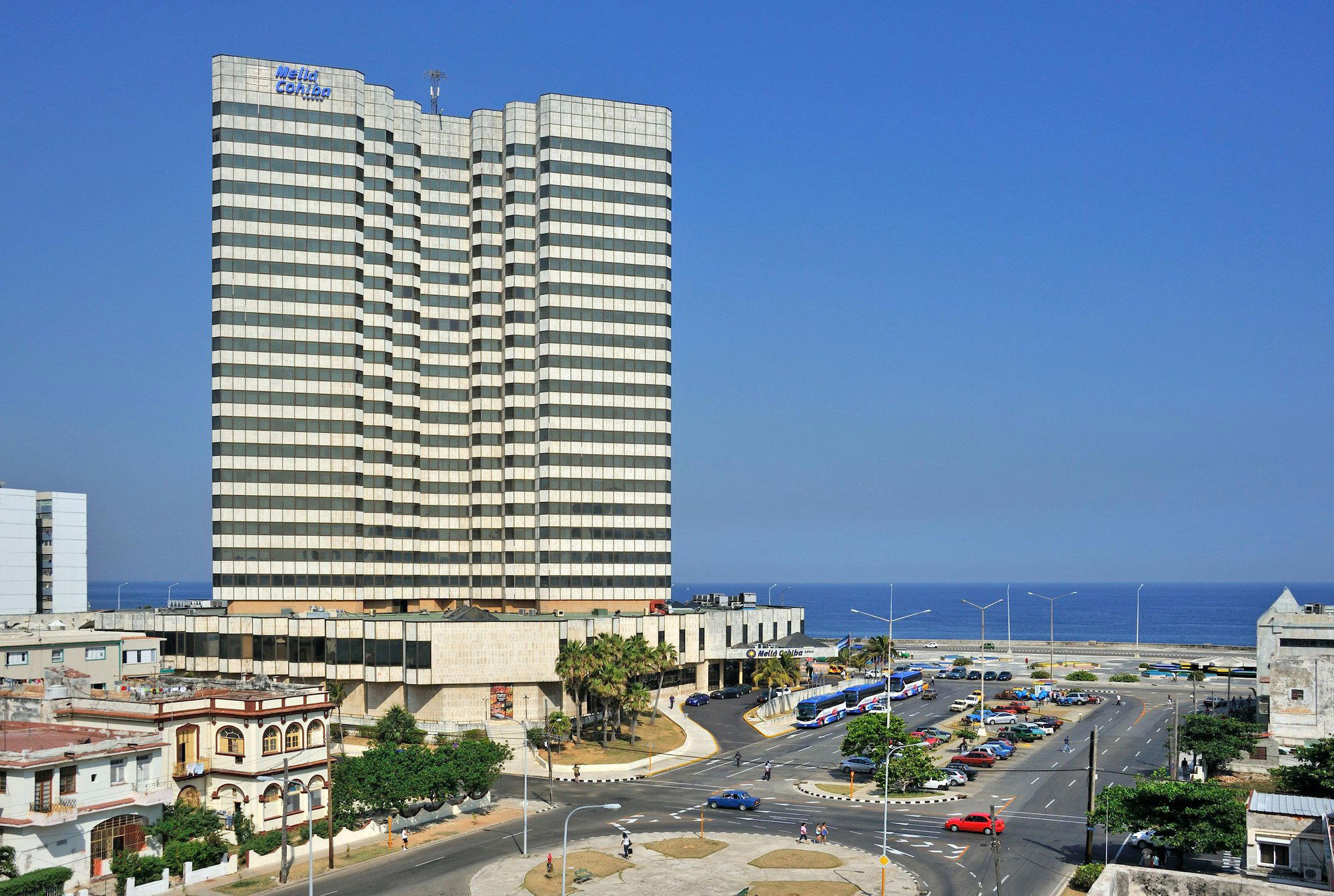
Casa Lilly's position in this spectrum is not formally documented in award records or published ratings, no Michelin recognition exists for Cuba, and no 50 Best citation appears in the public record for this address. What places it in the conversation is its location on one of Vedado's primary residential arteries, an address that carries neighbourhood credibility distinct from the more heavily trafficked tourist corridors around Old Havana. For context on how Havana's hotel-based dining compares, the Meliá Cohiba and the Hostal Silvia VEDADO represent the hotel-anchored end of the same neighbourhood's hospitality offering, operating on entirely different formats and price assumptions.
Visitors who have been working through the hotel restaurant circuits at properties like Mandarin Oriental Bangkok or Cheval Blanc Paris will find the paladar register a significant shift in mode, less orchestrated, more contingent on what is available that day, and in many cases more directly connected to the actual food culture of the city.
What the Cuban Paladar Format Delivers
Cuban home cooking, the baseline of what paladares in Vedado typically serve, is a cuisine shaped by constraint and improvisation rather than abundance. Ropa vieja (shredded braised beef), black beans cooked low with cumin and bay, fried plantain in both its ripe and green preparations, rice dishes built on sofrito: these are the structural components that appear across private kitchens throughout the city. The quality differential between a well-run paladar and a poorly-run one is less about ingredient diversity, supply chains across Havana remain limited by structural economic conditions, and more about technique, seasoning confidence, and the care applied to sourcing within those constraints.
This context is relevant to managing expectations at Casa Lilly. Visitors arriving with the frame of reference of, say, Bvlgari Hotel Tokyo or Hotel Plaza Athénée are dealing with a categorically different proposition. The interest here is in proximity to a living domestic food tradition, not in the architecture of a formal dining programme.
Planning a Visit: What to Know Before You Go
Visitors staying at larger hotels in the area should ask the front desk or a trusted local guide for current contact details, as operating status and hours for independent venues in Havana can shift without public announcement.
The address, 301 Avenida de los Presidentes, La Habana 10400, is in Vedado, a walkable district for visitors based along the Malecón or near the Hotel Nacional de Cuba. Avenida de los Presidentes runs parallel to the main grid and is navigable on foot, though the city's limited taxi infrastructure means confirming transport in advance is advisable for evening visits. Havana's logistics reward preparation: fuel shortages and informal transport patterns make it prudent to establish return arrangements before sitting down to eat.
No dress code, price range, or seat count is available in the published record. Given the residential paladar format, smart-casual is a reasonable working assumption. For price context across the broader spectrum of where Havana visitors tend to eat, our full Havana restaurants guide covers the range from hotel dining to independent neighbourhood tables.
Travellers for whom the paladar register is a primary interest when visiting Cuba often find that Vedado rewards repeat visits more than Old Havana's more densely tourist-facing streets. The neighbourhood has its own rhythm, residential, relatively quiet by Havana standards, punctuated by the monuments and shaded walkways of the Presidentes boulevard itself. Dining here is part of reading that rhythm rather than extracting from a highlights list.
For those building a broader Caribbean itinerary, Playa Luxury Cayo Guillermo represents the resort end of the Cuban experience, while internationally referenced properties like Hotel Esencia in Tulum, Amangiri in Canyon Point, Aman New York, or The Fifth Avenue Hotel in New York provide the kind of documented formal dining infrastructure that Casa Lilly, by design and context, does not aim to replicate. The two modes are not in competition; they serve different purposes within a thoughtfully assembled travel programme. Properties like Badrutt's Palace Hotel, Castello di Reschio, La Réserve Paris, Le Bristol Paris, Hotel Du Cap-Eden-Roc, Hôtel de Paris Monte-Carlo, Hotel Sacher Wien, Hotel Bel-Air, HOTEL THE MITSUI KYOTO, Aman Venice, and Mandarin Oriental Ritz, Madrid represent the formal hotel dining end of the spectrum that informs, by contrast, what the paladar tradition in Vedado is deliberately not.
Budget and Context
| Venue | Price | Awards |
|---|---|---|
| Casa LillyThis venue (the venue you are viewing) | $1–100 | Not listed |
| Gran Hotel Manzana Kempinski La Habana | $300–500 | Michelin Selected · La Liste Top Hotels |
| Hotel Nacional de Cuba | $100–200 | Michelin Selected · World Luxury Hotel Awards WLHA Continent Winner |
| Hostal Silvia VEDADO | $1–100 | Not listed |
| Meliá Cohiba | $100–200 | Not listed |
Continue exploring
More in Havana
Hotels in Havana
All hotels in Havana →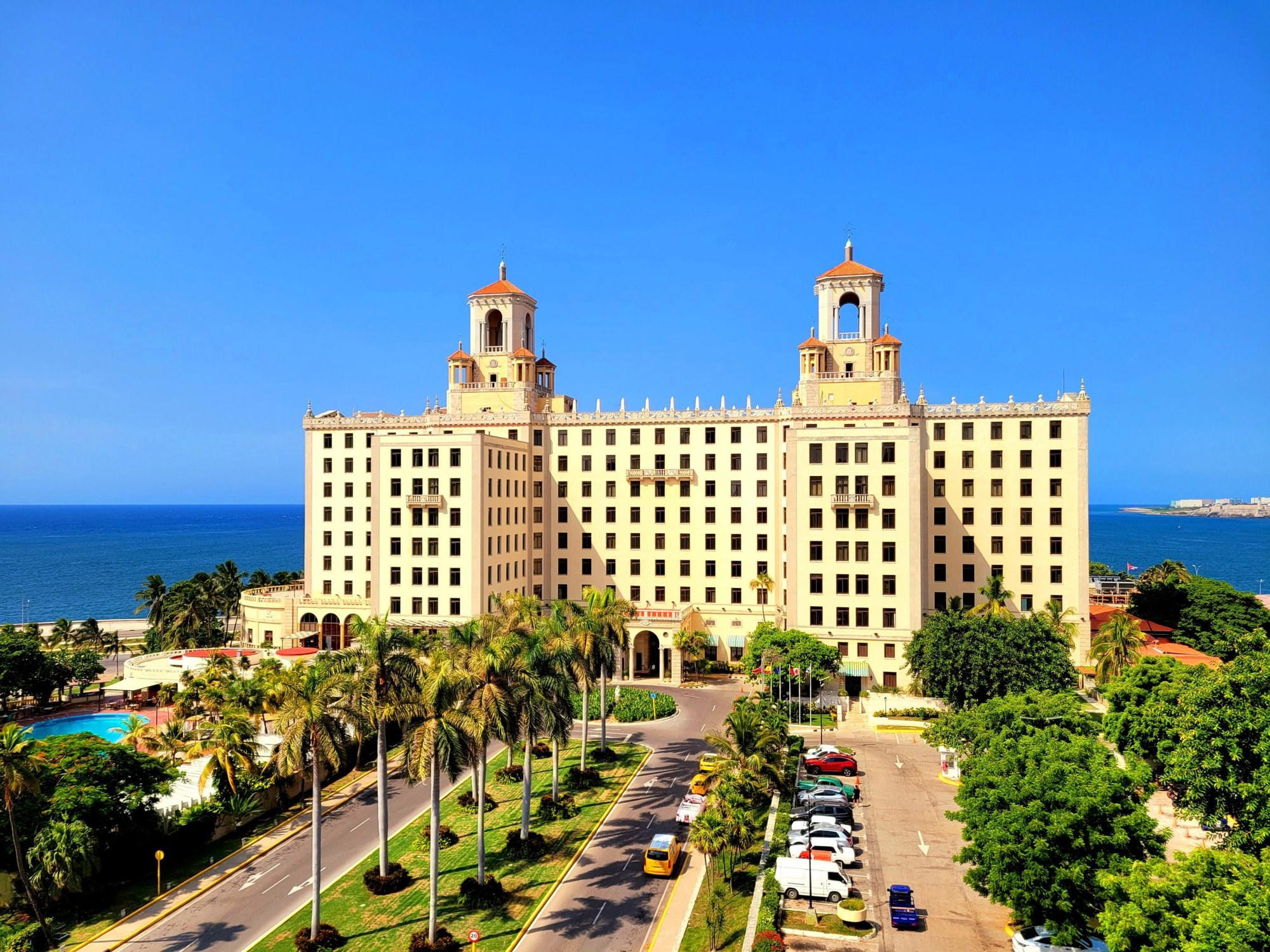
Bars in Havana
All bars in Havana →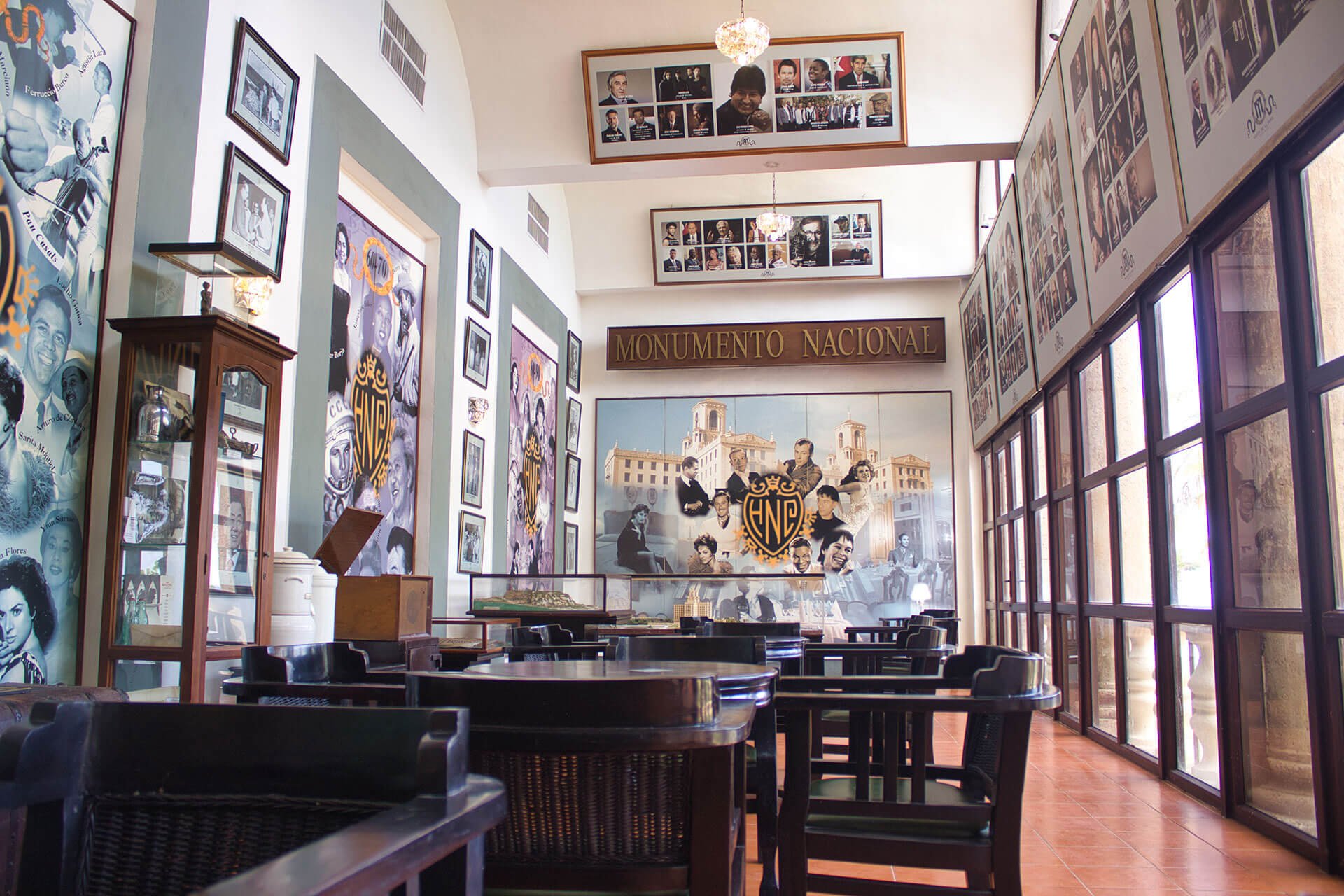
Restaurants in Havana
All restaurants in Havana →
Wineries in Havana
All wineries in Havana →
Details
- Cozy
- Lively
- Weekend Escape
- Terrace
- Panoramic View
- Wi Fi
- Air Conditioning
- Skyline
Warm family-run atmosphere with open-concept living areas and relaxing balconies offering Caribbean breezes.