La Cocina de Esteban occupies a slice of Vedado's residential fabric, where Havana's paladar tradition translates home cooking into something more considered. Positioned on Calle 21, it operates within a city where private dining rooms have quietly built a parallel restaurant culture to the state sector. Visitors looking for Cuban cooking in a neighbourhood setting rather than a tourist circuit will find this address worth tracking down.
Pearl is the En Primeur Club membership app — saves, bookings, and concierge access live there. Same editors, same standards.
- Address
- 4JR8+877, y L., Calle 21, La Habana, Cuba
- Phone
- +53 7 8329649
- Website
- lacocinadeesteban.com
- Directions
- Get directions
 Saves & bookings on Pearl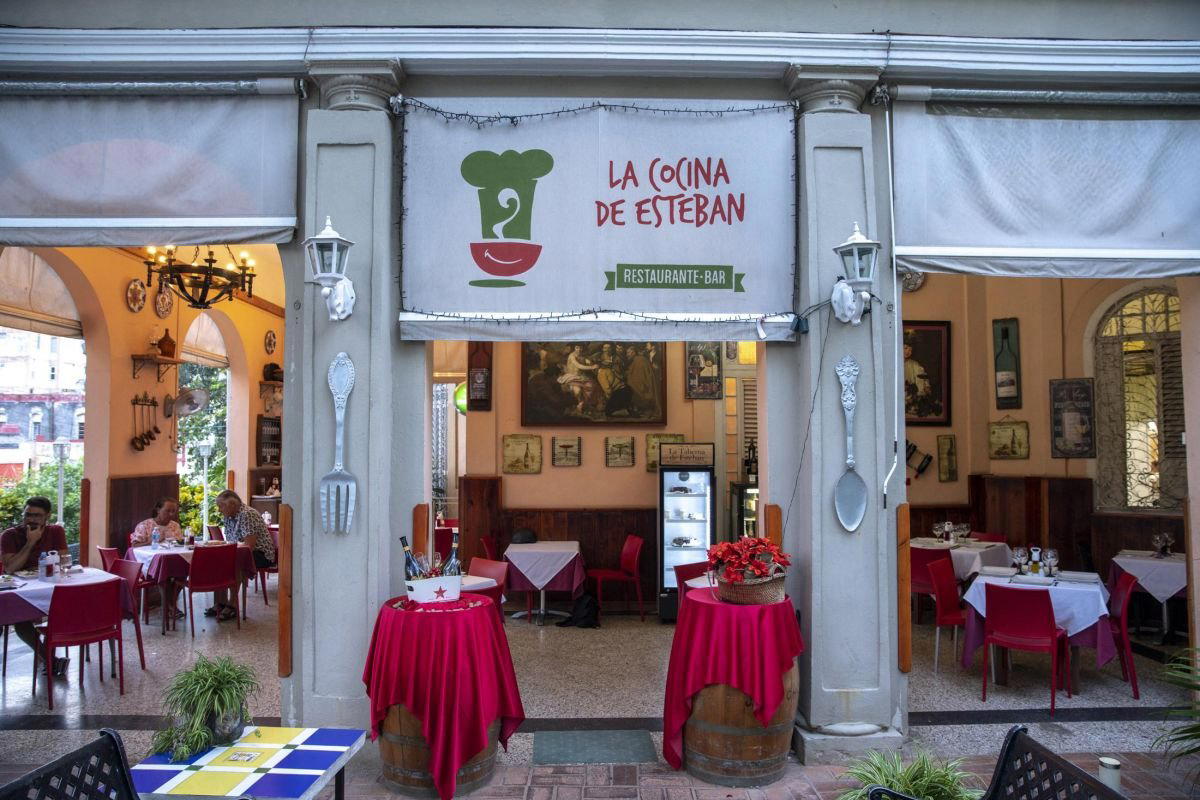
Calle 21 and the Havana Paladar Tradition
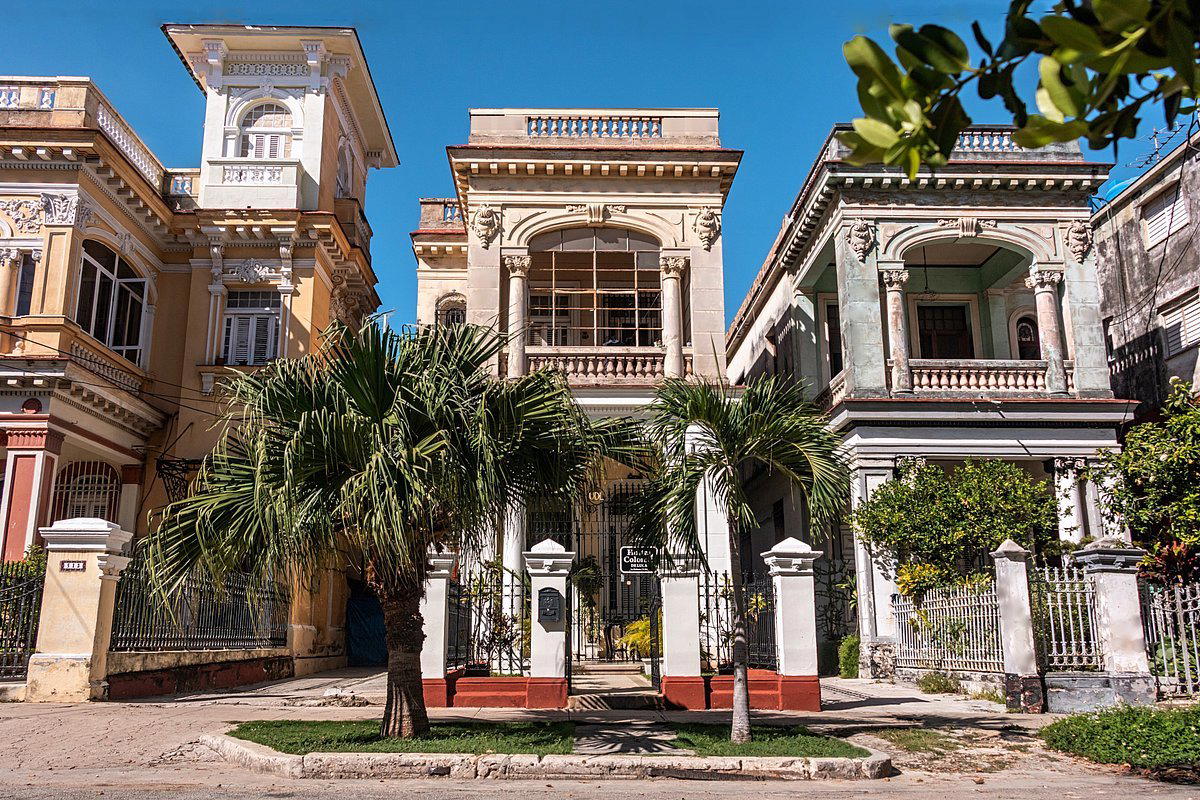
Approach Calle 21 in Vedado and the architecture alone resets your expectations of what a restaurant visit in Havana looks like. This is not the colonial Centro or the waterfront drama of the Malecón. Vedado is a quieter residential grid, its mid-century mansions subdivided, its streets lined with Royal Palms and crumbling cornices. La Cocina de Esteban is a restaurant in Havana, Cuba, serving Cuban Caribbean with Spanish influences at about $11 per person. It sits inside this fabric, and that address is the first thing to understand about it. In Havana, where a restaurant is located tells you almost as much as what it serves.
The paladar format that defines places like this emerged from Cuba's Special Period in the early 1990s, when state food supply collapsed and the government legalised small private restaurants operating out of family homes. The category was tightly regulated, seat limits, restricted ingredients, family-only staff rules, but it created a model of cooking that was inherently domestic, deeply personal, and rooted in what Cuban households actually ate rather than what Havana's tourism apparatus wanted visitors to think they ate. That lineage still shapes the better private restaurants in the city today, even as rules have loosened and the paladar has evolved into something closer to what other cities would simply call a restaurant.
Within that context, La Cocina de Esteban occupies a position that Havana's dining scene has developed space for: neighbourhood-anchored, residential in feel, and oriented toward Cuban cooking as a living practice rather than a heritage performance. For visitors building a serious dining itinerary across the city, it belongs alongside addresses like El Chanchullero and El del Frente.
Cuban Home Cooking and What It Actually Means
Cuban cuisine is frequently reduced to its most exportable shorthand: ropa vieja, black beans, fried plantain, mojitos. The reduction is not wrong exactly, but it flattens a cooking tradition shaped by Spanish settlers, African enslaved labour, Chinese indentured workers, and a Soviet-era scarcity that forced creativity with limited inputs. What resulted is a cuisine of technique applied to modest ingredients, slow-braising, sofrito construction, the long-cooked rice and bean combinations that form the backbone of daily eating. At its most direct, Cuban food is about making something satisfying from what is available, and that imperative has never left even as economic conditions have shifted.
The paladares of Vedado and Miramar tend to work within that tradition rather than departing from it. Particularly credible addresses, including comparison points like La Guarida in Centro Habana, which occupies a different price and visibility tier entirely, and neighbourhood specialists like La Esperanza in Playa, share a reliance on sourcing that is necessarily local and seasonal, because Cuba's import constraints make menu constancy difficult by definition. Supply shapes the plate. That is not a limitation framed as a virtue; it is simply the structural reality of cooking in Havana, and restaurants that work honestly within it tend to produce more coherent food than those that promise an ambitious menu and deliver something assembled from whatever arrived that week.
For a broader sense of where private Cuban dining sits across the island, Restaurante San José in Trinidad offers a useful provincial comparison.
Vedado as a Dining Neighbourhood
Vedado became Havana's upscale residential district in the late nineteenth and early twentieth centuries, built on grid planning and ambition. The revolution redistributed much of it, and the mansions that once housed single wealthy families became apartment blocks, government offices, embassies, and, after the paladar legalisation, restaurants running from converted front rooms or rooftop terraces. The neighbourhood carries a different energy from Habana Vieja, where the colonial core draws the bulk of tourist foot traffic and addresses like El Patio and La Bodeguita Del Medio operate at higher volumes and higher visibility.
Dining in Vedado requires more navigation, more local knowledge, and more tolerance for venues that are not optimised for walk-in visitors. That friction is also what filters the clientele. The addresses that survive here do so through return custom, word-of-mouth, and the kind of organic reputation that tourist-circuit restaurants do not need to build because their footfall is pre-delivered by proximity to landmarks. La Cocina de Esteban's position on Calle 21 places it squarely in this quieter, more residential tier of the city's dining map.
For a complete picture of where this address fits within Havana's broader restaurant culture, Other notable addresses in the city include Beirut, which operates in a different format, and the long-running Cabaret Tropicana in Ciudad De La Habana, which sits in an entirely separate entertainment category but illustrates the range of what Havana's evening economy contains.
Planning a Visit
Phone and online booking infrastructure varies considerably across the sector, and venues without a web presence or published phone number, which covers a meaningful portion of the paladar category, are best reached through hotel concierge contacts or local fixers who maintain current information on operating status and hours. Arriving without a reservation at a smaller residential paladar during peak evening service is a reasonable approach only if the alternative is acceptable: being turned away or waiting. Given that Havana's supply situation means menus can shift significantly week to week, a conversation before arrival is also useful for understanding what is actually being served.
Currency and payment also require preparation. Cuba's dual-track system has undergone considerable change in recent years, and the practical payment reality on the ground at any given moment is best confirmed through current traveller reports rather than older guides. Bringing cash in a convertible currency remains the safest baseline assumption for most private restaurant visits in the city.
For visitors building a multi-stop dining itinerary, the private dining tier of Vedado pairs naturally with an evening that begins further east in Habana Vieja before moving west. The neighbourhood's relative quiet makes it a better dinner destination than a lunch stop, when the residential streets feel quieter still and
Price and Recognition
Comparable venues nearby, for context on price, style, and recognition.
| Venue | Cuisine | Price |
|---|---|---|
| La Cocina de EstebanThis venue — the venue you are viewing | Not listed | $$ |
| O'Reilly 304 | Old Havana, Creative Latin Fusion Tapas | $$ |
| Beirut | La Habana Vieja, Lebanese Fusion Rooftop | $$ |
| La Bodeguita Del Medio | Old Havana, Traditional Cuban Creole | $$ |
| La Guarida | downtown Havana, Modern Caribbean | $$$ |
| El Patio | Habana Vieja, Traditional Cuban | $$ |
Continue exploring
More in Havana
Restaurants in Havana
Browse all →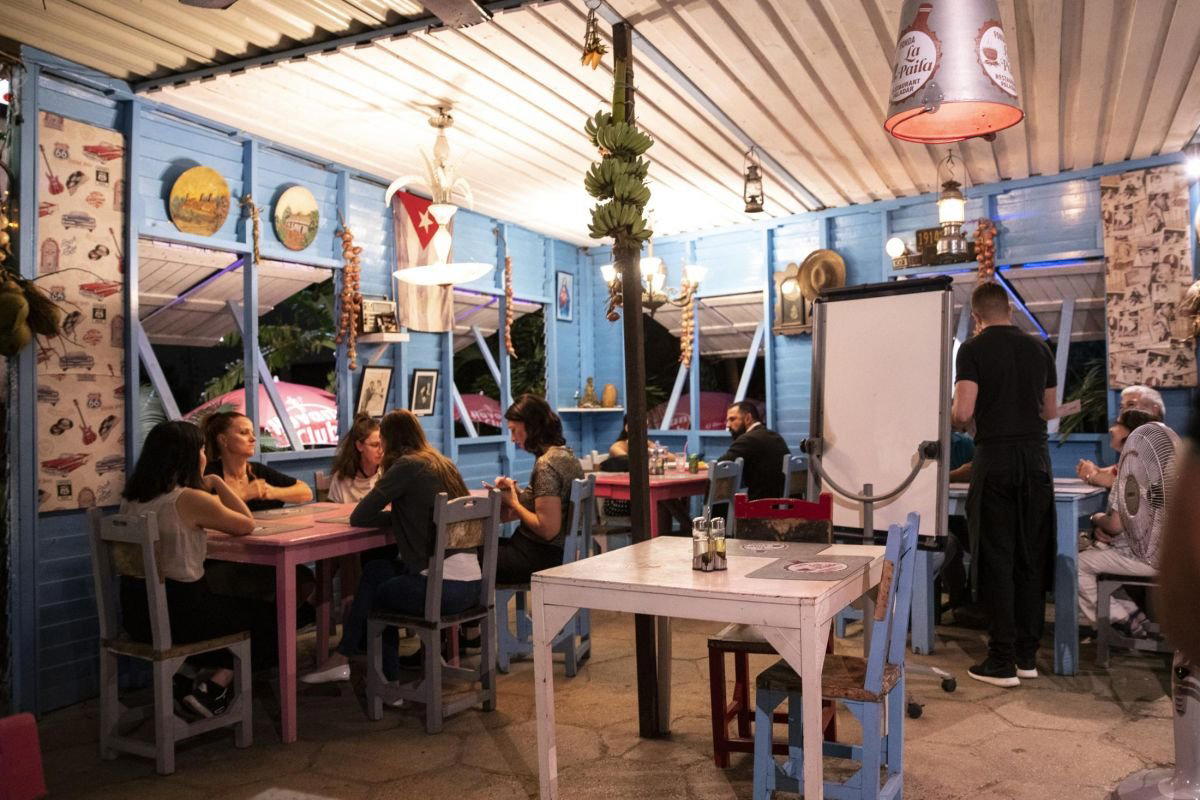
Bars in Havana
Browse all →

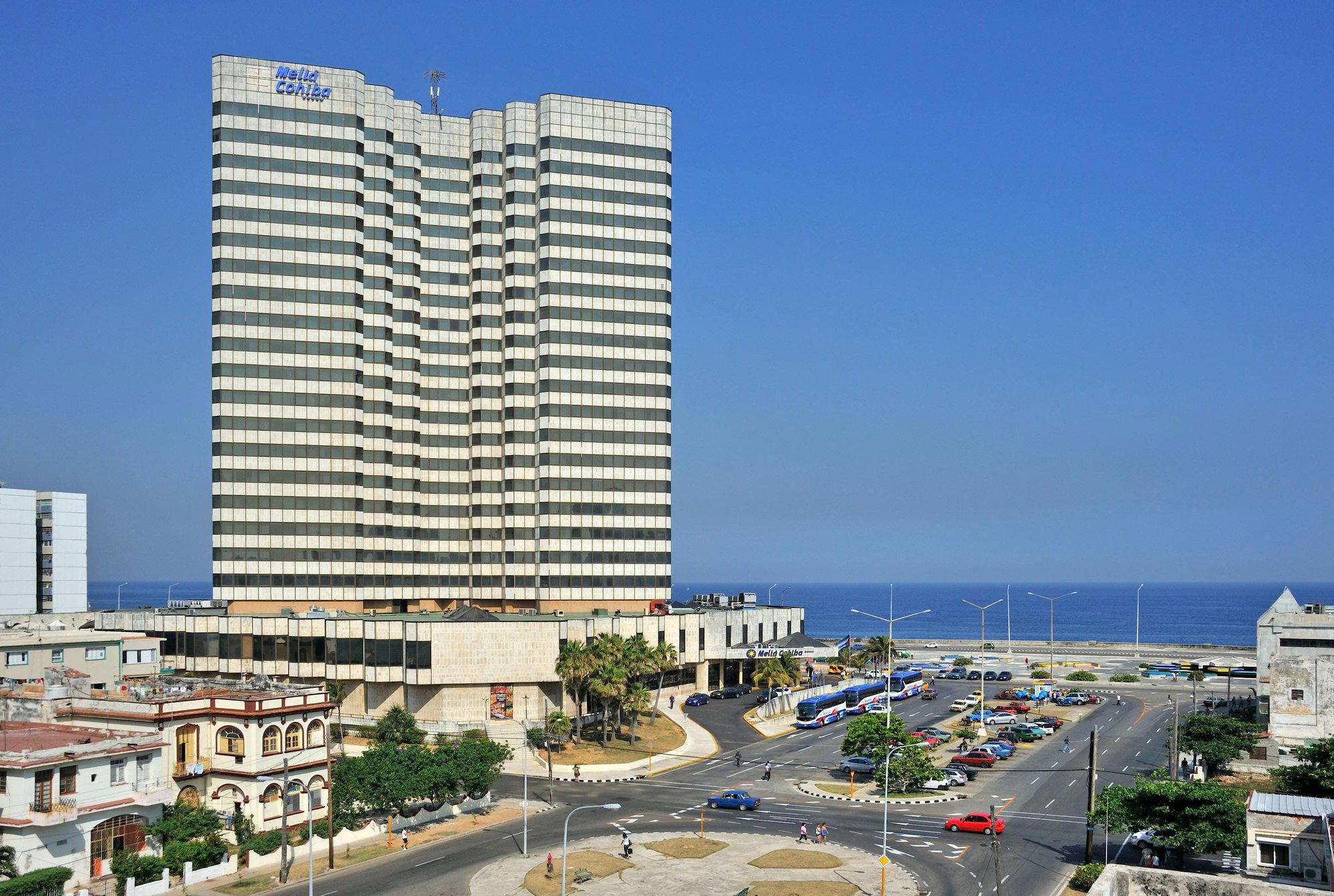
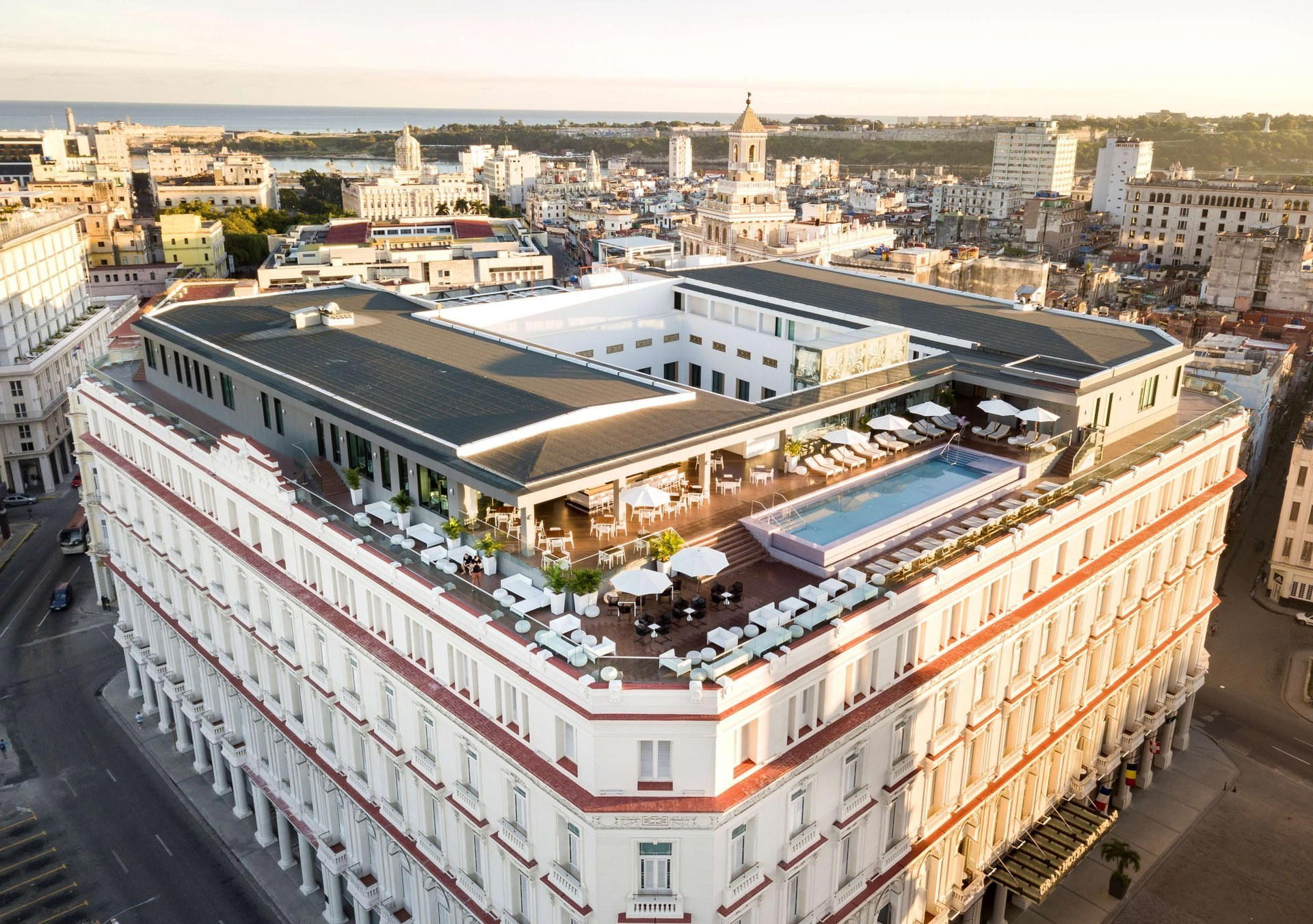
Hotels in Havana
Browse all →
Wineries in Havana
Browse all →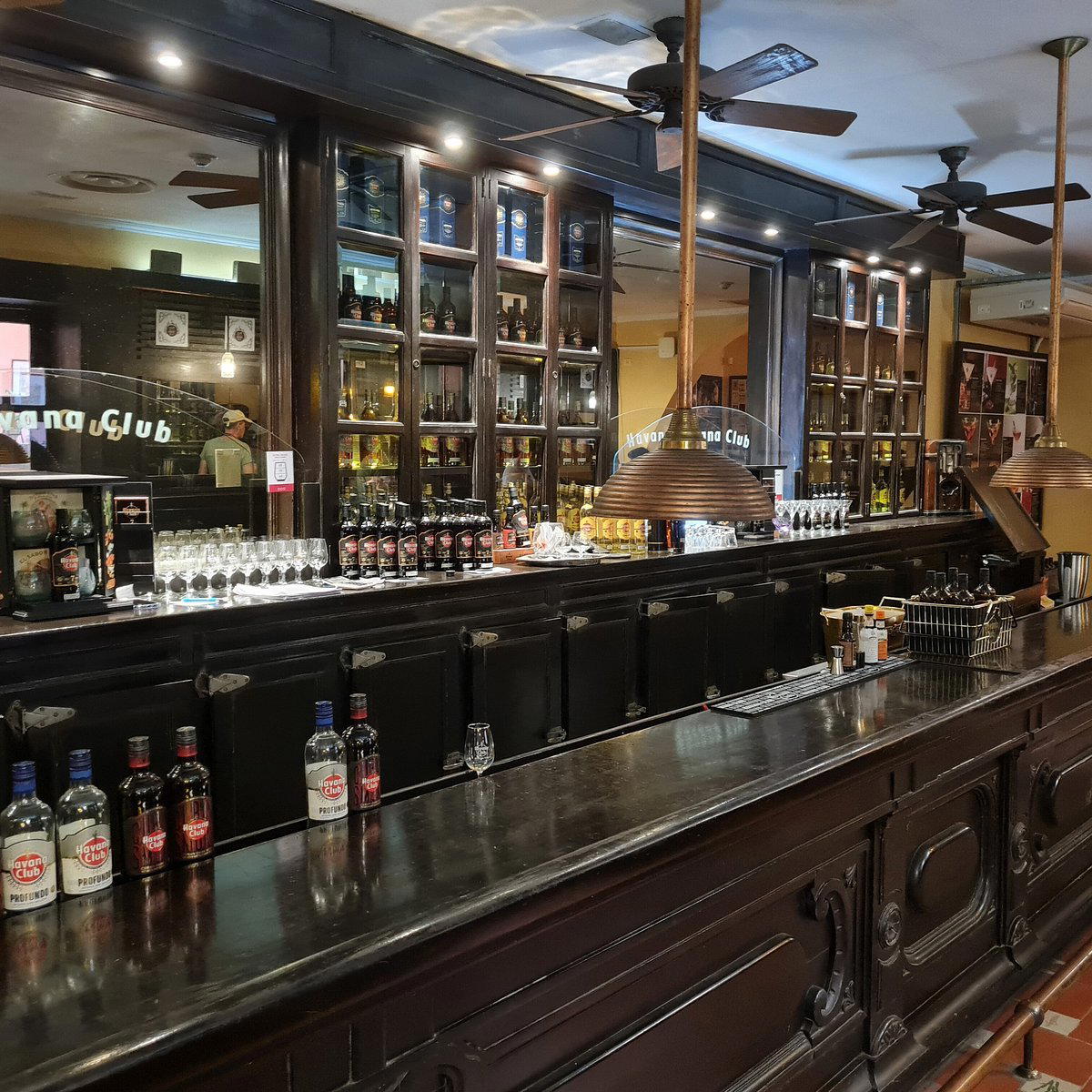
At a Glance
- Cozy
- Rustic
- Casual Hangout
- Family
- Garden
- Garden
Current opening hours
- Monday
- 9 AM–12 AM
- Tuesday
- 9 AM–12 AM
- Wednesday
- 9 AM–12 AM
- Thursday
- 9 AM–12 AM
- Friday
- 9 AM–12 AM
- Saturday
- 9 AM–12 AM
- Sunday
- 9 AM–12 AM
Hours can change for holidays and private events. Last verified .
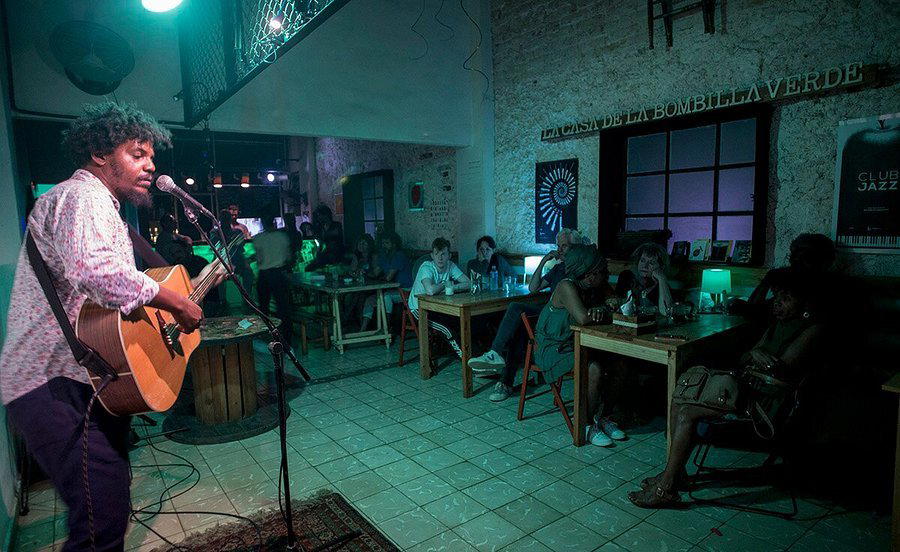
Pleasant garden atmosphere with occasional live music from singers.