Our verdict
La Paella occupies a corner of Havana's Oficios quarter, where Spanish culinary inheritance and Cuban adaptation have long shared a table. The paella format here connects directly to the Iberian legacy embedded in Cuban cooking — a cuisine shaped by centuries of colonial exchange. For visitors working through Old Havana's dining scene, it offers a grounded reference point within that broader Spanish-Cuban dialogue.

Pearl is the En Primeur Club membership app — saves, bookings, and concierge access live there. Same editors, same standards.
- Address
- 4MQ2+F9M, Oficios, La Habana, Cuba
- Phone
- +5378671037
- Hours
- Daily 11 AM–12 AM
- Directions
- Get directions
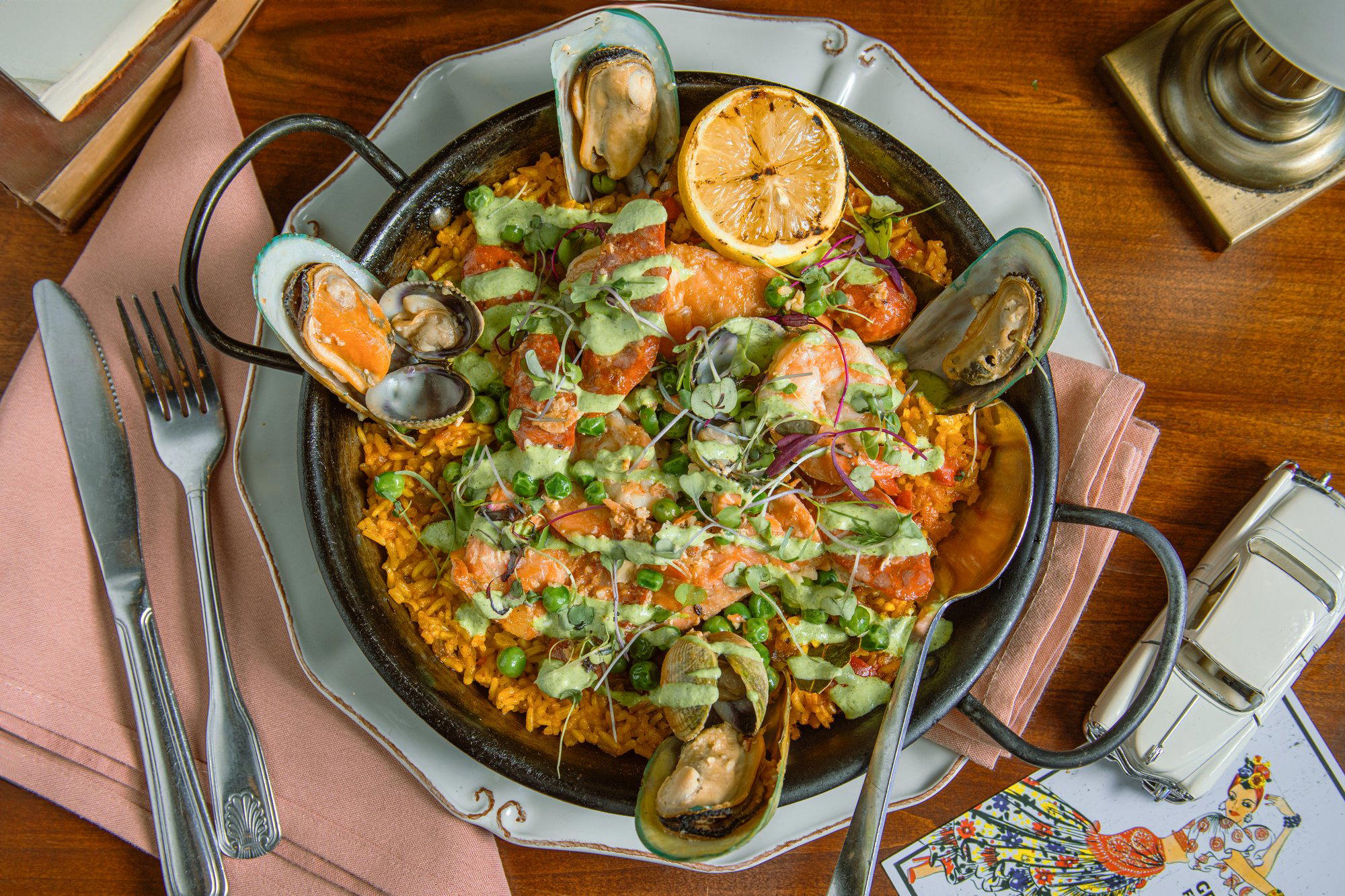
The menu
What to order
- Paella Valenciana
- Ropa Vieja
Spanish Roots in a Cuban Kitchen
Havana's relationship with Spanish food is not nostalgic decoration. It is structural. The centuries of Iberian settlement that shaped Cuba's language, architecture, and social fabric did equally consequential work in the kitchen — introducing olive oil, saffron, and the technique of slow-cooking rice in layered stock that would eventually produce the paella format as it exists across the Spanish-speaking world. In that sense, a restaurant in Old Havana that centres its identity on paella is not importing a foreign dish. It is referencing a lineage that runs directly through the city's culinary formation.
La Paella operates from an address on Oficios, one of the oldest streets in Habana Vieja, a neighbourhood where colonial-era architecture and UNESCO World Heritage status make even a casual lunch feel situated inside a longer history. The dining scene along this corridor sits between the tourist-facing paladares of the main squares and the quieter local restaurants that fill gaps in the grid. La Paella occupies that middle register: visible enough to draw passing visitors, but anchored to a format — rice-centred, Spanish-inflected, that gives it a clearer culinary identity than most generalist spots in the area.
Paella and the Cuban Table
The Valencian original is a discipline built on discipline: the right rice variety (bomba or calasparra), the right stock-to-grain ratio, the socarrat, that caramelised crust at the bottom of the pan that separates a properly executed paella from a pot of wet rice. Cuban cooking absorbs those principles but translates them through local ingredients and priorities. Lobster from the Jardines del Rey, local shellfish, and pork preparations that reflect the island's agricultural patterns all enter the Spanish framework. What results is not a replica of Valencia's signature dish but a distinct regional expression of it, the same way a sofrito cooked in Havana differs from one made in Seville, even if the technique shares roots.
This kind of culinary crossover is common across the Caribbean, where Spanish, African, and indigenous traditions have long operated in dialogue. In Havana specifically, the Spanish component is pronounced, embedded in dishes from congri (black beans and rice cooked together, a technique with clear Iberian parallels) to the ajiaco stew that blends native and colonial ingredients. A restaurant that foregrounds paella draws that thread to the surface and makes it legible to diners who might otherwise encounter it only as a background note in other dishes.
Old Havana's Dining Register
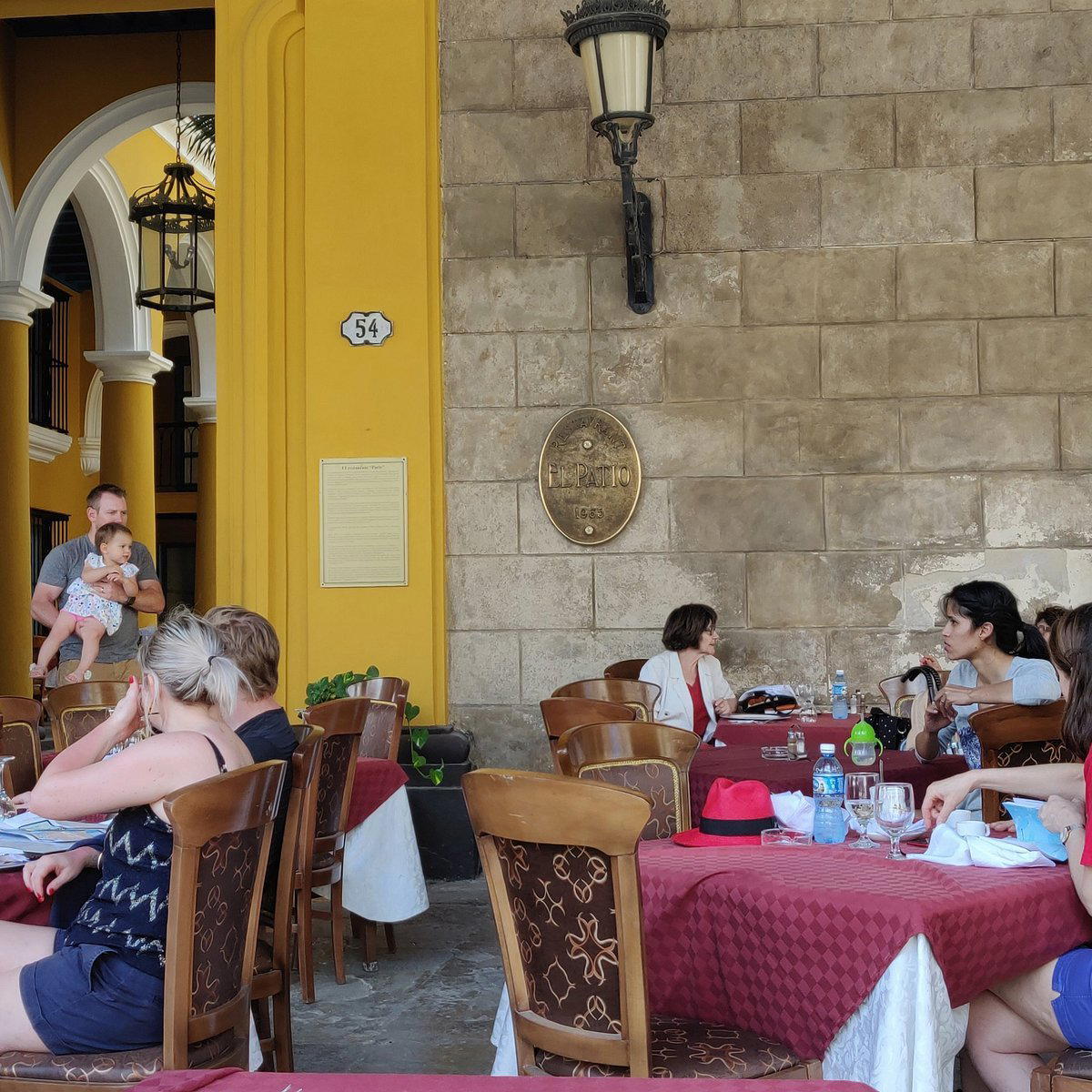
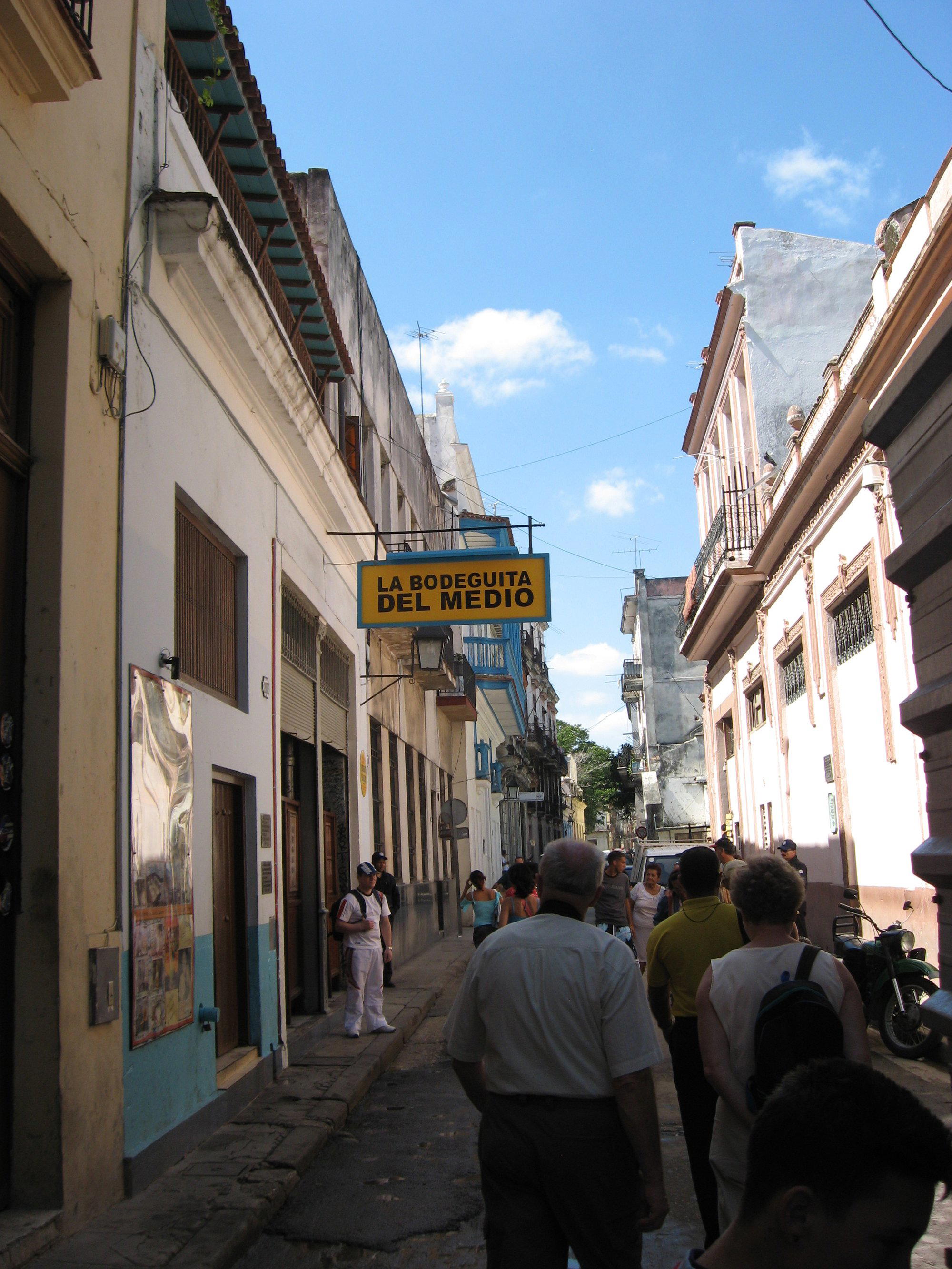
Habana Vieja's restaurant scene has changed considerably since the expansion of the paladar system in the early 2010s, when Cuban law broadened the scope for privately operated restaurants. State-run institutions that once defined the area's dining options now share blocks with privately run rooms offering more responsive kitchens and more varied menus. The best-known names in that shift include La Bodeguita Del Medio, which has operated as a cultural landmark since the 1940s and remains the area's most visited address, and El Patio, which draws on its colonial courtyard setting to anchor a tourist-facing menu. Further along the spectrum sit spots like El Chanchullero and El del Frente, both operating in the paladar format with a younger, more informal register.
La Paella's position within that range is defined by its format specificity. Where many Old Havana restaurants offer a broad Cuban menu with seafood, pork, and rice as parallel options, a restaurant organised around the paella format commits to a single culinary argument. That argument, that Spanish technique applied to Cuban ingredients produces something worth ordering, is either convincing or it is not, and the kitchen's execution is what determines that verdict. For visitors building a picture of Havana's dining range, it sits alongside Beirut as part of a pattern of genre-specific rooms that give the city's scene more depth than its surface reputation for mojitos and ropa vieja might suggest.
For a wider view of how Havana's restaurants map across the city's neighbourhoods, the full Havana restaurants guide covers the spread from Playa addresses like La Esperanza to the entertainment scale of Cabaret Tropicana, and extends to Trinidad's Restaurante San José for those extending beyond the capital.
What to Know Before You Go
Havana dining operates under constraints that differ from most cities. Currency logistics, supply variability, and the ongoing challenges facing Cuba's hospitality sector mean that menus shift, hours are inconsistently maintained, and what was available last week may not be available today. The paella format is particularly susceptible to ingredient availability, the saffron, the right rice variety, the quality of shellfish, in a supply environment that does not always cooperate. Visitors should treat any specific menu information they encounter online as indicative rather than guaranteed, and should factor in the possibility of limited options on any given day.
La Paella's Oficios address places it within walking distance of the main Old Havana squares, making it accessible as part of a broader afternoon or evening route through the historic centre. Walk-in is the practical approach, and arriving early in the lunch or dinner window gives the leading chance of a full menu. Given the currency and payment complexity that affects all Cuban restaurants, carrying convertible pesos or local currency remains advisable regardless of what a restaurant's stated policy may be.
For travellers with dietary requirements, direct communication at the time of visit is the only reliable method. Spanish-language communication will generally serve better than English in this context, particularly outside of peak tourist hours.
The Wider Spanish-Caribbean Table
The tradition of rice-centred Spanish cooking that La Paella represents connects Havana to a broader Caribbean and Latin American culinary inheritance worth understanding in full. The same Iberian techniques that informed paella inform arroz con pollo across the region, the rice dishes of Puerto Rico and the Dominican Republic, and the contemporary Cuban-Spanish crossovers now appearing at a distance from the island in Miami and Madrid. Havana's version of that conversation is necessarily shaped by the specific economic and agricultural conditions of the island, which produces both constraints and local character that you would not find in a Spanish restaurant in another capital.
At the upper end of the global restaurant range, venues like Alléno Paris au Pavillon Ledoyen or Alain Ducasse at Louis XV demonstrate what classical European technique looks like when applied without material constraint. The distance between those rooms and a Havana paella restaurant is large, but the underlying conversation about technique, tradition, and ingredient quality runs in the same direction. Closer in format and cultural register, Emeril's in New Orleans offers a useful parallel: a city with a deep Spanish and French colonial food history, where that inheritance continues to surface in contemporary menus. Havana's version of that story is still being written, and restaurants like this one are part of how it gets told.
Frequently asked questions
What's the address for La Paella?
La Paella is located at 4MQ2+F9M, Oficios, La Habana, Cuba, Havana.
How does La Paella fit into Havana's paladar restaurant scene?
La Paella operates in Habana Vieja, the historic core of Havana, within a paladar scene that expanded significantly after Cuban law broadened private restaurant permissions in the early 2010s. Most paladares in the area offer broad menus spanning Cuban staples and international influences; a venue centred specifically on Spanish rice cookery occupies a more defined niche within that context. That specialisation connects Havana's dining culture to its deep Iberian inheritance rather than treating Spanish food as one option among many.
What do people recommend at La Paella?
Given the venue's name and its position in Havana's Habana Vieja neighbourhood, the paella is the central draw. Spanish rice dishes in this tradition rely on socarrat — the caramelised crust at the base of the pan — as the marker of technique. Supply variability in Havana means the specific ingredients available on any given day can shift, so it is worth asking what the kitchen is working with that evening.
Can I walk in to La Paella?
No booking contact is publicly documented for La Paella, which is common among Havana paladares operating through informal channels. Walking in is a realistic option in Havana's dining culture, particularly outside peak tourist hours, but visiting earlier in the day to confirm availability and arrange a return for dinner is the standard local approach. Currency logistics and operational hours in Havana can also affect access, so building in flexibility is practical.
What's La Paella best at?
The name declares the kitchen's focus: Spanish rice cookery rooted in Iberian technique, brought into a Cuban context. That specificity of identity is relatively rare in Habana Vieja, where many paladares cast a wider net across Cuban and international dishes. The discipline of paella — precise stock ratios, the right rice variety, controlled heat — requires a committed kitchen, and a venue built around that dish is signalling a clearer culinary position than most.
Can La Paella adjust for dietary needs?
Communicating dietary requirements directly when arranging your visit is the most reliable approach. Paella-style cooking can accommodate seafood, meat, or vegetable preparations, but confirming options in advance is advisable rather than assumed.
Is a meal at La Paella worth the investment?
Price range data for La Paella is not documented, which reflects the broader opacity of Havana's paladar pricing rather than evasiveness from the venue. In Habana Vieja's current dining register, a kitchen that commits to a single Spanish technique — paella — rather than offering a generic Cuban-international menu represents a considered choice. Whether that focus translates to execution is something only the visit confirms, but the culinary logic behind the concept is sound.
Cost and Credentials
Comparable venues nearby, for context on price, style, and recognition.
| Venue | Cuisine | Price | Notes |
|---|---|---|---|
| La PaellaThis venue — the venue you are viewing | Valencian Paella & Spanish Cuisine | $30–50 | Not listed |
| Beirut | Lebanese Fusion Rooftop | Not listed | La Habana Vieja, Lebanese Fusion Rooftop |
| La Cocina de Esteban | Cuban Caribbean with Spanish influences | $10–20 | Vedado, Cuban Caribbean with Spanish influences |
| Paladar Doña Eutimia | Traditional Cuban Criolla | $10–20 | Habana Vieja, Traditional Cuban Criolla |
| El del Frente | Modern Cuban | $10–20 | Habana Vieja, Modern Cuban |
| Union Francesa | Cuban and International in Historic Vedado Building | $20–30 | Vedado, Cuban and International in Historic Vedado Building |
Continue exploring
More in Havana
Restaurants in Havana
Browse all →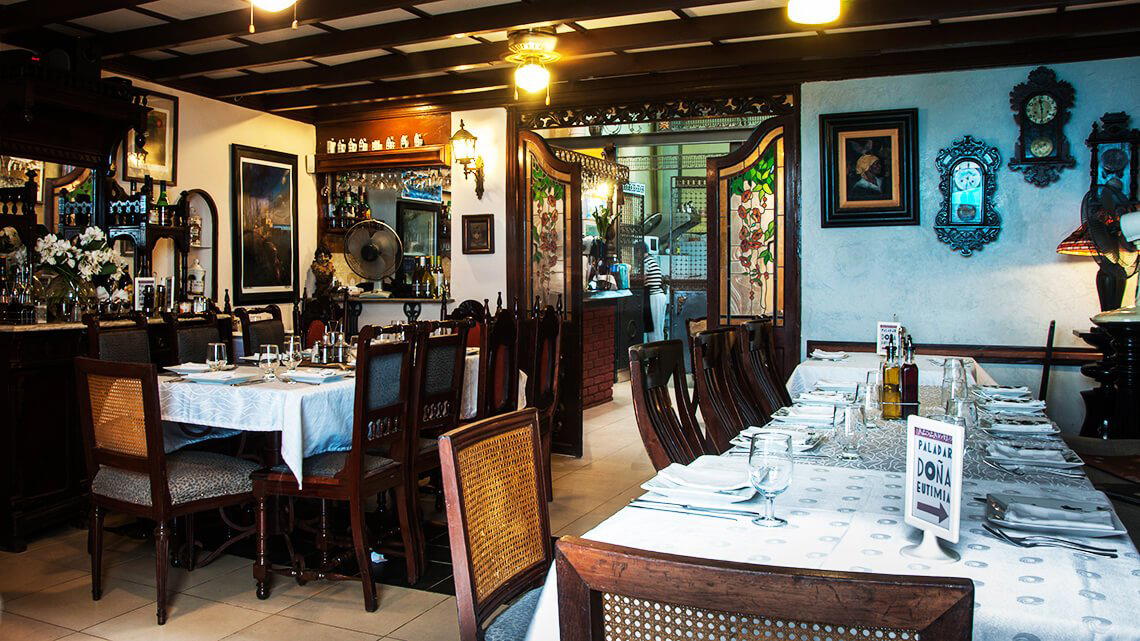
Bars in Havana
Browse all →

Hotels in Havana
Browse all →
Wineries in Havana
Browse all →
Details
- Classic
- Romantic
- Elegant
- Date Night
- Group Dining
- Special Occasion
- Courtyard
- Historic Building
- Standalone
- Craft Cocktails
- A La Carte
- Family Style
- Cocktails
- Wine
Current opening hours
- Monday
- 11 AM–12 AM
- Tuesday
- 11 AM–12 AM
- Wednesday
- 11 AM–12 AM
- Thursday
- 11 AM–12 AM
- Friday
- 11 AM–12 AM
- Saturday
- 11 AM–12 AM
- Sunday
- 11 AM–12 AM
Hours can change for holidays and private events. Last verified .
Intimate courtyard with exuberant vegetation, magnificent wooden roofs, and smithy balconies creating a special colonial atmosphere.