Ophelia

On the coastal highway between Tijuana and Ensenada, Ophelia brings Mediterranean cuisine to Baja California's most produce-forward stretch of coast. A 2025 Michelin Plate recognition places it among the region's most credible kitchens, operating at a mid-range price point that makes the recognition accessible. The kitchen holds consistent marks across a broad audience.
Pearl is the En Primeur Club membership app — saves, bookings, and concierge access live there. Same editors, same standards.
- Address
- Carretera Tijuana-Ensenada 103 El Sauzal, 22760 Ensenada, B.C., Mexico
- Phone
- +52 646 175 8365
- Website
- instagram.com
- Directions
- Get directions
 Saves & bookings on Pearl
Where the Mediterranean Meets the Pacific Highway
The Tijuana-Ensenada coastal corridor is one of the more disorienting stretches of road in Mexico: olive groves and vineyards pressing against the Pacific, highway signage giving way to wine country turnoffs, and an agricultural seriousness that sets this region apart from beach-resort Baja to the south. It is in this context that a Mediterranean kitchen makes geographical sense. The crop profile of northern Baja, the dry-summer climate, and the proximity to small producers growing herbs, citrus, and stone fruit align closely with the conditions that shaped Mediterranean cooking in the first place. Ophelia, situated on Carretera Tijuana-Ensenada 103 in El Sauzal de Rodríguez, sits directly inside that convergence. The 2025 Michelin Plate recognition it received is less a surprise than a confirmation that the region's cooking infrastructure has reached the point where a well-executed Mediterranean kitchen can earn institutional notice.
The Olive Oil Foundation: How a Base Ingredient Defines a Menu
Mediterranean cuisine is, at its structural core, an olive oil tradition. Every other regional variable, whether it is the Provençal use of lavender and anchovy, the Catalan inclination toward romesco, or the Levantine depth of za'atar and sumac, operates downstream of how a kitchen treats its fat. In the leading Mediterranean rooms, olive oil is not a condiment or a cooking medium; it is an argument. The variety used, the moment at which it enters a dish, and the temperature at which it is served all communicate something about the kitchen's priorities.
Northern Baja has its own emerging olive culture. The Valle de Guadalupe and surrounding areas have seen small-scale olive cultivation expand alongside the wine boom, and local pressing operations, while not yet at Andalusian scale, produce oils with the bright, grassy character typical of young-harvest fruit. A Mediterranean kitchen in El Sauzal de Rodríguez has access to this supply chain in a way that a comparable restaurant in Mexico City, for instance, does not. Venues like Pujol in Mexico City build their identity around indigenous ingredient provenance; a Baja Mediterranean kitchen can do something structurally similar with a different ingredient logic, rooted in the coastal and agricultural character of the region rather than in pre-Hispanic heritage.
The Regional Context: Baja's Michelin-Recognized Tier
The 2025 Michelin Plate awarded to Ophelia places it within a growing but still selective group of Baja Peninsula restaurants receiving formal recognition from the guide. The Plate designation does not carry the star hierarchy of Michelin's upper tier, but it represents the guide's declaration that a kitchen is cooking at a consistent, recommended level. In a region where restaurant infrastructure has developed rapidly over the past decade, this kind of external validation matters for positioning. It separates Ophelia from the broader casual dining market along the coast and puts it in conversation with kitchens like Animalón in Valle de Guadalupe and Olivea Farm to Table in Ensenada, which occupy the serious-dining tier of this specific geography.
What distinguishes Ophelia from the Mexican-heritage kitchens that dominate Baja's recognized dining scene is the explicit Mediterranean framework. While most of the region's celebrated restaurants draw from local wine-country produce to serve a Mexican or broadly New World menu, Ophelia applies a Mediterranean lens to that same supply chain. The comparison to La Brezza in Ascona or Arnaud Donckele and Maxime Frédéric at Louis Vuitton in Saint-Tropez is not one of scale or ambition so much as shared culinary grammar: the same reliance on coastal produce, the same structural role of good oil, acid, and fresh herbs.
Atmosphere and Setting Along the Carretera
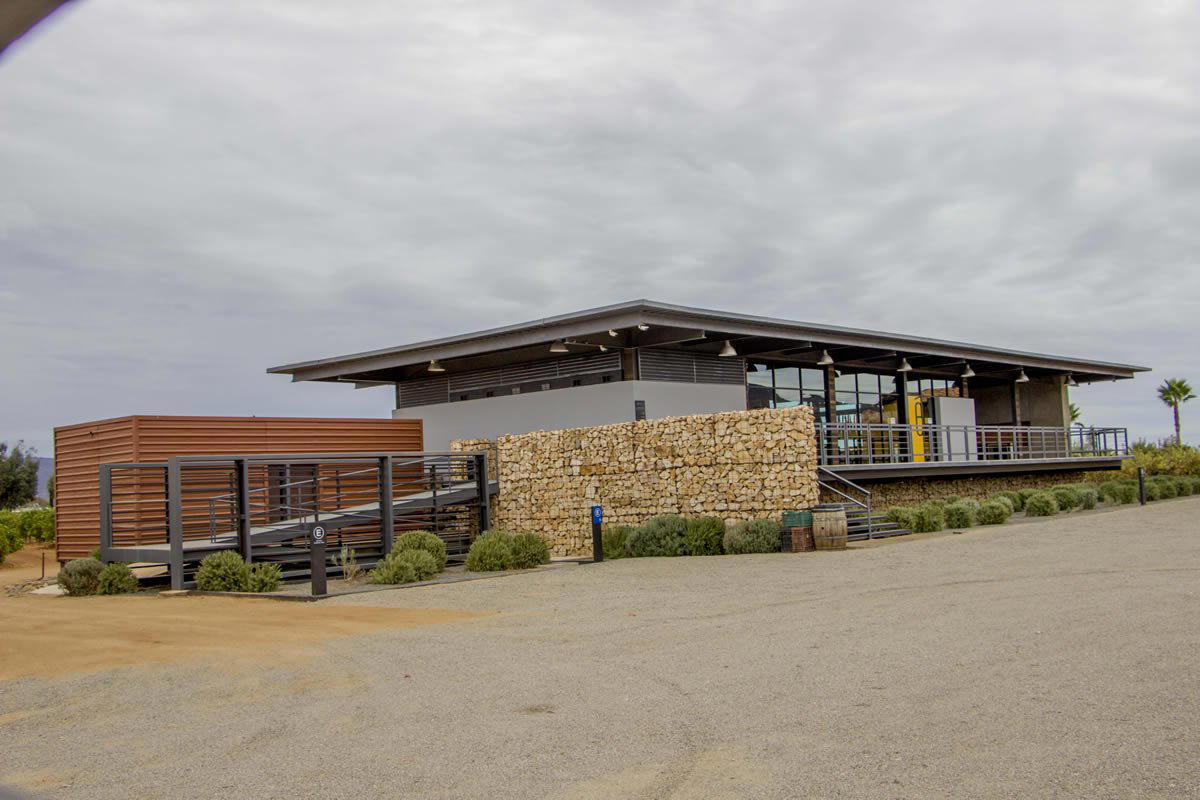
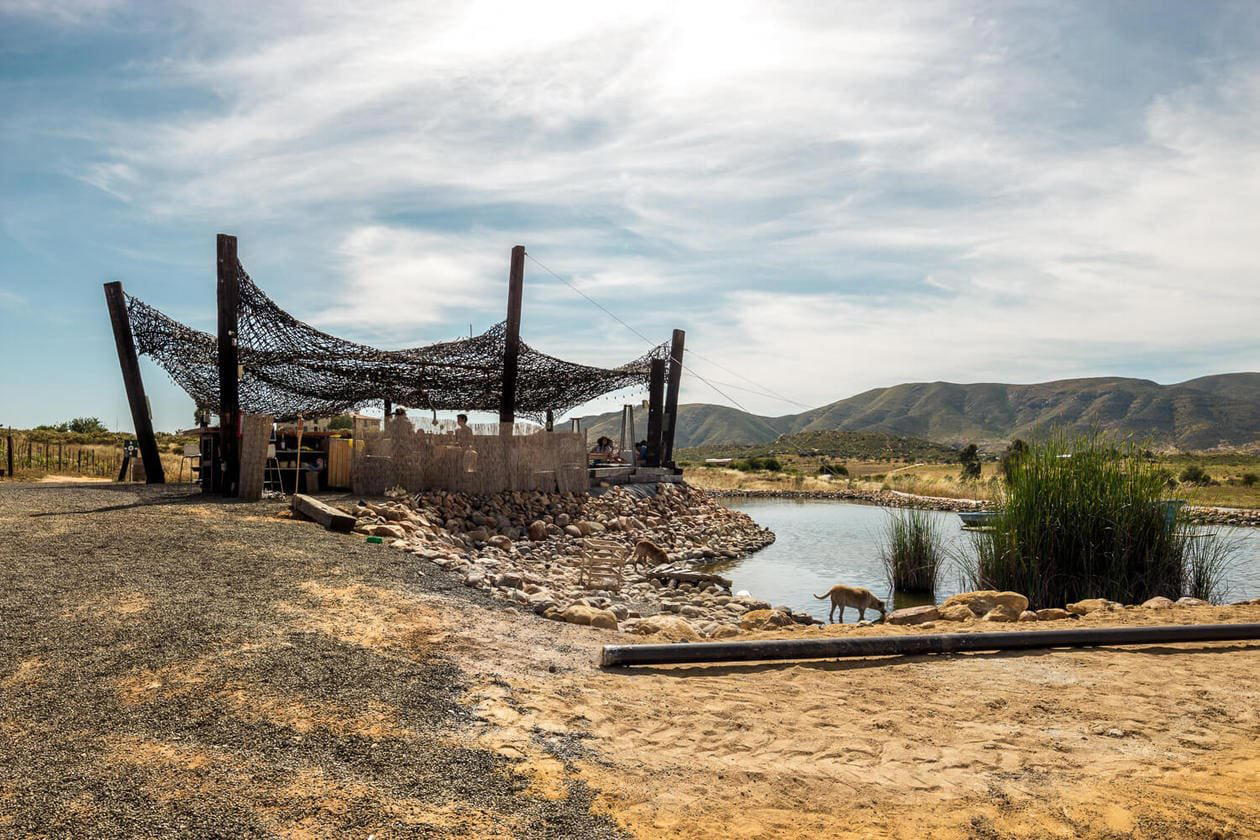
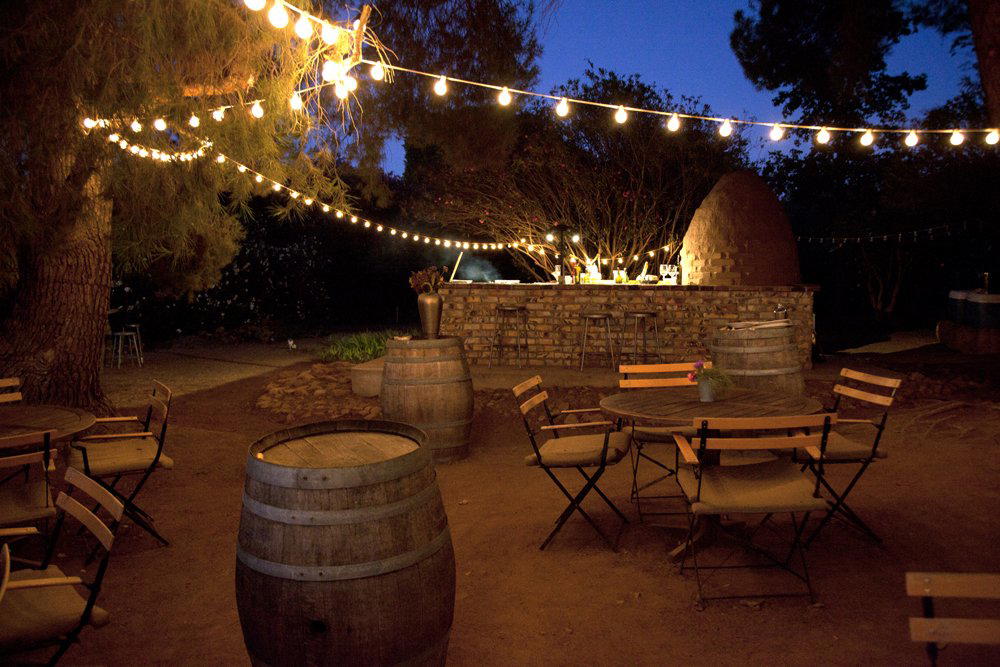
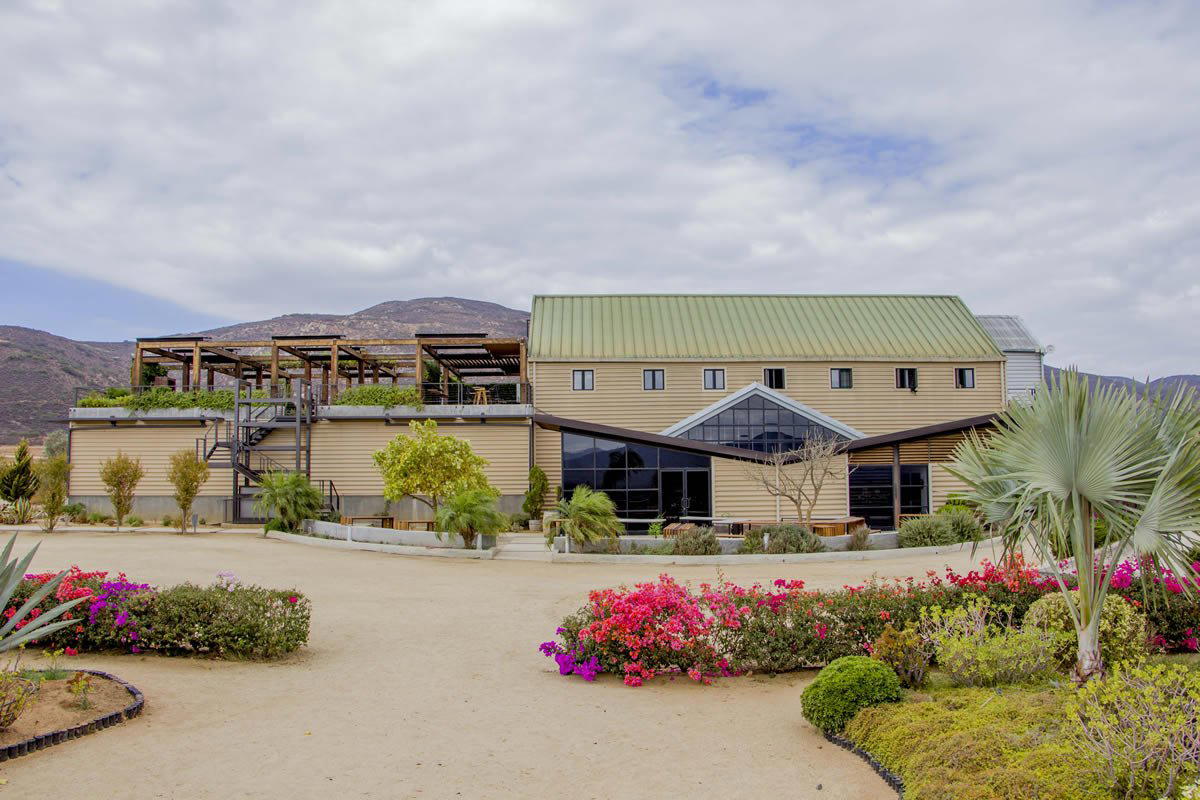
The physical address on Carretera Tijuana-Ensenada shapes the experience before a guest sits down. This is a highway-adjacent wine-country road, not a manicured urban dining district. The approach is practical rather than theatrical, which aligns with the mid-range price point Ophelia operates at. The two-dollar-sign pricing tier positions it below the full tasting-menu formats of Le Chique in Puerto Morelos or KOLI Cocina de Origen in Monterrey, and at roughly the same tier as Lunario in El Porvenir, another Baja wine-country kitchen that has earned serious attention without moving into the upper price bracket.
The kitchen is working across a wide audience and holding its score, which in practical terms means the experience is consistent rather than dependent on optimal conditions.
How Ophelia Fits the Broader Mexico Restaurant Scene
Mexico's Michelin-recognized dining scene is geographically concentrated, with Mexico City claiming the largest share of starred and Plate restaurants. The Baja California expansion of the guide's coverage has given formal standing to a cluster of kitchens that were already well regarded regionally but lacked the institutional signal. Ophelia joins that cohort alongside venues across the country earning recognition in cities from Monterrey to Oaxaca, as seen in Pangea in San Pedro Garza Garcia, Levadura de Olla Restaurante in Oaxaca, and coastal properties like HA' in Playa del Carmen, Arca in Tulum, and Huniik in Merida.
Among these, Ophelia is unusual for operating in a Mediterranean rather than Mexican idiom. That specificity is part of what earns notice: in a national dining scene where the most recognized kitchens tend to center Mexican culinary heritage, a kitchen applying genuine Mediterranean discipline to Baja's coastal agriculture occupies a distinct position.
Planning a Visit
Ophelia sits on the main Tijuana-Ensenada highway at Km 103 in El Sauzal de Rodríguez, placing it roughly equidistant from central Ensenada and the core Valle de Guadalupe winery cluster. For travelers building a Baja wine-country itinerary, the location makes it a practical stop in either direction. The mid-range price point means the bill is unlikely to anchor the trip budget the way a full tasting-menu format would, making it a reasonable component of a multi-stop day rather than a destination in isolation. For more options along this coast and in the surrounding area, see our full El Sauzal de Rodríguez restaurants guide, or extend your planning with hotels, bars, wineries, and experiences in the region.
How Ophelia El Sauzal de Rodríguez compares with similar nearby venues.
| Venue | Cuisine | Price | Awards |
|---|---|---|---|
| Ophelia | Mediterranean Cuisine | $$ | Michelin Guide Mexico 2026, Plate, Ophelia |
| Humo y Sal | Seafood | $$ | Not listed |
| Manzanilla | Mexican | $$ | Not listed |
| Elf Cafe | Mediterranean Cuisine | $$ | Not listed |
Recognition history
Dated appearances from independent guides and award organizations, with the underlying list record or original source where available.
Michelin Plate
Michelin
Michelin Plate
Michelin
Continue exploring
More in El Sauzal de Rodríguez
Restaurants in El Sauzal de Rodríguez
Browse all →
Bars in El Sauzal de Rodríguez
Browse all →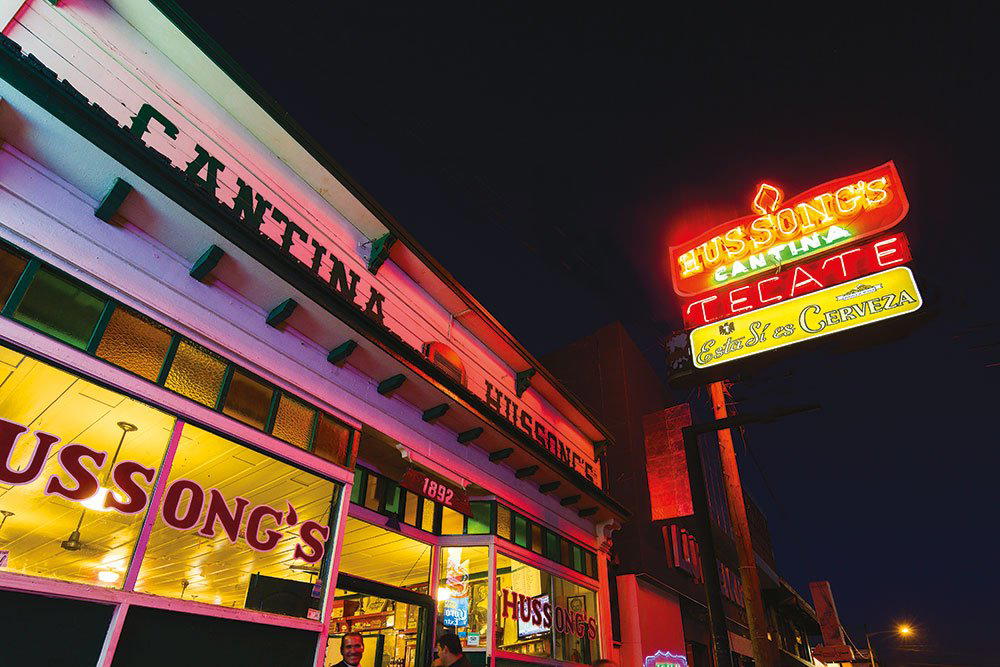
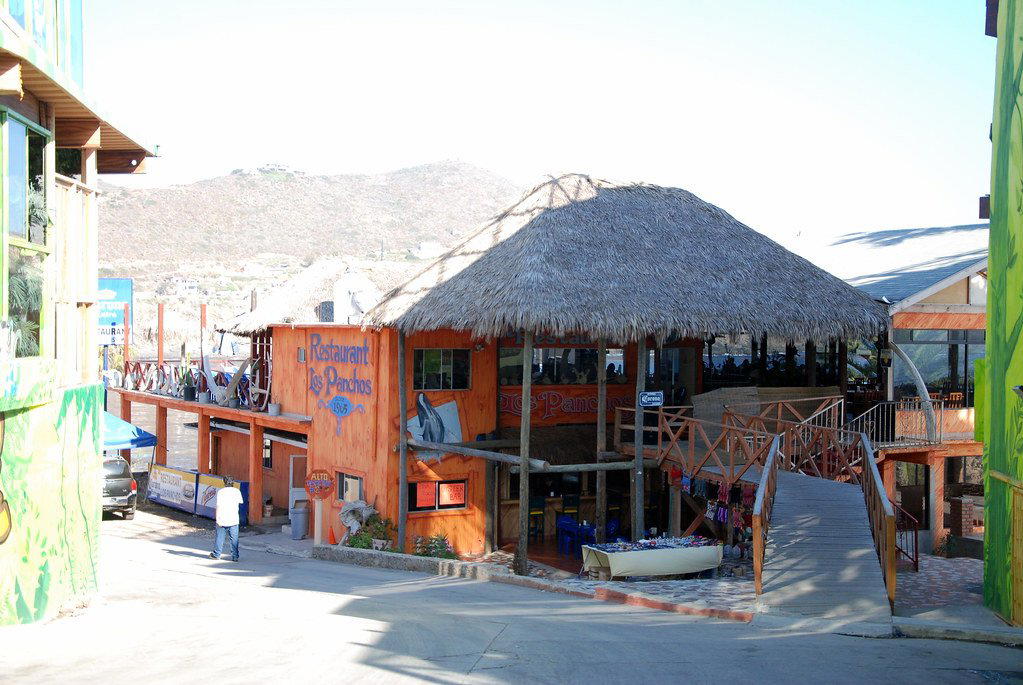
Hotels in El Sauzal de Rodríguez
Browse all →


At a Glance
- Modern
- Scenic
- Elegant
- Date Night
- Special Occasion
- Group Dining
- Open Kitchen
- Waterfront
- Beer Program
- Local Sourcing
- Sustainable Seafood
Current opening hours
- Monday
- Closed
- Tuesday
- 2 PM–12 AM
- Wednesday
- 2 PM–12 AM
- Thursday
- 2 PM–12 AM
- Friday
- 2 PM–12 AM
- Saturday
- 2 PM–12 AM
- Sunday
- 2–10 PM
Hours can change for holidays and private events. Last verified .
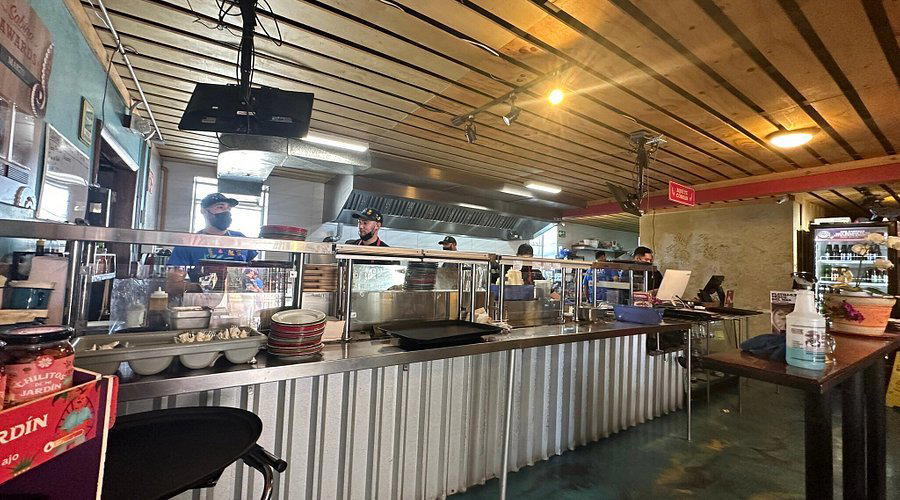
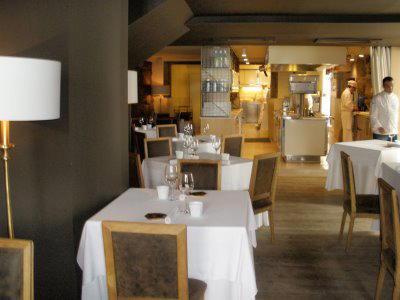
Light-colored walls, wooden ceiling, and dark tiled floors create a contemporary Mediterranean atmosphere with refined coastal elegance.
Know Before You Go
- Getting there
- Carretera Tijuana-Ensenada 103 El Sauzal, 22760 Ensenada, B.C., Mexico