Villa Torél


Michelin Bib Gourmand · World's 50 Best #16
Our verdict
Set within the grounds of Bodegas de Santo Tomás in Valle de Guadalupe, Villa Torél holds back-to-back Michelin Bib Gourmand recognition for 2024 and 2025 under Chef Alfredo Villanueva. The kitchen practices proximity cuisine, drawing from coastal waters, local gardens, and Baja ranches, then threading those ingredients through a framework of Mexican technique and European influence.

Pearl is the En Primeur Club membership app — saves, bookings, and concierge access live there. Same editors, same standards.
- Address
- México 3 Km 94, 22766 Villa de Juárez, B.C., Mexico
- Phone
- +52 646 267 6688
- Hours
- Mon 1–7 PMTue–Wed ClosedThu–Sun 1–7 PM
- Website
- villatorel.com
- Directions
- Get directions
The menu
What to order
- Roasted carrot with duck jus
- Lomo Wagyu
- Arroz meloso de mariscos
Valle de Guadalupe's Sweet Spot: Proximity, Pastry, and the Logic of Cocina de Proximidad
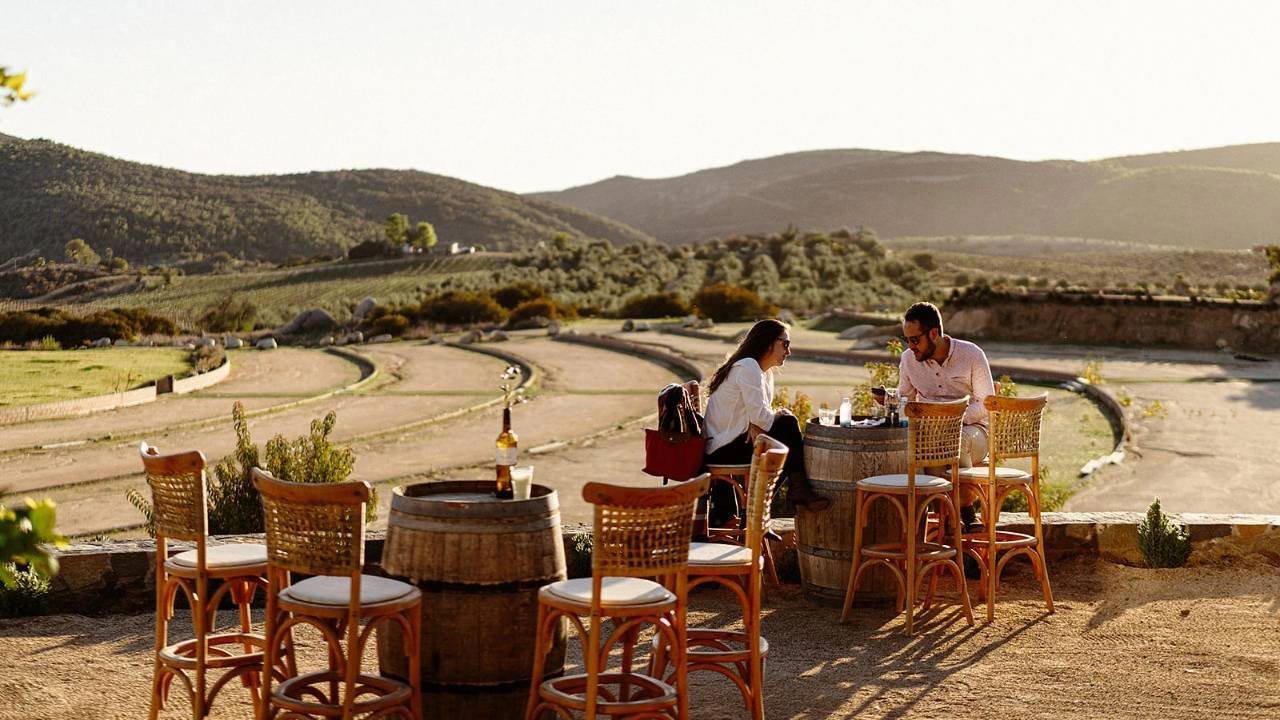
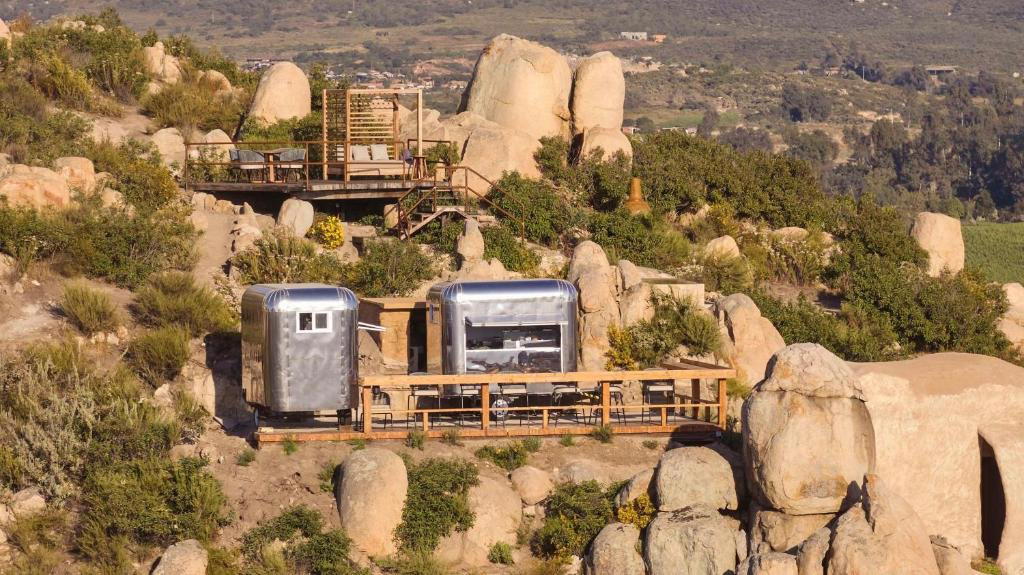
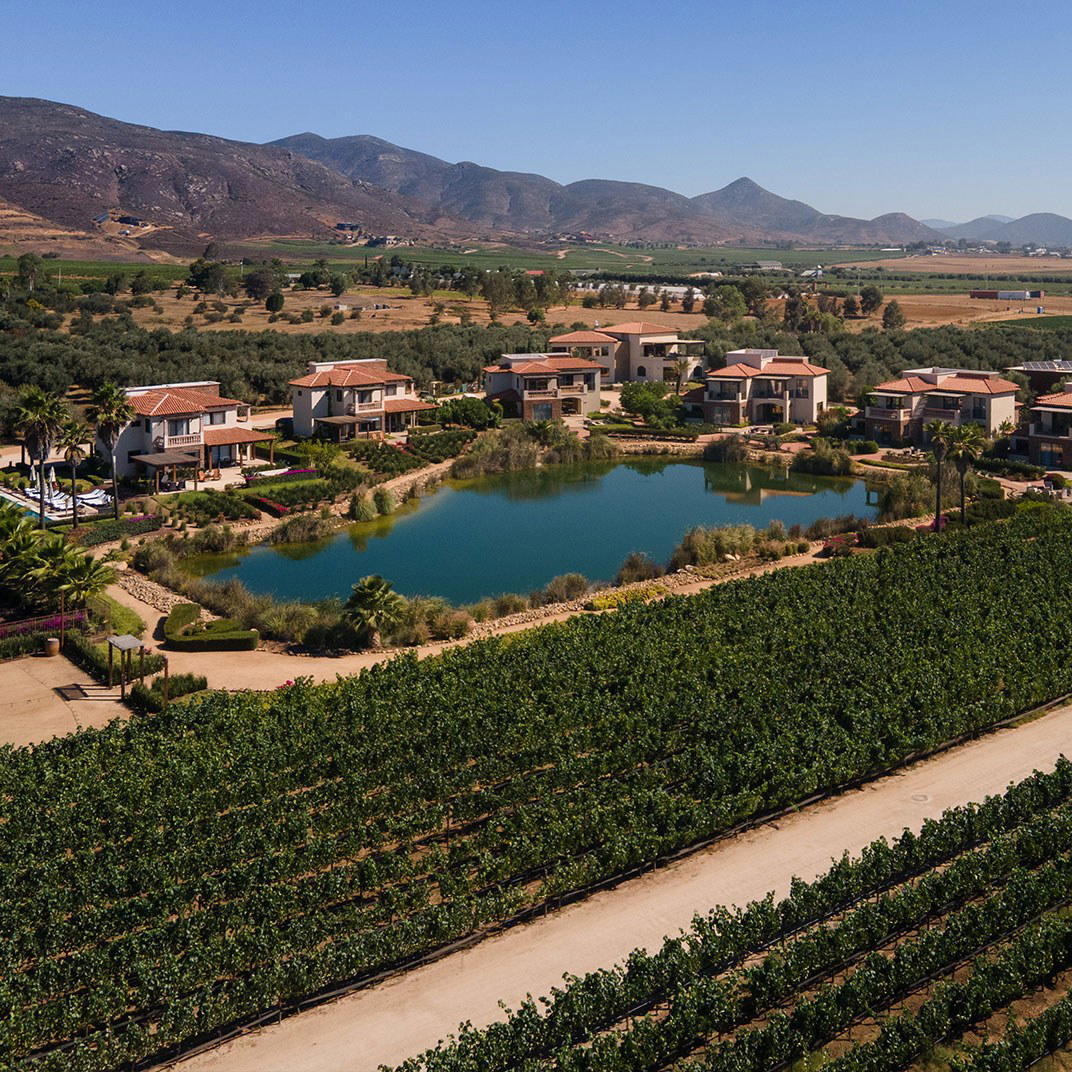
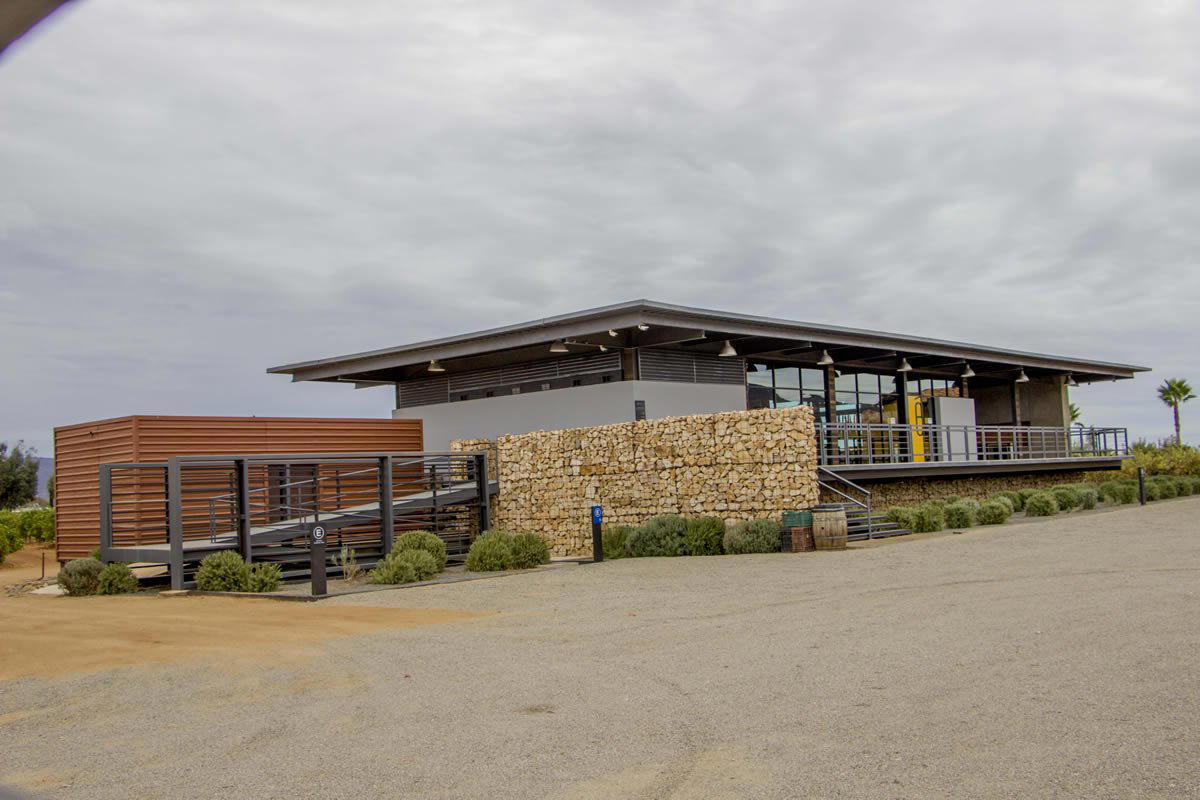
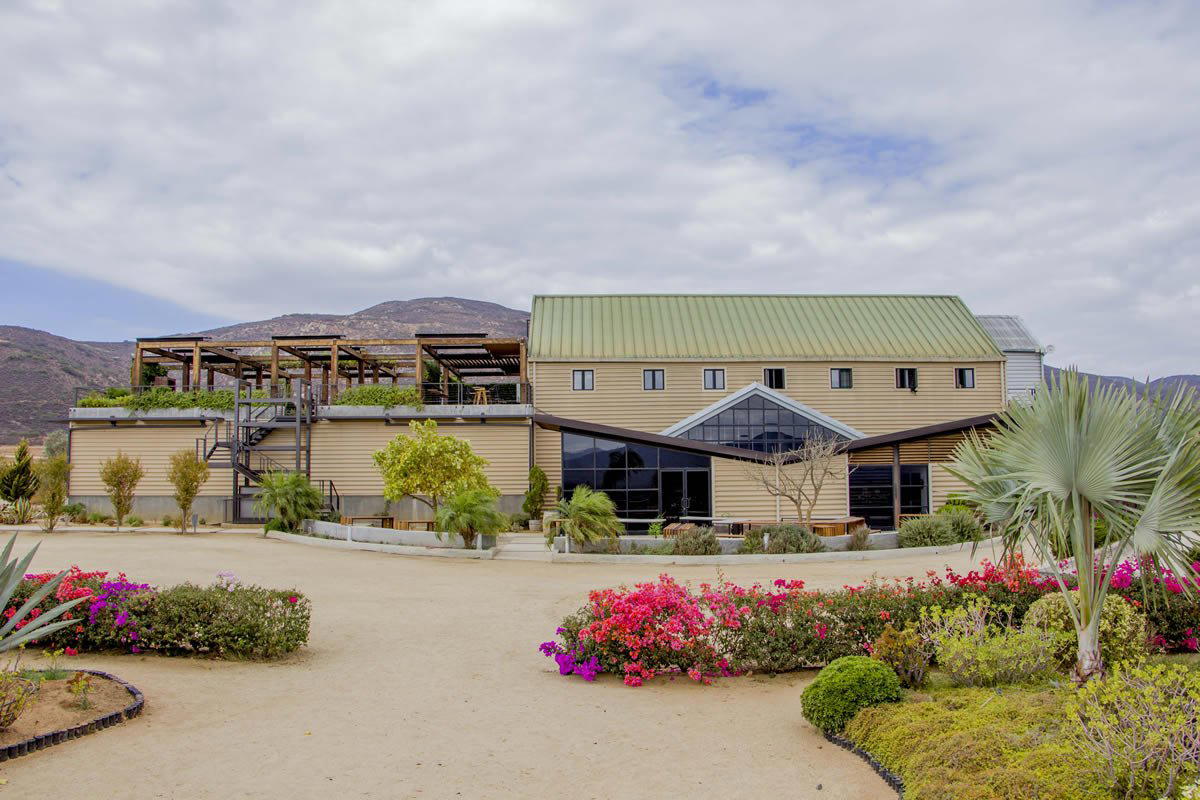
Drive south along México 3 through Baja California's wine corridor and the landscape shifts gradually from scrub to cultivated rows, dust giving way to vine and orchard. The road that eventually leads to Bodegas de Santo Tomás signals a different register entirely: one of the valley's oldest wine estates, operating since the late nineteenth century, whose grounds now anchor a restaurant that has drawn consecutive Michelin attention. The setting is not theatrical in the way some Valle de Guadalupe destinations aim for. It is legible and unhurried, with the winery's architecture providing context that neither announces itself loudly nor requires explanation.
That restraint carries through to what happens at the table. Villa Torél, holding the Michelin Bib Gourmand in both 2024 and 2025, belongs to a specific sub-tier in the valley's dining hierarchy: not the open-air spectacle format that dominates weekend tourism, but a more focused, ingredient-disciplined proposition where the sourcing argument is made through the plate rather than the setting. The Bib Gourmand designation is worth reading precisely: Michelin awards it to restaurants that offer notably good cooking at a price point below the full star tier. In a valley where the $$$$-priced table has become common, that distinction carries weight.
What Proximity Cuisine Means in Baja California
The term "Cocina de Proximidad" is precise enough to function as a culinary manifesto. It positions the kitchen as dependent on a radius: the Pacific coast to the west, the gardens and ranches of the Guadalupe and Calafia valleys, the citrus and stone fruit orchards scattered through northern Baja. Chef Alfredo Villanueva works within that radius and then applies a French and European technical framework to what it yields. The result sits inside a broader pattern visible across high-attention Mexican kitchens, from Pujol in Mexico City to KOLI Cocina de Origen in Monterrey: Mexican ingredients and flavor memory, European structure and precision. The difference in Valle de Guadalupe is the directness of the supply chain. When the sea is forty minutes from the kitchen, the case for proximity is not an abstraction.
That proximity logic extends into how sweetness arrives at the table. Mexican pastry and dessert traditions are rooted in colonial-era confluences: the European convention of a structured sweet course meeting the indigenous repertoire of cacao, vanilla, piloncillo, and citrus. Tres leches, pan dulce, and churros are not simple nostalgia items but products of that layered exchange. A kitchen that bills itself as proximity-focused and European-inflected has natural reasons to engage with those traditions seriously, applying the same sourcing discipline to the sweet course that it applies to seafood or vegetables. In this regard Villa Torél occupies a similar conceptual space to Levadura de Olla Restaurante in Oaxaca and Le Chique in Puerto Morelos, where the dessert course is treated as an extension of the same sourcing and technique argument that structures the savory menu.
Where Villa Torél Sits in the Valley's Price Tier
The valley's dining options span a wide range. At one end, Taqueria La Principal operates at the $ tier, offering the kind of direct, fast-moving taco format that anchors local eating. At the other end, places like Animalón and the open-fire kitchen at Deckman's En El Mogor occupy the same $$$$ bracket as Villa Torél, competing on different axes: scale of setting, theatrical format, or chef reputation. Villa Torél's competitive position within that bracket is defined less by spectacle than by the Michelin credential and the winery-estate location, which provide a different kind of authority. For visitors also considering Conchas de Piedra for coastal seafood or Damiana for a different take on Baja cooking, the choice involves reading which sourcing argument and which format suits the day.
The Bib Gourmand recognition, held across two consecutive Michelin cycles, is the clearest trust signal on the table. Michelin's Baja California guide is relatively new, which means the credential is still being established as a local benchmark. Restaurants that appear in early editions of a regional guide tend to define the category for years afterward. Among comparable kitchens in adjacent markets, Lunario in El Porvenir and Olivea Farm to Table in Ensenada represent the wider Baja proximity-cuisine conversation that Villa Torél is part of.
Planning the Visit
Villa Torél sits at México 3 Km 94, 22766 Villa de Juárez, within the Bodegas de Santo Tomás property. The valley runs roughly thirty minutes north of Ensenada, and the winery address puts it along the main route through the corridor. Weekend lunch is the dominant format for Valle de Guadalupe dining, and most kitchens at this price tier operate on reservation rather than walk-in capacity. Booking ahead is the operative assumption. The valley's wine infrastructure means the meal pairs naturally with regional bottles, and the winery setting at Santo Tomás gives direct access to one of Baja's longest-running producers, which is a relevant data point if you are thinking through a full day in the region. For context on accommodation and additional stops, our full Valle de Guadalupe hotels guide, bars guide, wineries guide, and experiences guide map the surrounding options. The full Valle de Guadalupe restaurants guide covers the broader field.
For travelers tracking Mexican proximity-cuisine dining across borders, the conversation has reached North American cities with some depth. Alma Fonda Fina in Denver and Cariño in Chicago represent the diaspora end of that tradition, and reading them against a Baja original like Villa Torél clarifies what travels and what stays rooted to place.
Frequently asked questions
Where do I go for Villa Torél?
Villa Torél is located at México 3 Km 94, 22766 Villa de Juárez, B.C. Mexico, Valle de Guadalupe.
Is Villa Torél expensive?
Pricing at Villa Torél is listed as $$$$.
Is Villa Torél Michelin-listed?
Villa Torél has received recognition including: Michelin Bib Gourmand (2025); Villa Torél, led by Chef Alfredo Villanueva, offers "Cocina de Proximidad" (proximity cuisine) in the heart of Valle de Guadalupe, Baja California. Located at Bodegas de Santo Tomás, the restaurant focuses on f….
What should I order at Villa Torél?
Chef Alfredo Villanueva's kitchen operates on a proximity framework, meaning the menu is driven by what the Pacific coast, local gardens, and nearby ranches are producing at any given moment. Dishes apply contemporary French and European technique to those Baja ingredients, so the most rewarding choices tend to be whatever reflects the season most directly. Given the Michelin Bib Gourmand recognition in both 2024 and 2025, the kitchen's treatment of local seafood and produce has earned consistent outside validation. Ask the service team what arrived that week rather than anchoring to a fixed dish.
Cuisine and Credentials
| Venue | Cuisine | Price | Awards | Notes |
|---|---|---|---|---|
| Villa TorélThis venue — the venue you are viewing | Contemporary Mexican with Baja Mediterranean influences | $50–100 | Michelin Bib Gourmand · World's 50 Best #16 | Not listed |
| Animalón | Contemporary Mexican Fine Dining | $150–200 | 1 Michelin Star · Wine Spectator Award of Excellence | Mexican |
| Conchas de Piedra | Baja Seafood & Sparkling Wines | $50–100 | 1 Michelin Star | Seafood |
| Kous Kous | Moroccan Family-Style | $50–100 | Michelin Plate | Moroccan |
| Primitivo | Contemporary Mexican Grill | $50–100 | Michelin Plate | Contemporary |
| Taqueria La Principal | Classic Mexican Taqueria | $10–20 | Michelin Plate | Mexican |
Recognition history
Dated appearances from independent guides and award organizations, with the underlying list record or original source where available.
Michelin Bib Gourmand
Michelin
World's 50 Best Latin America's Best Restaurants #16
World's 50 Best
Full recognition history (3 entries)
Michelin Bib Gourmand
Michelin
Continue exploring
More in Valle de Guadalupe
Restaurants in Valle de Guadalupe
Browse all →
Bars in Valle de Guadalupe
Browse all →
Hotels in Valle de Guadalupe
Browse all →
Details
- Romantic
- Elegant
- Rustic
- Scenic
- Intimate
- Date Night
- Group Dining
- Special Occasion
- Terrace
- Open Kitchen
- Wine Cellar
- Extensive Wine List
- Sommelier Led
- Farm To Table
- Local Sourcing
- Vineyard
- Mountain
- Garden
- A La Carte
- Small Plates
- Tasting Menu
- Wine Pairings
Current opening hours
- Monday
- 1–7 PM
- Tuesday
- Closed
- Wednesday
- Closed
- Thursday
- 1–7 PM
- Friday
- 1–7 PM
- Saturday
- 1–7 PM
- Sunday
- 1–7 PM
Hours can change for holidays and private events. Last verified .
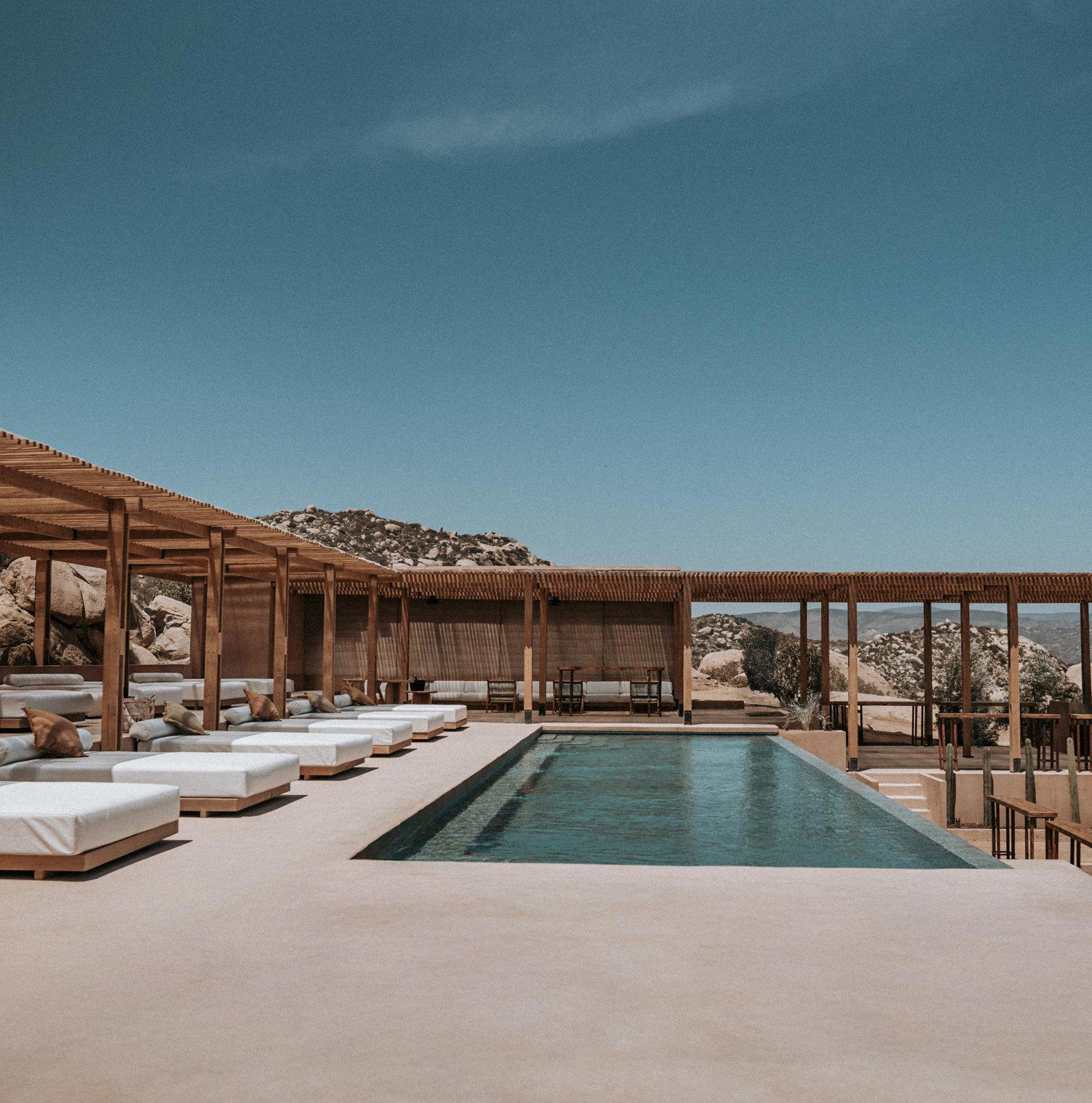
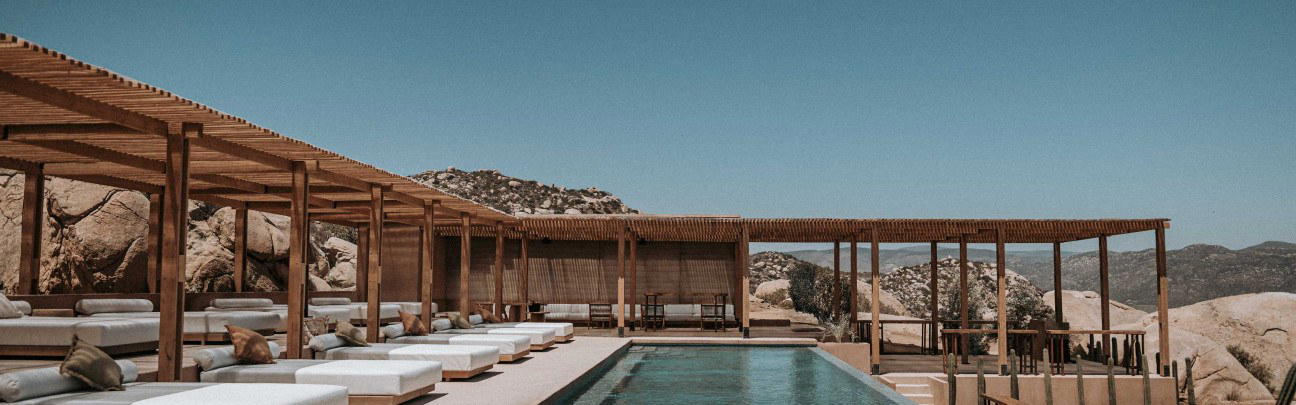
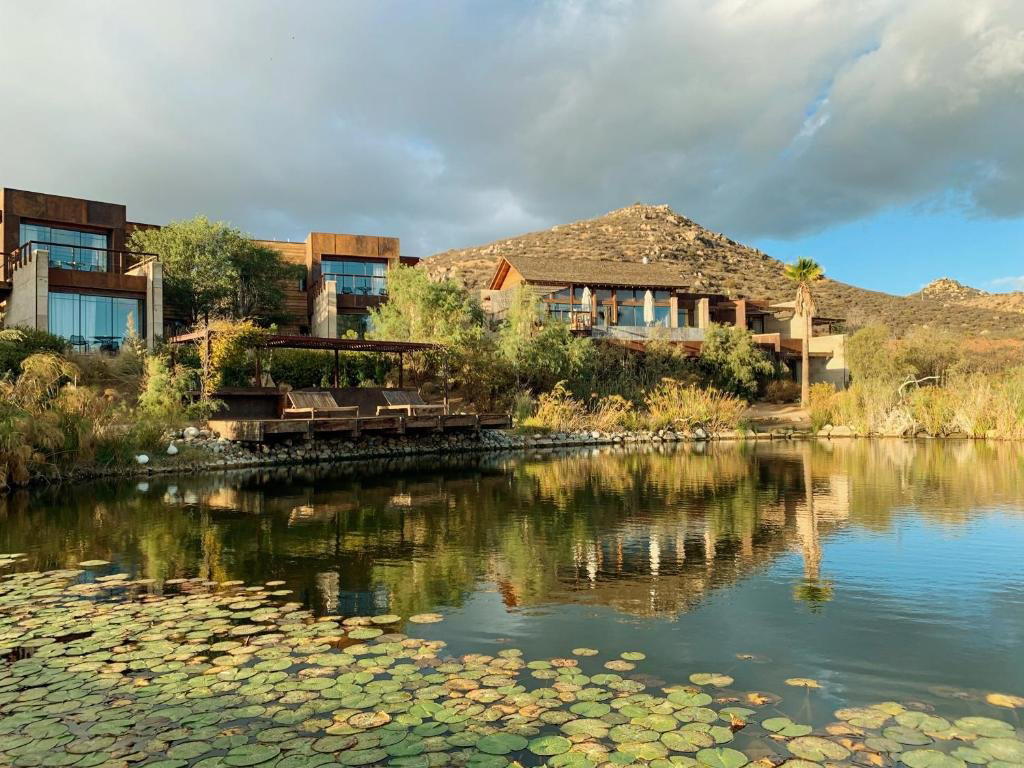
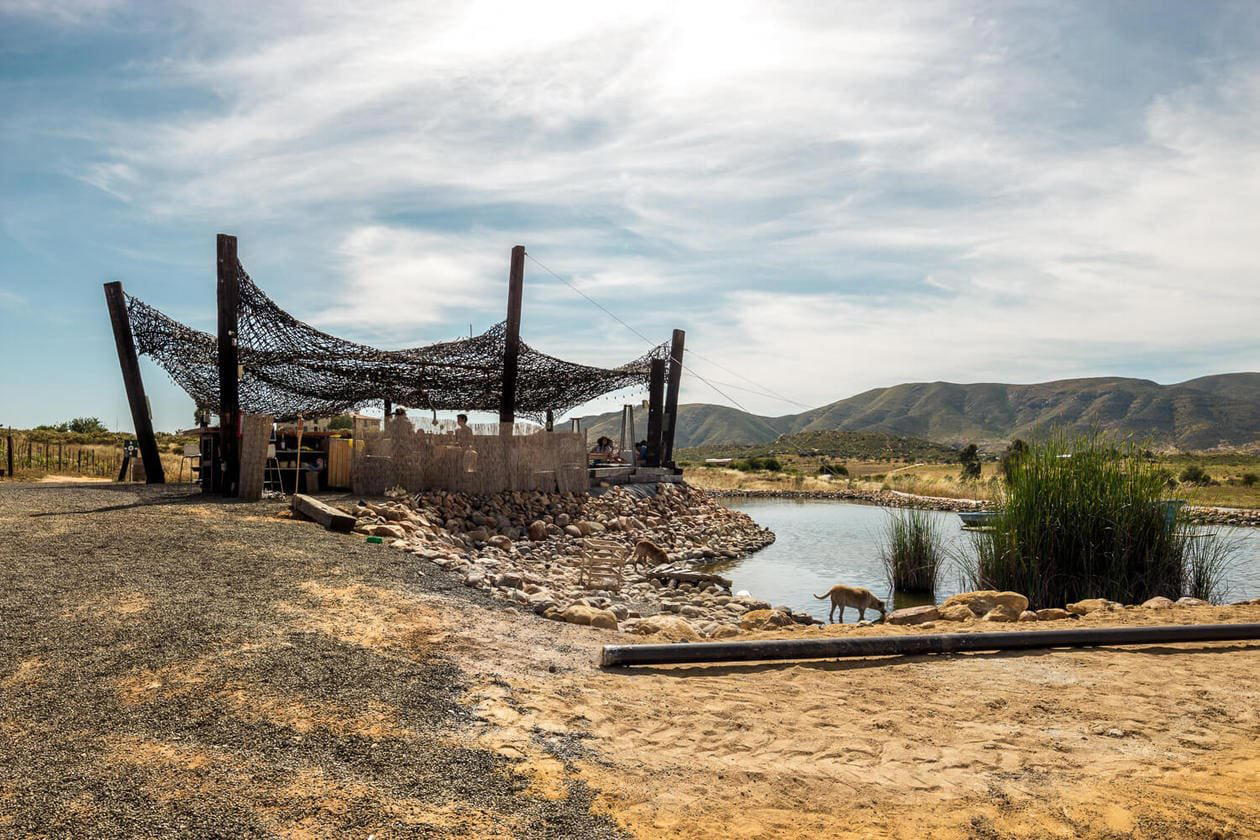
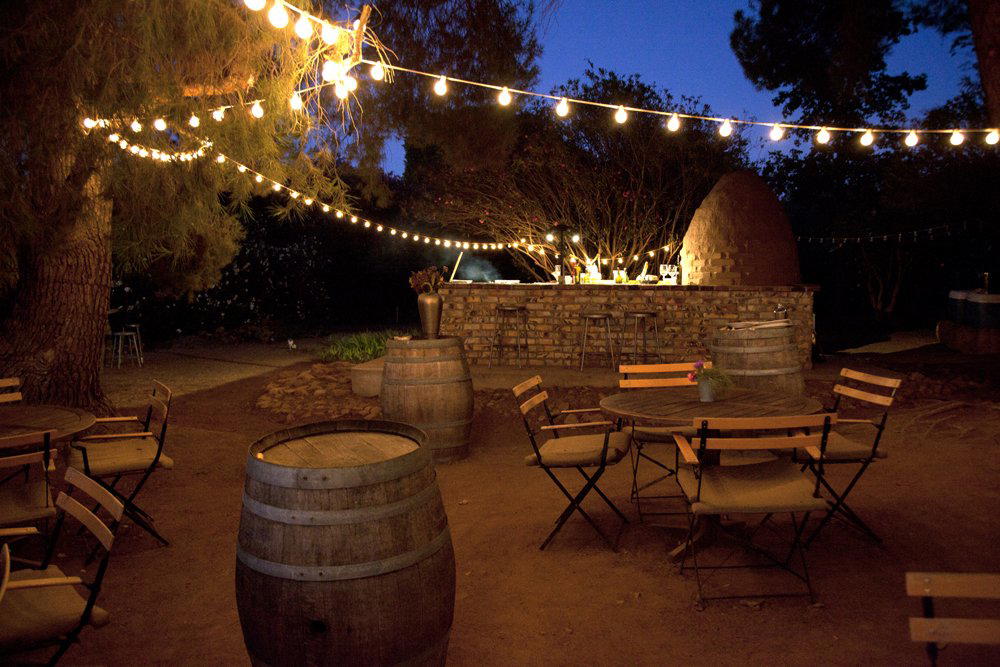
Breezy, relaxed outdoor terraces framed by lavender, citrus trees, and vineyards with candlelit evenings, warm wood interiors, and serene natural light.