
A Michelin Plate recipient in both 2024 and 2025, El Paisa operates at the budget end of Ensenada's recognised dining scene, serving traditional Mexican cooking from a residential address in the Militar neighbourhood. The Michelin recognition places it alongside a small number of single-dollar-sign addresses in Baja California where price and quality occupy the same tier. For visitors tracing the city's accessible, technique-led cooking, it merits attention.
Pearl is the En Primeur Club membership app — saves, bookings, and concierge access live there. Same editors, same standards.
- Address
- Av. Dr Pedro Loyola 70, Militar, 22880 Ensenada, B.C., Mexico
- Phone
- +52 646 132 4218
- Directions
- Get directions
 Saves & bookings on Pearl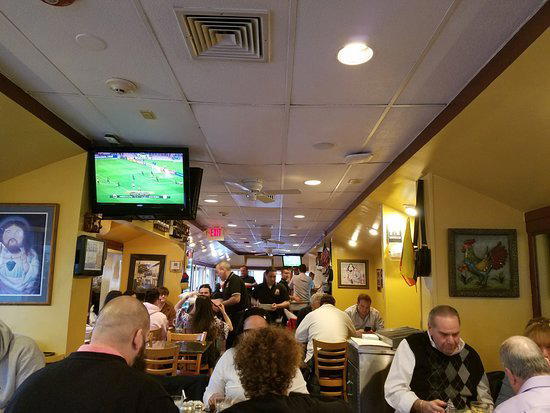
Where Ensenada's Everyday Mexican Cooking Earns Recognition
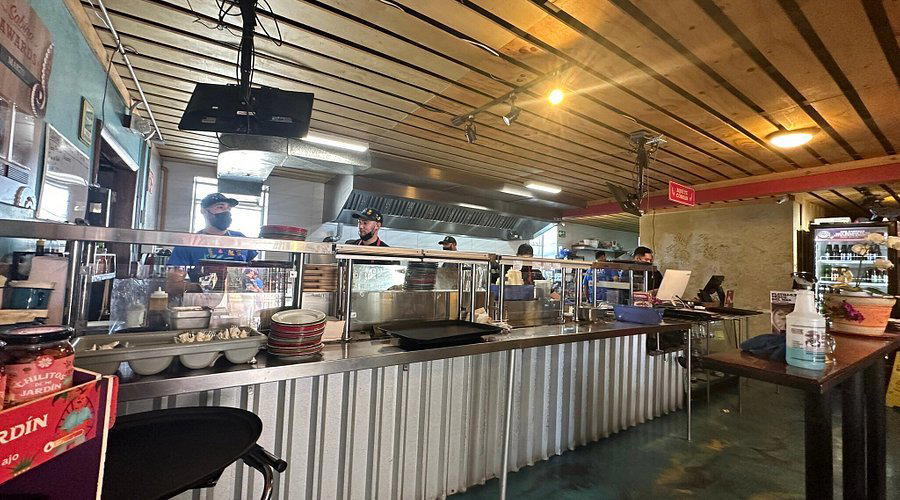
Av. Dr Pedro Loyola runs through the Militar neighbourhood well outside Ensenada's tourist corridor, where the streets are quieter and the signage less curated. In Mexican cities, serious traditional cooking often concentrates in exactly these districts: residential, unfussy, oriented toward a local clientele that returns weekly rather than once. El Paisa occupies that kind of address, and the physical approach signals it clearly. What draws attention instead is the activity: a neighbourhood spot operating with the confidence of somewhere that does not need to announce itself.
The Michelin Guide awarded El Paisa a Plate in both 2024 and 2025. A Michelin Plate is not a star, but it is a deliberate signal: the inspectorate visited, returned, and found the cooking consistently good enough to recommend. At the single-dollar-sign price tier, that recognition is relatively rare. In the Baja California listings, most Plate and Star recipients sit at the $$ level or above. El Paisa holds the distinction of being among the more affordable venues Michelin has flagged in the region two years running.
The Mole Tradition and What It Asks of a Kitchen
Mexican cuisine's most technically demanding preparation is also one of its oldest. Mole, in any of its regional forms, requires a kitchen to reconcile dozens of ingredients across multiple stages: dry-toasting dried chiles, grinding spices, charring aromatics, integrating chocolate or seeds or fruit depending on the regional variation, and reducing everything through long, attentive cooking into a sauce that reads as a single coherent thing rather than a list of components. The process resists shortcuts. A mole that has not had sufficient time collapses into something sweet or bitter at the edges rather than holding its complexity across the palate.
Regional variation in mole is significant enough that the dish functions almost as a diagnostic for a kitchen's references and technique. Oaxacan negro mole, with its dried chiles, chocolate, and plantain, reads darker and deeper than the fruit-forward manchamanteles of Puebla. Mole verde built on pepitas and herbs is a different preparation altogether, lighter and more immediate. Venues like Levadura de Olla Restaurante in Oaxaca and Pujol in Mexico City have built reputations around mole programs that treat the preparation as a living document. At that register, mole becomes a restaurant's thesis statement.
At budget-tier fondas and neighbourhood spots in Baja California, technique operates differently but no less seriously. The techniques are inherited rather than self-consciously constructed, and the standard is set by family and community memory rather than international comparison. The restaurant's menu focuses on Northern Mexican street tacos and other direct preparations, with slow-cooked meats and fresh masa at the core. These are the techniques that define what Mexican culinary recognition at the accessible end of the market tends to look like.
Ensenada's Tier Structure for Mexican Cooking
Ensenada's recognised dining scene has developed a clearer price-tier structure over the past few years, with Michelin's 2024 and 2025 guides making those divisions more legible to visitors. At the summit of the price ladder, venues like Madre operate at the $$$ level with contemporary Mexican frameworks and wine-pairing formats. The $$ tier holds established names including La Concheria, where the focus narrows to seafood and shellfish in a setting that leans more explicitly into Baja's coastal identity. Manzanilla and Restaurante Punta Morro add further reference points across the mid-range. Casa Marcelo extends the local scene in a different direction.
The restaurant sits below all of these in price, alongside Tacos Marco Antonio at the single-dollar-sign level. That both are Mexican rather than fusion or contemporary is not coincidental: one affordable tier of Michelin-recognised Mexican dining in Baja tends to be especially traditionally grounded, serving preparations where the cooking method is the credential rather than the sourcing narrative or the plating architecture.
Nationally, the comparison set for this category of venue includes spots that have drawn attention for demonstrating that serious technique does not require significant spend. Animalón in Valle de Guadalupe operates at a different price register but shares a commitment to regionally rooted Mexican cooking. Further afield, KOLI Cocina de Origen in Monterrey and HA' in Playa del Carmen represent the broader conversation around Mexican culinary identity in different geographic contexts. In the United States, venues like Alma Fonda Fina in Denver and Cariño in Chicago show how traditional Mexican cooking translates into different markets and at different price points. Le Chique in Puerto Morelos demonstrates the higher-intervention end of contemporary Mexican technique.
The restaurant reads as an argument for the lower end of that spectrum: that consistent, technique-grounded cooking at accessible prices deserves the same critical attention as tasting menus and wine lists.
Planning a Visit
The restaurant is located at Av. Dr Pedro Loyola 70 in the Militar neighbourhood of Ensenada, Baja California. The address sits away from the central tourist zone, which means it draws predominantly local clientele and functions on a neighbourhood rhythm rather than a tourism schedule. The restaurant is walk-in friendly, consistent with the fonda format common at this price tier. Arriving early in the relevant meal period, particularly if a specific preparation or dish is the objective, is the practical approach for venues of this type. The restaurant is open Monday through Saturday from 2 to 11 PM and is closed on Sunday.
Where It Fits
Comparable venues nearby, for context on price, style, and recognition.
| Venue | Cuisine | Price | Awards | Notes |
|---|---|---|---|---|
| El PaisaThis venue — the venue you are viewing | Northern Mexican Street Tacos | $ | Michelin Plate | Not listed |
| Tacos Mi Ranchito El Fenix | Baja Fish and Shrimp Tacos | $ | Michelin Plate | Ensenada center |
| Manzanilla | Baja Med Seafood | $$$$ | Michelin Plate | Recinto Portuario |
| Casa Marcelo | Mexican Breakfast & Lunch with Local Cheeses | $$ | Bib Gourmand | Zona Centro |
| Madre | Modern Mexican with Mediterranean & Contemporary Influences | $$$ | Michelin Plate | downtown |
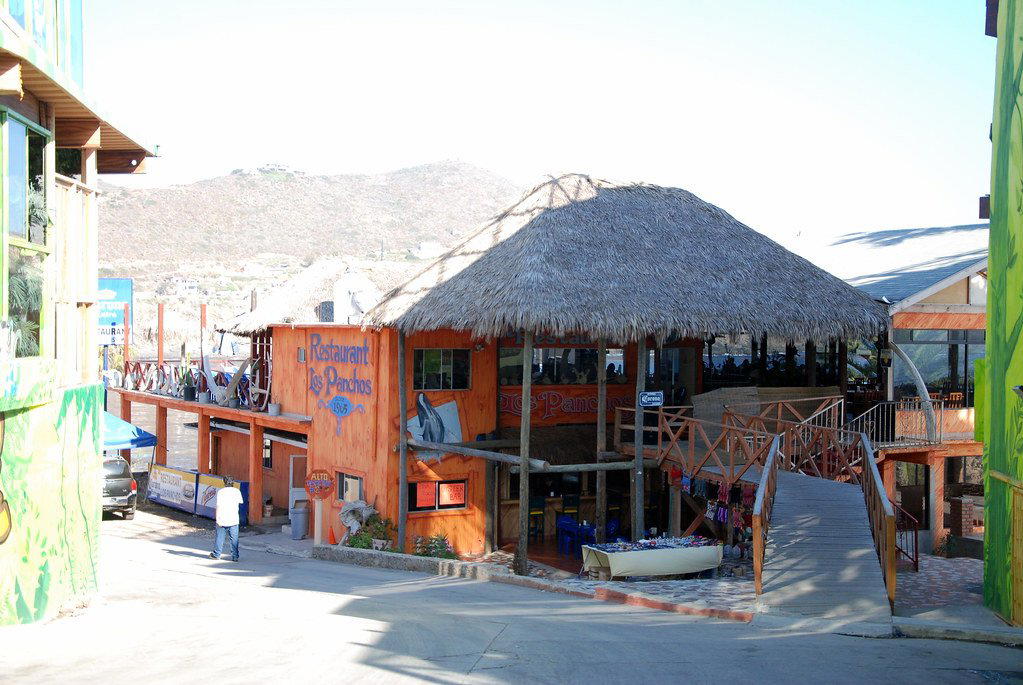
| Los Panchos | Authentic Mexican Taqueria | $$ | Not listed | Maneadero |
Recognition history
Dated appearances from independent guides and award organizations, with the underlying list record or original source where available.
Michelin Plate
Michelin
Michelin Plate
Michelin
Continue exploring
More in Ensenada
Restaurants in Ensenada
Browse all →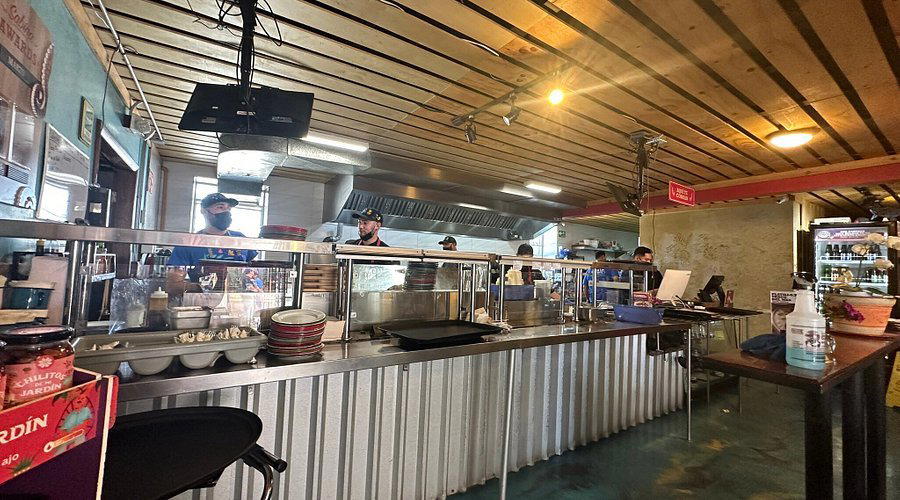
Bars in Ensenada
Browse all →

Hotels in Ensenada
Browse all →


At a Glance
- Lively
- Rustic
- Casual Hangout
- Late Night
- Solo
- Group Dining
- Open Kitchen
- Standalone
Current opening hours
- Monday
- 2–11 PM
- Tuesday
- 2–11 PM
- Wednesday
- 2–11 PM
- Thursday
- 2–11 PM
- Friday
- 2–11 PM
- Saturday
- 2–11 PM
- Sunday
- Closed
Hours can change for holidays and private events. Last verified .