Onomura Nigiri Room Santa Fe
Onomura Santa Fe sits in the commercial and residential district of Lomas de Santa Fe, where Mexico City's western corridor has developed a quieter but serious dining scene removed from the Roma-Condesa circuit. The address places it among a clientele drawn from nearby corporate headquarters and affluent residential towers, shaping a room where the meal tends to follow a deliberate, structured pace.
Pearl is the En Primeur Club membership app — saves, bookings, and concierge access live there. Same editors, same standards.
- Address
- Av. Santa Fe 483-Local B2, Lomas de Santa Fe, Contadero, Cuajimalpa de Morelos, 05000 Ciudad de México, CDMX, Mexico
- Phone
- +525527902138
- Website
- onomura.com.mx
- Directions
- Get directions
 Saves & bookings on Pearl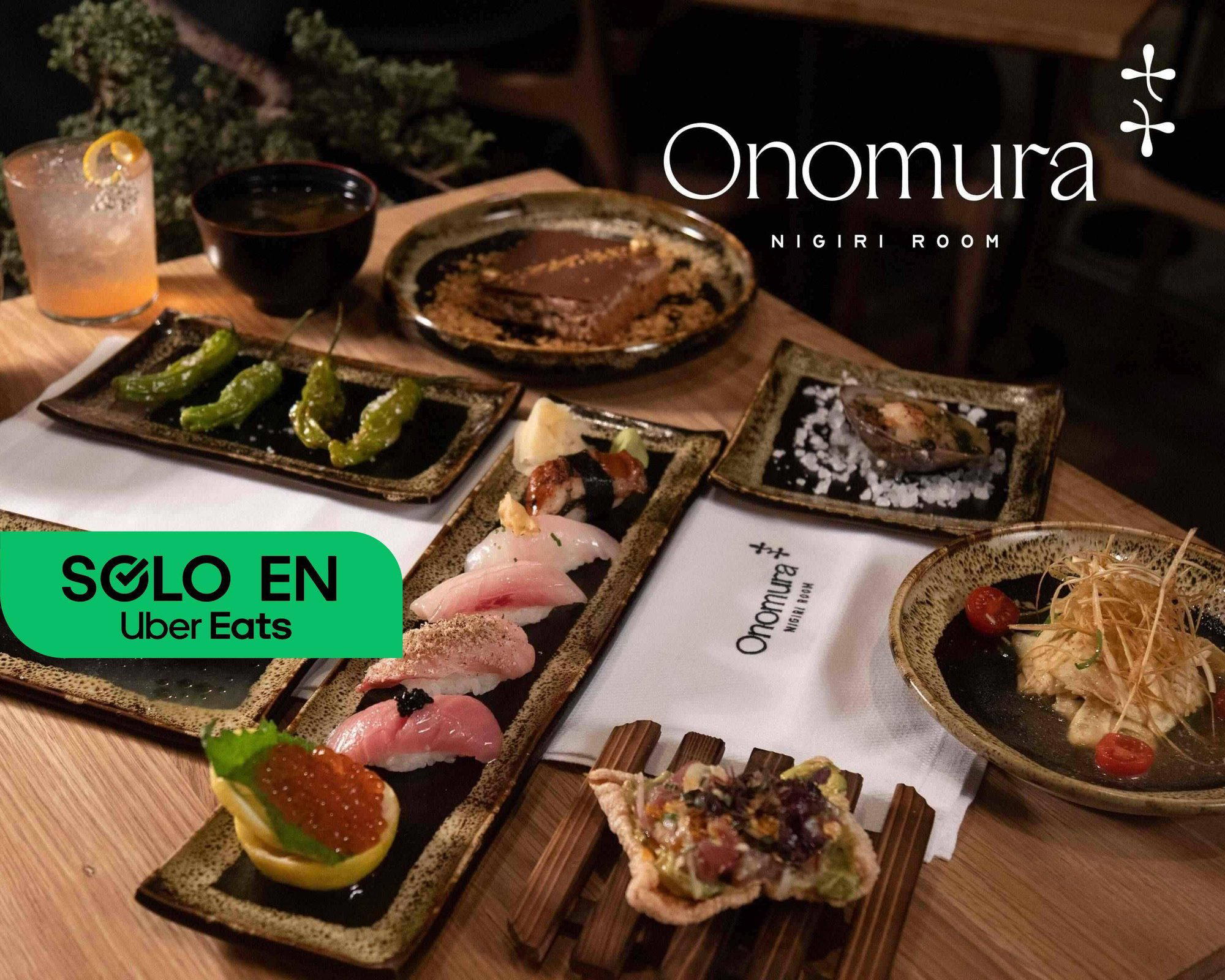
Dining West of the Circuit
Mexico City's premium dining conversation has long centered on Roma Norte, Polanco, and Condesa, where addresses like Pujol and Quintonil anchor the city's international reputation. But the western corridor, particularly the Santa Fe zone around Cuajimalpa de Morelos, operates on a different register. The area developed as a corporate and residential district rather than a cultural one, which means the restaurants that succeed here do so by offering a specific kind of meal: purposeful, paced, and suited to a guest who arrives with time set aside rather than stumbling in from a gallery opening or a Saturday market.
Onomura Santa Fe, at Av. Santa Fe 483, sits inside this western dynamic. The address, a commercial complex in Lomas de Santa Fe, is not the kind of location that generates foot traffic from culinary tourists. The guests here tend to be local, returning, and accustomed to a certain structure in how a meal unfolds. That structural expectation shapes the experience as much as the kitchen does.
The Santa Fe Dining Ritual
In cities where corporate districts develop their own dining ecosystems — think Marunouchi in Tokyo or Canary Wharf in London — the restaurants that earn loyalty do so through ritual consistency rather than novelty. The meal has a predictable shape: arrival, a considered opening course or drink, a sequence that builds in weight, and a clean close. Theatrics are not the point. Precision is.
Santa Fe's premium restaurant set operates inside that logic. Compared to the more exploratory formats at places like Em in Juárez or the produce-driven approach at Sud 777 in Pedregal, the western corridor tends toward composed, course-driven formats where pacing is managed rather than improvised. A restaurant in this part of the city that cannot hold that rhythm typically does not survive the corporate lunch window or the midweek dinner. Onomura Santa Fe occupies a position in that environment, where the format of the meal is itself a form of hospitality.
This approach has parallels across Mexico's wider fine-dining geography. The tasting menus at Le Chique in Puerto Morelos and the technique-led work at KOLI Cocina de Origen in Monterrey both reflect a national shift toward meals that are choreographed rather than casual, where the sequence of courses carries as much meaning as any individual dish. Santa Fe's geography removes the bohemian framing that Roma or Coyoacán would provide, leaving the food and the service structure to carry the evening on their own terms.
Mexico City's Western Dining Set in Context
Placing Onomura Santa Fe within Mexico City's broader dining geography requires understanding what Santa Fe is and is not. It is not a neighbourhood in the traditional chilango sense. There are no tianguis nearby, no corner fondas with decades of family tenure, no cultural patina of the kind that gives Rosetta's Roma Norte address its particular resonance. Rosetta, housed in a Porfirian mansion, draws authority partly from its physical context. Santa Fe draws no such borrowed weight.
What Santa Fe does offer is a captive, high-income dining population with consistent weekday demand. The restaurants that establish themselves here, and maintain that position, are doing something that the more celebrated addresses in Roma or Polanco do not have to do in quite the same way: they are building loyalty without the benefit of pilgrimage. A reservation at Pujol carries cultural signal value. A reservation at a Santa Fe address is typically made because the guest genuinely wants to return.
That distinction matters editorially. Across Mexico's broader restaurant map, from Alcalde in Guadalajara to Lunario in El Porvenir and Pangea in San Pedro Garza García, the restaurants that build lasting reputations in non-tourist contexts tend to develop a different kind of institutional trust. The local regular is a harder critic than the international visitor primed for discovery.
Placing Onomura in the Regional Picture
Mexico's restaurant scene has diversified considerably over the past decade, with serious kitchens now operating well beyond the capital. Animalón in Valle de Guadalupe, Olivea Farm to Table in Ensenada, HA' in Playa del Carmen, Levadura de Olla in Oaxaca, and Huniik in Merida each represent a regional depth that would have been harder to map even ten years ago. Mexico City no longer holds the monopoly on destination dining within the country.
Within the capital itself, however, the Santa Fe corridor represents an underreported tier. The area lacks the critical mass of media-covered openings that Roma or Polanco generates. That relative quietness means a restaurant operating at a serious level here does so without the editorial amplification that drives international awareness. For comparison, the kind of deliberate, course-structured format that earns recognition at counters like Atomix in New York or the sustained precision work at Le Bernardin requires institutional consistency to be understood and valued. In Santa Fe, that consistency is rewarded through loyalty rather than acclaim.
For a full map of where Onomura Santa Fe sits within the capital's dining options, the EP Club Mexico City restaurants guide covers the full spectrum from Polanco's tasting menu circuit to the neighbourhood-level options in Coyoacán and Xochimilco.
Planning Your Visit
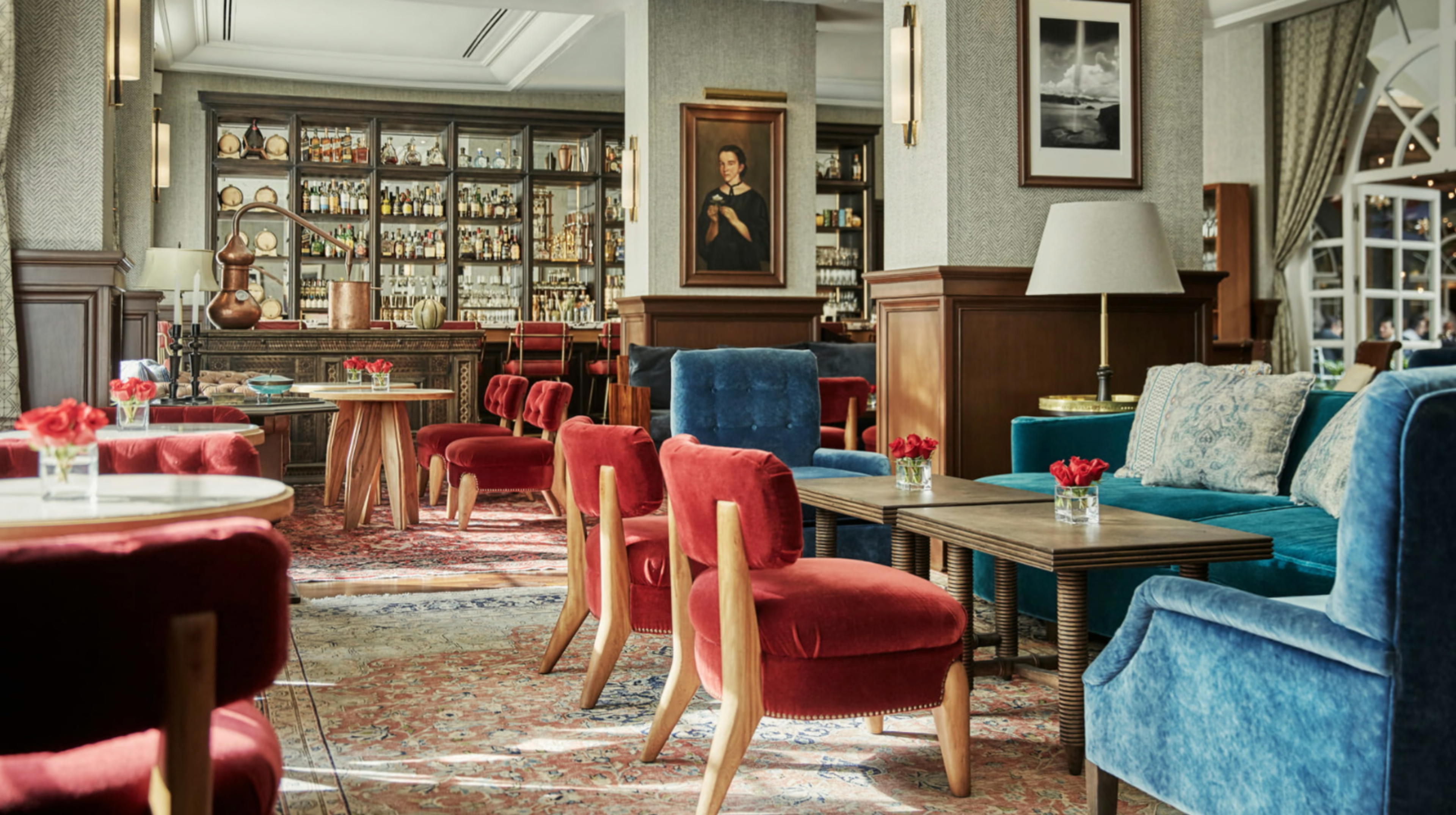
Address: Av. Santa Fe 483-Local B2, Lomas de Santa Fe, Contadero, Cuajimalpa de Morelos, 05000 Ciudad de México. Getting there: Santa Fe sits approximately 30 minutes from Polanco and Roma Norte by car under normal traffic conditions; Mexico City traffic makes this variable, particularly on weekday evenings. The area is not well-served by metro. Uber and DIDI are the standard approach. Reservations: No booking platform or phone number is currently listed in public records; direct contact through the venue's local channels is advised. Timing: Weekday lunchtimes in Santa Fe follow corporate rhythms, with the 2pm–4pm window carrying the heaviest covers. Evening service tends to draw a residential rather than corporate crowd. Dress: The Santa Fe context skews toward business-casual to smart-casual; the commercial complex setting does not demand formality, but the dining room's character leans more composed than casual.
Continue exploring
More in Mexico City
Restaurants in Mexico City
Browse all →
Bars in Mexico City
Browse all →
At a Glance
- Modern
- Trendy
- Elegant
- Date Night
- Open Kitchen
- Sake Program
Current opening hours
- Monday
- 1–11 PM
- Tuesday
- 1 PM–12 AM
- Wednesday
- 1 PM–12 AM
- Thursday
- 1 PM–1 AM
- Friday
- 1 PM–1 AM
- Saturday
- 1 PM–1 AM
- Sunday
- 1–10 PM
Hours can change for holidays and private events. Last verified .
Casual dining with moderate noise and contemporary atmosphere.
Know Before You Go
- Getting there
- Av. Santa Fe 483-Local B2, Lomas de Santa Fe, Contadero, Cuajimalpa de Morelos, 05000 Ciudad de México, CDMX, Mexico