Rokai Santa Fe
Rokai Santa Fe brings a Japanese-influenced approach to the Santa Fe business district of Mexico City, working within a dining corridor where corporate lunch trade and serious evening dining coexist. The address places it inside a neighbourhood that has matured rapidly as a destination for international-format restaurants.
Pearl is the En Primeur Club membership app — saves, bookings, and concierge access live there. Same editors, same standards.
- Address
- Antonio Dovalí Jaime 95 2, 202, Santa Fe, 01219 Ciudad de México, Mexico
- Phone
- +525550863100
- Website
- edokobayashi.com
- Directions
- Get directions
 Saves & bookings on Pearl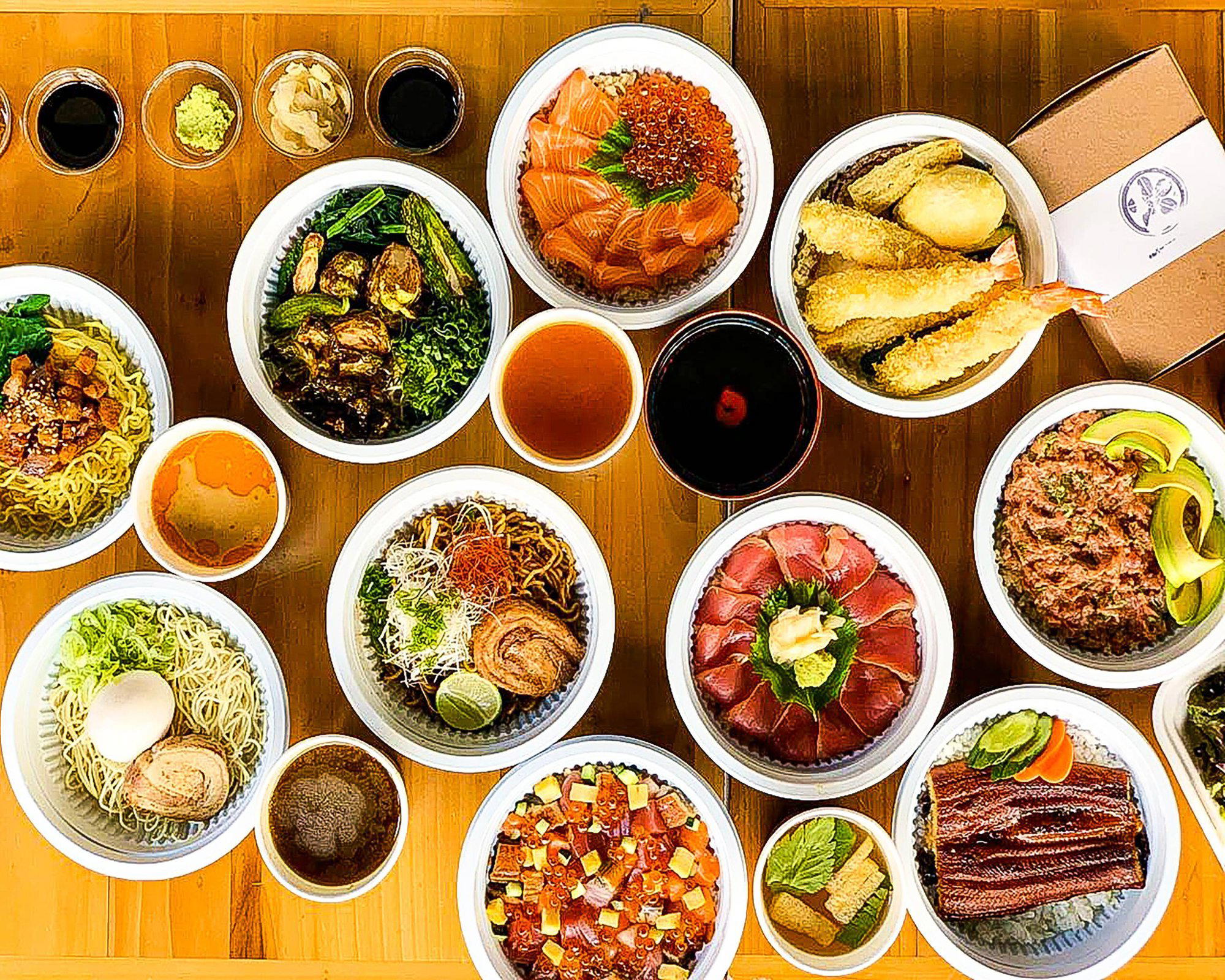
Santa Fe's Evolving Dining Register
Mexico City's Santa Fe district spent its first two decades as a corporate monoculture: glass towers, chain restaurants, and a dining scene calibrated entirely to the expense-account lunch. That has shifted. Over the past several years, independent and concept-driven restaurants have moved into the corridor along Antonio Dovalí Jaime, drawn by a captive professional audience and comparatively accessible rents relative to Polanco or Roma. Rokai Santa Fe sits on that street, at number 95, on the second floor — a positioning that, in this particular neighbourhood, signals an operator who expects repeat business from the surrounding offices rather than walk-in tourism.
The Santa Fe model differs from the one that drives Mexico City's most-discussed addresses. Rosetta in Roma and Em in Juárez feed a local creative-professional crowd alongside visiting food media. Santa Fe's rhythm is different: weekday-heavy, deal-driven, and increasingly receptive to formats that offer something beyond the traditional Mexican or generic international menu. That gap is where Japanese-inflected concepts have found traction in the district.
The Intersection of Japanese Technique and Mexican Territory
Across Mexico's serious restaurant scene, one of the more consequential debates concerns what happens when Japanese culinary discipline meets the country's extraordinary larder. It is not a new conversation — Le Chique in Puerto Morelos and HA' in Playa del Carmen have both explored European and international technique applied to regional Mexican ingredients, but the Japanese-Mexican axis carries its own logic. Japanese cooking's emphasis on restraint, clean knife work, and product-forward presentation maps surprisingly well onto Mexico's tuna from Baja waters, the varied freshwater catches of Michoacán, and the citrus-acid traditions of both cuisines. The result, at its most coherent, is not fusion in the diluted sense but a methodological conversation between two ingredient-respecting traditions.
In Mexico City specifically, this approach has become a recognisable sub-category. Operators fluent in Japanese technique have found that the capital's dining public, increasingly educated by venues like Sud 777 on the south side, is ready for menus that prioritise product quality and preparation precision over spectacle or portion volume. Rokai Santa Fe's address and format place it inside that emerging tier: a restaurant whose appeal rests on technical credibility applied to available Mexican product, served in a format suited to the business-district lunch and the longer evening sitting alike.
What the Address Tells You
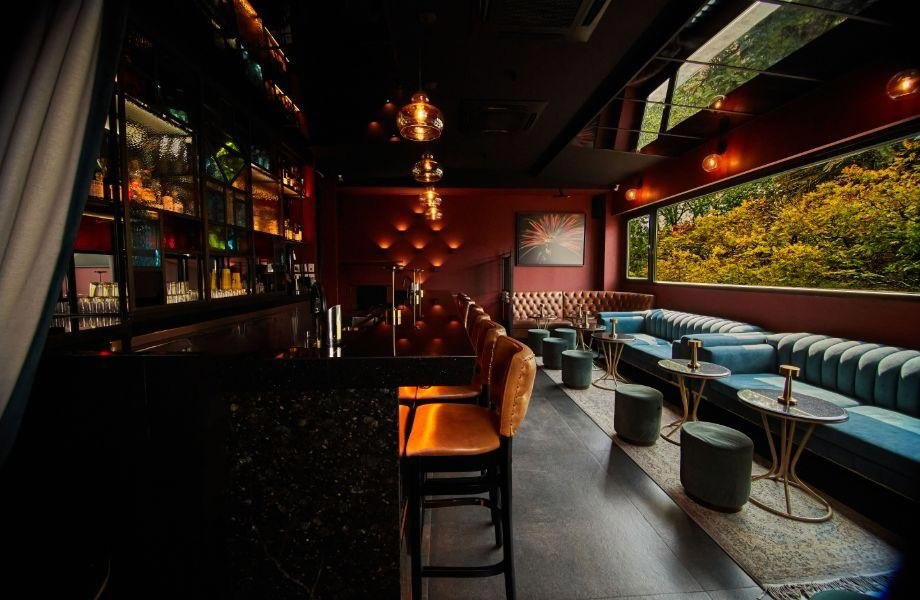
Second-floor restaurant spaces on Antonio Dovalí Jaime tend toward the contained and considered rather than the expansive. The building fabric of Santa Fe, largely corporate-office construction from the 1990s onward, does not produce the colonial-courtyard settings of Roma or the repurposed-mansion rooms of Polanco. What it offers instead is clean, neutral space that operators typically work with through material choices and layout rather than architectural drama. For a Japanese-influenced concept, that starting point is not a disadvantage: the aesthetic vocabulary of Japanese restaurant design tends toward restraint anyway, and a second-floor room above a busy commercial street can be shaped into something genuinely focused.
Across Mexico's broader dining geography, the question of setting versus substance produces interesting variations. Animalón in Valle de Guadalupe uses landscape as a primary element; Lunario in El Porvenir and Olivea Farm to Table in Ensenada build their identity partly through their physical surroundings. In a business district, the equation runs differently: the room must earn its keep through what arrives on the plate.
Technique as the Primary Signal
The editorial angle that matters most for Rokai Santa Fe, given the available information, is the technical one. Japanese-influenced restaurants in Mexico City sit in a competitive tier where the relevant comparison is no longer other Japanese restaurants but any serious tasting or à-la-carte format operating in the same price register. Pangea in San Pedro Garza García and Alcalde in Guadalajara demonstrate that Mexico's secondary cities now support technically demanding cooking at a consistent level; the capital's operators, in Santa Fe or elsewhere, are aware that the audience they serve has eaten at those tables too.
Globally, the model of Japanese technique applied to non-Japanese product has a well-documented track record. Le Bernardin in New York represents one version of that logic applied to French classical training and North Atlantic seafood. Atomix, also in New York, shows what happens when Korean product and narrative are processed through a rigour more commonly associated with Japanese omakase formats. The lesson across these cases is consistent: imported method gains credibility when it serves rather than overrides the sourced ingredient. In the Mexican context, that means the tuna, the shellfish, the citrus, and the chiles need to read as the point, with the technique serving as the medium.
For a wider survey of where Mexico's serious restaurant culture is heading, including venues across Oaxaca, Monterrey, Mérida, and Mexico City, see our full Mexico City restaurants guide, which sits alongside coverage of Levadura de Olla in Oaxaca, KOLI Cocina de Origen in Monterrey, and Huniik in Mérida.
Planning Your Visit
The venue's current hours, menu format, and pricing are best confirmed directly with the restaurant before travel, as public data is limited. Address: Antonio Dovalí Jaime 95 2, Local 202, Santa Fe, 01219 Ciudad de México. Getting there: Santa Fe sits west of central Mexico City and is most efficiently reached by taxi or ride-share from Polanco or the airport; the Metrobús does not serve the immediate area. Dress: Business-district clientele sets the ambient tone, meaning smart-casual is appropriate for both lunch and dinner sittings.
Continue exploring
More in Mexico City
Restaurants in Mexico City
Browse all →
Bars in Mexico City
Browse all →
At a Glance
- Modern
- Trendy
- Date Night
- Casual Hangout
- Open Kitchen
- Sake Program
Current opening hours
- Monday
- 1–11 PM
- Tuesday
- 1–11 PM
- Wednesday
- 1–11 PM
- Thursday
- 1–11 PM
- Friday
- 1–11 PM
- Saturday
- 1–11 PM
- Sunday
- 1–6 PM
Hours can change for holidays and private events. Last verified .
Casual Japanese pub atmosphere focused on fresh sushi and noodle dishes with a modern, intimate setting.
Know Before You Go
- Getting there
- Antonio Dovalí Jaime 95 2, 202, Santa Fe, 01219 Ciudad de México, Mexico