Tori Tori
Tori Tori sits in San Ángel Inn, one of Mexico City's most architecturally composed southern neighbourhoods, where the dining offer skews toward destination-worthy restaurants rather than neighbourhood casual. The restaurant positions within a tier of Mexico City addresses that draw on Japanese culinary technique as a lens for local ingredients, placing it in a niche but increasingly visible category in the capital's dining scene.
Pearl is the En Primeur Club membership app — saves, bookings, and concierge access live there. Same editors, same standards.
- Address
- Av. Altavista 147, San Ángel Inn, Álvaro Obregón, 01060 Ciudad de México, CDMX, Mexico
- Phone
- +525552808067
- Website
- toritori.com.mx
- Directions
- Get directions
 Saves & bookings on Pearl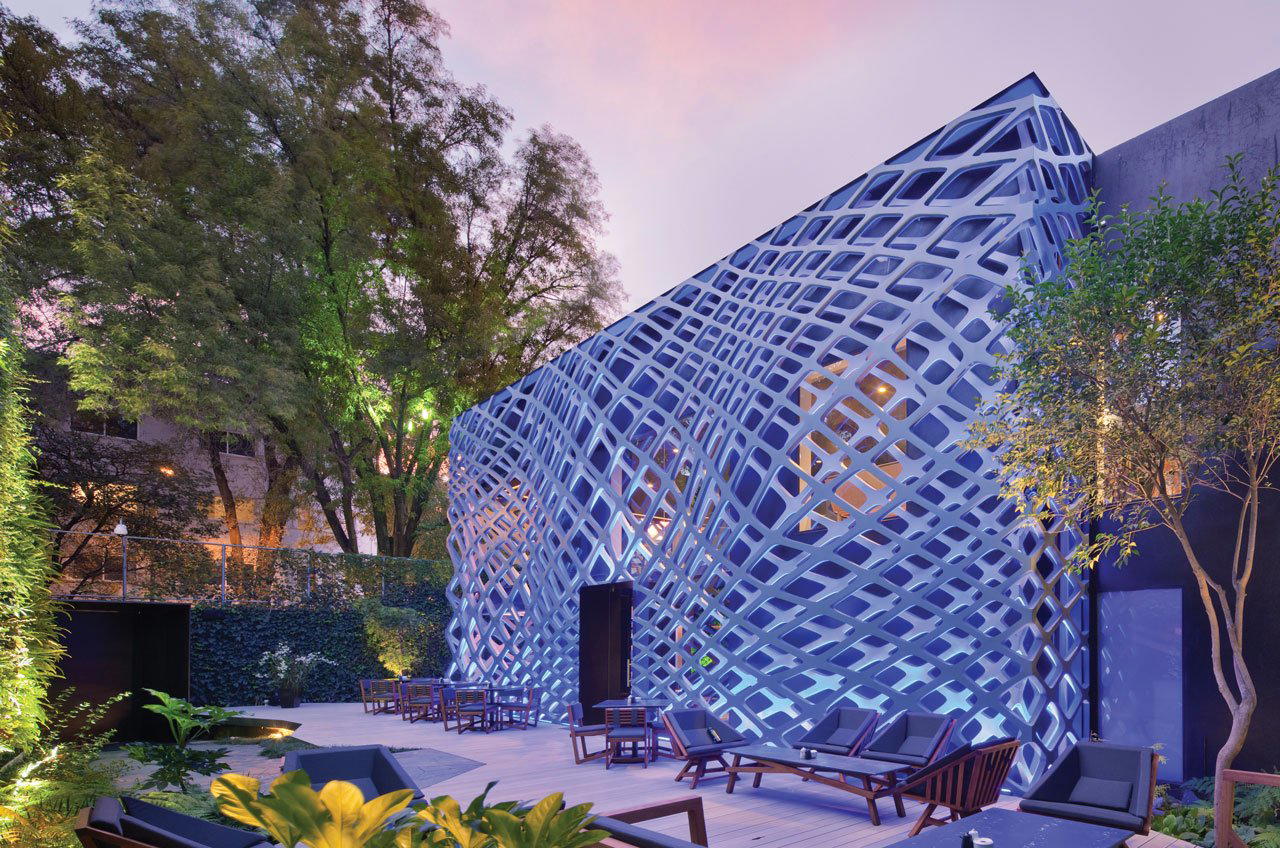
San Ángel Inn and the Southern Dining Tier
Mexico City's dining conversation is often anchored to Polanco or Roma Norte, but the southern neighbourhoods around San Ángel Inn carry their own weight. Av. Altavista, where Tori Tori operates, runs through a zone of colonial-era cobblestones, mature tree canopies, and weekend art markets that give the area a different register from the capital's more trafficked restaurant districts. Arriving here is a slower, more deliberate act than pulling up to a Polanco address, and the restaurants that survive in this part of the city tend to attract diners who have made a specific choice rather than those browsing options.
That context matters for how Tori Tori reads. This is not a walk-in neighbourhood spot. It is a destination within a destination district, and the dining tier it occupies in southern Mexico City sits alongside properties that reward a planned visit. Compared to the price-and-format spread across the capital, where Rosetta anchors creative Italian at a mid-tier price point and Em operates at the $$$ mark with a modern Mexican programme, Tori Tori holds its position as a more formal commitment in the southern quadrant.
Menu Architecture and What It Signals
The category that Tori Tori represents in Mexico City is a specific one: Japanese technique applied to Mexican and Latin American ingredients. This is not fusion in the loose, 1990s sense. The approach is more disciplined, drawing on Japanese culinary structure, particularly the primacy of raw preparation, precise knife work, and product-forward plating, while grounding ingredient sourcing in what Mexico's coastlines and highlands actually produce. The menu architecture at restaurants in this category tends to read as a progression from lighter, more delicate preparations toward richer or more cooked expressions, a format borrowed from the omakase tradition but adapted for à la carte or tasting contexts.
What a menu like this reveals about its restaurant is a set of priorities: the kitchen trusts the quality of its raw materials enough to let them carry dishes without heavy saucing or elaborate transformation. This places Tori Tori in a different competitive conversation from Mexico City's landmark modern Mexican addresses. Pujol and Quintonil both operate at the $$$$ tier and frame their menus through Mexican culinary heritage, technique innovation, and ingredient provenance.
Across Mexico more broadly, this kind of Japanese-inflected fine dining has found traction in coastal and urban markets simultaneously. Le Chique in Puerto Morelos and HA' in Playa del Carmen both work in zones where seafood quality and international dining audiences converge. In a city like Mexico City, the same format depends more heavily on supply chain relationships to bring the level of fish quality that makes the approach credible. Restaurants that do this well tend to have long-standing supplier arrangements and a kitchen that does not improvise on protein sourcing.
Where Tori Tori Sits in Mexico City's Wider Scene
The capital's restaurant scene has expanded its international-technique tier considerably over the past decade. Addresses trained in European and East Asian culinary traditions now sit alongside the nationally recognised modern Mexican houses without apology. Sud 777 represents one version of this, with a creative programme that draws on European cooking logic while staying rooted in Mexican produce. Tori Tori represents a different version, one where the dominant reference frame is Japanese rather than European, and where the dining room atmosphere tends toward the calm and considered rather than the convivial and social.
That distinction matters when deciding which evening Tori Tori fits. It is not the restaurant for a group that wants to share plates and talk loudly over mezcal. The format and positioning suggest a more focused dining experience, better suited to two or four people who want to eat attentively. This is the kind of city where those two modes of dining exist comfortably side by side, and San Ángel Inn's quieter character reinforces the case for Tori Tori as a considered-evening choice.
For those building a broader Mexico itinerary that takes in the country's dining range, the comparison set extends well beyond the capital. Alcalde in Guadalajara, Pangea in San Pedro Garza Garcia, and KOLI Cocina de Origen in Monterrey each anchor their city's fine dining tier in different ways. Tori Tori's approach is most directly comparable, in structural terms, to how technically precise Japanese-influenced restaurants operate in other major cities globally, where the kitchen's restraint is itself the statement. Atomix in New York City offers a useful international reference: a Korean-rooted tasting format built around discipline and product clarity rather than spectacle, operating at the top of a competitive urban market. Tori Tori operates in a different culinary tradition but in an analogous structural position within Mexico City's premium tier.
For the full range of what Mexico City offers at this level, our Mexico City restaurants guide covers the competitive spread across neighbourhoods and price points.
Beyond Mexico City: The Broader Mexican Restaurant Context
Mexico's fine dining geography has decentralised meaningfully. Levadura de Olla in Oaxaca and Huniik in Merida represent the regional depth that now sits alongside the capital's concentration of high-profile addresses. Animalón in Valle de Guadalupe and Olivea Farm to Table in Ensenada point to Baja California as its own credible dining circuit. Lunario in El Porvenir adds a wine-country dimension that Mexico City cannot replicate. Understanding Tori Tori properly means placing it within this national diversity: it is a capital-city restaurant in the most specific sense, dependent on the supply networks, international audience, and urban density that only Mexico City provides at this scale.
At the international precision-dining end, a comparison to Le Bernardin in New York City is instructive not for cuisine type but for structural logic: kitchens that prioritise product integrity over technique spectacle tend to have shorter menus, higher per-ingredient spend, and a dining room atmosphere calibrated to let the food carry the evening. Whether Tori Tori meets that standard on a given visit depends on service consistency and sourcing execution, factors that any technically ambitious restaurant in this format must deliver reliably to justify its position.
Planning Your Visit
Tori Tori is located at Av. Altavista 147, San Ángel Inn, in the Álvaro Obregón borough of Mexico City. The San Ángel area is most practically reached by car or ride-share from central neighbourhoods, as public transport connections to this part of the city are less direct than to Roma or Condesa. The neighbourhood's weekend market activity makes Saturday lunch a different proposition from a weekday evening, both in terms of traffic and ambient energy on the street. For confirmed hours, current booking availability, and menu format, contact the restaurant directly or check current listings, as these details are subject to change.
Quick reference: Av. Altavista 147, San Ángel Inn, Mexico City. Reach by car or ride-share. Confirm hours and booking directly with the restaurant.
Continue exploring
More in Mexico City
Restaurants in Mexico City
Browse all →
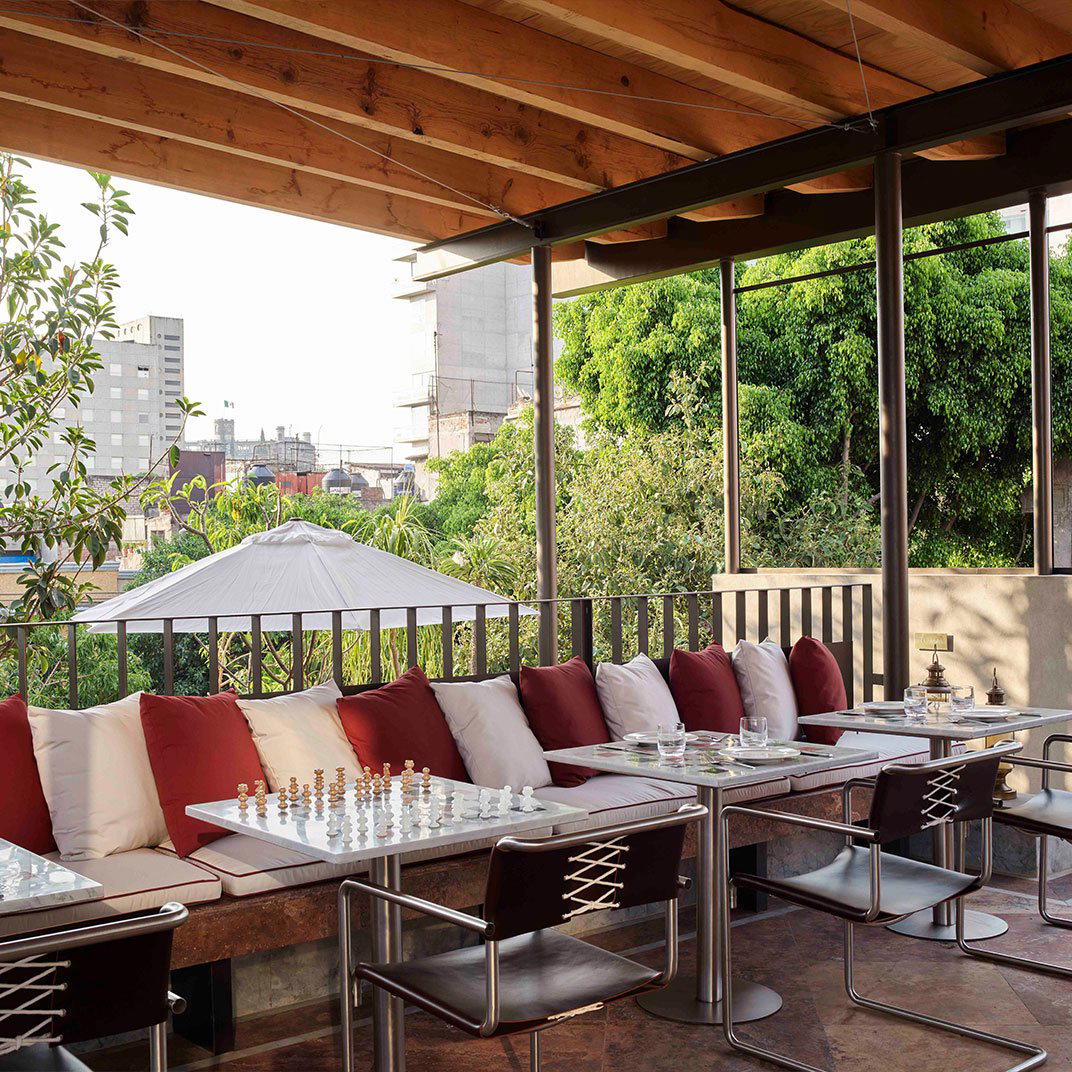
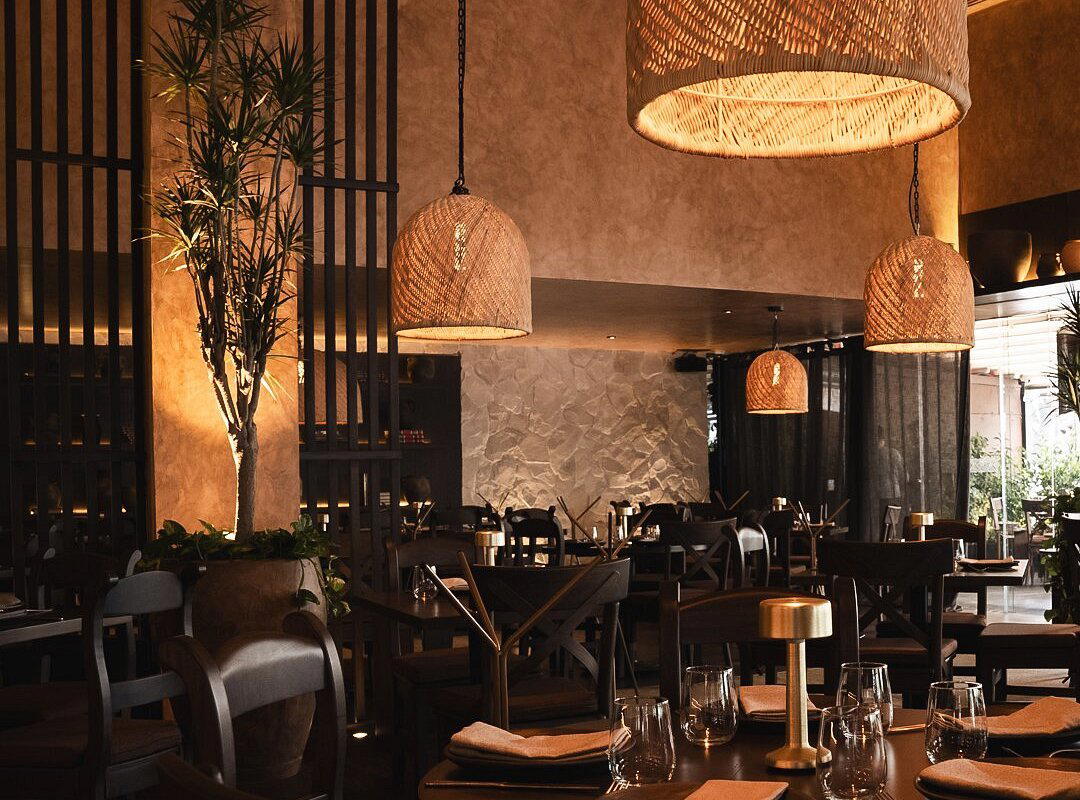
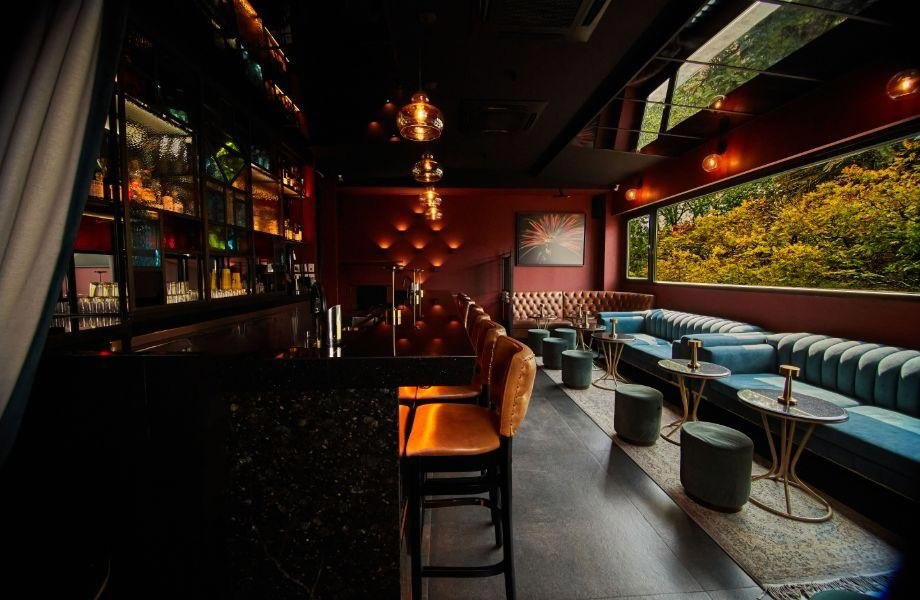
Bars in Mexico City
Browse all →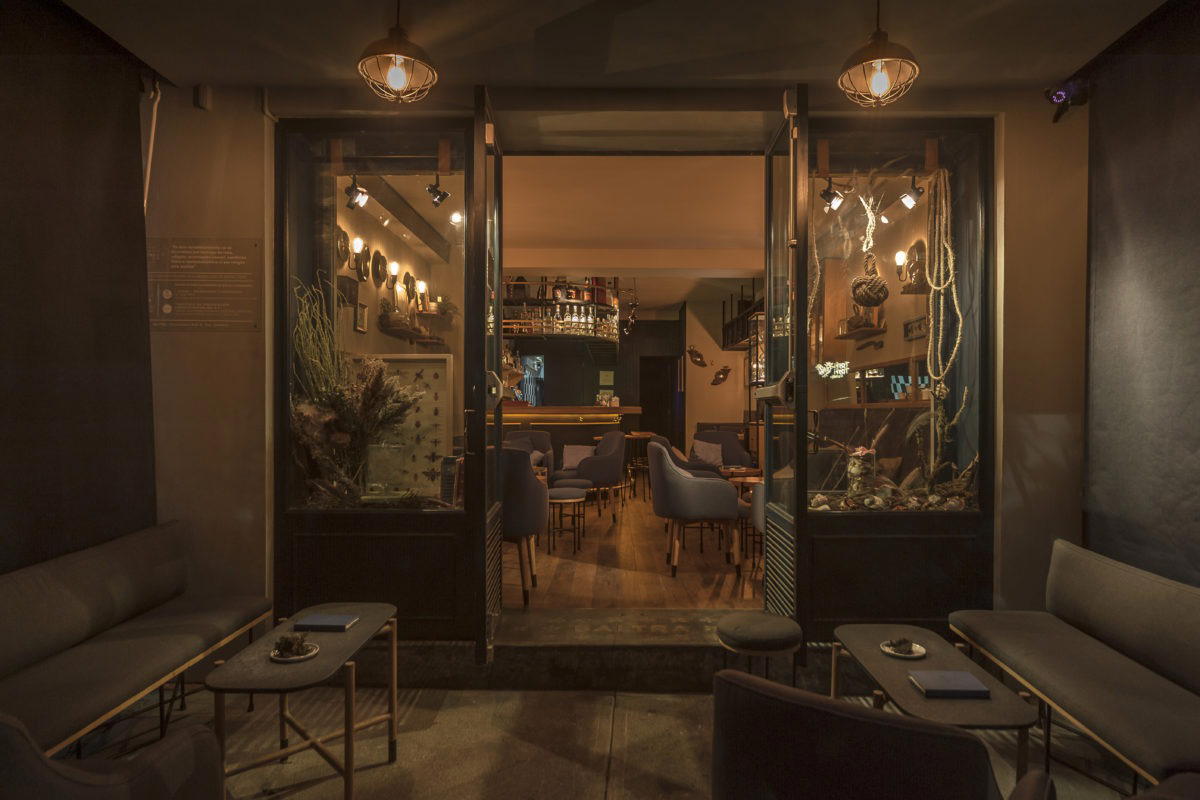

At a Glance
- Modern
- Elegant
- Sophisticated
- Minimalist
- Date Night
- Business Dinner
- Group Dining
- Open Kitchen
- Terrace
- Sake Program
- Craft Cocktails
Current opening hours
- Monday
- 1–11 PM
- Tuesday
- 1–11 PM
- Wednesday
- 1 PM–12 AM
- Thursday
- 1 PM–12 AM
- Friday
- 1 PM–12 AM
- Saturday
- 1 PM–12 AM
- Sunday
- 1–10 PM
Hours can change for holidays and private events. Last verified .
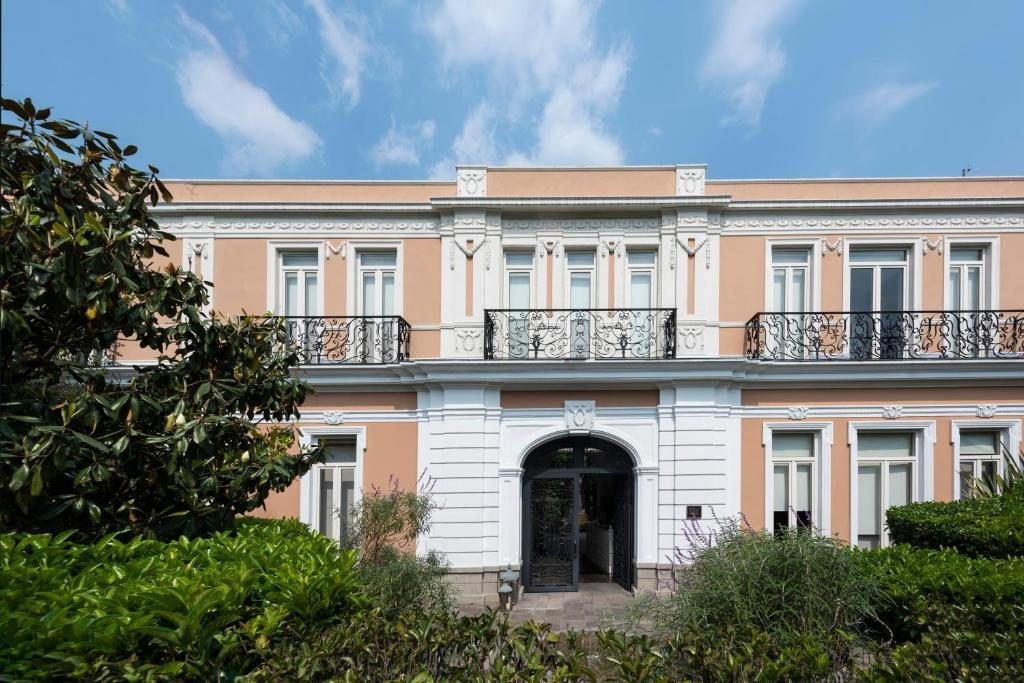
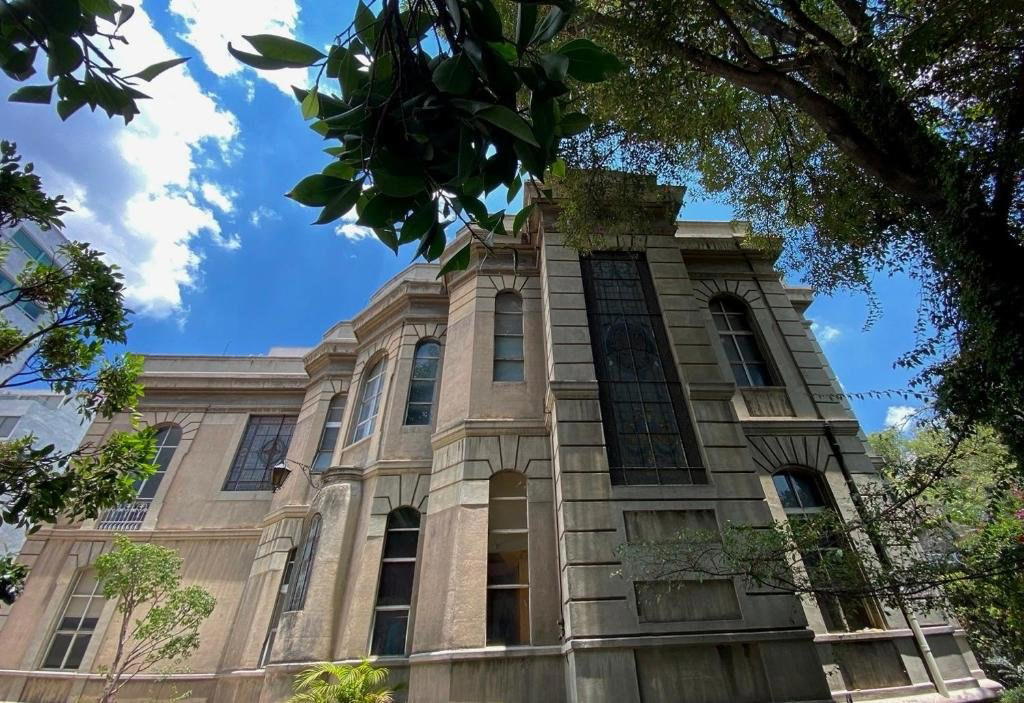
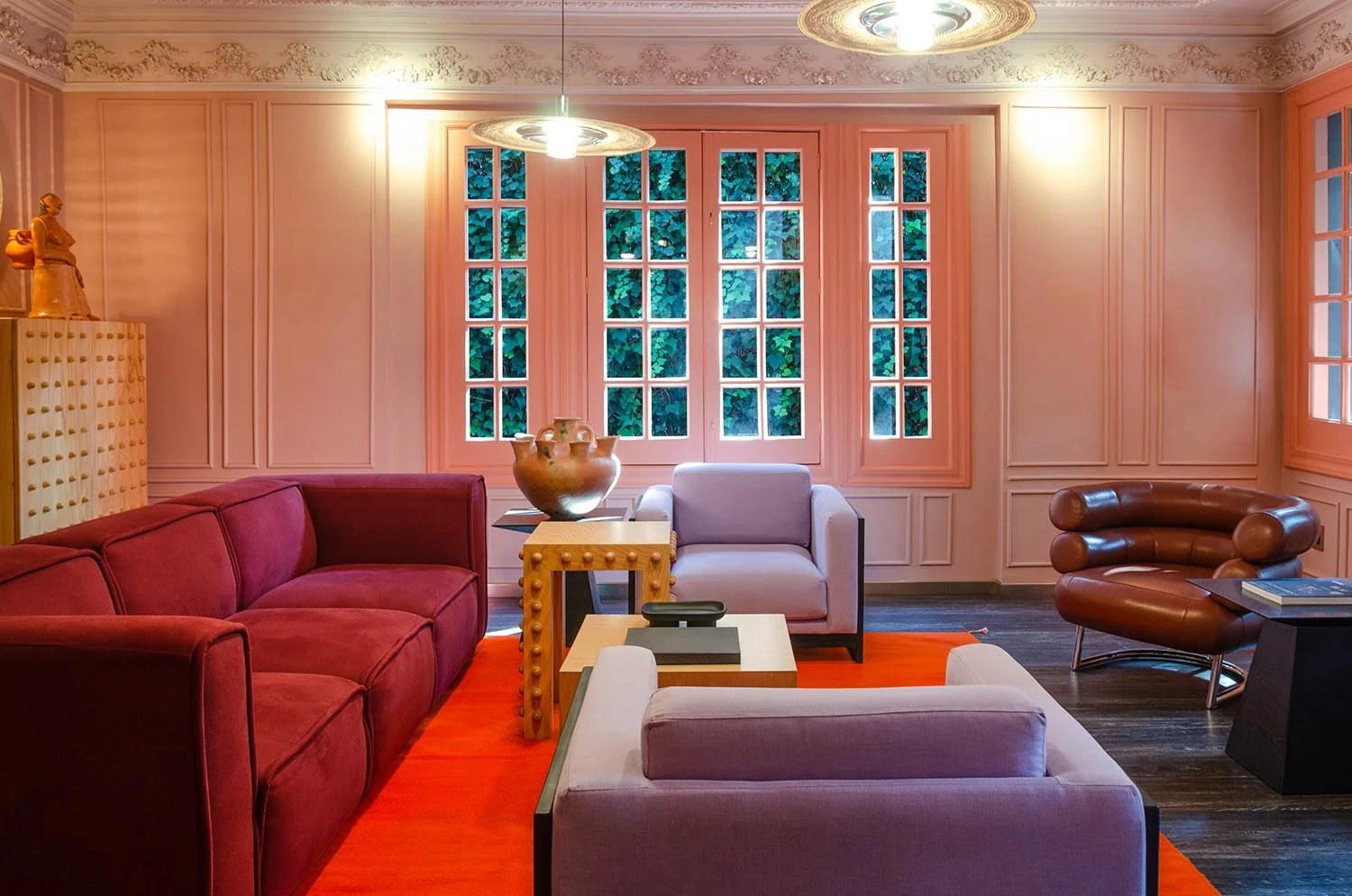
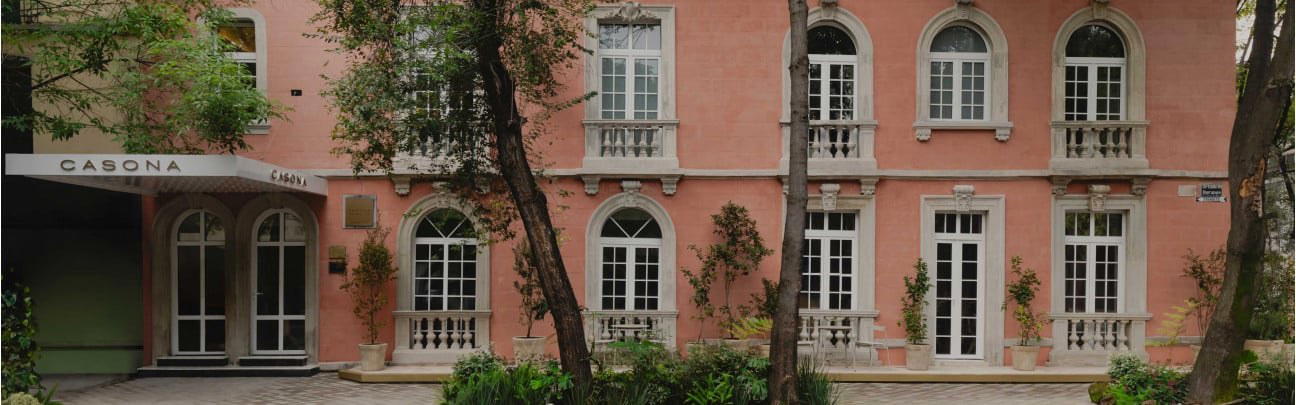
Modern and elegant with postmodern decor, minimalist architecture, liberal greenery, living walls, and a chic yet relaxed atmosphere.
Know Before You Go
- Getting there
- Av. Altavista 147, San Ángel Inn, Álvaro Obregón, 01060 Ciudad de México, CDMX, Mexico