Hiyoko
Our verdict
Hiyoko on Río Pánuco sits inside the Cuauhtémoc borough's quieter residential edge, where Mexico City's appetite for Japanese-influenced dining intersects with a neighbourhood dynamic that rewards repeat visitors. The format draws a loyal return crowd rather than first-time destination diners, placing it in a different register from the high-profile tasting-menu circuit operating a few kilometres south.

Pearl is the En Primeur Club membership app, where members save venues, book tables and use the concierge.

The menu
What to order
- Yakitori chicken skewers
- Chicken karaage
- Crispy chicken tail skewer
The Address and What It Signals
Río Pánuco 132 sits in the Cuauhtémoc borough, a district that contains some of Mexico City's most varied dining geography: the tourist-facing restaurants of Reforma, the design-industry crowd around Colonia Juárez, and quieter residential pockets where a place can build a regular clientele without the noise of a splashy launch. Hiyoko occupies the latter zone. In a city where the headline conversation defaults to Pujol and Quintonil, both operating at the $$$$ tier with reservation windows measured in weeks, a neighbourhood-anchored Japanese-inflected address like this one operates on a different logic entirely. The question is not whether it competes with those rooms; it does not try to. The question is what it offers the diner who already knows those rooms well and is looking for something that feels less like an occasion and more like a habit.
What the Regulars Already Know
In Mexico City's Japanese dining segment, loyalty is the real currency. The city has a longer history with Japanese cuisine than many outside observers recognise: a significant Japanese community arrived in Mexico across the twentieth century, and that presence shaped local interpretations of the cuisine in ways that diverge meaningfully from the Tokyo-franchise model now common in Latin American capitals. Restaurants that tap into that local fluency, rather than importing a concept wholesale, tend to develop the kind of clientele that returns fortnightly rather than annually.
That is the register Hiyoko appears to occupy. A place that draws regulars is a place where the menu is only part of what people return for. The rhythm of a familiar room, a counter seat held without asking, the sense that the kitchen knows what you will and will not eat: these are the accumulating reasons that loyal diners cite in cities from Tokyo to New York. Mexico City has its own version of this dynamic, concentrated in mid-scale spots that sit between the $$ neighbourhood staple tier, exemplified by addresses like Rosetta, and the full high-end tasting experience represented by Em. Hiyoko sits somewhere in that middle band, where the format is defined less by price than by the quality of the ongoing relationship between kitchen and guest.
Japanese Dining in a Mexican Context
The broader trajectory of Japanese food in Mexico City is worth understanding before you book. The city is not trying to replicate Ginza's omakase culture, though a handful of counters have moved in that direction. What Mexico City has developed over decades is a hybrid fluency: soy, citrus, and raw fish preparations absorbed into a local palate that also understands acid, heat, and the particular brightness that comes from Mexican produce. This is not fusion in the reductive sense. It is what happens when a cuisine takes root in a place long enough to adapt without losing its structural logic.
Globally, the restaurant categories drawing the most sustained critical attention are those that hold this kind of dual literacy, places in Tokyo like fine-dining rooms anchored in classical technique but grounded in a local ingredient reality. Mexico City's leading Japanese addresses are beginning to attract that same kind of scrutiny. The country's broader dining ambition is visible across regions: from Le Chique in Puerto Morelos to Animalón in Valle de Guadalupe, and from KOLI in Monterrey to Levadura de Olla in Oaxaca. Hiyoko is part of that national picture, even if it operates at a quieter frequency than the names that dominate the conversation.
The Geometry of the Room
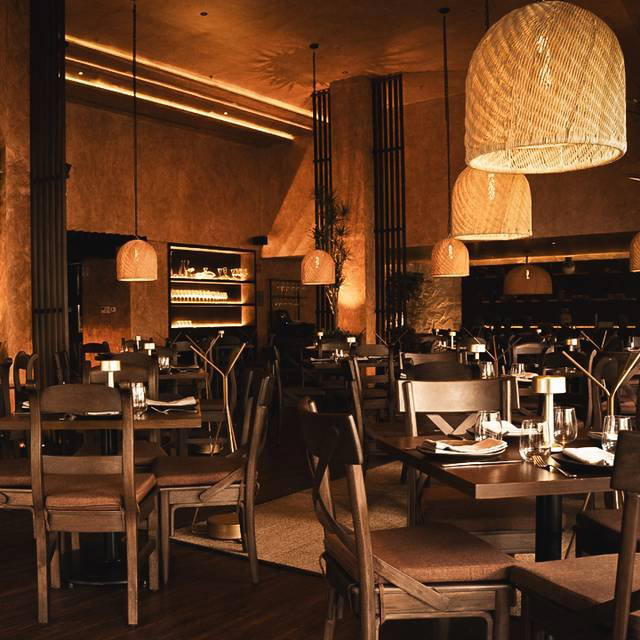
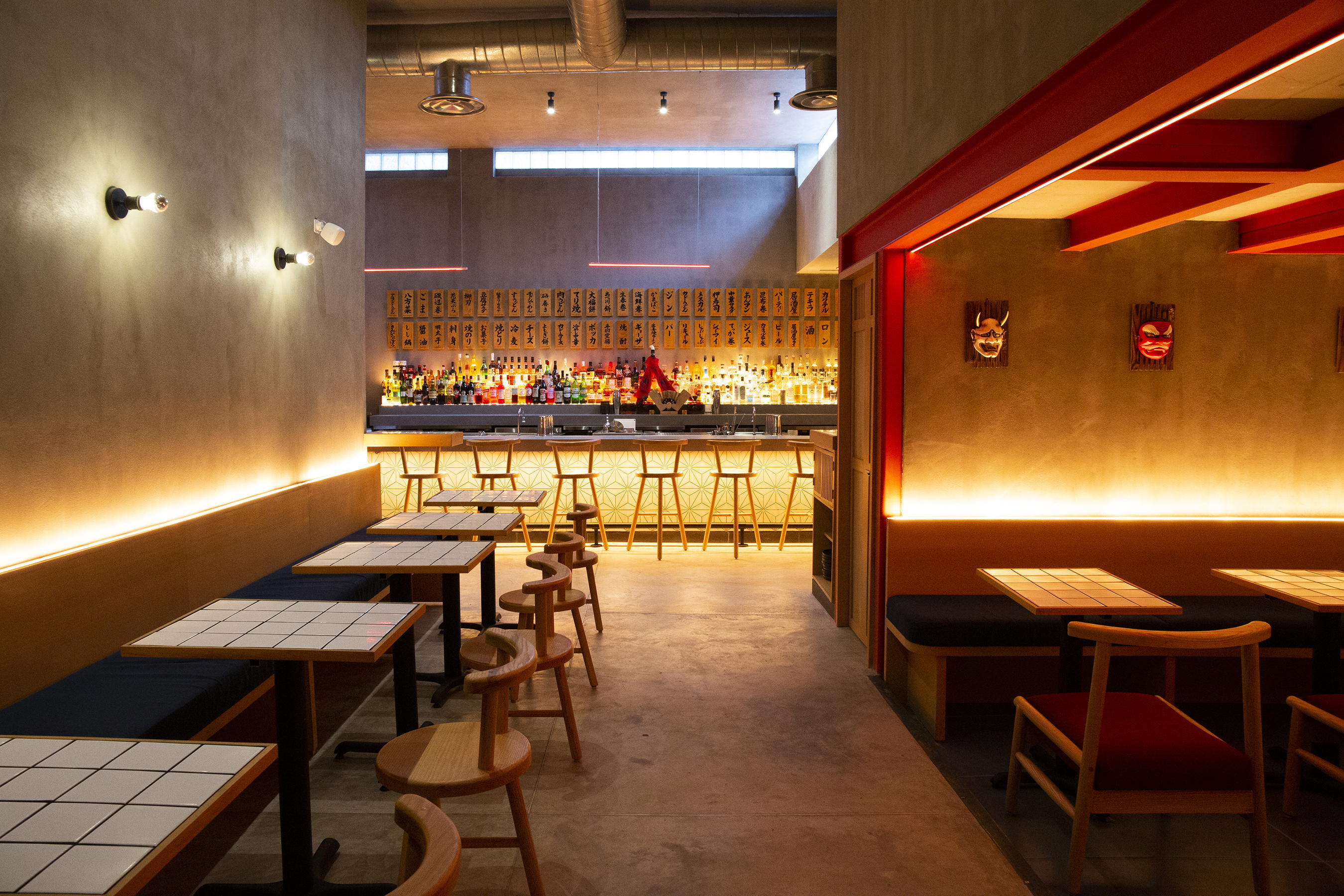
Japanese restaurant formats in Mexico City range from fast-casual to counter-only omakase. The mid-tier addresses, the ones regulars favour, tend toward compact rooms where the sight lines between kitchen and table are short and the service style reflects that proximity. There is no definitive data on Hiyoko's seat count in the public record, but the address and neighbourhood character suggest a format calibrated for intimacy rather than volume. This matters because it shapes the entire experience: in a small room, the kitchen's timing is legible, the atmosphere adjusts to the crowd in real time, and a returning guest is genuinely recognised rather than logged in a database.
For comparison, the $$$$ tier rooms like Sud 777 operate with more elaborate production infrastructure. Hiyoko's likely register is something less theatrical and more direct, closer to the kind of room where you would go after Sud 777, not instead of it.
Planning a Visit
The address, Río Pánuco 132, Cuauhtémoc, is walkable from the Sevilla metro station and accessible from the Reforma hotel corridor, making logistics uncomplicated for visitors staying in that part of the city. Mexico City's mid-range Japanese addresses do not always maintain active online booking systems, and walk-in policies vary by day and season. For context on the broader city dining scene, our full Mexico City restaurants guide maps the major tiers and neighbourhoods.
The practical approach is to communicate requirements at the time of reservation or on arrival; kitchens at this scale in Cuauhtémoc typically handle adjustments without the formality required at the larger tasting-menu operations.
Where This Fits in the City's Wider Picture
Mexico City's dining scene in 2024 and into 2025 has continued to stratify. At the leading end, the rooms with international profiles and multi-week reservation queues are well-documented. At the neighbourhood level, a parallel set of restaurants serves a local professional and creative class that eats out with high frequency and low tolerance for performance. Hiyoko appears to belong to the second category. Alongside addresses like Alcalde in Guadalajara, Pangea in San Pedro Garza García, Huniik in Mérida, HA' in Playa del Carmen, Olivea in Ensenada, and Lunario in El Porvenir, it is part of a national dining fabric that is doing its most interesting work below the festival-circuit level.
The diner who gets the most from Hiyoko is probably not the one ticking off a city's greatest hits in three days. It is the one who has already done that circuit and is now spending time in Cuauhtémoc for its own sake, eating at a place because the locals they respect eat there.
Frequently asked questions
What do people recommend at Hiyoko?
Given the restaurant's position in Mexico City's Japanese dining segment and its apparent regular-clientele dynamic, the more useful approach is to follow what the kitchen is emphasising on a given visit rather than arriving with a fixed order in mind. Regulars at this type of address tend to defer to the kitchen's current direction, which is where the most current and accurate guidance sits.
Is Hiyoko reservation-only?
In Mexico City's Cuauhtémoc borough, mid-scale Japanese restaurants operate across a range of booking models, from walk-in counters to advance-reservation formats. Contacting the restaurant directly ahead of your visit is the safest approach, particularly on weekend evenings when demand across the neighbourhood's dining corridor increases noticeably.
What is the defining idea at Hiyoko?
Without verified menu or concept documentation, a precise answer is not possible here. What is evident from the restaurant's address, neighbourhood, and the character of mid-scale Japanese dining in Mexico City more broadly is that the defining register is likely one of repetition and refinement rather than spectacle: a place where the cuisine rewards familiarity more than novelty. That orientation tends to be more sustainable over time than a concept built around a single signature moment.
How does Hiyoko handle allergies?
No formal allergy policy is documented for Hiyoko in the public record. The standard practice at this scale of restaurant in Mexico City is direct communication, either at the time of booking or on arrival, rather than a structured pre-visit protocol. Kitchens in the Cuauhtémoc neighbourhood's mid-range tier are generally responsive to dietary requirements, but confirming specifics in advance is advisable for serious intolerances or medical dietary restrictions.
Is a meal at Hiyoko worth the investment?
What the restaurant's positioning suggests is a mid-tier investment relative to Mexico City's full dining range: above the casual neighbourhood counter, below the multi-course tasting menus at the $$$$ tier. At that level, value at a regulars' restaurant is measured as much by the quality of the return experience as by the initial meal, which means the first visit is rarely the one that answers the question definitively.
How does Hiyoko compare to Mexico City's other Japanese-influenced restaurants?
Mexico City's Japanese dining segment spans a wider range than most visitors expect, from high-volume Nikkei-style operations in Polanco to quieter specialist addresses in Cuauhtémoc and Roma. Hiyoko's position on Río Pánuco places it in the latter category, where the competitive set is defined by neighbourhood loyalty rather than destination traffic. For diners already familiar with the city's headline modern Mexican addresses, including those recognised on international award lists, Hiyoko offers a different frequency: smaller in profile, more reliant on accumulated trust, and likely more representative of how the city's informed local diners actually eat on a regular basis.
Comparable Venues
Comparable venues nearby, for context on price, style, and recognition.
| Venue | Cuisine | Price | Notes |
|---|---|---|---|
| HiyokoThis venue (the venue you are viewing) | Japanese Yakitori with Mexican Fusion | $50–100 | Not listed |
| UNI by Batta Sushi | Authentic Japanese Sushi | $30–50 | Polanco Chapultepec |
| Tori Tori Polanco | Modern Japanese Sushi | $50–100 | Polanco Chapultepec |
| Narú | Mexican-Japanese Fusion | $30–50 | Bosques de Las Lomas |
| Deigo | Traditional Japanese | $50–100 | Benito Juarez |
| Ichikani Arcos | Modern Japanese with Hand Rolls | $30–50 | Cooperativa Palo Alto |
Continue exploring
More in Mexico City
Restaurants in Mexico City
All restaurants in Mexico City →
Details
- Intimate
- Quiet
- Cozy
- Elegant
- Date Night
- Special Occasion
- Solo
- Chefs Counter
- Open Kitchen
- Sake Program
- Natural Wine
- Local Sourcing
- Counter Dining
- Omakase
- A La Carte
- Sake
- Wine
- Vegan Options
Current opening hours
- Monday
- 6:30 PM–1 AM
- Tuesday
- 6:30 PM–1 AM
- Wednesday
- 6:30 PM–1 AM
- Thursday
- 6:30 PM–1 AM
- Friday
- 6:30 PM–1 AM
- Saturday
- 6:30 PM–1 AM
- Sunday
- Closed
Hours can change for holidays and private events. Hours as of .
Intimate counter-style setting with open kitchen where diners watch chefs prepare yakitori over charcoal, creating a quiet and friendly atmosphere conducive to conversation and culinary appreciation.