
Tabelog 100 #66
Our verdict
Menya Takakura Nijou puts Kyoto ramen in its compact, counter-led form: tsukemen and ramen in Nakagyo, with recognition on Tabelog’s Ramen WEST “Tabelog 100” from 2019 through 2025. The appeal is not ceremony but compression: a small room, a short-format meal, and a style of eating that sits apart from Kyoto’s kaiseki image.

Pearl is the En Primeur Club membership app, where members save venues, book tables and use the concierge.
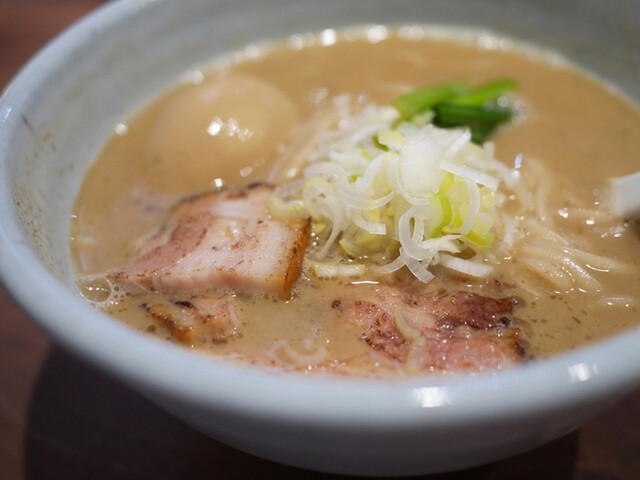
The menu
What to order
- Tsukemen (dipping noodles)
- Curry tsukemen
- Pork ramen
Approaching a Kyoto ramen counter changes the scale of the city. The temple-map version of Kyoto deals in courtyards, gardens, and seasonal formality; the noodle-shop version contracts into steam, ordering decisions, counter rhythm, and the quiet choreography of diners who know that a bowl is not a long conversation. Menya Takakura Nijou belongs to that second Kyoto, the one that rewards precision over display.
Ramen in Kyoto has always had to compete with a louder culinary mythology. Visitors arrive primed for kaiseki, tofu, wagashi, matcha, and old merchant houses, yet the city’s everyday eating culture is broader and less ceremonial. Noodles carry that daily life well: fast enough for lunch, serious enough for repeat comparison, and local enough to expose how a city eats when nobody is performing tradition for outsiders.
Kyoto ramen, stripped to counter scale
The useful way to read this place is through format. A focused ramen shop operates by turnover, concentration, and proximity. There is no private-room theatre, no long tasting arc, no sommelier-led pacing. The room asks for the opposite skill set from the diner: decide, sit, eat attentively, leave cleanly. That is not a lesser form of hospitality; in Japan’s noodle culture, it is part of the contract.
The menu identity sits in the ramen and tsukemen category, which matters in Kyoto. Tsukemen changes the tempo of a noodle meal: broth and noodles are separated, the diner controls contact, and texture becomes harder to ignore. In a city often framed by delicacy, this format gives weight to chew, heat, and concentration without turning the meal into an event. Menya Takakura Nijou’s 2025 inclusion in Tabelog’s Hyakumeiten recognition places it inside a competitive conversation rather than merely a convenience stop.
That recognition is useful because ramen rankings can be noisy. Kyoto has destination counters, student haunts, late-night bowls, and shops built around narrow obsessions. A score of 3.72 on Tabelog indicates a shop that has held attention beyond casual passing trade. The more interesting point is cultural: in Kyoto, a modestly priced ramen counter can command the same seriousness of choice as a formal reservation, because local dining hierarchy is not governed only by linen, length, or spend.
The city's informal food culture sits beside its formal one
Kyoto dining is often split in travel planning between heritage meals and casual eating, but that split is too clean. The city’s casual forms have their own codes. Sweets, snacks, curry, izakaya cooking, contemporary rooms, and ramen counters all occupy different layers of the same urban appetite. A noodle stop in Kyoto can sit on the same day’s itinerary as temple sweets or a polished dinner because Kyoto rewards contrast more than a single-minded pursuit of refinement.
For readers mapping that broader field, Our full Kyoto restaurants guide is the better frame than a ramen-only checklist. The surrounding dining mix stretches from casual Japanese staples and old snack traditions to more contemporary dining rooms. The comparison is not about ranking bowls against other formats; it is about understanding why Kyoto’s serious meals are not confined to formal dining rooms.
The supplied comparison set makes the same point from another angle. La pleine lune, Zucchero, Tsuroku, Tsuneya Densuke, and ava show that Kyoto dining can be read through several different moods and levels of ceremony. A ramen counter such as this occupies its own axis: lower ceremony, faster pacing, and a narrower product focus. That distinction helps travelers plan meals by function rather than reputation alone.
How to place it in a Kyoto day
The practical case is strongest when the meal is treated as a focused stop, not the anchor for a whole evening. Kyoto is compact enough in dining terms to pair a noodle counter with galleries, shopping, hotel check-ins, and cross-city transit. The point is not to overbuild the plan around a single bowl, but to fold it into the day with enough timing flexibility. The experience depends on rhythm and patience more than lingering comfort.
Visitors building a fuller trip should separate categories cleanly. Hotels set the pace of a Kyoto stay, so Our full Kyoto hotels guide is the place to solve room decisions before food planning becomes overbuilt. Evening drinking belongs in a different register through Our full Kyoto bars guide, while production-led and cultural programming sit under Our full Kyoto wineries guide and Our full Kyoto experiences guide.
The wider Japan and Japanese-food network also shows how specific this Kyoto stop is. Across Japan and beyond, diners can find many different expressions of Japanese eating, from specialist counters and casual shops to café culture, regional cooking, curry, sake-bar dining, and onigiri shops. Menya Takakura Nijou’s value is narrower and more Kyoto-specific: it shows how a city famous for ritual also respects the disciplined brevity of a noodle counter.
Frequently asked questions
What price level is Menya Takakura Nijou?
Pricing at Menya Takakura Nijou is listed as - JPY 999 - JPY 999.
What's the address for Menya Takakura Nijou?
Kyoto.
How hard is it to get a table at Menya Takakura Nijou?
Access depends on timing and turnover. The 2025 Tabelog Hyakumeiten recognition adds another layer of demand, especially around lunch and dinner service in Kyoto.
What is Menya Takakura Nijou known for?
Menya Takakura Nijou is known for ramen and tsukemen in Kyoto.
Price Lens
Comparable venues by category and price.
| Venue | Cuisine | Price | Awards | Notes |
|---|---|---|---|---|
| Menya Takakura NijouThis venue (the venue you are viewing) | Kyoto ramen and tsukemen shop | $10–20 | Tabelog 100 #66 | Not listed |
| Gyoza Hohei Gion honten | Gyoza specialty shop | $10–20 | Tabelog 100 #38 | Higashiyama, Gyoza specialty shop |
| Men Dokoro Toritani | Kyoto chicken ramen | $10–20 | Tabelog 100 #31 | Ukyō, Kyoto chicken ramen |
| GOKKEI Ichijouji honten | Ultra-rich chicken paitan ramen | $10–20 | Tabelog 100 #79 | Sakyō, Ultra-rich chicken paitan ramen |
| Chez Hagata | Matcha-focused Japanese patisserie | Not listed | Tabelog 100 #68 | Uji, Matcha-focused Japanese patisserie |
| 京ゆば工房 | Kyoto Yuba Workshop | $1–10 | Not listed | Higashiyama, Kyoto Yuba Workshop |
Recognition history
Dated appearances from independent guides and award organizations, with the underlying list record or original source where available.
Tabelog 100 #66 · No. 66
Tabelog · Tabelog 100 - Ramen - WEST - 2025
Continue exploring
More in Kyoto
Restaurants in Kyoto
All restaurants in Kyoto →
Bars in Kyoto
All bars in Kyoto →
Hotels in Kyoto
All hotels in Kyoto →
Wineries in Kyoto
Browse all →
Details
- Cozy
- Classic
- Solo
- Casual Hangout
- Late Night
- Standalone
- A La Carte
- Counter Dining
A simple, no-fuss counter ramen joint with a classic, slightly hidden feel; compact and bustling at meal times, focused on the bowl rather than decor or theatrics.