
Omi Niku Sennaritei Kyara gives Hikone’s Omi beef tradition a formal but accessible setting, with sukiyaki, Japanese cooking and izakaya-adjacent drinking culture sharing the same table. Its Tabelog 100 - Hot Pot - 2024 selection places it in a national conversation around beef hot pot rather than simply castle-town dining.
Pearl is the En Primeur Club membership app — saves, bookings, and concierge access live there. Same editors, same standards.
- Address
- 2 Chome-1-7 Honmachi, Hikone, Shiga 522-0064, Japan
- Phone
- +81 749-21-2789
- Website
- kyara.sennaritei.jp
- Directions
- Get directions
 Saves & bookings on Pearl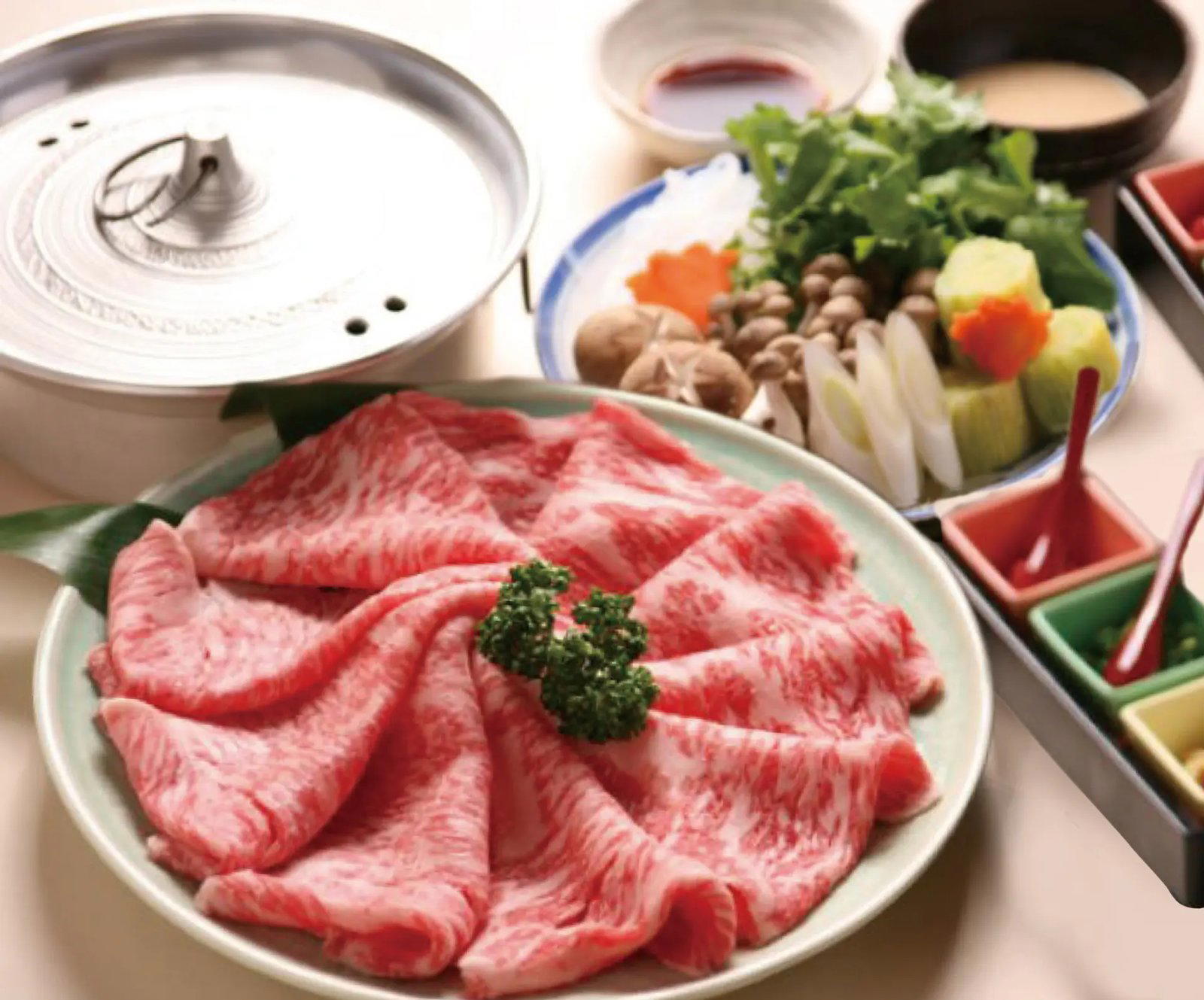
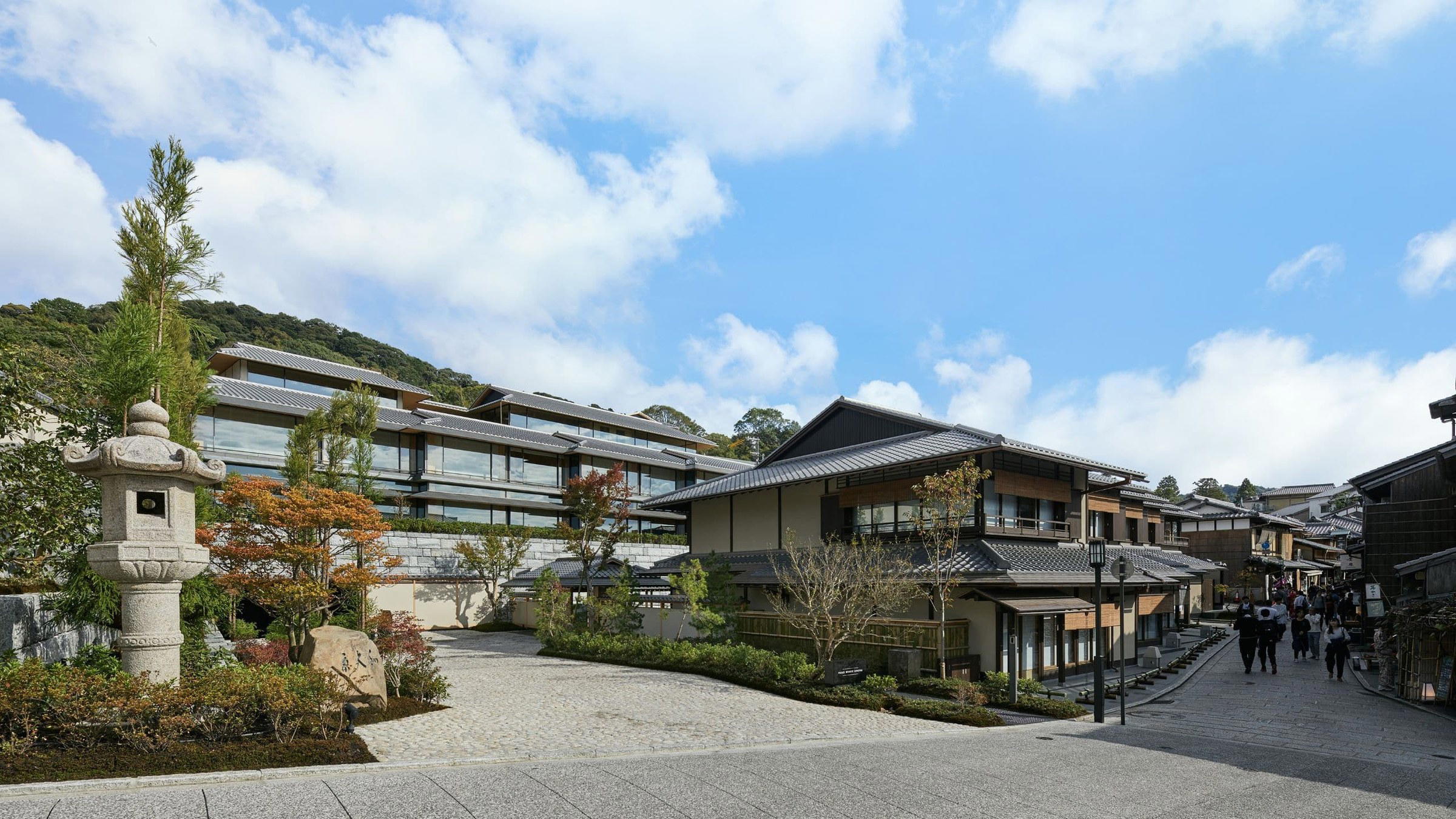
Honmachi’s old-town streets put beef in its proper Hikone context: not as spectacle, but as local infrastructure. Around the castle district, the rhythm is slower than Kyoto or Osaka, and dining leans toward regional producers, family groups and rooms built for longer meals. Omi beef carries particular weight here because Shiga’s cattle culture is tied to Lake Biwa, old transport routes and a local appetite for sukiyaki that treats fat, broth and rice as a measured sequence rather than excess.
Omi Niku Sennaritei Kyara belongs to that tradition. Its recognition in Tabelog 100 - Hot Pot - 2024 matters because hot pot in Japan is a crowded field, ranging from everyday nabe shops to luxury beef rooms. A place in that list signals more than popularity; it puts Hikone’s Omi beef cooking beside nationally visible sukiyaki and shabu-shabu specialists. The restaurant’s Tabelog score of 3.59 adds a useful calibration point: this is not Tokyo counter theatre, but a regional beef address with enough consistency to register beyond local loyalty.
Omi beef is the organising principle, not a menu flourish
Japan’s premium beef map is often flattened into a few famous names, but Omi beef has an older claim than many travellers realise. In Shiga, the ingredient is not imported prestige; it is the local grammar. Sukiyaki, Japanese cuisine and izakaya-style drinking all appear within the format here, which makes sense for Hikone. The city is not built around tasting-menu minimalism. It is better at generous set pieces: beef cooked at the table, rice close by, sake or shochu in the background, private rooms for groups that want time rather than turnover.
The sourcing angle is the central reason to come. The Sennaritei group connection and its public emphasis on Omi beef purchasing place the restaurant inside a supply-led model, where the name on the beef matters as much as the seasoning. That changes the reader’s expectations. In a destination beef restaurant, technique is not only about novelty; it is about preserving the identity of the cattle through a familiar format. Sukiyaki’s sweet soy base can overwhelm lesser meat. With Omi beef, the point is balance: richness carried by broth, egg, vegetables and rice rather than buried under elaborate plating.
This is also why the hot pot award is the relevant trust signal. A sushi counter can be judged through knife work, rice temperature and pacing. A beef hot pot room is judged through sourcing, cut selection, cooking control and the way a meal holds together for families, friends or business groups. Omi Niku Sennaritei Kyara sits in that lane, closer to regional beef culture than to chef-driven reinvention.
Hikone's dining scene rewards regional confidence over big-city performance
Hikone is compact enough that restaurant choices quickly reveal the city’s scale. A traveller can eat yakitori at Hinaijidori Hokkoriya, sweets at Ito Ju Kaho Honten, handmade soba at Juuwari Teuchi Soba Dokoro Dodomomo, or ramen at Ramen Nikkou and Menya Koyoken. Those addresses sketch a city of specific cravings rather than a single luxury strip. Within that spread, Omi beef occupies the higher-spend, sit-down end of the spectrum.
The comparison is useful because it prevents the wrong expectation. This is not the casual noodle or confectionery stop that fills a spare hour between trains. It is the meal to build around if the itinerary is already in Hikone, especially for travellers using the castle district as a cultural anchor. For broader planning, our full Hikone restaurants guide gives the dining spread, while our full Hikone hotels guide, our full Hikone bars guide, our full Hikone wineries guide and our full Hikone experiences guide help place the meal inside a fuller stay.
Seen nationally, beef sukiyaki travels well but behaves differently by region. A Kamakura comparison such as -Grilled beef Sukiyaki- KAMAKURA TANUKIAN 鎌倉 たぬき庵 in Kamakura points to how the category adapts outside Shiga. Tokyo and Osaka links such as. 鮪と炭火焼き うお炭 秋葉原店 in Tokyo and.cafe in Osaka sit in different urban dining patterns entirely. For travellers mapping Japanese food through regional contrast, even farther references such as.know in Kumamoto, (Shoku) Vietnam in Kawasaki, [Curry Senmon Ten] Maruyama Kyoju. in Sapporo, Jōdo Saké Bar in Los Angeles and Onigiri Time in Pasadena underline the same point: the sharper meal choice is the one that belongs to its place.
The room is built for groups, privacy and a slower beef meal
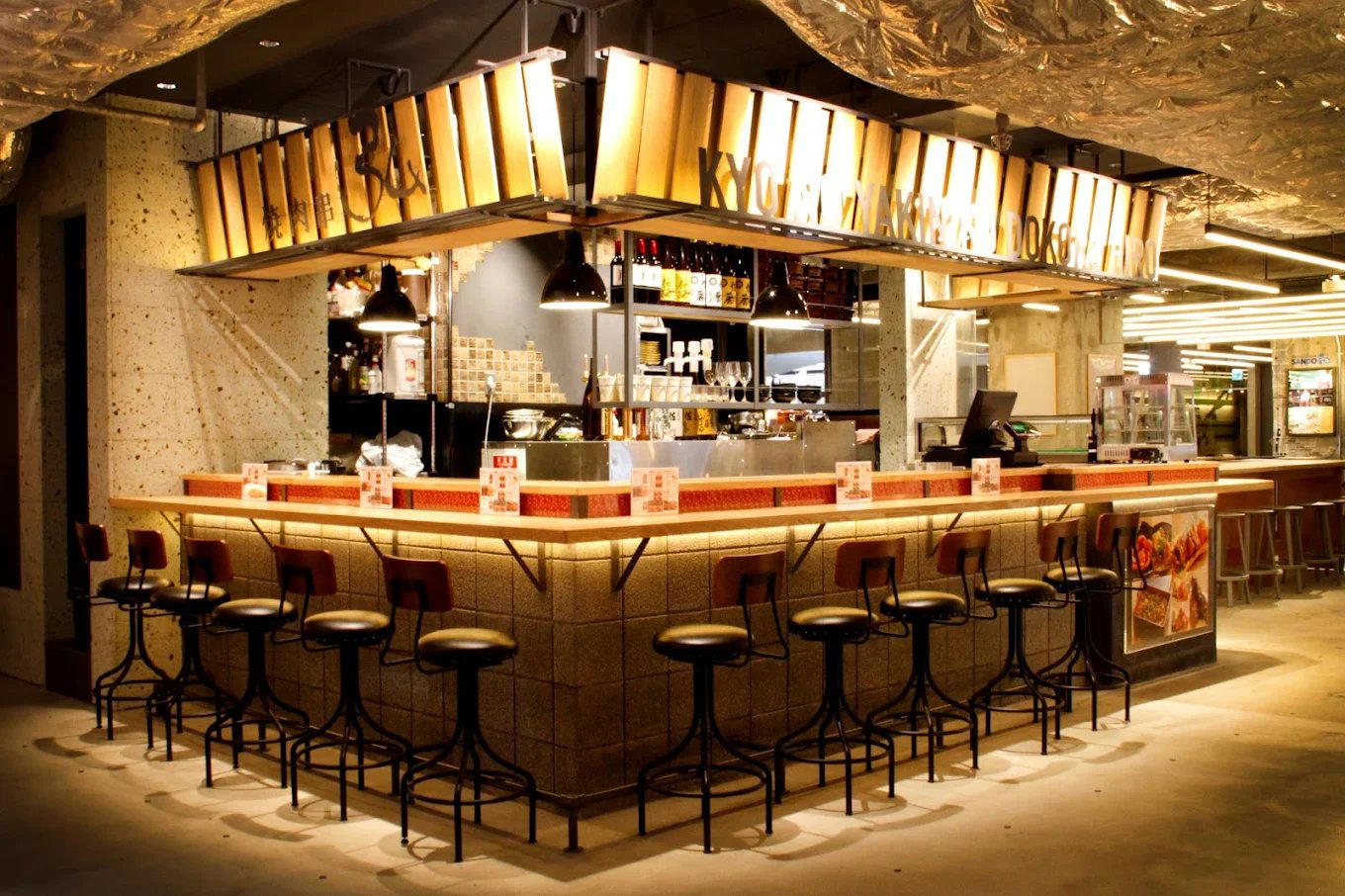
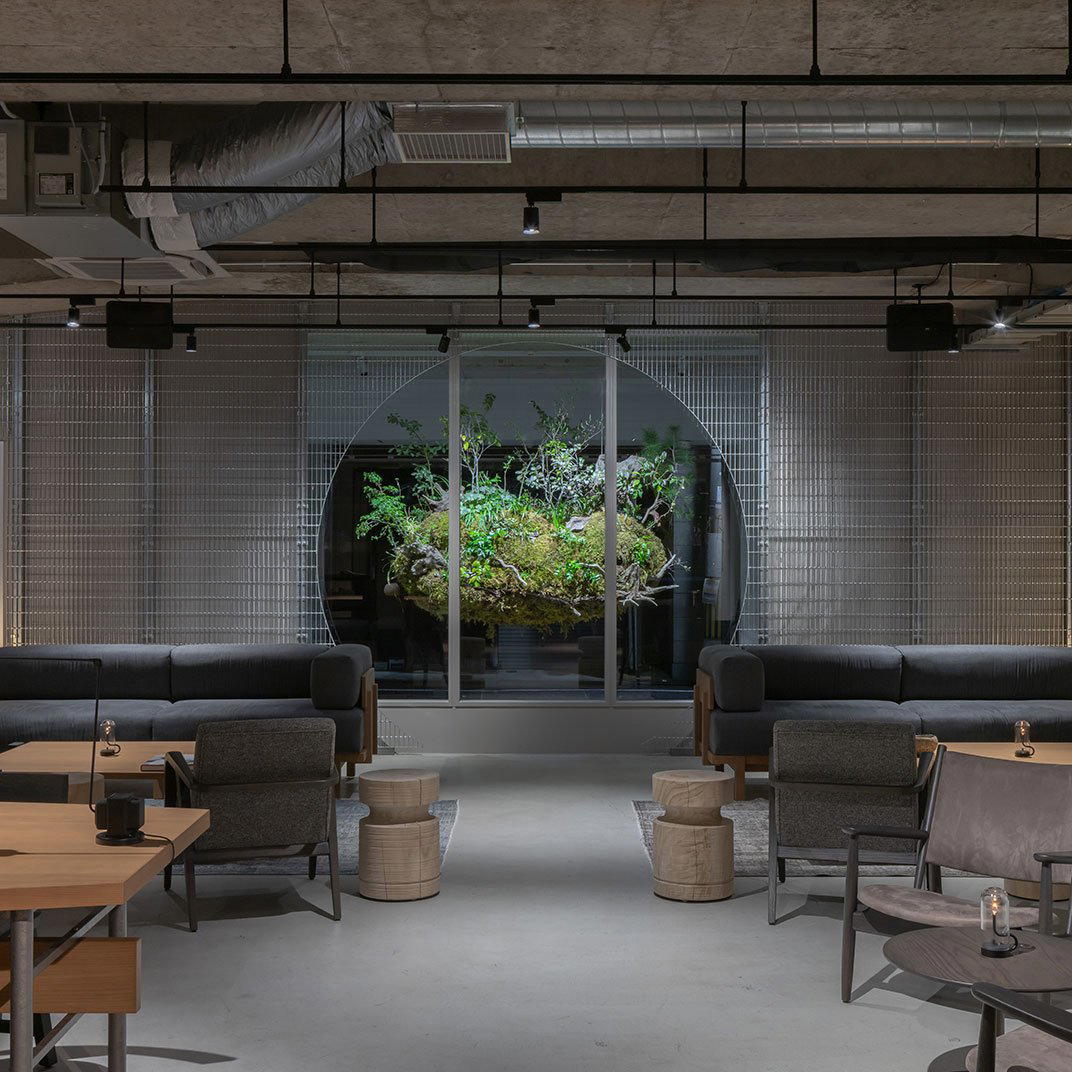
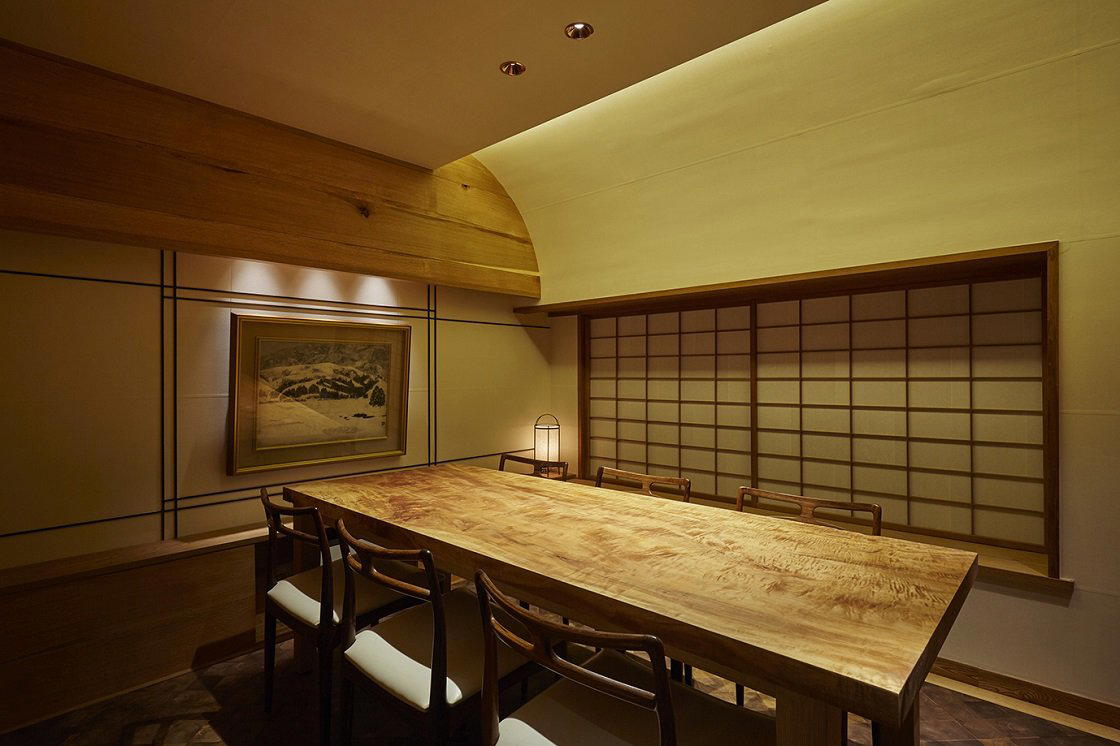
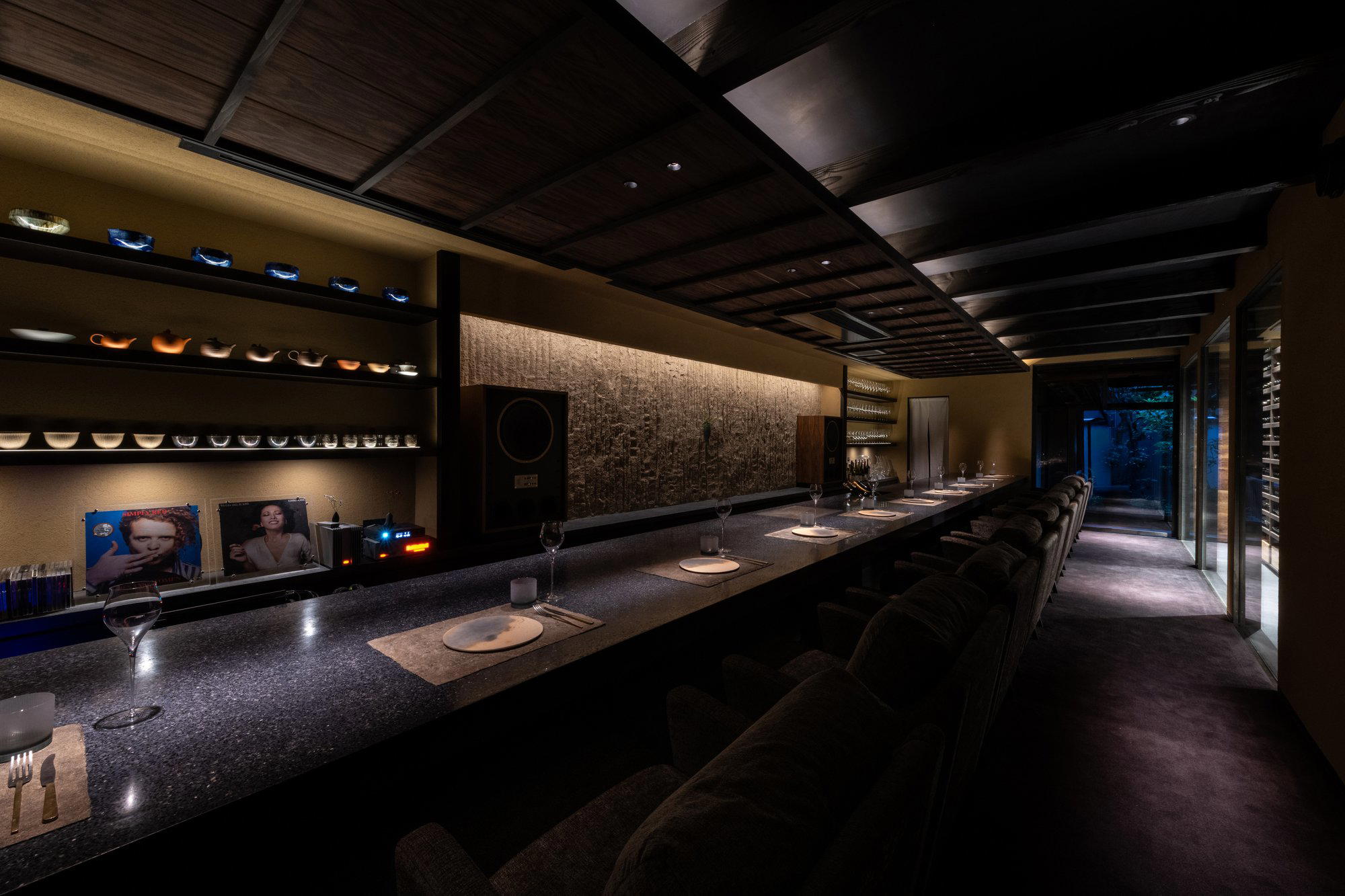
The format supports the ingredient. With 82 seats and private rooms available for parties from two through larger groups, the restaurant fits the social side of sukiyaki: shared cooking, conversation and pacing that does not collapse into a quick lunch counter rhythm. Tatami rooms, sunken seating and a non-smoking policy make it especially legible for mixed-age parties, including travellers with children, while multilingual menus in English, Traditional Chinese, Simplified Chinese and Korean reduce friction for visitors who do not read Japanese.
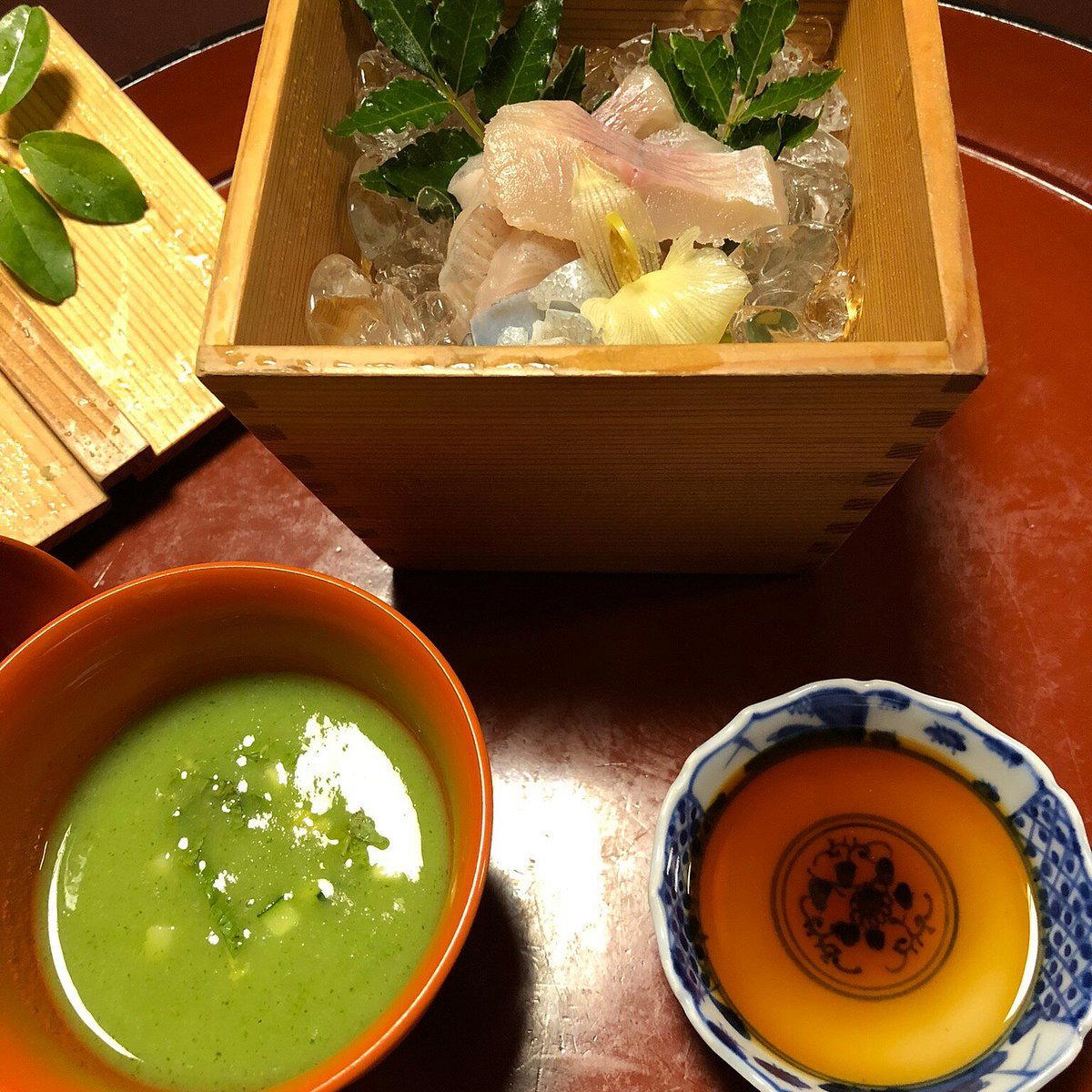
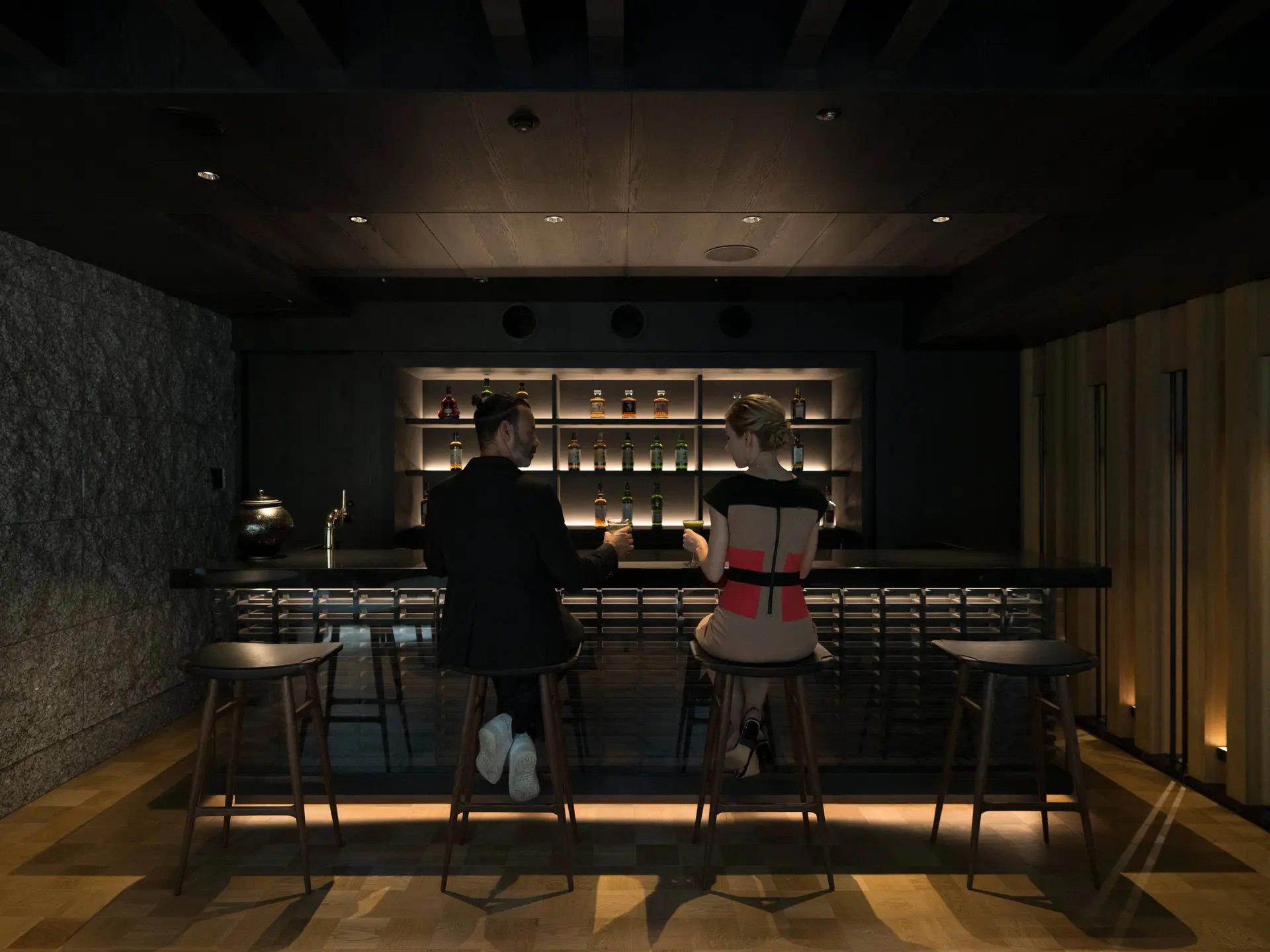
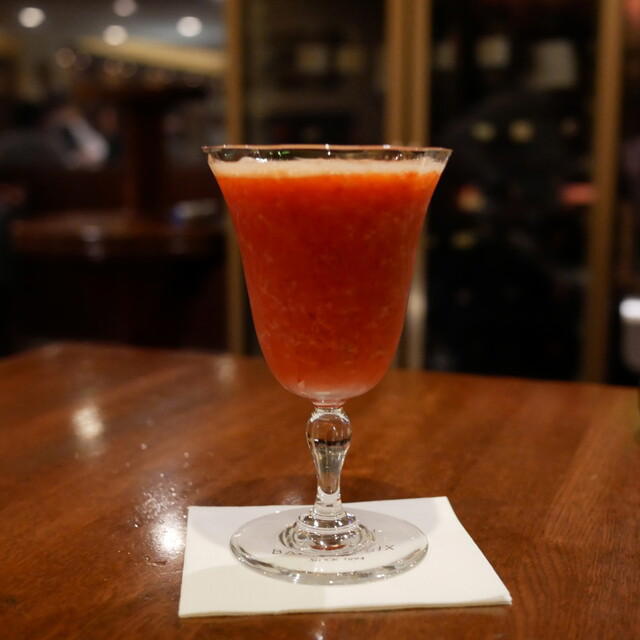
The drinks programme follows the expected Japanese beef-house logic: sake, shochu and wine are all listed, with a stated emphasis on sake. That range is practical rather than decorative. Sweet soy hot pot can take sake, grilled or richer beef preparations can move toward wine, and shochu keeps the meal lighter. The service structure also allows longer parties, which suits the category; beef hot pot loses some of its point when rushed.
Editorial call is clear: choose this for Omi beef in Hikone when the meal itself is the anchor, not when speed or novelty is the priority. The value lies in provenance, regional specificity and a recognised hot pot format, supported by the kind of room that lets a beef meal unfold at the pace it needs.
Fast Comparison
Comparable venues by cuisine and price in the same metro.
| Venue | Cuisine | Price | Notes |
|---|---|---|---|
| Omi Niku Sennaritei Kyara | Traditional Omi beef kaiseki & sukiyaki | $$$ | Yume Kyobashi Castle Road |
| ラーメン にっこう 本店 | Chicken Pottage Ramen | $ | 宇尾町 |
| Hinaijidori Hokkoriya | Japanese Chicken Specialty / Oyako-don | $$ | Yume Kyobashi Castle Road |
| Ito Ju Kaho Honten | Traditional Japanese Wagashi Shop | $ | Hikone |
| Ramen Nikkou | Japanese Ramen | $ | Uocho |
| Menya Koyoken | Traditional Japanese Ramen & Tsukemen | $ | Hikone |
Recognition history
Dated appearances from independent guides and award organizations, with the underlying list record or original source where available.
Tabelog 100 #17 · No. 17
Tabelog · Tabelog 100 - Hot Pot - 2024
At a Glance
- Classic
- Elegant
- Cozy
- Date Night
- Business Dinner
- Group Dining
- Family
- Private Dining
- Historic Building
- Standalone
- Local Sourcing
- Street Scene
Current opening hours
- Monday
- 11:30 AM–2:30 PM, 5–9:30 PM
- Tuesday
- Closed
- Wednesday
- 11:30 AM–2:30 PM, 5–9:30 PM
- Thursday
- 11:30 AM–2:30 PM, 5–9:30 PM
- Friday
- 11:30 AM–2:30 PM, 5–9:30 PM
- Saturday
- 11:30 AM–2:30 PM, 5–9:30 PM
- Sunday
- 11:30 AM–2:30 PM, 5–9:30 PM
Hours can change for holidays and private events. Last verified .
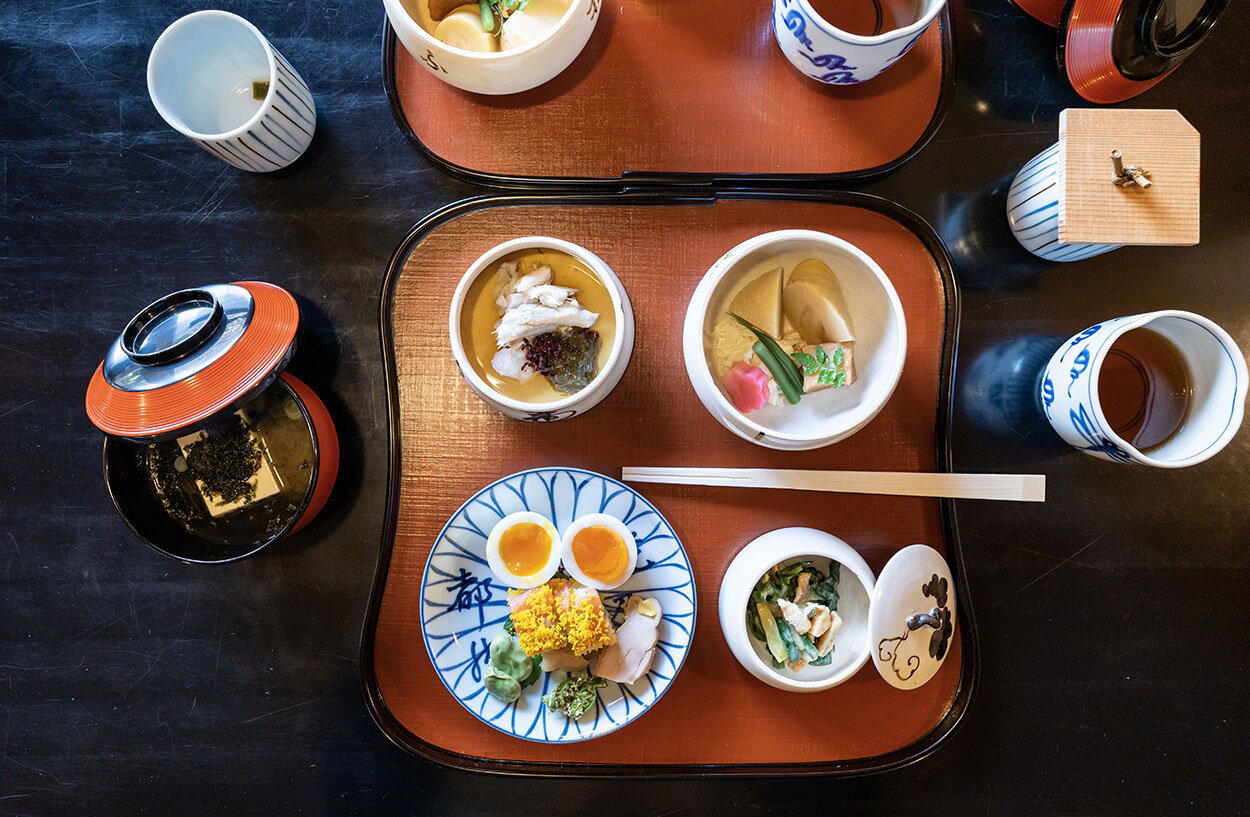
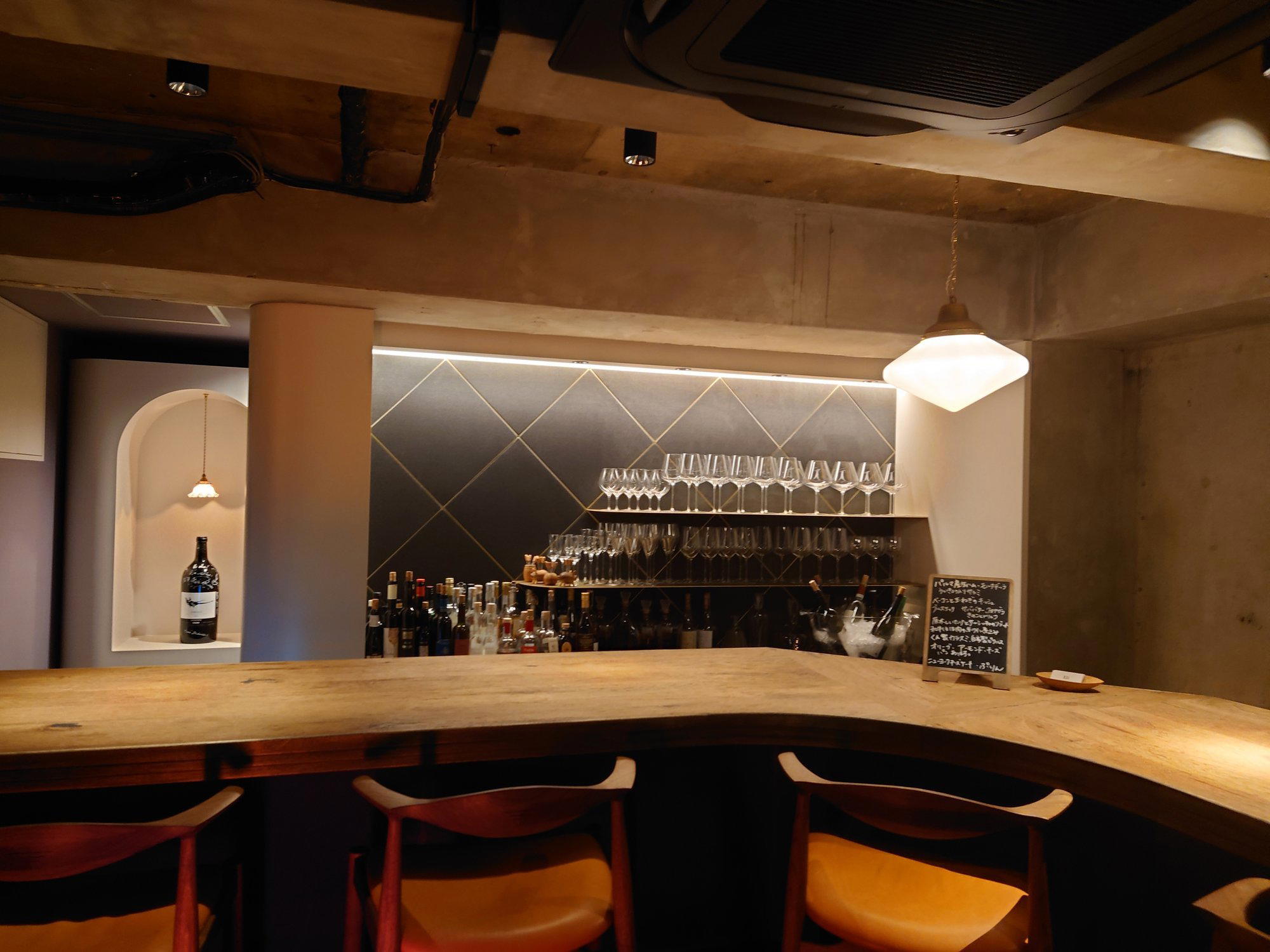
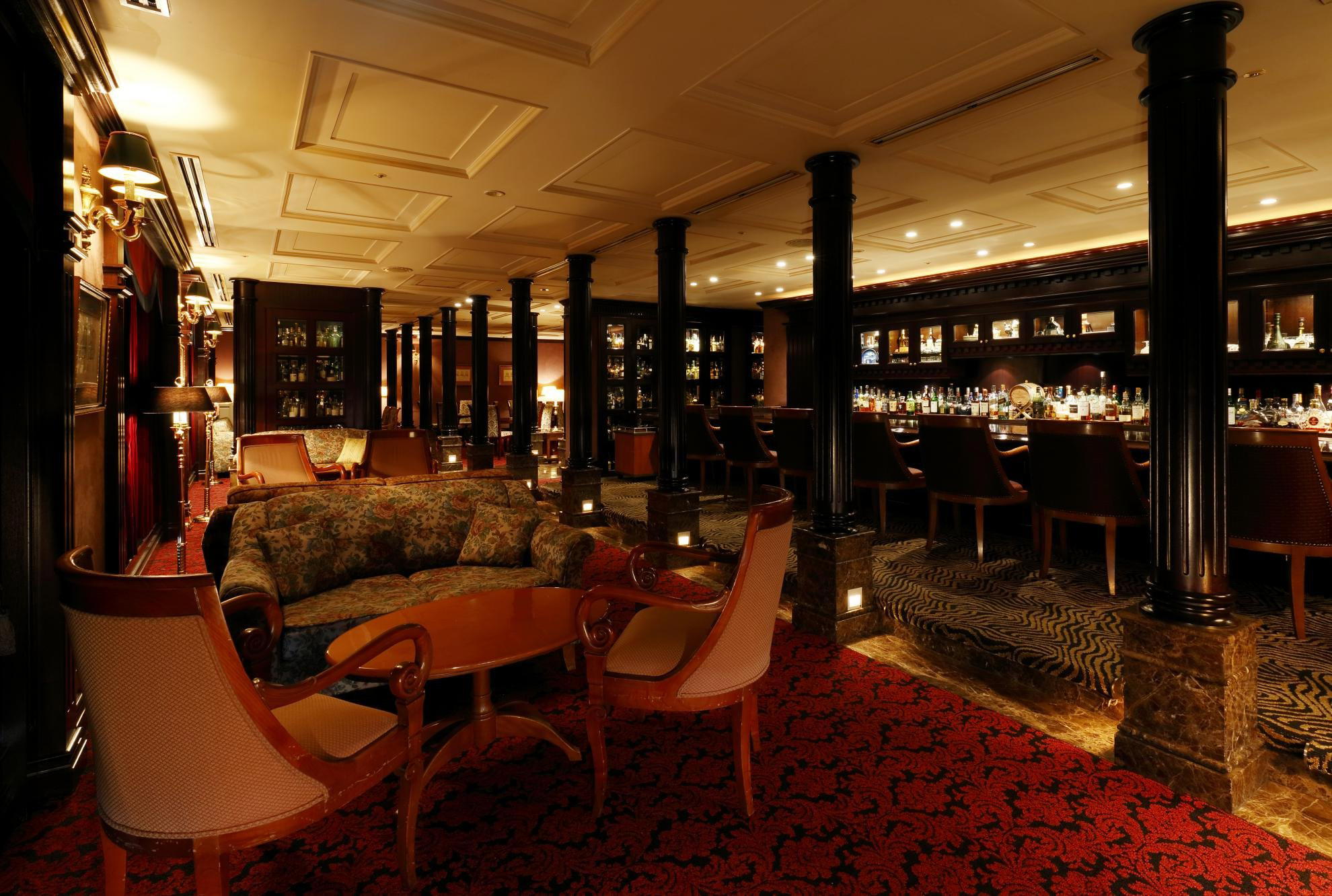
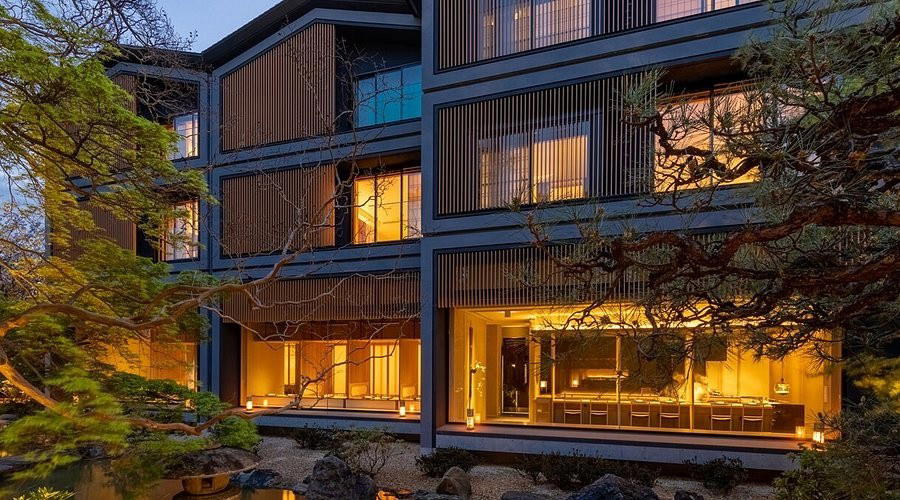
A classic, quietly elegant atmosphere in a renovated kura storehouse, combining warm, traditional Japanese interiors with an intimate, relaxed feel suitable for lingering multi-course Omi beef meals.