
Ramen Nikkou gives Hikone a serious ramen address without pushing the meal into luxury territory. Its Tabelog Ramen WEST 100 selection in 2025, low listed price band, and ramen-tsukemen focus make it a useful counterpoint to the city’s Omi beef restaurants, soba rooms, and confectionery stops.
Pearl is the En Primeur Club membership app — saves, bookings, and concierge access live there. Same editors, same standards.
- Address
- 1366-2 Uocho, Hikone, Shiga 522-0045, Japan
- Phone
- +81 749-28-2035
- Website
- la-men-nikkou.co.jp
- Directions
- Get directions
 Saves & bookings on Pearl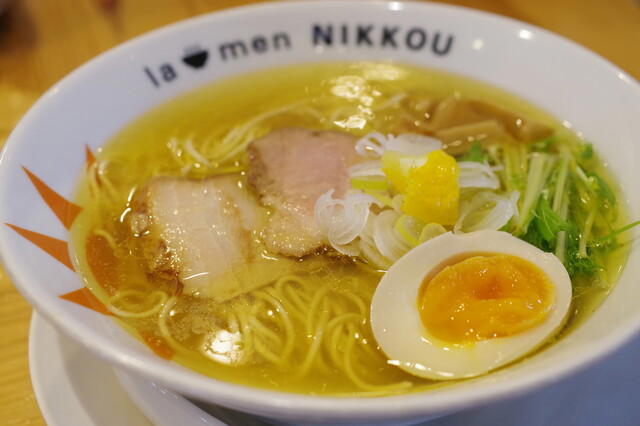
Regional Japanese ramen often says more than the bowl alone. Outside Osaka or Kyoto’s dense station-front grids, a serious noodle shop can feel less like a night-out destination than a local utility: counter seats, family tables, quick turnover, and a menu built on broth discipline, not ceremony. In Hikone, better known to many travellers for castle-town pacing, Omi beef, and Lake Biwa detours, that format matters because everyday dining still makes room for technique-led ramen at modest prices.
Ramen Nikkou fits that category. Its 2025 selection for Tabelog Ramen WEST 100 places it in a western Japan ramen conversation beyond the tourist circuit, and its listed score of 3.70 gives the recognition numerical weight. The point is not simply that Hikone has a badged noodle shop; it is that ramen here works as a serious, low-cost meal in a city where visitors often default to beef, sweets, or soba.
Ramen and tsukemen give Hikone a different kind of local meal
Ingredient sourcing is often discussed more loudly in kaiseki rooms and beef restaurants, but ramen is one of Japan’s clearest tests of supply-chain intelligence. Broth, noodles, tare, fat, and toppings all depend on procurement decisions less visible than a named cut of meat or branded vegetable. In regional ramen, the reward is usually consistency across bowls, service periods, and repeat local demand, not theatre.
The menu identity is built around ramen and tsukemen, the dipping-noodle format that shifts attention from soup as a finished bowl to concentration, noodle texture, and pacing. In Hikone, that gives travellers a meal distinct from the city’s other well-known food routes. Omi Niku Sennaritei Kyara represents the higher-spend Omi beef lane, while Juuwari Teuchi Soba Dokoro Dodomomo sits in the handmade soba conversation. Ito Ju Kaho Honten points to Hikone’s confectionery culture, and Hinaijidori Hokkoriya occupies a more substantial chicken-led register. Against that spread, ramen becomes the city’s practical, technique-driven meal rather than a heritage showcase.
The price band sharpens the case. Listed at JPY 999 and under, Ramen Nikkou shares the budget end of the local field with Menya Koyoken, while several other Hikone addresses sit materially higher. This is not the place to compare against a beef dinner or long soba lunch on spend; it is where to measure how much pleasure and craft a regional ramen counter can deliver at a small-ticket price.
A house-restaurant format, not a city-centre performance
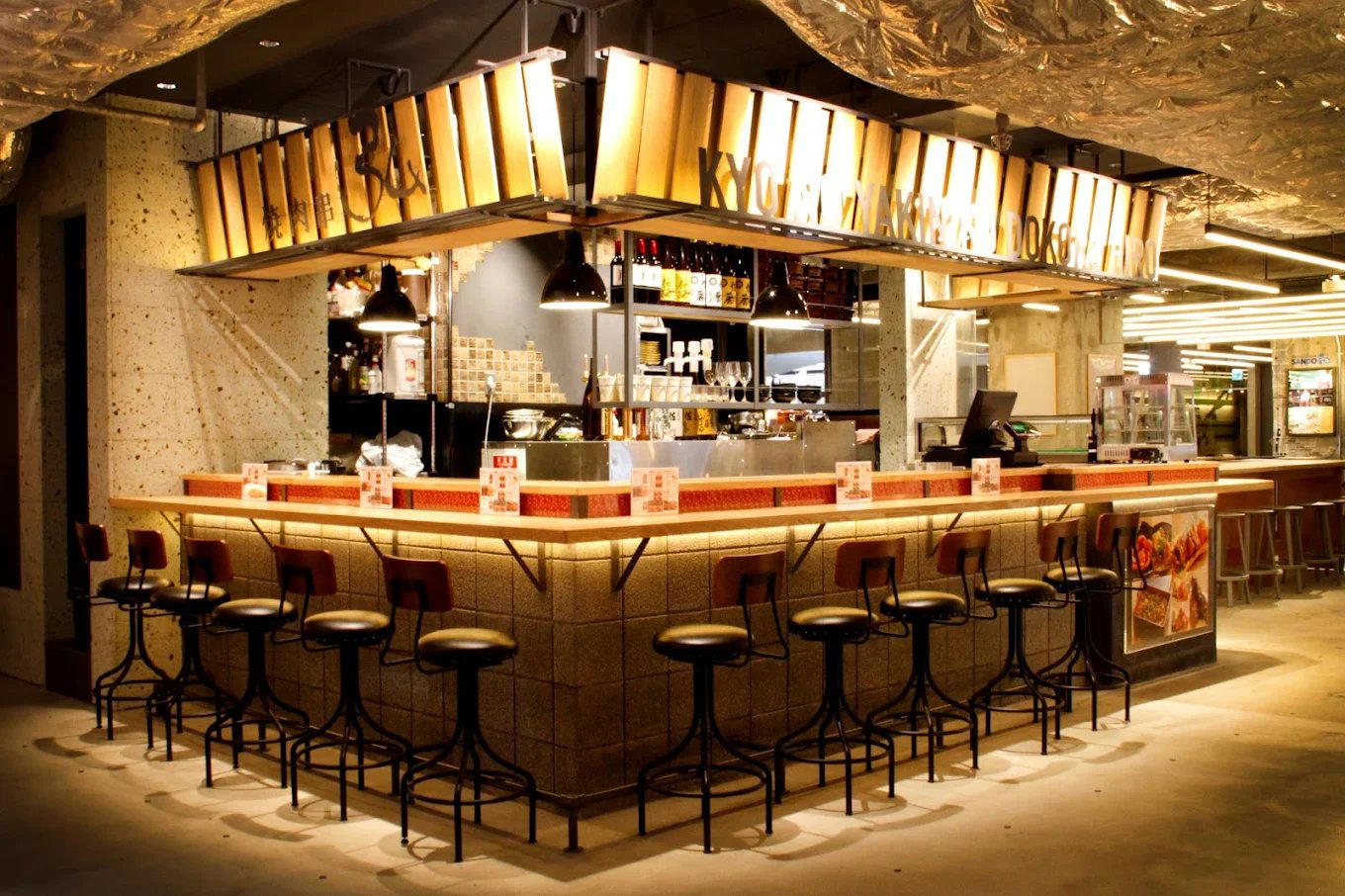
Hikone’s dining geography rewards travellers who leave the castle-area checklist. Ramen Nikkou is described as a house restaurant, with 35 seats across counter, table, and tatami seating. That matters because visitors often misread ramen shops as counter-only spaces for solo diners. Here, counter seats suit quick bowls, tables work for friends, and tatami supports groups with children.
The family signal is unusually explicit for ramen: children and strollers are welcome, and the room is non-smoking. Those details make the restaurant more flexible than the genre’s stereotype. Reservations are unavailable, so the experience belongs to the walk-in rhythm of Japanese ramen rather than the appointment economy of tasting menus. For travellers building a Hikone day around transport, castle time, and Lake Biwa, that helps, but peak meal periods still require patience.
One monthly detail is worth planning around because it shows how ramen shops keep regulars engaged without rebuilding the operation: the 10th of every month is Tonkotsu Day, when an original tonkotsu ramen is offered for a limited time. It is not a reason to distort an itinerary, but it is a genuine calendar signal for anyone already in Hikone on that date. In a category where regulars often drive reputation as much as travellers, these recurring formats help explain longevity.
The opening date, 5 November 2005, adds context. A ramen shop operating across two decades in a regional city is not trading only on novelty. Longevity usually requires repeat local traffic, stable operations, and enough menu identity to survive changing ramen fashion. The Tabelog Ramen WEST 100 selections across multiple recent years reinforce that point without grand claims.
Where it fits into a Hikone food day
For a compact city, Hikone has a surprisingly varied food map. A smart day might treat ramen as the casual anchor and save higher spend for Omi beef, or use it as the reset between sweets, sightseeing, and a late train. The broader city guide helps with sequencing: see Our full Hikone restaurants guide for dining, then pair it with Our full Hikone hotels guide, Our full Hikone bars guide, Our full Hikone wineries guide, and Our full Hikone experiences guide if the trip extends beyond one meal.
Across Japan, the appeal sits closer to specialist everyday dining than spectacle-led destination dining. Travellers mapping casual Japanese meals may also look at [Curry Senmon Ten] Maruyama Kyoju. in Sapporo, (Shoku) Vietnam in Kawasaki.cafe in Osaka, or.know in Kumamoto for compact formats where price, focus, and local habit shape the meal. Beef and grill-led itineraries point elsewhere, including -Grilled beef Sukiyaki- KAMAKURA TANUKIAN 鎌倉 たぬき庵 in Kamakura and. 鮪と炭火焼き うお炭 秋葉原店 in Tokyo. Beyond Japan, Jōdo Saké Bar in Los Angeles and Onigiri Time in Pasadena show how Japanese formats travel, though Hikone’s appeal remains grounded in the local, low-cost ramen shop rather than export polish.
The editorial read is simple: the restaurant is strongest as regional ramen with credible recognition, not a luxury detour. The Tabelog Ramen WEST 100 selection, ramen-tsukemen focus, family-compatible room, walk-in format, and sub-JPY 1,000 listed price create a clear use case. In Hikone, that gives the food itinerary a casual technical stop between castle-town tradition and higher-spend local specialties.
A Quick Peer Check
Nearby venues at a similar price tier for orientation.
| Venue | Cuisine | Price | Notes |
|---|---|---|---|
| Ramen Nikkou | Japanese Ramen | $ | Uocho |
| Menya Koyoken | Traditional Japanese Ramen & Tsukemen | $ | Hikone |
| Hinaijidori Hokkoriya | Japanese Chicken Specialty / Oyako-don | $$ | Yume Kyobashi Castle Road |
| Juuwari Teuchi Soba Dokoro Dodomomo | Traditional Juwari Soba in Historic Kominka | $ | Toriiimoto, Hikone |
| Ito Ju Kaho Honten | Traditional Japanese Wagashi Shop | $ | Hikone |
| ラーメン にっこう 本店 | Chicken Pottage Ramen | $ | 宇尾町 |
Recognition history
Dated appearances from independent guides and award organizations, with the underlying list record or original source where available.
Tabelog 100 #46 · No. 46
Tabelog · Tabelog 100 - Ramen - WEST - 2025
At a Glance
- Cozy
- Classic
- Solo
- Family
- Casual Hangout
- Group Dining
- Standalone
- Beer Program
Current opening hours
- Monday
- Closed
- Tuesday
- 11:30 AM–2:30 PM, 5:30–9 PM
- Wednesday
- 11:30 AM–2:30 PM, 5:30–9 PM
- Thursday
- 11:30 AM–2:30 PM, 5:30–9 PM
- Friday
- 11:30 AM–2:30 PM, 5:30–9 PM
- Saturday
- 11:30 AM–9 PM
- Sunday
- 11:30 AM–9 PM
Hours can change for holidays and private events. Last verified .