
Juuwari Teuchi Soba Dokoro Dodomomo gives Hikone a serious juwari soba address rather than another castle-town lunch stop. Its Tabelog Soba WEST 100 selections in 2024 and 2025 place it within a regional craft category where buckwheat handling, hand-cut texture, and restraint matter more than luxury signals.
Pearl is the En Primeur Club membership app — saves, bookings, and concierge access live there. Same editors, same standards.
- Address
- 1804 Toriimotocho, Hikone, Shiga 522-0004, Japan
- Phone
- +81 749-20-2024
- Website
- dodomomo044.jimdofree.com
- Directions
- Get directions
 Saves & bookings on Pearl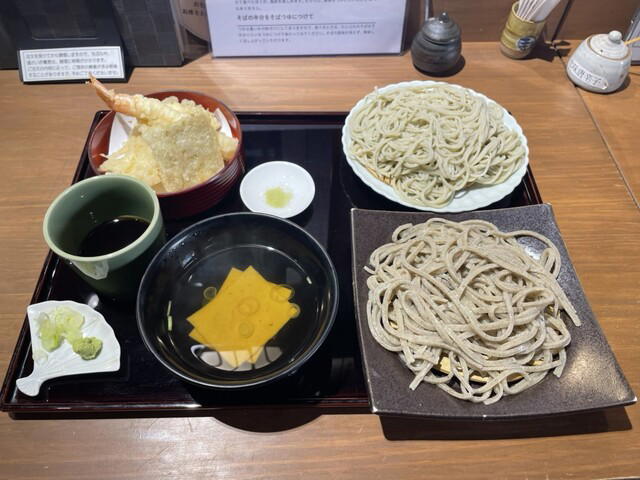
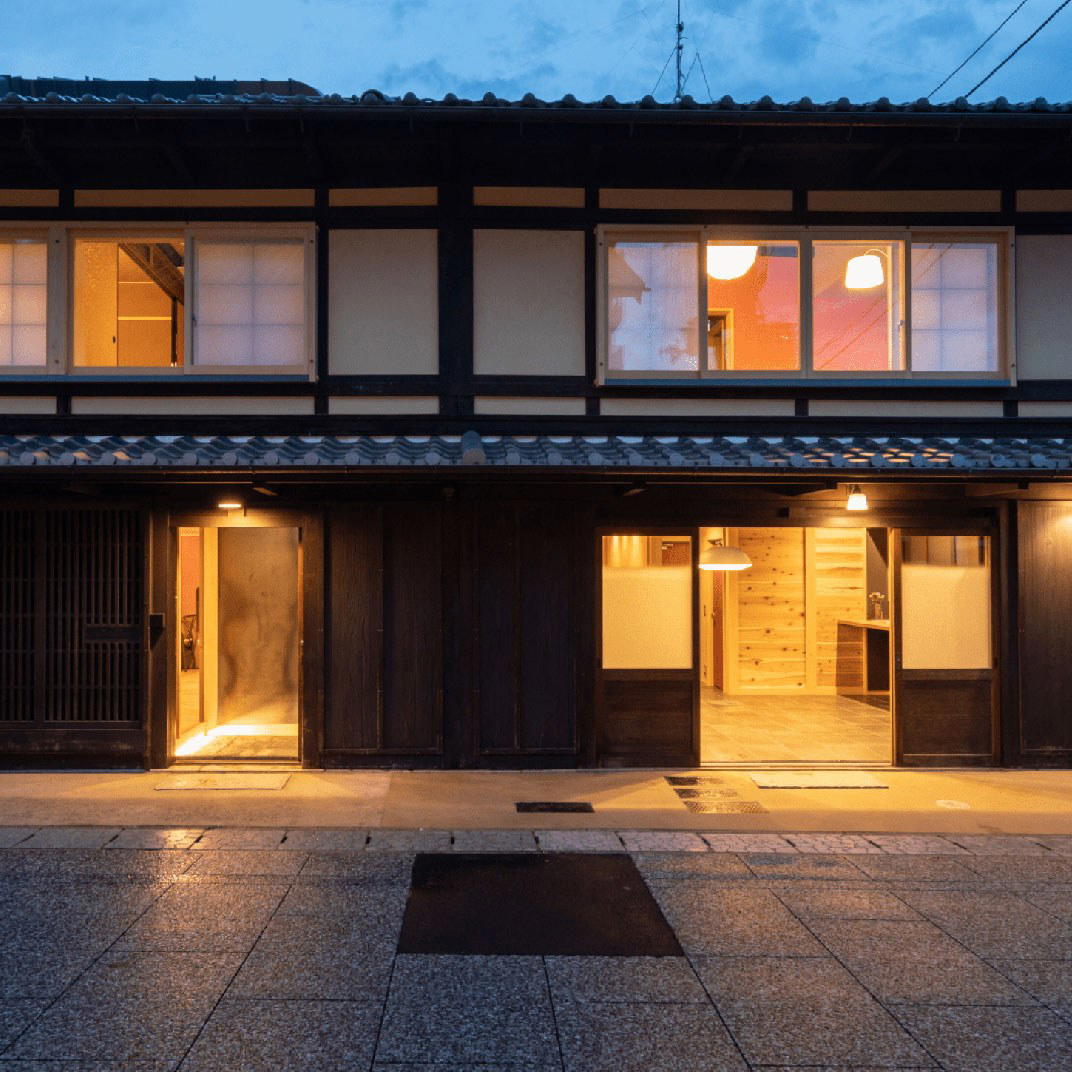
Toriimoto has a different rhythm from the streets closer to Hikone Castle. The approach feels less like an urban restaurant district and more like the edge of an old post-town corridor, where lunch is measured by the short service window rather than by all-day grazing. That setting suits soba. In Japan, serious soba houses often ask for attention through quiet cues: buckwheat, water, cut, broth, and timing. Juuwari Teuchi Soba Dokoro Dodomomo belongs to that tradition, with a name that signals 100-percent buckwheat noodles and handwork before any decorative flourish.
Hikone dining is often read through Omi beef, castle tourism, and lake-country day trips, but the city’s stronger food map is broader than that. Omi Niku Sennaritei Kyara speaks to the beef side of Shiga’s identity, while Hinaijidori Hokkoriya and Ramen Nikkou show how lunch and dinner in Hikone can move from regional poultry to ramen without adopting Kyoto’s more ceremonial register. Dodomomo adds a soba lane to that picture: modest in format, craft-led in implication, and recognised beyond its immediate neighbourhood.
Juwari soba gives Hikone a quieter counterpoint to beef and ramen
Juwari soba is unforgiving because it removes wheat from the equation. Without that extra gluten, noodle structure depends on buckwheat handling, hydration, and cutting discipline. That is why the category rewards restraint. A bowl can look plain to anyone expecting a luxury performance, yet its seriousness sits in texture, aroma, and how quickly the noodles are served after cooking. The restaurant’s Tabelog Soba WEST 100 selections in 2024 and 2025 matter because this list is category-specific. It places the address inside a western Japan soba conversation rather than a general popularity ranking.
That recognition also explains why the venue should not be read as a casual fallback between sightseeing stops. The price tier is accessible, but the signal is specialist. In the same city, Ito Ju Kaho Honten sits in a sweets and confectionery register, and Menya Koyoken points toward everyday noodle culture. Soba at this level occupies a narrower space: lunch-focused, low on spectacle, and dependent on a kitchen’s ability to make buckwheat feel precise rather than rustic.
The value proposition is also different from the city’s meat-led restaurants. Omi beef dining tends to announce itself through sourcing and spend; soba asks for a shorter, more concentrated meal. That makes Dodomomo a useful stop for travellers who want a Shiga meal that is not built around beef, and for Japanese food obsessives who understand that regional depth often appears in restrained formats rather than elaborate menus.
Recognition without the luxury theatre
Tabelog’s Hyakumeiten lists are useful for categories like soba because they separate specialist addresses from broader restaurant fame. A soba house does not need a tasting-menu structure or a long drinks programme to signal seriousness. It needs consistency, a defined craft, and enough regional pull to register among dedicated diners. Dodomomo’s 2024 and 2025 Soba WEST selections put it in that bracket.
The room and service format should be understood through that lens. This is not a destination built around chef biography or performance. No named chef narrative is needed to explain the draw, and none should dominate the reading of the place. The editorial point is the persistence of soba as a disciplined lunch culture: brief hours, focused demand, and a craft where small variations in noodle texture can define the meal. For travellers used to Tokyo omakase or Kyoto kaiseki, the pleasure here is the opposite of escalation. The format compresses the experience rather than expanding it.
Hikone’s broader dining circuit benefits from that compression. A castle-town itinerary can easily become a sequence of predictable tourist meals, but the better local map is more varied: soba in Toriimoto, Omi beef in central Hikone, ramen for a lower-priced noodle stop, confectionery for old-town snacking. For a wider scan, our full Hikone restaurants guide gives the city’s restaurant range in one place, while our full Hikone hotels guide, our full Hikone bars guide, our full Hikone wineries guide, and our full Hikone experiences guide help frame the trip beyond a single lunch.
How to place Dodomomo in a Japan food itinerary
Dodomomo works as a specialist regional stop, not as a grand finale meal. Its appeal is strongest for travellers who build itineraries around craft categories: soba, ramen, wagashi, yakitori, beef, sake bars, and small local formats. In that sense, it belongs in the same planning mindset as a noodle-focused detour to (Shoku) Vietnam in Kawasaki, a curry stop such as [Curry Senmon Ten] Maruyama Kyoju. in Sapporo, or a rice-led address like Onigiri Time in Pasadena. The common thread is not cuisine type; it is narrow focus.
That focus is useful in Japan because high-value meals often sit outside the luxury bracket. A traveller might pair Hikone’s soba and beef addresses with a Tokyo izakaya such as. 鮪と炭火焼き うお炭 秋葉原店 in Tokyo, a Kansai café stop like.cafe in Osaka, or a regional modern address such as.know in Kumamoto. For a more formal contrast, -Grilled beef Sukiyaki- KAMAKURA TANUKIAN 鎌倉 たぬき庵 in Kamakura shows how beef can become a destination format, while Jōdo Saké Bar in Los Angeles reflects how Japanese drinking culture is interpreted abroad.
The smart read is simple: come for soba, not for breadth. The address rewards diners who value a tightly defined craft at lunch, and it gives Hikone a food reason to move beyond the castle-side circuit. Among the city’s dining options, Dodomomo is the soba specialist with category recognition, accessible pricing, and a location that makes sense for travellers willing to step into Toriimoto’s slower tempo.
Booking and Cost Snapshot
Comparable venues by cuisine and price in the same metro.
| Venue | Cuisine | Price | Notes |
|---|---|---|---|
| Juuwari Teuchi Soba Dokoro Dodomomo | Not listed | $ | Toriiimoto, Hikone, Traditional Juwari Soba in Historic Kominka |
| Menya Koyoken | Traditional Japanese Ramen & Tsukemen | $ | Not listed |
| Ramen Nikkou | Uocho, Japanese Ramen | $ | Not listed |
| ラーメン にっこう 本店 | 宇尾町, Chicken Pottage Ramen | $ | Not listed |
| Ito Ju Kaho Honten | Not listed | $ | Hikone, Traditional Japanese Wagashi Shop |
| Omi Niku Sennaritei Kyara | Not listed | $$$ | Yume Kyobashi Castle Road, Traditional Omi beef kaiseki & sukiyaki |
Recognition history
Dated appearances from independent guides and award organizations, with the underlying list record or original source where available.
Tabelog 100 #83 · No. 83
Tabelog · Tabelog 100 - Soba - WEST - 2025
Continue exploring
More in Hikone
Restaurants in Hikone
Browse all →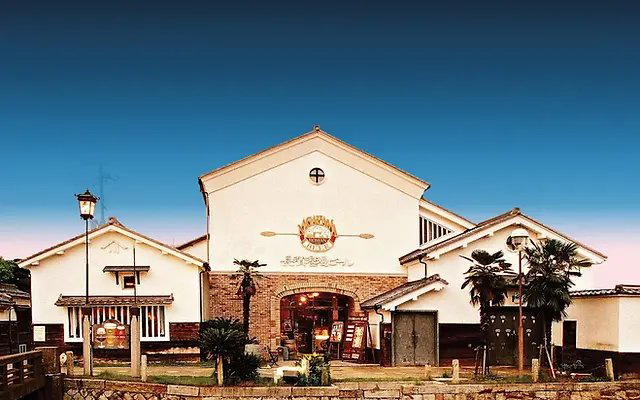
At a Glance
- Classic
- Rustic
- Cozy
- Solo
- Casual Hangout
- Historic Building
- Standalone
- Design Destination
- Local Sourcing
- Farm To Table
- Street Scene
Current opening hours
- Monday
- 11 AM–2 PM
- Tuesday
- Closed
- Wednesday
- Closed
- Thursday
- 11 AM–2 PM
- Friday
- 11 AM–2 PM
- Saturday
- 11 AM–2 PM
- Sunday
- 11 AM–2 PM
Hours can change for holidays and private events. Last verified .
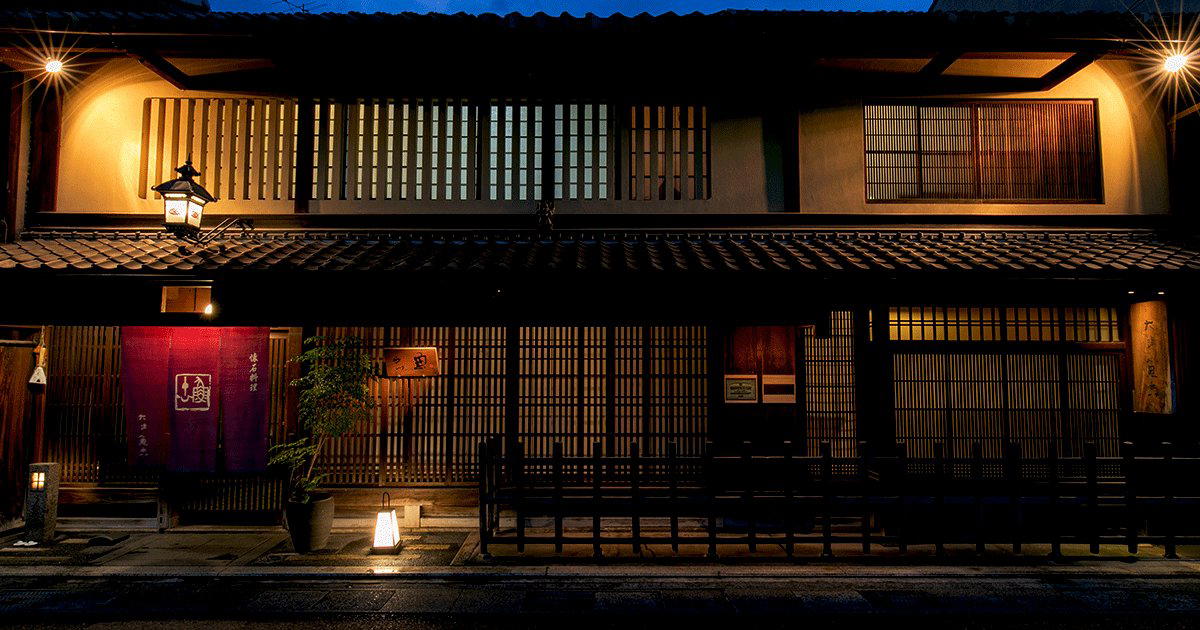
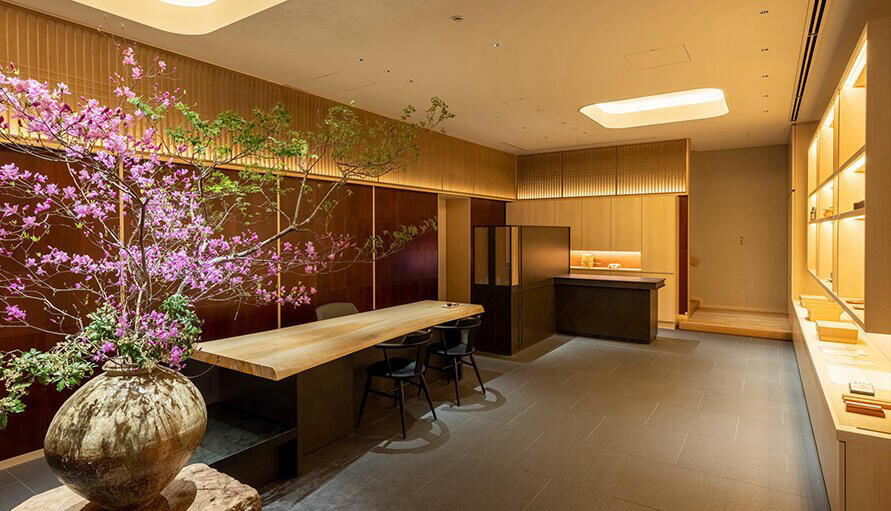
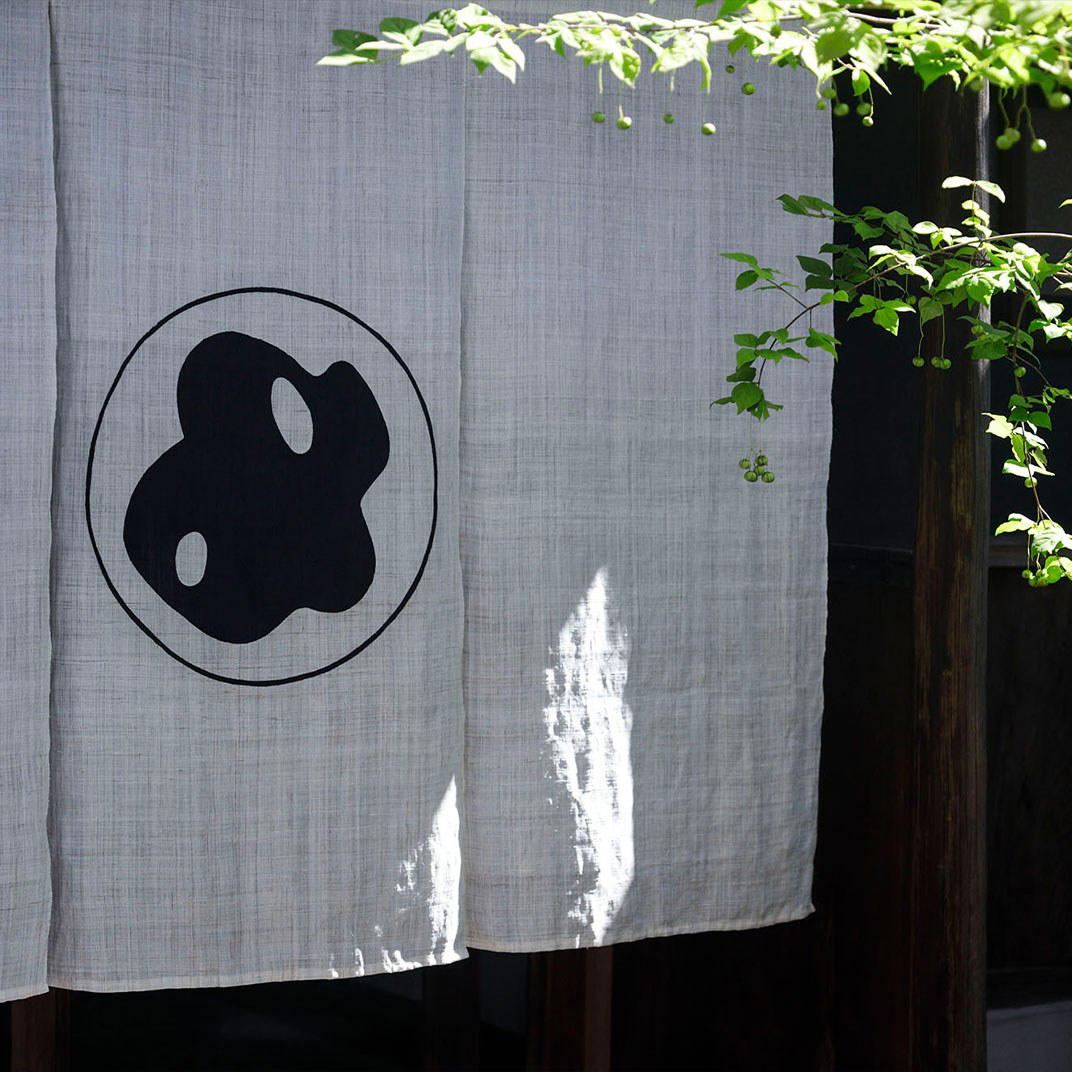
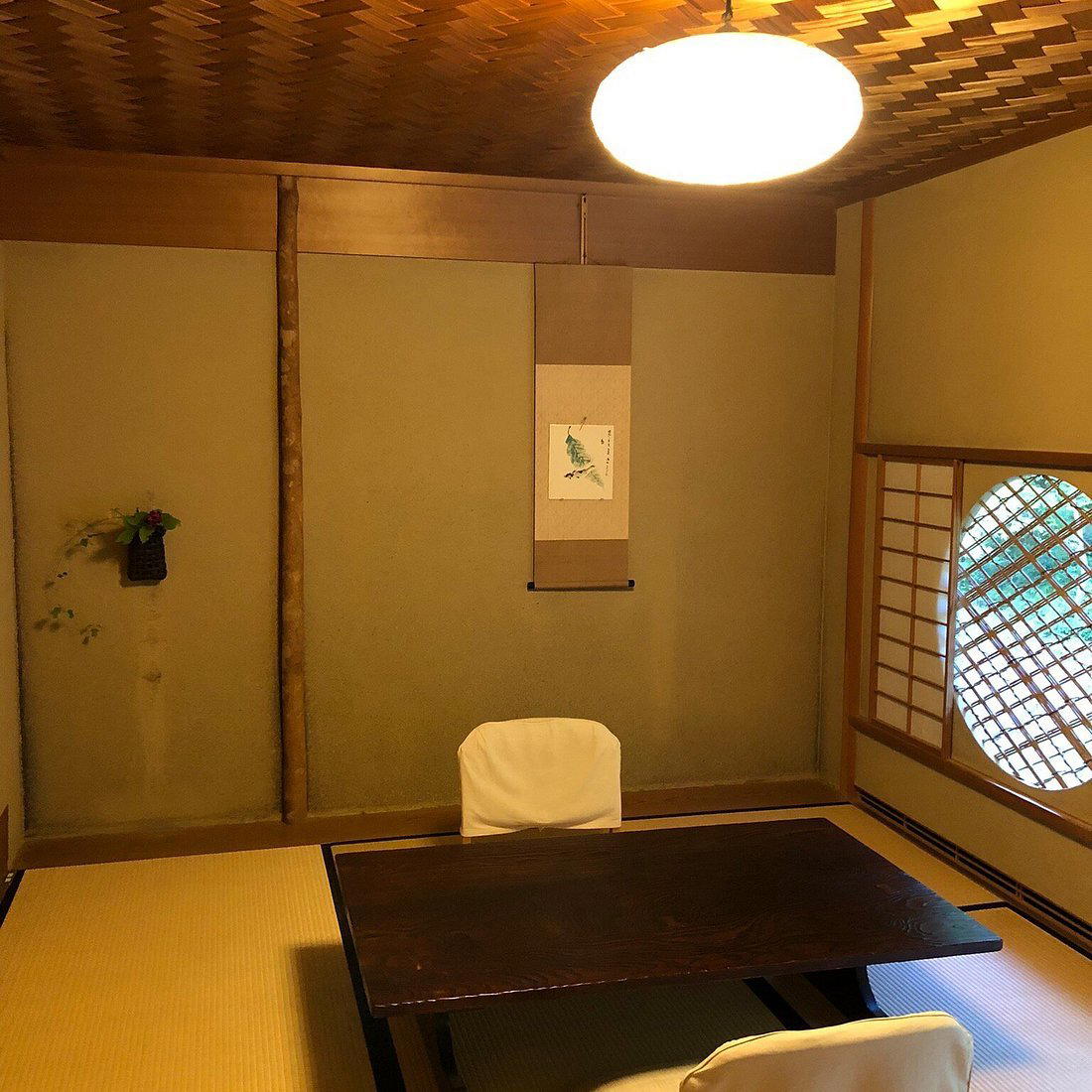
The restaurant occupies a renovated Edo-period wooden townhouse with traditional architecture and a nostalgic, historic feel; the atmosphere is calm and intimate, emphasizing the craftsmanship of soba in a quietly rustic setting rather than modern design or loud background music.