
Menya Koyoken places Hikone’s ramen culture in the low-cost, high-discipline category: a small counter-and-table shop recognized in Tabelog Ramen WEST “Tabelog 100” for 2023, 2024, and 2025. Its reputation sits around ramen and tsukemen, with solo dining, family use, take-out, and a compact 15-seat format shaping the experience.
Pearl is the En Primeur Club membership app — saves, bookings, and concierge access live there. Same editors, same standards.
- Address
- Japan, 〒522-0232 Shiga, Hikone, Rendaijicho, 50−36 1階
- Phone
- +81 749-28-3828
- Website
- menya-ko-yo-ken.studio.site
- Directions
- Get directions
 Saves & bookings on Pearl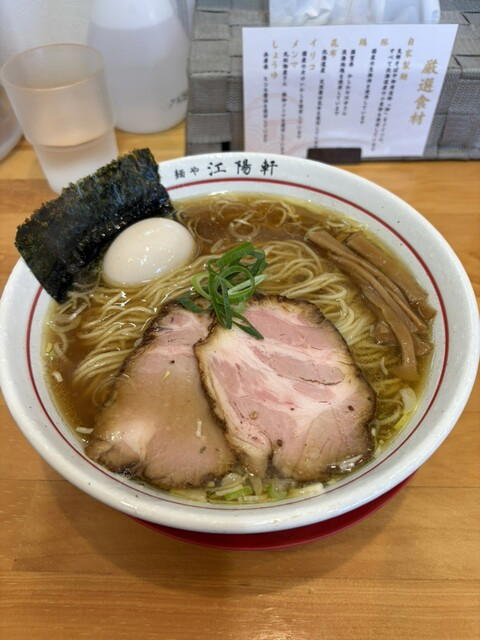
Approaching a serious ramen shop in a smaller Japanese city is unlike entering a destination dining room. The cues are practical: modest frontage, short meal rhythm, counter-led seating, and regulars who treat ramen as everyday food with exacting standards. In Hikone, that matters. The city’s dining identity is often read through Omi beef, castle-town sweets, soba, and casual noodle shops, but ramen has its own gravity, compressing price, craft, speed, and repeat business into one bowl.
Menya Koyoken is the kind of ramen shop whose recognition does not rely on luxury signals. It was selected for Tabelog Ramen WEST “Tabelog 100” in 2023, 2024, and 2025, a useful marker because the list separates western Japan’s ramen specialists from broader restaurant rankings. Its listing score is 3.70, and the format is narrow: ramen and tsukemen, counter seating, and two small tables. In a city where Omi Niku Sennaritei Kyara represents the beef-led end of the spectrum and Ito Ju Kaho Honten speaks to local confectionery tradition, this is the low-price, high-turnover noodle lane.
Ramen and tsukemen as Hikone's everyday precision cooking
Ramen’s importance in Japan comes partly from its refusal to behave like one cuisine. It absorbs regional broths, noodle textures, tare seasoning, fat, toppings, and shop systems, then stays accessible to commuters, students, families, and obsessives. Tsukemen adds another grammar: noodles and dipping broth separated, texture foregrounded, heat and concentration handled differently from soup ramen. A shop working in both is not simply offering variety; it is measuring noodle craft two ways.
That explains why a compact shop can carry more weight than its price bracket suggests. Menya Koyoken’s listed average price sits under JPY 999, while review-based spending is JPY 1,000 to JPY 1,999. Those figures put it closer to Ramen Nikkou than to Hikone’s higher-spend restaurants, but the Tabelog selections place it in a more selective western Japan ramen conversation. Price does not signal simplicity; it reflects the Japanese ramen model, where focus competes through repetition, speed, and consistency rather than tasting-menu architecture.
Hikone’s wider table clarifies the role. Hinaijidori Hokkoriya occupies a different occasion tier, with higher lunch and dinner budgets. Juuwari Teuchi Soba Dokoro Dodomomo points toward handmade buckwheat tradition. Menya Koyoken is leaner and more urban in tempo, even outside a metropolis. It reminds travelers that regional Japan’s food culture is not only heritage cuisine and local beef; it is also everyday counter discipline.
A small-room format where access matters more than ceremony
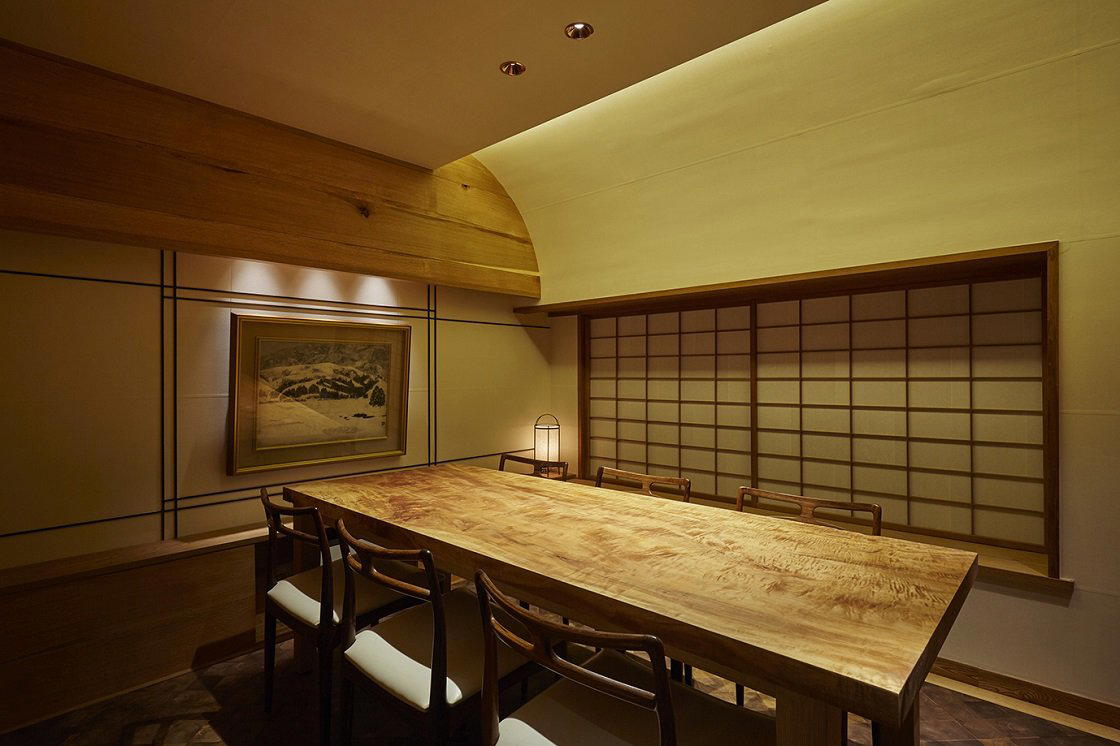
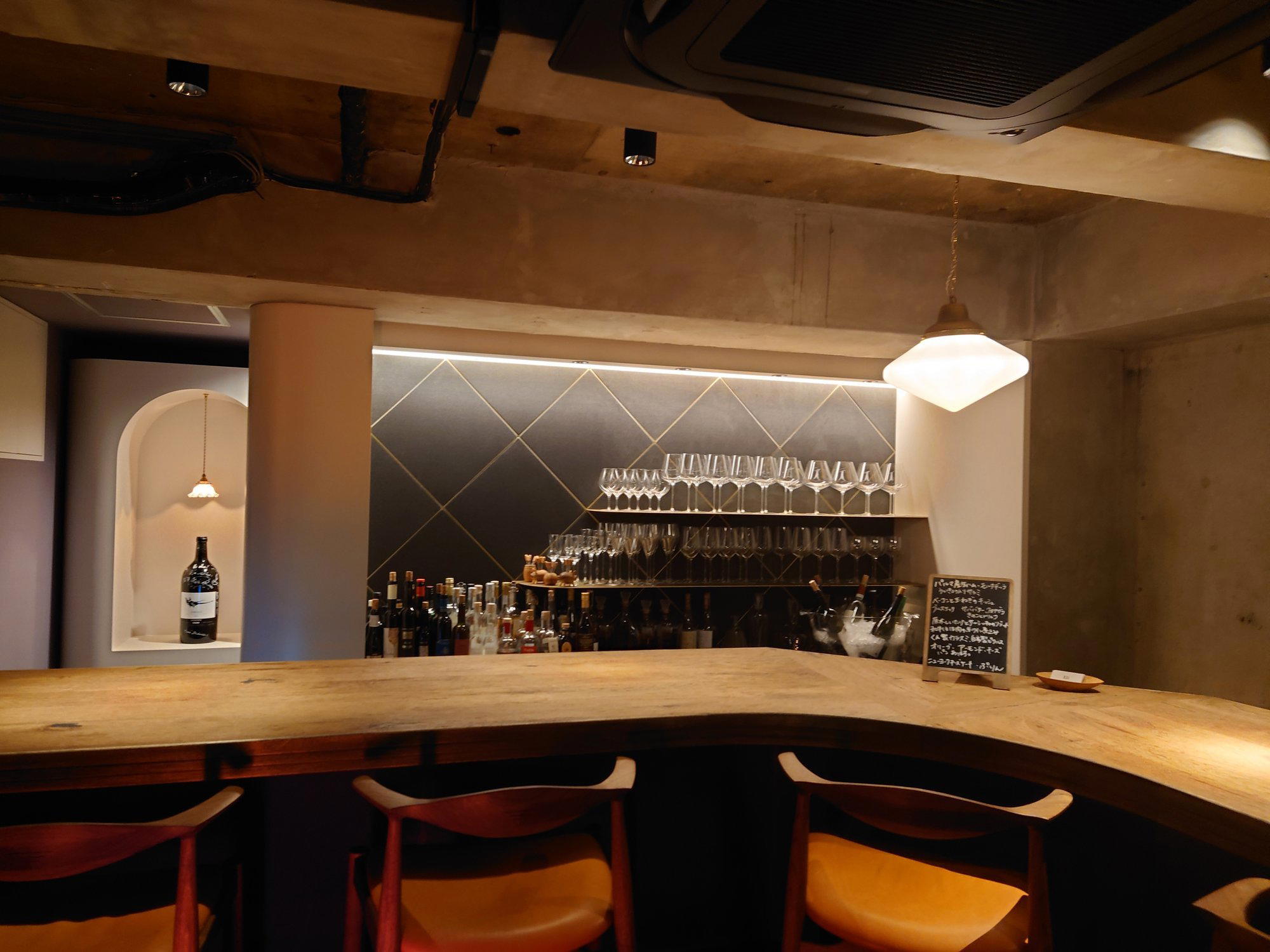
The room’s scale shapes the meal before any bowl arrives. Fifteen seats, including seven at the counter and two four-seat tables, make the experience closer to a neighborhood noodle counter than a leisurely restaurant appointment. Reservations are unavailable, typical for many ramen shops, so timing matters, patience matters, and the meal is best treated as a focused stop rather than a long lunch plan.
The location adds another layer. The nearest station is Kawase, with the shop listed 1,657 meters away and about 30 minutes on foot. Parking is available, with 14 spaces indicated on the east side across two vacant lots, making it more practical by car than rail for many visitors. That is not incidental. Much regional ramen culture in Japan is car-oriented, especially outside major urban cores, and parking often says more about the intended audience than decor.
Operating pattern also belongs to ramen culture: defined lunch and dinner windows on most weekdays and Saturdays, Sunday lunch service, Monday closure, and service can end when sold out. That last point is part logistics, part quality control. Shops working with limited daily production often run on supply rather than endless availability. For travelers building a Hikone day around the castle, lakefront, or rail connections, treat the meal as time-sensitive and avoid the final edge of service.
Where it fits in a Hikone eating itinerary
For a first pass through the city, the restaurant works as a counterweight to heavier local dining. Omi beef remains the region’s marquee product, but a full beef meal is not always right between sightseeing stops or train segments. Ramen offers a shorter, less formal expression of local eating life, and the recognition gives visitors reason to prioritize it over a random noodle stop. The shop is non-smoking, accepts some cashless payment methods including PayPay, and is marked as welcoming to children, keeping it accessible without making it a generic family restaurant.
The broader Hikone map rewards category thinking. Use Our full Hikone restaurants guide to balance ramen against beef, soba, sweets, and casual dining. For a longer stay, Our full Hikone hotels guide helps anchor the overnight decision, while Our full Hikone bars guide, Our full Hikone wineries guide, and Our full Hikone experiences guide frame the city beyond lunch. Travelers comparing Japanese casual formats beyond Shiga can look to -Grilled beef Sukiyaki- KAMAKURA TANUKIAN 鎌倉 たぬき庵 in Kamakura. 鮪と炭火焼き うお炭 秋葉原店 in Tokyo.cafe in Osaka.know in Kumamoto, (Shoku) Vietnam in Kawasaki, [Curry Senmon Ten] Maruyama Kyoju. in Sapporo, Jōdo Saké Bar in Los Angeles, and Onigiri Time in Pasadena for different readings of Japanese food culture at approachable price points.
The editorial case is clear: this is not a luxury detour and should not be judged like one. The restaurant is compelling because it sits where ramen is culturally strongest: small room, tight category focus, low spend, repeat recognition, and enough logistical friction to reward planning. In Hikone, that combination gives the dining scene a sharper edge than a beef-and-castle itinerary alone suggests.
A Pricing-First Comparison
Comparable venues by cuisine and price in the same metro.
| Venue | Cuisine | Price | Notes |
|---|---|---|---|
| Menya Koyoken | Traditional Japanese Ramen & Tsukemen | $ | Not listed |
| ラーメン にっこう 本店 | 宇尾町, Chicken Pottage Ramen | $ | Not listed |
| Hinaijidori Hokkoriya | Not listed | $$ | Yume Kyobashi Castle Road, Japanese Chicken Specialty / Oyako-don |
| Ito Ju Kaho Honten | Not listed | $ | Hikone, Traditional Japanese Wagashi Shop |
| Omi Niku Sennaritei Kyara | Not listed | $$$ | Yume Kyobashi Castle Road, Traditional Omi beef kaiseki & sukiyaki |
| Juuwari Teuchi Soba Dokoro Dodomomo | Not listed | $ | Toriiimoto, Hikone, Traditional Juwari Soba in Historic Kominka |
Recognition history
Dated appearances from independent guides and award organizations, with the underlying list record or original source where available.
Tabelog 100 #71 · No. 71
Tabelog · Tabelog 100 - Ramen - WEST - 2025
At a Glance
- Solo
- Casual Hangout
- After Work
- Standalone
Current opening hours
- Monday
- 11 AM–3 PM, 6–9 PM
- Tuesday
- 11 AM–3 PM, 6–9 PM
- Wednesday
- 11 AM–3 PM, 6–9 PM
- Thursday
- 11 AM–3 PM, 6–9 PM
- Friday
- 11 AM–3 PM, 6–9 PM
- Saturday
- 11 AM–3 PM, 6–9 PM
- Sunday
- 11 AM–3 PM
Hours can change for holidays and private events. Last verified .
Casual, no‑frills ramen shop atmosphere typical of neighborhood Japanese noodle houses, focused on efficient dining rather than décor or lingering.