Old Hercegovina on Carigradska sits inside Belgrade's enduring tradition of the kafana, where Serbian hospitality operates through communal tables, grilled meats, and rakija rather than tasting menus or design statements. The address places it in the central city, within reach of the broader dining scene that runs from contemporary kitchens at Langouste to the French-inflected rooms of The Square. For those tracing regional Serbian cooking through its oldest formats, this is a reference point worth knowing.
Pearl is the En Primeur Club membership app — saves, bookings, and concierge access live there. Same editors, same standards.
- Address
- Carigradska 36, Beograd, Serbia
- Phone
- +381113245856
- Website
- stara-hercegovina.rs
- Directions
- Get directions
 Saves & bookings on Pearl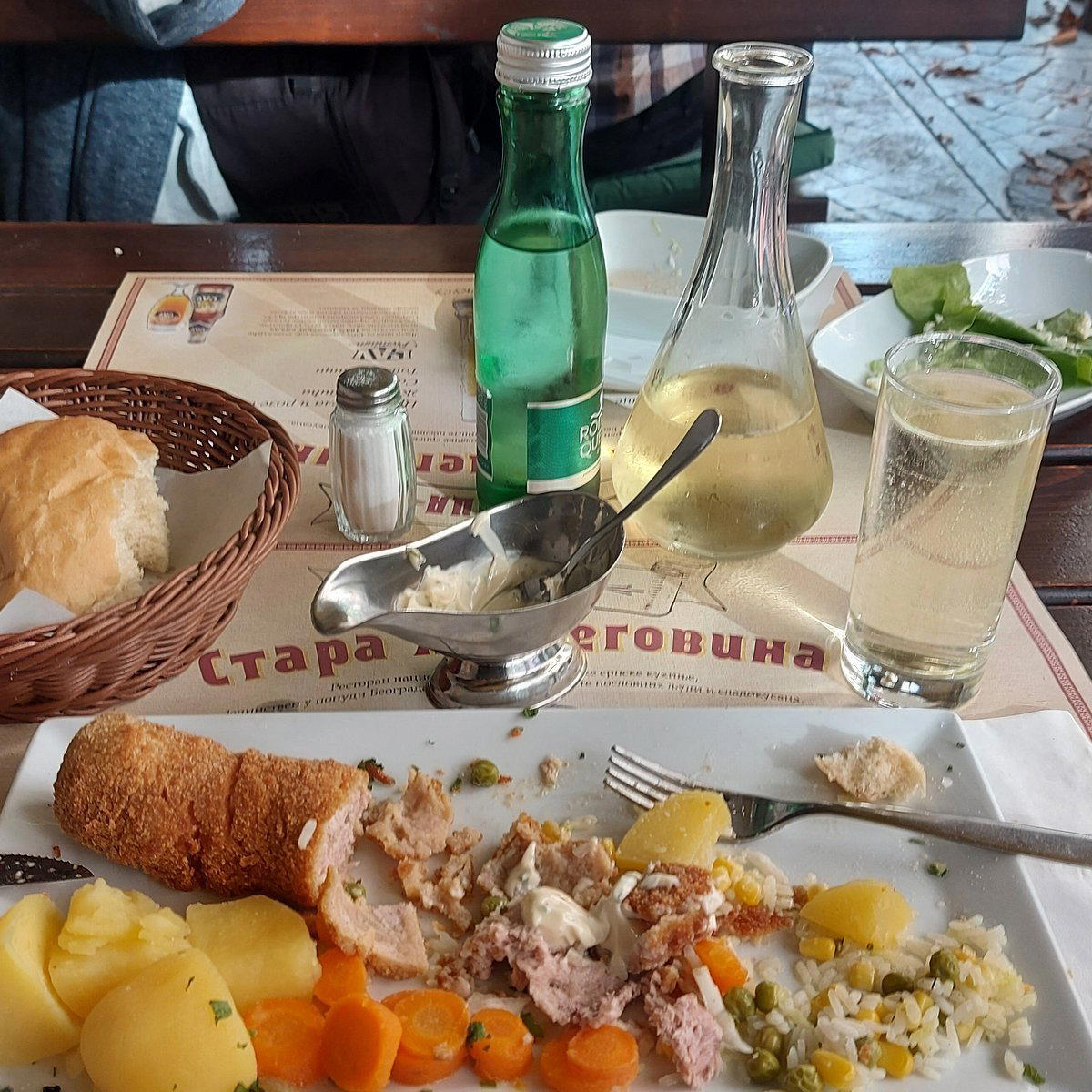
Belgrade's Kafana Tradition and Where Old Hercegovina Fits
Belgrade has always run on two parallel dining tracks. One moves toward contemporary kitchens producing modern reinterpretations of Balkan flavour, places like Langouste and The Square that court a cosmopolitan audience and price accordingly. The other track runs deeper and older, through the kafana format that has organized Serbian social life for centuries. Old Hercegovina, at Carigradska 36, belongs firmly to that second track. The kafana is not a relic or a novelty; it is the format through which most Belgraders have eaten, argued, celebrated, and grieved across generations. Understanding the kafana means understanding what Old Hercegovina is before you arrive, and what you should expect when you sit down.
The kafana's defining characteristics are communal rather than curated. Tables are shared or closely arranged, portions are sized for appetite rather than presentation, and the measure of quality is consistency over time rather than seasonal reinvention. In this context, a venue on a central Belgrade street like Carigradska carries neighbourhood weight that goes beyond what any single menu item can convey.
How the Format Has Shifted Over Time
Belgrade's kafana culture has absorbed significant pressure over the past three decades. The transition from a socialist economy to a market one reshaped hospitality incentives sharply: venues that had operated on state subsidy or collective ownership were forced to compete on commercial terms, and many either closed, pivoted to tourist positioning, or were absorbed into the kind of themed nostalgia formats that perform tradition rather than sustain it. The ones that survived as genuine neighbourhood institutions did so by holding their price discipline and their regular clientele simultaneously, a difficult combination in a city where real estate pressure on central streets continues to intensify.
The restaurant on Carigradska sits in that context of survival and continuity. The Herzegovinian identity in the name signals something specific: the cuisine and culture of Herzegovina, the southern region straddling modern Bosnia and Croatia, has a distinct register within the broader Yugoslav culinary tradition. Lamb roasted over open coals, harder cheeses, stronger spirits, and a cooking sensibility shaped by karst terrain and mountain winters. When that tradition migrated to Belgrade, it brought its own flavour logic, one that runs parallel to but distinct from the Serbian central-plains cooking most associated with kafana menus.
The evolution of venues operating in this tradition has generally run in one of two directions. Some have modernised incrementally, introducing small-plate formats or curated wine lists while keeping grilled proteins as their anchor. Others have doubled down on the original format, resisting any editorial softening and banking on the loyalty of guests who treat the venue as a fixed point in a changing city. For comparison, places like Ambar have taken Serbian small-plate traditions toward a more internationally legible format, while Avala and Barrel House represent adjacent points on Belgrade's broader dining spectrum. The restaurant operates at a different register from all of them.
The Regional Kafana Beyond Belgrade
To place the restaurant accurately, it helps to understand the broader network of Serbian regional cooking that runs through smaller cities and towns. Venues like Kod Brana in Cacak and Lovački dom in Valjevo anchor similar traditions in their local contexts, as does Etno Kuća Dinar in Vrsac and KAFANA DUKAT in Pirot. The kafana as a form is not exclusive to Belgrade; it is a national institution that expresses differently depending on geography, local ingredient availability, and the specific migrant communities that shaped each city's character. Herzegovinian cooking in Belgrade is, in that sense, a diaspora cuisine operating within a city that has absorbed waves of internal migration throughout the twentieth century.
Outside Belgrade, the format continues through venues like Kafe Restoran Maša in Novi Sad, Windmill in Pancevo, and ČARDA ZLATNA KRUNA in Apatin, each with its own local inflection. The broader Serbian dining picture, seen through these regional points and through Belgrade's own range, is one of a cuisine that has not yet received the international attention given to, say, the tasting-menu culture around venues like Le Bernardin in New York City or the precision-driven Korean cooking at Atomix. That gap is narrowing, and the restaurant's city-centre address places it in the path of that growing interest.
Practical Considerations for Visiting
The restaurant is located at Carigradska 36, a central Belgrade address that puts it within walking distance of the main pedestrian spine and the broader cluster of restaurants that make up the city's older dining quarter. Contact details and hours are not published through the standard listing channels available at time of writing, which is itself a signal: venues operating on regular local custom rarely need to advertise availability in the way that booking-led restaurants do. Arriving in the early evening on a weekday is generally one reliable approach for kafana-style venues in this part of the city. Dress expectations are informal; the format has never required otherwise.
Accolades, Compared
Comparable venues nearby, for context on price, style, and recognition.
| Venue | Cuisine | Price | Notes |
|---|---|---|---|
| Old HercegovinaThis venue — the venue you are viewing | Traditional Serbian Barbecue | $$ | Not listed |
| RESTORAN OPERA | Serbian & International | $$ | Stari Grad |
| Potkovica | Traditional Serbian Horse Meat Barbecue | $$ | Savski venac |
| Vila Gospava | Serbian Traditional | $$ | Savski Venac |
| Bistro Tri | Modern Serbian Bistro | $$ | Vračar |
| Barrel House | Modern Serbian & International Grill | $$ | Old Dorćol |
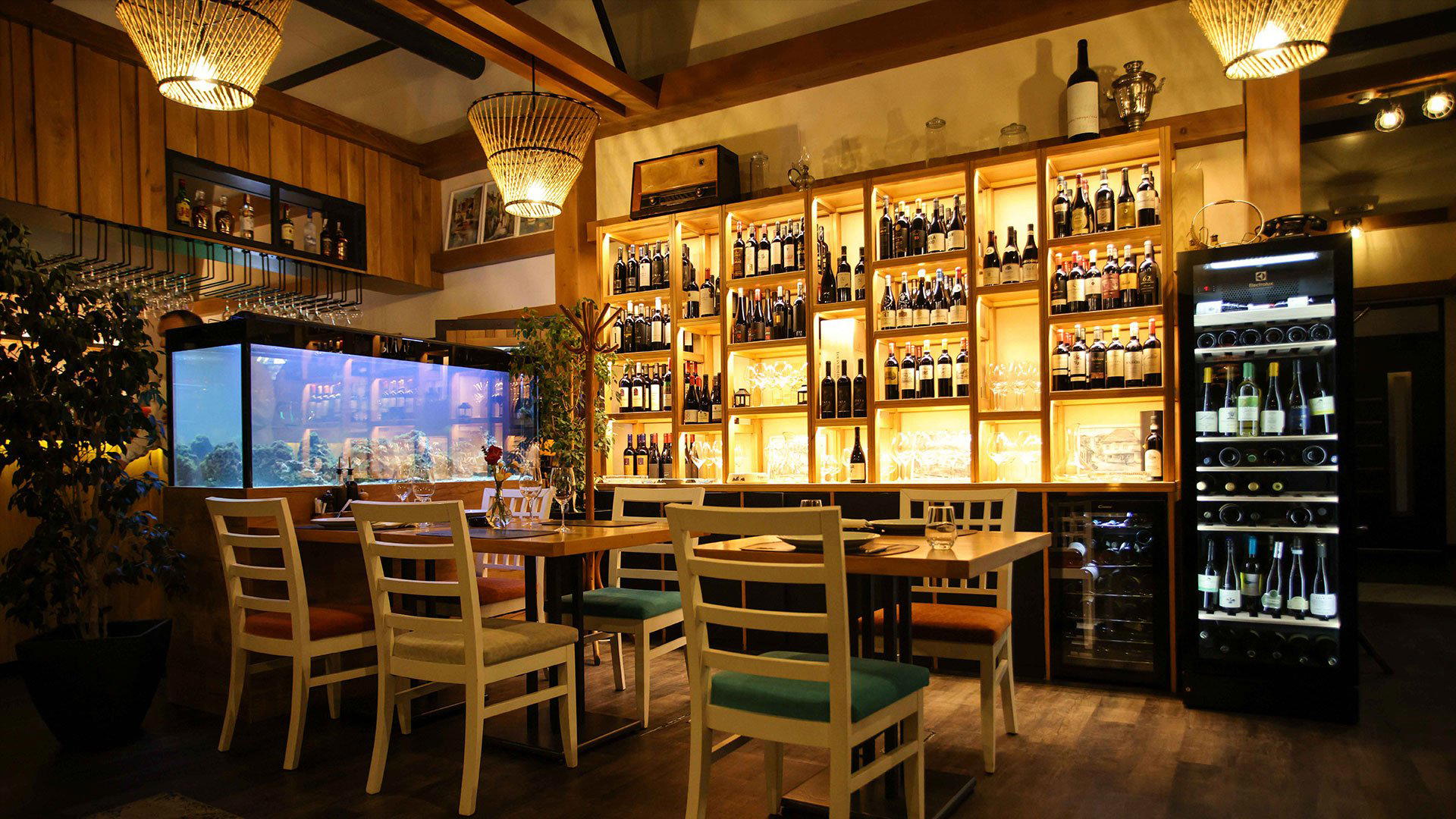
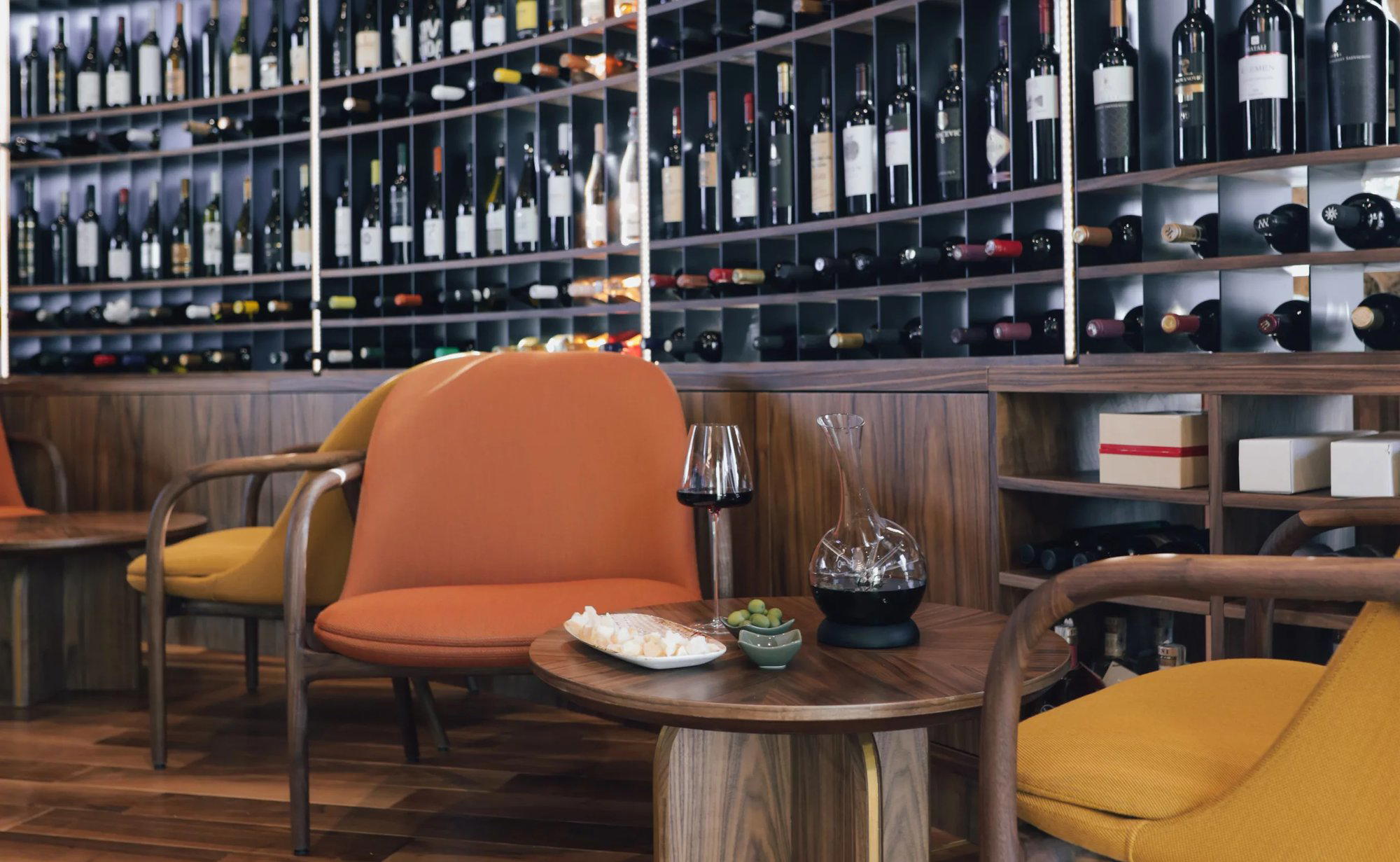
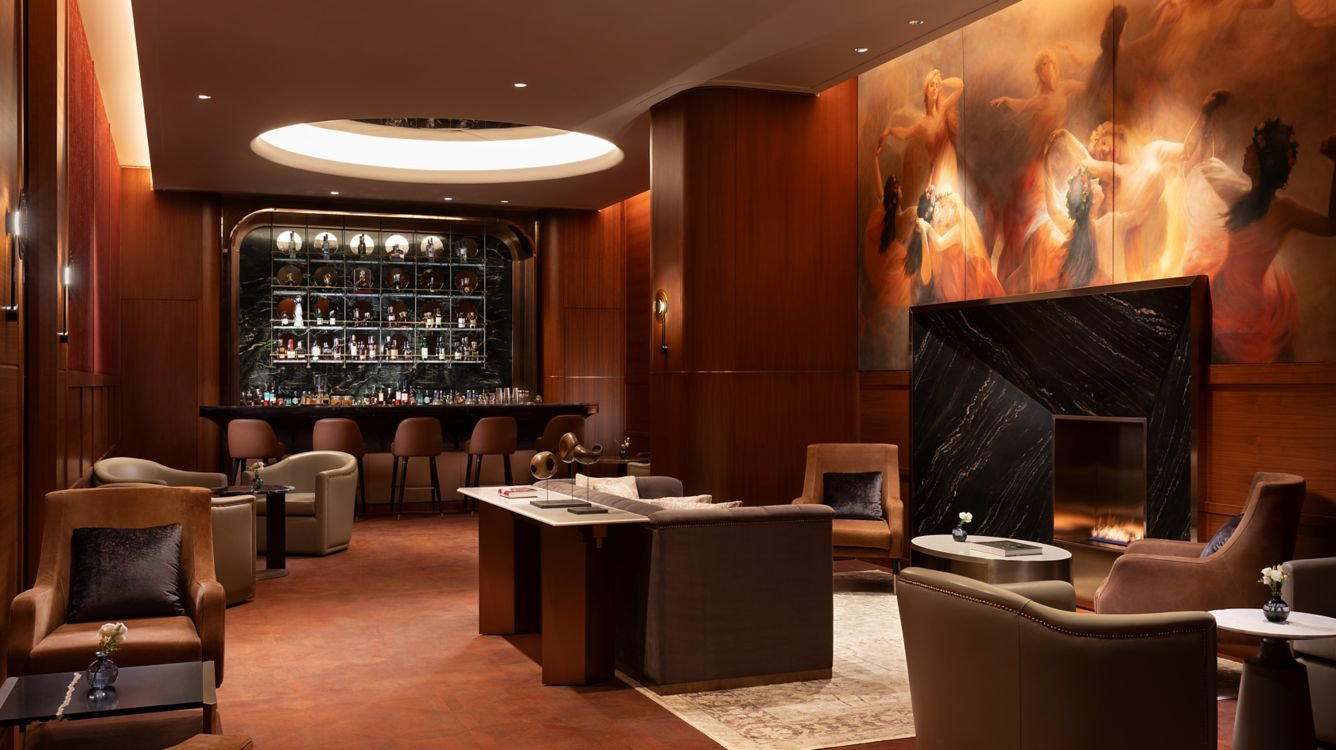
At a Glance
- Classic
- Rustic
- Cozy
- Family
- Casual Hangout
- Historic Building
Current opening hours
- Monday
- 8 AM–12 AM
- Tuesday
- 8 AM–12 AM
- Wednesday
- 8 AM–12 AM
- Thursday
- 8 AM–12 AM
- Friday
- 8 AM–12 AM
- Saturday
- 8 AM–12 AM
- Sunday
- 10 AM–8 PM
Hours can change for holidays and private events. Last verified .
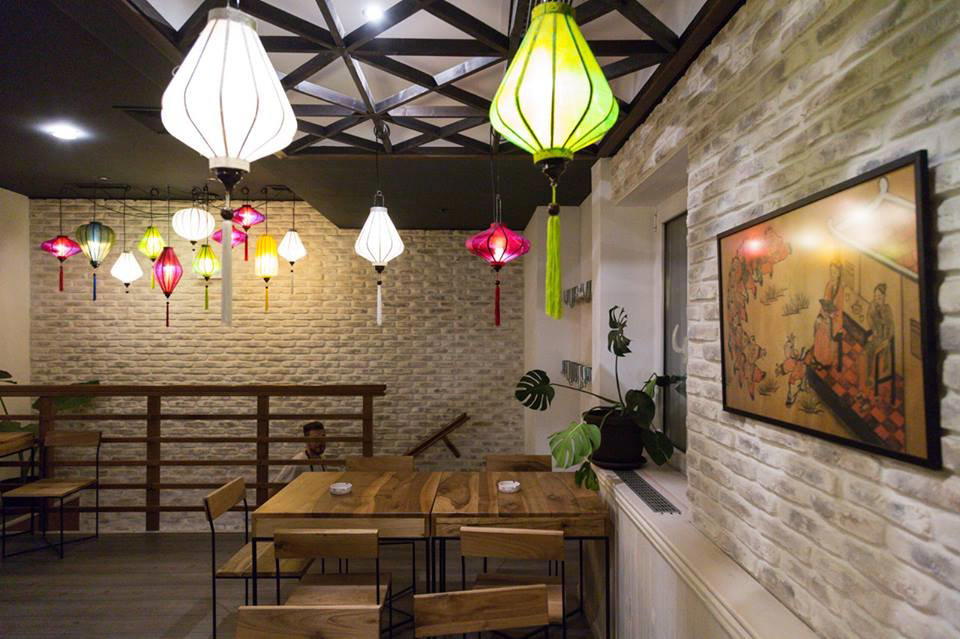
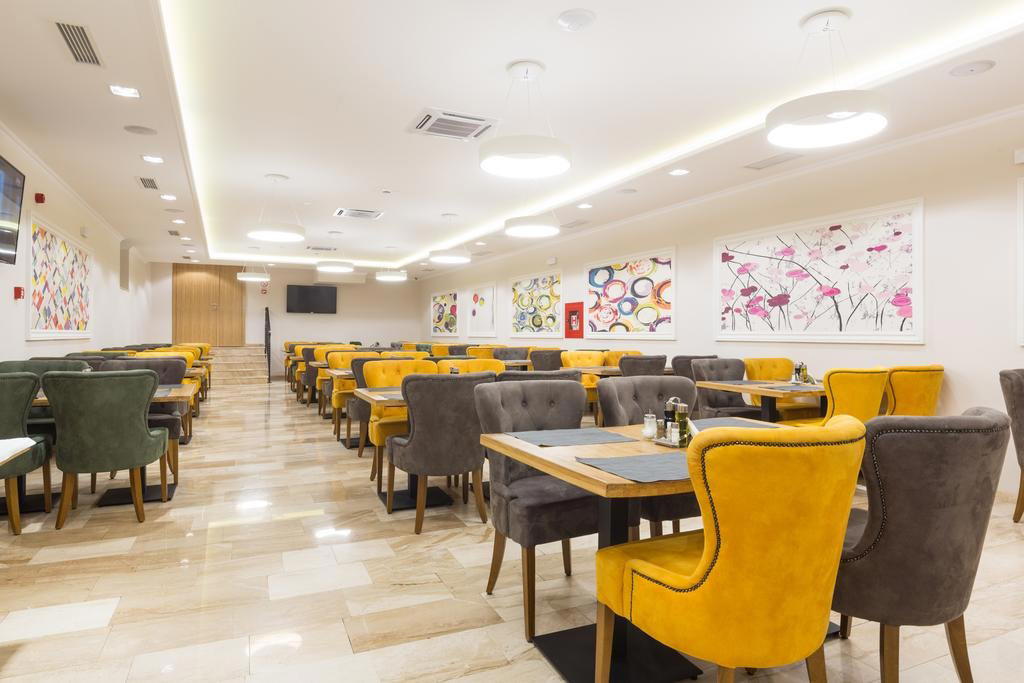
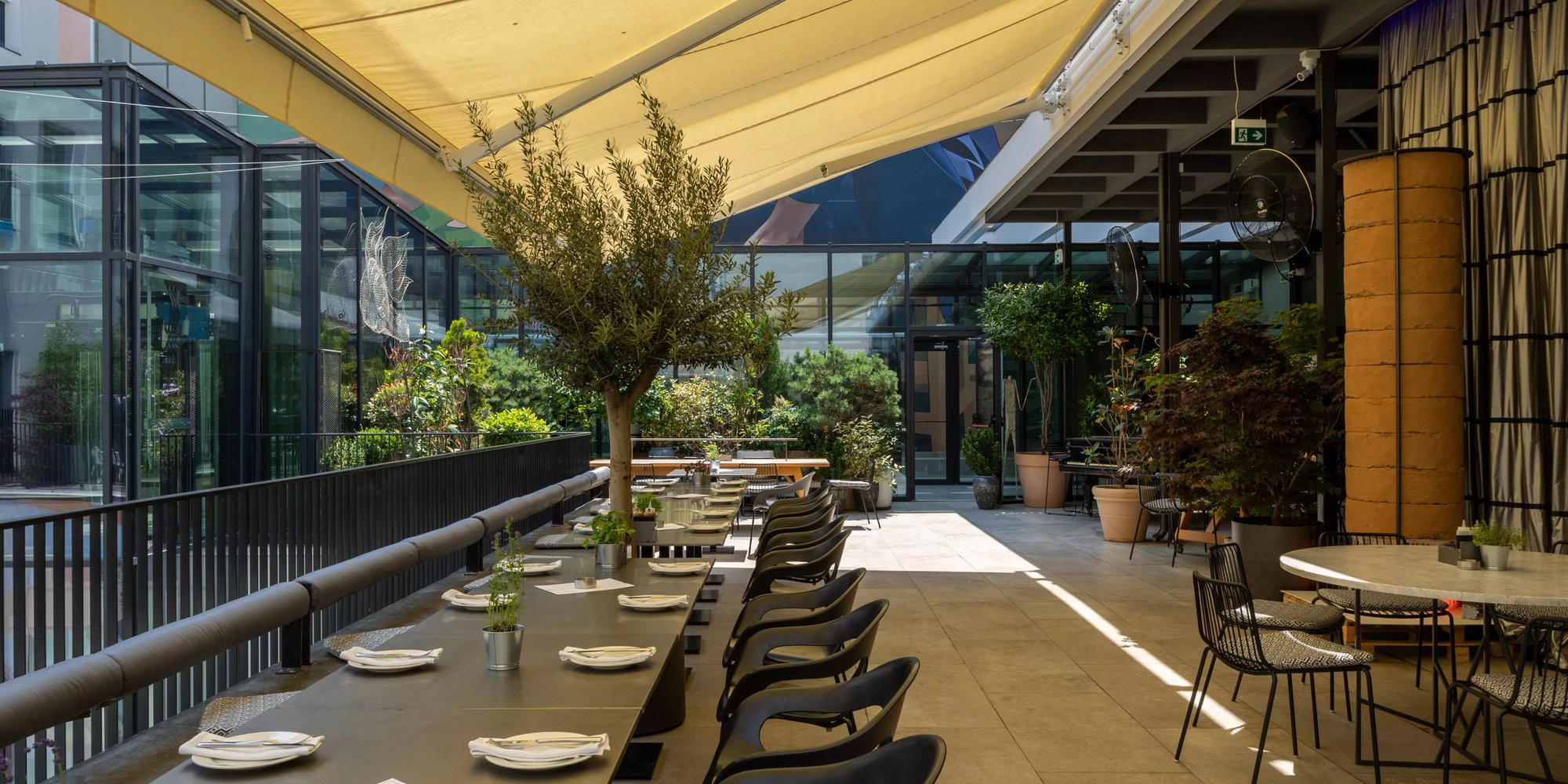
Unpretentious, traditional setting evoking old-world Balkan charm with a focus on hearty, meat-centric meals.