Our verdict
On Jyatha Marg in central Kathmandu, Dongfang Palace China occupies a distinct position in the city's dining scene as a dedicated Chinese restaurant in a city where Nepali, Tibetan, and international cuisines dominate the conversation. The address places it within walking distance of Thamel's commercial core, making it a practical reference point for travellers seeking a Chinese meal between Himalayan itineraries.

Pearl is the En Primeur Club membership app — saves, bookings, and concierge access live there. Same editors, same standards.
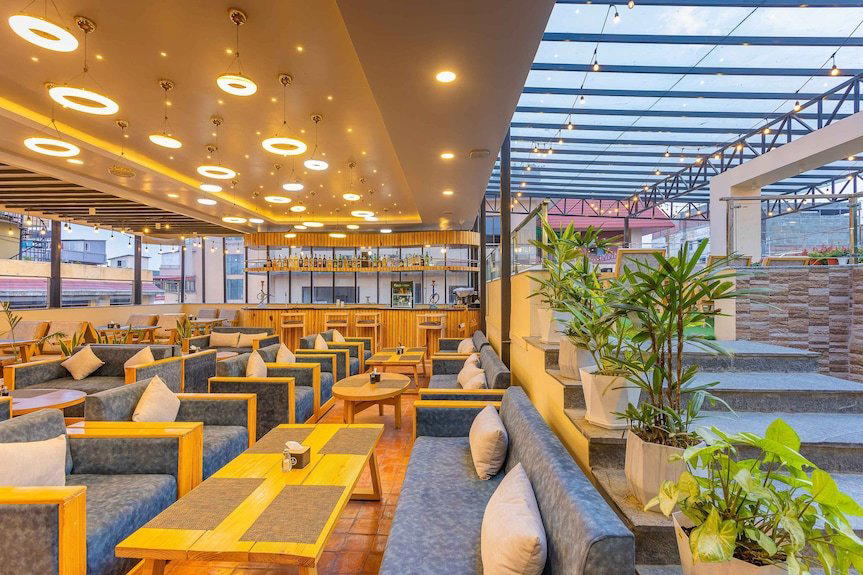
The menu
What to order
- Beef Noodles
- Hand-pulled Noodles
- Lamb Noodles
Chinese Dining in a Himalayan Capital
Kathmandu's restaurant scene has always been shaped by geography as much as gastronomy. The city sits at a crossroads where Tibetan, Newari, Indian, and increasingly international influences intersect, and that layering creates unusual room for Chinese cuisine to occupy a specific, clearly defined role. Dongfang Palace China, on Jyatha Marg in the Jyatha neighbourhood, is one of those addresses — situated close enough to Thamel to catch both long-term residents and travellers, but positioned on a quieter stretch of road that separates it from the more transient dining atmosphere of the tourist core.
The broader geography matters here. Nepal shares a long border with China, and Kathmandu has historically received Chinese influence through trade, diplomacy, and Tibetan diaspora culture. That context gives Chinese cuisine in the city a cultural grounding that goes beyond novelty. For travellers who have spent time at altitude on trekking routes, a meal built around warm broths, braised proteins, and steamed preparations carries a specific appeal that lighter or more salad-forward menus cannot. The ritual logic of Chinese dining — shared plates, sequential ordering by texture and temperature, the expectation of rice or noodles as the centrepiece rather than the afterthought, fits naturally into a city where communal eating is already the norm.
The Ritual of the Shared Table
Chinese restaurant dining, at its most considered, operates through a sequencing logic that rewards patience and group composition. The table begins with cold preparations or lighter starters, moves through protein and vegetable dishes timed to arrive in waves, and closes with rice or noodles as the structural anchor of the meal. This pacing is meaningfully different from a Western set-menu progression, and it places the emphasis on the table's collective decision-making rather than individual selection. In a city like Kathmandu, where group travel is common and the social dynamics of the dinner table are already calibrated toward sharing, this format lands without friction.
For a venue on Jyatha Marg, the physical setting reinforces that communal dynamic. The Jyatha area sits south of the Thamel district's commercial intensity and has historically been a corridor connecting the tourist zone to older residential and commercial Kathmandu. Restaurants in this area tend to draw a mixed clientele of expatriates, Nepali professionals, and informed travellers who have moved beyond the obvious Thamel options. That demographic tends to approach dining more deliberately, which aligns with the slower, more structured rhythm that Chinese table service rewards.
For context on what else the city's dining scene offers across different formats, our full Kathmandu restaurants guide maps the broader picture by neighbourhood and cuisine type.
Kathmandu's Chinese Dining in Context
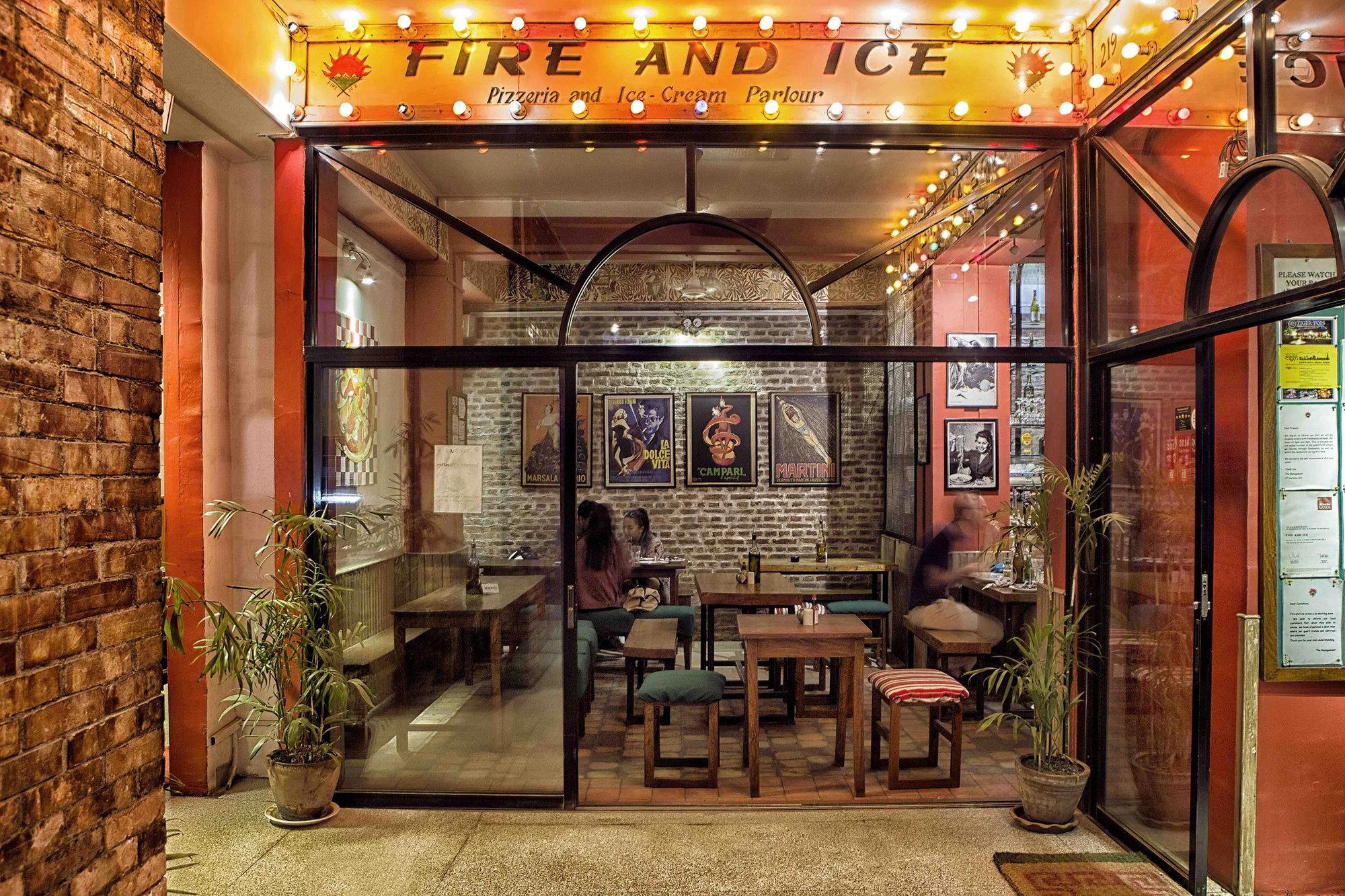
Within Kathmandu's current dining conversation, Chinese cuisine sits in an interesting position relative to other international formats. Italian has a well-established foothold, anchored by venues like Fire & Ice, which has been serving pizza to both locals and trekkers for decades and remains a reliable reference point in that category. The bar scene has developed its own distinct character, with addresses like Bitters & Co. and Barc representing a more considered cocktail-forward direction, and Kava Grill & Lounge occupying the grill-and-lounge tier. Nepali cuisine itself has strong dedicated representation through venues like BAGAAN Thakali Kitchen, which focuses on the Thakali culinary tradition from the Mustang region.
Against that backdrop, dedicated Chinese restaurants occupy a smaller, more specific niche. The category benefits from the fact that Chinese cooking techniques, particularly in wok cookery and broth-based preparations, are well-suited to the ingredient availability in Nepal, where pork, poultry, tofu, and a range of vegetables are accessible year-round. The cuisine also bridges cultural familiarity for the significant Chinese and Tibetan communities in Kathmandu, giving it a dual function as both a community anchor and an accessible international option for visitors.
Further afield in Nepal, the dining context shifts significantly by altitude and access. Buddha Lodge & Restaurant in Gorak Shep, at the base of Everest, operates under entirely different logistical constraints, while Scenic Tea House in Pokhara reflects the lakeside city's own distinct dining character. Tomodachi Restaurant in Sagarmatha Zone demonstrates how Japanese cuisine has found a foothold on trekking routes, and Butwal's vegetarian-focused options show the regional variation across the Terai. Kathmandu, as the capital, is where the widest range of dining formats concentrates.
Planning a Visit
Dongfang Palace China is located at the Jyatha Marg address (P876+8WW), which places it within a short walk of the southern boundary of Thamel and accessible from central Kathmandu by foot or a brief taxi ride. As with many Kathmandu restaurants in this part of the city, visitors should confirm current hours directly on arrival or through a hotel concierge, as hours can shift seasonally and are not always maintained on third-party platforms. Reservations policies for this category in Kathmandu are typically relaxed outside of peak season (October-November and March-April, when trekking traffic peaks), though group bookings of six or more warrant advance notice at any venue in the city.
For comparative reference across different dining formats and culinary traditions globally, EP Club covers venues across the full range, from Le Bernardin in New York City and Atomix at the high end of the tasting-menu format, to destination-specific addresses like HAJIME in Osaka, Atelier Moessmer Norbert Niederkofler in Brunico, Dal Pescatore in Runate, Quattro Passi in Marina del Cantone, Lazy Bear in San Francisco, and Emeril's in New Orleans. The contrast in scale and context is part of what makes tracking regional dining meaningful.
Frequently asked questions
Where do I go for Dongfang Palace China?
Dongfang Palace China is located at P876+8WW, Jyatha Marg, काठमाडौं 44660, Kathmandu.
How does Dongfang Palace China compare to other Chinese restaurants in Kathmandu?
Kathmandu has a small but established Chinese restaurant presence, shaped partly by historical trade routes connecting Nepal to Tibetan and southern Chinese culinary traditions. Dongfang Palace China on Jyatha Marg sits in the central city rather than on the hotel strip, which places it closer to the dining habits of Kathmandu's resident population than venues oriented primarily toward international visitors. Without documented awards or a named chef, its position in the local Chinese dining conversation is best assessed through a visit rather than external credentials.
What should I order at Dongfang Palace China?
Ordering for the group rather than individually will give you a better reading of the kitchen's range. Ask staff which dishes are prepared in-house rather than adapted for local palates.
Is Dongfang Palace China reservation-only?
No booking contact or reservation policy is currently listed for Dongfang Palace China. The restaurant sits on Jyatha Marg near the southern boundary of Thamel, a district where walk-in dining remains common. Arriving outside peak meal hours — mid-afternoon or early evening — will improve your chances of being seated without advance arrangement.
What's Dongfang Palace China best at?
Within Kathmandu's international dining conversation, Chinese cuisine occupies a distinct position: it is one of the few formats where the shared-table sequencing logic genuinely translates, even in a city where communal eating already has deep Newari roots. Dongfang Palace China's address on Jyatha Marg places it in the circuit of central Kathmandu restaurants serving a mix of local professionals and visitors from the Thamel area. Its strength appears to be providing a coherent Chinese dining format in a city where that specific tradition is not crowded.
Do they accommodate allergies at Dongfang Palace China?
No documented allergen or dietary accommodation policy exists for Dongfang Palace China. Chinese cooking at this scale frequently uses soy, shellfish derivatives, and gluten-containing sauces as baseline ingredients. If you have a serious allergy, communicate it directly with staff before ordering rather than relying on menu notations.
Is eating at Dongfang Palace China worth the cost?
No pricing data is publicly available for Dongfang Palace China, which makes a direct cost assessment difficult. Chinese restaurants in Kathmandu's central dining corridor generally sit below the price points of the city's hotel restaurants while offering comparable scope in shared-dish formats. The Jyatha Marg location keeps it accessible without the premium attached to Thamel's tourist-facing addresses.
Cuisine and Awards Snapshot
| Venue | Cuisine | Price |
|---|---|---|
| Dongfang Palace ChinaThis venue (the venue you are viewing) | Authentic Chinese Hand-Pulled Noodles | $1–10 |
| Bitters & Co. | Cocktail Bar | $10–20 |
| Fire & Ice | Authentic Italian Pizzeria | Not listed |
| Kava Grill & Lounge | Indian and International Multi-Cuisine | Not listed |
| Koyla Tandoori Restaurant | Indian Tandoori | $10–20 |
Continue exploring
More in Kathmandu
Details
- Casual
- Cozy
- Casual Hangout
- Solo
- Group Dining
- Standalone
- A La Carte
Casual, unpretentious dining atmosphere with authentic Chinese culinary focus.