Buddha Lodge & Restaurant
Our verdict
At 5,164 metres above sea level, Buddha Lodge & Restaurant sits at the last permanent settlement before Everest Base Camp, making it the final stop for food and shelter on one of the world's most demanding approach routes. The lodge serves trekkers navigating the Khumbu glacier moraine, where altitude, isolation, and the limits of supply chains define every dish on the table.

Pearl is the En Primeur Club membership app — saves, bookings, and concierge access live there. Same editors, same standards.
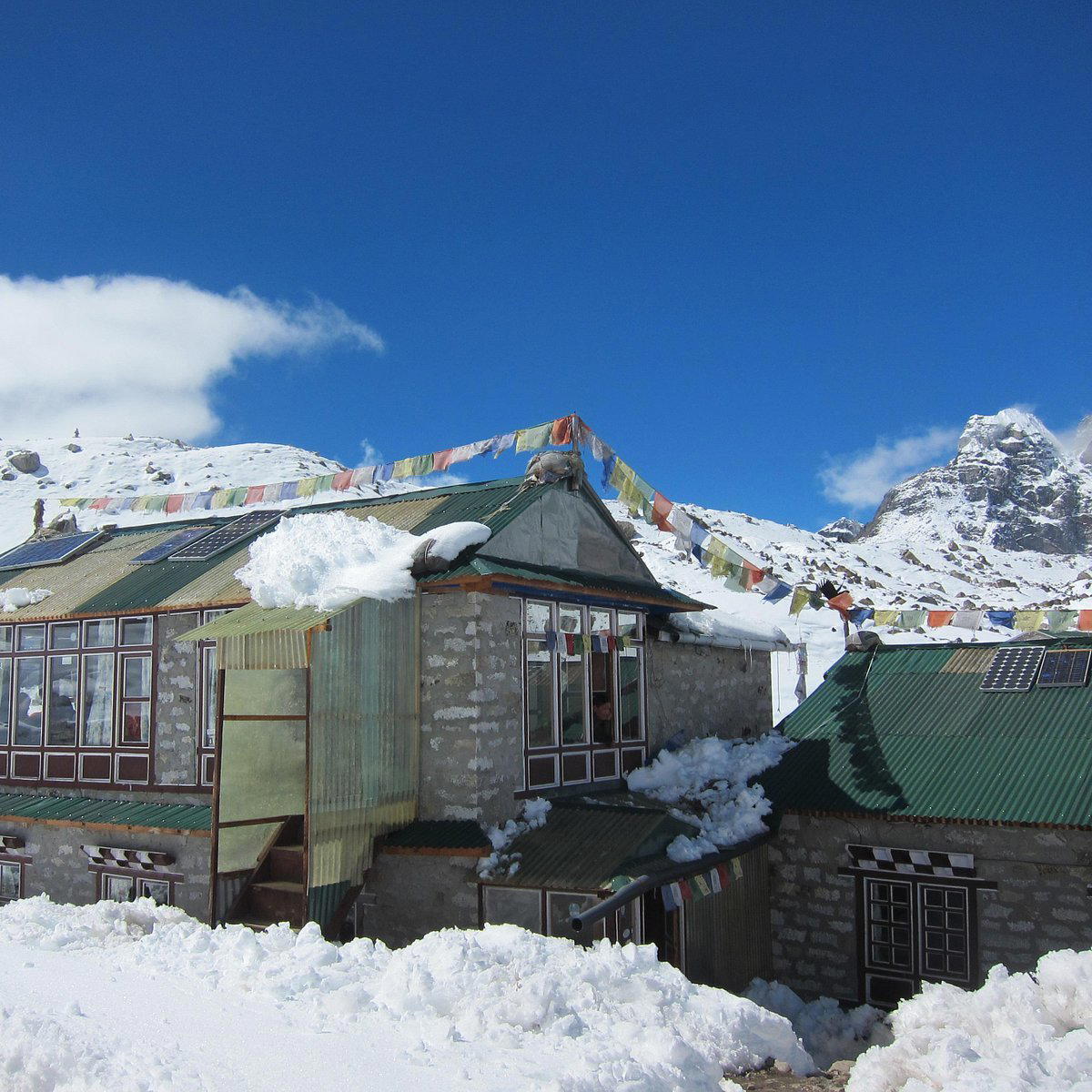
The Last Table Before Base Camp
There is a particular quality to eating at altitude that has nothing to do with the food itself. At Gorak Shep, the final cluster of lodges before the trail splits toward Everest Base Camp and Kala Patthar, the act of sitting down to a meal carries a weight that no restaurant in a city can replicate. The air holds roughly half the oxygen of sea level. The temperature can drop below freezing before sundown. The nearest road is a multi-day walk away. In this context, Buddha Lodge & Restaurant is not competing with anything in Kathmandu or Pokhara. It is operating inside a category defined entirely by geography and logistics, and that distinction shapes everything about how food arrives at the table and what it means when it does.
Gorak Shep sits at 5,164 metres on the Khumbu glacier moraine, above Lobuche and below the base camp trail junction. It is one of the highest permanently inhabited settlements in the world, and the lodges that operate here function as the final provisioned outpost for trekkers on the classic Everest approach. For context on how Nepal's mountain hospitality sector is structured across altitude bands, see our full Gorak Shep restaurants guide.
What Sourcing Looks Like at 5,164 Metres
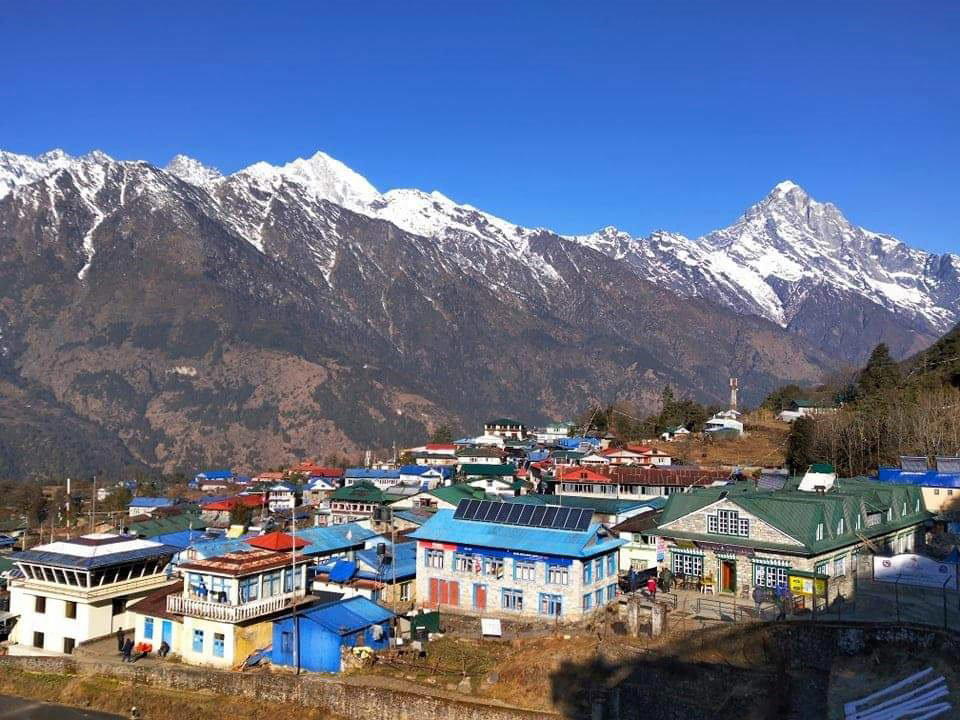
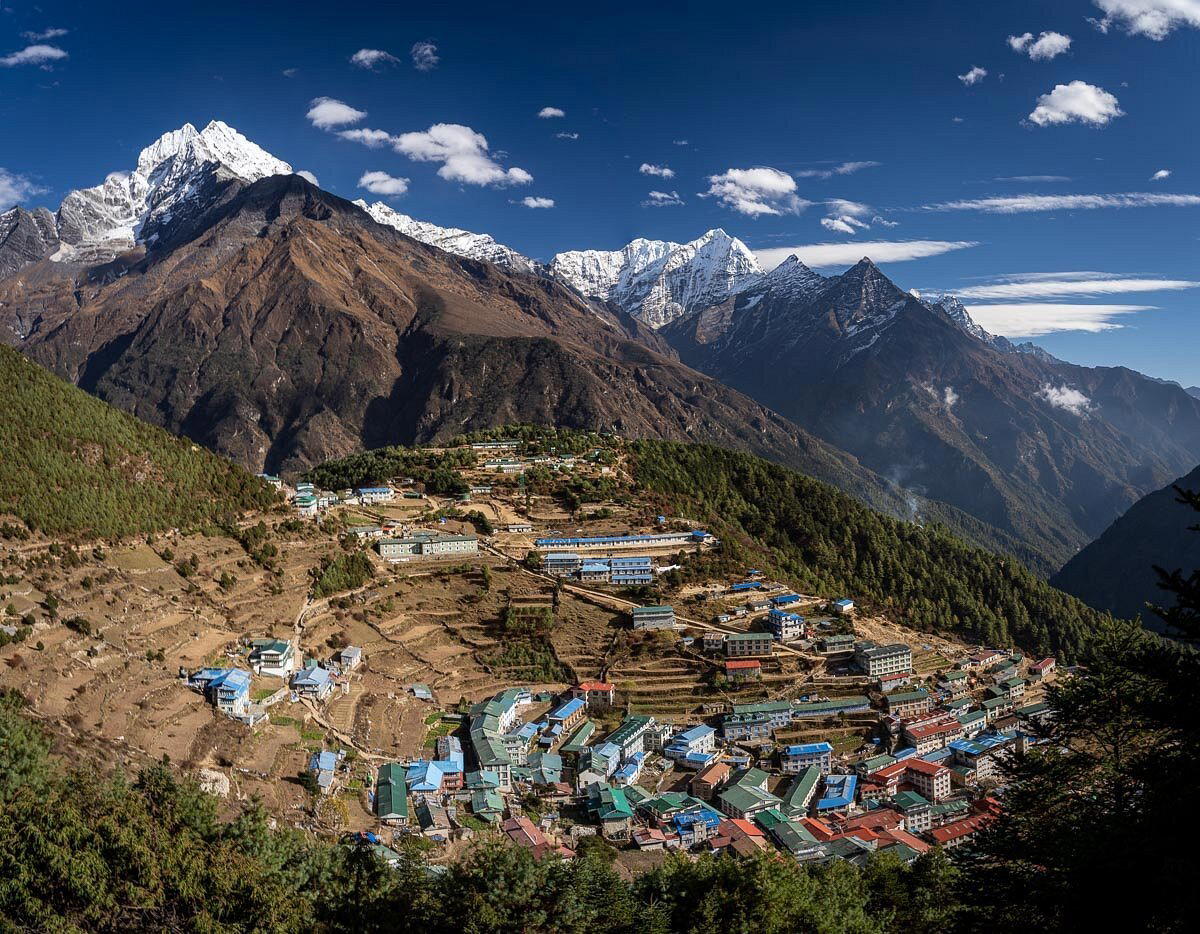
The ingredient sourcing reality of Gorak Shep is among the most extreme of any dining environment on Earth. No vehicle reaches this elevation. Everything that appears on a lodge table arrives on the back of a yak or a porter, carried up from Namche Bazaar, which itself is supplied by flights into Lukla airport, a runway that operates under strict weather windows and weight limits. The supply chain is not a logistical inconvenience. It is the defining condition of every menu decision made here.
Dal bhat, the lentil-and-rice combination that sustains much of Nepal, travels well in this environment because its components are dense, calorie-rich, and stable. Instant noodles, canned goods, and dried foods dominate where fresh produce cannot survive the cold or the carry time. Eggs arrive fragile and precious. Vegetables that reach Gorak Shep are typically root varieties or hardy greens that tolerate both the cold and the altitude-affected cooking times: water boils at approximately 83 degrees Celsius here, which means pasta takes longer, rice needs more attention, and anything requiring sustained high heat demands patience and fuel that must also be carried in.
This is not a constraint unique to Buddha Lodge. It is the operating reality of all lodges in the upper Khumbu, including those at Tomodachi Restaurant in Sagarmatha Zone. What separates lodges at this altitude from the tea houses lower on the trail, or from urban venues like Barc in Kathmandu, is not kitchen ambition. It is the supply chain distance and the altitude physics that govern cooking itself. The editorial interest in a place like Buddha Lodge is precisely that its kitchen operates under constraints that make even basic nutrition a logistical achievement.
The Setting: Cold Air, Stone Walls, Glacier Views
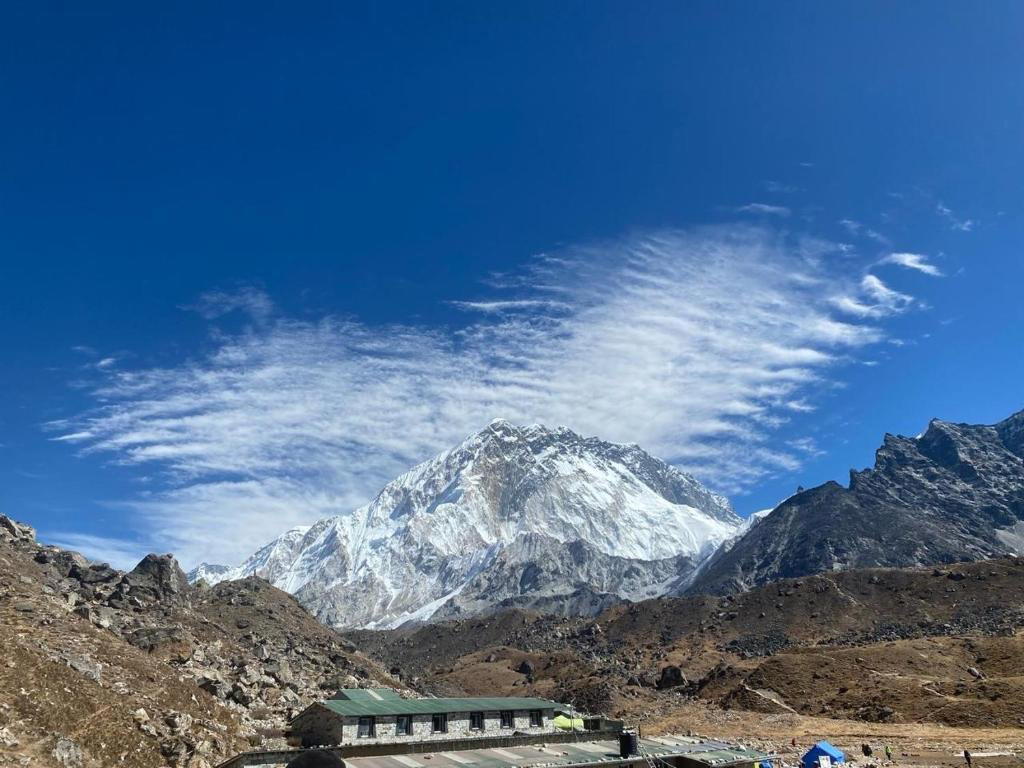
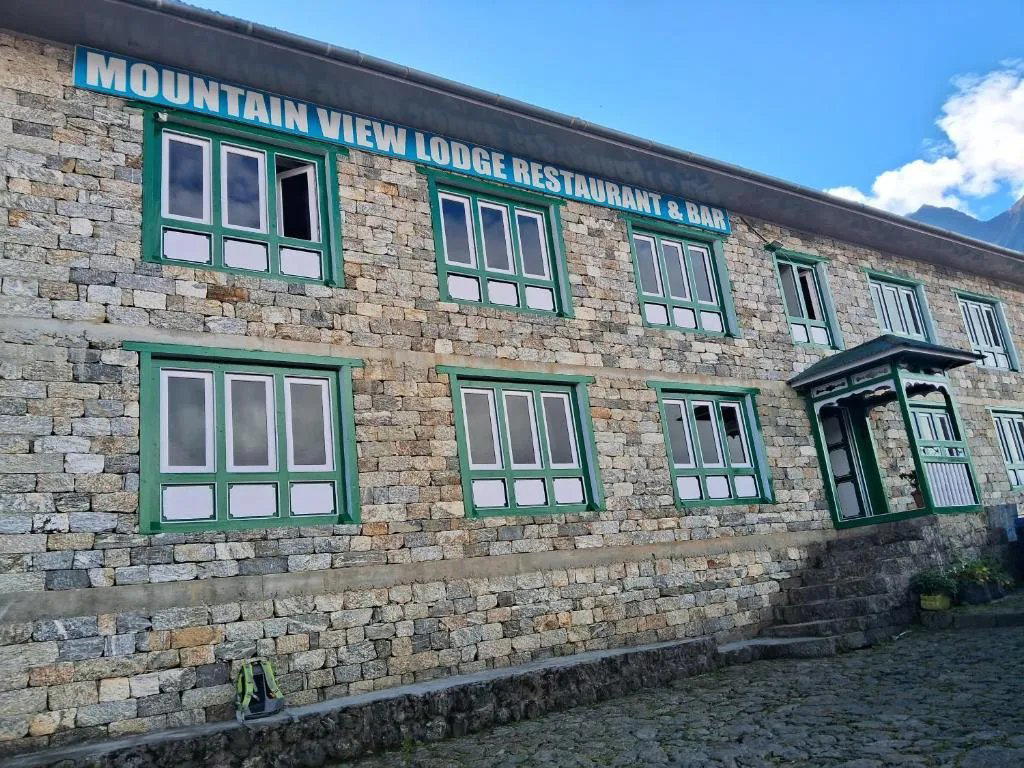
Approaching Gorak Shep from Lobuche, the trail crosses the lateral moraine of the Khumbu glacier before the settlement comes into view: a small collection of low stone buildings against a backdrop that includes Pumori, Nuptse, and the Khumbu icefall. The lodges here are functional structures built for warmth retention at extreme altitude, typically single-story stone constructions with small windows and yak-dung or kerosene heating in the dining area. The dining room of a lodge like Buddha Lodge is likely to be the warmest space in the building and the social centre of the trekking day.
Trekkers arrive from the Base Camp trail or descend from Kala Patthar at dawn, often before 8am, to beat the afternoon winds that routinely exceed 50 kilometres per hour at that elevation. The rhythm of meals at this altitude is dictated by acclimatization schedules and summit-attempt timings rather than conventional dining hours. Tea, in large quantities, is the currency of the high Khumbu. Butter tea in the Tibetan tradition appears here alongside more familiar builder's chai, and both serve a physiological purpose: hydration and warmth in an environment where dehydration accelerates altitude sickness.
Altitude Dining in a Global Context
The contrast between dining at altitude in the Himalayas and the kind of precision cooking that defines starred dining globally is worth drawing explicitly. Restaurants like Le Bernardin in New York City, HAJIME in Osaka, or Reale in Castel di Sangro operate within supply chains of extraordinary precision, where sourcing decisions are philosophical choices about provenance and sustainability. Venues like Atelier Moessmer Norbert Niederkofler in Brunico and Piazza Duomo in Alba frame hyper-local sourcing as an expression of regional identity. At Gorak Shep, hyper-local sourcing is not a philosophy. It is a physical necessity. The ingredient set is what the yak trail will carry, and the kitchen makes do accordingly.
This does not make the food inconsequential. For a trekker at this altitude, a bowl of hot dal bhat with sufficient calories to sustain a summit attempt the following morning is a more meaningful meal than almost anything served in a fine-dining context. The stakes are different. So is the meaning. Consider also that the plant-forward simplicity of high-altitude Nepali cooking shares more structural DNA with the vegetarian tradition explored at venues like Butwal veg & vegan Restaurants than it does with the meat-centred cuisines of lower-altitude Nepal.
For those looking at the range of Nepali hospitality from urban centres to mountain trails, the contrast is also visible between Gorak Shep's stripped-back lodge format and the resort dining context of venues like Scenic Tea House at Himalayan Hideaway Resort in Pokhara, where altitude is a scenic backdrop rather than a governing constraint. Other starred references like Uliassi in Senigallia, Waterside Inn in Bray, Dal Pescatore in Runate, Quattro Passi in Marina del Cantone, Le Calandre in Rubano, Atomix in New York City, Lazy Bear in San Francisco, and Emeril's in New Orleans all illuminate, by contrast, how much contemporary fine dining depends on infrastructure that simply does not exist at 5,164 metres.
Planning Your Stop
Trekkers reach Gorak Shep typically on the third or fourth day above Namche Bazaar, following an acclimatization night at Lobuche. The lodges here operate on a cash basis, and Nepali rupees are the functional currency. There is no reliable ATM above Namche, so carrying sufficient cash for the upper Khumbu portion of the trek is a logistical requirement rather than a preference. Booking is not meaningfully possible in the conventional sense: trekkers arrive, space permitting, and lodges fill on a first-come basis during peak season in October-November and March-April. Outside those windows, the lodges may operate with reduced capacity or staff, and some close during the deep winter months. The lodge's accommodation and restaurant function as a combined offering, which is standard across the Khumbu above Namche.
Frequently asked questions
Is Buddha Lodge & Restaurant suitable for children?
Gorak Shep sits at 5,164 metres above sea level, and the physiological demands of that altitude make it unsuitable for most children. The approach from Namche Bazaar takes three to four days of sustained trekking above 3,400 metres, where acute mountain sickness is a real and serious risk for younger trekkers. Families with children typically turn back at Namche Bazaar or Tengboche, well below this elevation.
What kind of setting is Buddha Lodge & Restaurant?
Buddha Lodge sits in Gorak Shep, a small settlement perched on a frozen lake bed beside the lateral moraine of the Khumbu Glacier, with Kala Patthar rising directly behind it. Stone walls, low ceilings, and communal heating define the interior, built for function against temperatures that drop sharply after dark. It is the last cluster of lodges before Everest Base Camp, which means the setting is defined entirely by necessity and elevation rather than comfort or design.
How do supplies reach Buddha Lodge & Restaurant at 5,164 metres in Gorak Shep?
No road or vehicle access exists above Lukla at 2,860 metres, so every ingredient that reaches Gorak Shep travels the entire Khumbu trail on foot or by yak and dzopkyo. The logistics add days of transit to any resupply, which explains why menus at this altitude centre on shelf-stable staples: rice, lentils, dried noodles, and packaged goods. Buddha Lodge operates within that same supply reality as every other lodge in Gorak Shep, making the sourcing constraint as defining a feature of the dining experience as the glacier views outside.
What do people recommend at Buddha Lodge & Restaurant?
At 5,164 metres, every ingredient arrives on foot or by pack animal, which shapes the menu more than any chef preference. Trekkers generally report prioritising hot food and warm drinks over variety at this stage of the approach.
Side-by-Side Snapshot
| Venue | Cuisine | Price |
|---|---|---|
| Buddha Lodge & RestaurantThis venue (the venue you are viewing) | Nepali Trekking Food | $10–20 |
| Bitters & Co. | Cocktail Bar | $10–20 |
| Butwal veg & vegan Restaurants Parking Area Back entrance | Nepali-Indian Fusion | $10–20 |
| Dongfang Palace China | Authentic Chinese Hand-Pulled Noodles | $1–10 |
| Fire & Ice | Authentic Italian Pizzeria | Not listed |

Continue exploring
More in Gorak Shep
Restaurants in Gorak Shep
All restaurants in Gorak Shep →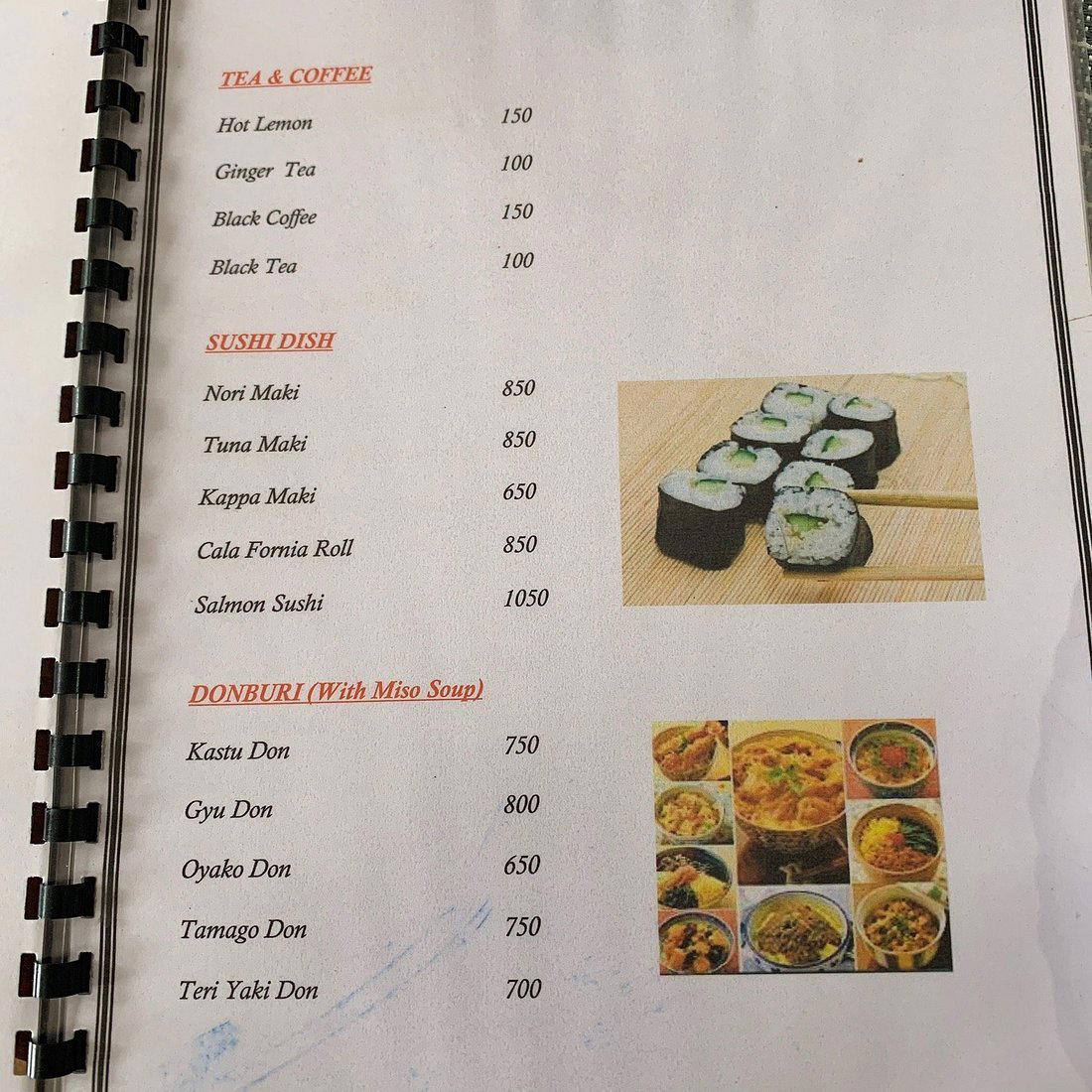
Details
- Cozy
- Rustic
- Scenic
- Casual Hangout
- Historic Building
- Mountain
- A La Carte
- Vegetarian Friendly
Warm and convivial dining area with wood stove, cheerful decor of flags and t-shirts, cozy despite cold remote setting.