Our verdict
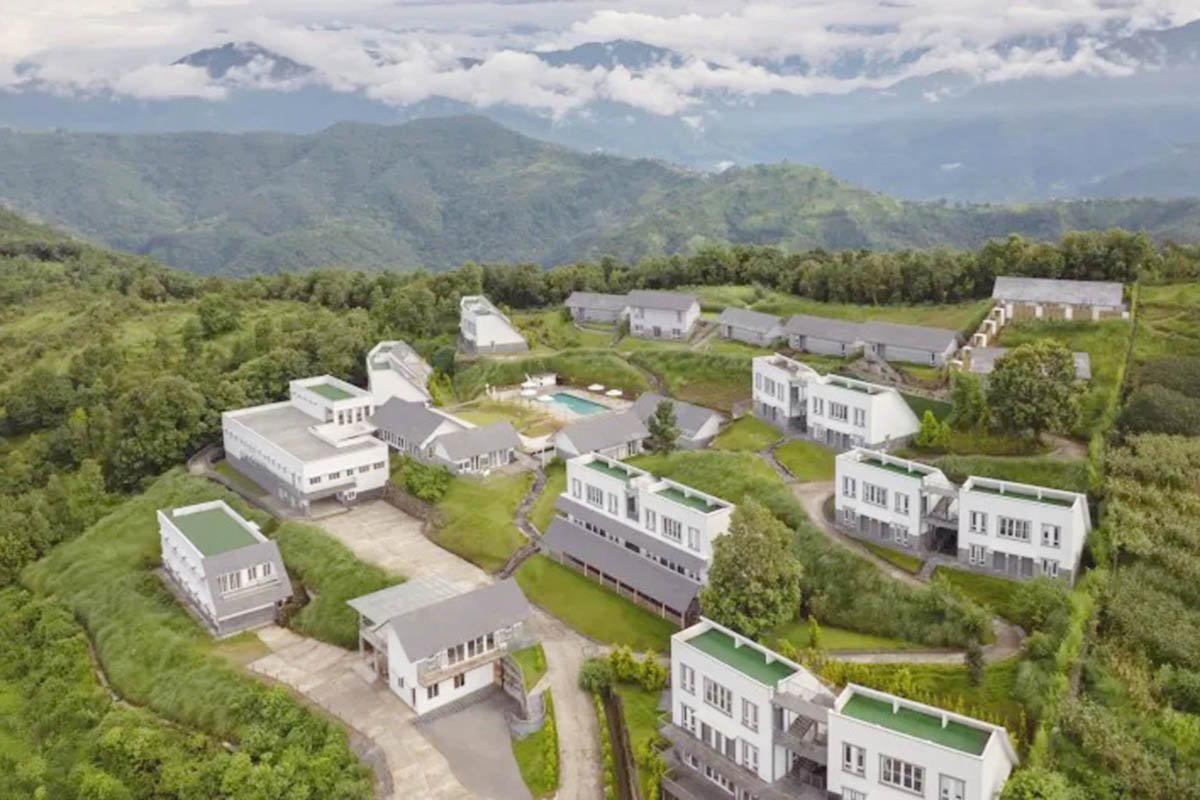
Perched within the Himalayan Hideaway Resort in Pokhara, the Scenic Tea House offers a calm counterpoint to the city's busier lakeside dining circuit — light local fare and Thai-inspired dishes served against a backdrop of mountain air and still water. The menu draws on the four-pillar balance of Thai cooking while accommodating Nepali palate preferences, making it one of the more considered spots for a mid-morning tea or a slow afternoon meal in the valley.

Pearl is the En Primeur Club membership app — saves, bookings, and concierge access live there. Same editors, same standards.
Where the Phewa Valley Sets the Table
Pokhara's dining scene divides, broadly, into two registers: the dense strip of lakeside restaurants pitching to trekkers on tight schedules, and a quieter tier of resort-attached venues where the setting does as much work as the kitchen. The Scenic Tea House, operating within the Himalayan Hideaway Resort, belongs firmly to the second category. The approach here is slower. The view — water, ridgeline, cloud — is not incidental but structural to the experience. You sit, you wait, you watch the light shift across Phewa Lake, and the food arrives in its own time. That pacing is either the point or a liability, depending entirely on what kind of afternoon you are having.
Tea houses as a format have a long and specific history in Nepal, originally functioning as rest stops along trekking routes rather than destination dining venues. The urban version, particularly when attached to resort accommodation, has evolved into something closer to a salon: a place for residents and day visitors to extend a morning over a pot of tea or turn a light lunch into a two-hour pause. The Scenic Tea House fits that evolved format. Its menu, local Nepali fare alongside Thai-inspired dishes, positions it at an interesting intersection, one that reflects Pokhara's gradual accumulation of South and Southeast Asian culinary influences without committing fully to either tradition.
The Thai Influence and the Four-Pillar Question
Thai cooking, at its structural core, operates through the calibrated tension between four elemental tastes: sweet, sour, salty, and spicy. No single note dominates; the craft lies in the ratio. When Thai-inspired dishes appear on menus outside Thailand, particularly in South Asian resort contexts, that balance is often the first casualty. Local palate preferences shift the dial: more heat in Nepal, less fish sauce, sometimes a sweetness that tips past the point Thai cuisine would allow. What matters, when assessing a menu described as Thai-inspired rather than strictly Thai, is whether the kitchen holds the tension or flattens it.
At a venue like the Scenic Tea House, where the menu spans local Nepali preparations and Thai-influenced dishes, the interest lies in how those two traditions negotiate with each other on the plate. Nepali cooking tends toward warmth and earthiness, dal bhat as a structural anchor, spiced but rarely sharp, generous in portion logic rather than flavour complexity. Thai-inspired fare, even in a softened resort register, introduces brightness: acid from citrus or tamarind, heat that arrives cleanly rather than as a slow background burn. Whether the kitchen at Himalayan Hideaway leans into that contrast or smooths it into a single undifferentiated register is the question a visiting diner brings to the table. The menu category itself, tea house fare, suggests restraint, which in this context is not necessarily a criticism. Restraint, applied well, can be exactly what a midday meal at altitude requires. For reference on how a more ambitious kitchen handles Southeast Asian flavour architecture at scale, Amber in Hong Kong offers a useful counterpoint, though the comparison illuminates format differences more than it ranks one against the other.
Pokhara's Resort Dining Tier
Pokhara has, over the past decade, developed a recognisable upper tier of resort-attached dining that operates on different logic from its lakeside strip. The lakeside strip, Lakeside Road and its immediate tributaries, runs on volume and variety, serving international trekkers with menus that span continental, Indian, and approximated versions of multiple Asian cuisines. The resort tier, by contrast, concentrates on captured audiences (hotel guests) supplemented by day visitors seeking a particular kind of calm. Prices tend to be higher; expectations around service and setting tend to be more demanding; menus tend to be shorter and more considered.
For those building an itinerary across Nepal's restaurant scene, our full Pokhara restaurants guide maps the city's dining geography in more detail, including how the resort tier relates to the broader options at altitude. Visitors exploring further afield may also find useful context in the dining options documented around Buddha Lodge in Gorak Shep, which represents the trekking-route end of the spectrum, and Tomodachi Restaurant in the Sagarmatha Zone, which illustrates how Japanese influences have entered Nepal's mountain dining circuit. For urban context, Barc in Kathmandu shows how Nepal's capital has been developing a more technically ambitious dining register.
The Scenic Tea House sits below that technically ambitious tier by design. This is a venue for the middle of the day, not for a destination dinner. That positioning is a choice, not a deficit. In resort terms, a well-run tea house that does light local fare and Thai-inspired dishes credibly, in a setting this composed, fills a gap that many Pokhara properties leave unaddressed.
Planning a Visit
The Scenic Tea House operates as part of the Himalayan Hideaway Resort, which means access for non-resident visitors typically follows the resort's own policies, worth confirming directly with the property before making a day-trip plan around it. Given the format, tea house scale, resort setting, this is not the kind of venue that requires weeks of lead time, but confirming availability for a non-guest visit avoids unnecessary friction. The broader Pokhara circuit, including venues at various price points and formats, is covered in detail in our Pokhara guide. For those cross-referencing against a global frame of reference in resort dining, properties like Alain Ducasse at Louis XV in Monte Carlo or 8½ Otto e Mezzo Bombana in Hong Kong illustrate the ceiling of the resort-restaurant format globally, useful for calibrating expectations across very different market contexts.
Frequently asked questions
Does Scenic Tea House at Himalayan Hideaway Resort Pokhara work for a family meal?
The tea house format, with light local fare and Thai-inspired dishes, suits families looking for a relaxed, unhurried setting rather than a formal dining room. Children generally fare better in tea house environments than in tasting-menu restaurants, as the menu is accessible and pacing is flexible. As a resort-attached venue, the surroundings at Himalayan Hideaway are designed for comfort across guest types.
What is the overall feel of Scenic Tea House at Himalayan Hideaway Resort Pokhara?
The setting sits within the Himalayan Hideaway Resort above Pokhara, placing it in the quieter upper tier of resort dining rather than along the busy lakeside strip. The tea house format keeps things low-key: this is somewhere to linger over a pot of tea or a light meal while the Phewa Valley view does most of the work. It operates on a different tempo from the trekker-focused restaurants closer to the water.
What is the must-try dish at Scenic Tea House at Himalayan Hideaway Resort Pokhara?
Specific menu items are not publicly detailed, so pinning down a single dish is not straightforward. The kitchen works across tea house staples and Thai-inspired fare, and Thai cooking at its core relies on the calibrated balance of sweet, sour, salty, and spicy, so dishes in that register tend to be where the menu earns most of its character. Asking staff what is freshest on the day is a more reliable guide than any fixed recommendation.
Can non-resort guests visit the Scenic Tea House at Himalayan Hideaway Resort Pokhara?
Access for non-resident visitors typically follows the resort's own policies, which means it is worth contacting Himalayan Hideaway Resort Pokhara directly before planning a standalone visit. This is common across Pokhara's resort-attached dining tier, where venues prioritise in-house guests rather than walk-in traffic from the lakeside strip. Confirming access in advance avoids any uncertainty on arrival.
Fast Comparison
Comparable venues nearby, for context on price, style, and recognition.
| Venue | Cuisine | Price | Notes |
|---|---|---|---|
| Scenic Tea HouseThis venue (the venue you are viewing) | Scenic Tea House | $10–20 | Not listed |
| Saigon Pho | Authentic Vietnamese Pho | Not listed | Lazimpat |
| Ofukurono Aji Japanese Home Dishese (おふくろの味) | Japanese Home Dishes | $10–20 | Thamel |
| Buddha Lodge & Restaurant | Nepali Trekking Food | $10–20 | Gorak Shep |
| Butwal veg & vegan Restaurants Parking Area Back entrance | Nepali-Indian Fusion | $10–20 | Kalikanagar |
Continue exploring
More in Pokhara
Bars in Pokhara
All bars in Pokhara →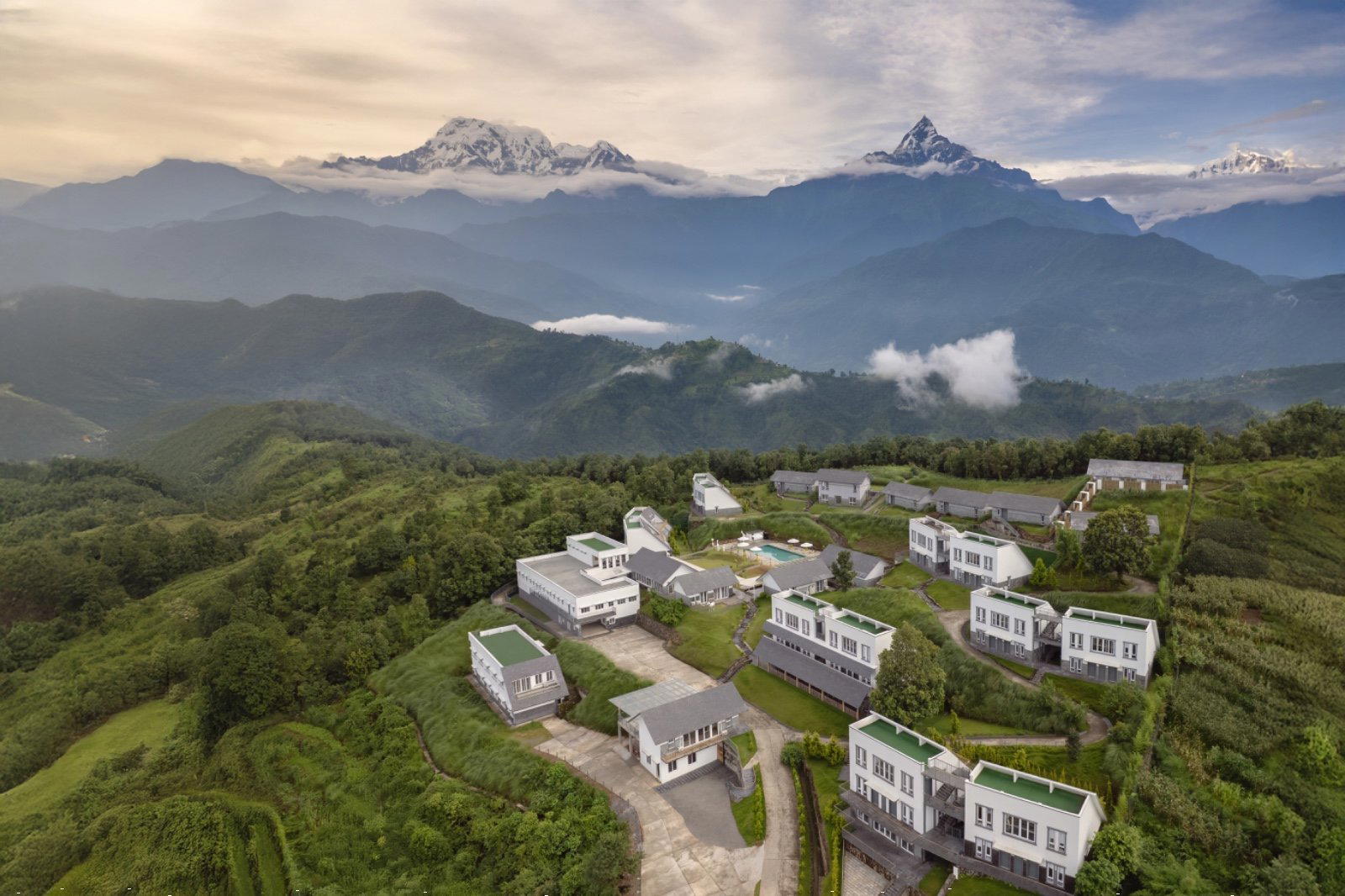
Details
- Scenic
- Cozy
- Quiet
- Elegant
- Casual Hangout
- Special Occasion
- Hotel Restaurant
- Panoramic View
- Terrace
- Local Sourcing
- Mountain
- A La Carte
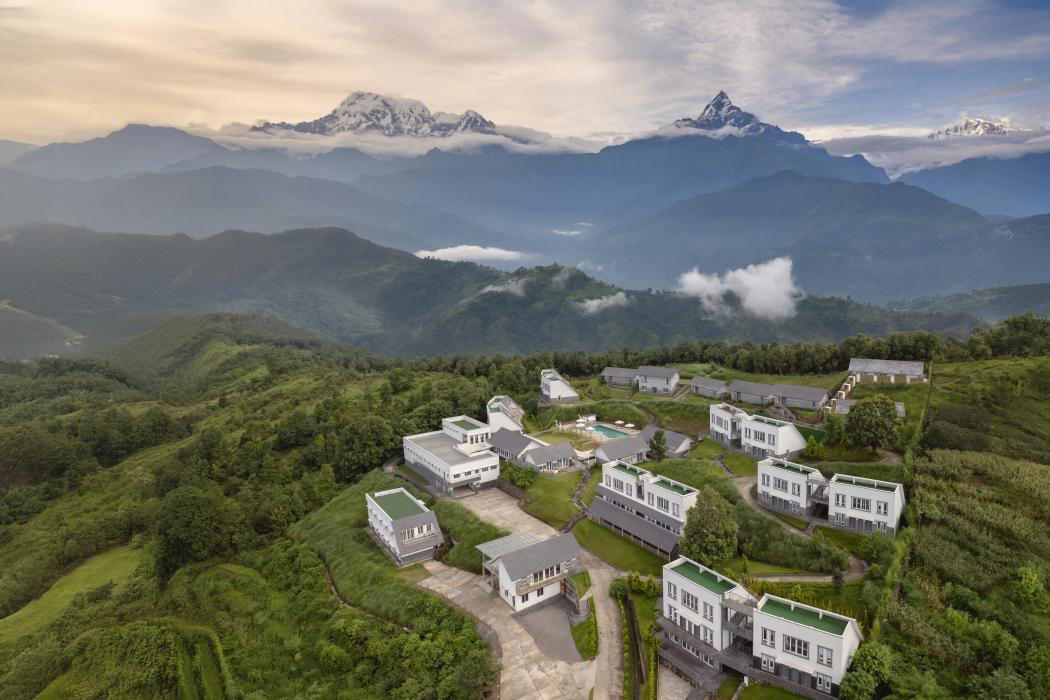
Cosy and high setting with dramatic mountain views, providing a peaceful and relaxing atmosphere.