Our verdict
A vegetarian and vegan restaurant cluster accessed via the parking area back entrance at Traffic Chowk in Butwal, serving a locally-oriented clientele in one of western Nepal's main transit hubs. The format reflects how Lumbini Province's plant-based eating tradition functions at a provincial urban level, shaped by Terai agricultural cycles rather than international dining trends.

Pearl is the En Primeur Club membership app — saves, bookings, and concierge access live there. Same editors, same standards.
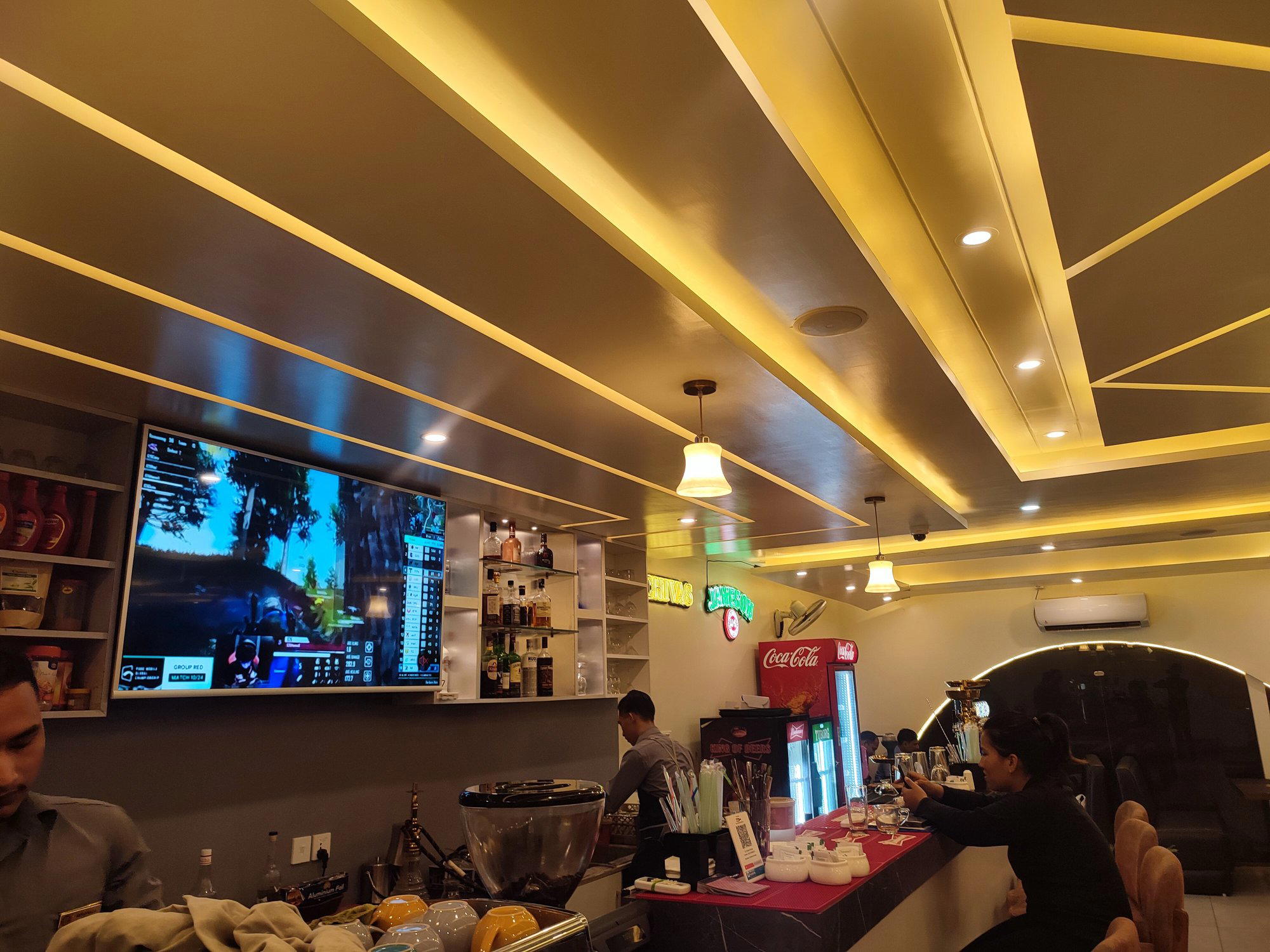
Vegetable-Forward Dining at Traffic Chowk: What Butwal's Plant-Based Scene Tells You
Traffic Chowk in Butwal sits at one of the city's busiest intersections, and the back entrance to this vegetarian and vegan restaurant cluster reflects something broader about how mid-sized Nepali cities handle plant-based eating. In a country where dal bhat has always been the structural backbone of daily nutrition, the emergence of dedicated vegetarian and vegan dining spaces in provincial cities like Butwal is less a trend than a clarification: the cooking that Nepali households have practiced for generations is finally getting framed as a genre in its own right. The parking area back entrance positioning is practical rather than atmospheric, the kind of access point that signals a local-facing operation where the regulars know exactly where to go.
Where the Produce Comes From and Why That Matters Here
Butwal sits in the Rupandehi district of Lumbini Province, at the edge of the Terai plains just before the Himalayan foothills begin to rise. That geographic position gives it access to two distinct agricultural zones. The flat Terai land to the south produces substantial quantities of rice, lentils, mustard, and seasonal vegetables through much of the year. The hillside areas to the north supply different varieties of leafy greens, root vegetables, and legumes that don't thrive in the lowland heat. For vegetarian restaurants in this part of Nepal, that dual-zone supply chain is not a marketing point; it is simply the reality of what arrives at market each morning. Cooks work with what the season and the terrain offer, which means menus shift with harvest cycles rather than chef preferences. This is the ingredient logic that has defined Nepali cooking for centuries, and vegetarian establishments in Butwal sit directly inside that tradition. Compare this ingredient-to-table relationship with the hyper-controlled sourcing programs at Michelin-level restaurants like Atelier Moessmer Norbert Niederkofler in Brunico or Piazza Duomo in Alba, where sourcing is the explicit editorial frame of the entire menu. In Butwal, the sourcing is just as deliberate, but the communication of it is entirely absent: the produce shows up, the kitchen uses it, the dish appears. There is no intermediary narrative.
The Plant-Based Tier in a Nepali Provincial City
Across Nepal, vegetarian dining exists on a broad spectrum. At the leading end, Kathmandu establishments like Barc in Kathmandu operate within a more cosmopolitan frame, drawing on international technique and an urban dining culture that has absorbed influences from across South Asia and beyond. At the trekking-route end of the scale, places like Buddha Lodge and Restaurant in Gorak Shep serve plant-forward meals to altitude trekkers whose primary requirements are caloric density and warmth. Butwal's vegetarian restaurants occupy a different tier entirely: provincial urban, locally patronised, and shaped by the eating habits of a city with a significant Hindu population where vegetarianism is not a lifestyle choice so much as a daily default for a substantial portion of residents. The format at Traffic Chowk reflects this: these are not aspirational dining destinations in the international sense, but they are serious about the food they serve to people who eat this way every day. The rigour is different from what you'd find at Le Bernardin in New York City or HAJIME in Osaka, but the commitment to feeding a community well is structurally similar.
Butwal's Dining Geography: Reading the City Through Its Food Stops
Butwal is not a city that appears on most international travellers' itineraries, but it functions as a significant transit and commercial hub in western Nepal, connecting the Indian border at Sunauli with Pokhara and points north. That transit character shapes its food economy: the city has a high volume of people passing through who need to eat quickly and affordably, alongside a resident population with more rooted food habits. Vegetarian restaurants near major intersections like Traffic Chowk serve both audiences. For trekkers and travellers moving toward Pokhara, where places like Scenic Tea House at Himalayan Hideaway Resort represent a more polished hospitality register, a stop in Butwal is functional rather than destination-driven. For residents, it is simply part of how the city eats. Our full Butwal restaurants guide maps the city's dining options across different neighbourhoods and price points, which gives better context for where Traffic Chowk sits within the broader picture.
What the Regional Scene Connects To
Nepal's vegetarian dining tradition has parallels across South Asia, but the Nepali version draws on a specific set of influences: Newari food culture from the Kathmandu Valley, Tharu cooking from the Terai, and the everyday Hindu vegetarian diet that structures meals around dal, bhat, tarkari, and achar. In Butwal, which sits close to the Terai and has population connections across caste and ethnic groups, the vegetarian table is genuinely diverse in its reference points even when it looks uniform from the outside. The distinction between a tarkari made with seasonal Terai vegetables and one made with hill produce matters to the people eating it, even if it is invisible to a first-time visitor. This kind of embedded local knowledge is not easily replicated by the more internationally legible vegetable-forward programs at restaurants like Reale in Castel di Sangro or Uliassi in Senigallia. It is a different category of seriousness. For further reference points across South Asia and the Himalayan region, Tomodachi Restaurant in the Sagarmatha Zone offers another angle on how mountain-region Nepal feeds its visitors.
Planning a Visit: Practical Context
Frequently asked questions
Is Butwal veg & vegan Restaurants Parking Area Back entrance child-friendly?
The Traffic Chowk location in central Butwal is a practical, no-frills dining cluster rather than a destination restaurant, which generally means a relaxed environment without formal service codes. Families travelling through Butwal on the Lumbini Province corridor regularly stop here. The back entrance off the parking area makes arriving with children straightforward, though the setting is functional rather than purpose-designed for families.
What's the overall feel of Butwal veg & vegan Restaurants Parking Area Back entrance?
This is a working transit-city dining stop, not a curated dining room. Traffic Chowk is one of Butwal's busiest intersections, and the restaurant cluster reflects that energy — accessible, casual, and oriented toward locals, long-distance travellers, and the commercial crowd that moves through western Nepal's main road hub. Expect counter-style or canteen-adjacent formats typical of provincial Nepali dining rather than the polished interiors found in Kathmandu.
Why do travellers on the Pokhara–Lumbini route stop at the Traffic Chowk veg restaurant cluster in Butwal?
Butwal sits at a road junction that connects Lumbini — one of Buddhism's most significant pilgrimage sites — with Pokhara and onward routes into the Himalayan foothills, making Traffic Chowk a natural break point for bus and private vehicle travellers. The vegetarian and vegan cluster here serves the practical need of pilgrims and transit passengers who observe plant-based diets, a significant demographic on this corridor. The back entrance off the parking area is oriented specifically toward vehicles stopping en route rather than walk-in foot traffic from the city centre.
What should I eat at Butwal veg & vegan Restaurants Parking Area Back entrance?
Butwal's position at the edge of the Terai means seasonal produce from the lowland belt features consistently in local kitchens. Vegan options in this area typically lean on legume and grain-based preparations central to Nepali food culture.
How It Stacks Up
Comparable venues nearby, for context on price, style, and recognition.
| Venue | Cuisine | Price | Notes |
|---|---|---|---|
| Butwal veg & vegan Restaurants Parking Area Back entranceThis venue (the venue you are viewing) | Nepali-Indian Fusion | $10–20 | Not listed |
| Saigon Pho | Authentic Vietnamese Pho | Not listed | Lazimpat |
| RoadHouse Café | Wood-Fired Italian Pizza & Fusion | $10–20 | Thamel |
| Yin Yang Restaurant | Authentic Thai with Continental | $10–20 | Thamel |
| BAGAAN Thakali Kitchen | Traditional Thakali Kitchen | $1–10 | Thamel |
| Dongfang Palace China | Authentic Chinese Hand-Pulled Noodles | $1–10 | Thamel |
Details
- Cozy
- Family
- Casual Hangout
- A La Carte
- Vegan Options
- Vegetarian Friendly
Current opening hours
- Monday
- 7 AM–10 PM
- Tuesday
- 7 AM–10 PM
- Wednesday
- 7 AM–10 PM
- Thursday
- 7 AM–10 PM
- Friday
- 7 AM–10 PM
- Saturday
- 7 AM–10 PM
- Sunday
- 7 AM–10 PM
Hours can change for holidays and private events. Last verified .
Warm and welcoming with attentive service.