Tomodachi Restaurant
Our verdict
Tomodachi Restaurant sits in Namche Bazaar, the high-altitude trading hub that serves as base camp for Everest-region trekkers in Nepal's Sagarmāthā Zone. At an elevation where supply chains are measured in yak loads and weather windows, the kitchen's relationship with local ingredients tells a sharper story than almost any restaurant at sea level. A grounding stop for trekkers moving between acclimatization days and the trails above.

Pearl is the En Primeur Club membership app — saves, bookings, and concierge access live there. Same editors, same standards.
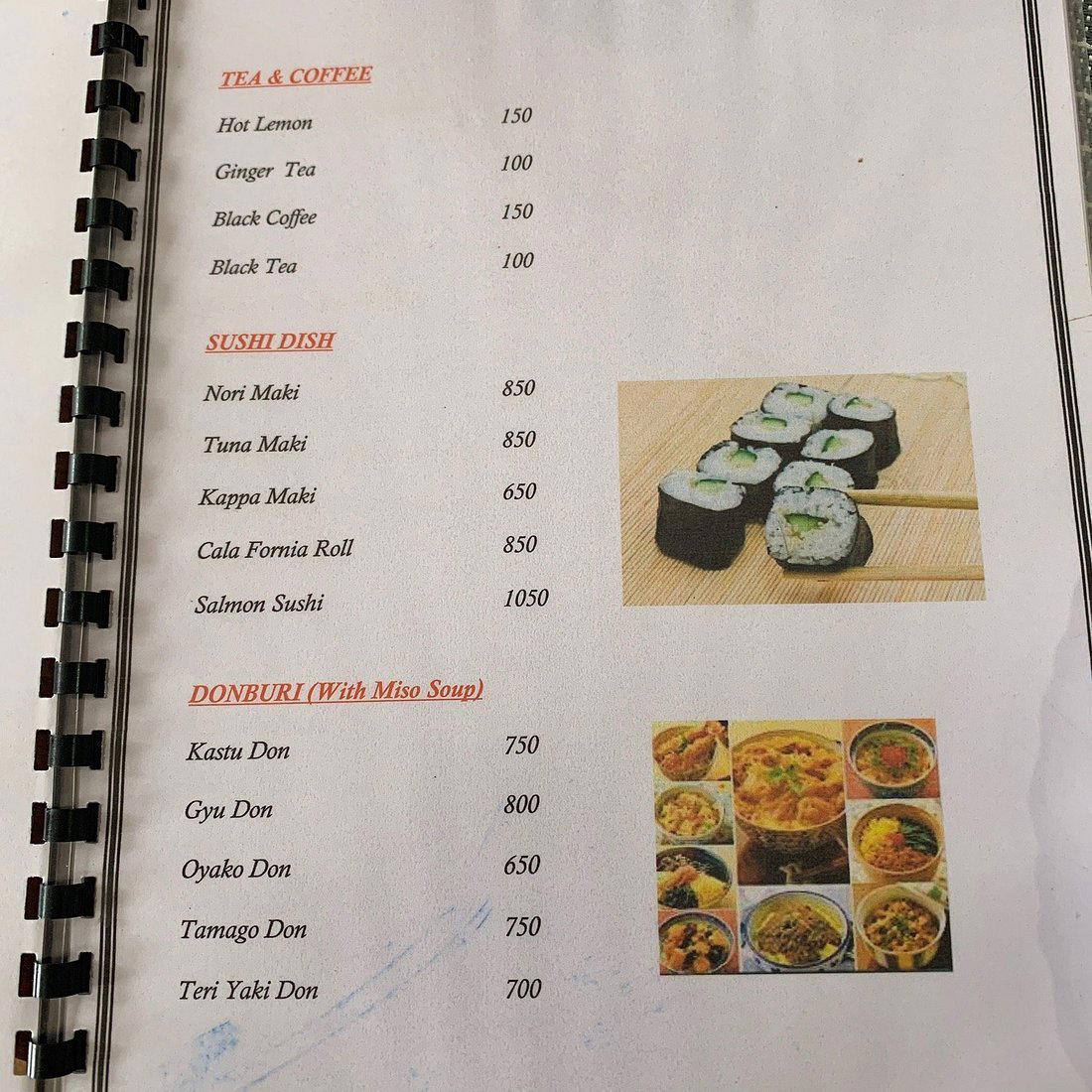
The menu
What to order
- Sushi
- Udon
- Bento boxes
- Katsu don
- Sukiyaki
Eating at Altitude: The Namche Bazaar Food Scene
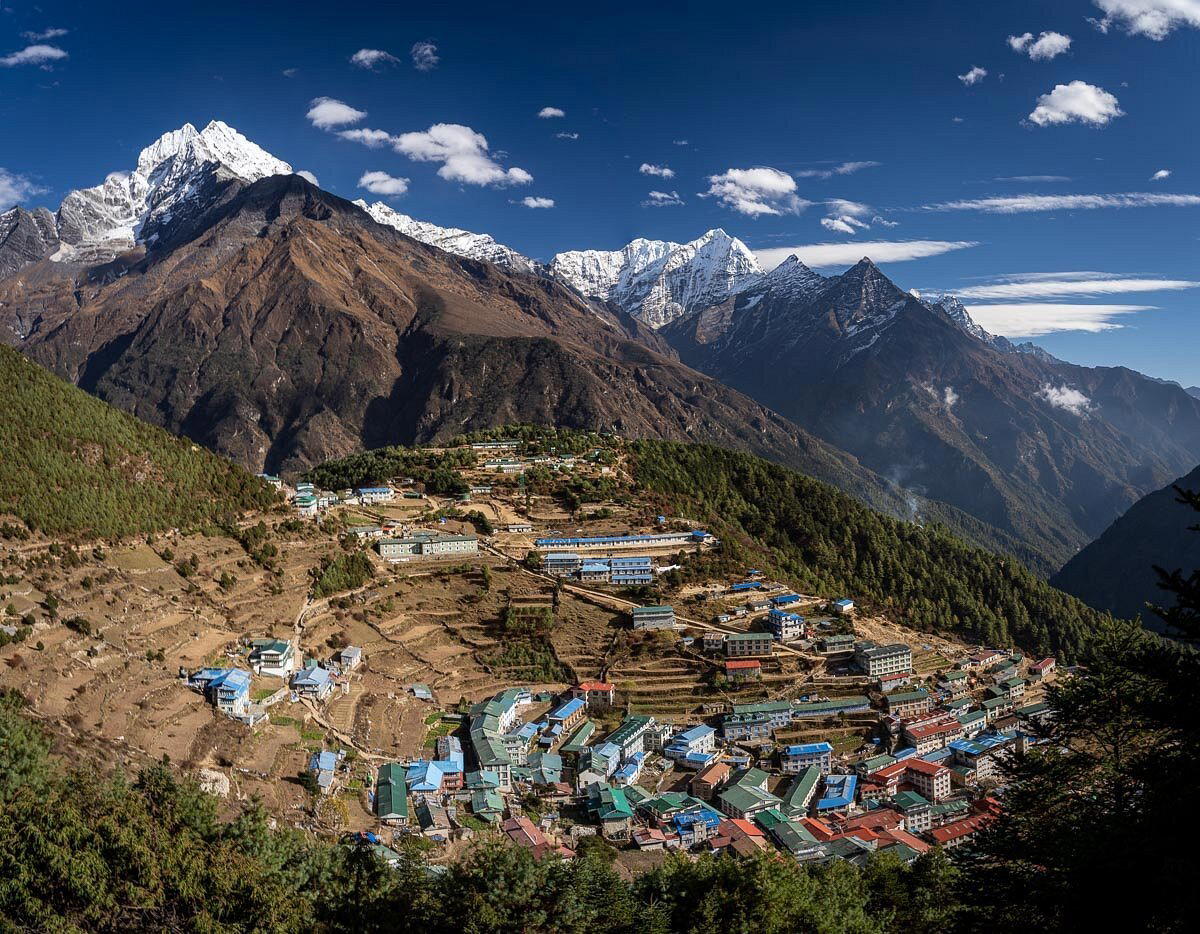
Namche Bazaar sits at roughly 3,440 metres above sea level, and that fact shapes every plate that reaches a table here more decisively than any chef's training or culinary philosophy ever could. What exists instead is something rarer: a supply-constrained kitchen culture that must work with what arrives by porter, yak, or the occasional helicopter drop, and must satisfy diners whose bodies are already running hard against altitude, cold, and exertion. That constraint, paradoxically, produces an honest clarity about ingredients and their origins that most urban restaurants spend considerable effort trying to simulate. Tomodachi Restaurant operates inside that context, in the market town that functions as the primary commercial and logistical node for the entire Everest trekking corridor.
Where the Ingredients Actually Come From
Understanding what you eat in Namche Bazaar requires understanding how goods reach it. The Lukla airstrip, at around 2,860 metres, is the entry point for most supplies that arrive by air; from there, everything moves on foot or on the backs of yaks and dzos along a trail system that also carries thousands of trekkers each season. The implications for a kitchen are concrete. Fresh produce — leafy vegetables, eggs, dairy, cycles in and out on a schedule governed by weather, trail conditions, and seasonal flux. The Khumbu region's own agricultural traditions lean toward hardy staples: potatoes, which grow at altitude and appear in virtually every local preparation; buckwheat; barley; and the dried meats and lentils that have sustained Sherpa households through high winters for generations.
Dal bhat, the lentil-and-rice plate that anchors Nepali cooking from the Terai to the highlands, is the default carbohydrate engine for both trekkers and locals, and in Namche it is built from ingredients that have traveled a traceable, short chain from lowland farms or regional producers. The Sherpa kitchen tradition also incorporates tsampa (roasted barley flour), thukpa (broth-based noodle soup), and variations on momos (dumplings) that read as local rather than as approximations of urban Nepali restaurant food. At a place like Tomodachi, the menu sits at the intersection of that Sherpa-Nepali tradition and the international trekker appetite, a combination that defines most of Namche's restaurants and distinguishes the zone from anything you'd find at comparable altitude in, say, the Andean circuit. The comparison points here are not Arpège in Paris or Alinea in Chicago; they are the handful of kitchens in a high-altitude market town that can reliably feed cold, hungry people on a variable supply schedule.
The Atmosphere Walking In
Namche Bazaar is built into a steep natural amphitheatre, its buildings rising in tiers from the central market square up the surrounding slopes. The town's main street runs through a horseshoe of lodge facades, bakeries, gear shops, and restaurants, and by late afternoon it fills with trekkers arriving from the Dudh Koshi valley below or descending from higher camps at Tengboche or Dingboche. The light at this elevation is particular, thinner, sharper, with a quality that makes the white Himalayan peaks visible from the upper sections of town look closer than physics should allow. Restaurants here share a visual grammar: wooden interiors, prayer flags visible through windows, diesel or gas heating that becomes a social focal point on cold evenings, and menus chalked or printed in English alongside Nepali. The atmosphere is functional in a way that high-altitude environments demand, but it carries a warmth that is specific to places where the outside is genuinely hostile. Arriving at a table in Namche after a day on the trail is not a casual dining decision, it is a recovery act, and kitchens here understand that.
Namche in the Broader Nepal Dining Conversation
Nepal's more technically ambitious restaurant scene concentrates in Kathmandu, where operations like Barc in Kathmandu represent a different tier of aspiration, drawing on broader supply access and a cosmopolitan diner base. The contrast with Namche is not a hierarchy so much as a division of purpose. Kathmandu restaurants serve a food culture defined by urban appetite and international competition; Namche restaurants serve a food culture defined by altitude, exertion, and the logistics of the Khumbu. The Scenic Tea House at Himalayan Hideaway Resort in Pokhara and options around Gorak Shep's Buddha Lodge bracket the spectrum from resort-adjacent dining to truly austere high-camp eating. Namche, as the zone's most developed trekking hub with the closest approximation to a market economy, sits in the middle of that range, offering more variety and ingredient reliability than anything above it while remaining genuinely remote by any lowland standard. See our full Sagarmāthā Zone restaurants guide for a broader map of what the region offers across different elevations and trail sections.
Planning Your Visit
Namche Bazaar is a mandatory acclimatization stop for most Everest Base Camp trekkers, with guides and lodge operators standardly recommending at least two nights to allow the body to adjust before moving higher. That built-in pause makes Namche the one place in the trekking corridor where a meal is not simply refueling between stages, you have time to sit, to eat slowly, to pay attention to what is in front of you. The trekking season divides into two main windows: October through November (post-monsoon, clear skies, crowded trails) and March through May (pre-monsoon, variable weather, slightly thinner crowds at the top end of the season). Both periods bring reliable kitchen operations in Namche; the shoulder months and winter see reduced service across the board. Specific hours, current menu offerings, and pricing for Tomodachi Restaurant are best confirmed on arrival or through guesthouse recommendations in town, as operating details at this elevation shift with seasonal demand and supply availability. No online booking infrastructure exists for most Namche restaurants; walk-in is the standard mode.
Frequently asked questions
Is Tomodachi Restaurant good for families?
Namche Bazaar is a mandatory acclimatization stop on the Everest Base Camp route, so the dining scene here is built around mixed groups of trekkers rather than any narrow demographic. Tomodachi sits in that same hospitality context, where the clientele on any given evening ranges from solo hikers to guided group expeditions. Families undertaking the trek to Namche Bazaar will find the setting familiar to the town's broader, inclusive lodge-style culture.
What should I expect atmosphere-wise at Tomodachi Restaurant?
Namche Bazaar is built into a steep natural amphitheatre at around 3,440 metres, and restaurants here operate within that physical reality: compact interiors, trekkers in base-layer clothing, and the cadence of people at various stages of acclimatization. Tomodachi sits within this context in Namche Bazaar's Sagarmāthā Zone, where the atmosphere is functional and communal rather than formal. Expect the ambient energy of a genuine mountain staging post, not a destination dining room.
Is Tomodachi Restaurant open year-round, and does the season affect what's available?
Namche Bazaar sees two primary trekking peaks — pre-monsoon (March to May) and post-monsoon (September to November) — and most restaurants in the Sagarmāthā Zone calibrate their operations around those visitor flows. During the monsoon and deep winter months, supply runs through the Lukla airstrip thin considerably, which affects ingredient availability across all Namche Bazaar kitchens. Confirming current operating status on arrival or through your trek operator is advisable, as hours and availability at altitude restaurants shift with season and foot traffic.
What do people recommend at Tomodachi Restaurant?
Dal bhat, noodle soups, and high-calorie carbohydrate dishes are the structural staples across the town's restaurants, and Tomodachi operates within those same supply constraints. For current menu specifics, reaching the venue directly on arrival in Namche Bazaar is the most reliable approach.
| Venue | Cuisine | Price |
|---|---|---|
| Tomodachi RestaurantThis venue (the venue you are viewing) | Japanese and Nepali/Sherpa Cuisine | $10–20 |
| Koyla Tandoori Restaurant | Indian Tandoori | $10–20 |
| Dongfang Palace China | Authentic Chinese Hand-Pulled Noodles | $1–10 |
| BAGAAN Thakali Kitchen | Traditional Thakali Kitchen | $1–10 |
| Bitters & Co. | Cocktail Bar | $10–20 |
Continue exploring
More in Sagarmatha Zone
Restaurants in Sagarmatha Zone
All restaurants in Sagarmatha Zone →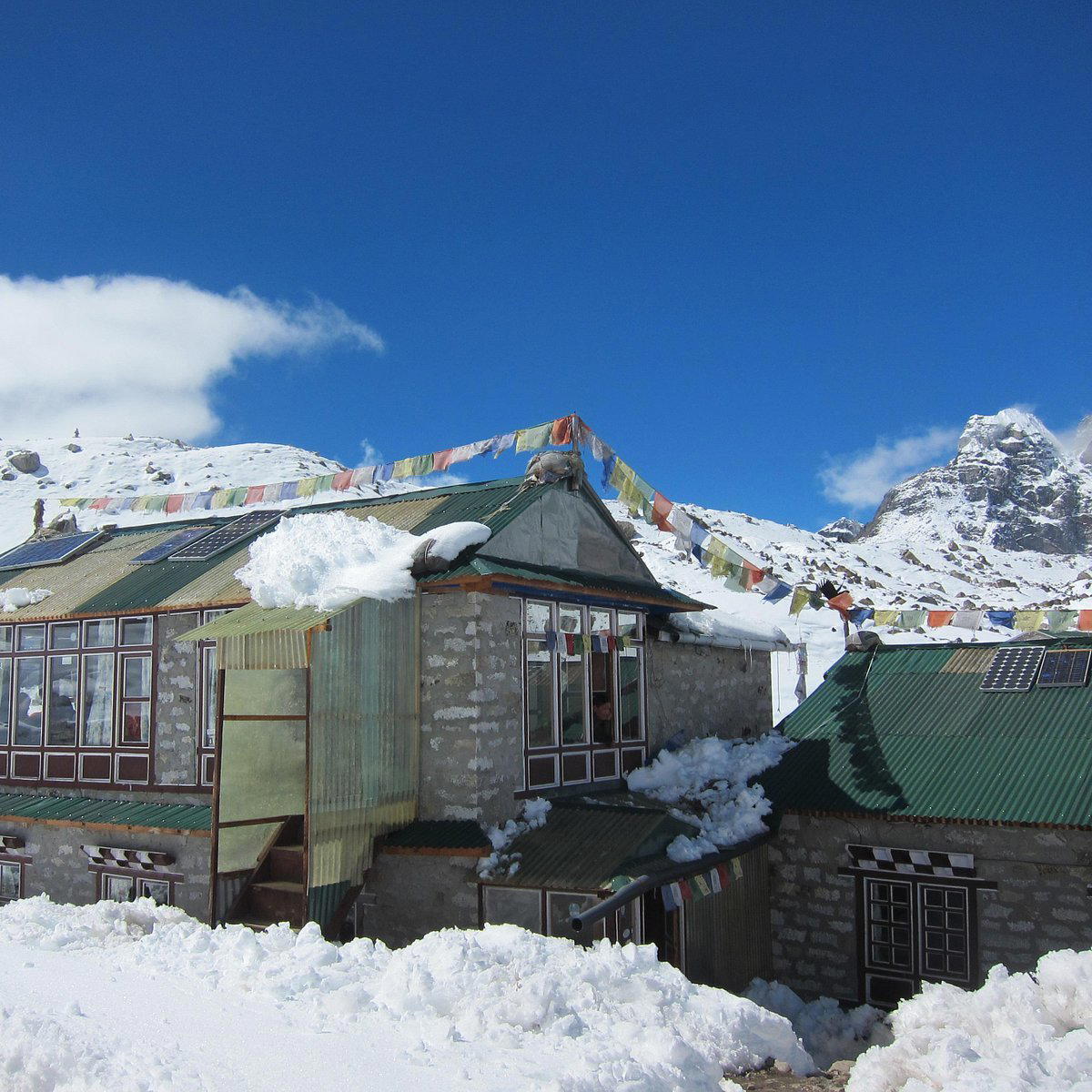
Details
- Cozy
- Classic
- Casual Hangout
- Solo
- Family
- Standalone
- Mountain
- A La Carte
- Vegetarian Friendly
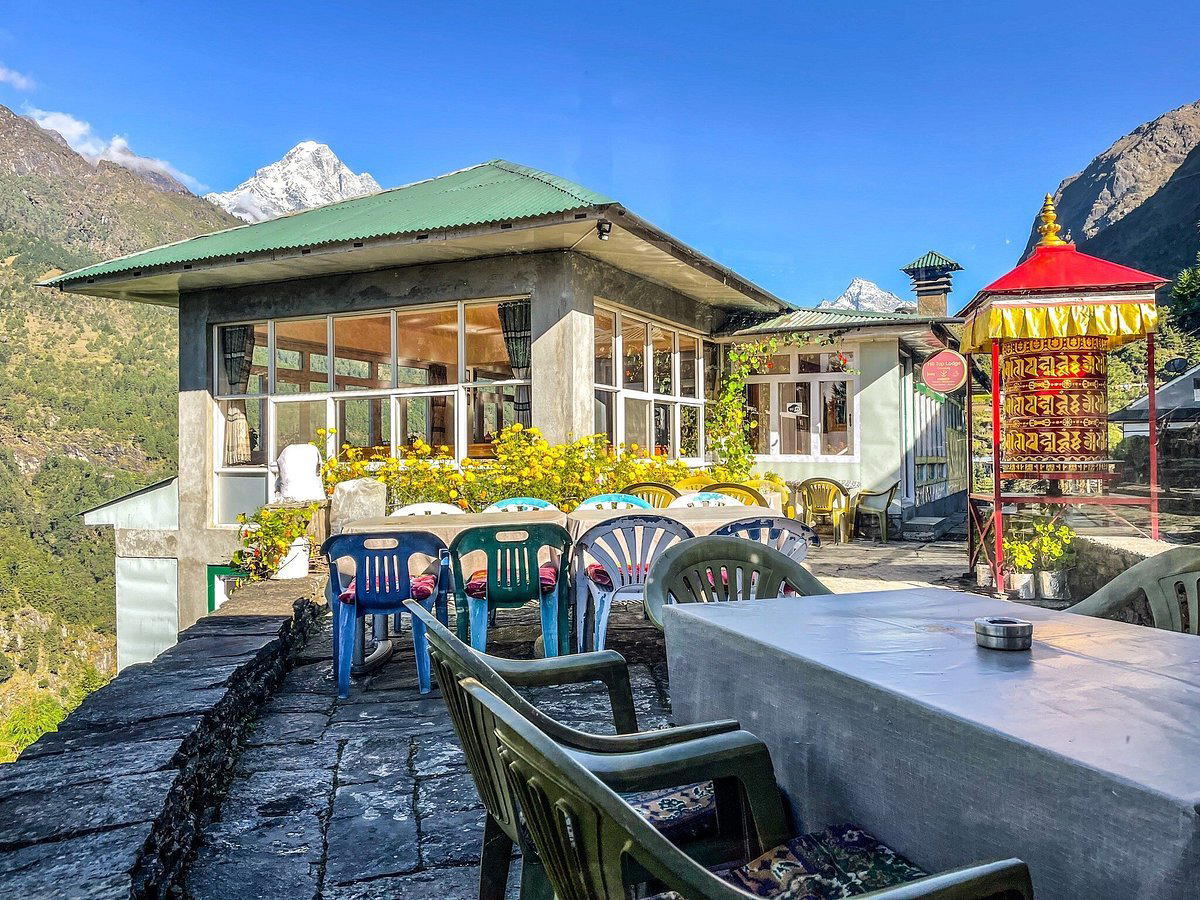
Described as a little wooden building with a warm, cozy atmosphere and friendly service in the mountain town of Namche Bazaar.