Oceania
On a quiet residential stretch of De Pijp, Oceania draws a loyal local following that returns not for spectacle but for consistency. The address on Scheldestraat places it squarely in one of Amsterdam's most food-literate neighbourhoods, where regulars tend to know exactly what they want before they arrive. A quiet confidence runs through the room, the kind that only comes when a kitchen has found its rhythm and its audience.
Pearl is the En Primeur Club membership app — saves, bookings, and concierge access live there. Same editors, same standards.
- Address
- Scheldestraat 77, 1078 GH Amsterdam, Netherlands
- Phone
- +31206738907
- Website
- restaurantoceania.nl
- Directions
- Get directions
 Saves & bookings on Pearl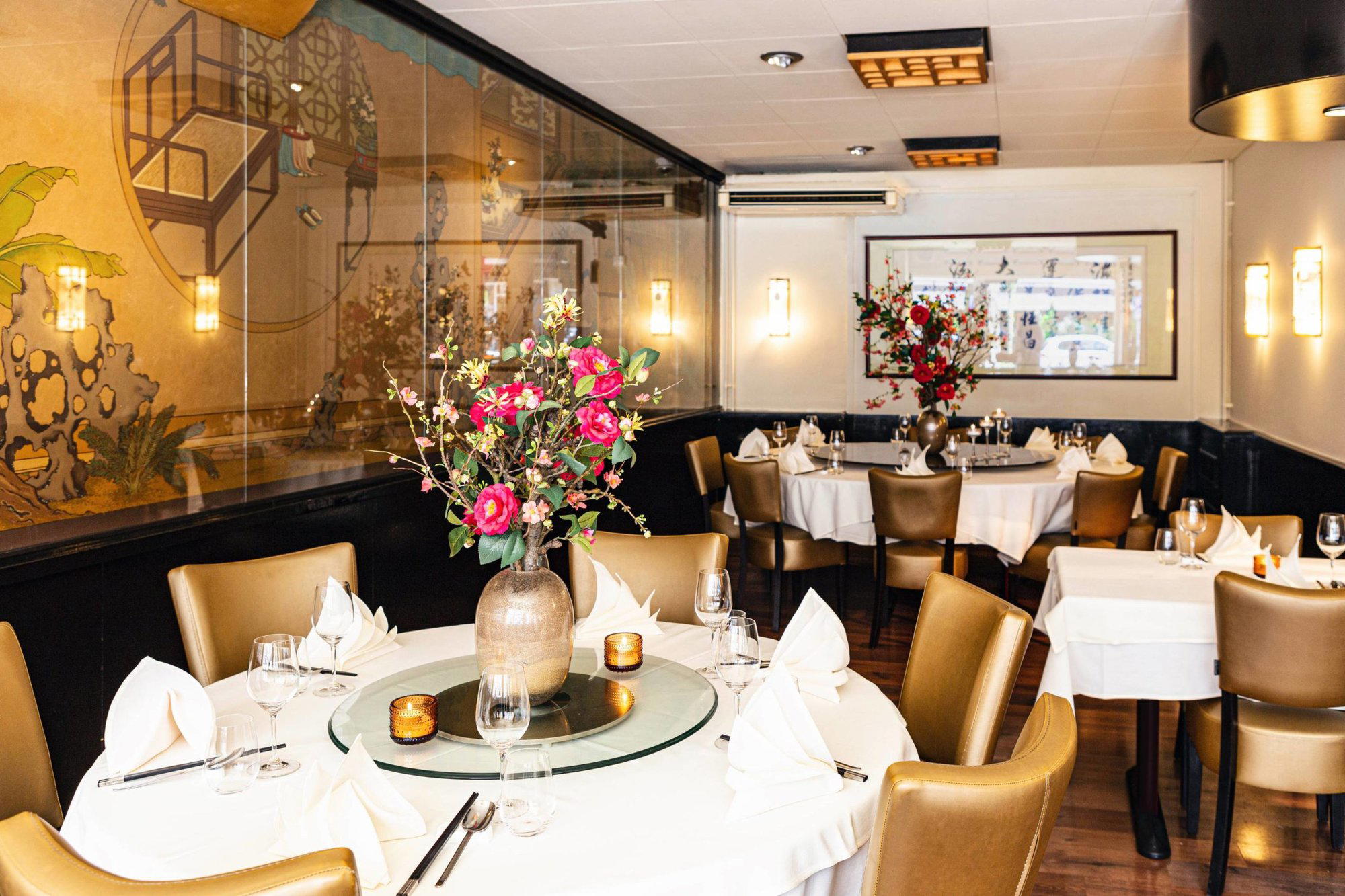
What the Regulars Know
De Pijp has long been Amsterdam's most self-assured dining neighbourhood, a grid of brown cafes, produce markets, and neighbourhood restaurants that feed actual residents rather than passing tourists. Scheldestraat, where Oceania sits at number 77, runs through the quieter southern edge of the district, away from the Ferdinand Bolstraat bustle. Regulars who find it tend to return. That pattern, a loyal local clientele building up over visits rather than driven by awards cycles or social media spikes, is one of the cleaner signals that a restaurant has found its footing.
In a city where the fine dining conversation is largely occupied by the hotel dining rooms and Michelin-tracked kitchens of the canal belt, venues like Ciel Bleu, Flore, Spectrum, and Vinkeles, a neighbourhood restaurant that builds repeat custom on its own terms occupies a different, and in some ways more demanding, position. There is no institutional prestige to lean on. The food has to be the reason people come back.
The Neighbourhood and What It Asks of a Restaurant
De Pijp's dining culture is particular. The neighbourhood has enough food sophistication, shaped partly by proximity to the Albert Cuyp market, partly by its longstanding mix of immigrant food businesses and Dutch neighbourhood cooking, that it tends to produce demanding, informed regulars rather than casual walk-in traffic. A restaurant on Scheldestraat is not picking up hotel guests or conference overflow. It is cooking for people who chose it deliberately.
That context matters when assessing what draws a loyal clientele. Amsterdam's neighbourhood restaurant tier, which runs from approachable bistros like Bistro de la Mer to produce-led destinations, is competitive and relatively unsentimental. Regulars in this part of the city migrate quickly when kitchens lose consistency. The ones who stay are the ones being given a reason to.
For a broader read on where Oceania sits within Amsterdam's wider dining geography,
Amsterdam in the Dutch Dining Context
The Netherlands produces a disproportionate number of high-ambition restaurants relative to its size. Outside Amsterdam, addresses like De Librije in Zwolle, 't Nonnetje in Harderwijk, and Aan de Poel in Amstelveen operate at the upper edge of European fine dining benchmarks. Further out, Brut172 in Reijmerstok, De Bokkedoorns in Overveen, De Groene Lantaarn in Staphorst, De Lindehof in Nuenen, De Lindenhof in Giethoorn, De Nieuwe Winkel in Nijmegen, and De Treeswijkhoeve in Waalre reflect the breadth and geographic spread of serious Dutch cooking. Amsterdam itself captures international attention partly because it offers scale and accessibility, but the country's culinary energy is not confined to the capital.
Within that context, neighbourhood restaurants in Amsterdam occupy an important middle tier. They absorb the overflow from a city that does not have enough high-end seats to satisfy demand, and they serve a local population that has grown accustomed to eating well without ceremony. The comparison set for a restaurant like Oceania is less the Michelin-tracked canal belt and more the serious neighbourhood bistros and mid-market dining rooms that define how most Amsterdammers eat on a regular basis, a tier that, internationally, parallels what destinations like Le Bernardin in New York City or Atomix in New York City represent at their respective levels of the market: addresses with a specific gravity that comes from doing one thing reliably well.
Planning a Visit
Oceania is located at Scheldestraat 77, 1078 GH Amsterdam, in the southern section of De Pijp. The address is walkable from tram stops on Ferdinand Bolstraat and within cycling distance of the Rijksmuseum and Vondelpark, making it a practical option for visitors staying in the museum quarter or the hotel strip along the Singelgracht. As with most neighbourhood restaurants in Amsterdam that have developed a regular following, the experience is likely to be more consistent mid-week than on Friday or Saturday evenings, when any restaurant of this profile fills with a mix of regulars and new visitors. Reservations are recommended, and the restaurant is open daily from 12:00 PM to 9:30 PM.
How It Stacks Up
Comparable venues nearby, for context on price, style, and recognition.
| Venue | Cuisine | Price | Notes |
|---|---|---|---|
| OceaniaThis venue — the venue you are viewing | Traditional Chinese Seafood | $$ | Not listed |
| Nam Kee | Classic Cantonese | $$ | Burgwallen Oost |
| Café Wu | Modern Chinese Bistro | $$ | Dapperbuurt Noord |
| Dynasty | Chinese & Thai Fusion | $$ | Kalverdriehoek |
| Le Bouchon du centre | Authentic Lyonnaise Bouchon | $$ | Spuistraat Zuid |
| Gollem's Proeflokaal | Belgian & Dutch Beer Pub | $$ | WG-terrein |
Continue exploring
More in Amsterdam
Restaurants in Amsterdam
Browse all →
Bars in Amsterdam
Browse all →
Hotels in Amsterdam
Browse all →
Wineries in Amsterdam
Browse all →
At a Glance
- Elegant
- Cozy
- Sophisticated
- Group Dining
- Business Dinner
- Family
- Celebration
- Standalone
- Extensive Wine List
Current opening hours
- Monday
- 12–9:30 PM
- Tuesday
- 12–9:30 PM
- Wednesday
- 12–9:30 PM
- Thursday
- 12–9:30 PM
- Friday
- 12–9:30 PM
- Saturday
- 12–9:30 PM
- Sunday
- 12–9:30 PM
Hours can change for holidays and private events. Last verified .
Ambiance exudes hospitality with warmth and finesse, nicely decorated with a cozy setting.