

A Michelin-pedigreed French restaurant at Fukuoka's Bayside Place, Restaurant Sola has earned the Tabelog Bronze Award every year from 2022 through 2026 and a Tabelog score of 4.14. The kitchen works with Kyushu produce and shows a particular focus on fish, with dinner running JPY 15,000 to 19,999. Reservation-only, 30 seats, open most evenings from 18:00.
Pearl is the En Primeur Club membership app — saves, bookings, and concierge access live there. Same editors, same standards.
- Address
- Japan, 〒812-0021 Fukuoka, Hakata Ward, Chikkohonmachi, 13−6 ベイサイドプレイス博多 C館2F
- Phone
- +81 92-409-0830
- Website
- sola-factory.com
- Directions
- Get directions
 Saves & bookings on Pearl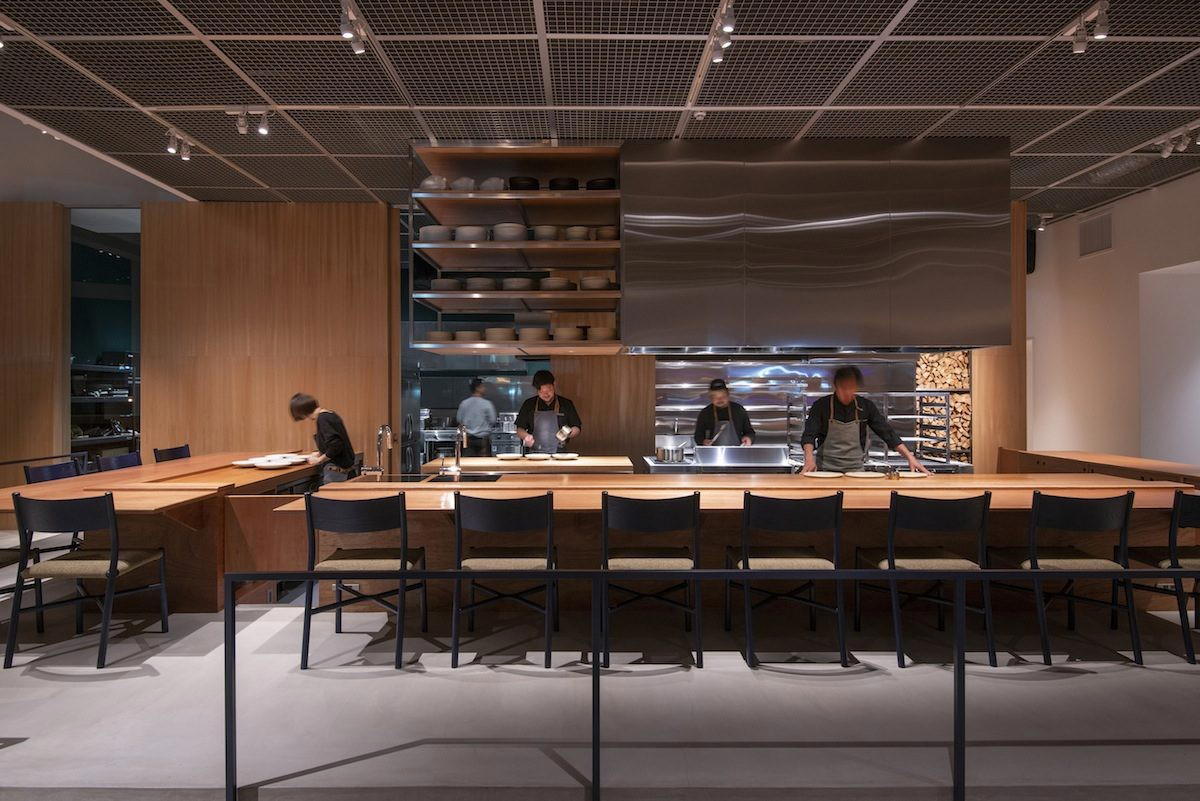
French Dining at the Water's Edge
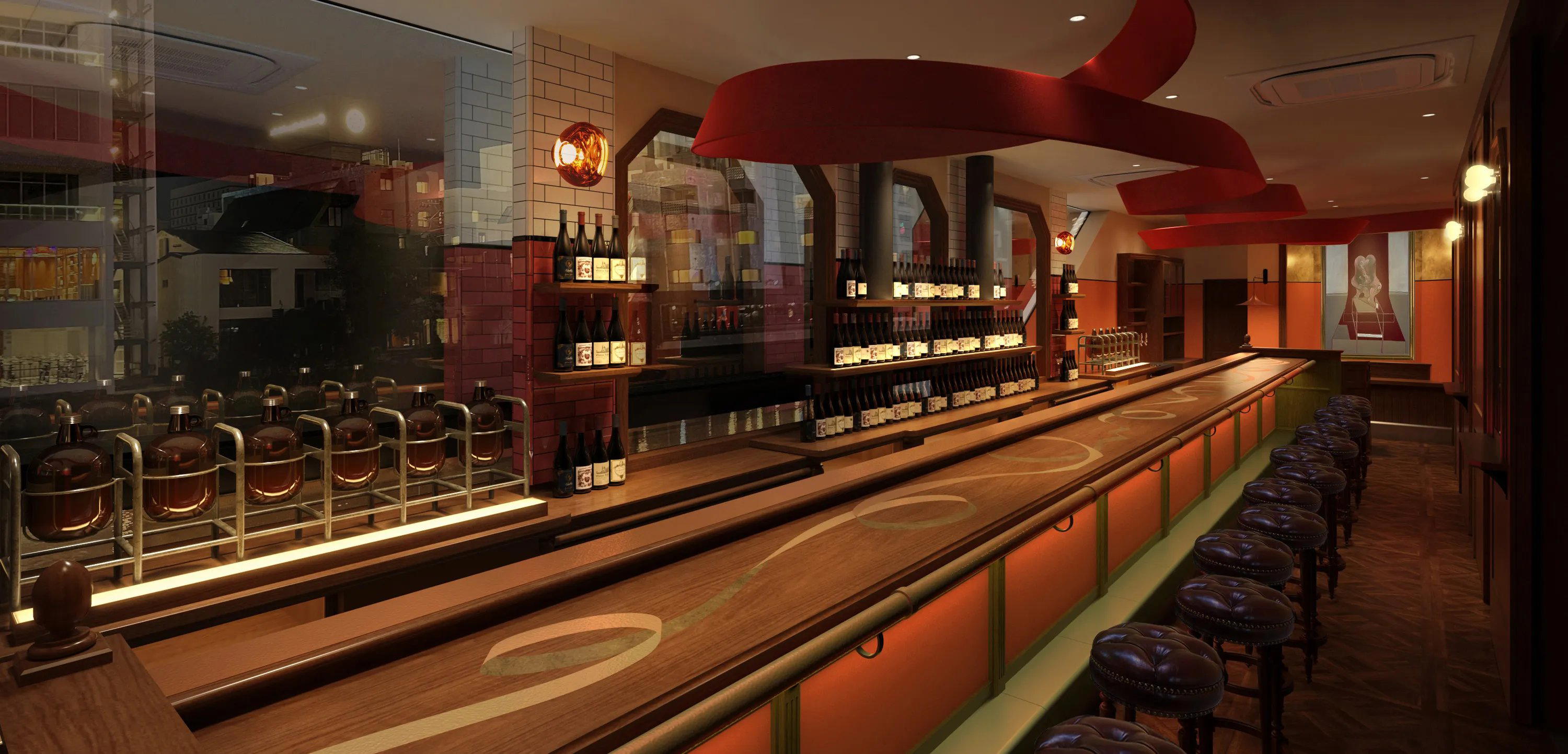
Fukuoka's French restaurant scene has always operated in the shadow of the city's more celebrated ramen counters and kaiseki rooms, which makes its quiet accumulation of serious Western kitchens worth paying attention to. The waterfront neighbourhood around Bayside Place Hakata is not where you would instinctively go looking for a tasting-menu French restaurant, and that geographic displacement is part of what makes Restaurant Sola's position interesting. Seated on the second floor of the complex's C Building, the room faces the port, and the open terrace configuration means the harbour is a presence rather than a backdrop, a setting that frames what follows as something deliberately outside the urban dining corridor of Tenjin or Gofukumachi.
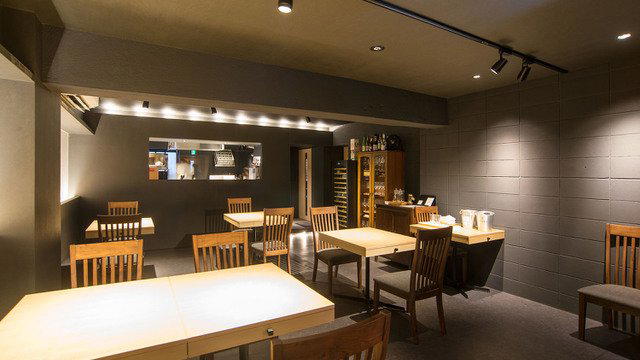
That physical remove is not incidental. French restaurants across Japan have increasingly split between dense urban formats, where the competitive pressure of Ginza or Omotesando pricing logic applies, and more idiosyncratic placements where the cooking can define the context rather than compete within one. Restaurant Sola occupies the latter position. The 30-seat room with counter seating and a spacious floor plan sits in a register that other Fukuoka French addresses such as Goh also occupy: technically serious, Kyushu-ingredient-led, and priced at a level that places dinner in the JPY 15,000 to 19,999 bracket, with actual review-based spend trending toward JPY 20,000 to 29,999.
The Rhythm of an Evening at Sola
The dining ritual at a reservation-only French restaurant in Japan carries its own particular grammar. Arrival windows matter: the kitchen's last food order falls at 19:00, which means the gap between arrival and ordering is compressed in a way that differs from European tasting-menu pacing. Guests who arrive at 18:00 have roughly an hour before the kitchen closes its ordering, yet the room stays open until 22:00 with drinks last ordered at 21:30. What this creates is a meal that front-loads its culinary action and then allows the table to linger, a structure that suits Fukuoka's business-dinner culture, where evenings often extend into conversation rather than concluding on the final course.
The Saturday format adds a lunch service from 12:00 to 15:00 (last food order 12:30), giving the week a different rhythm for those who prefer afternoon dining with harbour light. Sunday the restaurant is closed, and irregular closures apply, the kind of scheduling that is standard among precision-focused French kitchens in Japan but worth confirming before travel. A 10 percent service charge applies across all sittings.
Reservation-only format imposes its own customs. Cancellations made the day before or on the day incur a 100 percent charge per head, regardless of the reason. This policy, common among allocated-seat French restaurants in Japan, signals that the kitchen is buying and preparing to the booking count. It also means the reservation carries real weight: this is not the kind of room you hold tentatively.
Kyushu Produce, French Framework
Kitchen's stated emphasis on Kyushu ingredients, with a particular focus on fish, positions Sola within a broader current in Japanese French cooking. The western and southern regions of Japan produce notable seafood, the Genkai Sea off Fukuoka's coast, the Ariake Sea to the south, and the straits around Nagasaki all supply fish with distinct seasonal character. French technique applied to these materials creates a different product than the same technique applied to Atlantic or Mediterranean fish, and Fukuoka's leading kitchens have learned to present that difference as a feature rather than an adaptation.
What the award record does confirm is sustained peer-group recognition: Sola has held the Tabelog Bronze Award continuously from 2022 through 2026, five consecutive years, and has been named to the Tabelog French WEST "Tabelog 100" in 2021, 2023, and 2025. A Tabelog score of 4.14, in a system where scores above 4.0 place a restaurant in the leading fraction of the national database, is a measurable signal of where the room sits in Japan's French dining hierarchy.
Among Fukuoka French restaurants earning Tabelog recognition, Sola sits alongside Goh as one of the addresses that have maintained consistent award presence rather than appearing and disappearing from annual lists. That consistency matters more than a single-year citation: it indicates the kitchen is not performing for a moment but has stabilised at a level that the reviewing base returns to.
The Wine Program and Table Customs
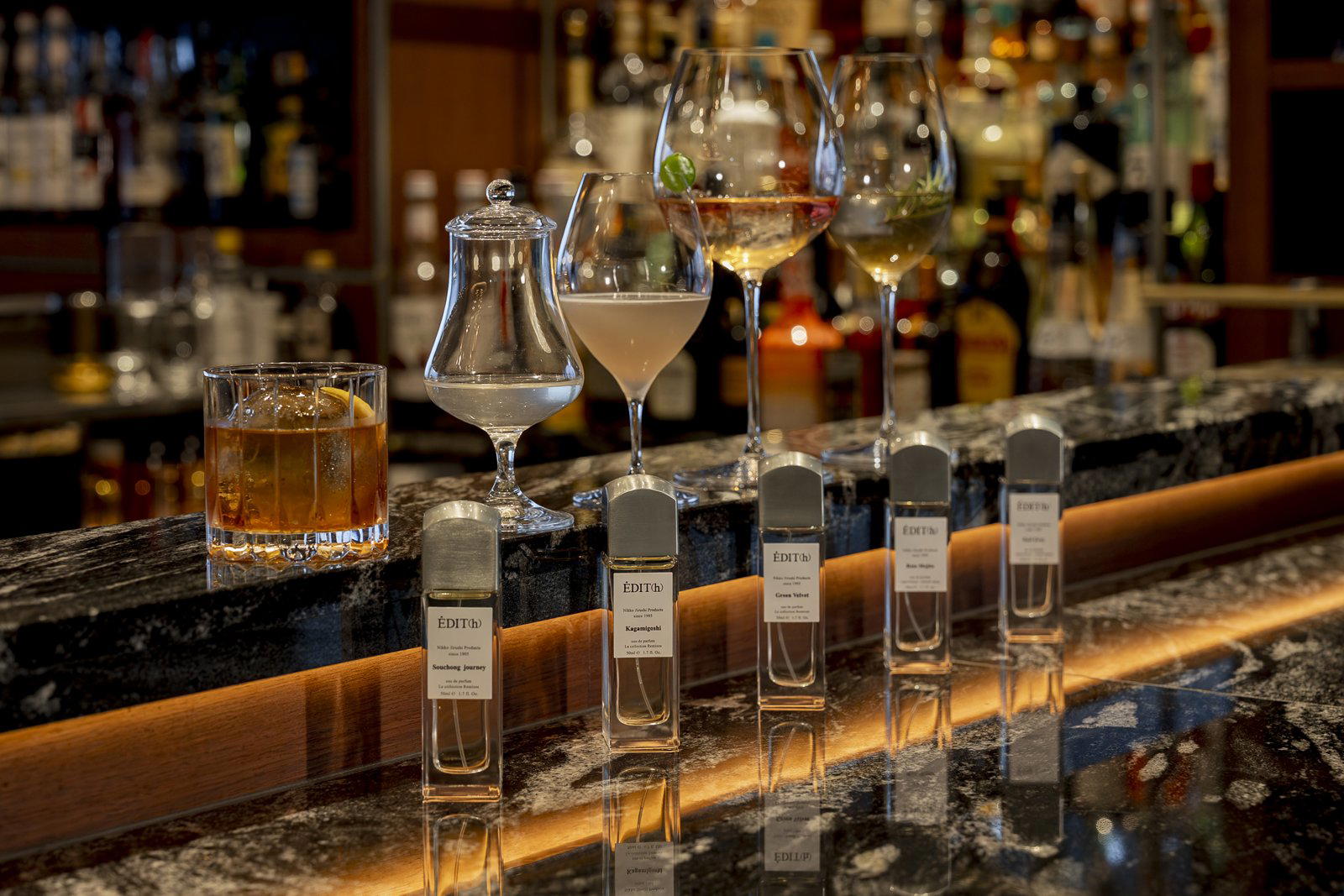
The wine list is described as a point of emphasis, the venue is noted as "particular about wine", and the BYO drinks policy adds a flexibility rare in dedicated tasting-menu French restaurants. For guests with access to specific bottles, the ability to bring wine to a French restaurant at this price tier is a meaningful option, one that changes the economics of the evening and shifts some of the sommelier-curation dynamic to the guest. Credit card acceptance covers VISA, Mastercard, JCB, American Express, and Diners; electronic payments and QR codes are not accepted.
Allergy and dietary parameters are defined in advance. The kitchen cannot accommodate guests who avoid seafood entirely, those with severe dairy allergies, or vegans. The Kyushu fish focus is not peripheral to the menu, it is structural, and the allergy policy reflects that. Children aged elementary school and above are welcome; the kitchen does not run a separate children's menu but will adjust portions on request.
Fukuoka French in National Context
French cooking in regional Japanese cities occupies a different market position than it does in Tokyo or Osaka. In Tokyo, French tasting menus compete on an internationally benchmarked scale where Harutaka-level comparable venues and Michelin multi-star expectations set the reference points. In Osaka, destinations like HAJIME operate in a different register entirely. In Fukuoka, the category is smaller, and the restaurants that have built sustained reputations, Sola included, are doing so with Kyushu's extraordinary raw material supply as their primary advantage over imported-ingredient kitchens elsewhere in Japan.
The city's dining scene spans formats: Japanese kaiseki at Asago and Chiso Nakamura, sushi at Chikamatsu, and contemporary Nordic-inflected work at Bekk. Sola operates in that company without trying to out-manoeuvre it. The French frame is applied with Kyushu materials and a dining ritual that feels locally calibrated rather than imported wholesale.
For those building a longer Japan itinerary, the context of regional French cooking extends across the country: akordu in Nara, Gion Sasaki in Kyoto, 1000 in Yokohama, and 6 in Okinawa each represent a different expression of non-Tokyo fine dining. Internationally, the fish-focused French tasting format has a long lineage: Le Bernardin in New York City is one discussed reference in that tradition, while Korean-French hybrids like Atomix show what happens when the French framework meets East Asian ingredient logic at the highest level.
Getting There and Planning Your Visit
Restaurant Sola sits inside Bayside Place Hakata, a waterfront complex roughly 1.2 kilometres from Gofukumachi. From central Fukuoka, Hakata, Tenjin, Nakasu Kawabata, or Gofukumachi, a taxi takes approximately 10 minutes. From Fukuoka Airport, the journey is roughly 20 minutes by taxi (or about 16 minutes via the expressway). An alternative route runs subway to Hakata Station, then a Nishitetsu bus to Hakata Pier (Bayside Place), with a five-minute walk to the C Building. Parking is available at the complex. The space is wheelchair accessible with elevator access.
Reservations are required and can be made online. The last food order at 19:00 means early arrival is not optional, it is structurally necessary. With the 100 percent same-day cancellation policy, confirming transport and timing before booking is sensible rather than incidental. For the full picture of where Sola sits among Fukuoka's dining options, see our full Fukuoka restaurants guide, and for everything else the city offers, our Fukuoka hotels guide, bars guide, wineries guide, and experiences guide cover the rest.
Cuisine Context
Comparable venues nearby, for context on price, style, and recognition.
| Venue | Cuisine | Price | Notes |
|---|---|---|---|
| Restaurant SolaThis venue — the venue you are viewing | Modern French with Kyushu Ingredients | $$$$ | Not listed |
| ローブランシュ | Modern French Gastronomy | $$$$ | Hakata |
| Raisin d'Or | Seasonal French Course Dining & Wine Bar | $$$$ | Chūō |
| Sola Factory | Modern French with Kyushu Ingredients | $$$$ | Hakata |
| restaurant mamagoto | Innovative Seasonal French Counter Dining | $$$ | Higashi |
| NONOKA RESTAURANT | Modern Innovative French Fusion | $$$$ | Yame |
Recognition history
Dated appearances from independent guides and award organizations, with the underlying list record or original source where available.
Opinionated About Dining Top Restaurants in Japan Recommended
Opinionated About Dining
Tabelog Bronze #366
Tabelog
Opinionated About Dining Top Restaurants in Japan Ranked #532
Opinionated About Dining
Tabelog Bronze
Tabelog
Tabelog 100 #16 · No. 16
Tabelog · Tabelog 100 - French - WEST - 2025
Opinionated About Dining Top Restaurants in Japan Ranked #480
Opinionated About Dining
Opinionated About Dining Top Restaurants in Japan Recommended
Opinionated About Dining
At a Glance
- Elegant
- Modern
- Lively
- Sophisticated
- Date Night
- Special Occasion
- Celebration
- Open Kitchen
- Waterfront
- Chefs Counter
- Extensive Wine List
- Sommelier Led
- Local Sourcing
- Waterfront
Current opening hours
- Monday
- 6–10 PM
- Tuesday
- 6–10 PM
- Wednesday
- 6–10 PM
- Thursday
- 6–10 PM
- Friday
- 6–10 PM
- Saturday
- 12–3 PM, 6–10 PM
- Sunday
- Closed
Hours can change for holidays and private events. Last verified .
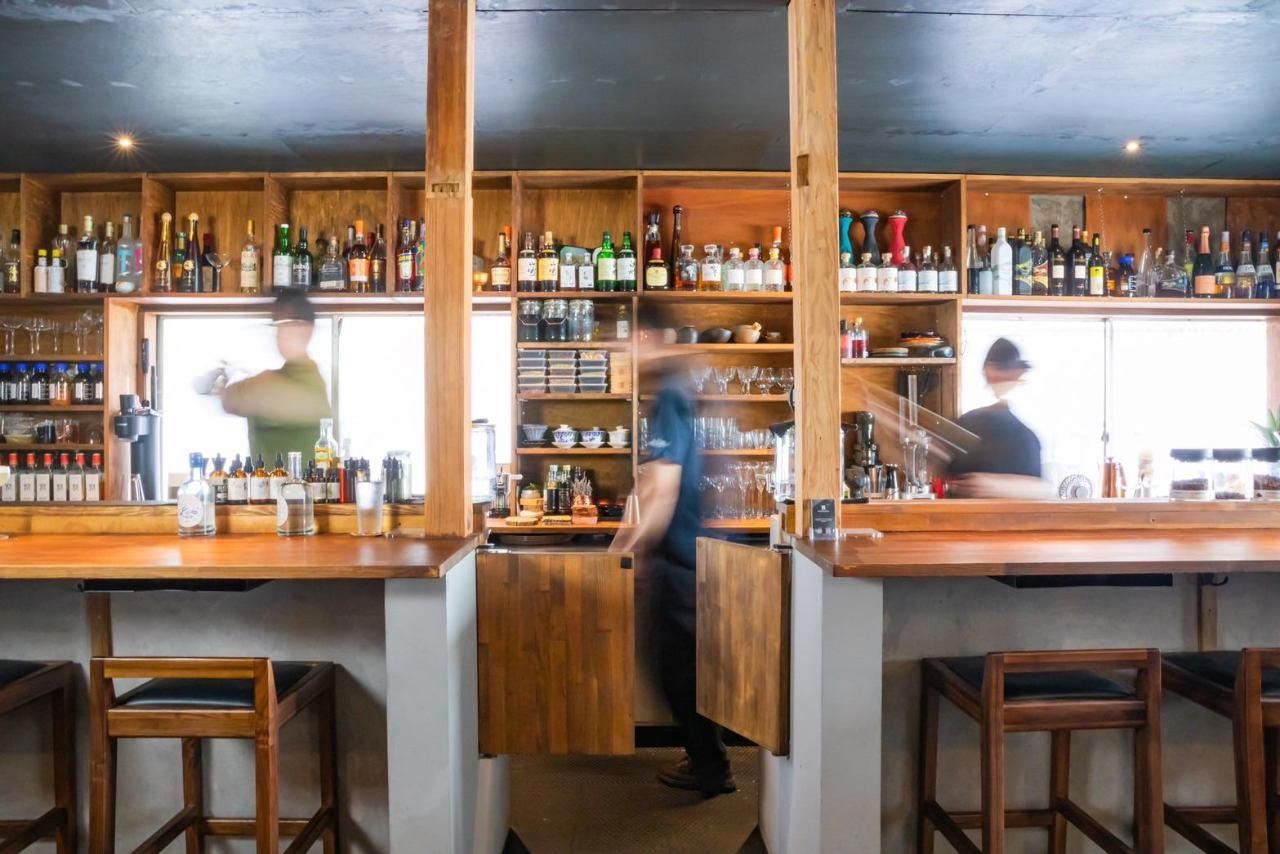
Minimally decorated dining room with high ceilings, bright and spacious interior featuring an impressive open island kitchen with wood-fired oven and gas grill; lively atmosphere with visible kitchen teamwork and views over Hakata port.