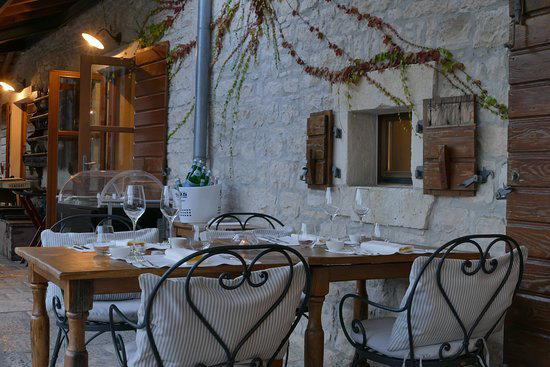
A konoba in the oldest part of Rovinj, Konoba Jure sits on Cademia ul. 22 inside the medieval stone warren of the old town. The format follows the Istrian tradition of regional cooking built on local seafood, olive oil, and seasonal produce, placing it among Rovinj's more grounded dining options rather than its creative fine-dining tier.
Pearl is the En Primeur Club membership app — saves, bookings, and concierge access live there. Same editors, same standards.
- Address
- Cademia ul. 22, 52210, Rovinj, Croatia
- Phone
- +38552813397
- Directions
- Get directions
 Saves & bookings on Pearl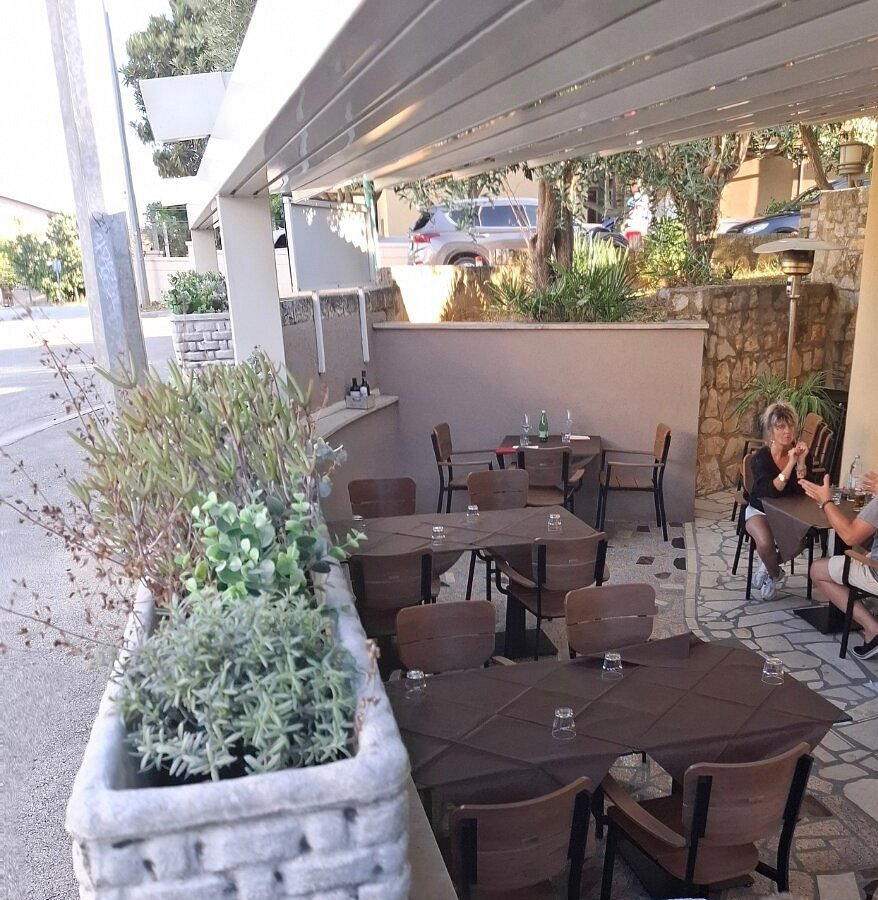
Stone Walls, Adriatic Catch: What Konoba Dining Means in Rovinj
Rovinj's old town is built vertically, its cobbled lanes climbing toward the Church of St. Euphemia in a tight spiral of medieval stone. At street level, the dining scene divides sharply between two traditions: the konoba, a category rooted in regional Istrian cooking, and the fine-dining restaurant, now represented by operations like Monte (Creative) and Agli Amici Rovinj (Italian Contemporary) at the summit of the market. Konoba Jure belongs to the first category, at Cademia ul. 22, set within the medieval core where the architecture itself is part of the atmosphere. The walls are old, the lanes are narrow, and the connection to place is immediate in a way that purpose-built restaurant spaces rarely achieve.
The konoba format, common across Istria and Dalmatia, is worth understanding as a tradition rather than a price bracket. These are kitchens defined by what is local, seasonal, and available, not by tasting-menu structure or imported technique for its own sake. At their leading, they function as one direct expression of a region's food culture: catch-driven, produce-led, and calibrated to what fishermen and farmers are bringing in rather than to a fixed menu. In a town where Cap Aureo (Creative) and Cave Lab By Monte are pushing Istrian ingredients through contemporary creative frameworks, the konoba operates as the baseline, and the counterpoint.
Istrian Ingredients and the Question of Technique
The editorial angle that defines Istrian cooking at this level is the relationship between indigenous products and the methods used to present them. Istria produces some of the Adriatic's most documented ingredients: olive oils from around Buje and Vodnjan that have collected international awards, truffles from the Motovun forest that trade at Périgord prices, wine from native varieties including Malvazija Istarska and Teran, and seafood drawn from the northern Adriatic's relatively cool, clean waters. The question for any kitchen working in this tradition is how much to let those ingredients speak without intervention, and how much to apply structure, whether that structure is classical Croatian, influenced by the long Italian presence in Istria, or something more contemporary.
Konoba tradition historically sits on the lower-intervention end of that spectrum. Grilling over wood, slow-braised meat preparations, simply dressed vegetables with local olive oil, these are the technical signatures of the form. What distinguishes the better konobas is sourcing precision and execution consistency rather than technique complexity. In that context, location matters: proximity to the port, relationships with local producers, and access to ingredients that don't travel far before hitting the plate. For visitors comparing options, this is a different value proposition than what Dream or the creative operations in town are offering, not a lesser one.
Rovinj's Dining Tier and Where Konobas Sit
Rovinj has developed, particularly since 2010, into one of Croatia's more considered dining destinations. The comparison venues in the immediate area include operations priced at €€€€, Agli Amici Rovinj and Cap Aureo among them, which position Rovinj in the same conversation as the broader Croatian fine-dining circuit that includes Pelegrini in Sibenik, Restaurant 360 in Dubrovnik, and LD Restaurant in Korčula. That fine-dining layer has grown substantially. But the konoba tier has not disappeared, it has, in some cases, become more self-aware, with a handful of operators leaning into the authenticity of the format rather than trying to migrate upmarket.
Internationally, the parallel is to what happened with trattorias in Tuscany or bistros in Lyon: as fine dining expanded, the simpler traditional format found a different audience, one willing to pay for the real version of a regional tradition rather than for innovation. In Croatia, the same pattern is visible at properties like Boskinac in Novalja and, at the northern Adriatic end, Alfred Keller in Mali Losinj, though those operations sit at different price and ambition levels than a classic konoba.
Seasonal Timing and the Rovinj Visitor Rhythm
Rovinj's tourist season concentrates heavily in July and August, when the old town's lanes fill beyond comfortable capacity and table availability across all categories tightens sharply. The shoulder months, May, June, and September, offer a meaningfully different experience. Seafood availability is strong through late spring and into early autumn, truffle season begins in earnest in September and runs through winter, and the town itself is navigable rather than congested. For a konoba visit, the shoulder period is the more considered choice: the kitchen is less pressured, local produce is at its peak summer-to-autumn transition, and the old town's stone alleyways read as atmospheric rather than overwhelming. Visitors approaching Rovinj for its dining specifically, rather than as a beach destination with dining adjacent, are better served outside the peak weeks.
For broader planning across the Croatian Adriatic and inland, the picture at Nebo by Deni Srdoč in Rijeka, Dubravkin Put in Zagreb, Korak in Jastrebarsko, and Krug in Split gives a sense of how the regional dining scene is developing across Croatia's different zones. For the Dalmatian coast specifically, BioMania Bistro Bol in Bol offers a comparable focus on local product integrity.
The address, Cademia ul. 22, places Konoba Jure within walking distance of the core old town landmarks, accessible on foot from the main harbourfront. For visitors whose experience with konoba dining is limited, the format is typically unfussy about arrival formality, the expectation is presence, appetite, and some flexibility about what is freshest that day, not a tasting menu pre-booked weeks in advance. That informality is part of the form's value, not a limitation to work around. For reference on what technically ambitious Adriatic-influenced cooking looks like at the opposite end of the spectrum, operations like Le Bernardin in New York City and Atomix in New York City illustrate how far global fine dining has moved from the konoba's direct regional logic, a distance that, in the right setting, makes the simpler tradition feel more considered, not less.
Peers in This Market
Comparable venues nearby, for context on price, style, and recognition.
| Venue | Cuisine | Price | Notes |
|---|---|---|---|
| Konoba JureThis venue — the venue you are viewing | Traditional Croatian Seafood | $$ | Not listed |
| La Vela | Mediterranean Seafood & Pizza | $$ | Old Town |
| Restaurant Mediterraneo | Mediterranean & Croatian Fine Dining | $$$ | Rovinj Old Town |
| Mali Raj | Mediterranean Seafood | $$ | old town |
| Puntulina | Mediterranean Adriatic Seafood with Italian Influences | $$$ | Old Town Rovinj |
| Fish House Rovinj | Modern Mediterranean Fish Street Food | $$ | Old Town Rovinj |
Continue exploring
More in Rovinj
Restaurants in Rovinj
Browse all →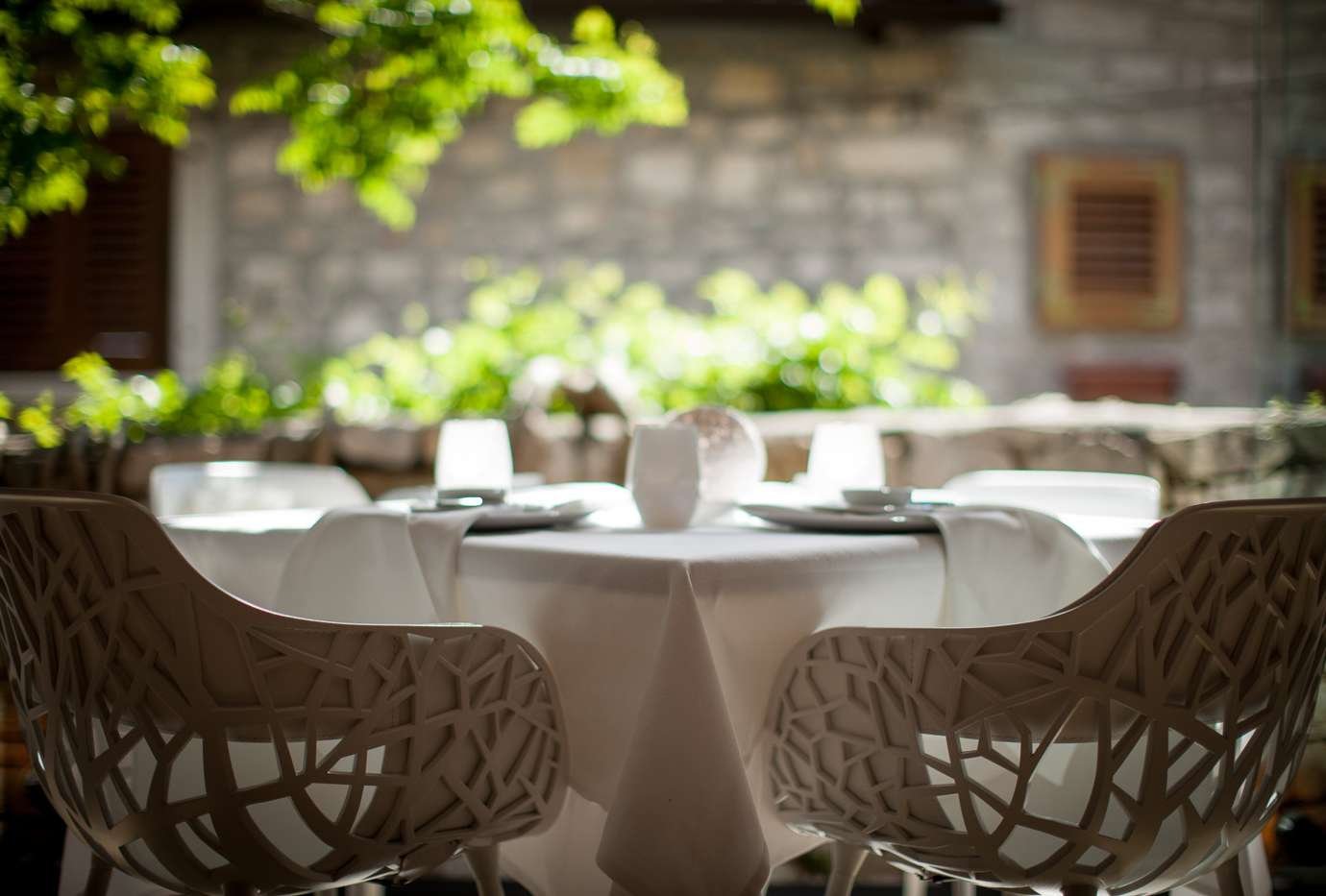
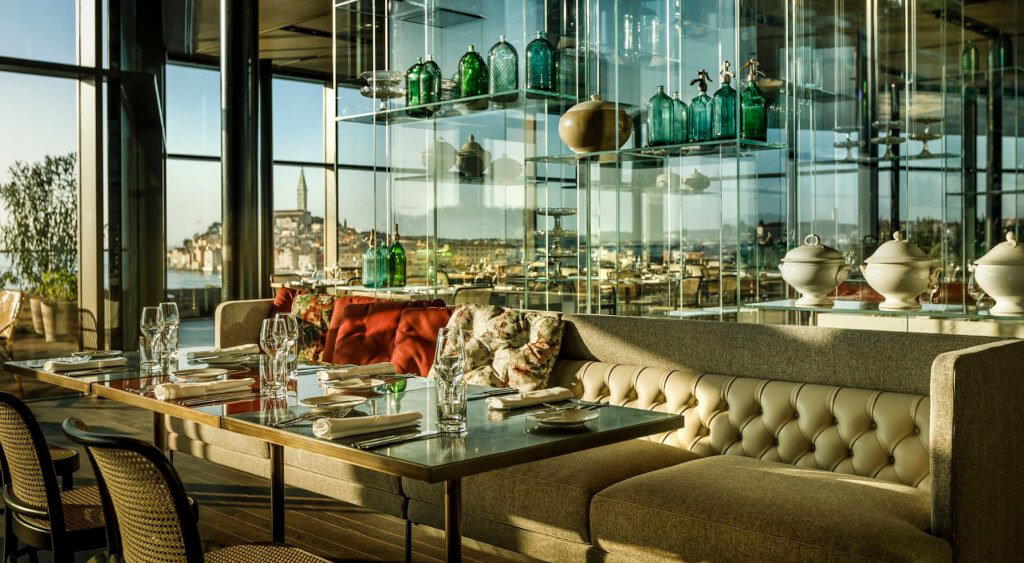
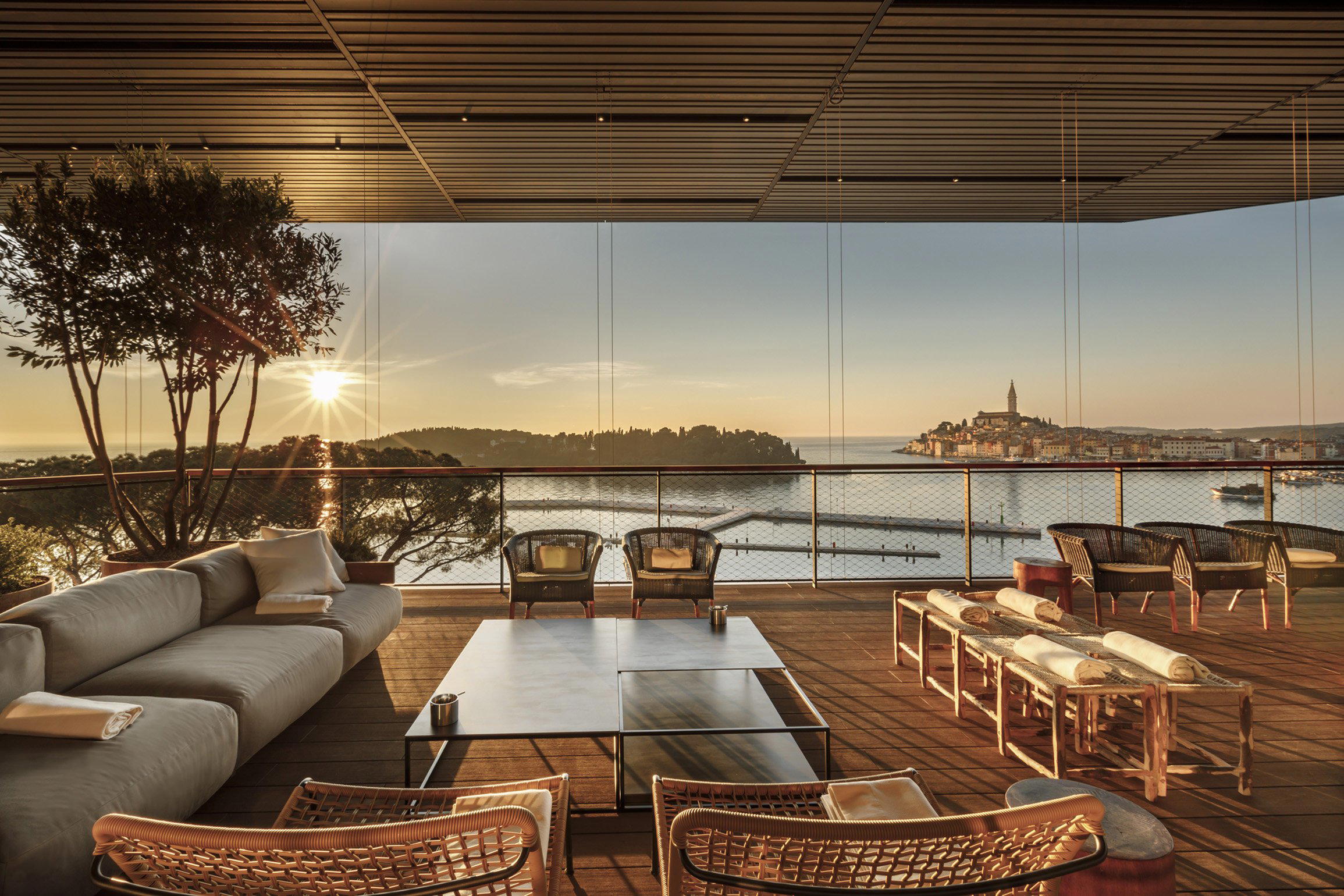
Bars in Rovinj
Browse all →
Hotels in Rovinj
Browse all →

At a Glance
- Rustic
- Cozy
- Classic
- Family
- Standalone
- Local Sourcing
Current opening hours
- Monday
- 12–10 PM
- Tuesday
- 12–10 PM
- Wednesday
- Closed
- Thursday
- 12–10 PM
- Friday
- 12–10 PM
- Saturday
- 12–10 PM
- Sunday
- 12–10 PM
Hours can change for holidays and private events. Last verified .
Traditional trattoria style with gorgeous interior, beautiful arches, clean, and cozy tavern atmosphere.