Lo Sfizio occupies a address on Hansaring 149 in Cologne's northern ring, placing it within reach of the city's concentrated fine-dining corridor without sitting at its centre.
Pearl is the En Primeur Club membership app — saves, bookings, and concierge access live there. Same editors, same standards.
- Address
- Hansaring 149, 50670 Köln, Germany
- Phone
- +49 221 16890449
- Website
- losfizio-koeln.de
- Directions
- Get directions
 Saves & bookings on Pearl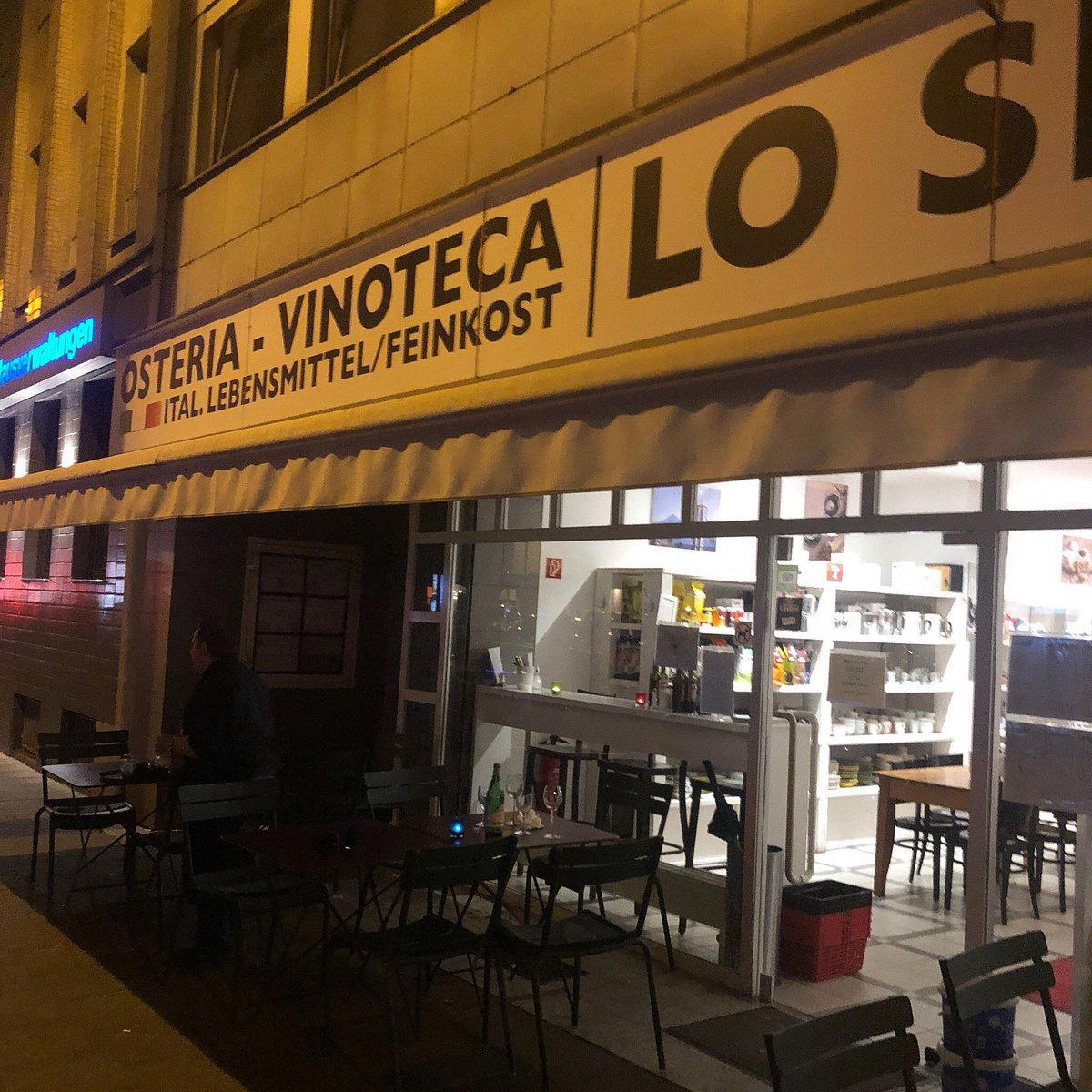
Hansaring and the Edges of Cologne's Dining Map
Cologne's serious restaurant scene has historically clustered around the Altstadt, the Belgian Quarter, and a handful of addresses along the inner ring roads. Hansaring 149 sits on the northern arc of that ring, a stretch that functions less as a destination dining corridor and more as a transitional zone between the city centre and the residential neighbourhoods beyond. That position is not a disadvantage. Some of the more interesting rooms in German cities occupy exactly this kind of in-between geography, where rents are lower, foot traffic is more local, and the pressure to perform for tourist cycles is reduced. Lo Sfizio is an Authentic Italian Trattoria at Hansaring 149 in Cologne, with.
What the Room Communicates Before the Food Arrives
The physical approach to a restaurant on a ring road tells you something different from an address tucked into a cobbled quarter. Hansaring is a wide, well-lit urban artery, the kind of street that moves traffic efficiently and rewards the restaurants along it with visibility rather than intimacy. A room that works against that context, pulling diners into something quieter and more considered, has to do so deliberately. The design choices inside, the acoustics, the table spacing, the quality of light at service time, carry more weight when the street outside is utilitarian rather than atmospheric.
In rooms where the front-of-house team is functioning well, that transition from street to interior is handled through the first thirty seconds of welcome. The Italian register in the name Lo Sfizio, which translates loosely as a whim or small pleasure, suggests an orientation toward the convivial rather than the ceremonial. That framing tends to produce a specific kind of service dynamic: less formal than Cologne's Michelin-decorated rooms, but attentive in ways that signal genuine hospitality training rather than casual indifference.
The Team Dynamic in Italian-Register Dining
Across German cities, the restaurants that operate in an Italian or Italian-influenced register occupy a distinct position in the dining ecology. They are rarely the venues accumulating three-star citations alongside Schwarzwaldstube in Baiersbronn or Aqua in Wolfsburg, but they frequently outperform their more decorated peers on the metrics that determine whether a guest returns: pacing, warmth, and the sense that the kitchen and the floor are working from the same set of priorities.
The editorial angle here matters because the name Lo Sfizio implies a philosophy of the small pleasure, the well-chosen thing, the gesture that does not announce itself. In restaurants that execute on that register successfully, the collaboration between kitchen and floor is less about choreographed service sequences and more about shared instinct. The sommelier, if present, is reading the table rather than performing a script. The kitchen is sending food that arrives when the conversation allows rather than when the timer dictates. Whether the restaurant has built that culture into its operation is something only a visit can confirm, but the name sets a frame of expectation that a good front-of-house team would understand and work within.
For comparison, Cologne's Le Moissonnier Bistro and maiBeck demonstrate how a city with strong fine-dining anchors also sustains a tier of restaurants where the team dynamic, rather than a decorated kitchen pedigree, is the primary draw. These are rooms built on consistency and personality rather than on annual award cycles, and they attract a loyal local following as a result. The Italian-register framing at the restaurant places it in that same conversation.
Cologne in the German Fine-Dining Frame
Germany's most decorated rooms are spread across the country in a way that makes direct city-to-city comparisons less useful than understanding each city's internal logic. Cologne is not Munich, where JAN operates in a different cultural and economic context, nor is it Berlin, where CODA Dessert Dining represents a particular strand of conceptual ambition. Cologne's dining identity is shaped by its Rhine-adjacent merchant culture, a tradition that values substance alongside refinement and is skeptical of pretension for its own sake.
That character is why restaurants in the Italian register, which share a similar cultural skepticism toward the overly theatrical, have found a receptive audience in Cologne. The city's proximity to Bergisch Gladbach, where Vendôme anchors the regional fine-dining conversation, also means that Cologne diners have a sophisticated reference point for what highly formal European cuisine looks like. Restaurants that operate at a different register are choosing that position consciously, not falling short of the formal tier.
Across the broader German scene, the venues that have built lasting reputations away from the major cities, including Victor's Fine Dining by christian bau in Perl, ES:SENZ in Grassau, Schanz in Piesport, and Waldhotel Sonnora in Dreis, share one characteristic with their city-based counterparts: the team dynamic, not just the kitchen output, is what sustains them across decades. Restaurant Haerlin in Hamburg demonstrates the same principle at the formal end of the spectrum. Internationally, rooms like Le Bernardin in New York City and Lazy Bear in San Francisco have built their reputations in part on the coherence between what the kitchen produces and how the floor interprets it to the guest.
Planning a Visit
The restaurant is located at Hansaring 149, 50670 Cologne. The restaurant is recommended for reservations and follows a casual dress code. Hours are Mon: Closed; Tue: 9 AM-6 PM; Wed: 9 AM-6 PM; Thu: 9 AM-6 PM; Fri: 9 AM-6 PM; Sat: 9 AM-9 PM; Sun: Closed. Diners planning an evening in this part of Cologne should note that the Hansaring address is well-served by tram connections from the central station, making it a practical addition to an itinerary that begins elsewhere in the city.
Budget Reality Check
Comparable venues nearby, for context on price, style, and recognition.
| Venue | Cuisine | Price | Notes |
|---|---|---|---|
| Lo SfizioThis venue — the venue you are viewing | Not listed | $$ | Not listed |
| L´assaggio Da Rocco | Not listed | $$ | Neustadt/Süd, Modern Italian Tapas |
| Made in Napoli | Neuehrenfeld, Authentic Neapolitan Pizza | $$ | Not listed |
| Ristorante Etrusca | Not listed | $$$ | Neustadt/Süd, Sardinian-Italian |
| Spacca Napoli | Ehrenfeld, Neapolitan Pizza | $$ | Not listed |
| Bar Trattoria Celentano | Not listed | $$ | Neustadt/Nord, Authentic Sicilian Italian Trattoria |
Continue exploring
More in Cologne
Restaurants in Cologne
Browse all →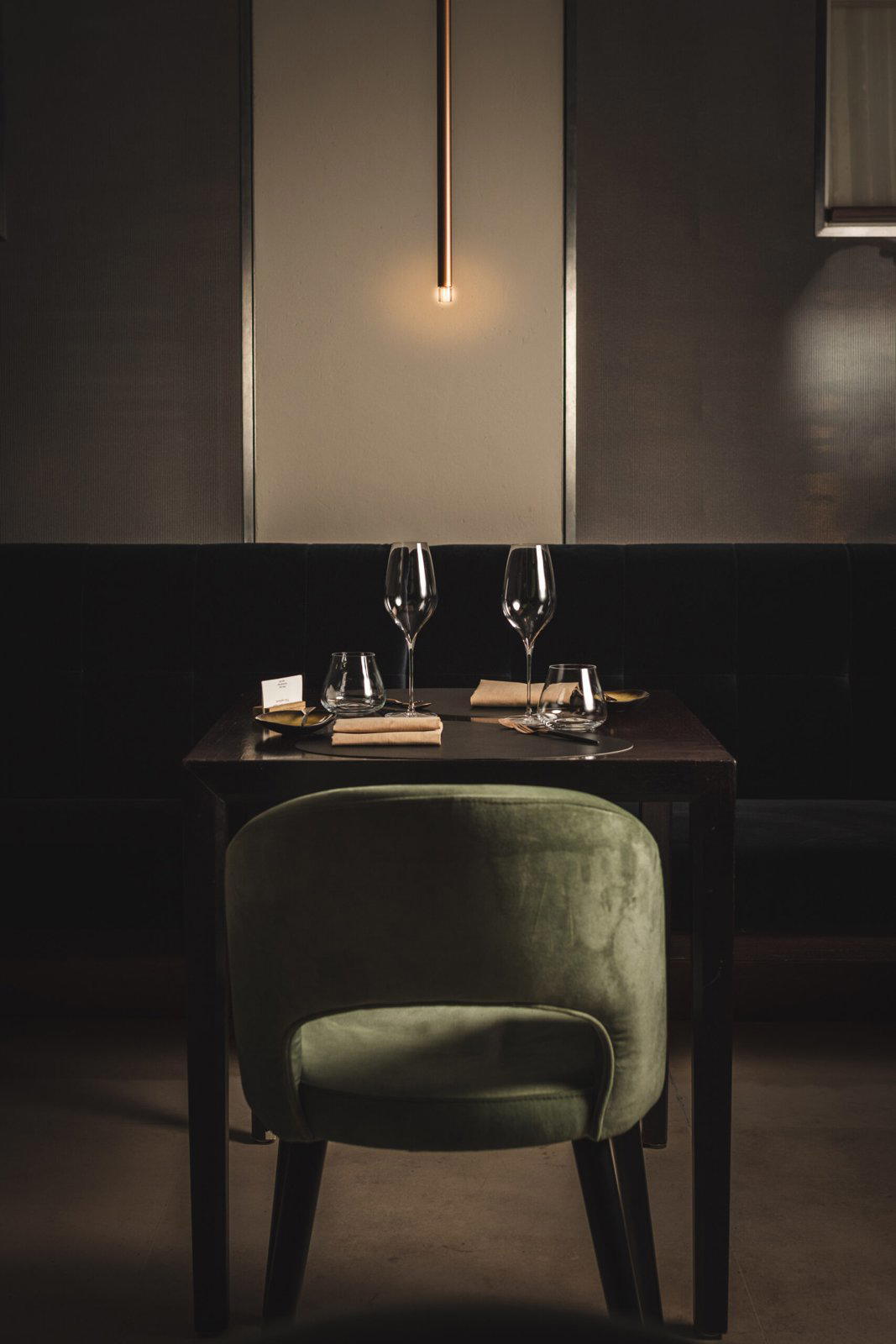
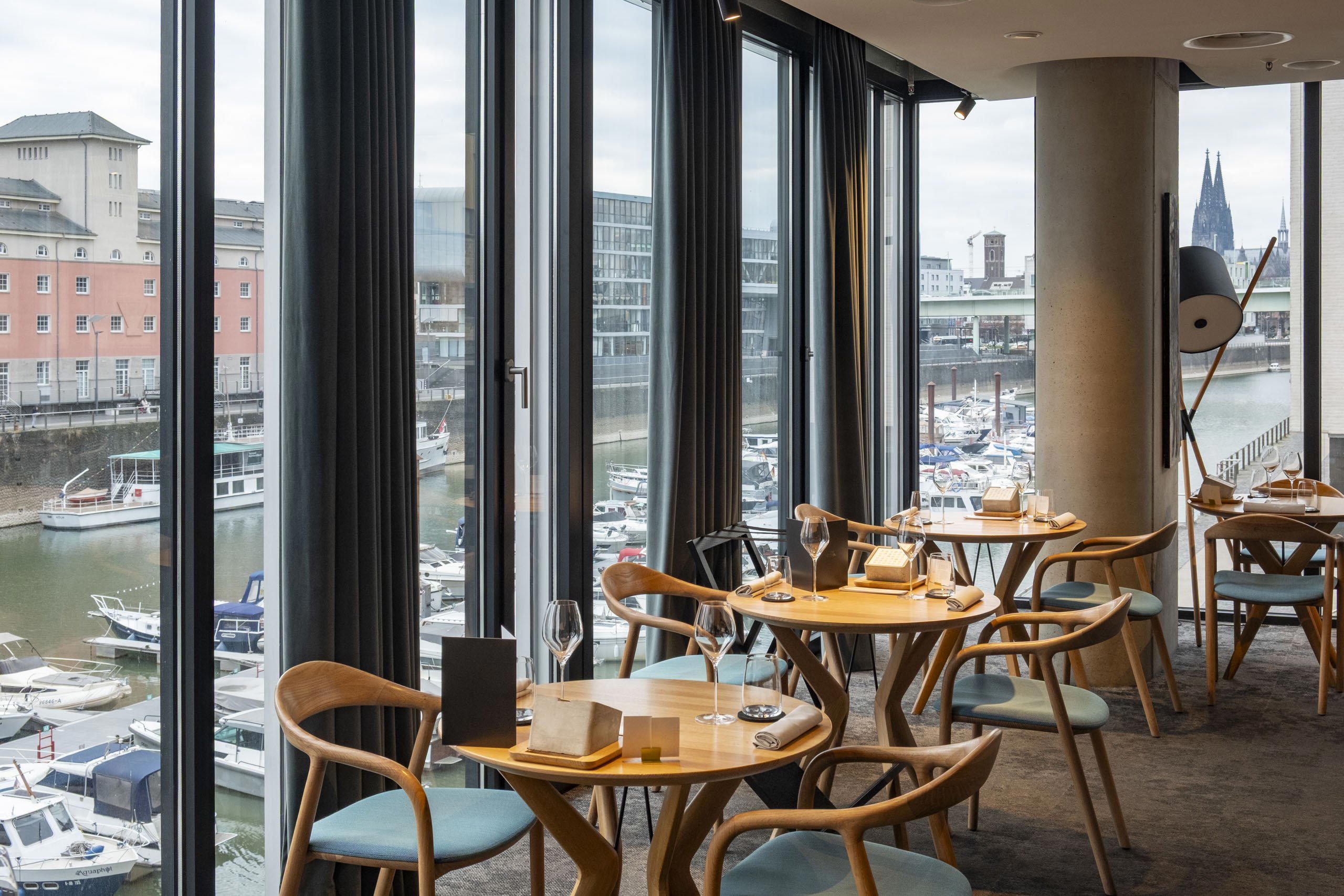
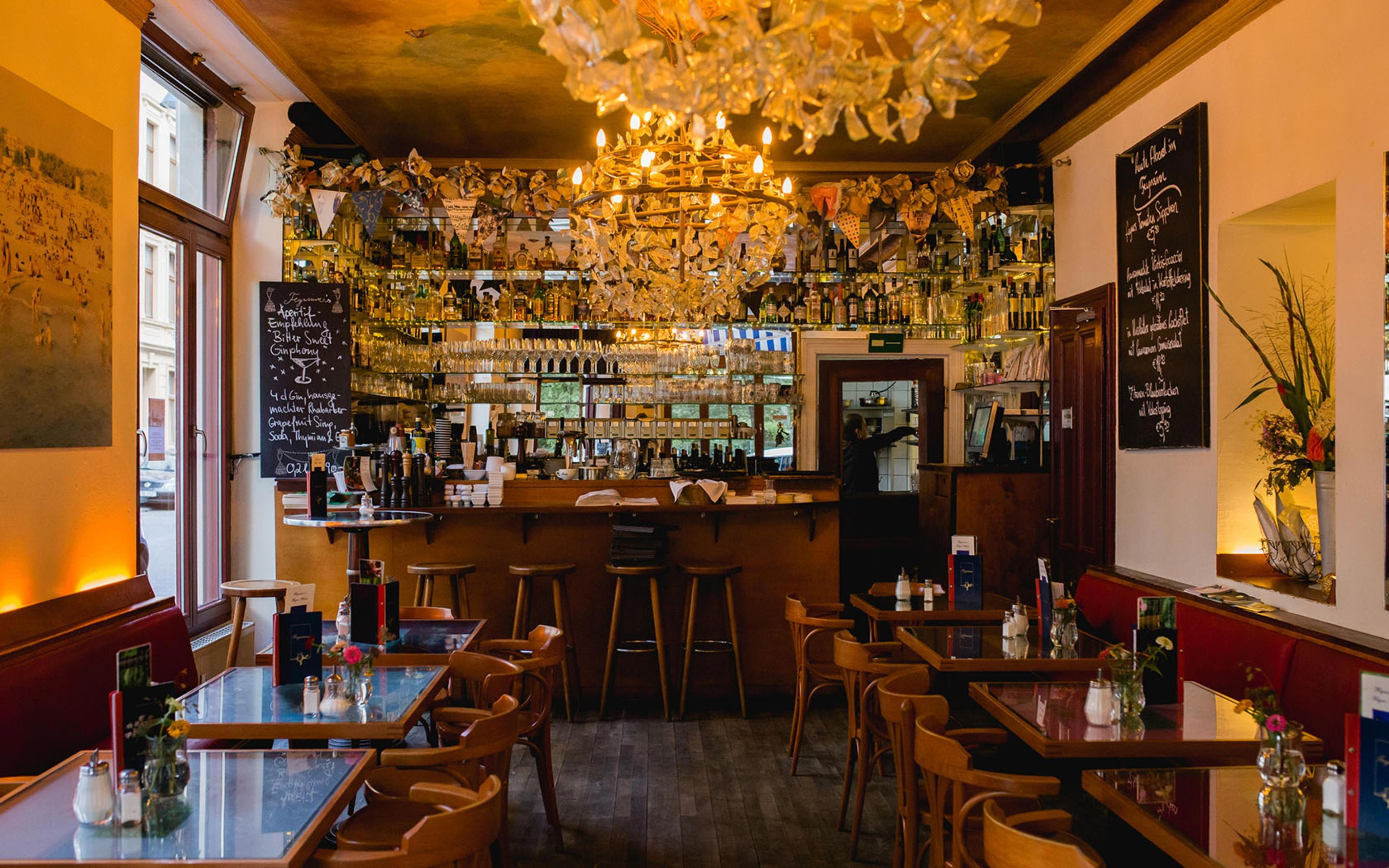
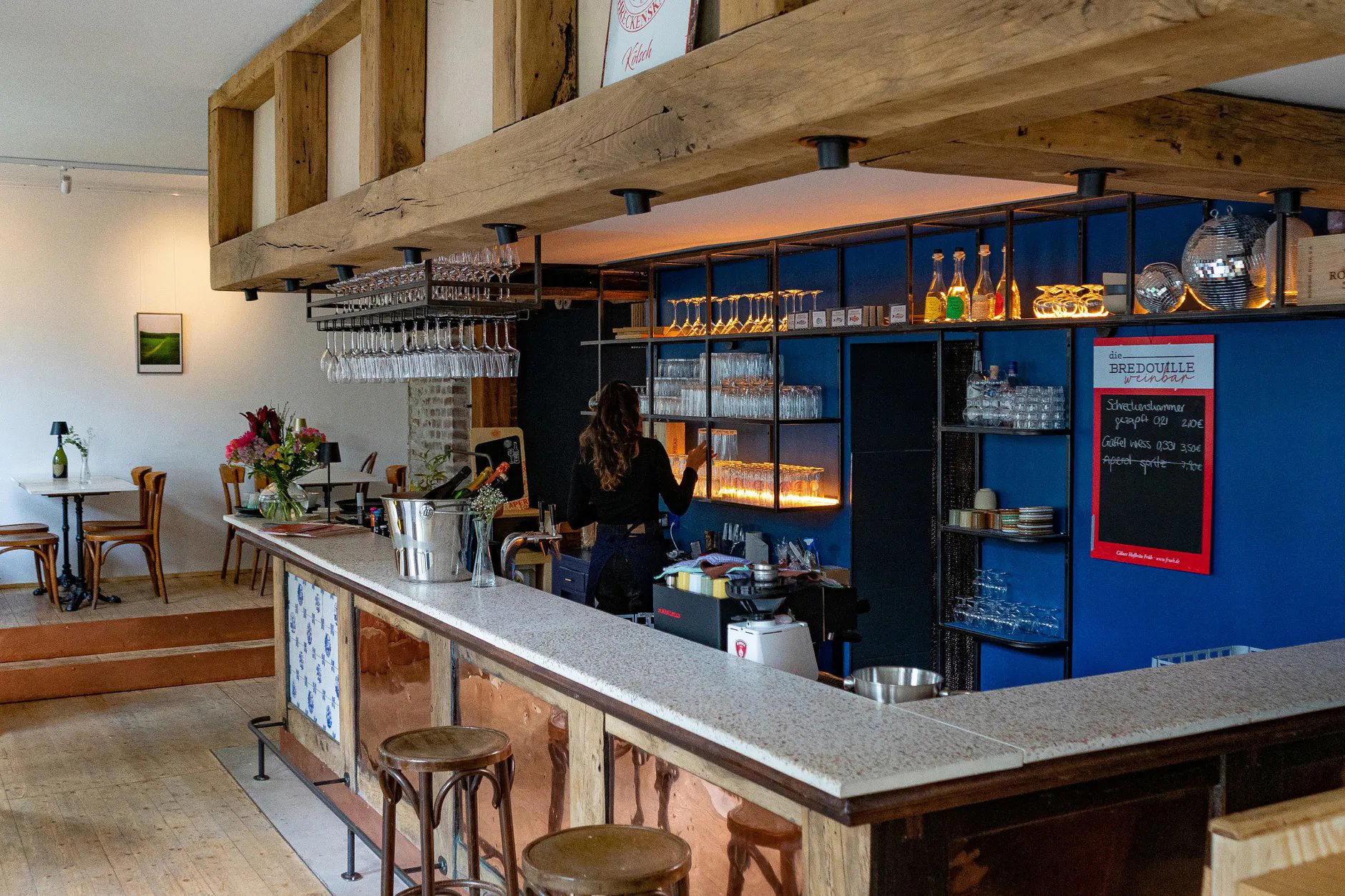
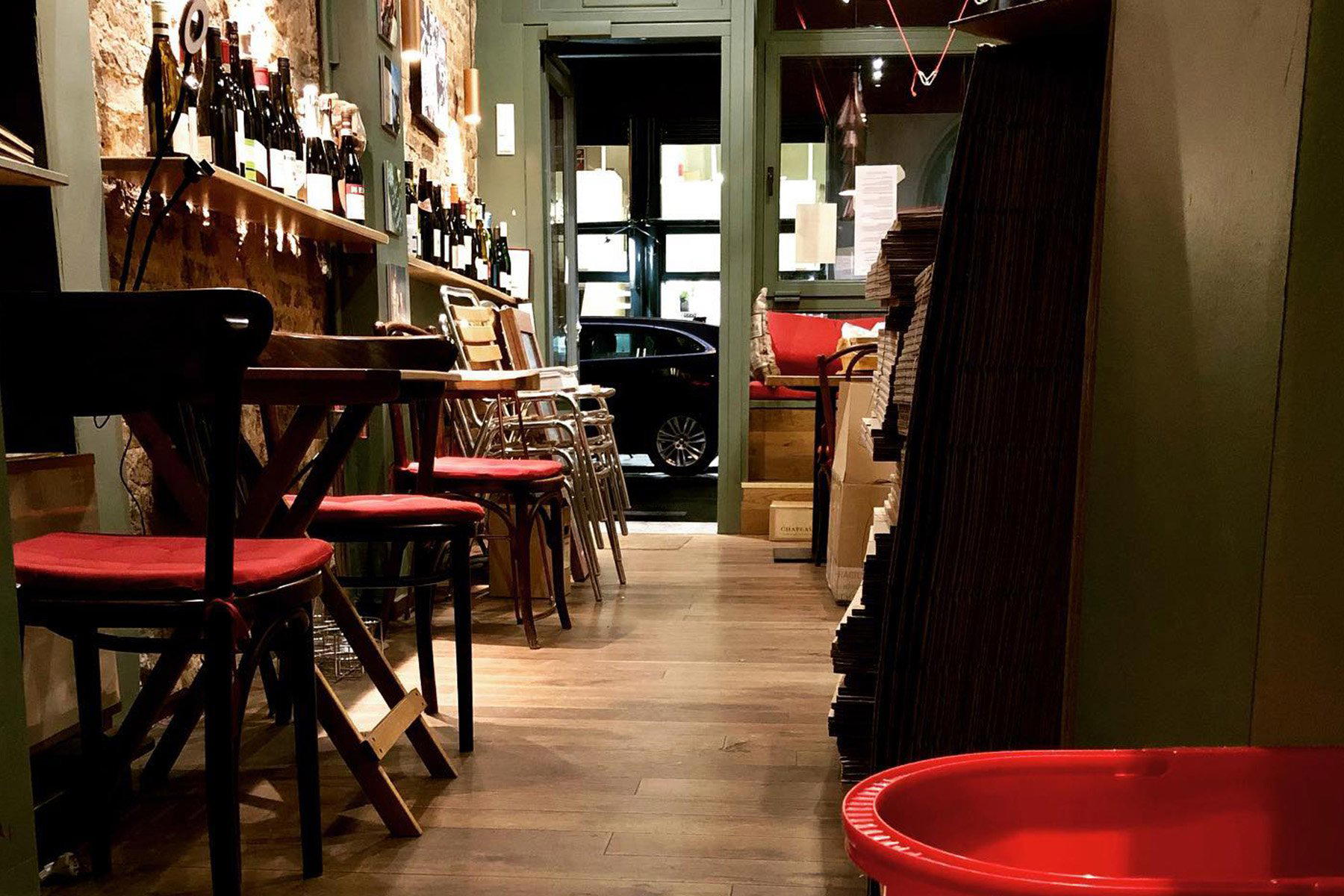
Bars in Cologne
Browse all →

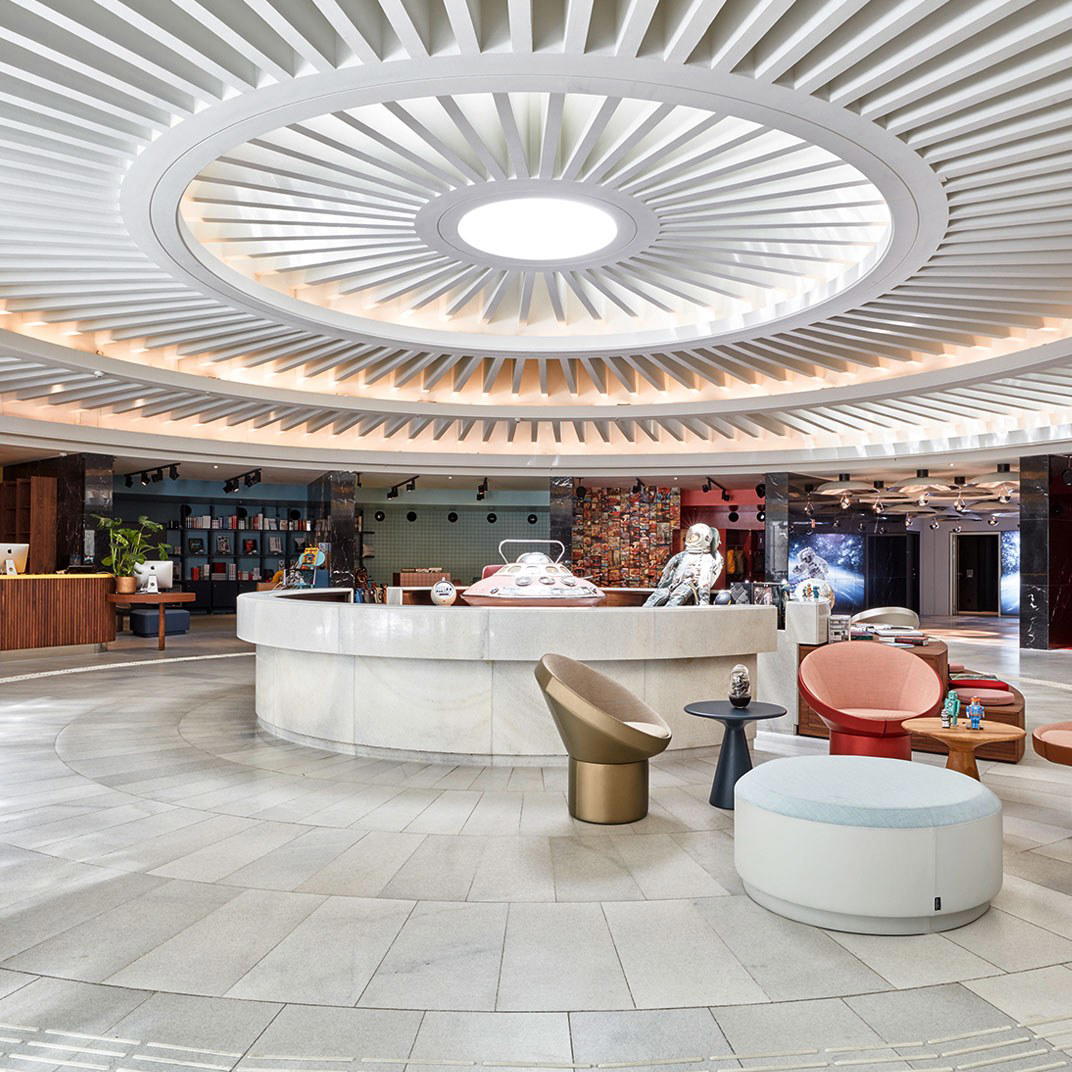
Hotels in Cologne
Browse all →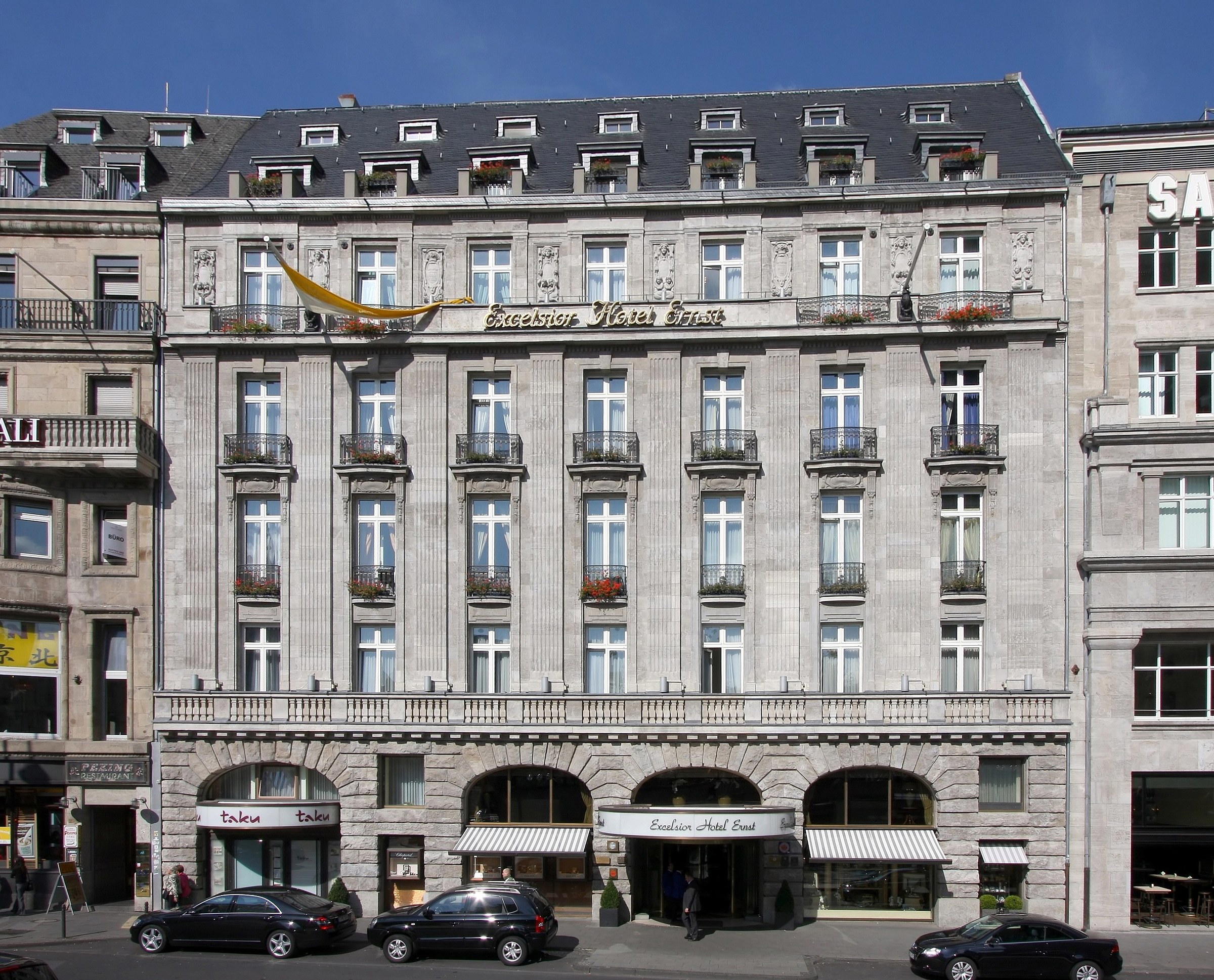

At a Glance
- Cozy
- Classic
- Casual Hangout
- Open Kitchen
- Extensive Wine List
Current opening hours
- Monday
- Closed
- Tuesday
- 9 AM–6 PM
- Wednesday
- 9 AM–6 PM
- Thursday
- 9 AM–6 PM
- Friday
- 9 AM–6 PM
- Saturday
- 9 AM–9 PM
- Sunday
- Closed
Hours can change for holidays and private events. Last verified .
Simple, cozy Italian atmosphere with a market feel from the attached deli.